
Natural Timber Dining Chairs
Natural timber dining chairs put the wood’s appearance into the repeated outline around a table. Natural does not necessarily mean uncoated, and it does not identify one species or the material of every chair component. Read the frame, seat and finish details separately.
Read moreRead less
Then compare the actual timber tone with the table and floor. Chairs can relate through warmth without matching each surface exactly, while their backs and arms still need to serve everyday sitting. Use this guide to assess that visual character alongside real support and clearance. Browse any listed pieces, or explore timber dining chairs for a broader construction comparison beyond a natural-finish preference.
Showing all 19 resultsSorted by recommended
-
-
-
-
-
-
On SaleOriginal price was: $759.00.$630.00Current price is: $630.00.
-
-
-
-
On SaleOriginal price was: $1,019.00.$846.00Current price is: $846.00.
-
On SaleOriginal price was: $673.00.$559.00Current price is: $559.00.
-
-
-
-
-
-
-
-
On SaleOriginal price was: $509.00.$433.00Current price is: $433.00.
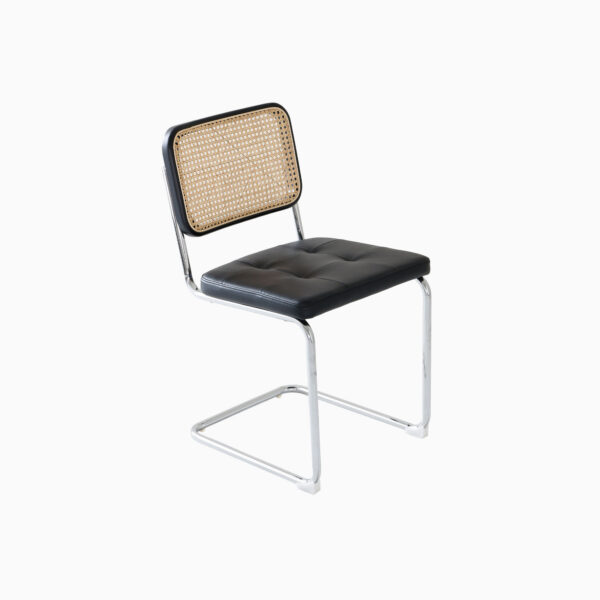

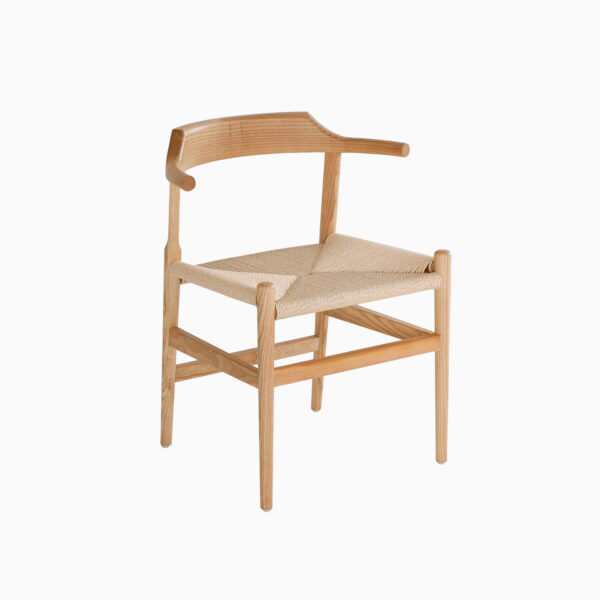
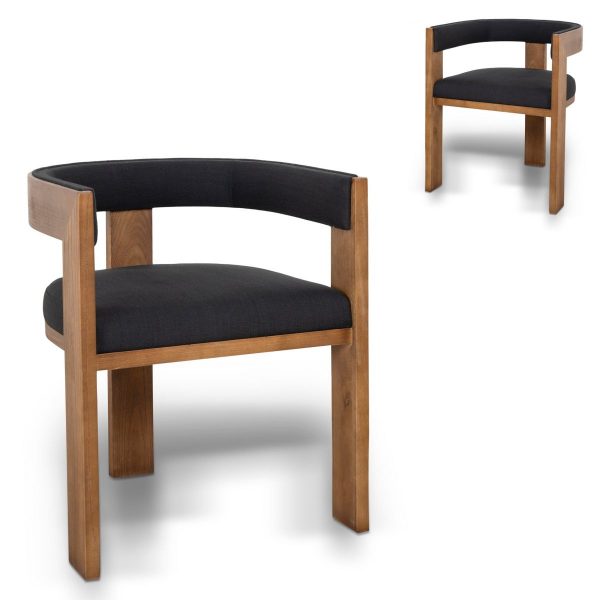
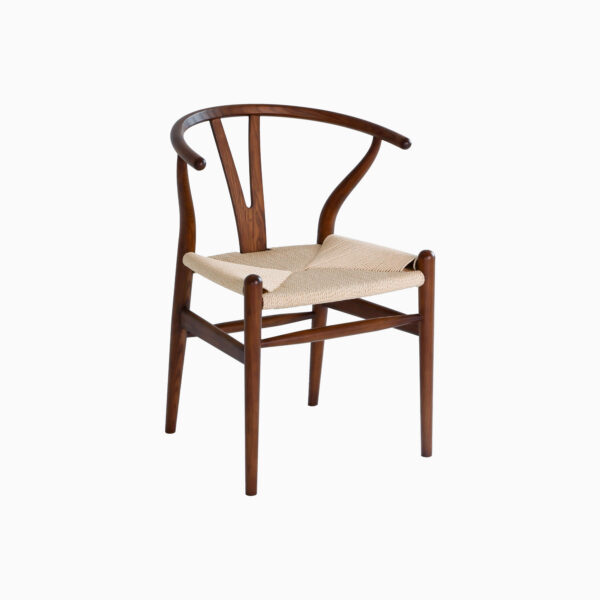
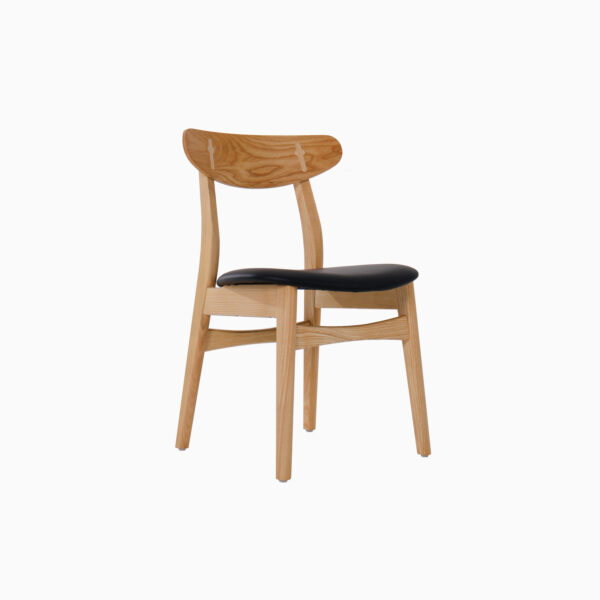
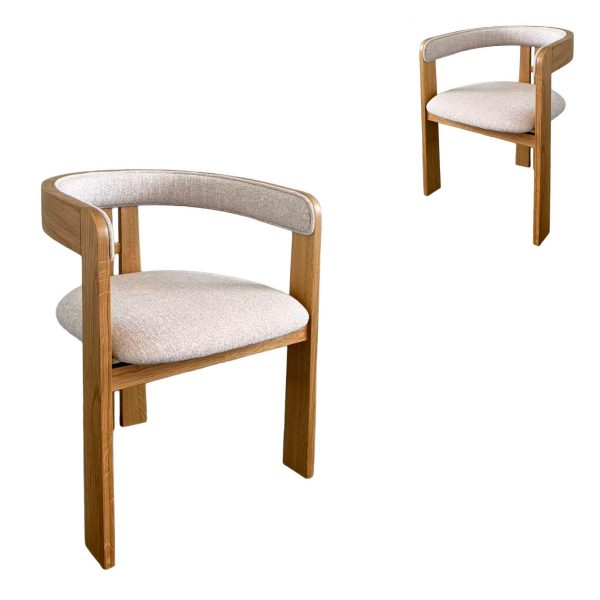
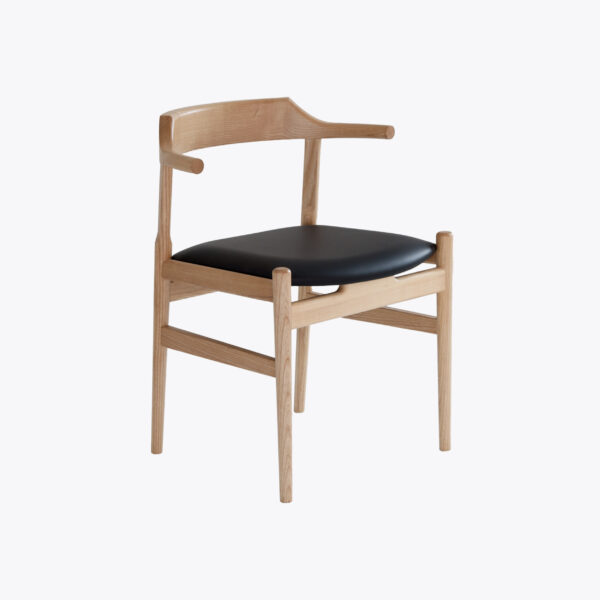
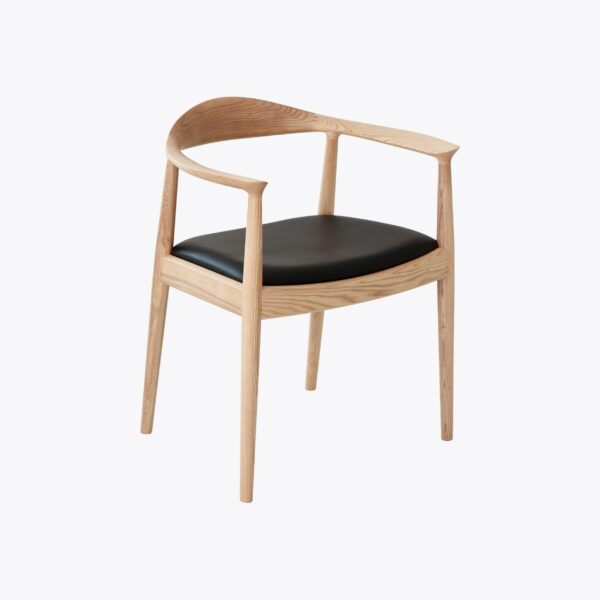
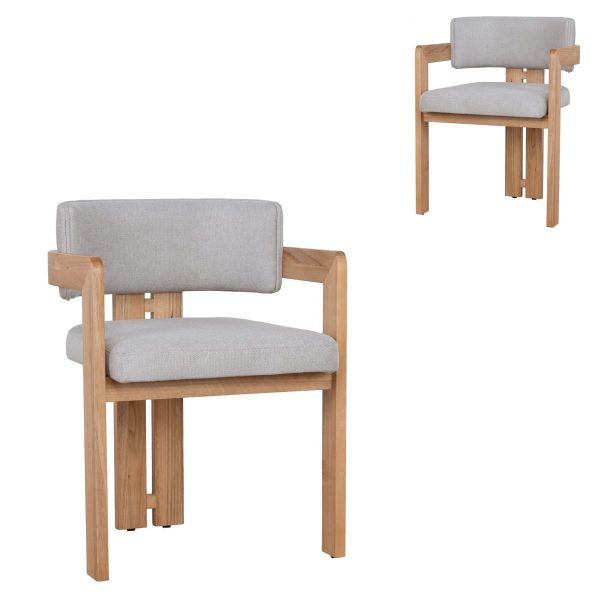
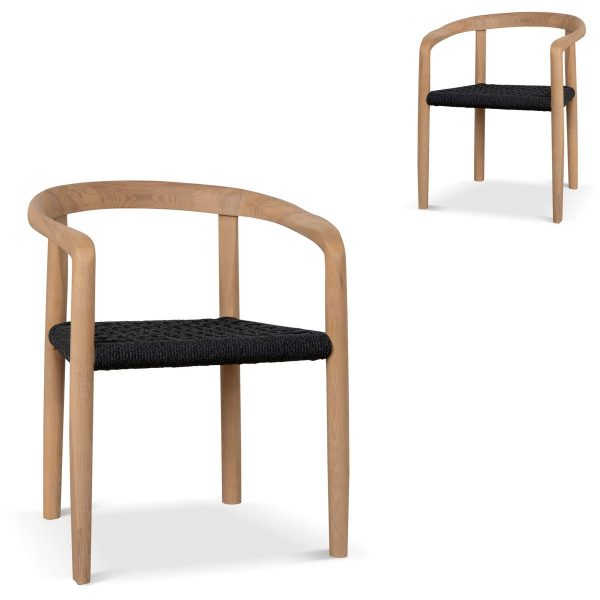
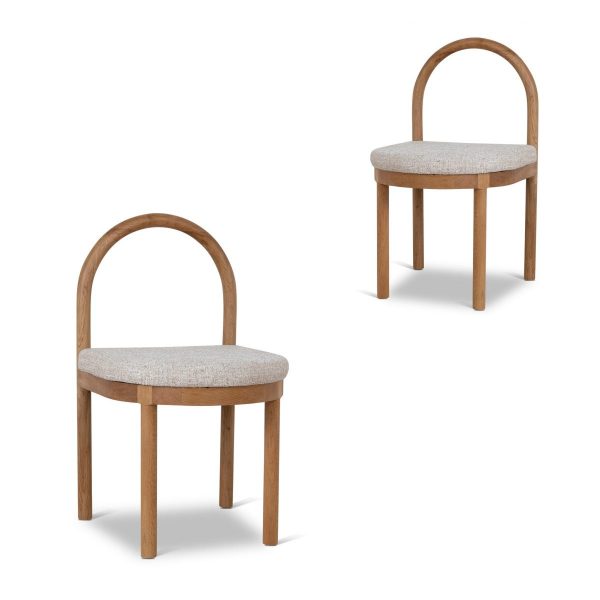
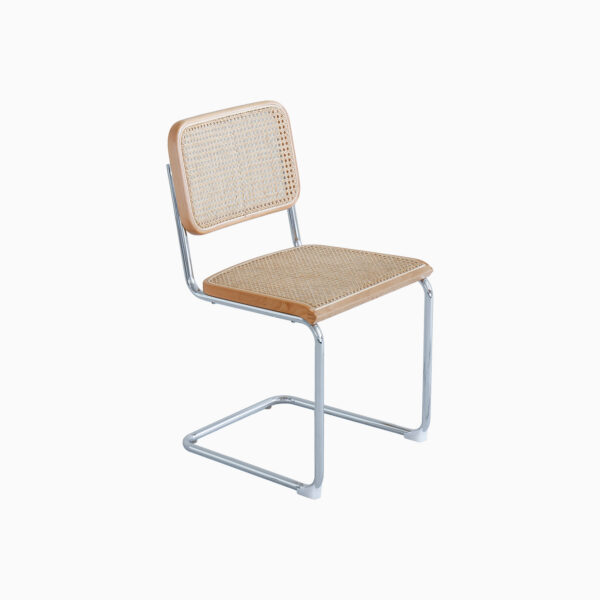
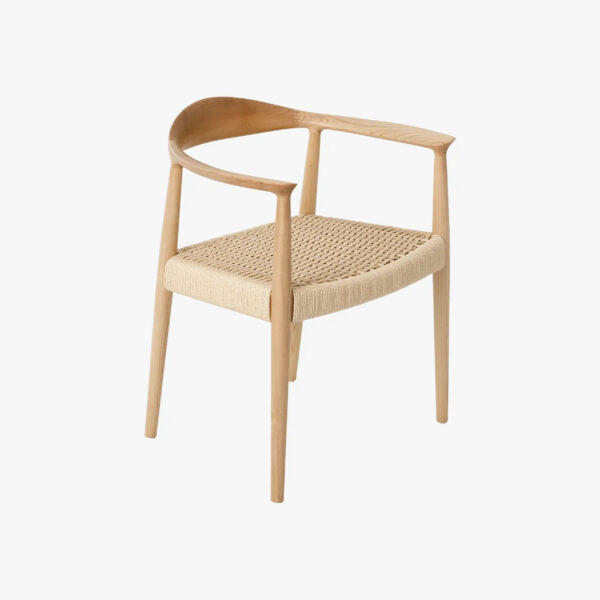
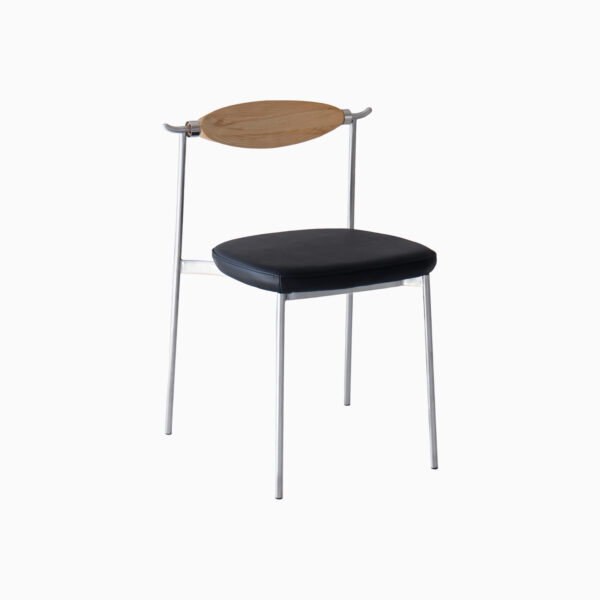
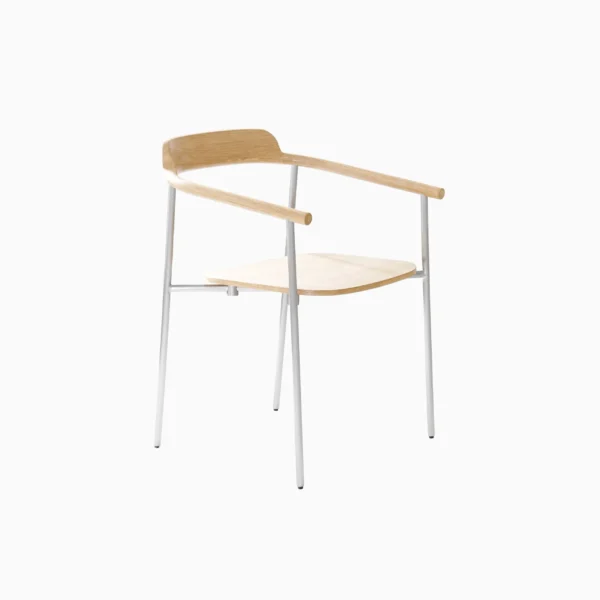
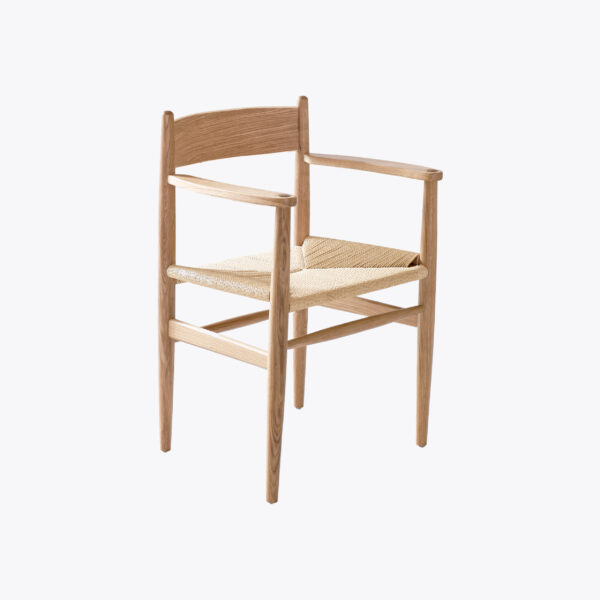
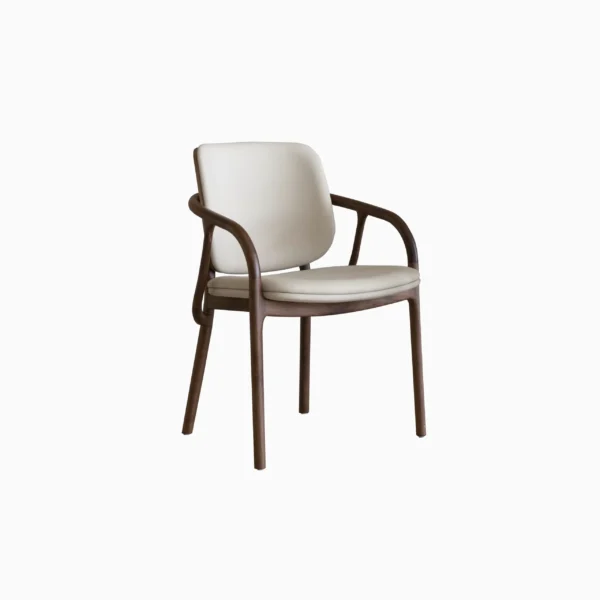
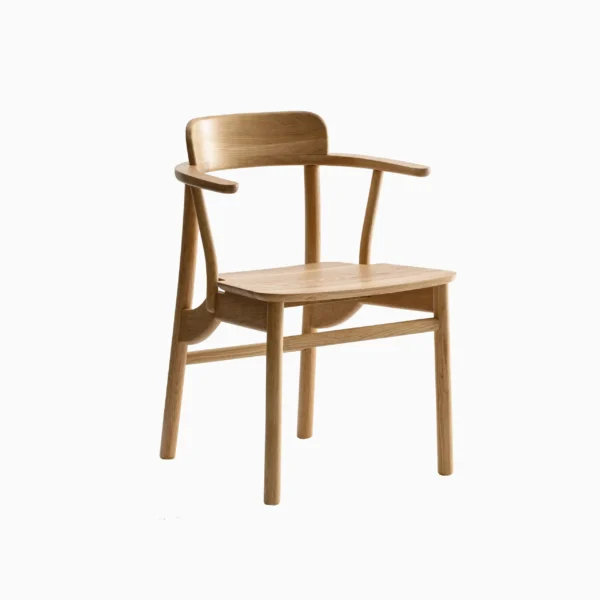
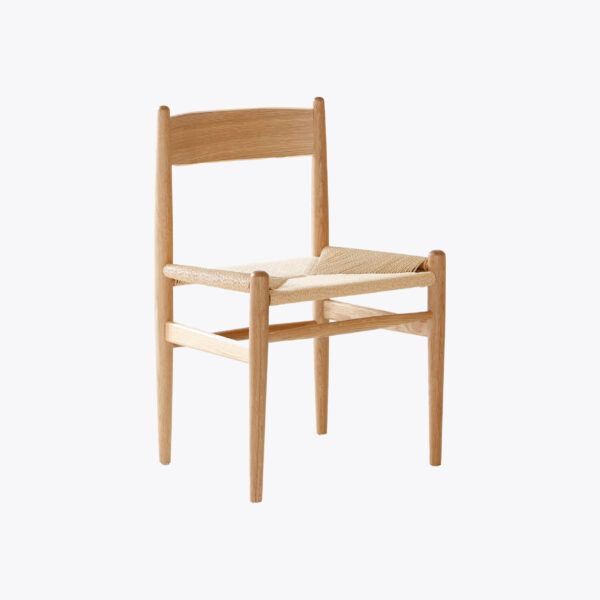
Know which chair parts show the timber character
Check the frame, back, arms where present and any seat materials. A natural timber frame may sit with upholstery or a woven seat, so do not describe the whole chair as bare wood without the actual specification.
Look at grain at the parts you see and touch closely. A shaped back or arm gives the material a different role from legs below the table. Confirm coating information as well: a natural-looking finish is not proof that oiling or sanding is appropriate. Ask about unclear details before choosing around an assumed raw surface. Compare the stated grain and finish on the backs and any arms that will remain visible above your table.
Coordinate the chair group with table and floor
Compare the full group of backs and frames, not one timber sample. Repetition can make the wood tone more prominent around the table than expected. A clear change in lightness or a shared warmth can connect the setting without an exact finish match.
Use dining tables alongside chair measurements if choosing both pieces. Matching wood cannot establish arm clearance or usable seat positions. Include any upholstered or woven surface in the palette too, since it can separate nearby timber tones. The final relationship should look deliberate while each chair approaches the table and leaves room for ordinary meals and movement.
Choose natural appearance on a useful chair form
Review seat depth, back shape and any arm contact for the intended sitter. Visible timber does not guarantee a particular comfort level, and a preferred finish should not distract from a form that meets the table awkwardly.
Follow care instructions for the wood coating and separate seat material. Do not apply a wood treatment to upholstery or weave. If a textured seat is part of the brief, compare rattan dining chairs through the actual components. Confirm assembly and quantity before ordering the group.