
Natural Timber Dining Benches
Natural timber dining benches put visible wood character along a shared sitting surface or stated frame. Read which parts are timber and how they are finished; natural does not necessarily mean raw or uncoated. Check the finish you like alongside the construction of the seat and supports.
Read moreRead less
Then compare that long material line with the table and floor, keeping useful seat depth, height and support in view. This guide helps the natural finish serve a practical dining arrangement. Browse any listed pieces with those facts beside the palette, or review the wider dining benches category while deciding whether shared seating fits the household’s everyday use before choosing its material character.
Showing the single result
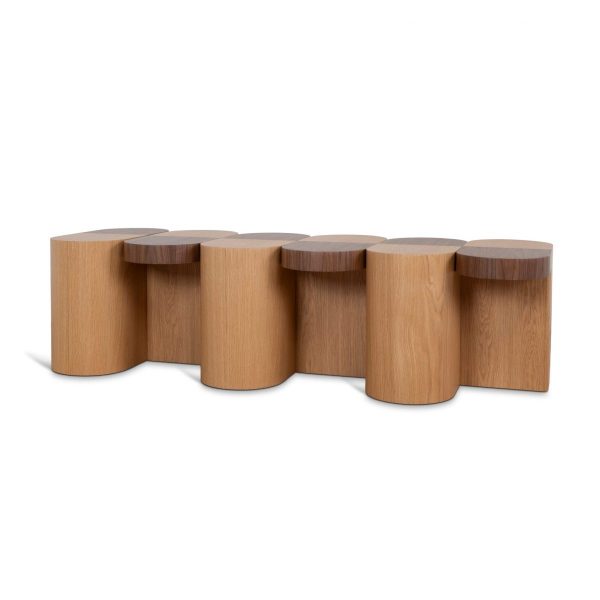

Assess wood character across the complete shared seat
Look at the whole specified timber area rather than a small close-up of grain. A long seat can show variation and direction more clearly than a compact furniture detail. Check how the actual finish presents that character and what variation may be expected.
Read solid, veneered and other components accurately. The natural appearance alone cannot establish species or construction throughout. If a broader wood-based comparison is useful, explore timber dining benches through their actual specifications. Choose how much visible character you want along the dining edge, using the actual finish and expected variation to compare it with your table.
Compare the sitting form with the table and users
Review usable seat depth, height, length and any back arrangement for ordinary meal posture. Timber appearance does not establish comfort, and a well-matched wood tone should not distract from support or dimensions that serve the users poorly.
Use the dining tables category alongside underside and support measurements. Check the bench’s full base as well as its seat, then draw occupied positions and room routes. A deliberate change in timber warmth or lightness can connect table, floor and bench without exact matching. That palette should sit on a setting people can approach, share and leave comfortably rather than furniture chosen only for coordinating grain.
Care for the actual finished sitting surface
Read coating and cleaning guidance for the bench and any different components. Natural-looking wood is not necessarily suitable for oiling or sanding, and the sitting surface receives repeated contact during daily use. Follow the specific instructions instead of applying a generic raw-timber routine.
Check protection or permitted accessories where applicable and keep the usable seat clear of unrelated belongings. Compare dining chairs if individual seats better suit another part of the setting. Confirm assembly and actual use limits before ordering.