
Natural Timber Console Tables
Natural timber console tables make the wood’s appearance part of a wall or seating arrangement. Natural does not necessarily mean raw or uncoated, and it does not identify one species. Read the actual components and finish before deciding how the surface should be used or cared for.
Read moreRead less
Compare the long top or visible front with the floor and nearby furniture. A console can connect several wood tones through a clear relationship without matching every piece. This guide helps assess that character alongside practical depth and daily objects. Browse any listed designs, or explore timber console tables for a wider construction view beyond the natural-looking finish preference.
Showing all 16 resultsSorted by recommended
-
-
On SaleOriginal price was: $933.00.$821.00Current price is: $821.00.
-
On SaleOriginal price was: $1,219.00.$1,073.00Current price is: $1,073.00.
-
-
-
-
-
-
-
-
-
-
-
-
-
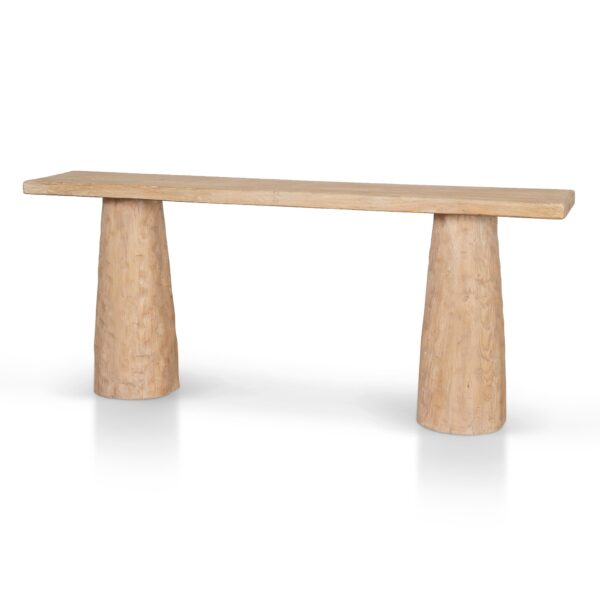

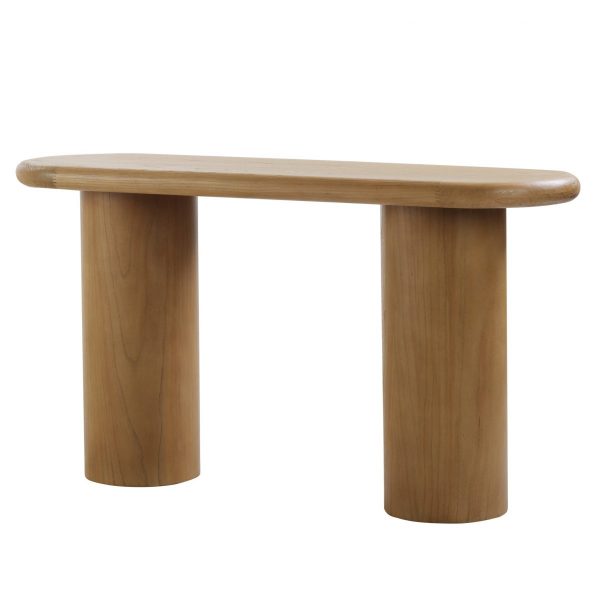
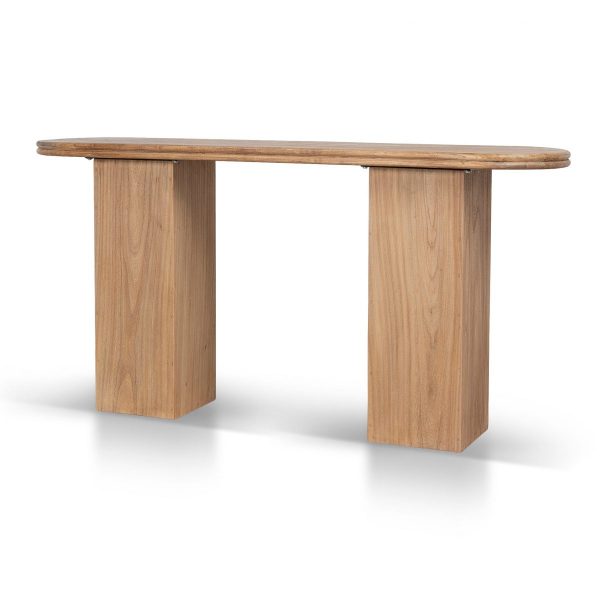
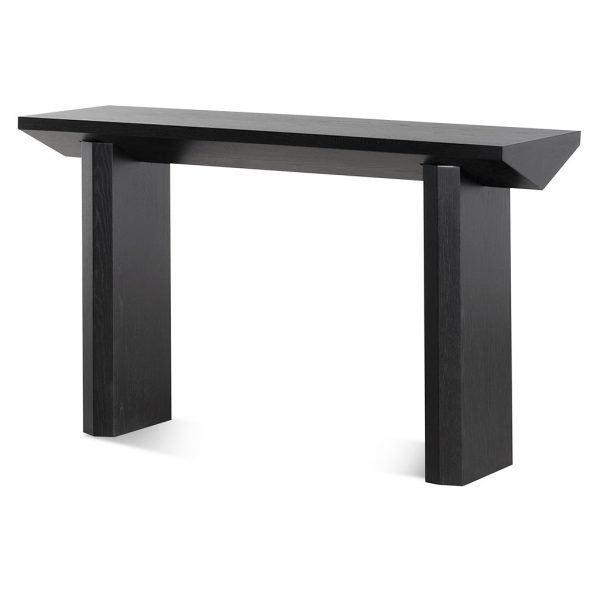
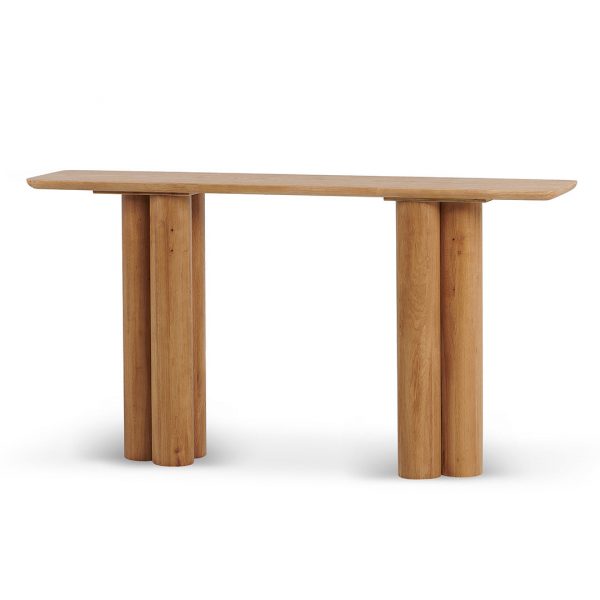
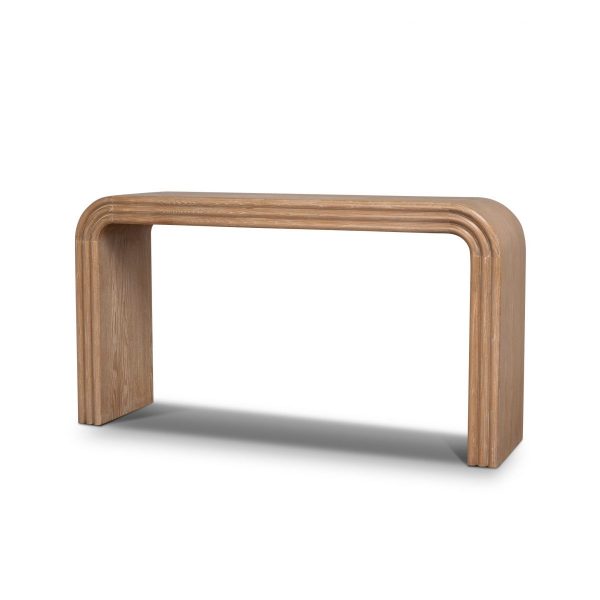

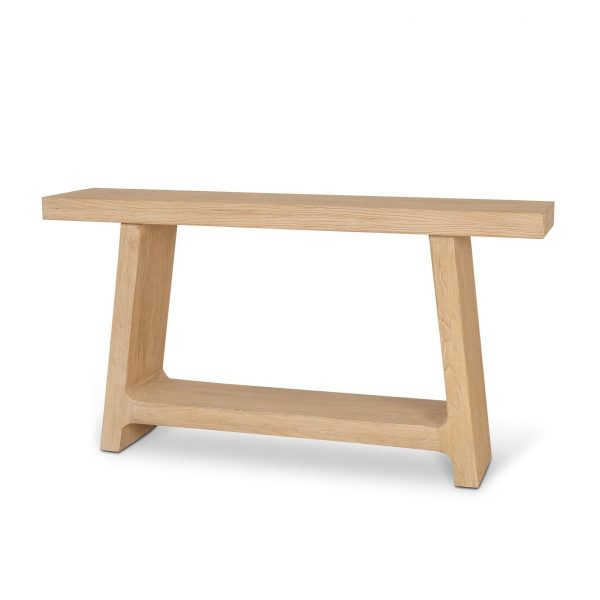
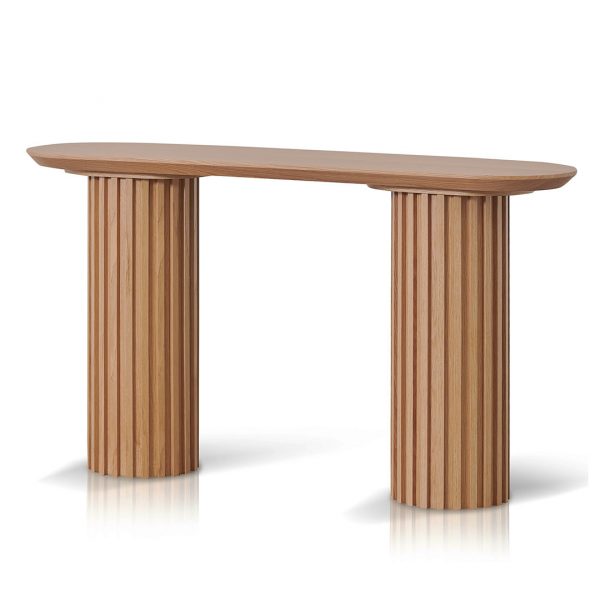
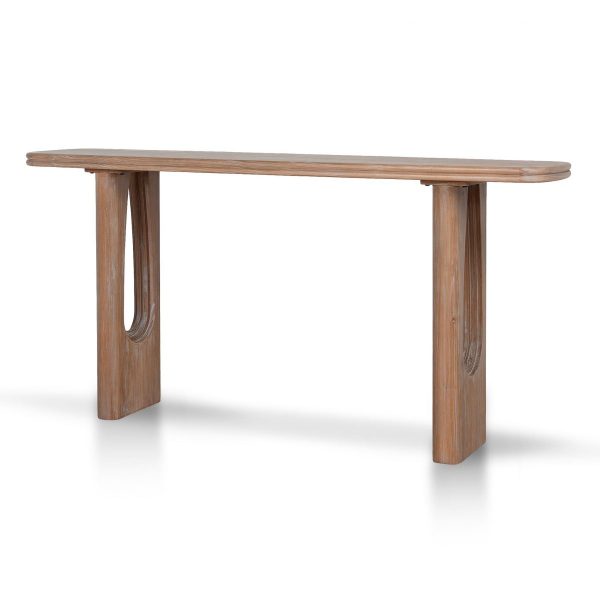
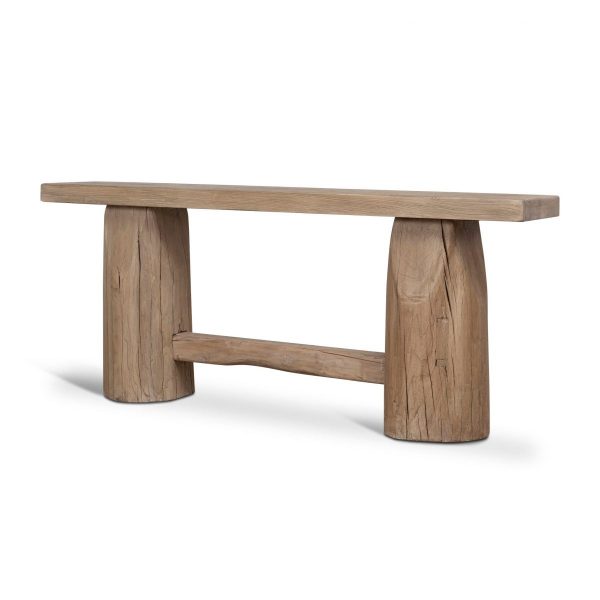

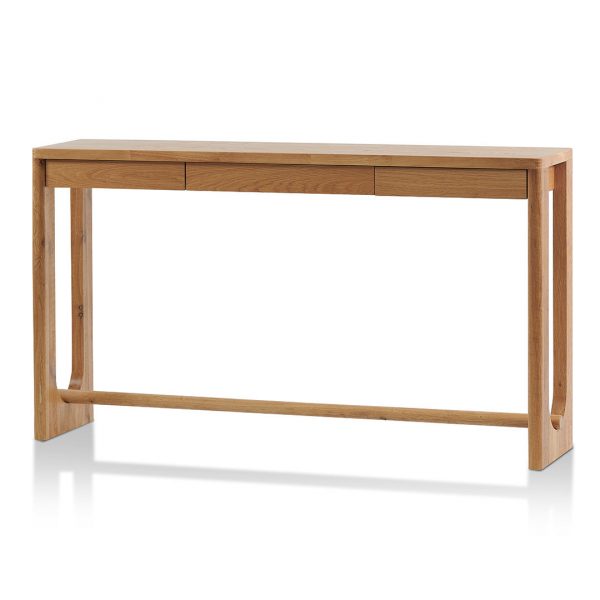
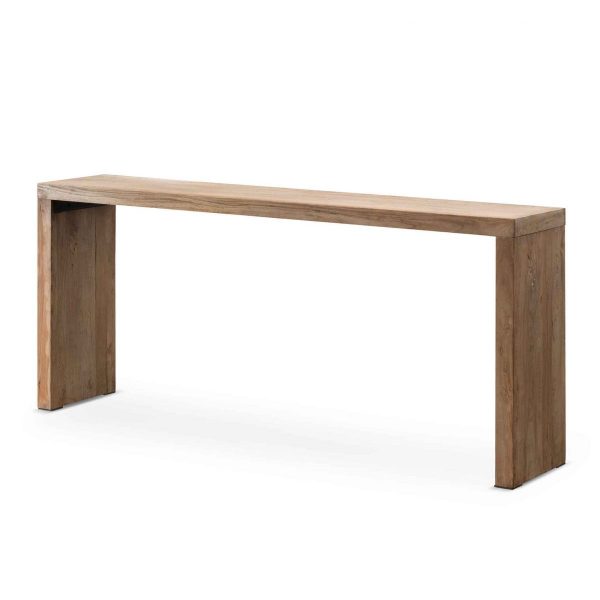
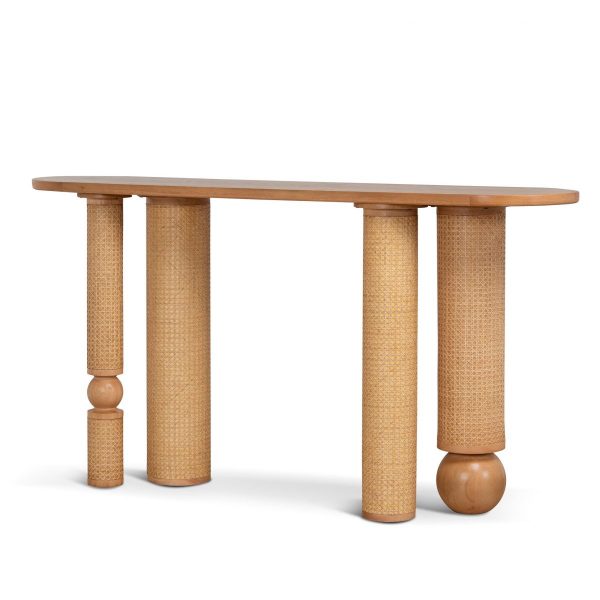
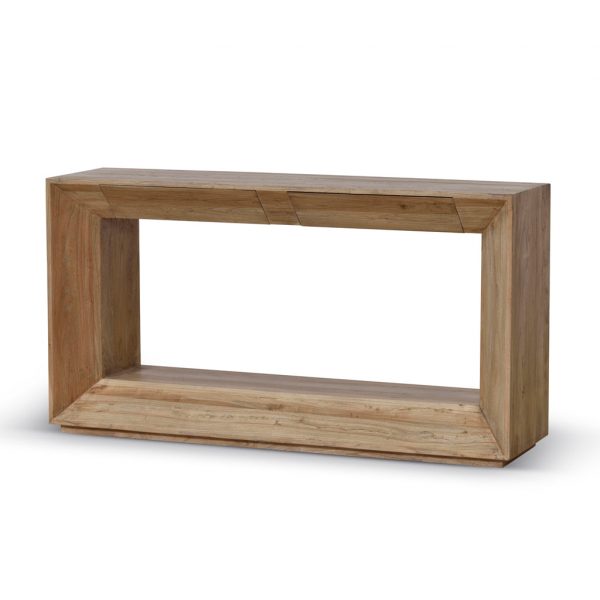
Identify the surfaces that carry the timber character
Read top, fronts, supports and storage components separately where provided. Solid timber, veneer and other materials can appear together. A natural-looking photograph should not be used as proof of uncoated wood or one construction throughout.
Look at grain direction across the long top and how it meets the edge or visible face. These details influence the console at close range and from the room entry. Ask about any finish information central to your choice.
Give the timber line a place among existing finishes
Use the floor, wall and adjacent furniture as references for warmth and lightness. A clear contrast can keep the console distinct, while a repeated warm influence can connect it. Near-matching tones deserve close comparison across the full span.
Check the console’s height and length against a sofa if placed behind seating. The wider console tables category helps choose that location and function. For another specified wood face, compare oak veneer console tables through real finish and construction. Material coordination should accompany complete depth and usable top space, not justify a long timber surface that blocks movement or fits the surrounding furniture awkwardly.
Use the actual finish for the everyday surface
Read care guidance for the coating and any different materials. Natural appearance does not establish whether oiling, polishing or sanding is appropriate. Follow the selected item’s instructions rather than treating the top like an unfinished board.
Test lamp, tray and ordinary objects within the usable surface, with protection beneath them where required. Keep enough clear space for the daily task and access for cleaning. If storage is needed, confirm actual openings and capacity instead of inferring them from a timber face. Review assembly and supplied fixing guidance too.