
Mango Wood Sofas
Mango wood sofas can use timber in a hidden frame or in visible feet, arms and other parts. Confirm where the mango wood is before choosing it for appearance. Exposed natural mango may show golden through reddish-brown tones, wavy grain or darker streaks; a covered frame will not bring those details into the room.
Read moreRead less
Decide whether you want visible wood character or a documented structural component. Then compare the actual coating, upholstery and useful seating dimensions. Use this guide to connect those separate jobs, or review the wider sofas category while settling your posture, shared seating and room layout.
Showing the single result
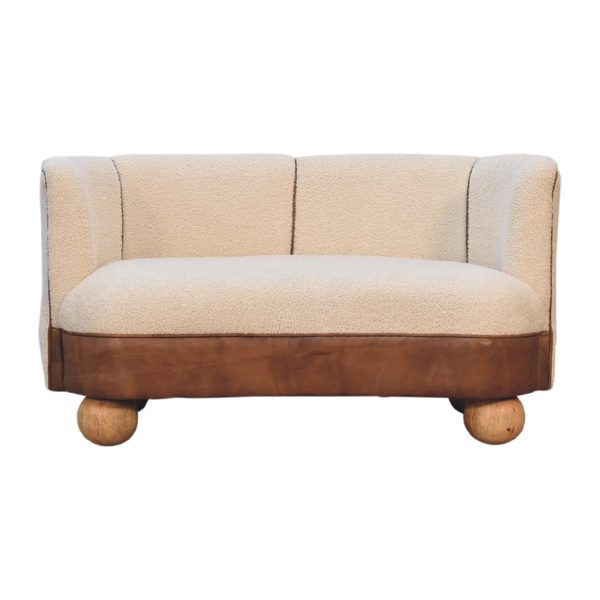

Find the mango wood in the specification
Read the frame, feet, arms and other exposed parts separately where the specification gives them. Check whether each mango component is solid timber, veneer or another stated construction. A wood species on the feet does not establish the hidden frame material, and a documented frame may remain largely covered by upholstery.
Choose the faces that matter to your purpose. For a visible timber sofa, look at the full arm or leg rather than one close-up of the grain. For a structural material preference, ask for the frame detail where it is missing. Keep the seat and back covering in the same comparison, since they will determine the surface you actually sit against.
Compare mango grain where you see and touch it
Natural mango can contain changing colour and grain, so decide how much variation you want in exposed arms or feet. A darker streak across a broad arm will have a different presence from a small timber leg mostly below the seat. The selected coating can change the visible tone, so compare the actual finish with your floor and nearby wood furniture.
Think about hand and elbow contact too. An exposed wood arm has a different sitting role from a padded arm, even where both belong to sofas with mango components. Check its shape and position against your preferred posture. Compare upholstered sofas for cover and padding choices, then decide whether the visible mango detail belongs beside the other surfaces in your room.
Maintain timber and covering according to their jobs
Follow care guidance for the wood finish separately from the upholstery. A treatment suitable for one component may not suit another, particularly where exposed timber meets fabric or another cover. Do not apply a general wood product across the whole sofa.
Check usable width, depth and back support alongside construction. A timber specification does not establish comfort or capacity. If the cover is a textile, compare fabric sofas with the actual composition and cleaning instructions. Confirm full footprint and delivery access too.