
Leather Ottomans
Choose leather ottomans by the covering on the top, its visible finish and the role beside your seat. Genuine leather, microfibre leather and other alternatives are different materials, so check the actual selected specification. Read top, sides and other components separately rather than assume the whole piece has one uniform surface.
Read moreRead less
Then assess permitted role and support. A cover does not establish cushion feel, seating capacity or a particular footrest height. This guide helps connect material preference with practical use beside existing seating. Browse any listed pieces with composition and care information in view, or explore the wider ottomans and footstools category when function and room footprint should be settled before the covering.
Showing all 9 resultsSorted by recommended
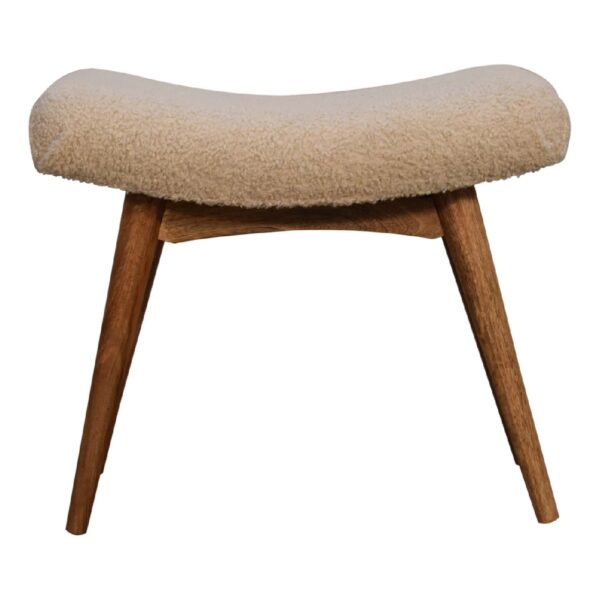

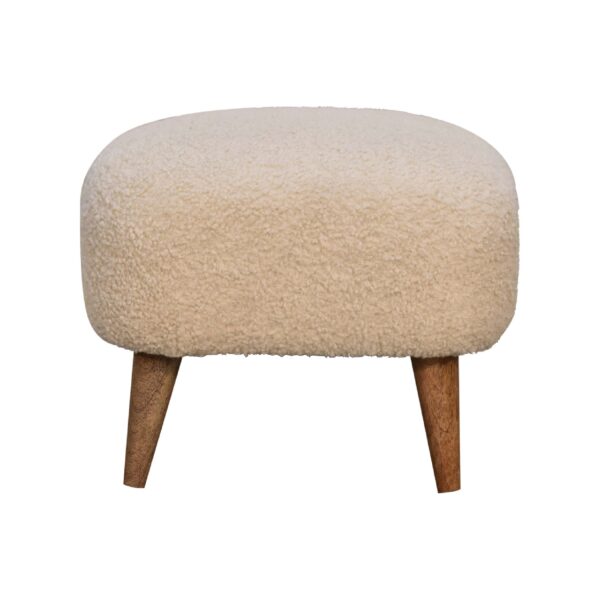
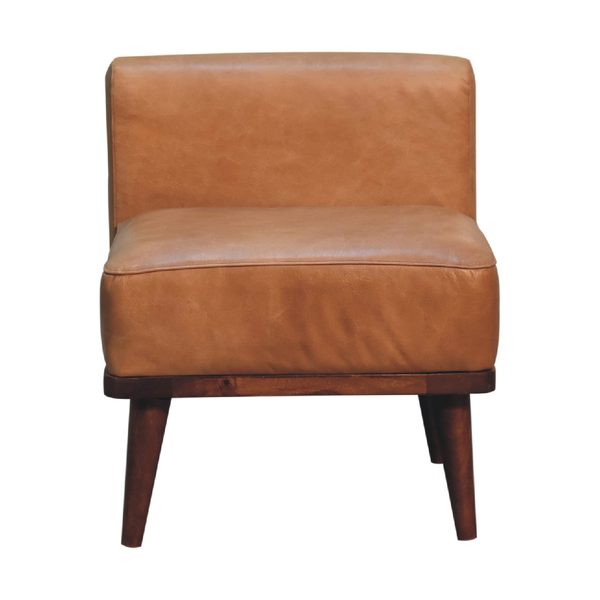
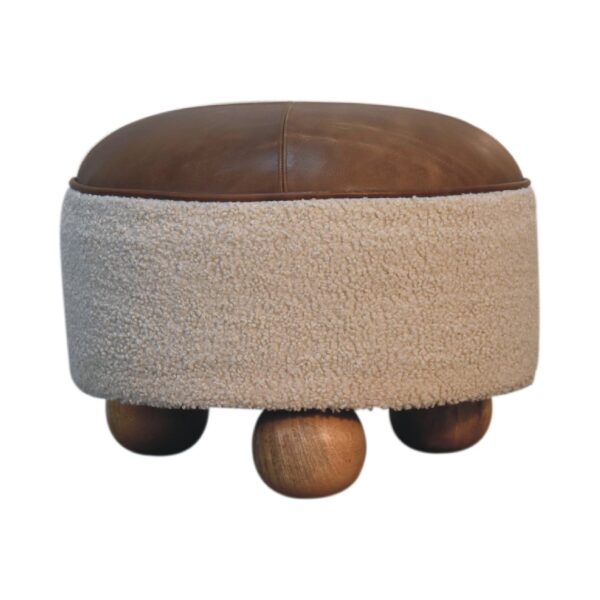
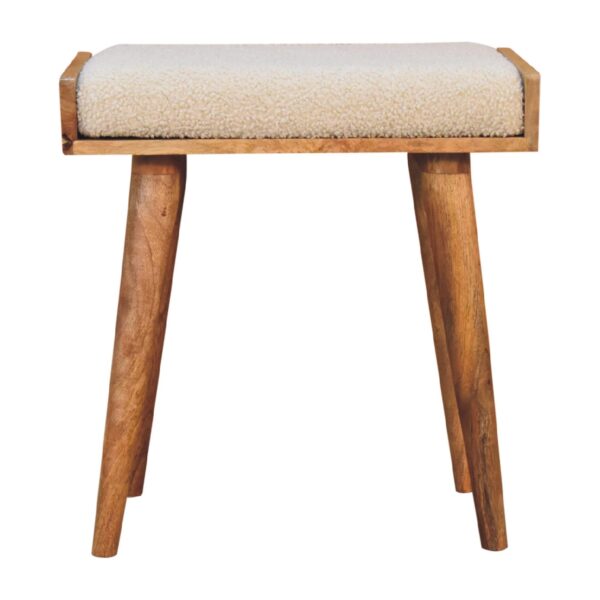
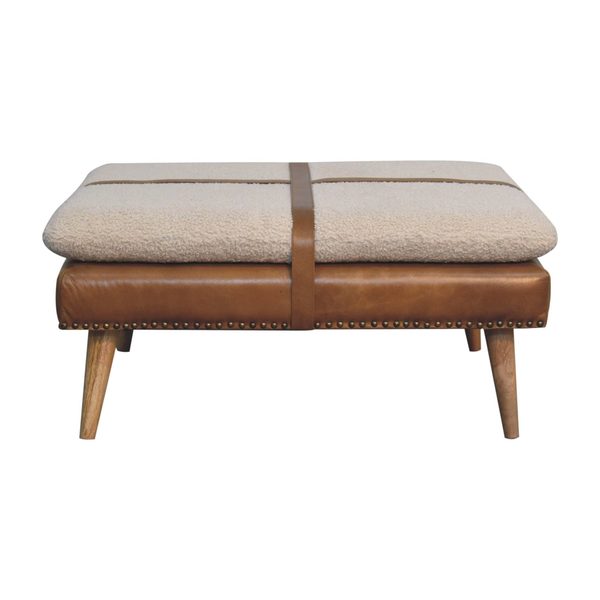
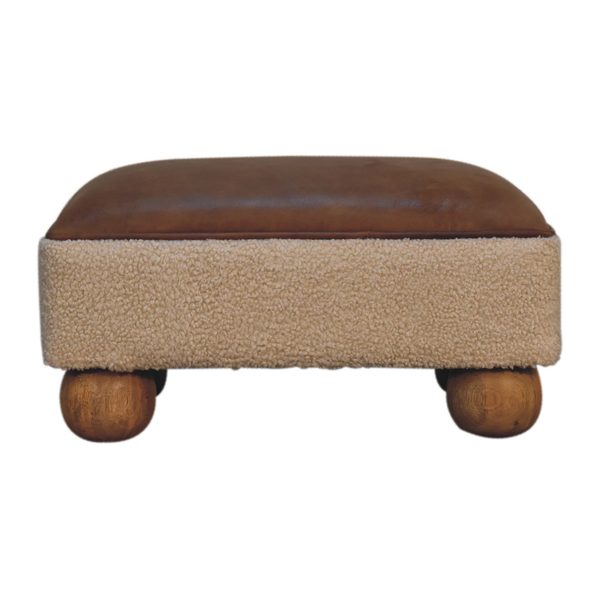
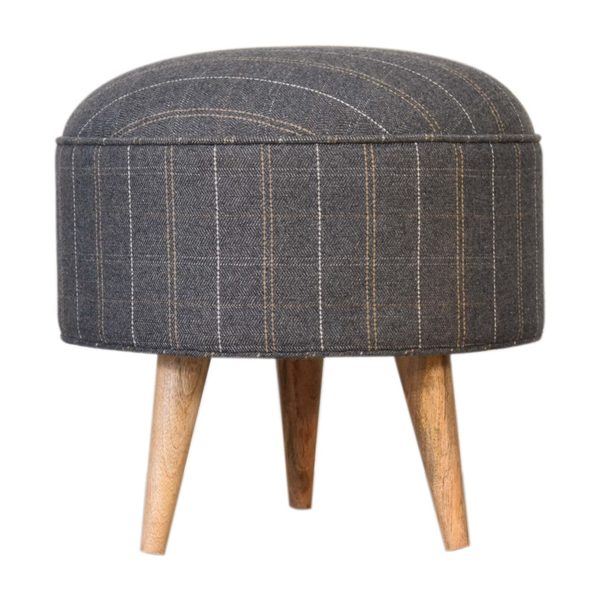
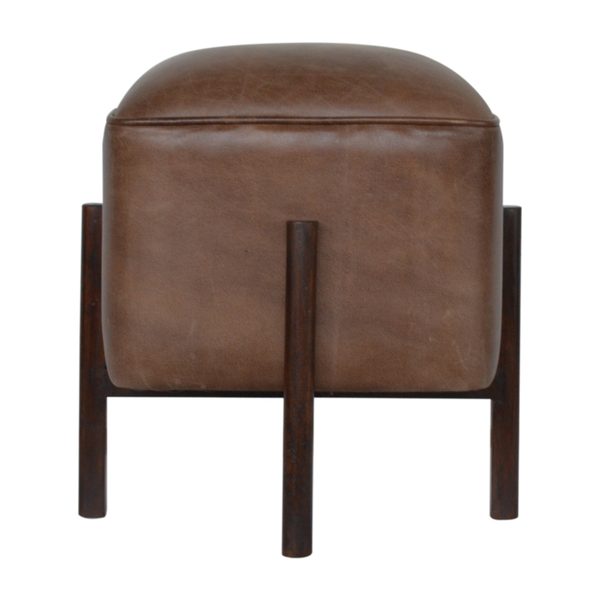
Choose the actual covering and its visible finish
Read the exact covering on the top and sides, including differences between selected options. Genuine leather and microfibre leather are different materials; a grain-like photograph cannot settle that choice. Check which surface will receive the main footrest or permitted sitting contact.
Where genuine leather is specified, ask which finish it has. Aniline leaves natural grain clearly visible, semi-aniline adds a small amount of pigment while retaining grain, and pigmented leather conceals natural grain beneath its finish. Choose the appearance you want across the low top beside the sofa, then read care for that exact covering. For another material, compare fabric ottomans by textile composition and care.
Choose support and height for the specified role
Use actual top area, height and intended-function guidance. A leather-described cover does not establish permission for seating or table use. If foot support is the task, compare with the real chair and resting position instead of a universal size rule.
Mark the full object with occupied seating and table reach. The sofas category can help compare that arrangement. Check any base dimensions separately from the top where they differ. A preferred surface should cover a useful companion, not distract from a height that serves the user poorly or a footprint that narrows the room route. Material and support are connected decisions but neither proves the other.
Follow care for the actual finish and components
Read the item’s cleaning and protection guidance. Do not apply conditioner, oil or a generic cleaner solely because the covering is called leather. Actual material, coating and mixed components determine treatment.
Keep surfaces easy to reach for routine maintenance and use accessories only within the permitted role. A darker finish should not be assumed to hide every mark or contact. Confirm assembly and handling information too.