
Landscape Wall Art
Landscape wall art offers a view of a scene, but the useful choice is how that particular scene is composed. Compare the foreground, horizon and quieter areas rather than choose a landscape label alone. A detailed nearby subject and a broad distant view can create very different images across a room.
Read moreRead less
Think about the distance from which you will normally see it and whether the full artwork will be horizontal, vertical or another specified format. This guide helps relate those image choices to the wall and furniture. Browse any listed pieces by their actual composition and complete dimensions, or explore the wider wall art guide when deciding the main room position before narrowing the subject.
Showing all 10 resultsSorted by recommended
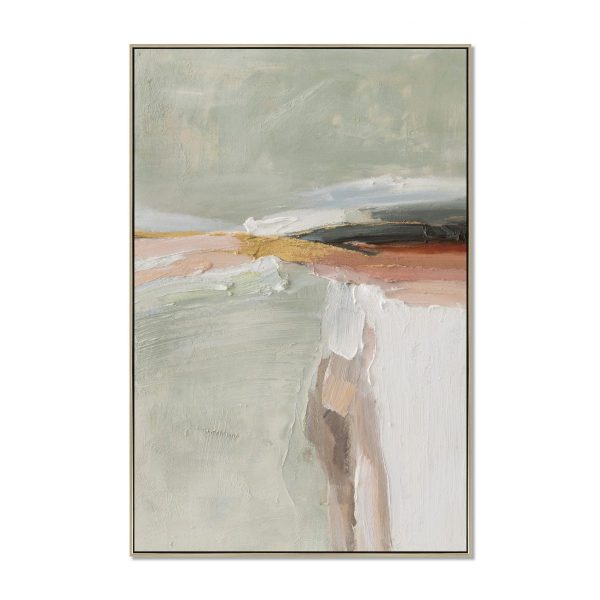

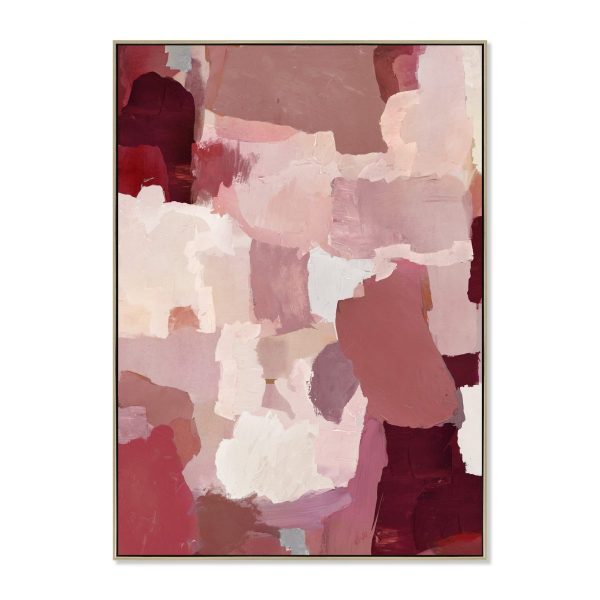
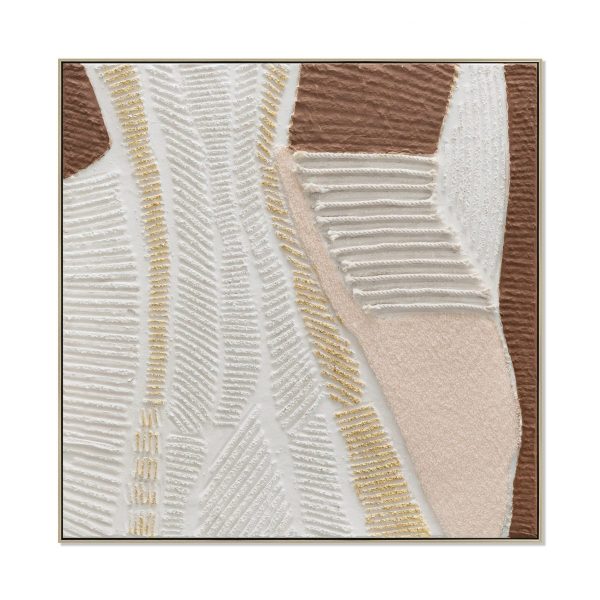
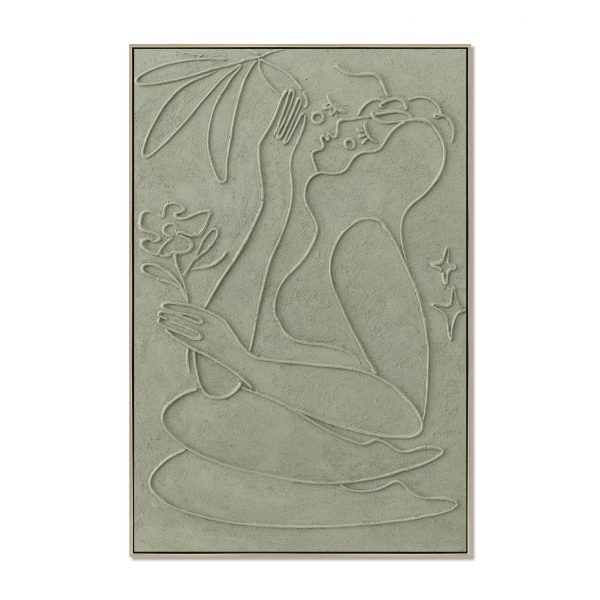
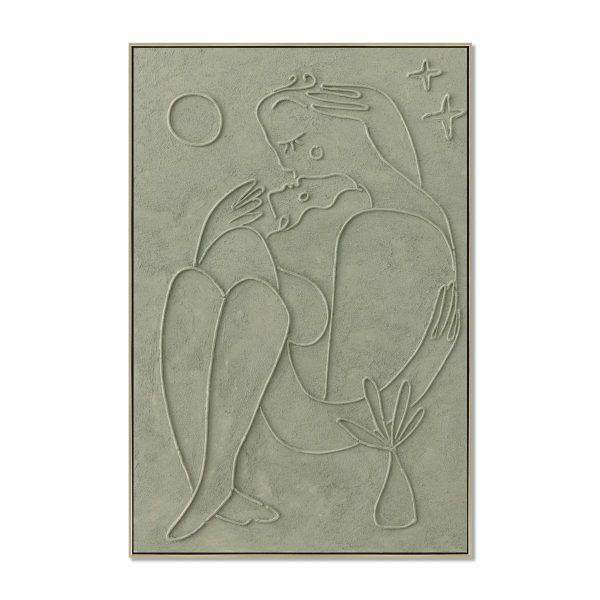
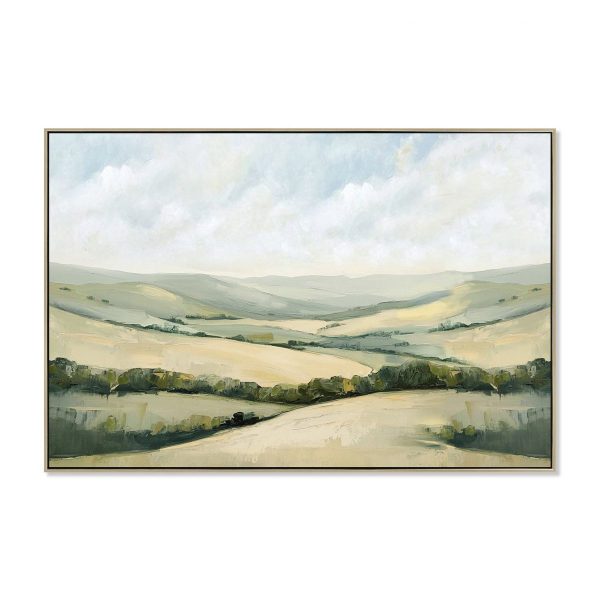
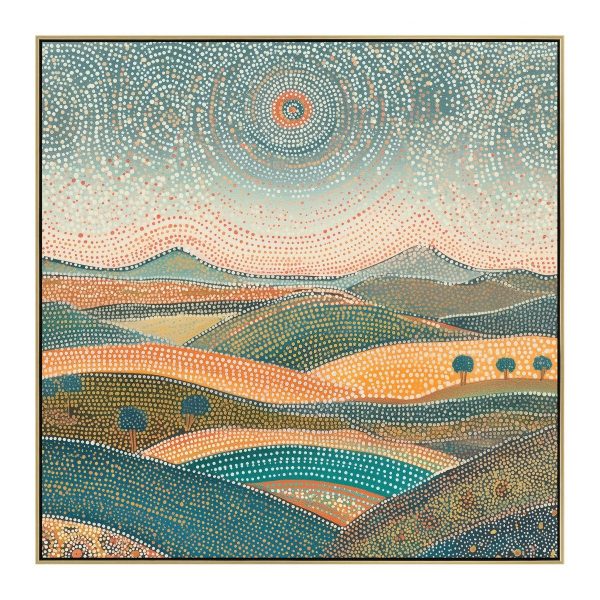
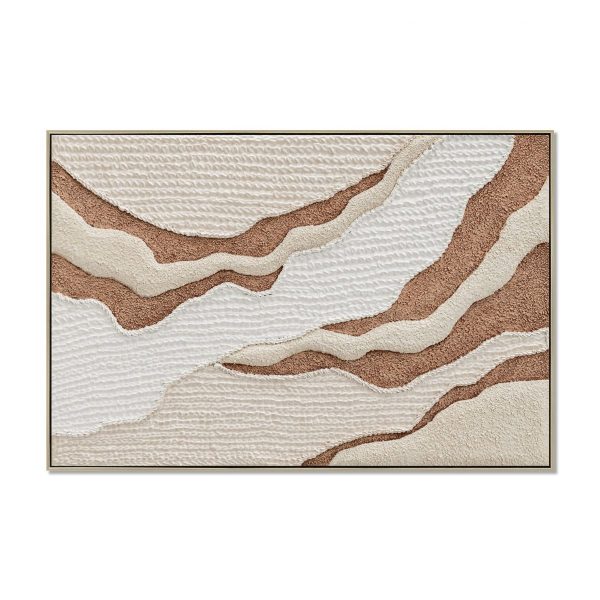
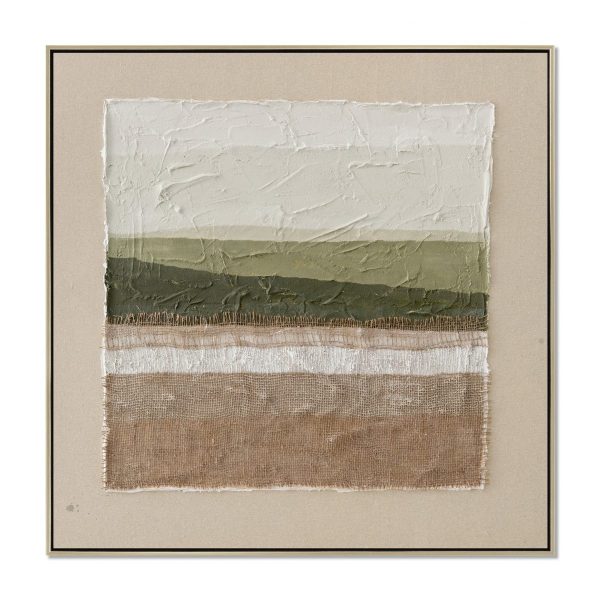
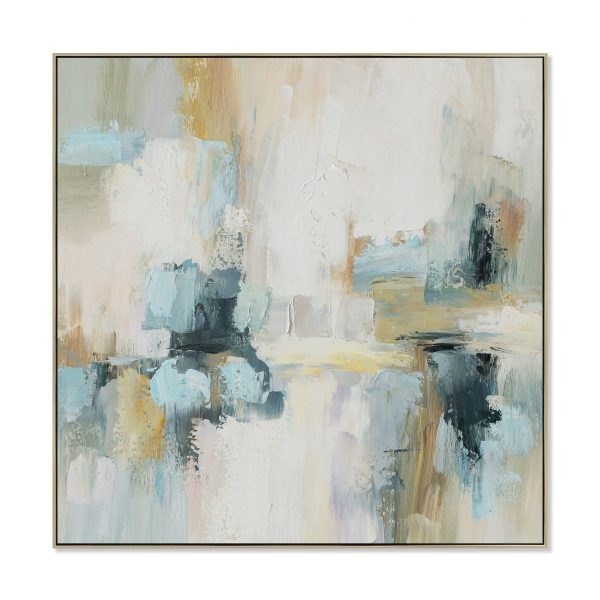
Choose how the scene creates depth
Look at the balance between foreground objects and the distant part of the scene. Decide whether you want to notice texture near the front or a broader view across the image. A large quiet area can be just as important as detailed features to the composition you are choosing.
Compare the horizon’s position and any paths, slopes or other directional elements. These guide the eye differently within the actual artwork. The coastal wall art guide gives a related comparison where shore and horizon are preferred. Choose the complete scene structure rather than infer a particular mood or visual effect from the word landscape on its own.
Check detail from the room’s usual distance
View the full image with its intended physical size in mind. Fine scene details may be central at close range while broader colour and shape carry the view from a sofa. Decide which reading matters most where the artwork will normally be seen.
Compare orientation with the furniture beneath it and the available wall. Do not assume a horizontal scene can be cropped or rotated to fit another format. Use living room wall art for a seat-based comparison, or bedroom wall art when the bed view is primary. The actual finished dimensions should support the scene detail you want, rather than remain an afterthought to a screen preview.
Confirm subject description and supplied format
Read what the selected artwork actually states about the scene, medium and production. A landscape does not automatically depict a named real place or establish an original painting. Do not attach location or provenance claims to a familiar-looking horizon.
Mark the complete supplied size, including any frame, and check weight and mounting requirements against the wall. Compare framed wall art if the border changes the image’s physical relationship with the room. After marking the complete piece, compare which foreground details and horizon shapes remain clear from the main view. Choose the finished scale that shows the part of the scene you want to notice, with the actual subject and mounting information beside it.