
Indoor Pet Furniture
Indoor pet furniture needs to work while both the pet and the household are using the room. Start with where your pet ordinarily settles and how it approaches that place. Then check whether a furniture-sized object can occupy that position without interrupting door movement, seating or the path through the home.
Read moreRead less
Choose the actual pet role and dimensions before refining a coordinated finish. A resting area can belong visually to a room while still being awkward to reach or clean. Check the resting place alongside the doors, seats and storage the household uses each day. Browse any listed furniture with its allowed use in view, or compare pet beds when the main choice is the pet’s sleeping interior rather than the room position around it.
Showing all 3 resultsSorted by recommended
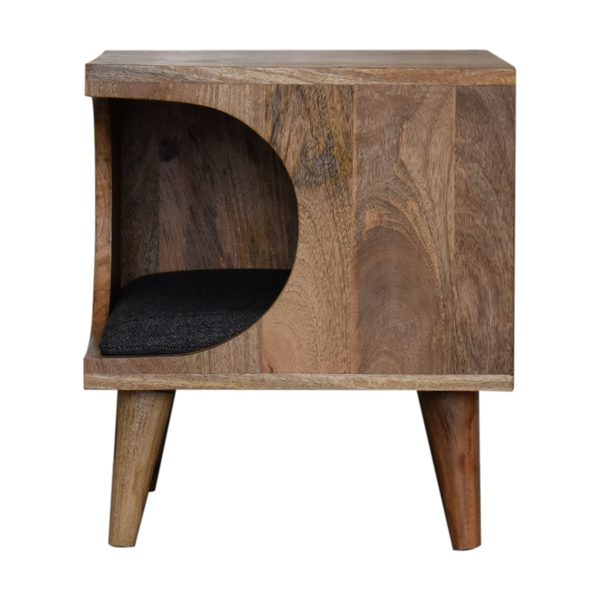

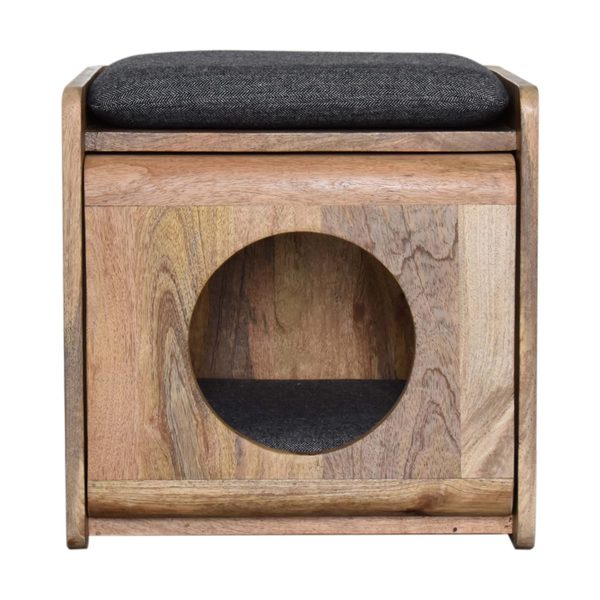
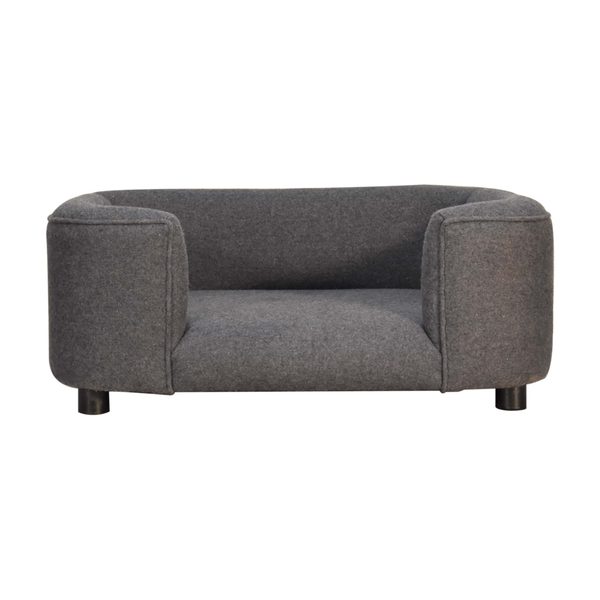
Use the pet’s usual resting place as a reference
Observe the position the pet chooses during ordinary household life, including its approach and resting shape. Think about how the proposed furniture would change that spot. A new frame may move the entrance or raise the edge compared with the space currently used.
Check the actual design and entry rather than expect a visual match to make the new piece useful. Consider the household activity nearby and how the pet normally uses the proposed resting position. The broader pet furniture guide helps choose a defined role first. Use real habits as the starting point for placement, while the selected item’s actual dimensions establish whether that position works.
Keep doors, seats and pet entry usable together
Mark the full furniture body and the area used to enter it. Then add doors opening, chairs pulled back and the ordinary walking route. An empty corner can look convenient while a pet resting there changes how people pass through the room.
Check access to adjacent storage too. A cabinet door or drawer should not need the pet furniture moved every day. Choose a position that allows both the resting arrangement and household tasks to function. Compare the actual outer dimensions of alternatives rather than assume a low piece is unobtrusive. Its floor area and entry direction can matter more to this decision than the height seen across the room.
Leave practical access for cleaning and care
Read the furniture’s frame and pet-contact materials separately. Check how any removable component is reached and what its care requires. A neatly tucked position may make normal cleaning awkward if the entire frame must be moved repeatedly to access it.
Compare fabric pet beds for textile component details, or mango wood pet beds when a timber frame belongs to the room palette. Choose those materials after confirming the useful resting place and cleaning access. Indoor suitability does not establish washing, supplied cushions or a second furniture function; the actual product information should resolve each part of the setup.