
Homewares
Homewares can make an existing room feel more personal without replacing its main furniture. Begin with one place that needs attention: an empty shelf, a landing surface for keys or a bedside area missing a useful time display. Choose the role before choosing the object, so the addition has somewhere to belong.
Read moreRead less
Compare vases and decorative pots, clocks or other smaller pieces against the space you already have. Look at the full shape and useful details rather than treating homewares as finishing touches with no practical constraints. The most successful addition makes that particular corner or surface easier to enjoy.
Showing 25–48 of 255 resultsSorted by recommended
-
-
-
-
On SaleOriginal price was: $174.00.$153.00Current price is: $153.00.
-
On SaleOriginal price was: $315.00.$277.00Current price is: $277.00.
-
-
On SaleOriginal price was: $199.00.$175.00Current price is: $175.00.
-
On SaleOriginal price was: $249.00.$219.00Current price is: $219.00.
-
-
-
-
On SaleOriginal price was: $292.00.$257.00Current price is: $257.00.
-
On SaleOriginal price was: $242.00.$213.00Current price is: $213.00.
-
-
-
-
On SaleOriginal price was: $193.00.$170.00Current price is: $170.00.
-
-
-
-
On SaleOriginal price was: $169.00.$149.00Current price is: $149.00.
-
On SaleOriginal price was: $279.00.$246.00Current price is: $246.00.
-
-
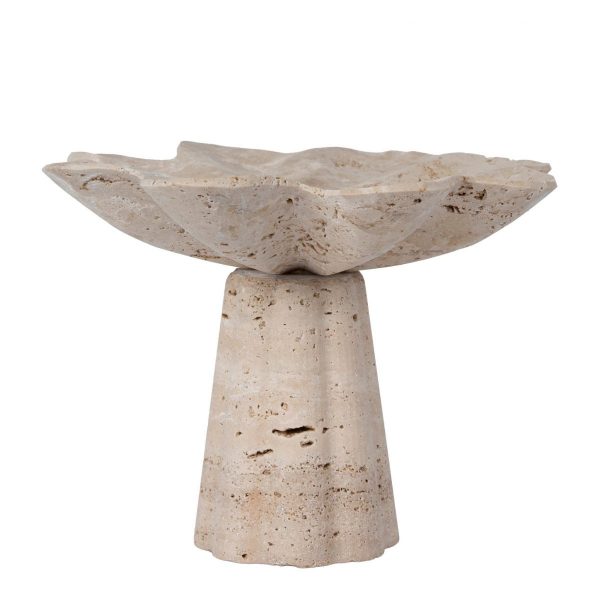

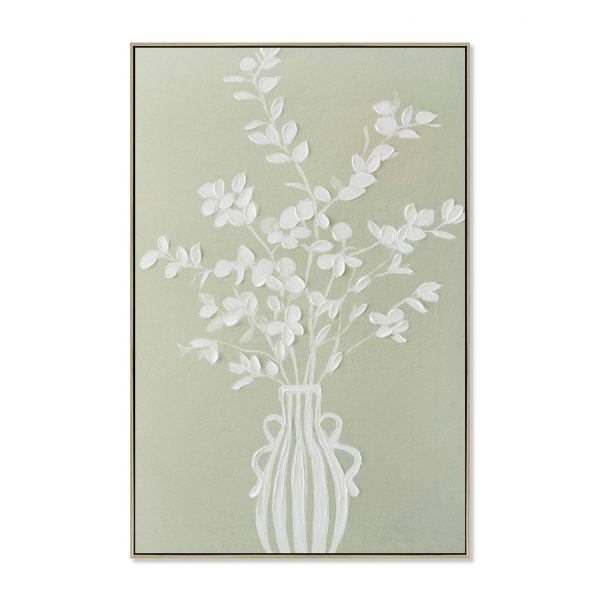
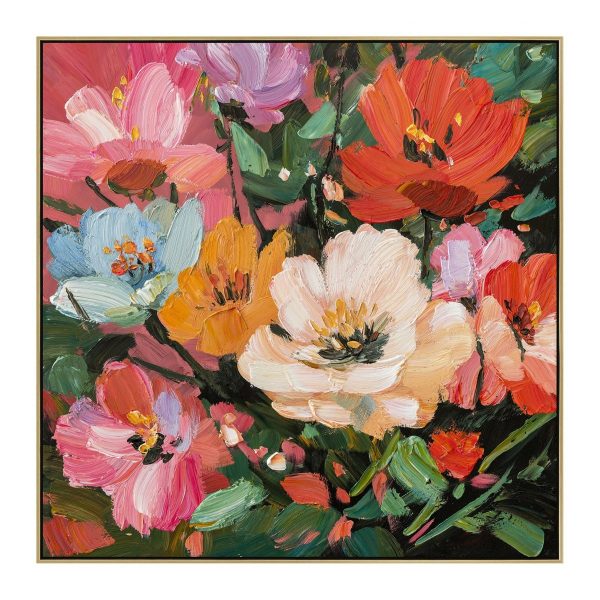

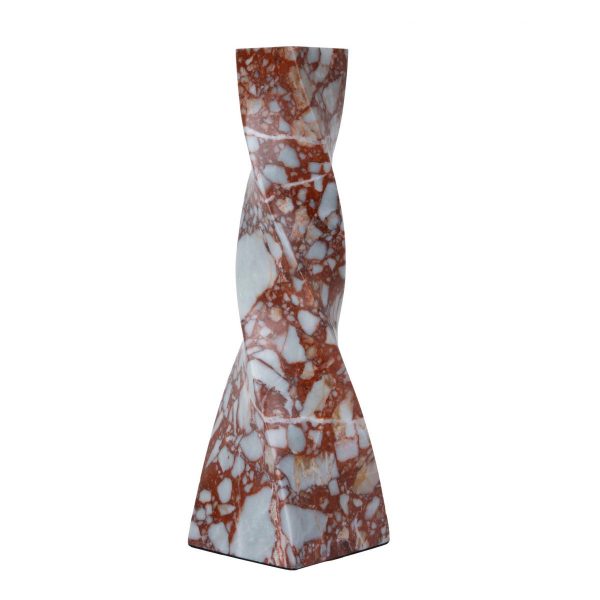
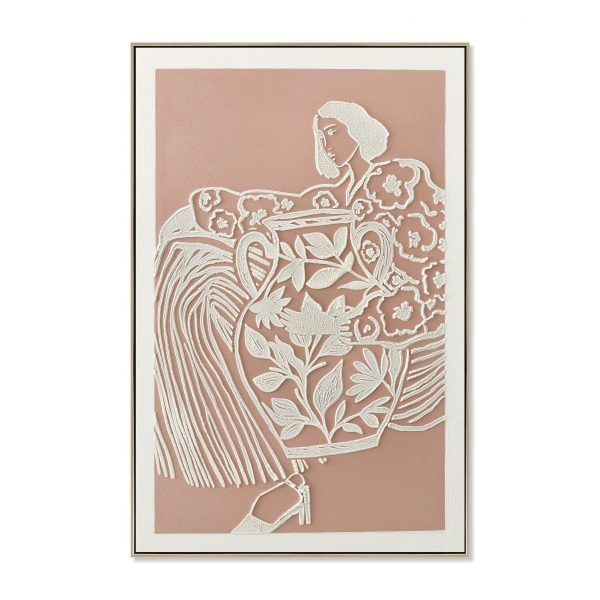
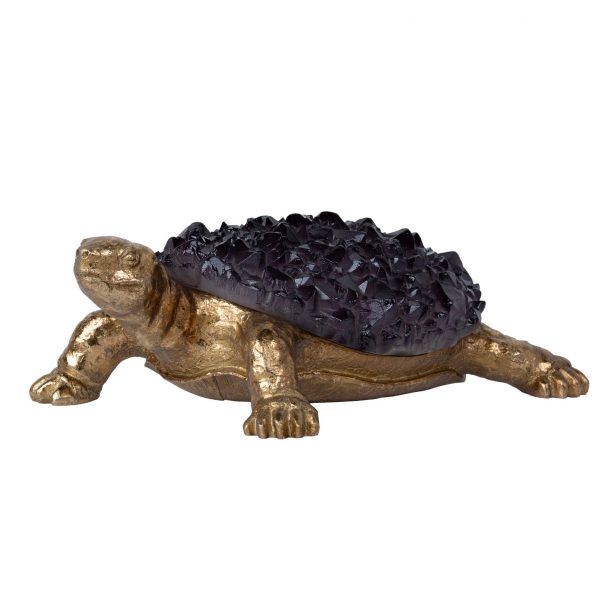
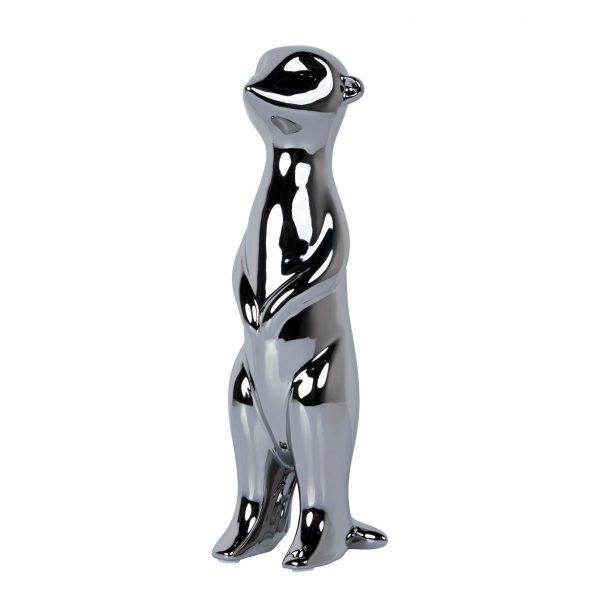
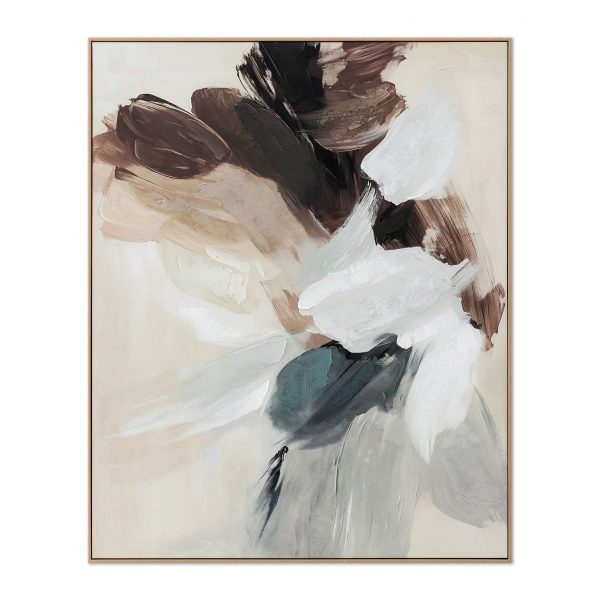
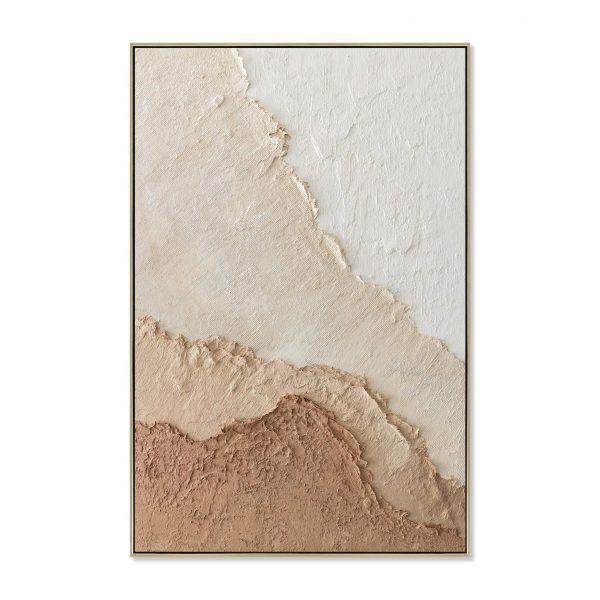
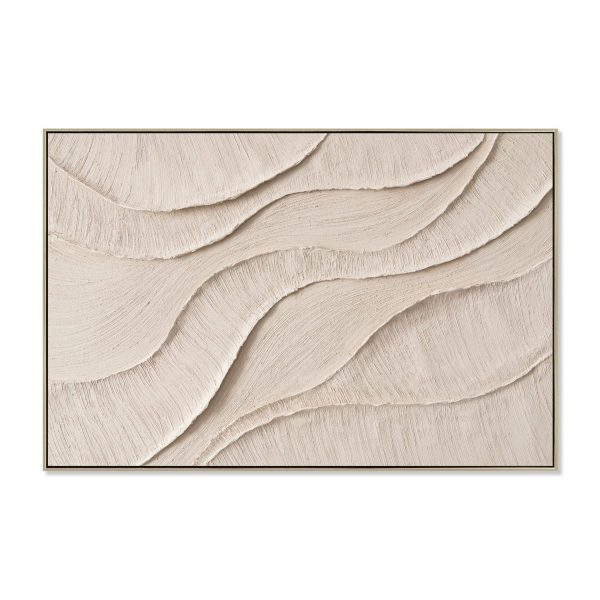
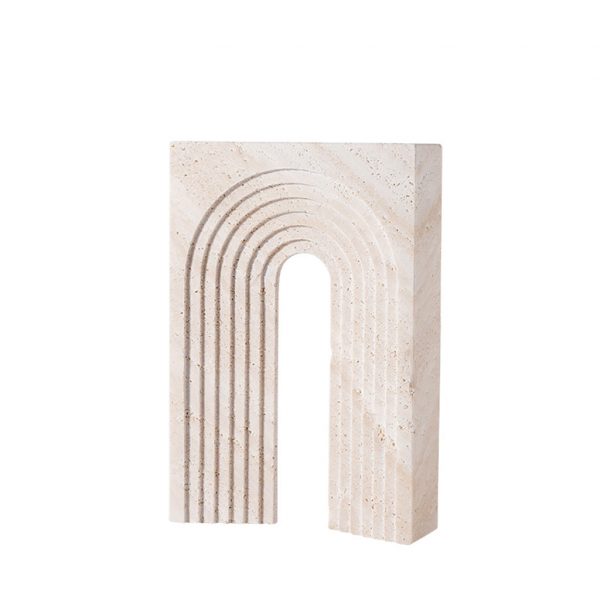
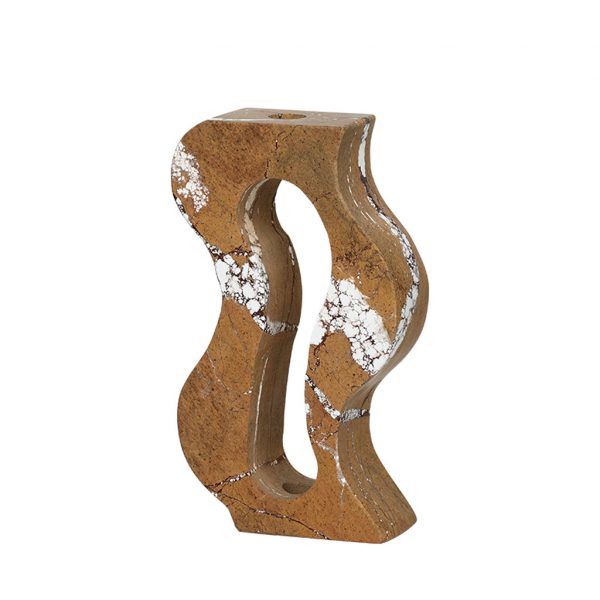
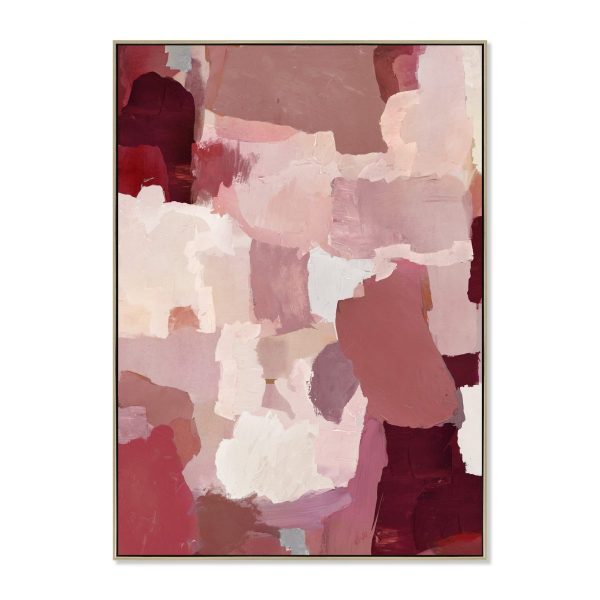
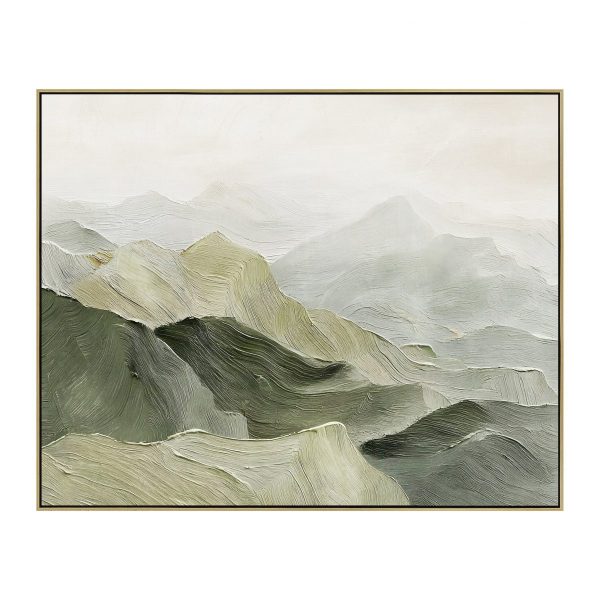
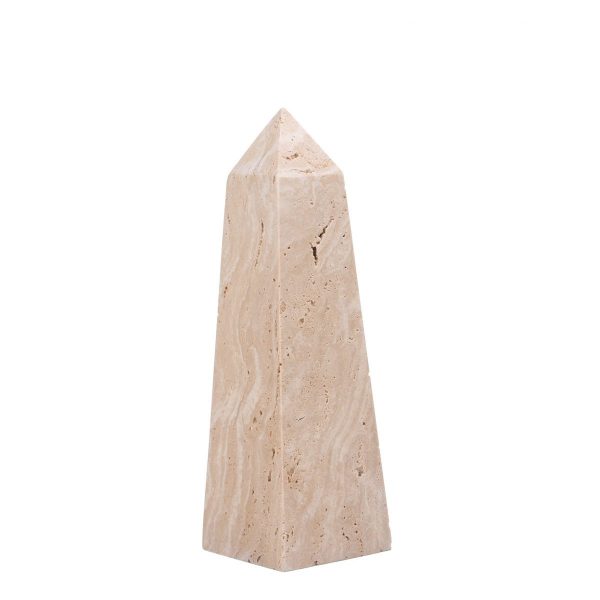
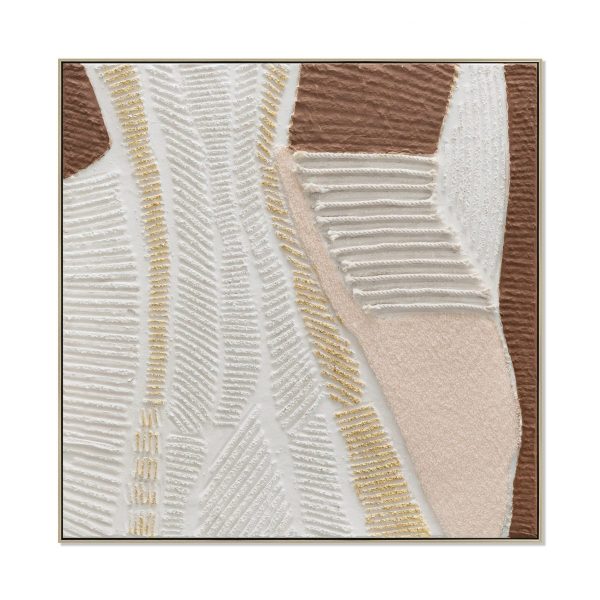
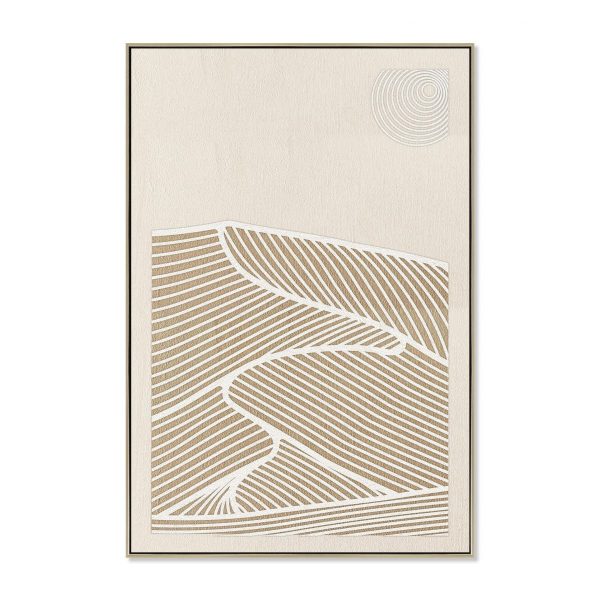
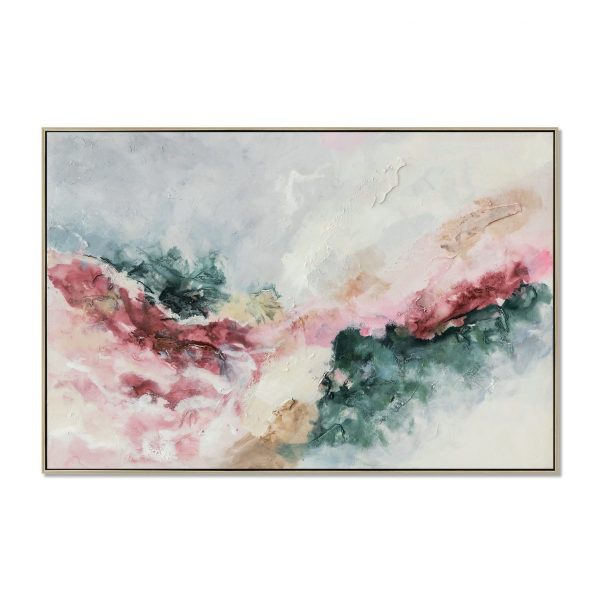
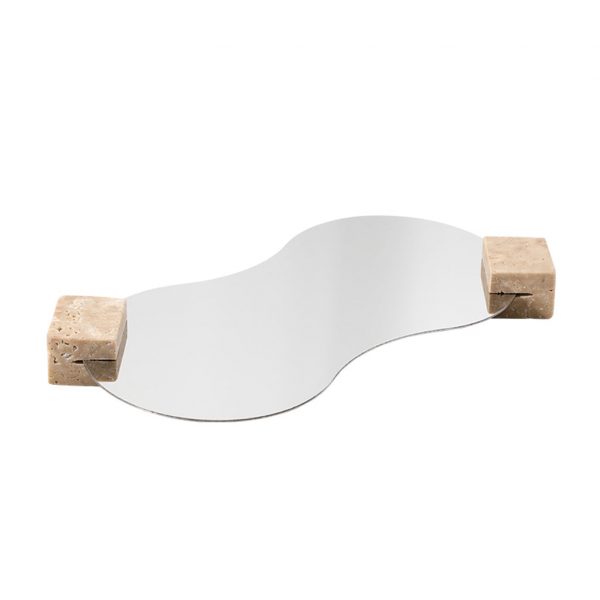
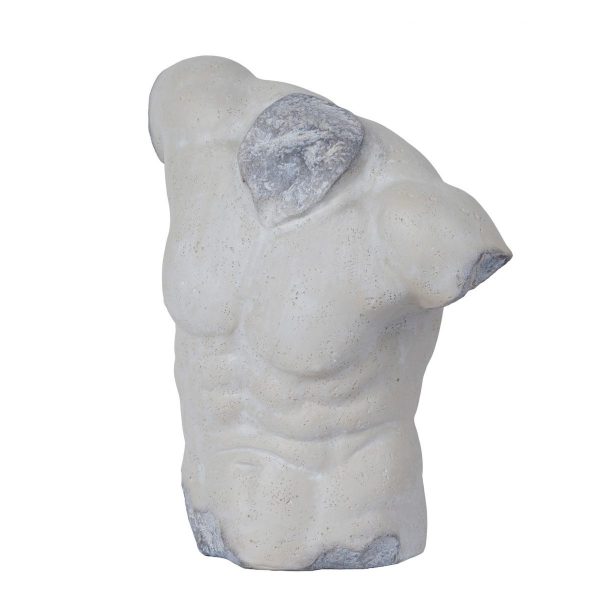
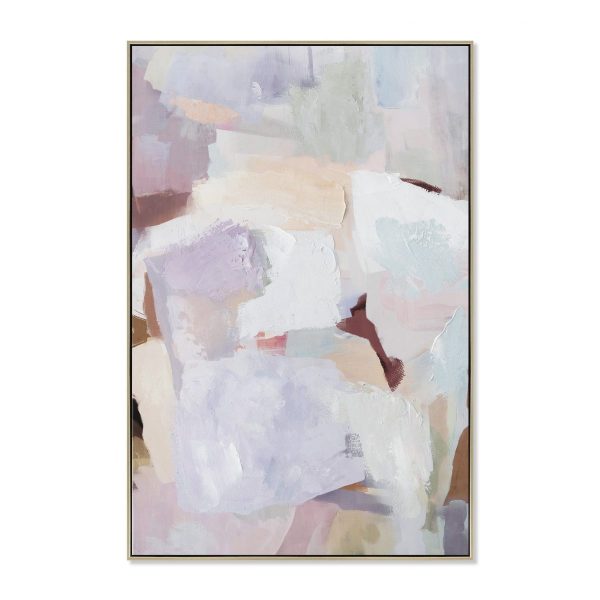
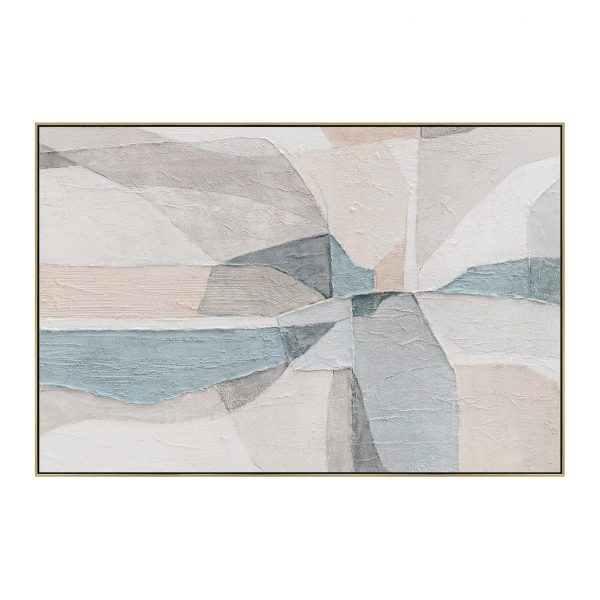
Give the object a specific place before buying it
Measure the shelf, tabletop or ledge and note the objects that must stay there. Check the usable depth, height above it and normal viewing position. A tall vase may fit the shelf width while leaving no room beneath the opening above; a tray may take the space needed for a lamp.
Choose a main role for the new piece. It may display stems, keep small belongings together or provide a sculptural focus. Use the product’s stated purpose rather than assuming every decorative bowl holds food or every pot holds water. Defining the location and role first makes it easier to compare attractive alternatives without collecting objects that lack a suitable home.
Compare scale with the furniture rather than the photograph
A small object can disappear on a broad cabinet, while several large objects can crowd a narrow bedside surface. Look at the whole outline and the space around it. Compare the object’s dimensions with the furniture and the distance from which you will see it.
Group smaller pieces when that gives them a clearer presence, using one shared colour or material to connect them. Leave enough space to distinguish the important shapes and to use the surface. A decorative arrangement should not require moving several objects whenever you set down a glass or reach a drawer. Keep everyday access as part of the scale decision.
Check the details that turn an accent into a useful choice
Read material, finish and intended-use information for the particular object. For a vase, confirm water suitability; for a clock, confirm its mechanism and power source. For a tray or bowl, check any stated contact restrictions. Appearance does not establish those functions.
Consider the supporting furniture as well. Use suitable protection where the product guidance calls for it, and keep cleaning instructions specific to the object and its surface beneath. If a feature is unclear, ask about that named piece before buying it for a demanding role. A well-chosen accent combines the visual effect you want with a practical position you can maintain.
Frequently Asked Questions
Planning several objects together? Use the homewares collection guide to compare display roles and grouping.