
Home Display Furniture
Home display furniture gives favourite objects a deliberate place, whether you collect ceramics, keep family photographs or want books to sit beside a few sculptural pieces. Begin with the objects rather than the cabinet. Their height, depth and visual weight will tell you more about useful shelving than an empty furniture photograph.
Read moreRead less
Decide whether you want a collection to be open to touch or separated behind a door. Compare bookcases and shelving with cabinets, then check the actual openings and supports.
Showing all 4 resultsSorted by recommended
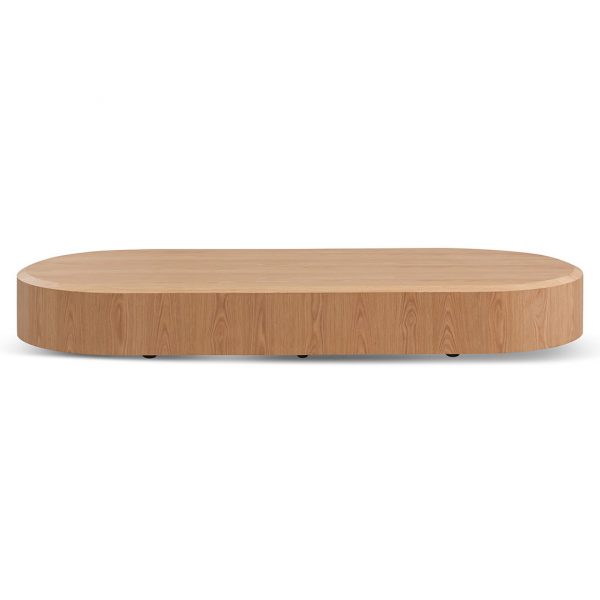

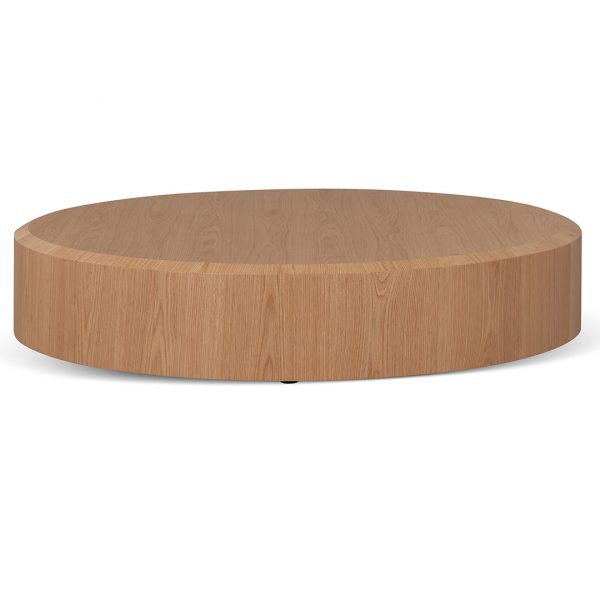
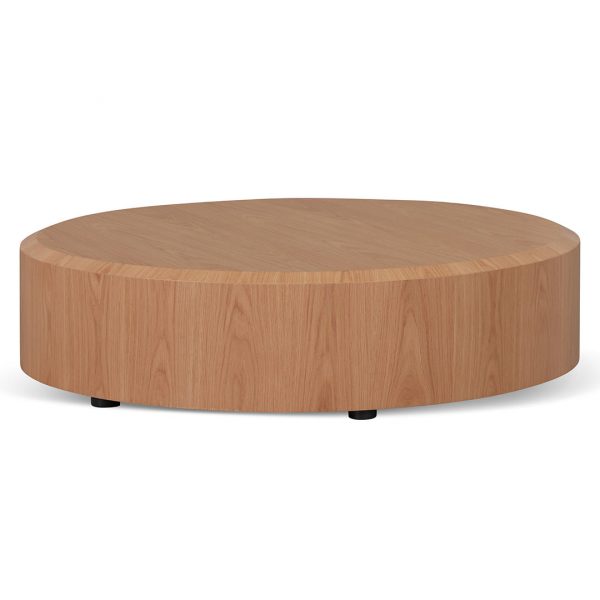
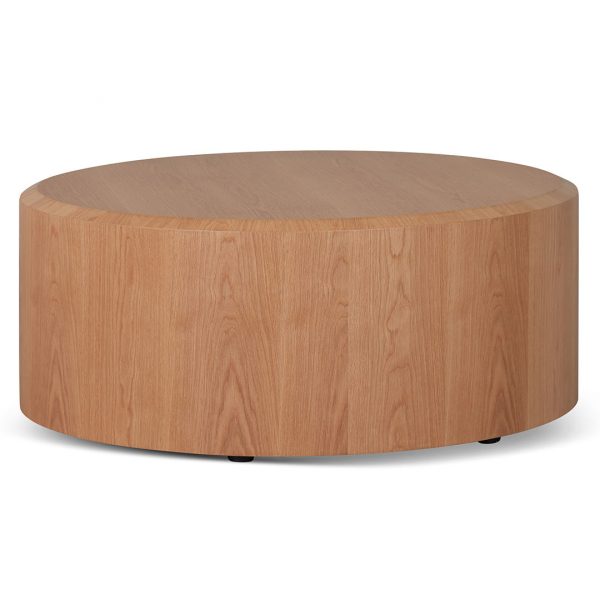
Size the opening around the objects you own
Measure the tallest and deepest objects in your proposed display. Include the base, frame or stand rather than measuring the visible decoration alone. A shelf that is wide enough overall can still have a smaller opening between uprights, and a cabinet may lose usable depth behind its doors.
Leave room to lift an object out without tipping it against the shelf above. Check whether shelves are adjustable in the actual product and whether the stated load suits the combined objects. Put the heaviest items where the maker permits them, rather than assuming that a display photograph establishes a safe loading arrangement for your own collection.
Choose the viewpoint before the shelf position
Look at the display from the places you spend time: a sofa, dining chair or doorway. A small object that looks clear at standing eye level may disappear behind a shelf edge when viewed from a seat. Keep the strongest pieces where their full outline can be seen.
Group objects with enough empty space to separate their shapes. Repeating one colour or material can connect a varied collection, but every opening does not need equal filling. Consider reflections and available light when comparing glass fronts with open shelves. Avoid placing treasured light-sensitive belongings in direct sun; use advice appropriate to the object as well as the furniture.
Balance everyday access with a calmer display
Open shelves make books and frequently handled objects easy to reach. An enclosed cabinet separates a display from the surrounding room, but its actual closure and glazing determine what it protects against. Do not assume any cabinet is dustproof, locked or suitable for valuable objects unless those features are stated.
Keep the part you want to enjoy distinct from spare supplies. Closed storage below a display can hold less attractive items if the piece provides it. Check cleaning access around the arrangement and any anchoring instructions before installation. A composition that is beautiful but awkward to maintain can quickly lose the clear spacing that made it appealing.
Frequently Asked Questions
Build your arrangement around a few meaningful pieces from decorative accessories, while keeping the storage dimensions in mind.