
Grey Bedheads
Grey bedheads can provide a restrained backdrop for bedding that changes through the seasons. The right grey depends on the room around it: some tones sit warmly beside timber, while others relate more coolly to walls and textiles. Compare undertones rather than assuming one neutral works everywhere.
Read moreRead less
Decide whether the bedhead should almost blend with the wall or create a darker frame around the pillows. Its width, height and texture affect that choice as much as the shade. Use this collection for a calm colour relationship, and consult the bedhead category for initial size and installation checks. Blue bedheads offer a separate direction when you want the bed wall to carry a more deliberate colour.
Showing all 10 resultsSorted by recommended
-
On SaleOriginal price was: $1,006.00.$885.00Current price is: $885.00.
-
-
-
-
-
-
-
-
-


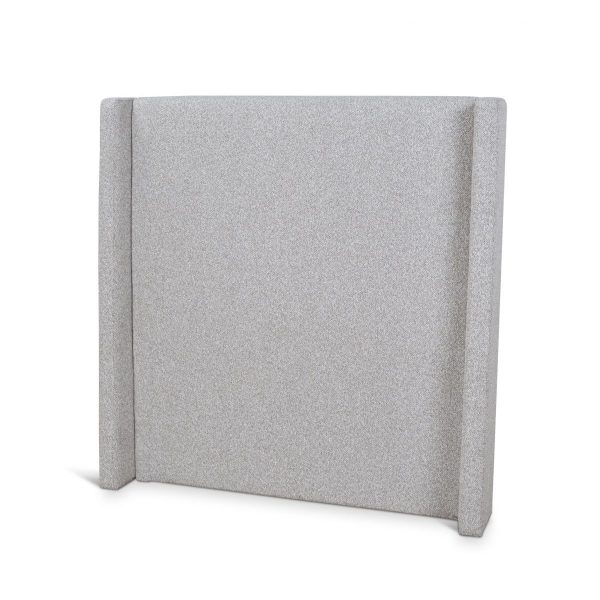
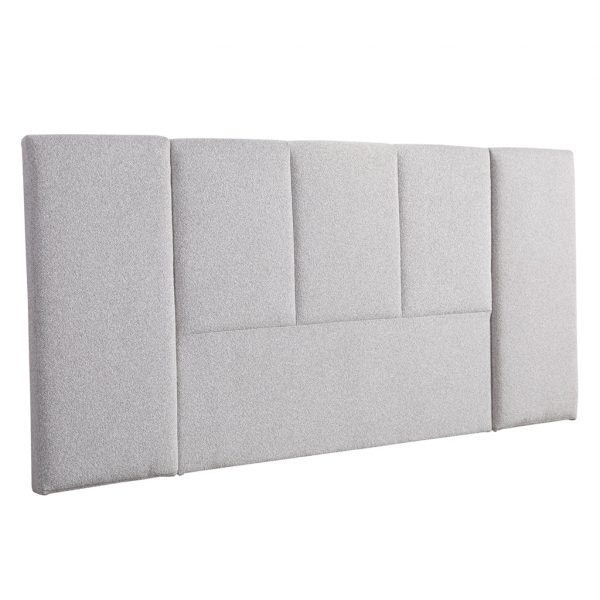
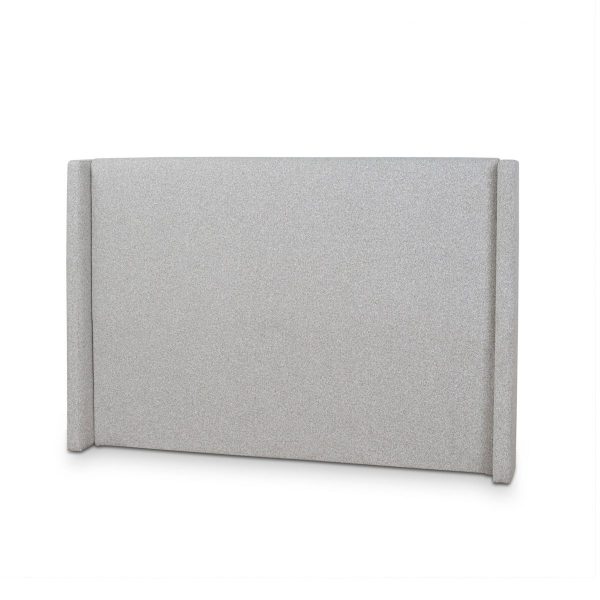

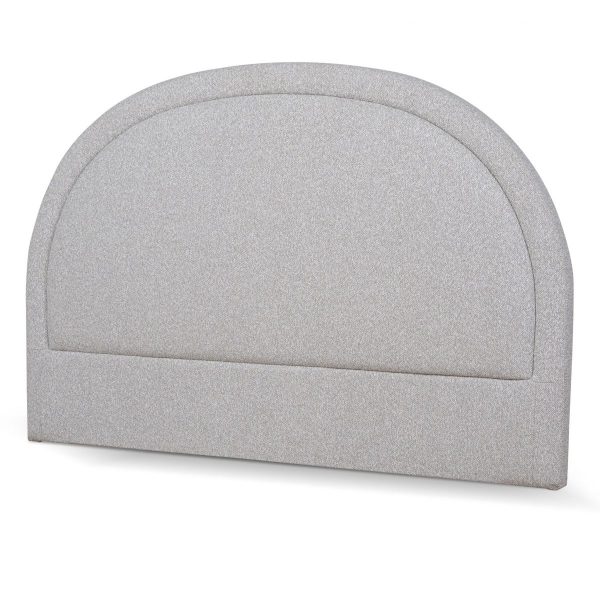

Does your grey belong with the walls or the furniture?
Start with the fixed surfaces: wall paint, floor and bedside pieces. A grey with a blue cast can behave differently from a brown-leaning grey beside warm timber. When wall and bedhead are both grey, check whether the tones relate clearly or appear to be an uncertain near-match.
Compare available fabric or finish information with your wall colour in daylight and under your usual evening lights. Ask about the shade if the photographs leave an important undertone unclear. Lamps can change the apparent warmth of a textile. Decide which existing surface the bedhead should connect to, rather than asking it to match everything. Once the grey relates to a fixed surface, test it with the bedding sets you expect to keep before committing to the backdrop.
How much outline should a neutral bedhead create?
A darker grey can frame the pillows strongly against a pale wall, while a lighter tone may leave the room’s other details in focus. Check the full width and visible height before deciding from a small colour sample. The same tone covers a larger visual area on a broad upholstered form.
Texture provides separation too. A grey weave can show depth without adding another hue, while tufting introduces a more visible pattern. Compare tufted bedheads if that repeated detail is the purpose. If the room already has several patterns, a simpler grey surface may serve the calmer backdrop you want. Keep the outline and texture working towards the same role.
Can the backdrop adapt without ignoring everyday fit?
Compare the grey with more than one bedding set you actually use. A neutral backdrop may suit several palettes, but its undertone can still favour some relationships over others. Include curtains and a rug when checking that flexibility, particularly in a room with cool walls and warm furniture.
Then check the practical setup: bed and mattress widths, visible height above pillows, full bedhead depth and installation requirements. Read care for the actual surface, since grey colour does not decide cleaning or resistance to marks. Fabric bedheads focus on textile details if that is your next decision. A flexible visual backdrop still needs a clear place in the room and a compatible installation method.
Frequently Asked Questions
Use upholstered bedheads to compare padding and shape after settling whether grey is the right background colour.