
Green Dining Chairs
Green dining chairs place colour around the table through surfaces that repeat at each seat. A muted green cover, brighter frame and deeper green back create different amounts of colour. Confirm the particular shade and which component carries it before coordinating the setting.
Read moreRead less
Compare green with the table’s timber or other material and the floor beneath the chairs. Warm and cool influences can matter more than a broad style label. Use this guide to choose the colour’s role while checking actual seating and clearance. Browse any listed pieces, or explore the wider dining chairs category while settling the furniture form that everyday meals require before making the palette decision.
Showing all 3 resultsSorted by recommended
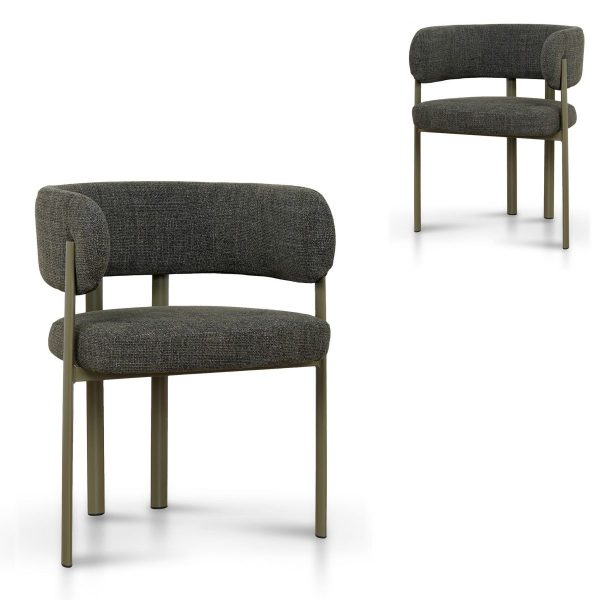

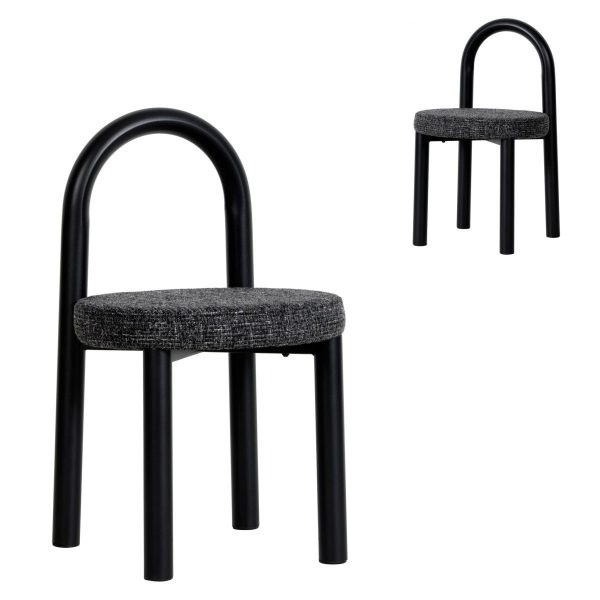
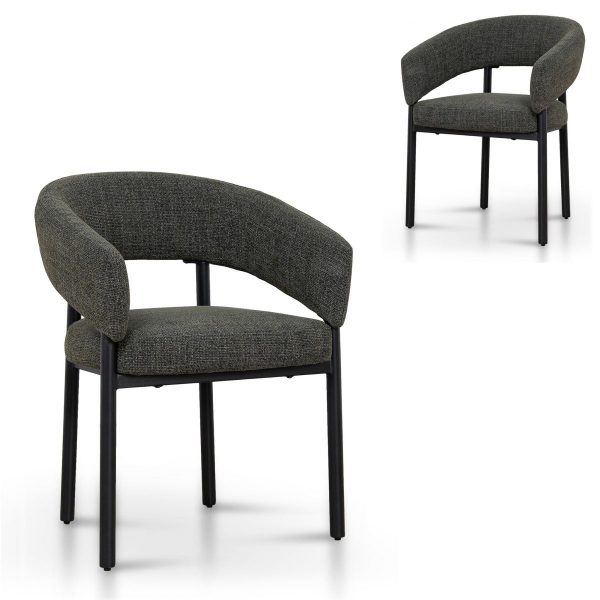
Which green relates to the actual table?
Use the tabletop and base finishes as references, then include the floor. A yellow-leaning green and a cooler green can create different relationships with the same timber. Read the actual finish instead of assuming every green belongs to one natural-looking palette.
Check where the colour appears. A small seat area may stay quieter than a broad green back viewed from the entry. Assess the complete chair group so repetition is part of the comparison. For another accent direction, review blue dining chairs through their specific tones. Choose a clear role for green before adding several extra objects simply to repeat the colour name.
Let the chair outline work with the colour
Look at frame openings, legs and any arms on the actual design. They decide how the coloured parts sit around the table, but do not change full dimensions. A quieter green can still cover a broad back that dominates a compact setting.
Use dining tables with chair width, seat height and arm measurements alongside the palette. Supports and rails may affect how the seats approach. If mixing chair colours, verify the actual forms and positions rather than assuming a shared style makes dimensions compatible.
Check the materials beneath the green finish
The colour does not establish upholstery, padding or a cleaning method. Read seat, back and frame materials and their care, especially where different components meet. Consider frequent meal and hand contact rather than choosing only from an untouched photographed finish.
Review support and usable depth for the household’s normal sitting duration. If a textile cover is essential, compare fabric dining chairs with actual composition details. Check the finish under dining light as well as daylight, and confirm quantity and assembly.