
Fabric Bed Frames
Fabric bed frames put textile into the bed’s visible outline. They suit a buyer who wants to compare the covering as carefully as the frame beneath it: texture, colour and cleaning requirements all affect the choice. Start with where fabric is used. A covered bedhead changes the bed wall, while covered side rails also affect the view of the base and the areas you reach during cleaning.
Read moreRead less
Use this collection to compare actual fabric descriptions and everyday care, rather than choosing from colour alone. Check the mattress-support arrangement separately, because a textile finish does not describe the structure. Upholstered bed frames focus on covered shape and proportions. Ask benssur about the selected fabric if composition or maintenance will decide your purchase.
Showing 1–24 of 36 resultsSorted by recommended
-
Week’s PickOriginal price was: $1,739.00.$1,443.00Current price is: $1,443.00.
-
-
Week’s PickOriginal price was: $2,249.00.$1,867.00Current price is: $1,867.00.
-
-
-
On SaleOriginal price was: $1,347.00.$1,185.00Current price is: $1,185.00.
-
On SaleOriginal price was: $1,482.00.$1,304.00Current price is: $1,304.00.
-
On SaleOriginal price was: $2,234.00.$1,966.00Current price is: $1,966.00.
-
On SaleOriginal price was: $2,201.00.$1,937.00Current price is: $1,937.00.
-
On SaleOriginal price was: $1,409.00.$1,240.00Current price is: $1,240.00.
-
-
On SaleOriginal price was: $2,077.00.$1,828.00Current price is: $1,828.00.
-
-
-
-
-
-
-
-
-
-
-
-
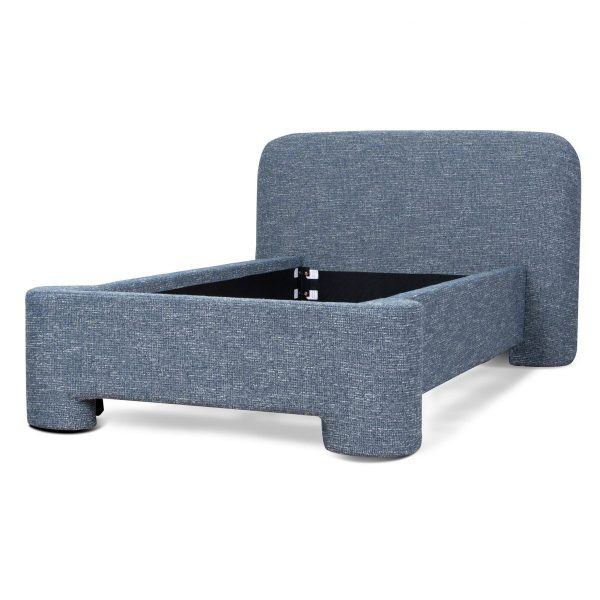

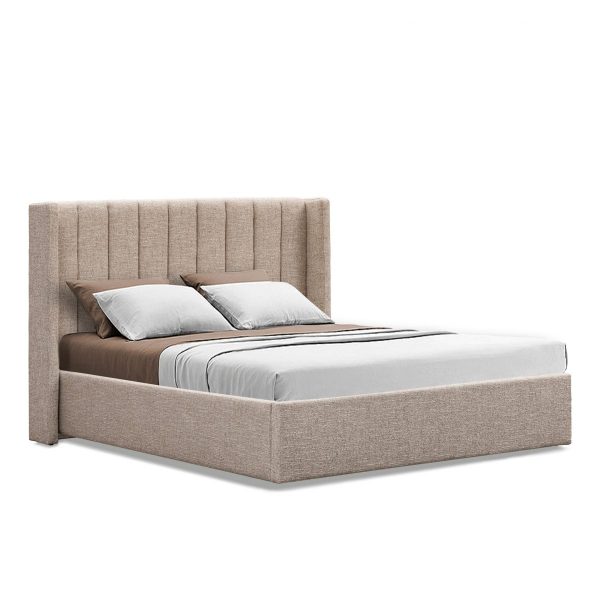
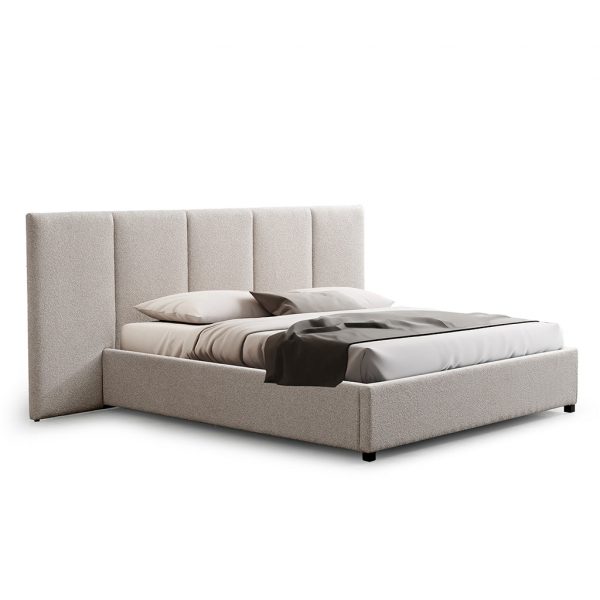
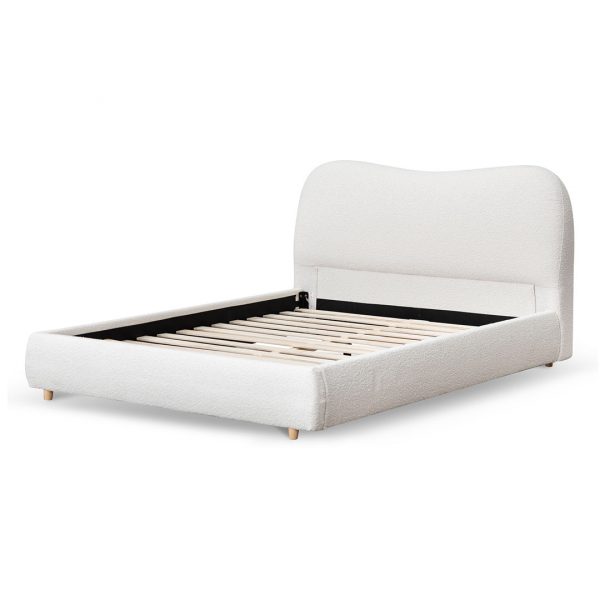
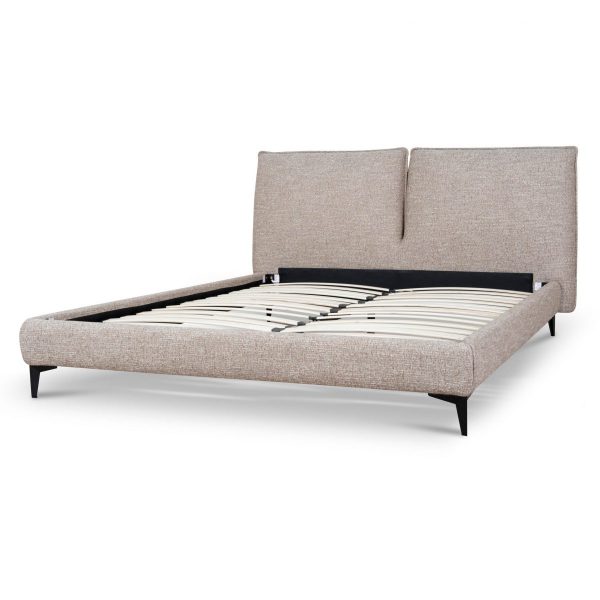
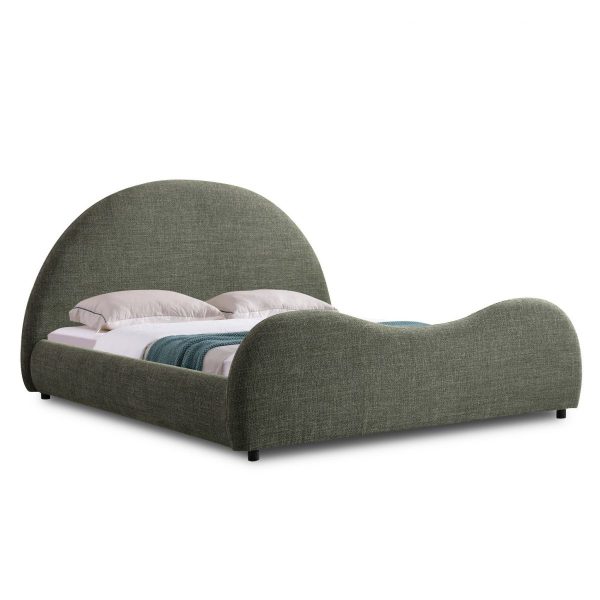
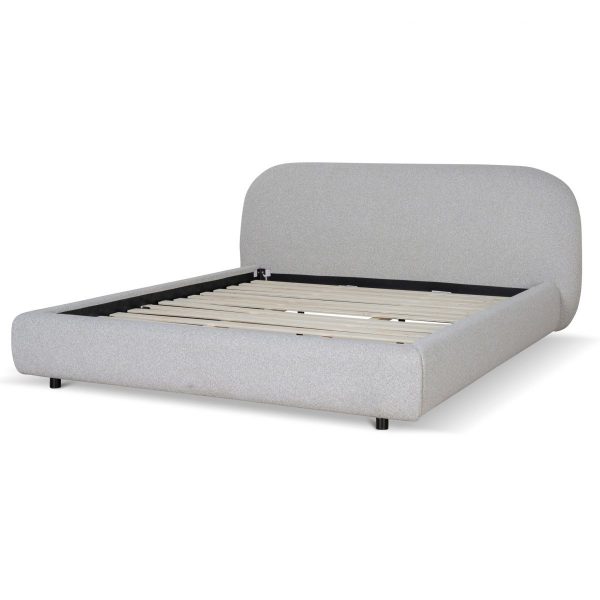
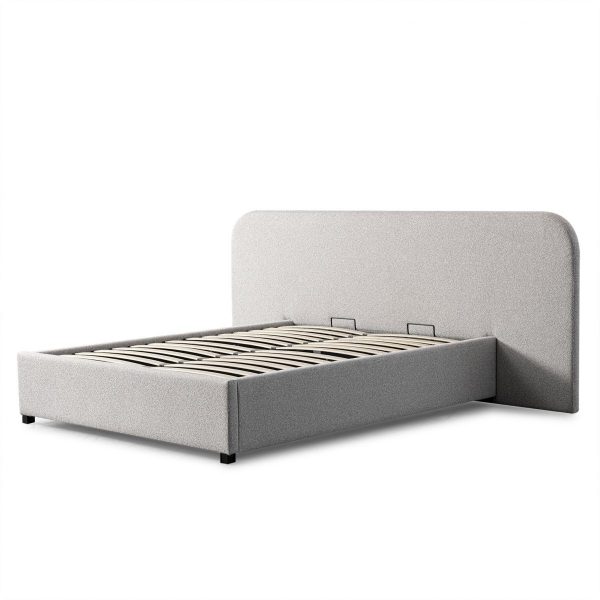
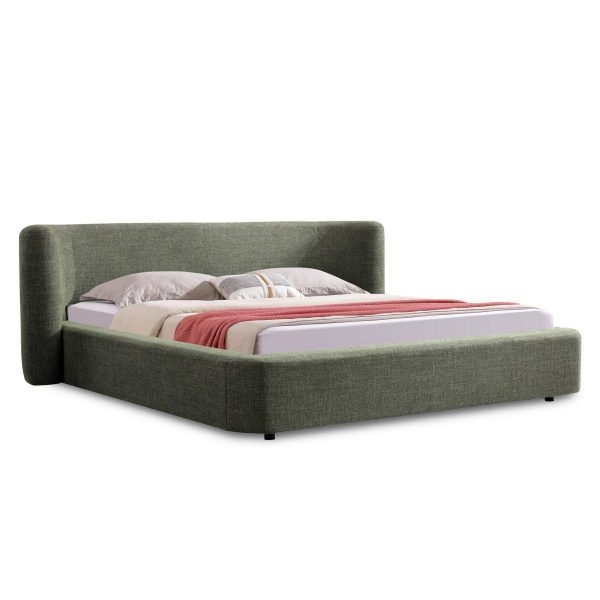
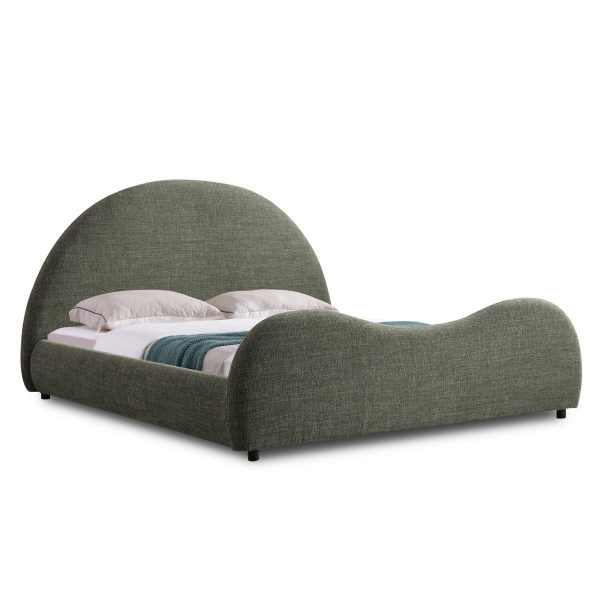
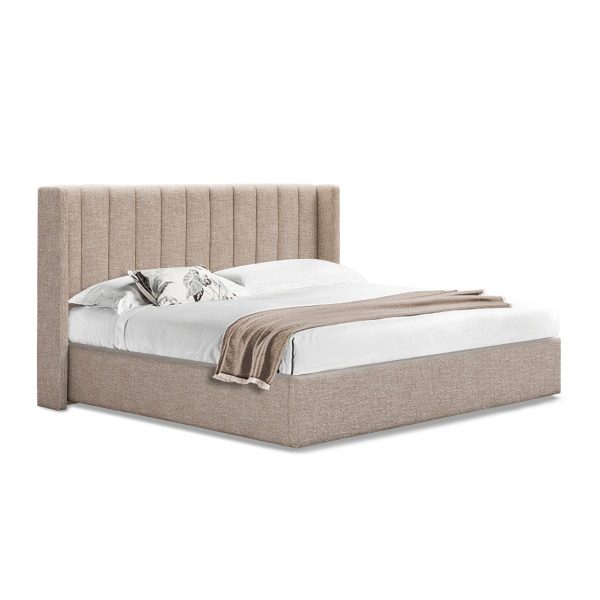
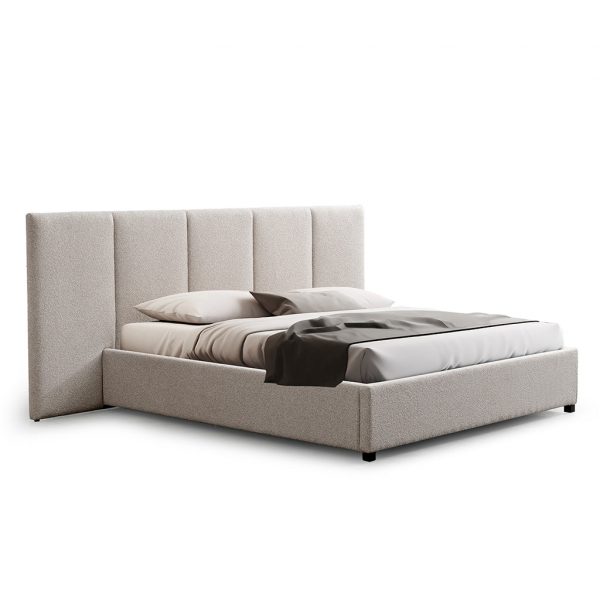

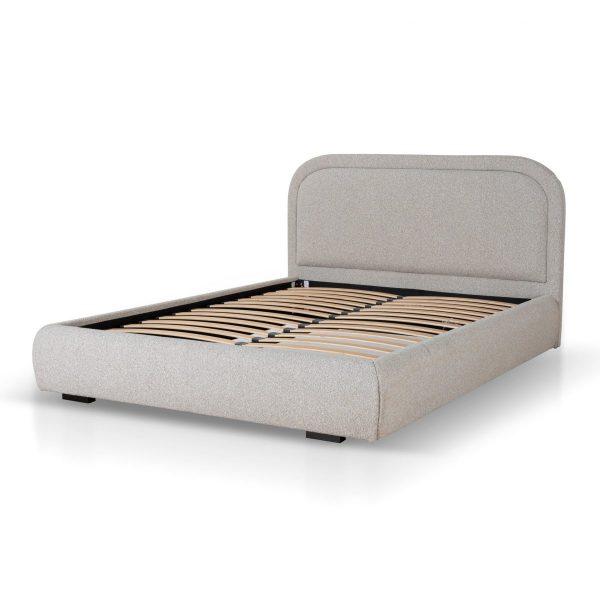
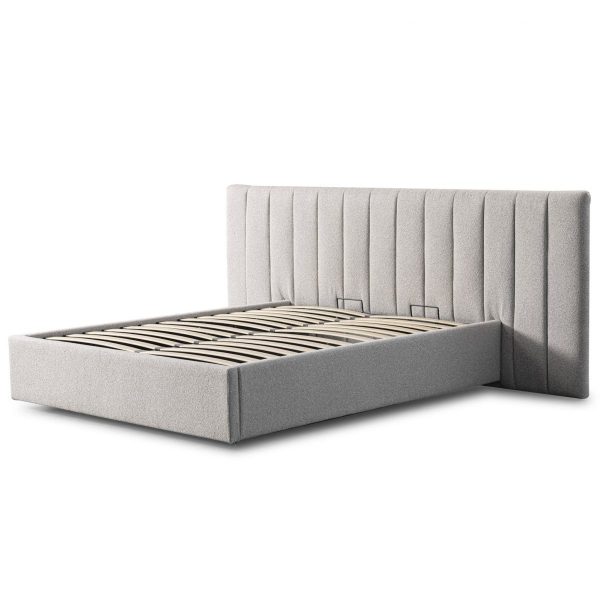
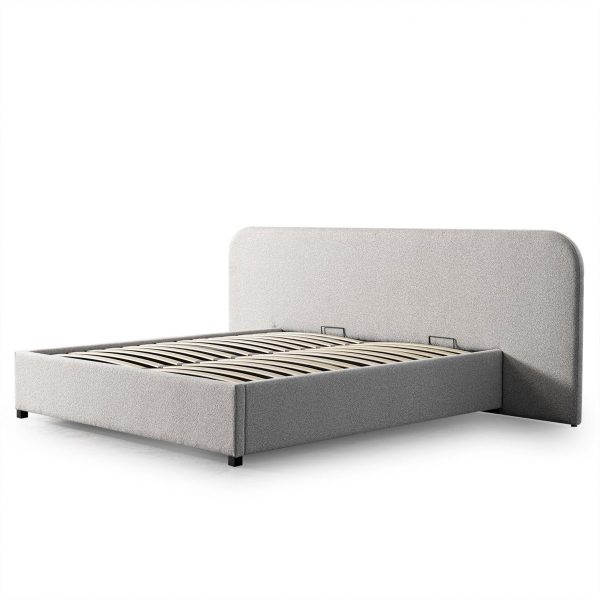

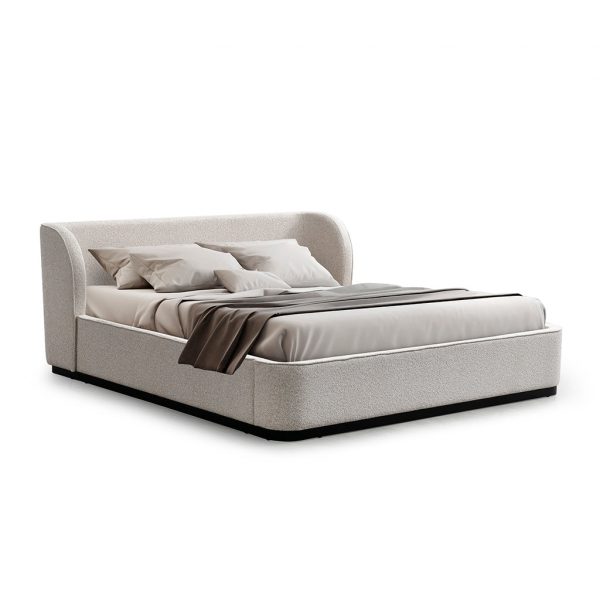
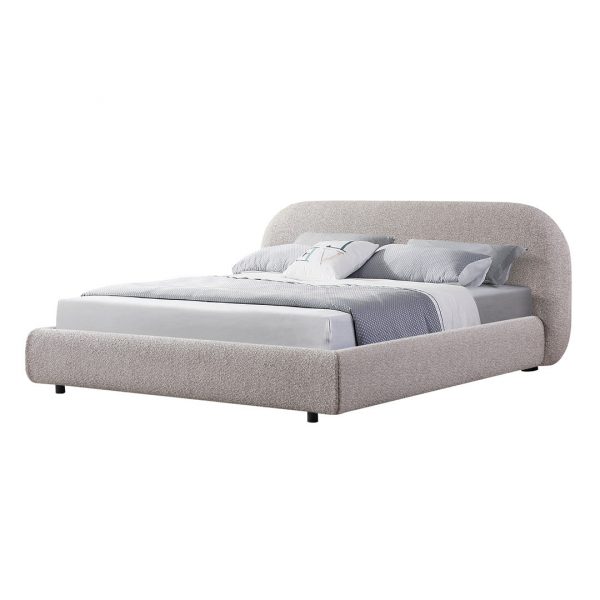
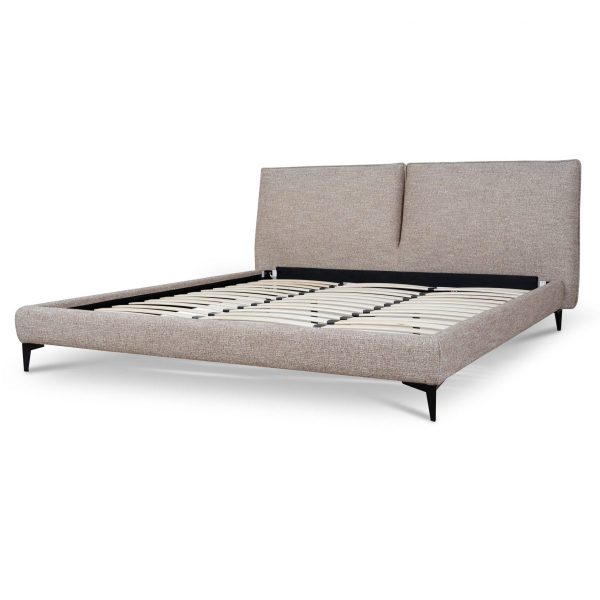
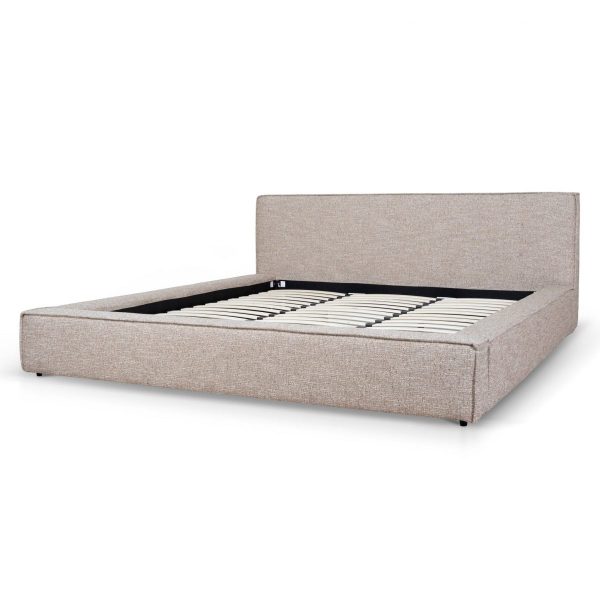
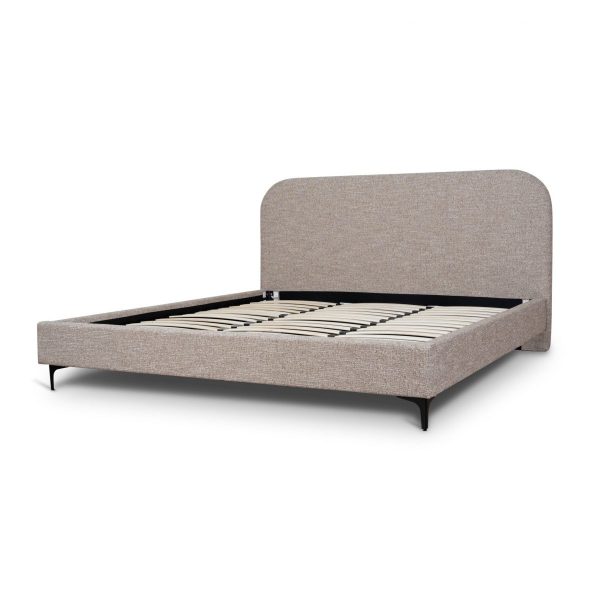
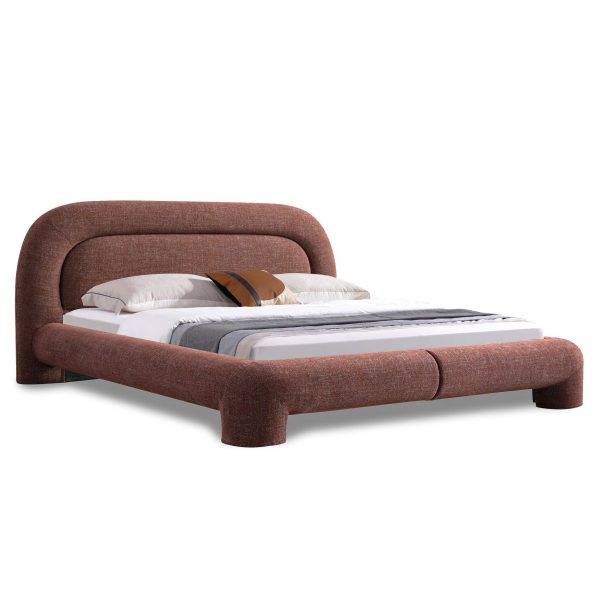
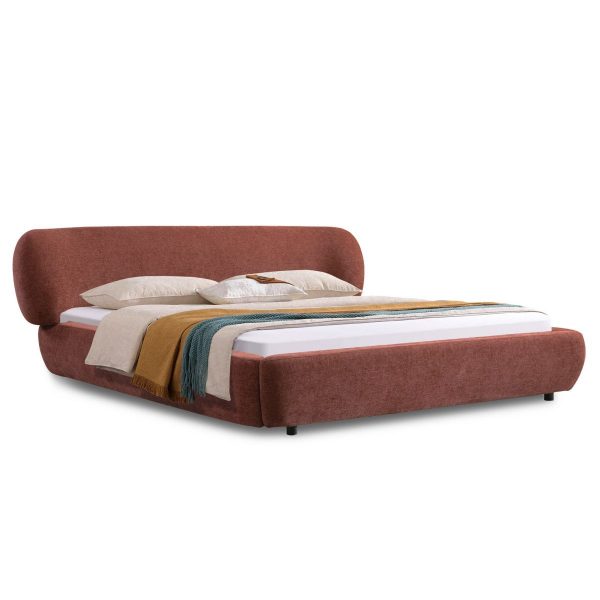
Choose a textile through its visible texture and stated composition
Compare the covering close-up as well as from the doorway. A prominent weave can make a plain-coloured frame feel detailed; a smoother surface may leave the bedhead shape more visible. Check which parts use that fabric and whether another material appears at the legs or edges. The name fabric is a broad description, not a promise of a particular fibre.
Linen bed frames and bouclé bed frames are useful narrower routes when those surface characters are central to your brief. Read the actual composition for the chosen item before assuming a fibre blend, feel or cleaning method. Compare the fabric with bedding you use regularly.
Assess the fabric where pillows and bedding will touch it
The head area has different contact from the lower rails. Pillows, hair and reading positions may touch the bedhead, while quilt edges cover or brush the sides. Think about these contact points when reading the care information. Check how dust should be removed and what the instructions say about a spill, rather than applying a familiar sofa-cleaning method without confirmation.
Do not assume the covering is removable or washable. If either feature matters, ask specifically. Colour is another practical choice: patterned or textured bedding may change the way a plain fabric frame reads. A material decision should suit the whole routine of making, using and cleaning the bed.
Keep the covered frame compatible with your sleeping setup
Use the assembled frame dimensions to plan the room. Fabric-covered edges can add to the width or length beyond the mattress, so compare the actual footprint with bedside drawers and walking space. The bedhead height needs to work with your mattress thickness and pillow arrangement if you want the covering to remain visible.
Confirm the supported mattress size, base construction and supplied components. Then check delivery access and assembly requirements. Bed frames provide the broader compatibility guide when those questions are still open. Choose the textile finish after this structural check, so a visually softer room also has a bed that works with the mattress and the available space.