
Entryway Furniture
Entryway furniture works best when it follows what happens at your front door. You arrive with a bag, need somewhere to put keys and may want to sit while removing shoes. Start with the action that currently causes the most clutter, then choose a piece that helps without narrowing the route into the house.
Read moreRead less
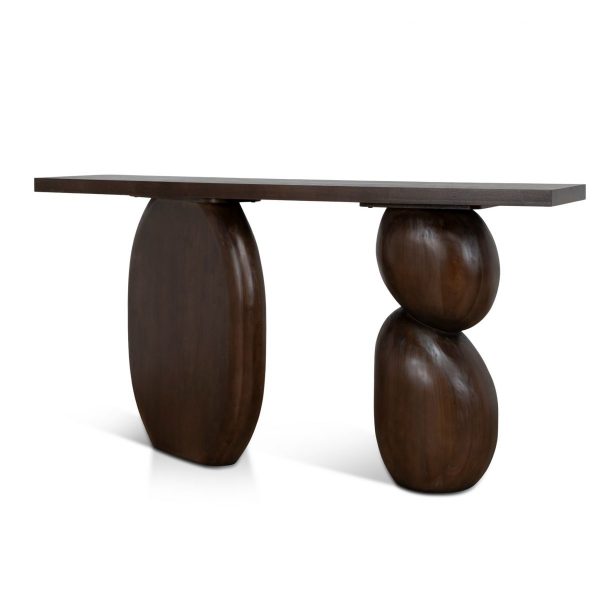
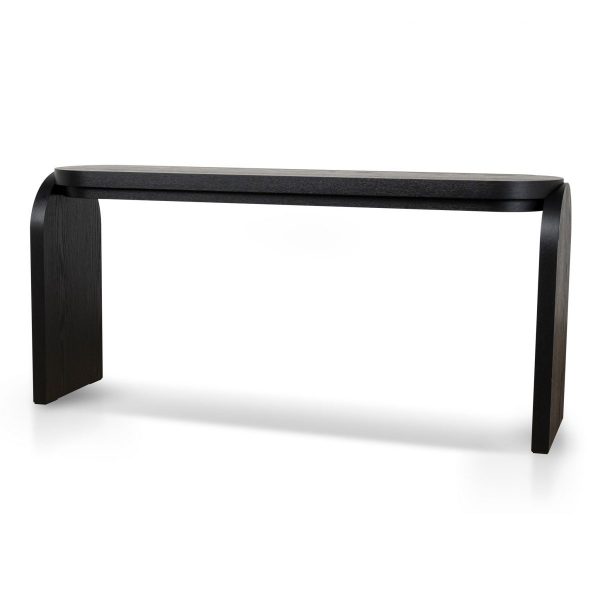
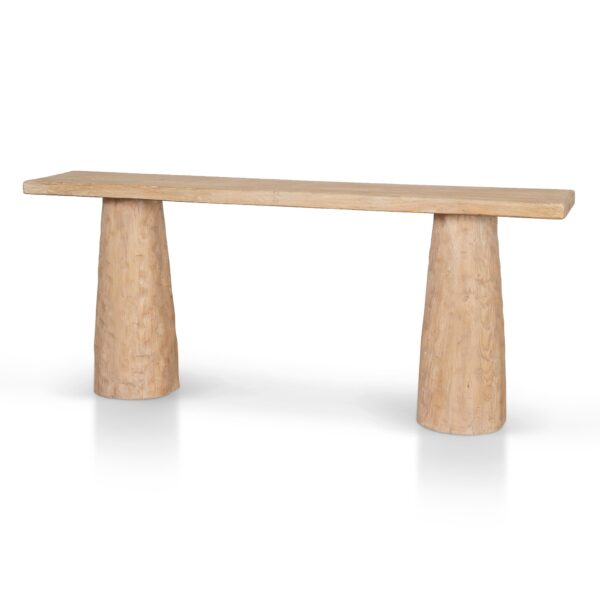
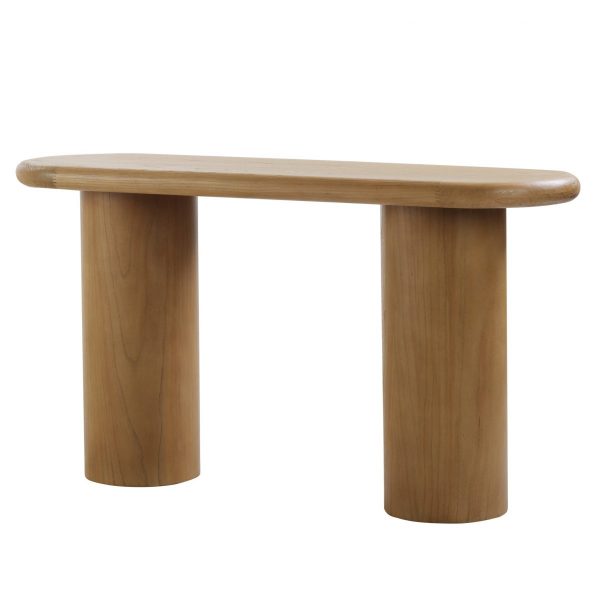
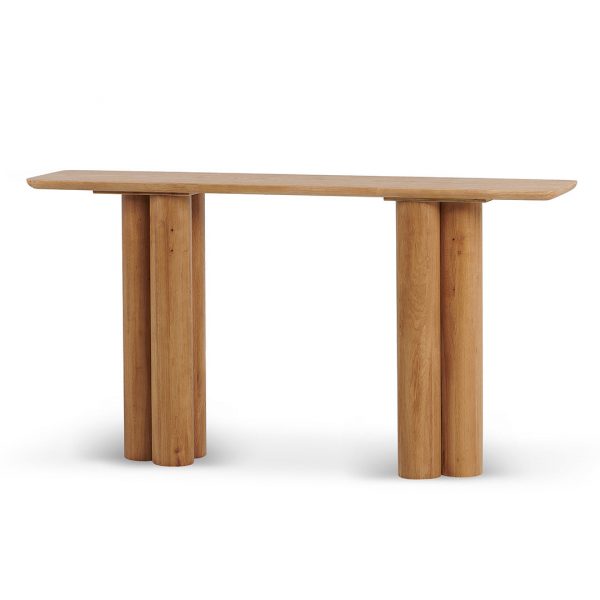
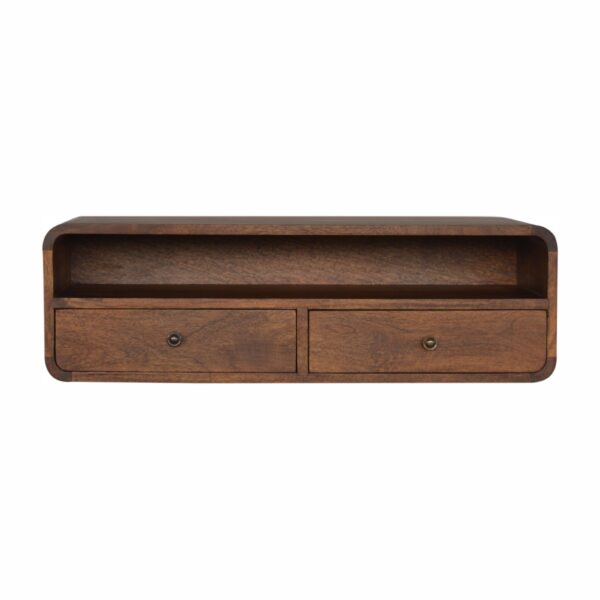
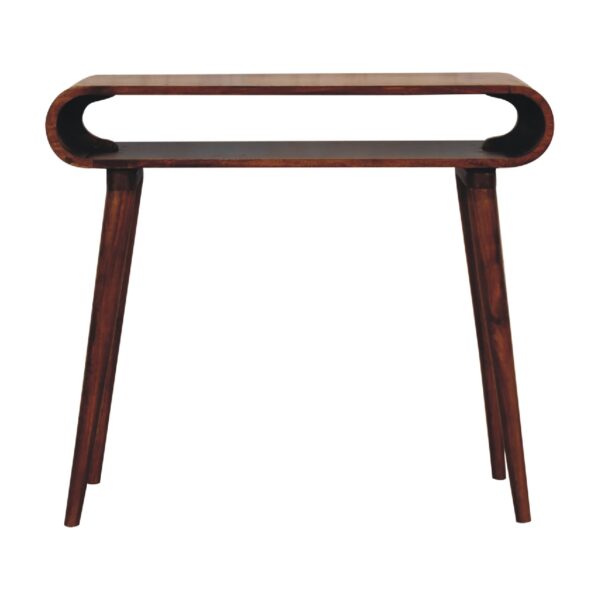
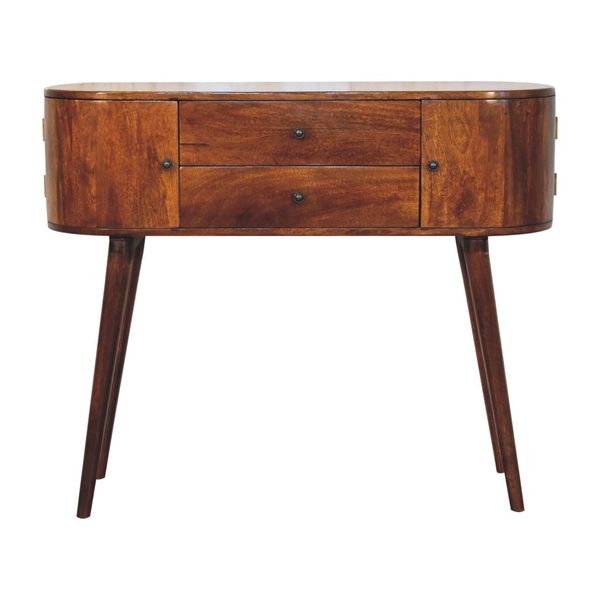
A console table can provide a landing surface; shoe storage addresses footwear more directly. A bench only helps if there is space to use it. Measure the doorway, nearby openings and the path people actually take before deciding that one entrance needs all three.
Showing 1–24 of 81 resultsSorted by recommended
-
Week’s PickOriginal price was: $1,637.00.$1,359.00Current price is: $1,359.00.
-
On SaleOriginal price was: $1,265.00.$1,113.00Current price is: $1,113.00.
-
-
-
On SaleOriginal price was: $933.00.$821.00Current price is: $821.00.
-
On SaleOriginal price was: $1,383.00.$1,217.00Current price is: $1,217.00.
-
-
On SaleOriginal price was: $1,219.00.$1,073.00Current price is: $1,073.00.
-
-
-
-
-
On SaleOriginal price was: $905.00.$860.00Current price is: $860.00.
-
Week’s PickOriginal price was: $699.00.$629.00Current price is: $629.00.
-
Week’s PickOriginal price was: $953.00.$858.00Current price is: $858.00.
-
-
-
On SaleOriginal price was: $1,131.00.$1,074.00Current price is: $1,074.00.
-
On SaleOriginal price was: $774.00.$735.00Current price is: $735.00.
-
On SaleOriginal price was: $815.00.$774.00Current price is: $774.00.
-
On SaleOriginal price was: $1,362.00.$1,294.00Current price is: $1,294.00.
-
-
On SaleOriginal price was: $866.00.$823.00Current price is: $823.00.
-
On SaleOriginal price was: $729.00.$693.00Current price is: $693.00.


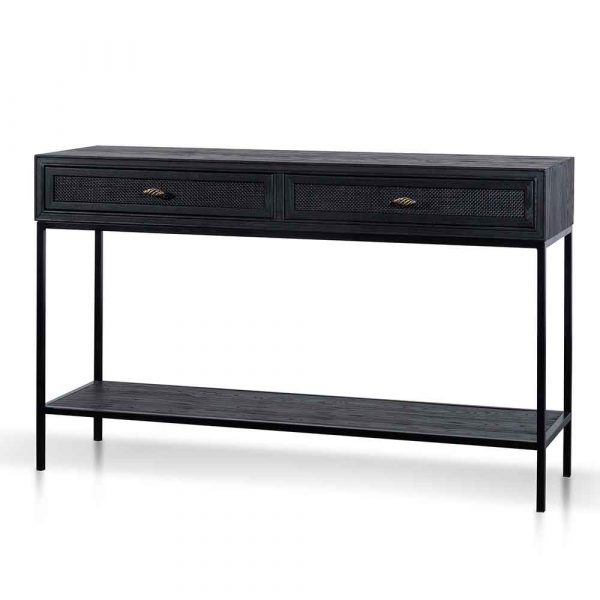
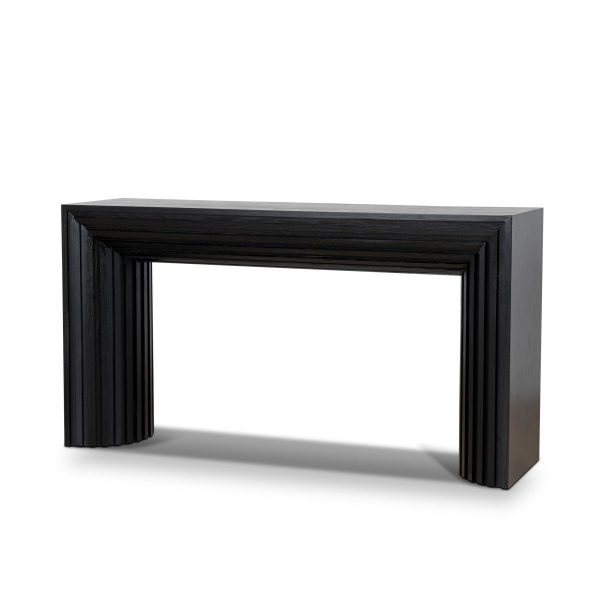
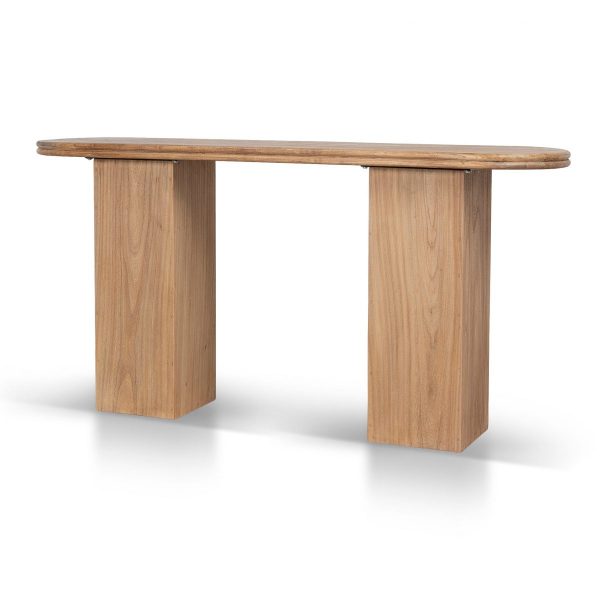
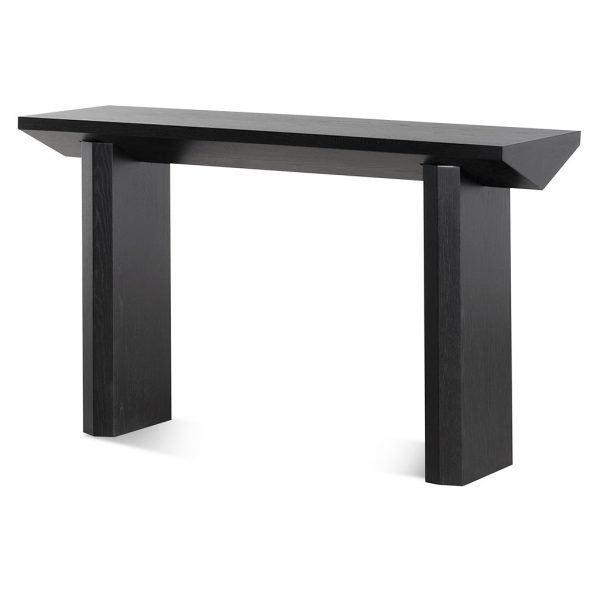



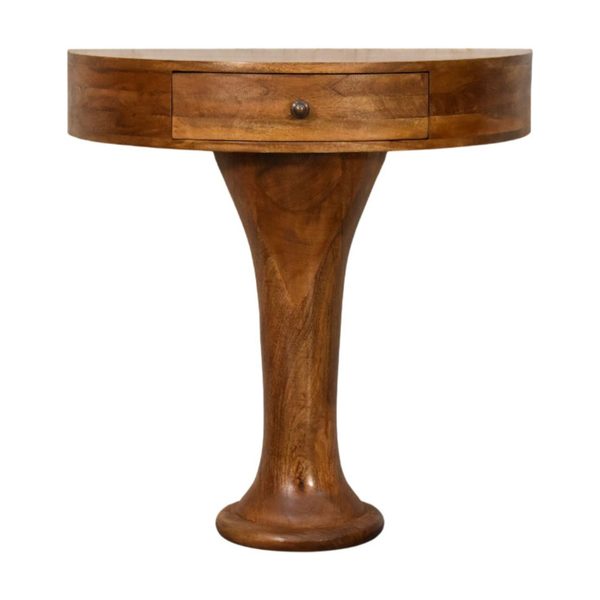


Map the moment you come through the door
Watch where you naturally put things during a normal arrival. If keys disappear under mail, a small clear landing surface may matter more than a large cabinet. If shoes collect across the walkway, prioritise a storage arrangement that is easy to reach and suited to the pairs used most often.
Plan for other people using the same entrance. A seat beside storage needs space for someone to bend forward while another person passes. Keep everyday belongings close to the point of use, while finding another home for occasional items. Furniture that asks you to cross the hall to complete every small action may leave the original clutter in place.
Measure depth while doors and drawers are open
Overall furniture width is only one part of hallway fit. Mark the depth on the floor, then open the front door and any cupboard nearby. Walk the route carrying the bag or basket you regularly bring inside. Leave room to turn and set things down, especially where a hallway changes direction.
Check open drawer and cabinet-door positions as well as the closed footprint. A slim cabinet can still be awkward if its door occupies the only passage. Compare storage benches with open seating where lifting a lid would conflict with a mirror, coat or bag above it.
Give the entrance a clear stopping point
The entrance is often seen from several rooms, so choose a simple arrangement rather than filling every gap. A mirror over a console may serve the final check before leaving, while one bowl or tray can define a place for keys. Check how those pieces relate in width and height before adding more decoration.
Separate the display surface from the things that arrive wet or dirty. Use the specific product guidance for umbrellas, plant pots and cleaning. Keep storage accessible enough to use every day, and choose the furniture finish in the light that reaches the hallway, which may differ from the brighter living room beyond it.
Frequently Asked Questions
Need a seat without a storage compartment? Compare the profiles and usable seating space of benches.