
Canvas Wall Art
Canvas wall art makes the artwork’s physical surface part of the choice. Compare the actual canvas construction and description with the image you want, including how the outer edge is finished and whether a frame is supplied. Canvas does not establish that the image is hand-painted or an original work.
Read moreRead less
Think about the piece from an angle as well as straight ahead, especially beside a doorway or in a room where people move past it. The side profile and mounting become part of that view. This guide helps compare those details. Browse any listed pieces by their full specifications, or use the wider wall art guide to choose the composition and wall position before narrowing the medium.
Showing 73–96 of 124 resultsSorted by recommended
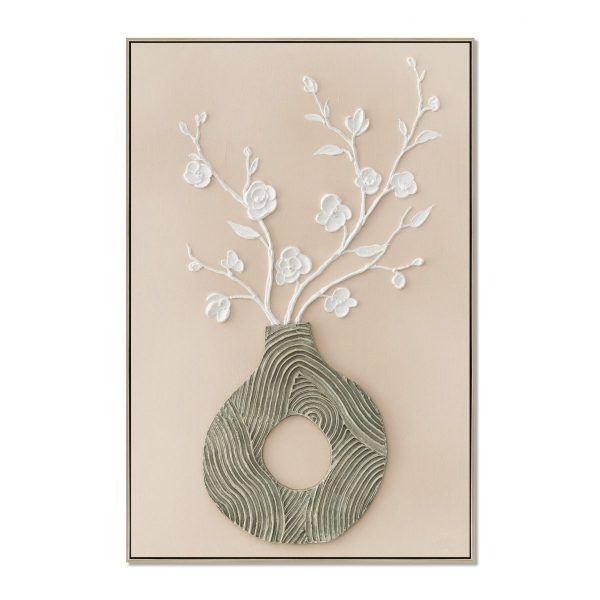

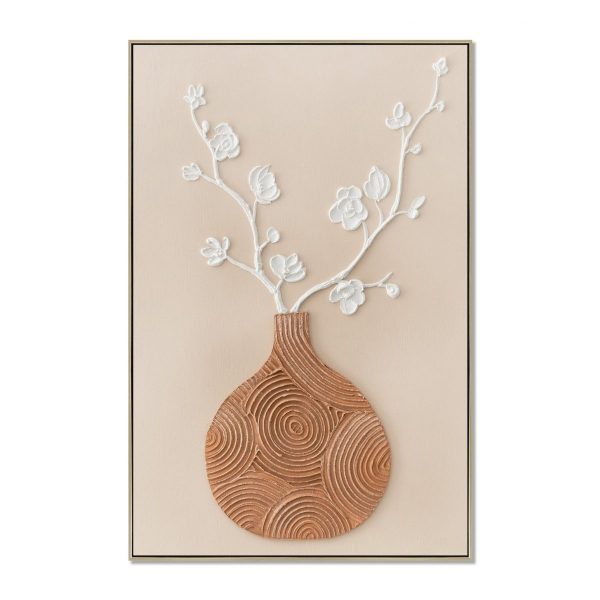
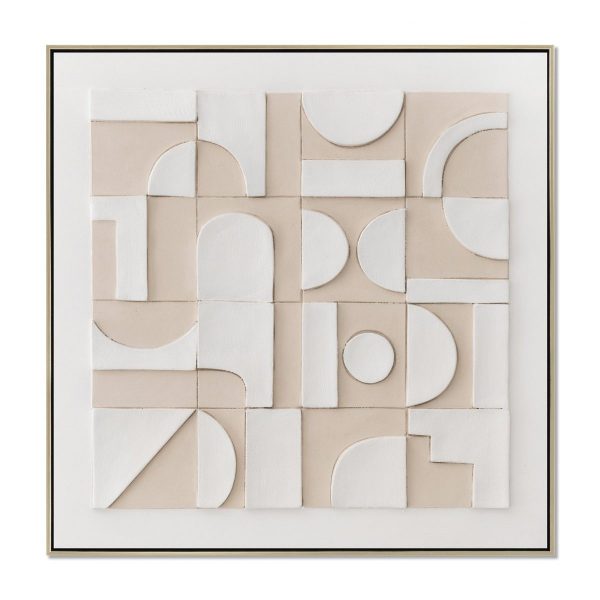
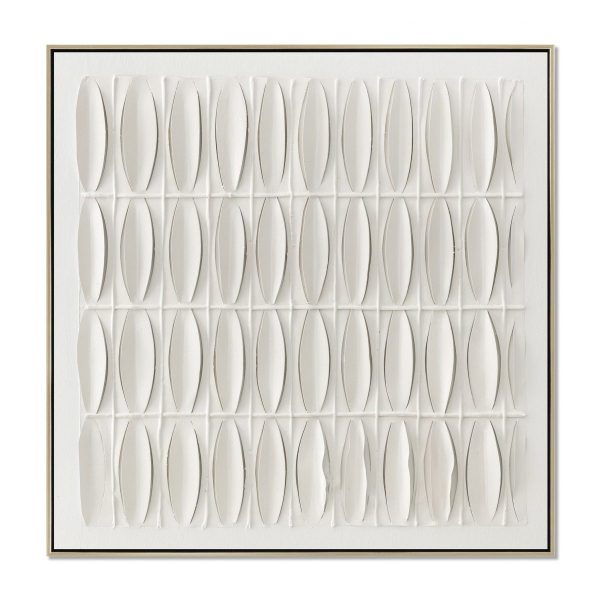
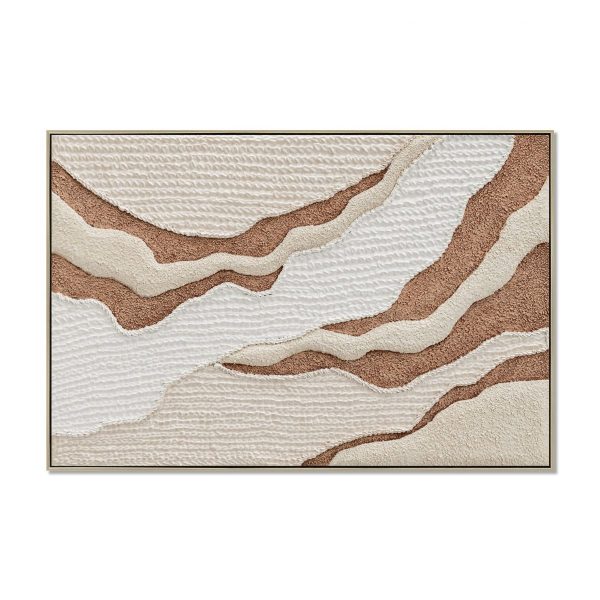
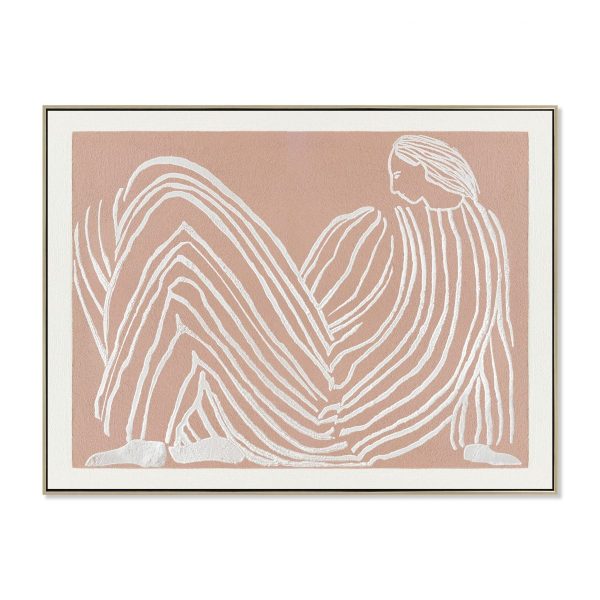
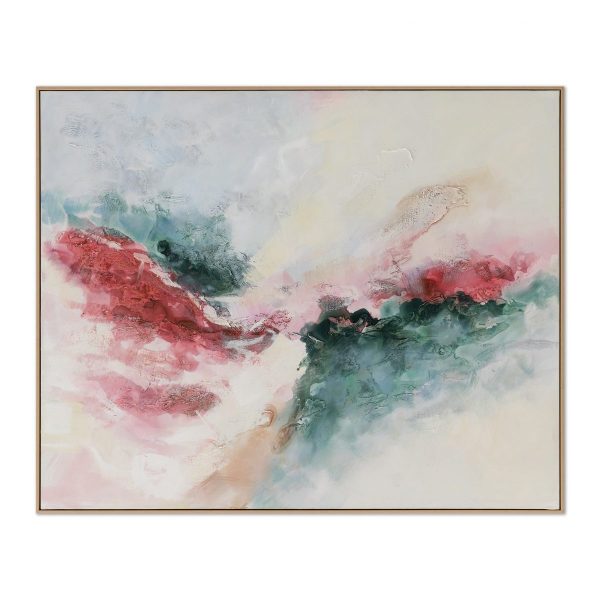
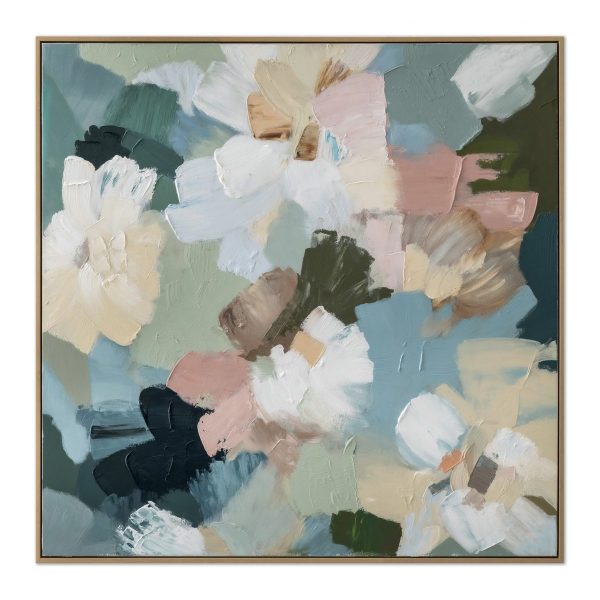
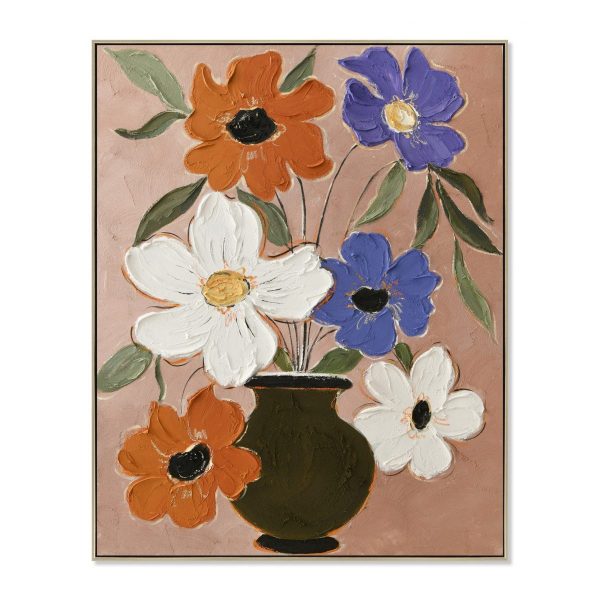
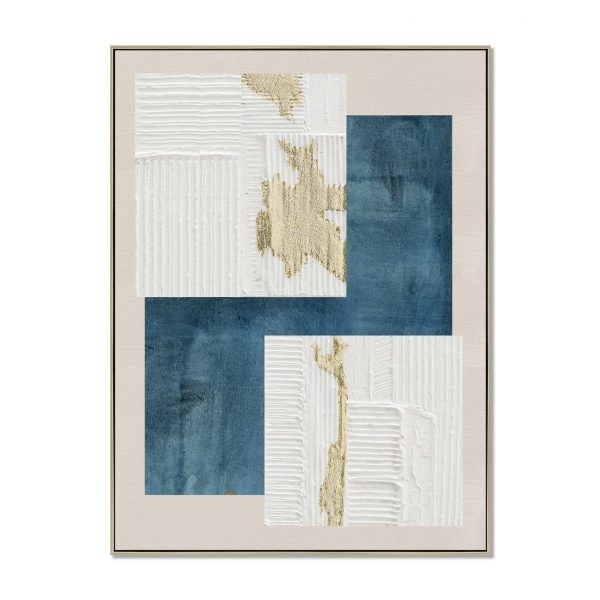
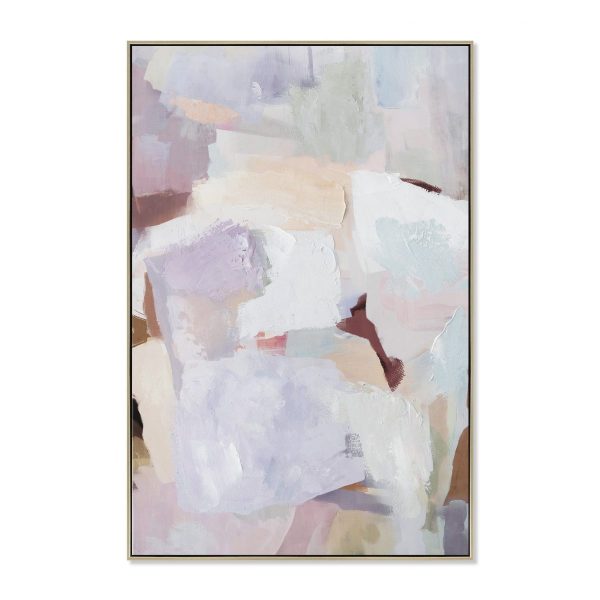
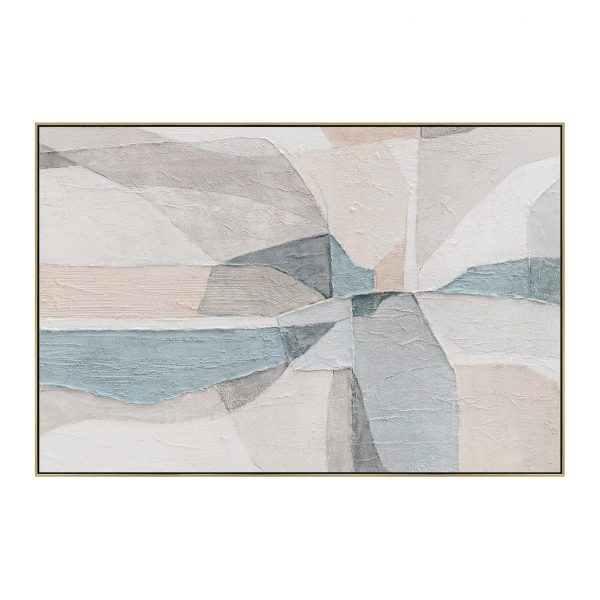
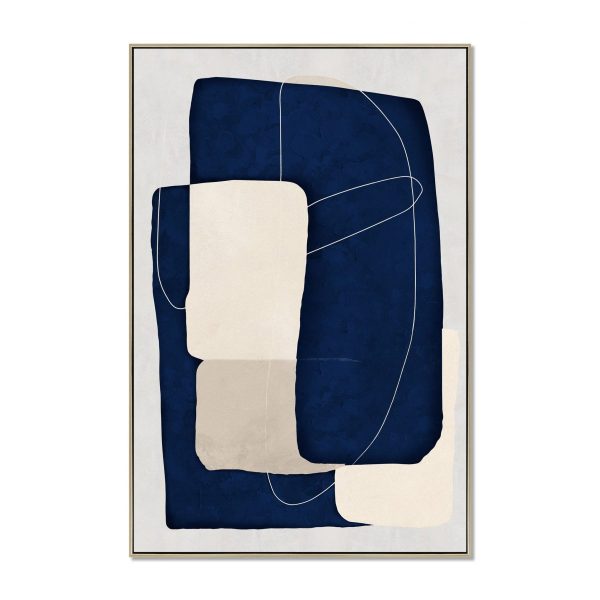
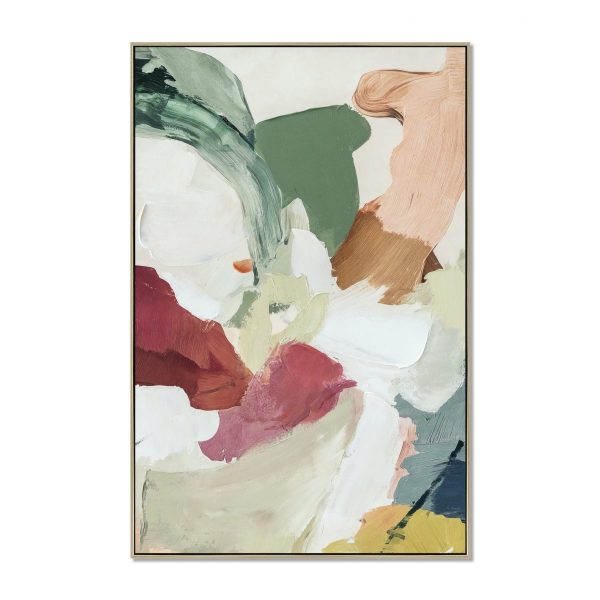
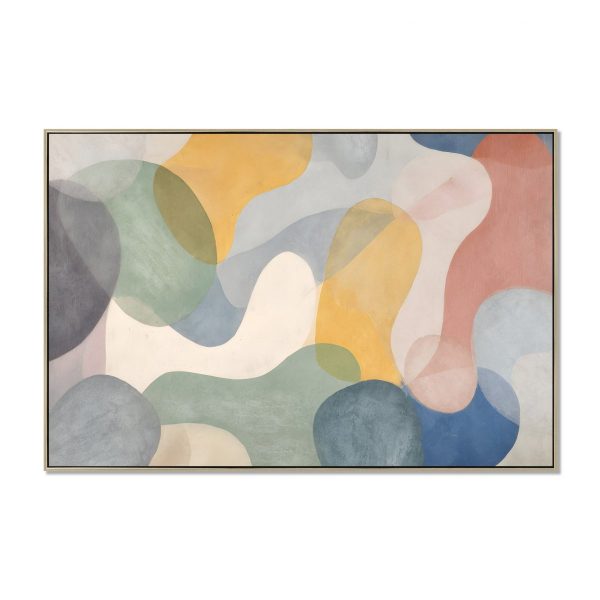

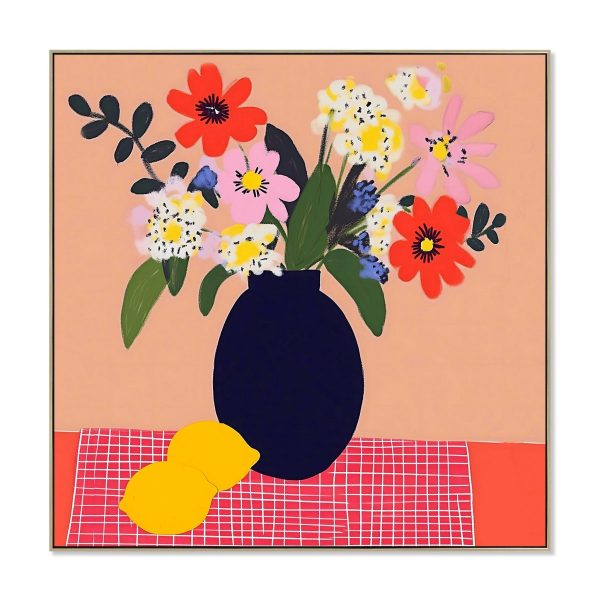
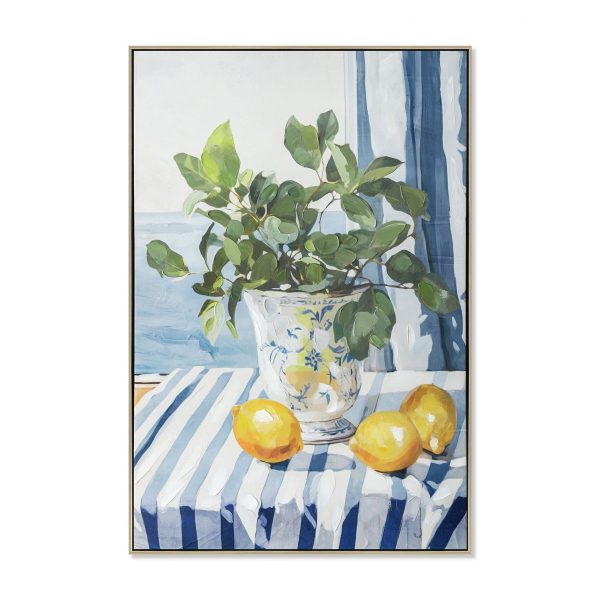

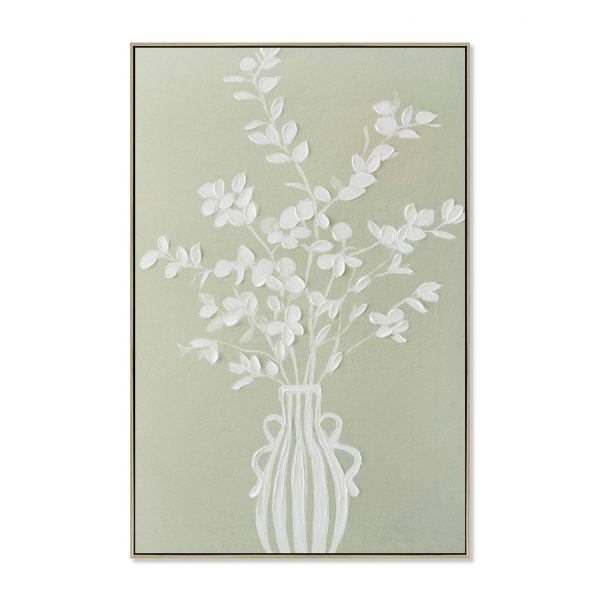
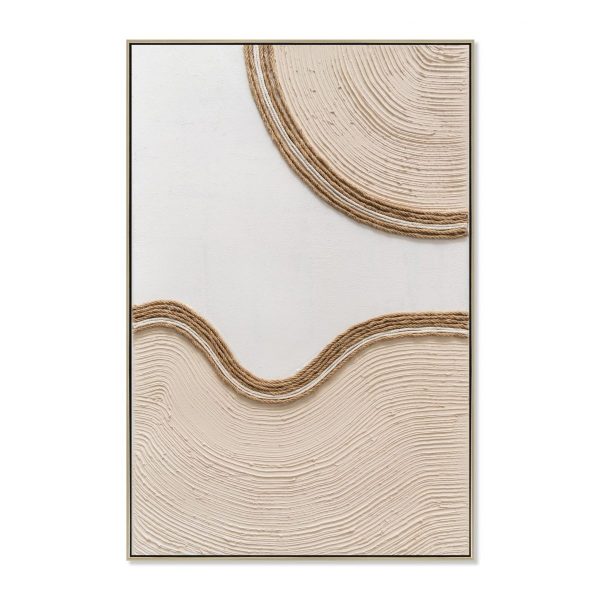
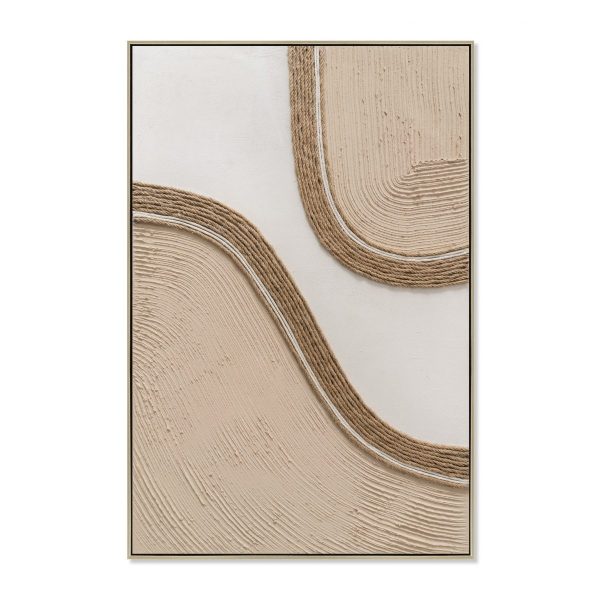
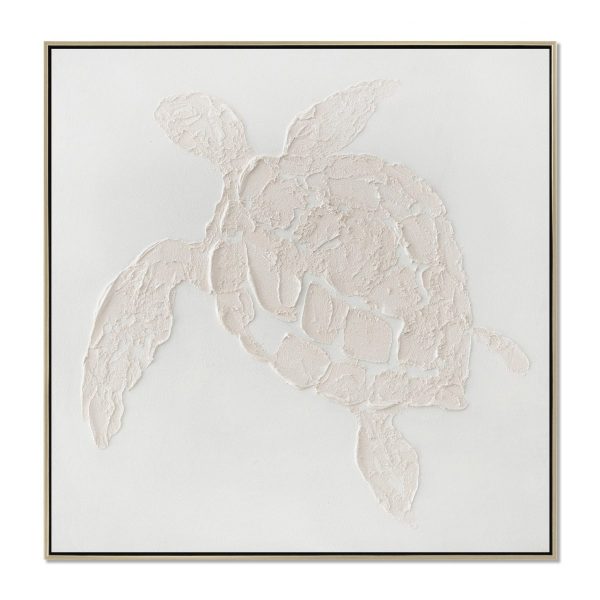
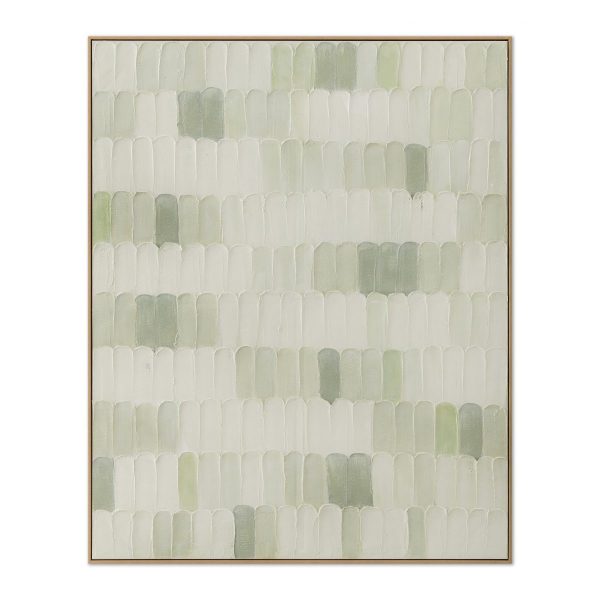
Read the actual image process and surface
Confirm how the selected artwork is described, including any stated print or painted process. Read the actual surface and canvas construction rather than infer a production method from brush-like marks in the image. A subject can look painted while its supplied form is described differently.
Look at the texture information with the composition in mind. Fine image detail and broad colour areas may create different relationships with a visible fabric surface. Compare abstract wall art if marks and shapes are the image priority. Choose the actual canvas artwork through its declared form and complete image, without turning the medium label into an unsupported originality or edition claim.
Compare the edge from everyday room angles
Check the selected piece’s stated edge treatment, profile and any supplied frame. A side view can matter where the artwork is seen while entering the room or walking beside the wall. Do not assume an edge is printed, wrapped or left a particular colour.
Compare complete outer dimensions, including a frame where supplied. The framed wall art guide helps assess border and picture relationships. Canvas and framing are separate specifications, so read the actual combination. Choose the full physical form with the wall’s viewing angles in mind, rather than plan from a front image that does not show how the artwork presents from the side.
Settle full size and hanging information
Mark the supplied width and height on the wall and check its relation to nearby furniture. Include any stated depth where the side profile affects the location. View the outline from normal seats so the chosen image has the scale intended in the room.
Read actual weight, mounting details and care. Confirm what hardware is supplied rather than infer it from a canvas format. The living room wall art guide helps assess a sofa-based view. Check the marked piece from the front and the doorway angle after its full depth, frame and mounting are known. Choose a side treatment that belongs to those views, while the finished image size keeps the composition clear from the main seat.