
Abstract Wall Art
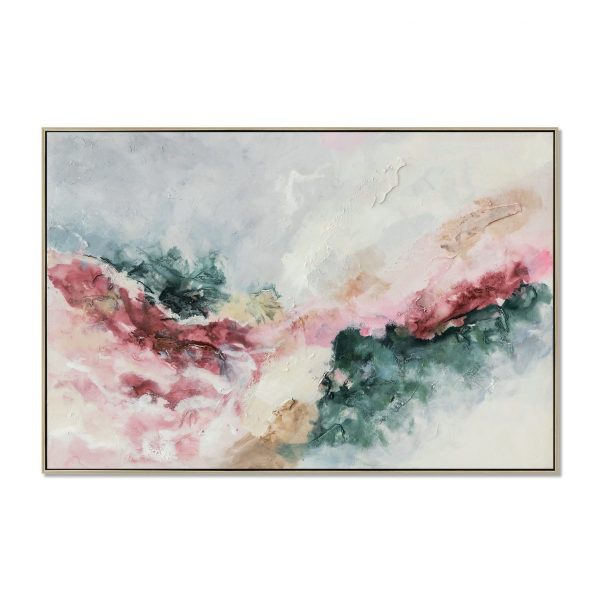
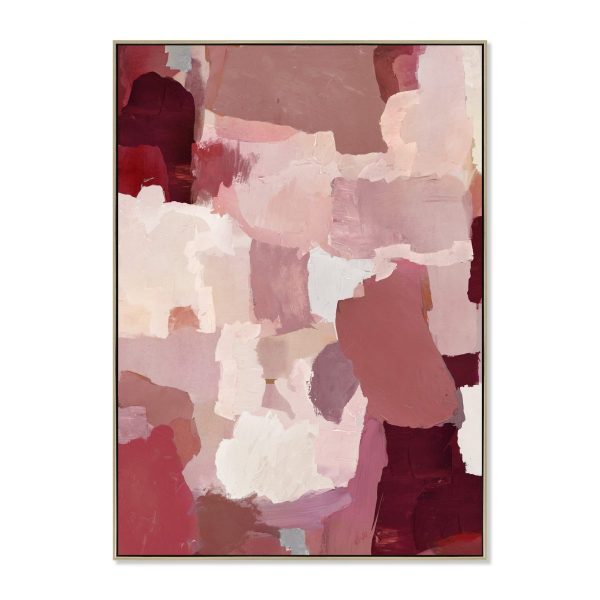
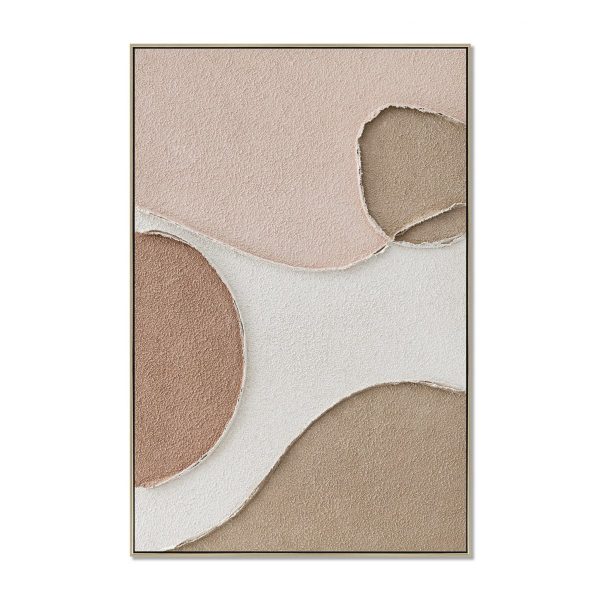
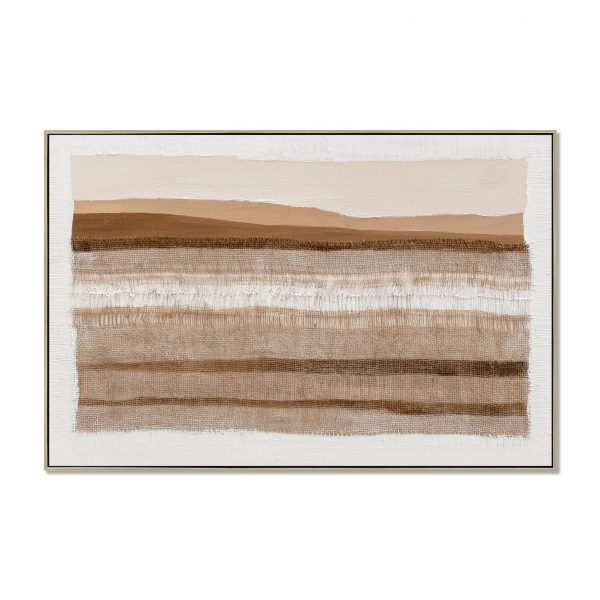
Abstract wall art can bring shapes, marks and colour relationships into a room without needing a literal scene. Choose the actual composition rather than the abstract label alone. A small area of sharp detail, a broad quiet shape and a directional brush-like mark can each change where the eye goes.
Read moreRead less
Look at the whole image from the distance at which it will be seen. Detail that is attractive close up may read very differently above a sofa or across a dining room. This guide helps compare those decisions with the wall and furniture. Browse any listed pieces by their complete image and specification, or explore the wider wall art guide when the first question is artwork size and placement.
Showing all 19 resultsSorted by recommended
-
Week’s PickOriginal price was: $153.00.$127.00Current price is: $127.00.
-
-
-
-
-
-
-
-
-
-
-
-
-
-
-
-
-
-
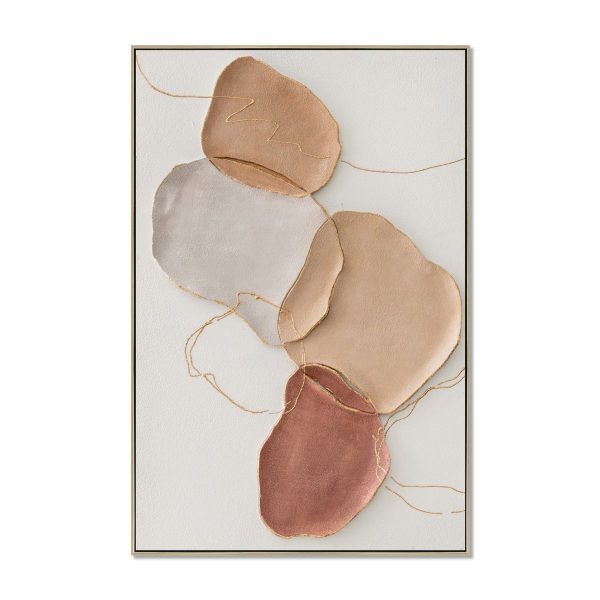

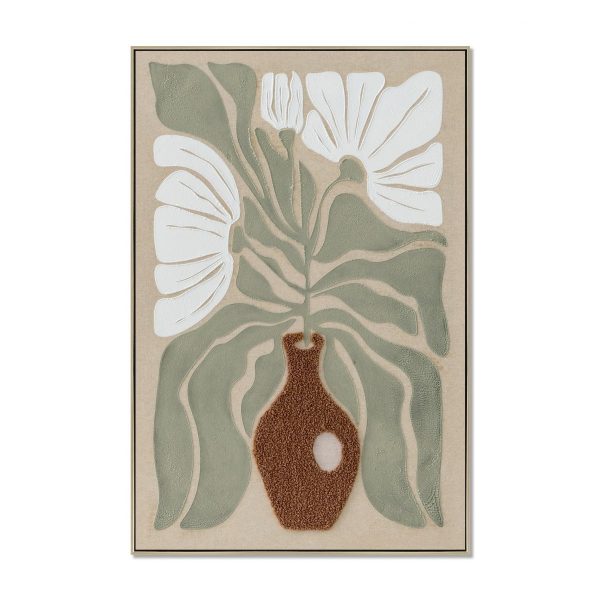
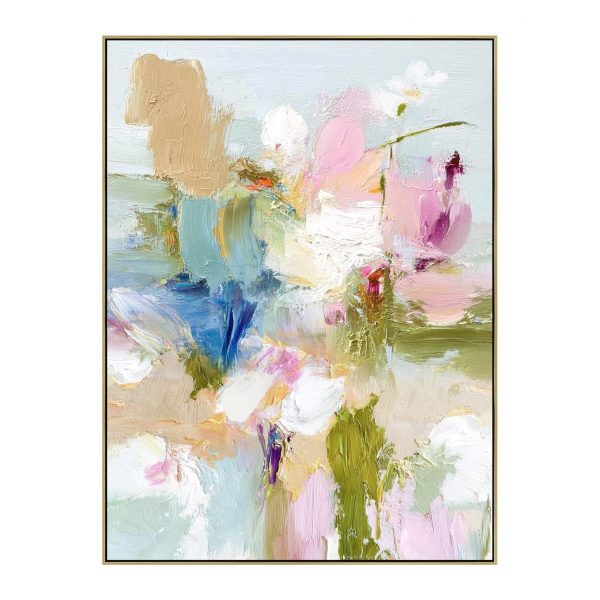

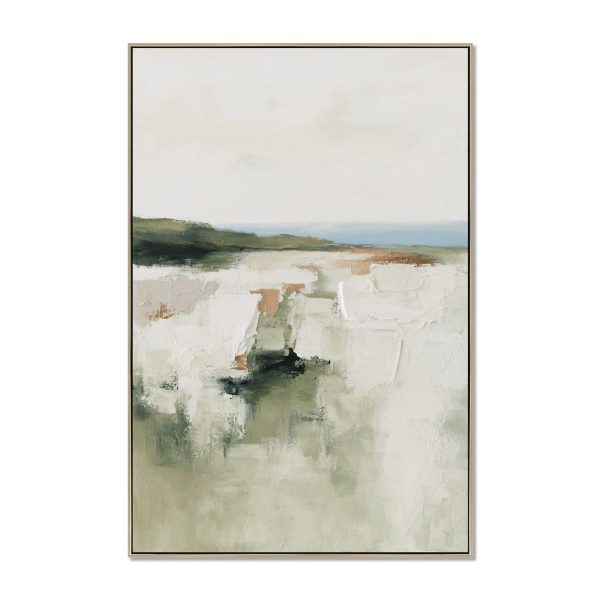
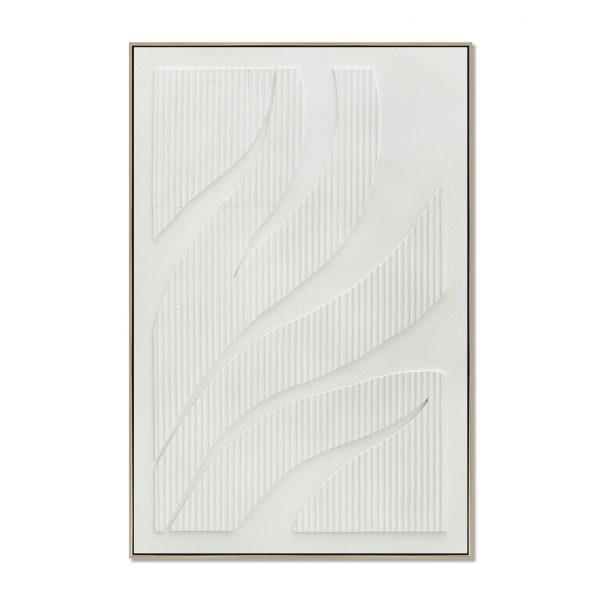
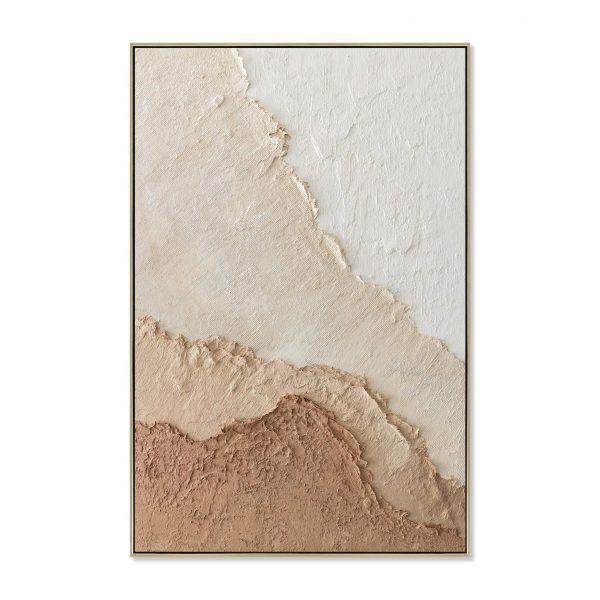
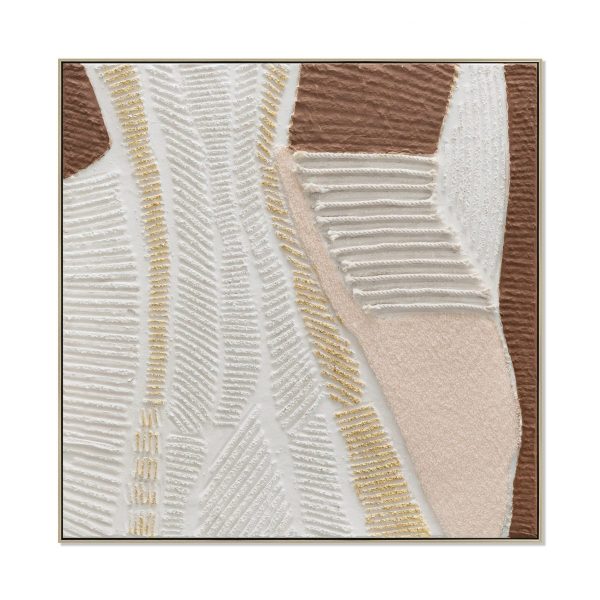
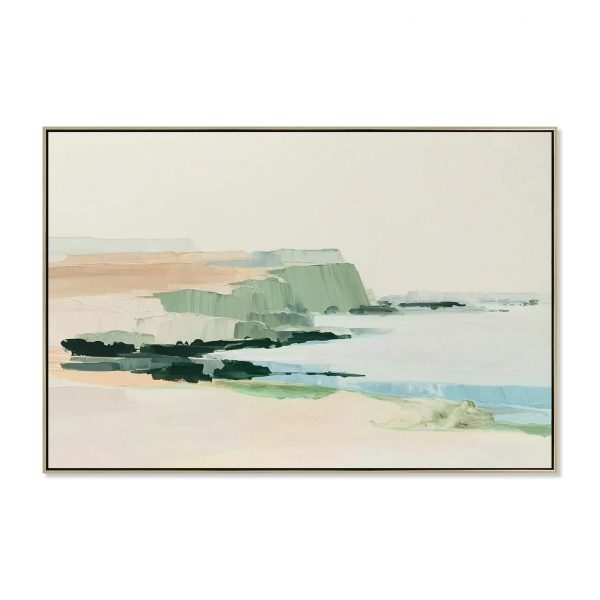
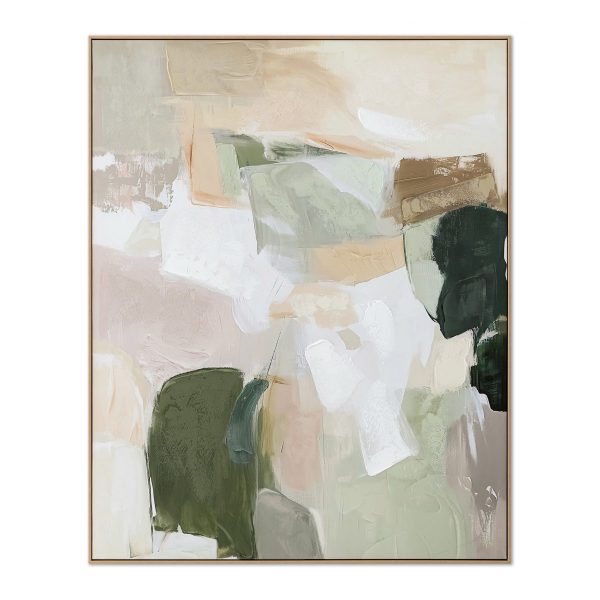
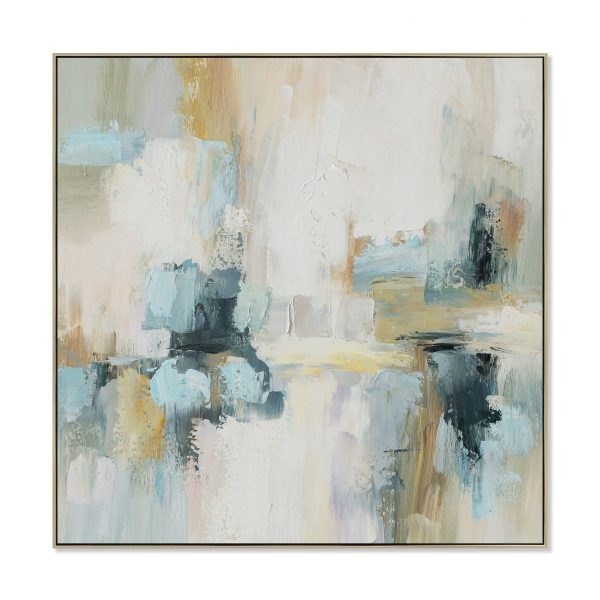
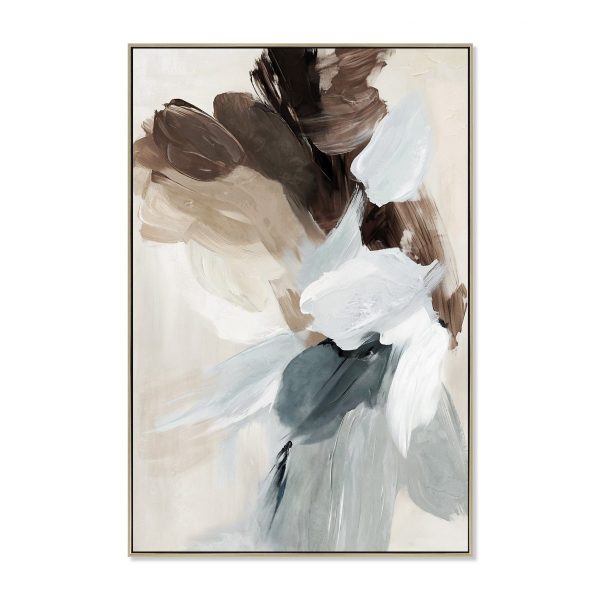
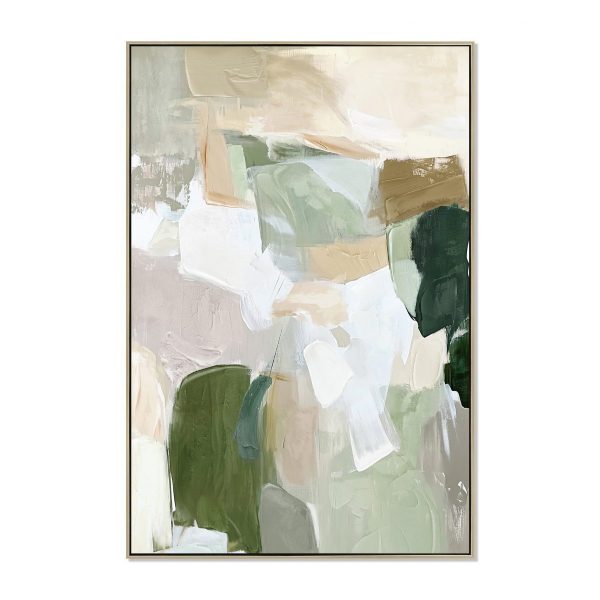
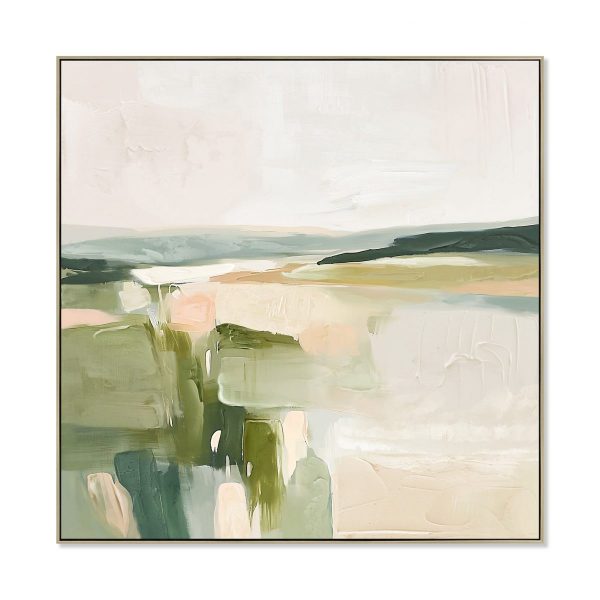
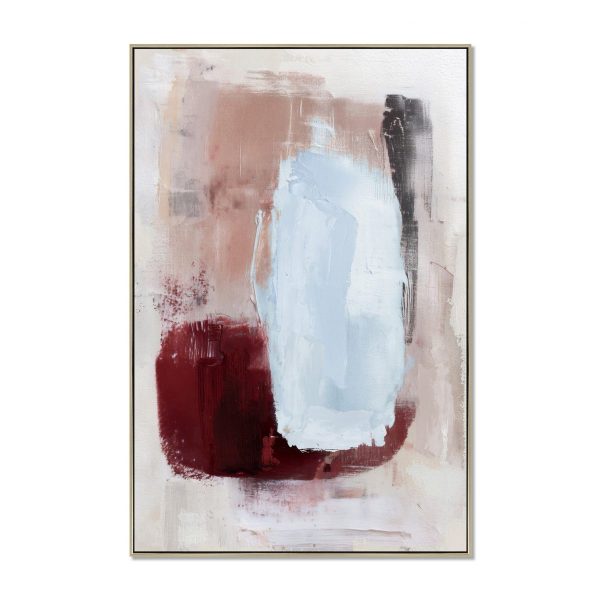
Decide whether broad shapes or fine marks should lead
Identify the largest colour areas, repeated marks and quieter spaces in the actual image. Choose which part you want to notice from the normal viewing position. A composition with many fine details needs a different assessment from one organised around a few large forms.
Compare those elements with the room’s existing pattern. Detailed upholstery or a patterned rug can create a busier relationship with dense marks than with broader quiet space. This is a comparison of the actual image and room, not a rule that abstract art must be minimal. Choose the composition whose visible balance suits your preference without relying on its category name to describe the result.
Follow the composition’s colour and direction
Look at where the colours sit, not only whether a favourite shade appears. A strong accent near one edge can draw attention differently from the same colour distributed across the image. Directional marks can also guide the eye towards nearby furniture or an open wall.
Compare living room wall art when the sofa view is central to that choice. Assess orientation as part of the composition rather than assume the selected artwork can be rotated. Read any stated display arrangement. Choose a natural connection with the room while allowing the image its own form, instead of searching for a collection of matching colours with no clear visual relationship.
Check the actual image and outer artwork size
Mark the complete supplied dimensions on the wall and view them from the normal seat. Consider whether the principal shapes will remain clear at that size and distance. A small reproduction image on a screen cannot establish the finished artwork’s scale.
Read the actual medium, frame and mounting details. The canvas wall art guide helps if the selected image is offered on canvas, but abstract does not establish that material or originality. Keep the largest shapes and colour accents visible from the main seat when assessing the finished size. Compare finer marks at that same distance, then read the complete supplied format so the composition you like has the room presence you intend.