
Botanical Wall Art
Botanical wall art brings plant subjects into the room as an image. Compare whether the individual composition shows a close-up leaf, finer stems or a whole plant, then choose the subject scale you want to see. The botanical label does not mean every image is green, highly detailed or an exact study of a species.
Read moreRead less
Consider how it will relate to real plants and patterned textiles nearby. A repeated leaf shape can connect them, while too many similar details may compete for attention. This guide helps choose that balance. Browse any listed artworks by their complete image and specification, or explore the wider wall art guide when wall position and size need to be settled before the subject.
Showing all 8 resultsSorted by recommended
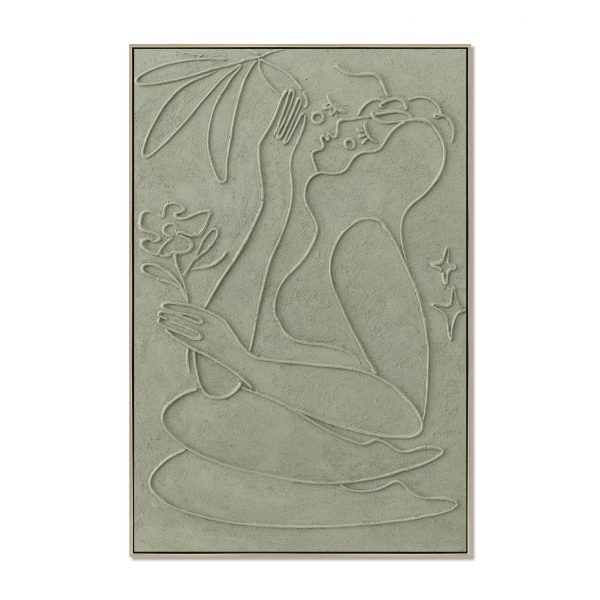

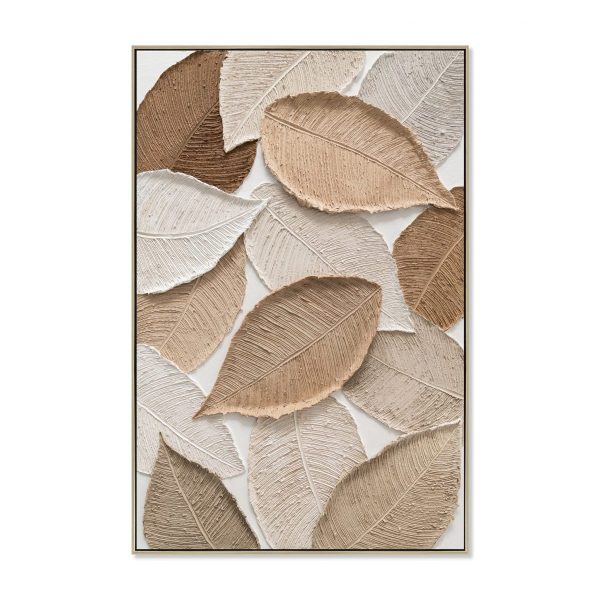
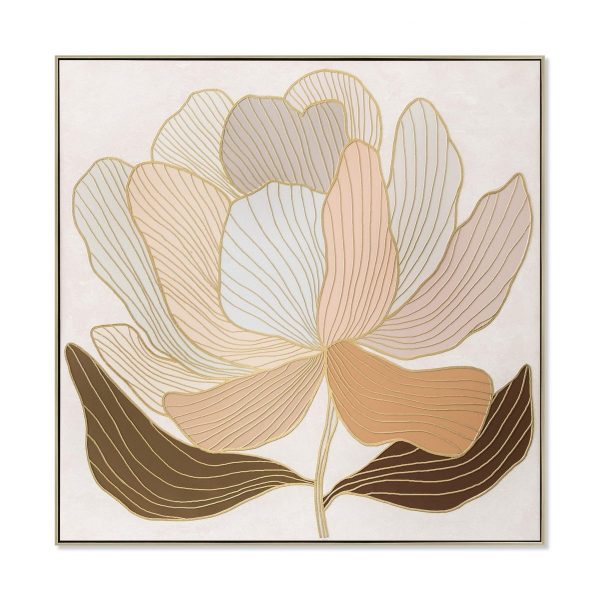
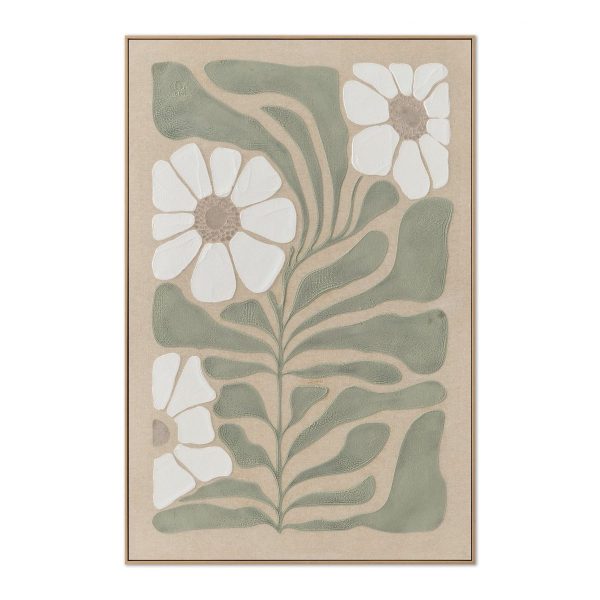
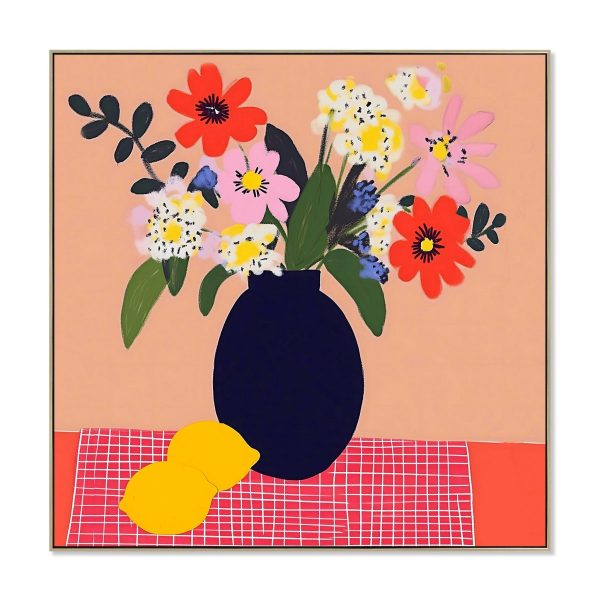
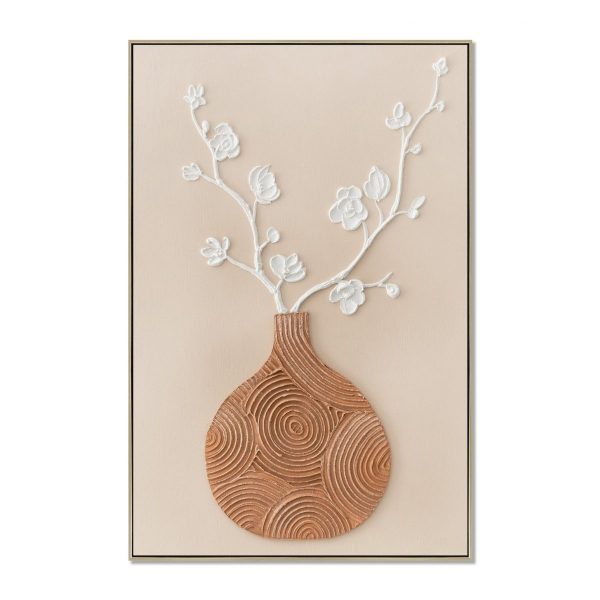
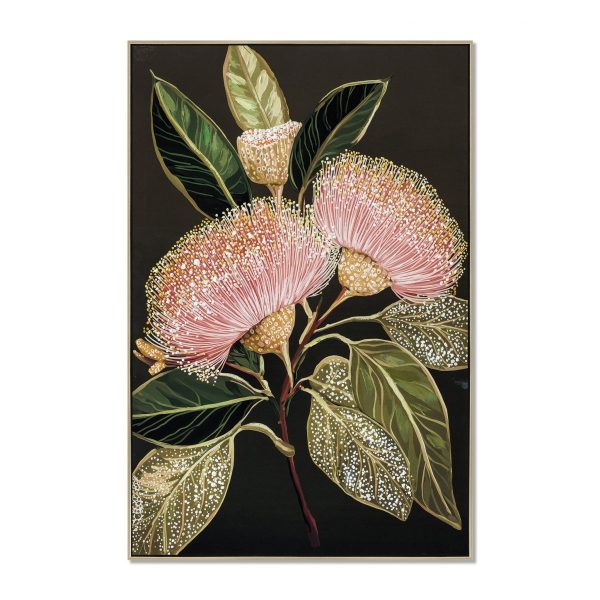
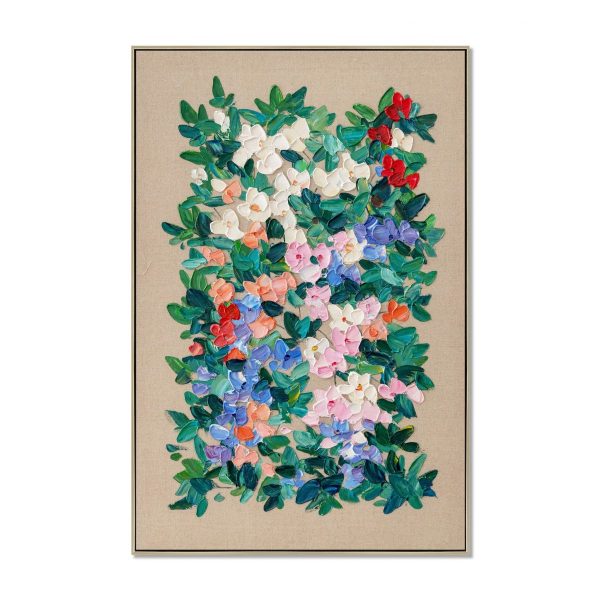
Choose the scale of the plant subject
Look at how much of the plant appears and how clearly its forms are shown. A close-up leaf can become a broad shape from across the room, while a finer stem study may depend more on visible detail. Decide which reading you prefer from the normal viewing distance.
Compare the image’s empty areas with its foliage density. A plant-led composition can be sparse or full without one style being inherently more suitable for every room. Choose the actual subject scale rather than treat botanical as a single appearance. Mark the complete artwork size so the leaf or stem details you are choosing belong to the finished physical image, not only a screen preview.
Relate pictured foliage to the room’s greenery
Compare the real plants and any leaf patterns on textiles with the image’s direction and colour. Decide whether you want a repeated visual rhythm or a clearer distinction between the artwork and physical foliage. The image need not imitate the plants beside it.
Use living room wall art when greenery is part of a sofa-side arrangement, or bedroom wall art for a bed-based view. Assess the actual colours rather than require green. Botanical subjects can appear in different palettes, and a deliberate relationship with the room comes from composition and scale as much as the plant theme itself.
Check medium and the complete supplied piece
Read the actual artwork material, frame, image dimensions and full outer size. Botanical describes subject matter, not whether the piece is a painting, print, canvas or framed object. Choose the actual plant composition alongside the specified physical format, rather than treating subject matter as a description of what is supplied.
Compare framed wall art if a border is part of the preference, checking what the selected piece actually includes. Confirm weight and mounting requirements against the intended wall. Once the complete format is clear, compare the plant shapes with the real greenery or textiles nearby from the normal viewing distance. Choose whether the pictured leaves repeat that detail or give it a quieter partner, keeping the outer size and mounting information beside the image.