
Bedside Tables
Bedside tables can complete a bedroom without copying every line of the bed. The shape you choose can soften a broad upholstered frame, carry a timber tone across the room or leave more visual space in a narrow corner. The aim is a piece that feels connected and works where you actually sleep.
Read moreRead less
If you are replacing a table, note what the old one did poorly before considering a new look. Was the surface cramped, the height awkward or the base in the way? Use those observations to compare the proportions of bedside tables shown here. For planning a complete bedroom arrangement, start with the broader bedside tables guide as well.
Showing 73–96 of 140 resultsSorted by recommended
-
On SaleOriginal price was: $699.00.$594.00Current price is: $594.00.
-
-
-
-
On SaleOriginal price was: $267.00.$240.00Current price is: $240.00.
-
-
-
On SaleOriginal price was: $476.00.$428.00Current price is: $428.00.
-
-
-
-
On SaleOriginal price was: $487.00.$438.00Current price is: $438.00.
-
-
-
-
-
-
On SaleOriginal price was: $289.00.$260.00Current price is: $260.00.
-
-
On SaleOriginal price was: $309.00.$278.00Current price is: $278.00.
-
On SaleOriginal price was: $309.00.$278.00Current price is: $278.00.
-
-
-
On SaleOriginal price was: $339.00.$305.00Current price is: $305.00.
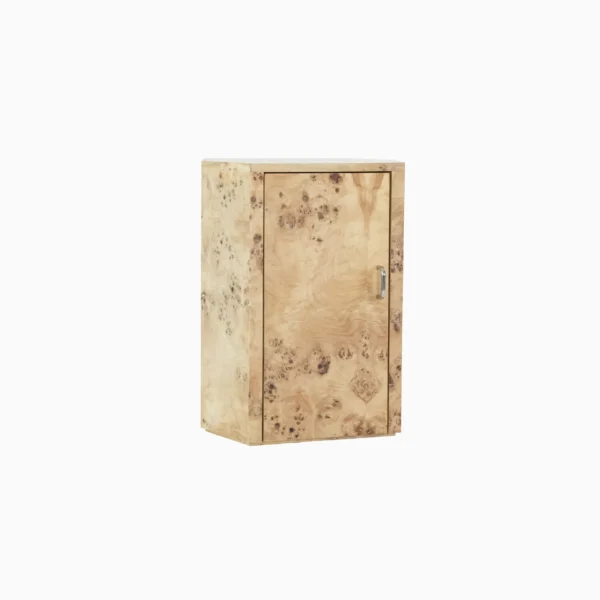

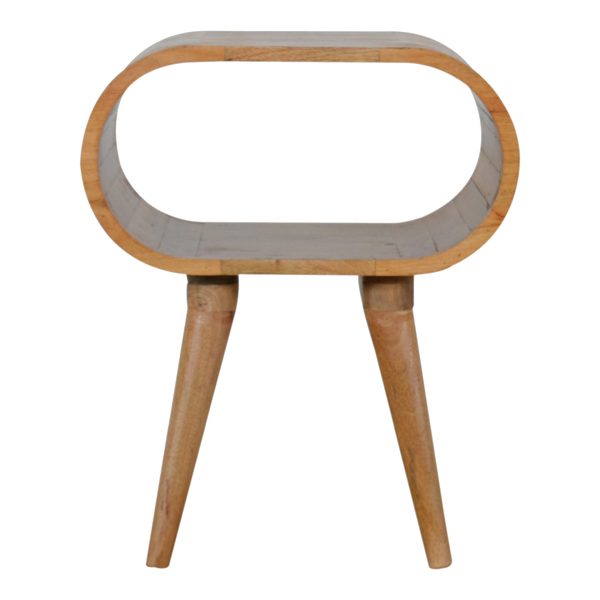
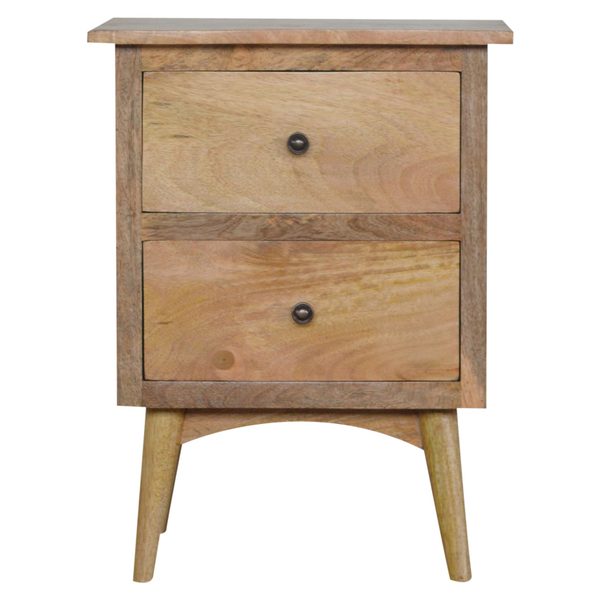
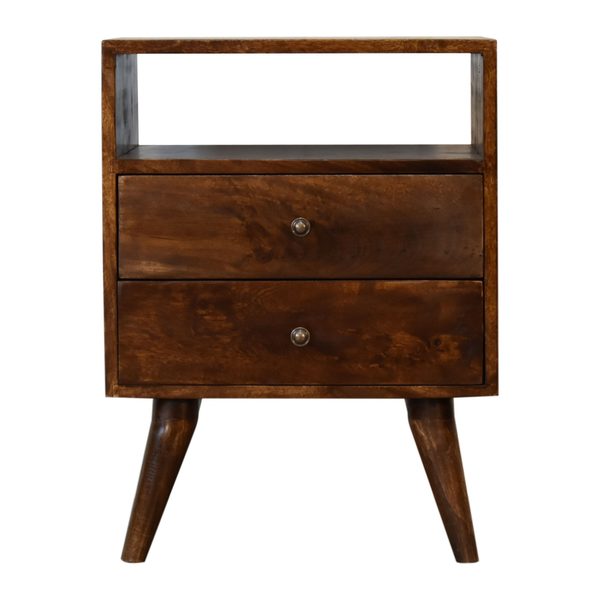
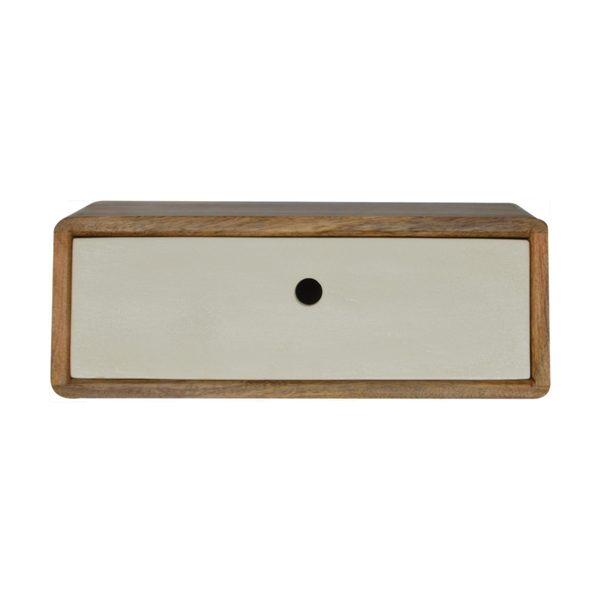


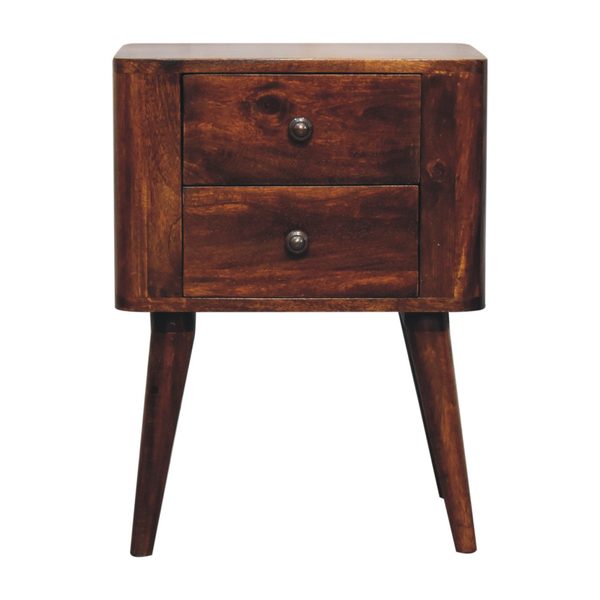
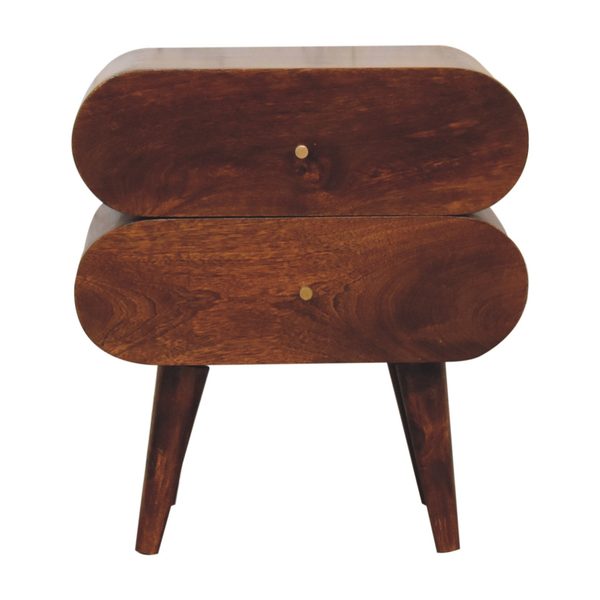
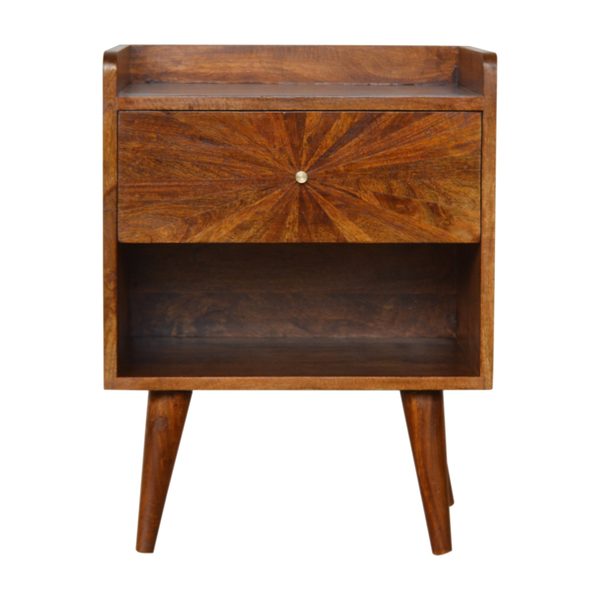
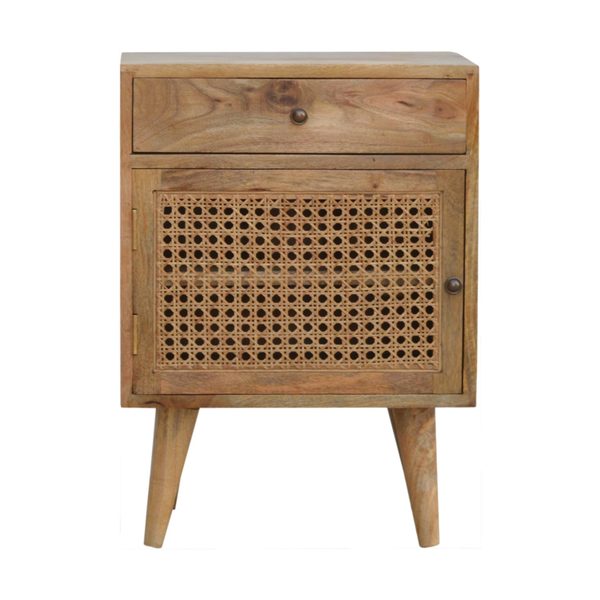
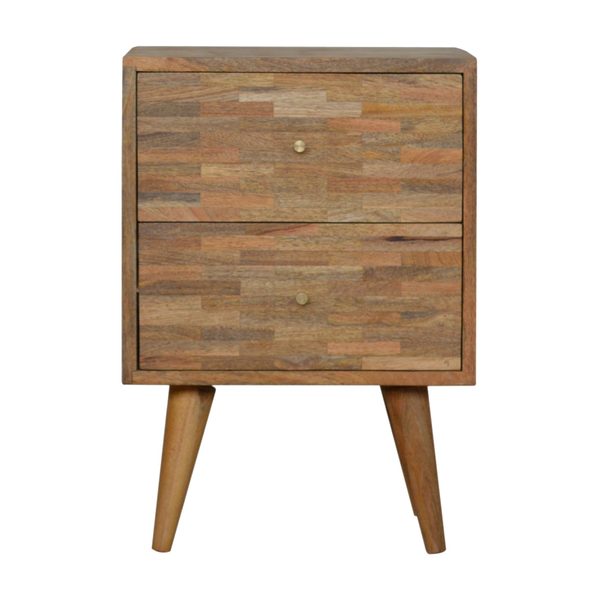
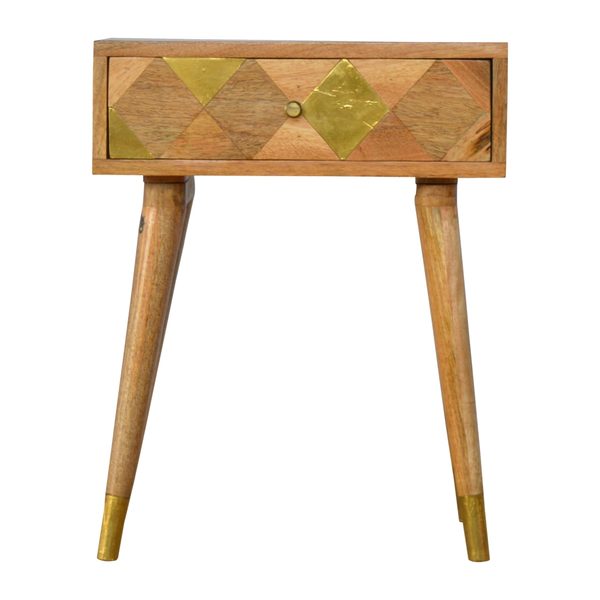
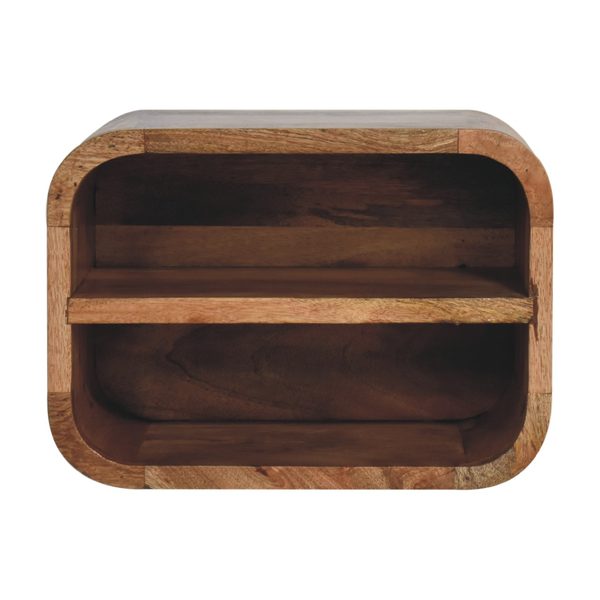
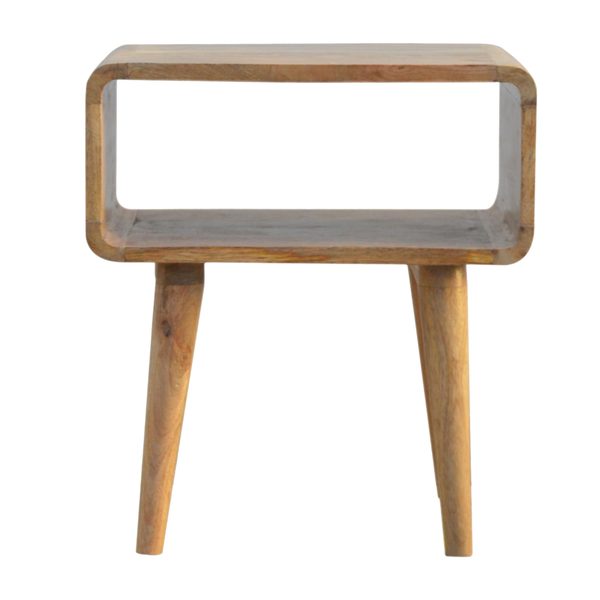

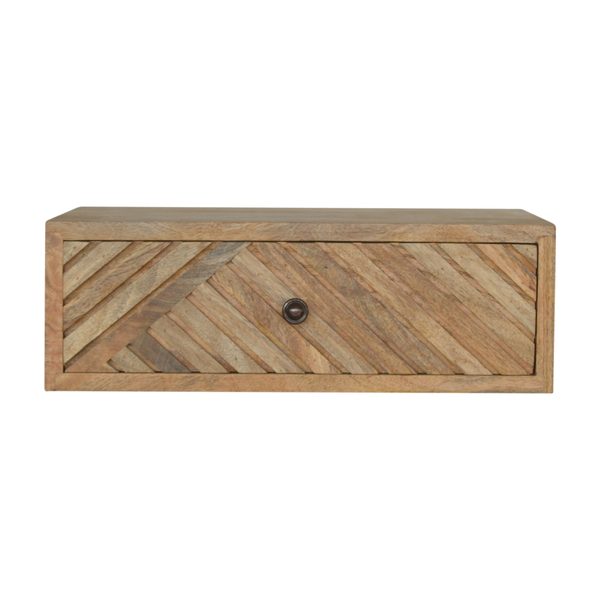
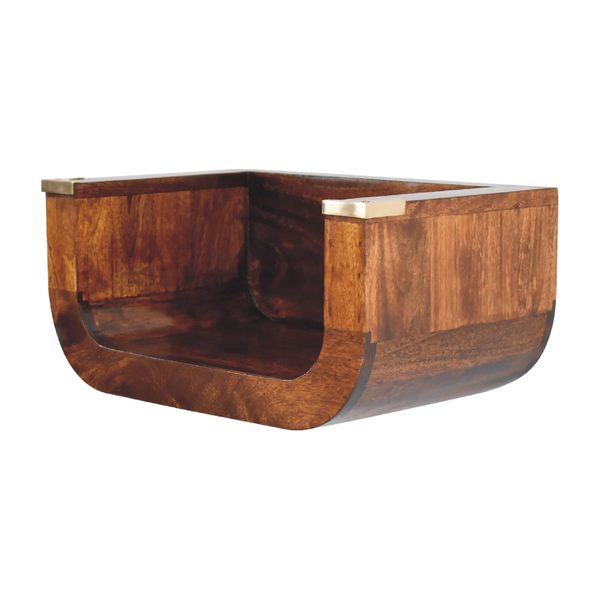
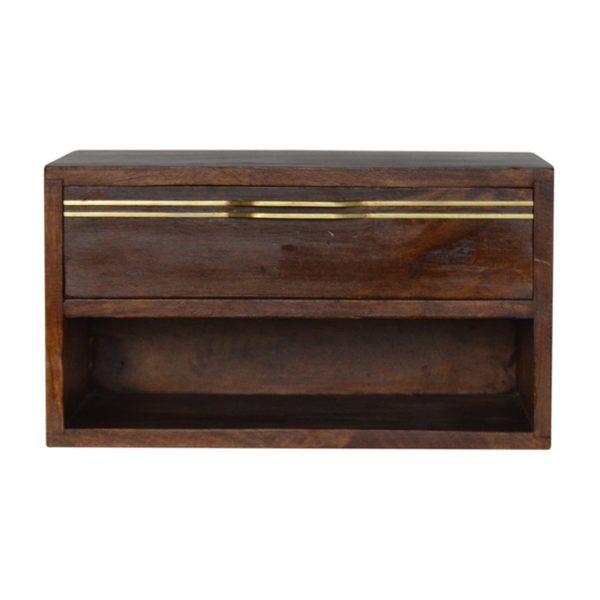
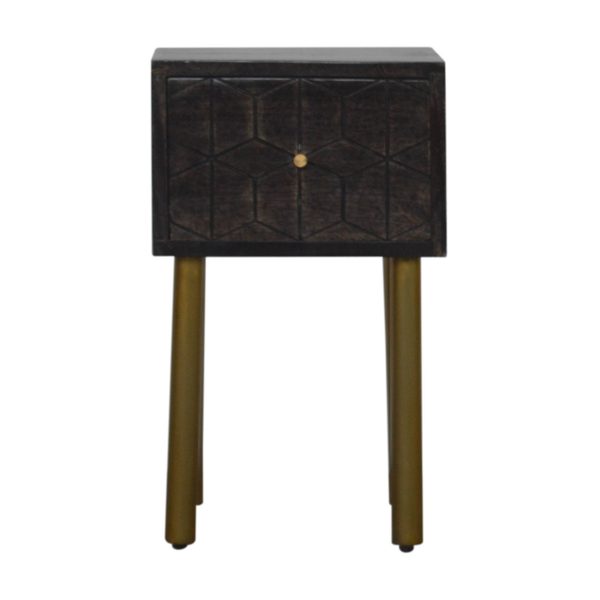

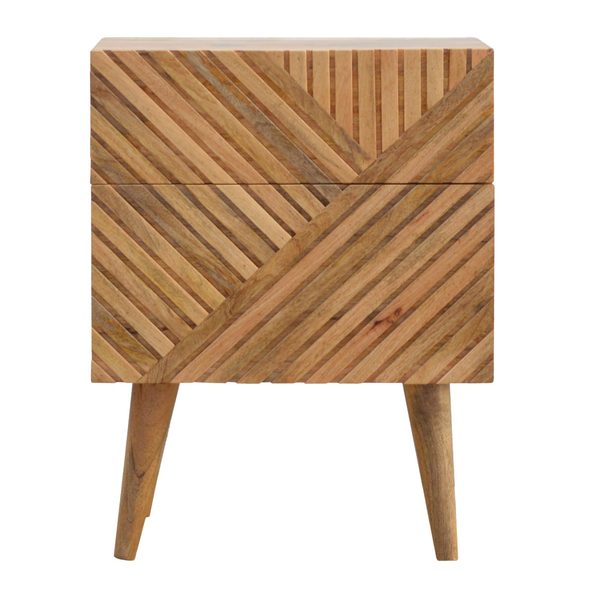
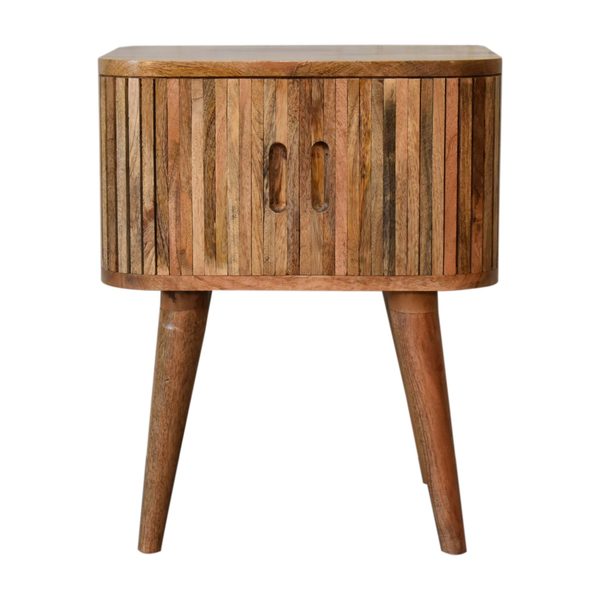
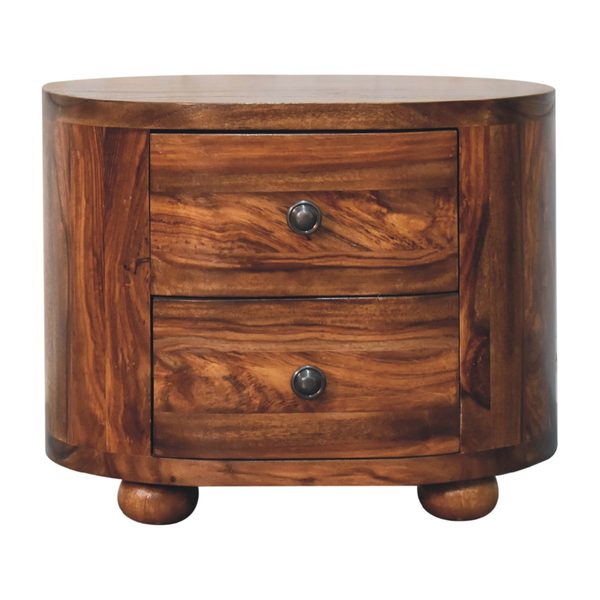
Choose a shape that belongs beside the bed
Look at the strongest line in your bed: a wide rectangular headboard, a rounded upholstered edge or a low timber frame. A bedside table can echo that line, or provide a quieter contrast. Avoid matching so literally that both pieces become visually heavy at the same point.
View the table from the doorway as well as from bed. An open base can reveal more floor, while a solid cabinet gives a stronger edge to the sleeping area. Neither changes the real measurements. If you prefer a central support and an uncluttered outline, compare pedestal bedside tables and check the base width, not only the top.
Use the old table as a practical comparison
Measure your present surface and list what regularly falls outside it. You may need a wider top, but you may instead need somewhere below for a book or charging accessories. Notice how far you lean to reach the lamp and whether bedding catches on the corners.
Make a temporary outline of a possible replacement at the bedside. A narrow piece can free a passage but put objects closer together; a deeper piece can bring the surface nearer while blocking a wardrobe door. Small bedside tables are useful when reducing the whole footprint, while slim forms address a narrow side gap specifically. Use the problem you observed to choose between them.
Coordinate without making the room feel fixed
Bedside furniture sits close to textiles, so compare its finish with bedding you use most often rather than a special set for photographs. A timber finish, plain colour or textured face can connect with another small element in the room without matching the bed frame exactly.
Think about future use too. If you move the bed, can the table still sit comfortably on either side? Check whether handles project, whether storage opens towards an obstruction and how the finish should be cared for. When replacing only one of a pair, a shared height or similarly scaled lamp can give the two sides a deliberate relationship while allowing different shapes.