
Bedroom Benches
Bedroom benches can give you a place to sit while dressing or make a deliberate finishing piece at the foot of the bed. The useful starting point is the task, not whether the bench matches the bedhead. Consider how you put on shoes, set aside everyday items and move around the mattress when the room is in use.
Read moreRead less
At the end of the bed, compare the bench’s full width and depth with the bed and the walkway beyond it. If it sits elsewhere, check access from wardrobes and drawers. The wider bench category helps compare other room purposes, while upholstered benches narrow the padding decision after you have a workable place for the seat.
Showing 25–39 of 39 resultsSorted by recommended
-
-
-
-
-
-
-
-
On SaleOriginal price was: $1,431.00.$1,288.00Current price is: $1,288.00.
-
-
On SaleOriginal price was: $1,692.00.$1,523.00Current price is: $1,523.00.
-
-
-
-
-


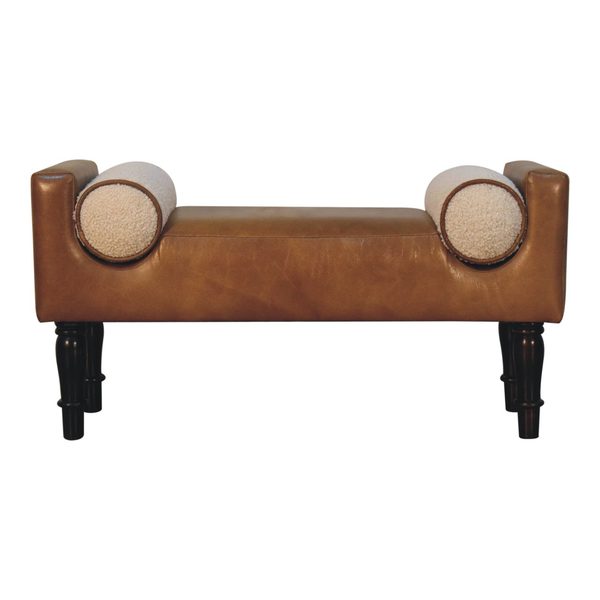
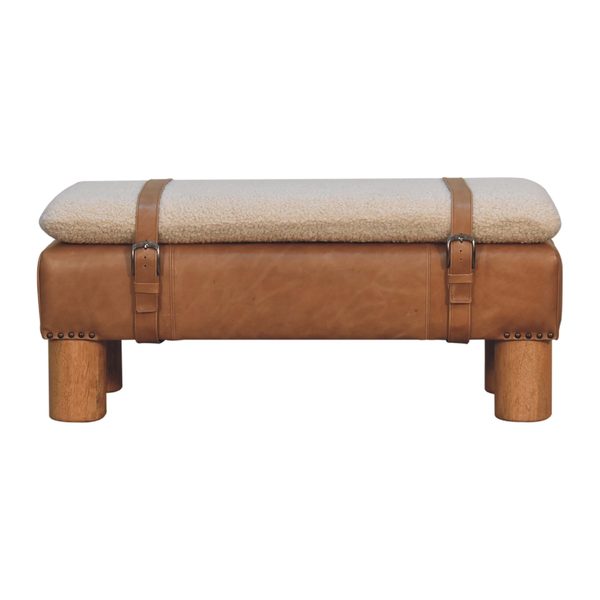
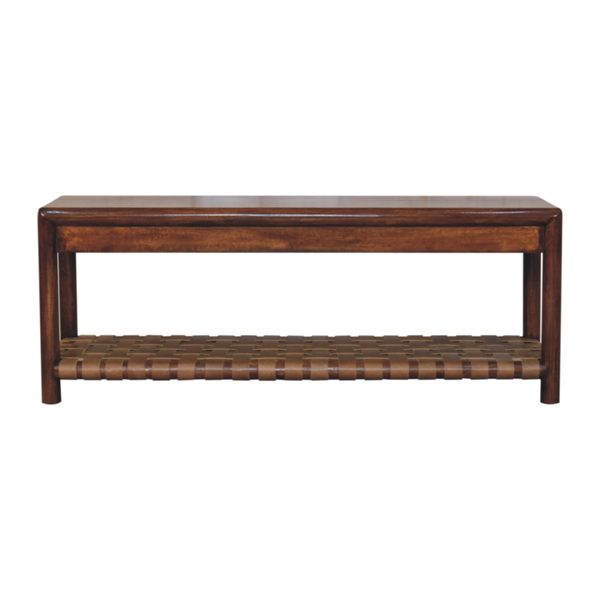
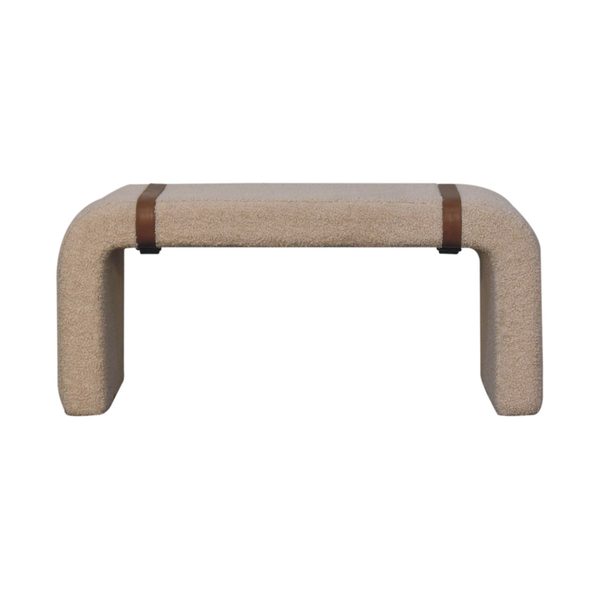
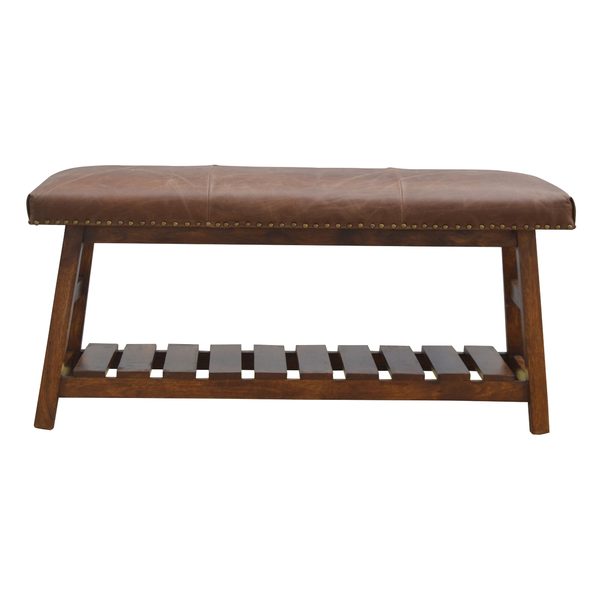
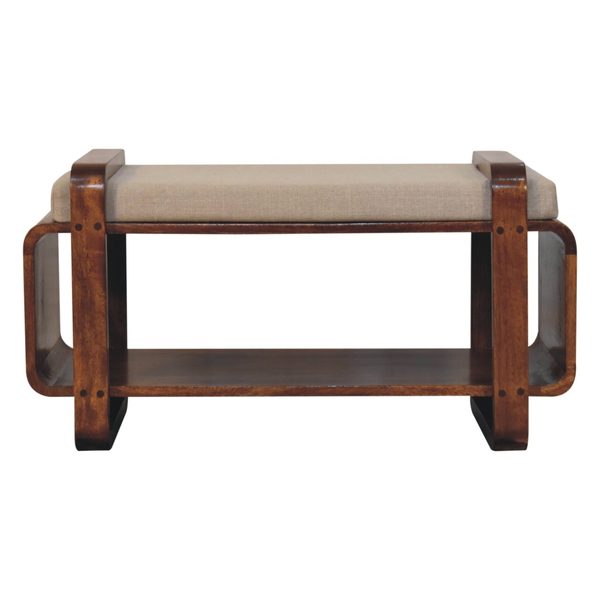
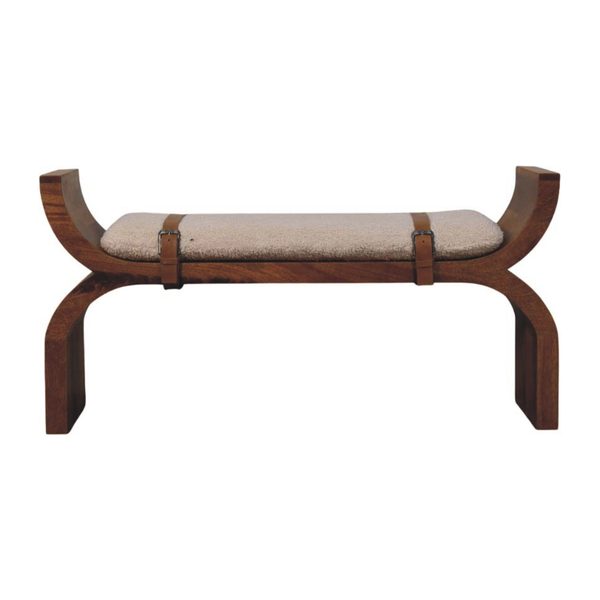
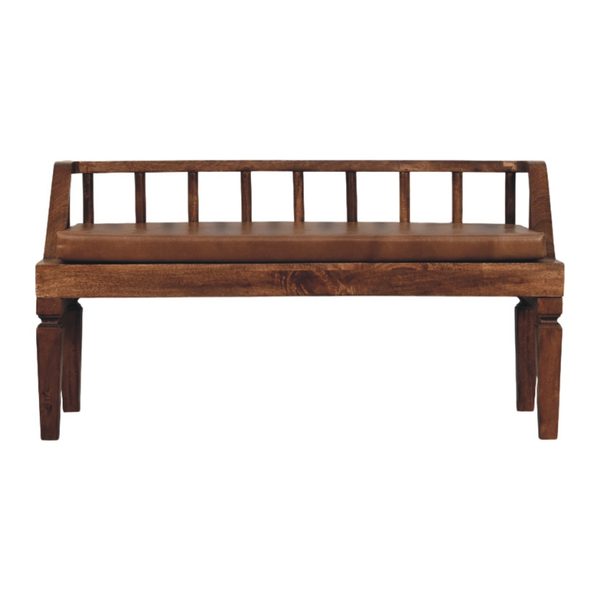
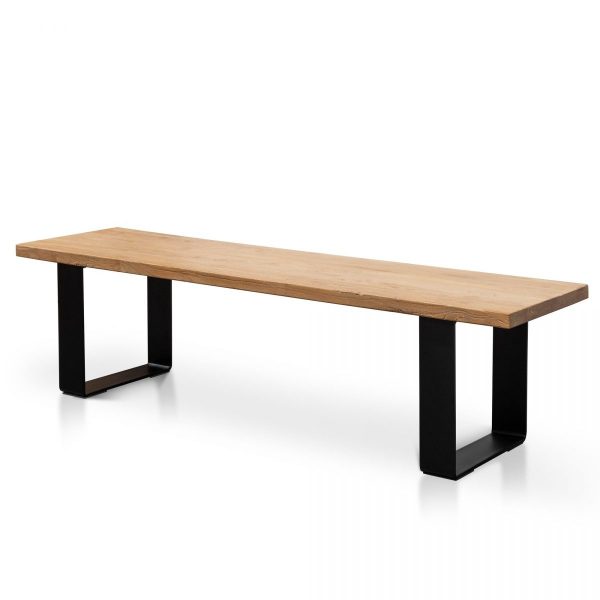
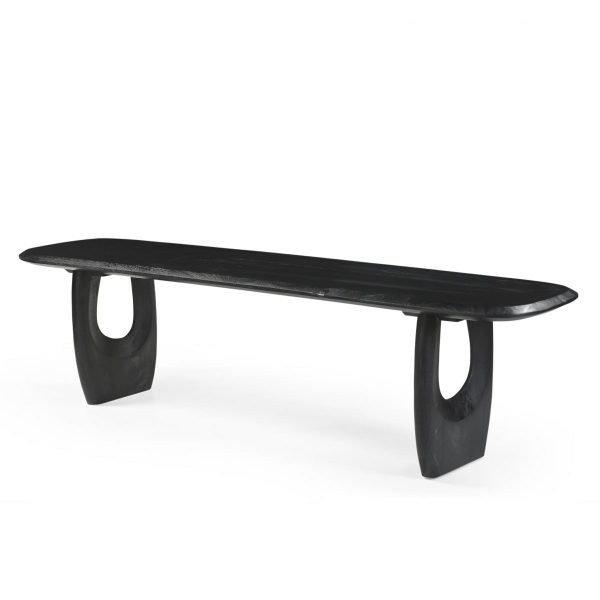
What makes a bench useful for dressing?
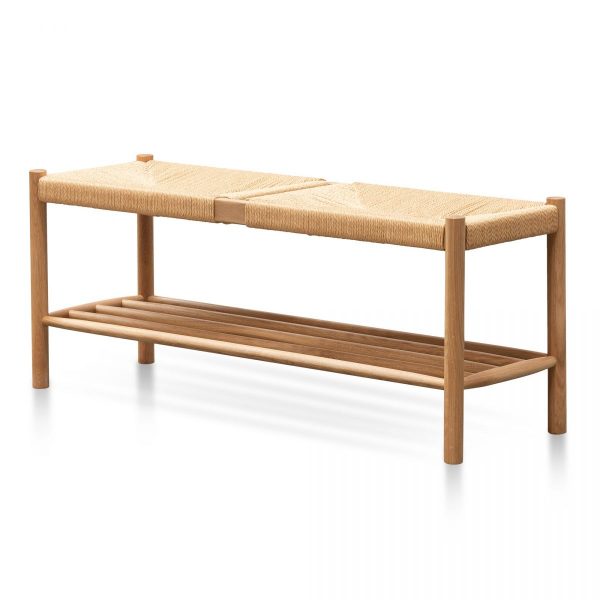
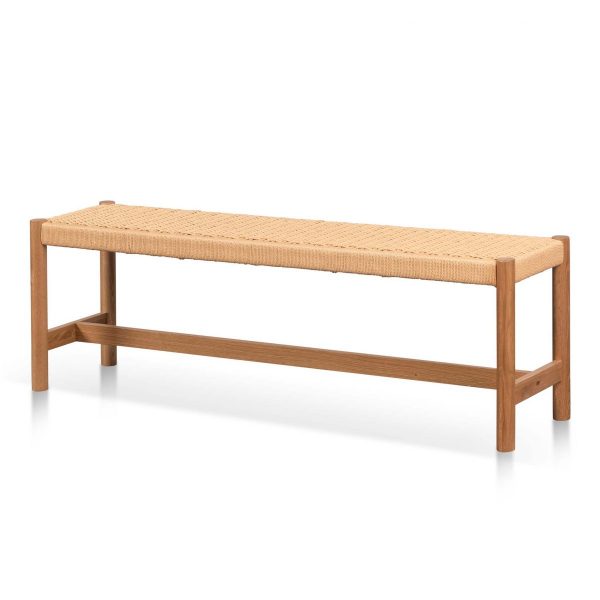
Check the seat height against the way you intend to sit and reach your shoes. A very low form may look settled beside a bed yet create a different dressing position from a taller seat. Compare usable depth and whether the surface supports a stable seated pause.
Think about the approach too. You need space to stand in front, bend and rise without meeting a nearby drawer or bed frame. If the bench will also hold everyday items, keep a usable seating area rather than letting it become a fully occupied surface. Do not assume a storage compartment or lifting top; those functions need to be stated for the actual design.
How wide should the bench be beside the bed?
Compare the complete bed width, including frame edges, with the bench’s full outline. A bench can relate to the bed without matching it exactly. A clearly smaller seat may keep the end arrangement contained, while a wider one changes the room’s horizontal line.
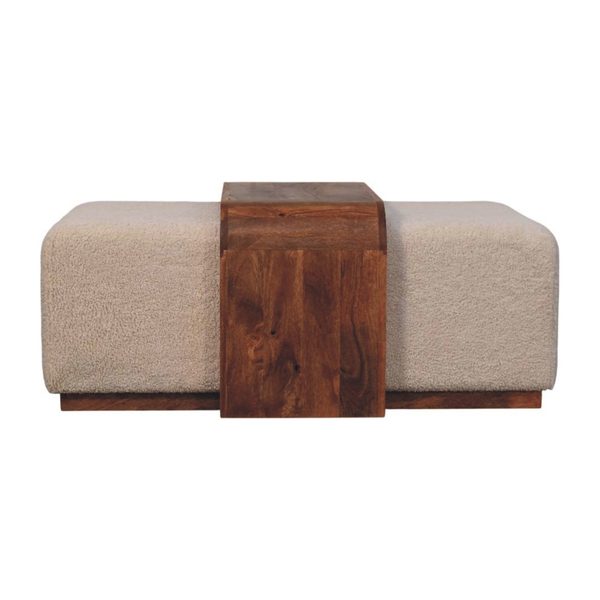
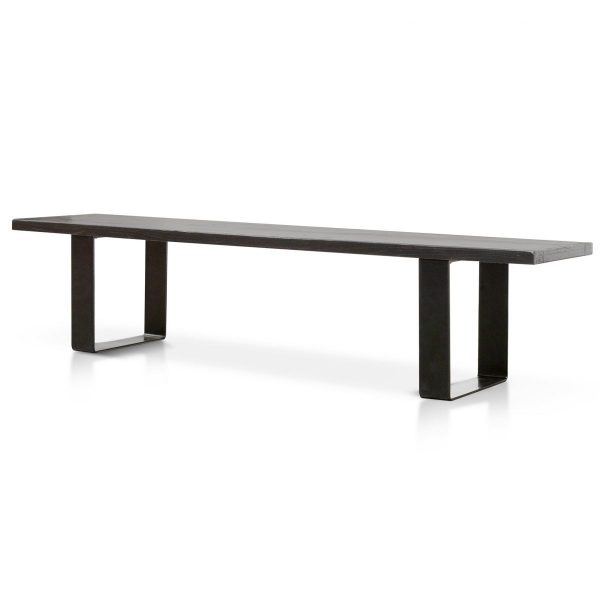
Include the legs and any upholstered ends when measuring. Colour and texture can connect the pieces after the proportions work. Beige benches offer a light warm-neutral direction, while black benches create a stronger outline. Neither colour resolves an oversized footprint. View the bench and bed together from the room entrance so the finishing choice works as part of the bedroom, not as an isolated decorative object.
Can you still make the bed and open the room’s furniture?
Measure the route between the bench and the next wall, wardrobe or dresser. Then test it with the room’s ordinary actions: walking past, opening drawers and handling bedding at the foot of the mattress. Include the space a seated person uses beyond the bench itself.
If those movements become awkward, a shallower seat or a different position may serve the room better. Check the actual upholstery or frame care for contact with bedding, shoes and hands. Fabric benches help focus on textile care if that matters to your routine. Choose a bench that adds a useful seat while keeping the bed and surrounding furniture easy to use.
Frequently Asked Questions
For a textured finishing piece, compare bouclé benches and confirm the covering and care before choosing it for daily dressing use.