
Dining Furniture
Dining furniture needs to work as a group. A table may fit the floor plan but leave too little room to pull out chairs; a sideboard may look right until its doors open into the seats. Start with the number of people who eat together most days and the route between the dining area and kitchen.
Read moreRead less
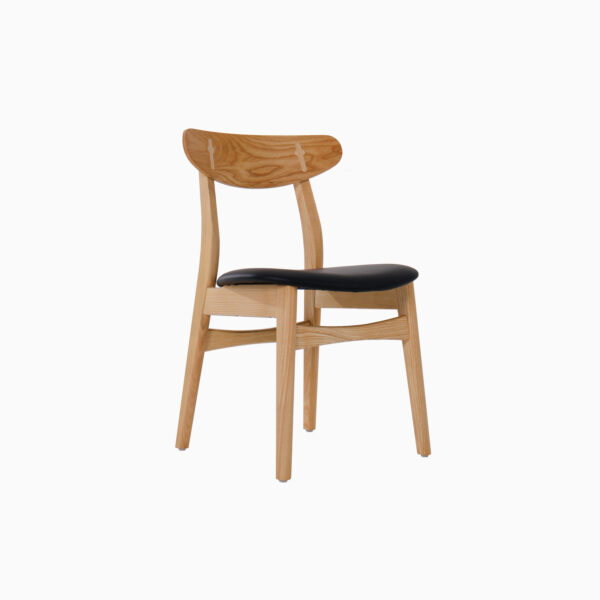
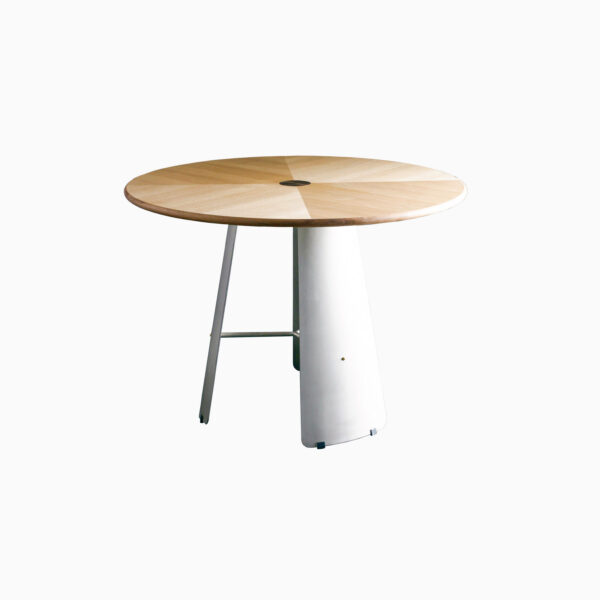
Choose the table footprint first, then test the seats around its actual base. Explore dining tables and dining chairs together rather than as separate purchases. Add serving or storage furniture only after the everyday seating arrangement leaves a clear way through the room.
Showing 145–168 of 181 resultsSorted by recommended


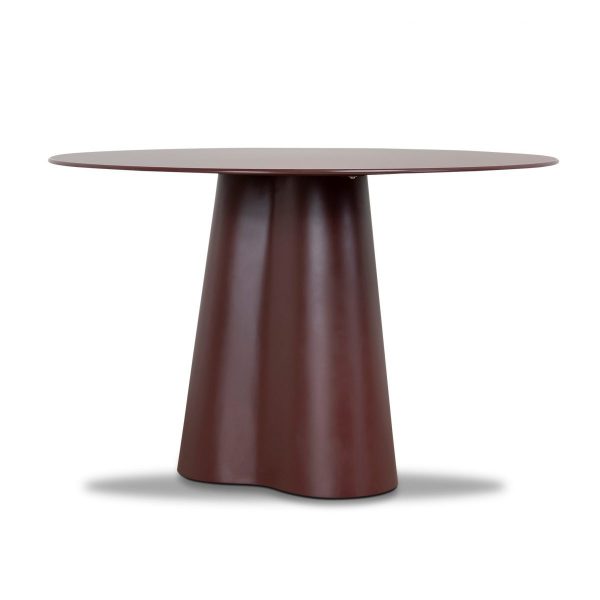
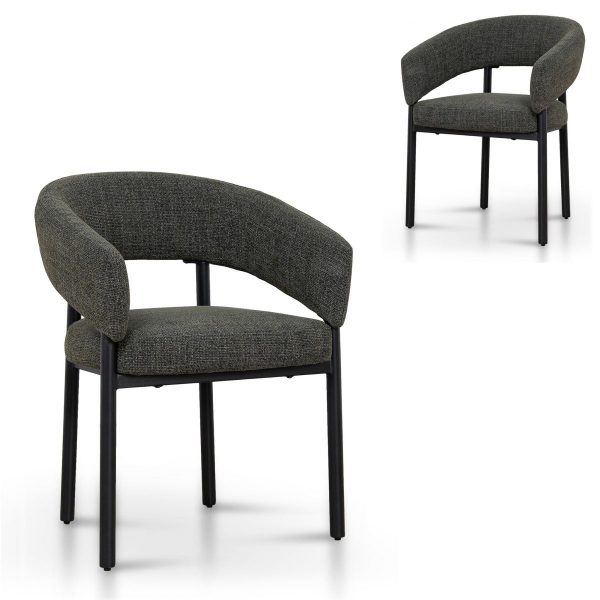
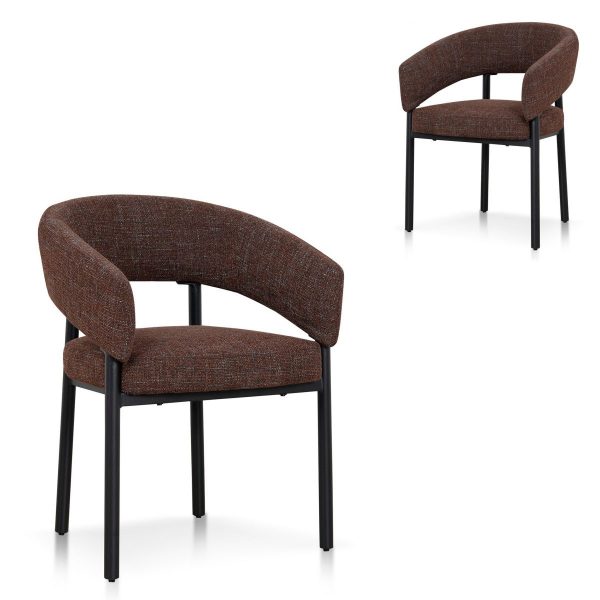
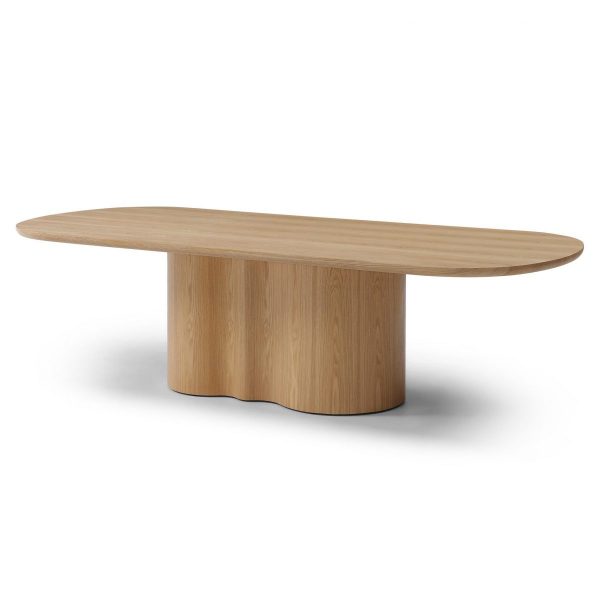
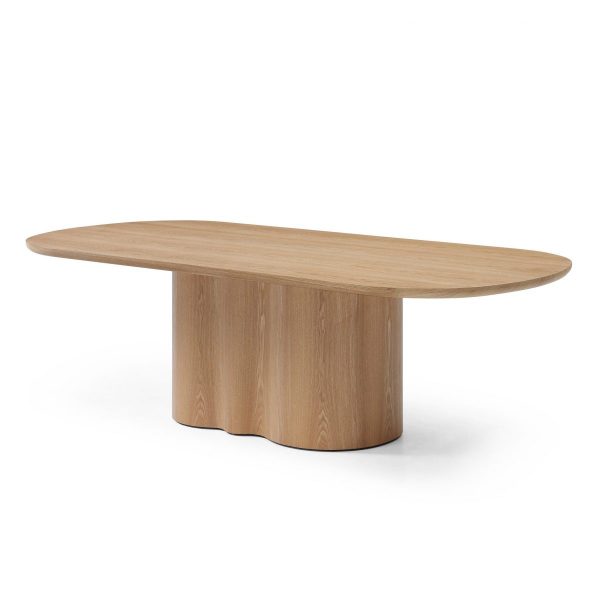
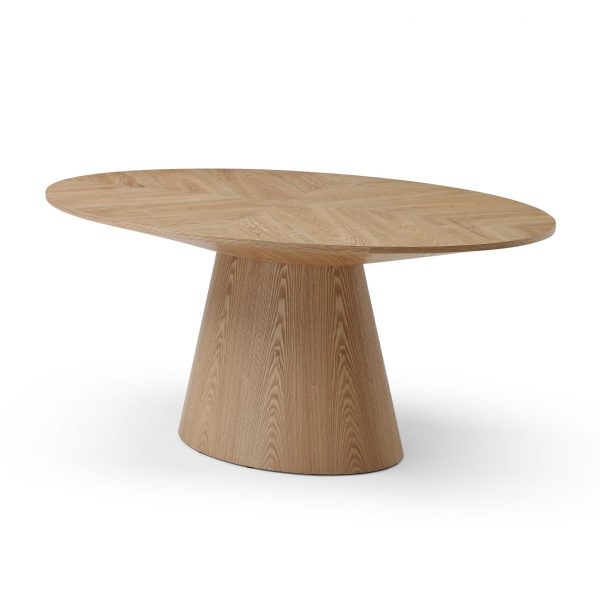
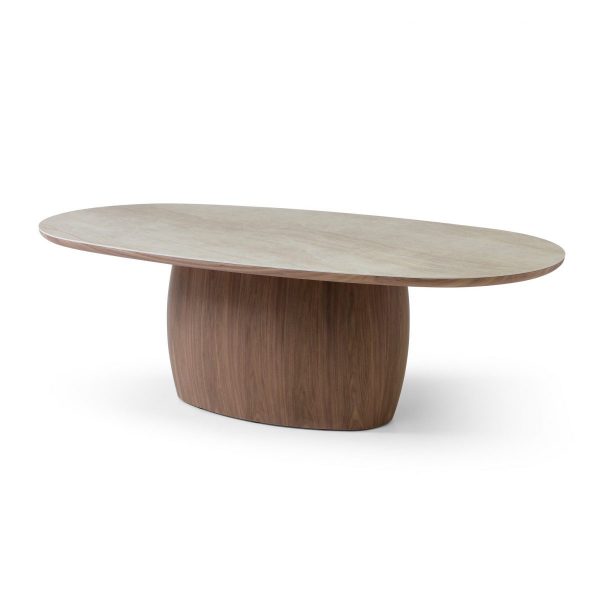
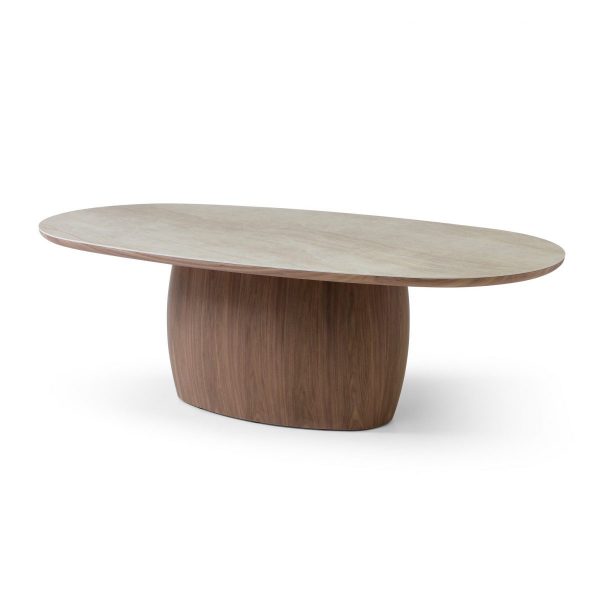

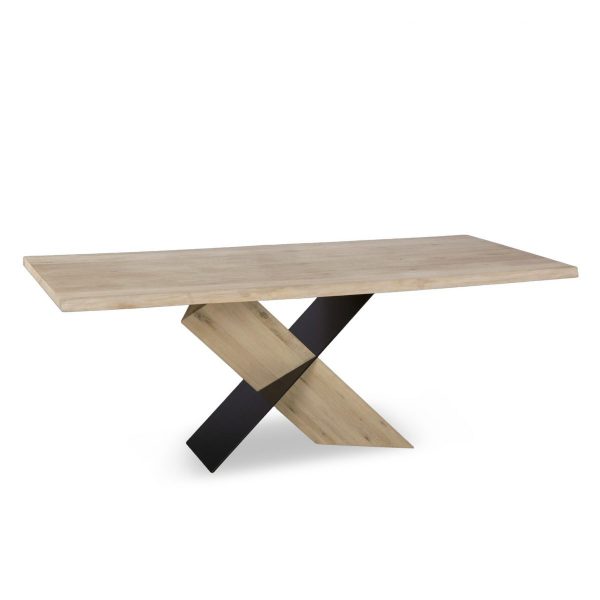


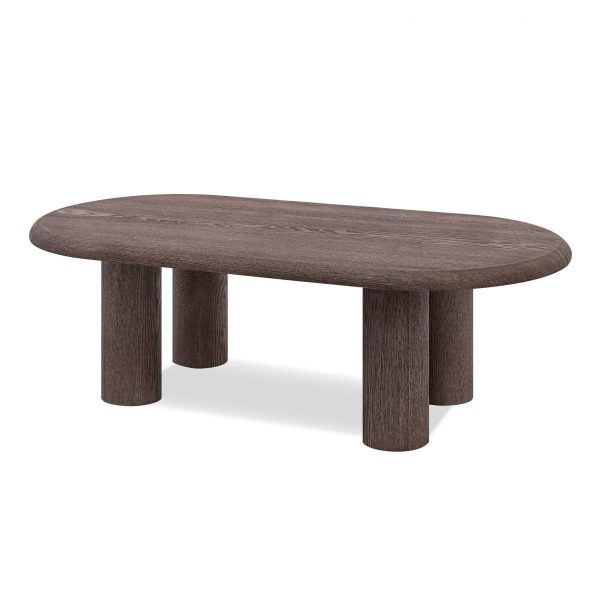
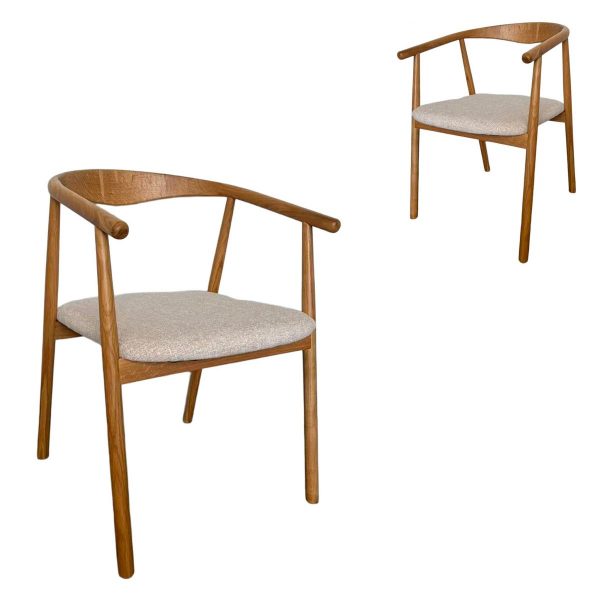
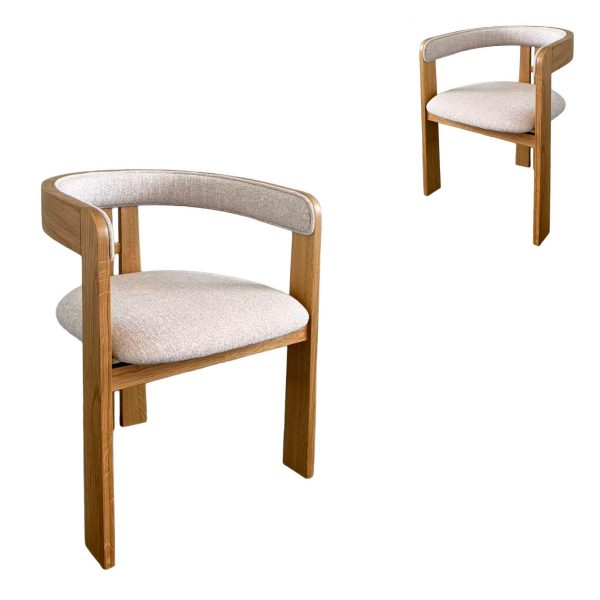
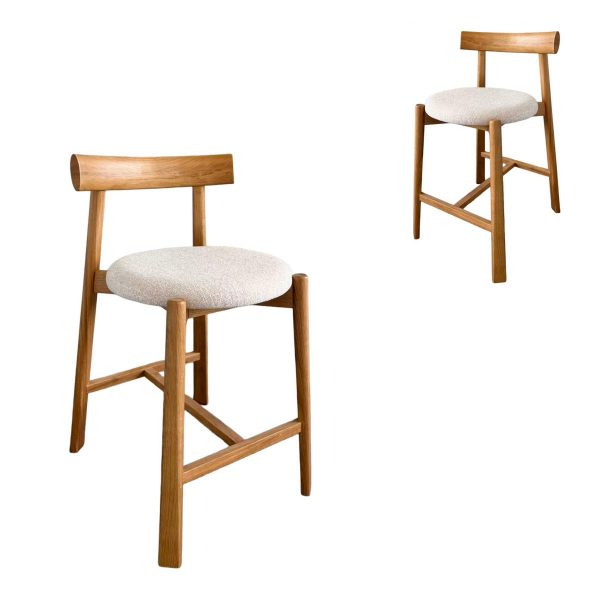
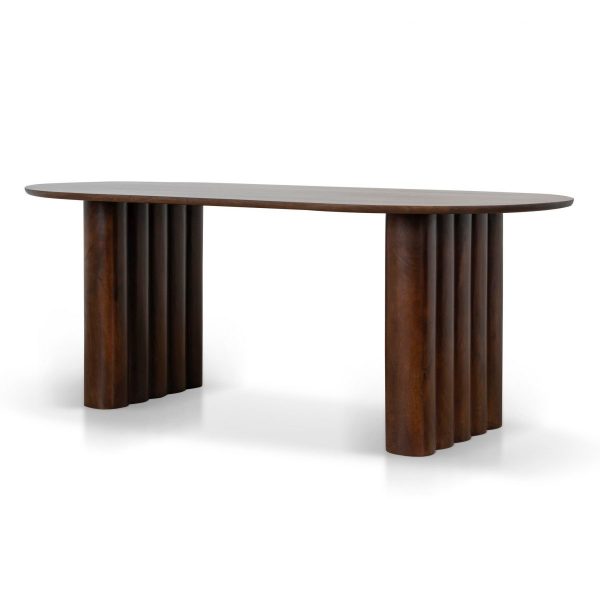
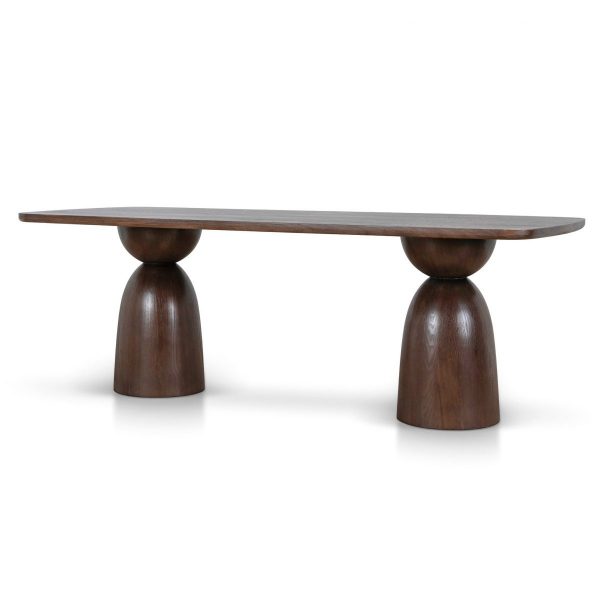
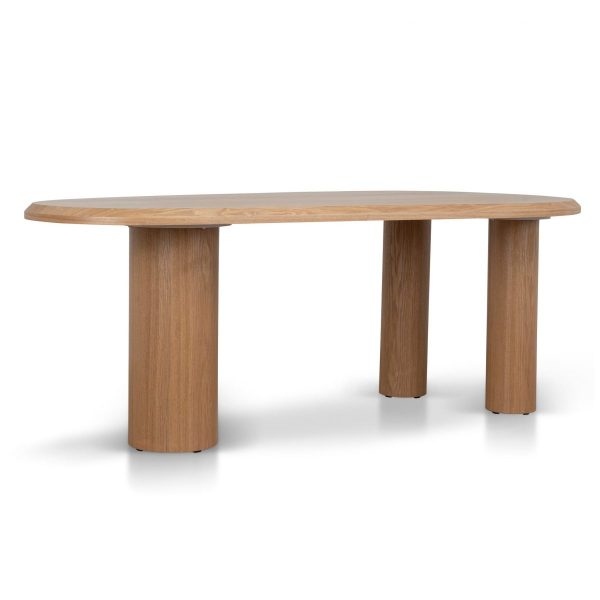
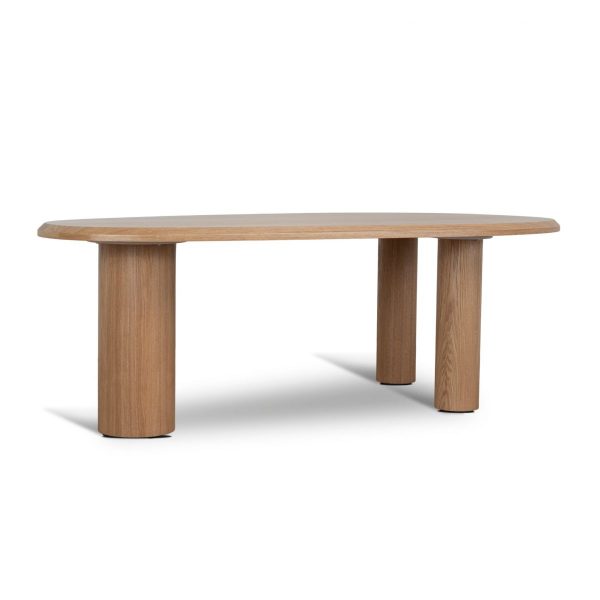
Plan for the meal you have most often
Count regular diners before planning for occasional guests. Mark the table shape on the floor and place the existing chairs, or their measured footprints, around it. Practise sitting down, getting up and walking past someone seated. Where the room connects other spaces, keep the main route from cutting through the dining positions.
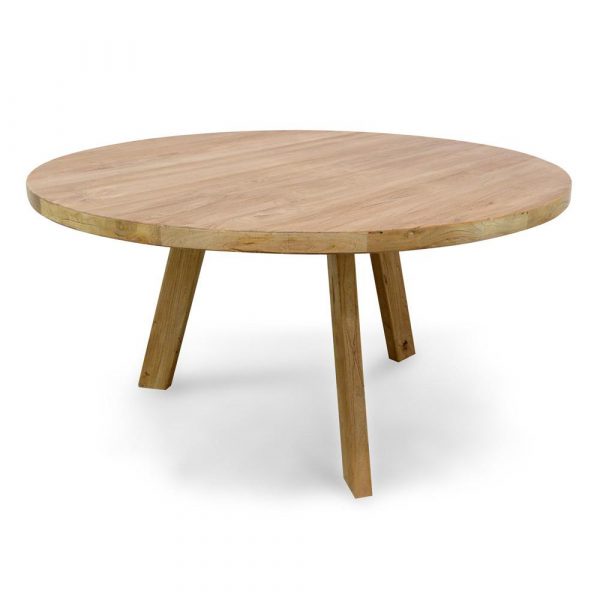
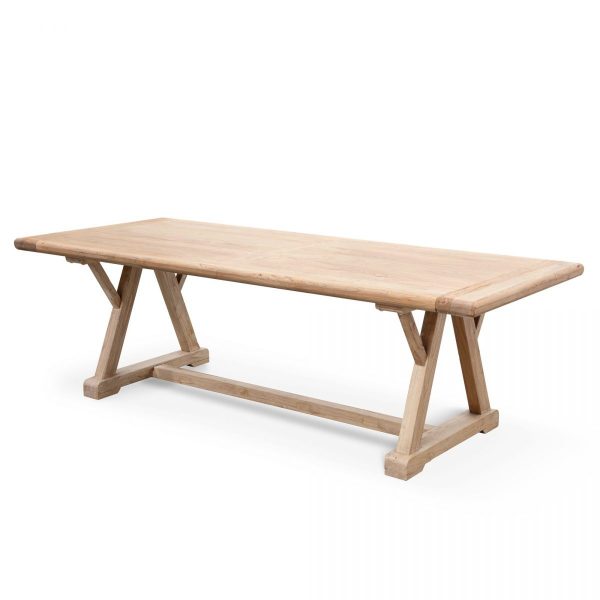
If extra places are occasional, compare an extendable table with a larger fixed footprint. Check both open and closed dimensions and where additional chairs will go. A round outline changes the way you move around a table, while a long rectangular top may suit the shape of a narrow room. Neither solves clearance without measurements.
Check the chair against the base and underside
Table height alone does not establish whether a chair fits. Compare the seat height, arm height, underside of the top and any apron beneath it. Check the distance between the legs at the position each person will use. A broad chair may fit beside the top yet be unable to tuck between supports.
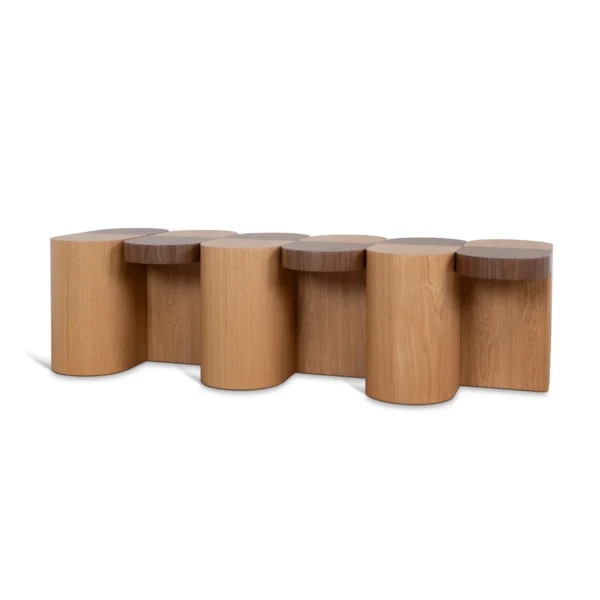
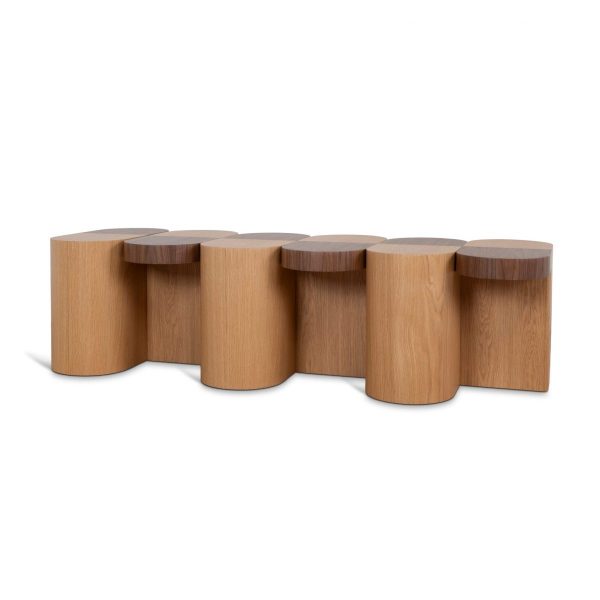
Look at end seats as well as the long sides. A bench gives a shared seating surface, but access can be less individual than separate chairs. Use dining benches when that trade-off suits your household, and verify usable length rather than assuming a stated furniture width equals seating space.
Make space for serving and putting things away
Picture someone bringing a dish from the kitchen while other people remain seated. Leave a practical landing surface where needed, and avoid making the only passage serve as an open drawer space. Decide which plates, linen or serving pieces should live close to the table before choosing storage.
A buffet or sideboard should be sized for those belongings and the wall where it will stand. Check usable shelf heights, door movement and the top’s care requirements. Repeating one material can connect it to the dining set, but working openings and access matter more than matching every finish exactly.
Frequently Asked Questions
Prefer a longer-term guide to coordinating separate dining purchases? Read dining room furniture.