
Bedroom Furniture
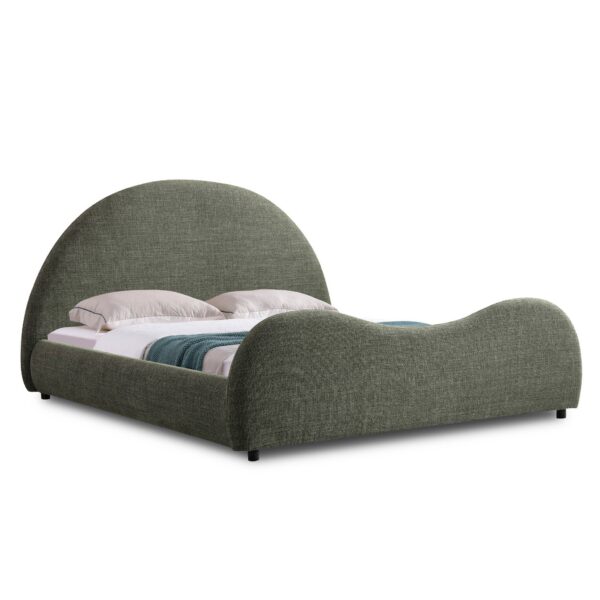
Bedroom furniture needs to work when you are getting into bed, reaching for a light and dressing the next morning. Start with the bed you use or intend to buy. Its full frame size, mattress height and position shape the space left for bedside tables and clothes storage. Choosing those pieces together can prevent an attractive room from becoming awkward to use.
Read moreRead less
Decide what should stay within arm’s reach and what should be stored elsewhere. A shared bedroom may need different bedside arrangements on each side. Explore beds and bedside tables first, then compare the remaining furniture against the doors, drawers and daily routes in your own bedroom.
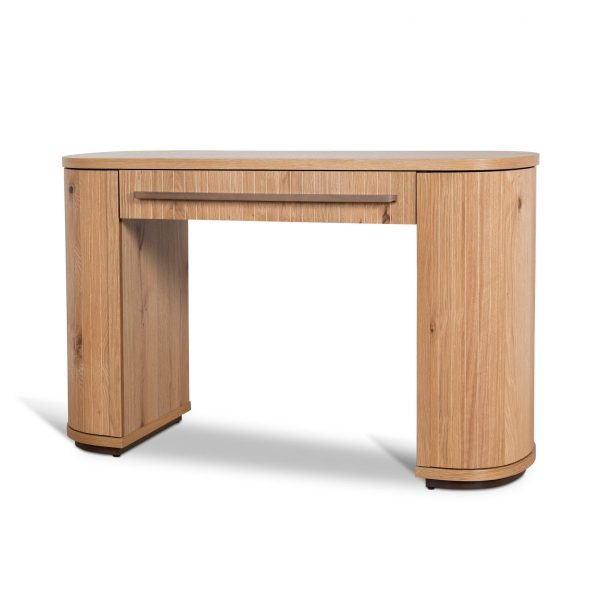
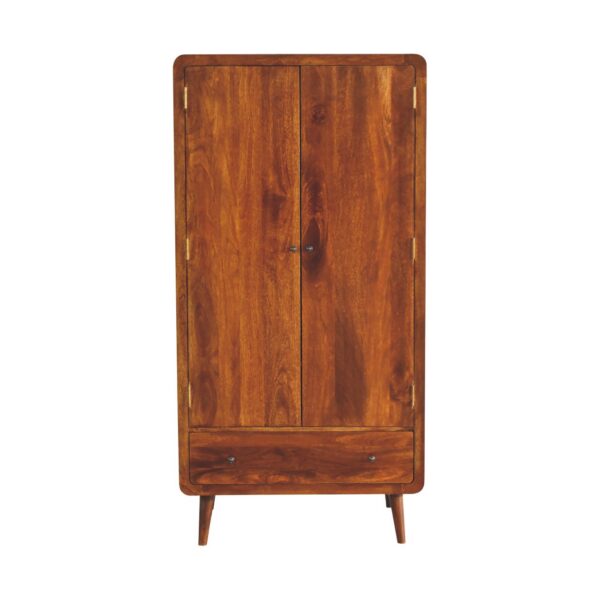
Showing 73–96 of 239 resultsSorted by recommended
-
-
On SaleOriginal price was: $454.00.$377.00Current price is: $377.00.
-
-
-
On SaleOriginal price was: $673.00.$559.00Current price is: $559.00.
-
-
On SaleOriginal price was: $402.00.$334.00Current price is: $334.00.
-
-
On SaleOriginal price was: $479.00.$398.00Current price is: $398.00.
-
-
-
-
-
-
-
-
-
-
-
-
-
-
-
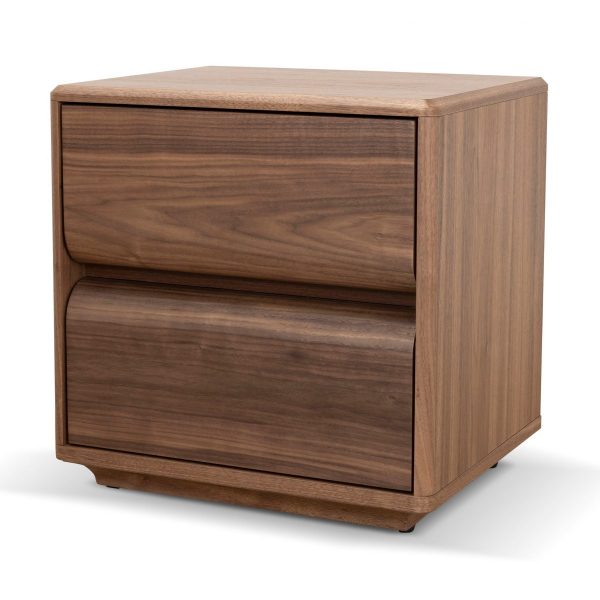

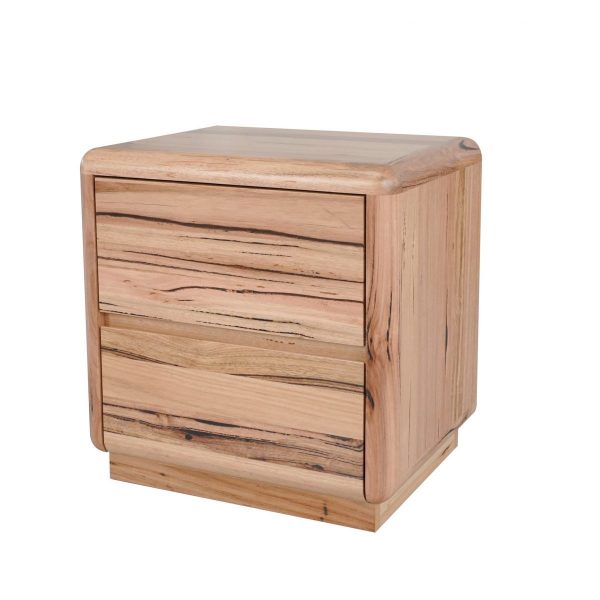

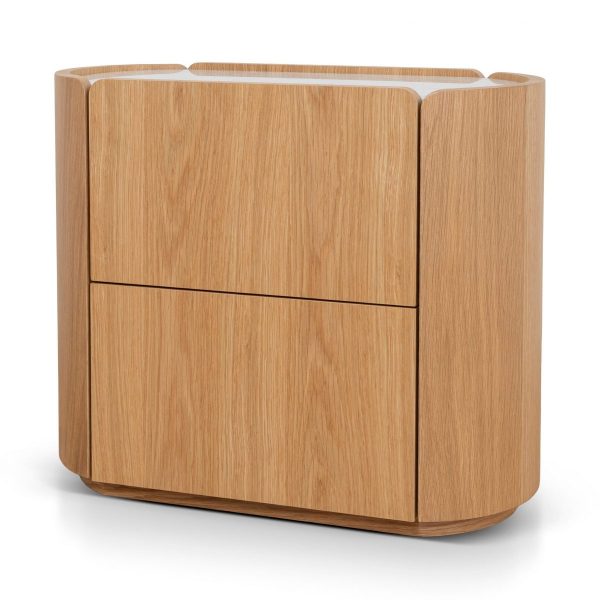
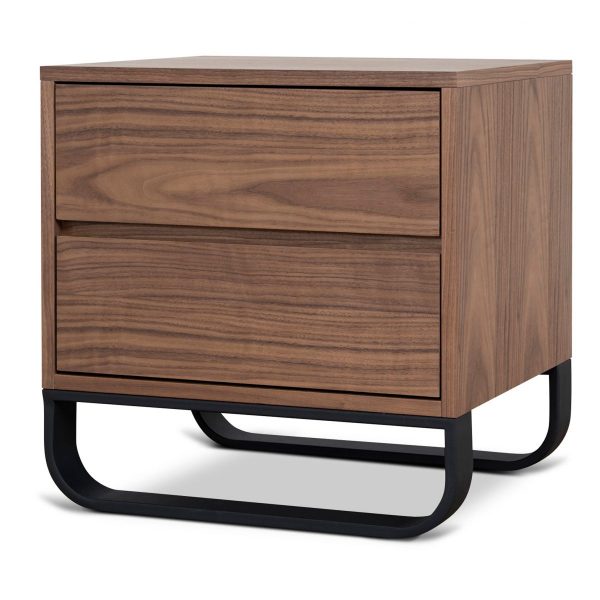

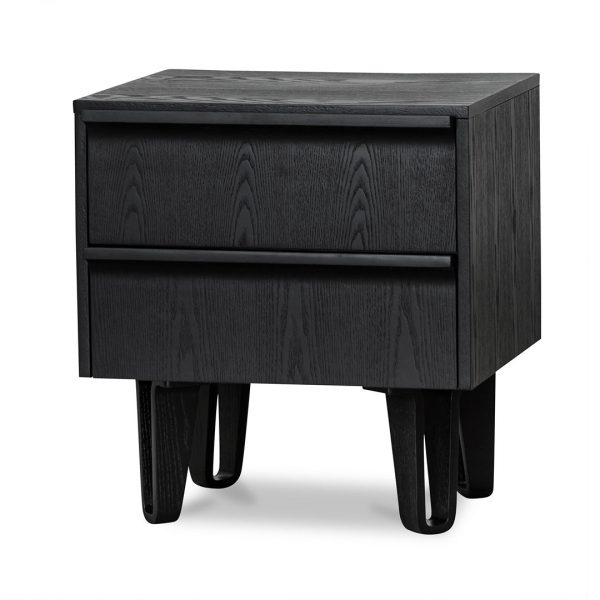
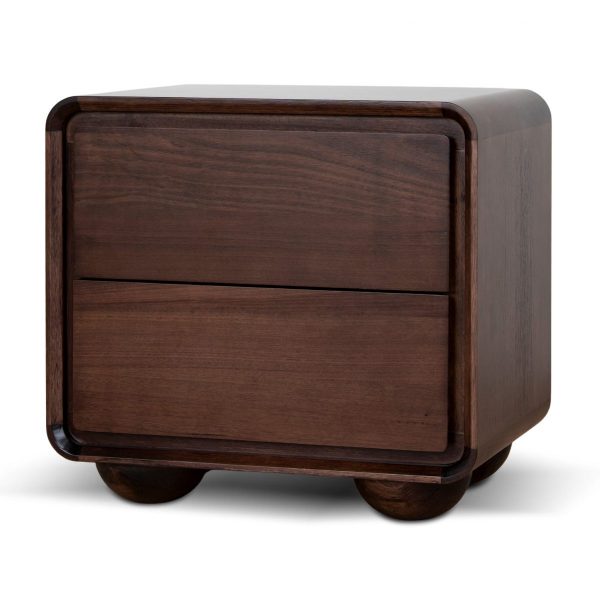
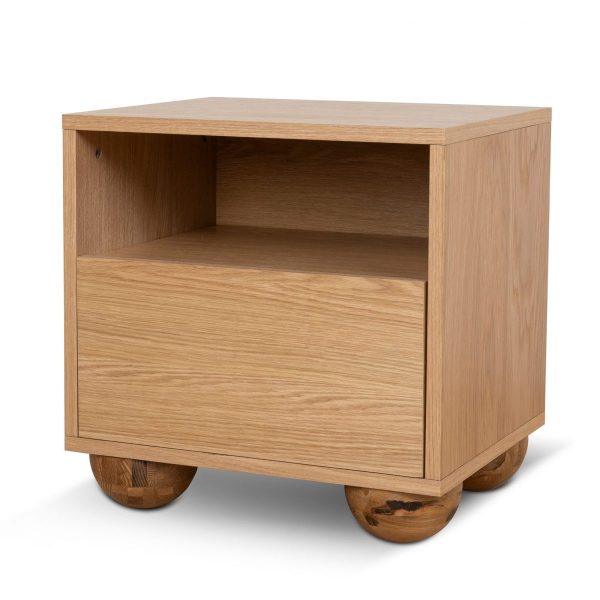
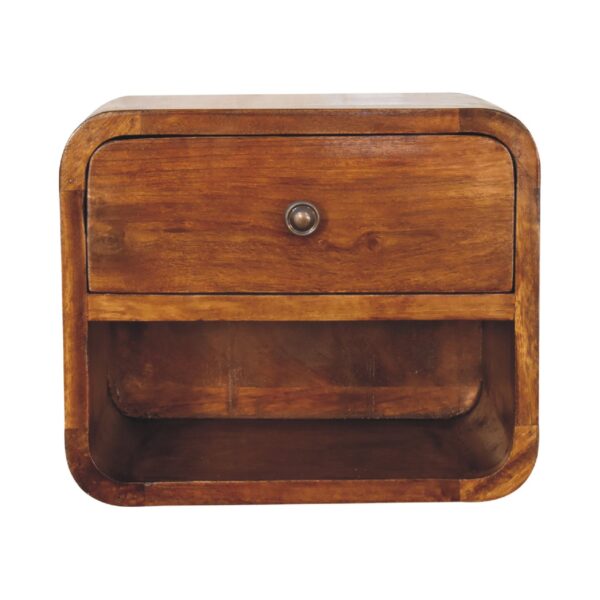

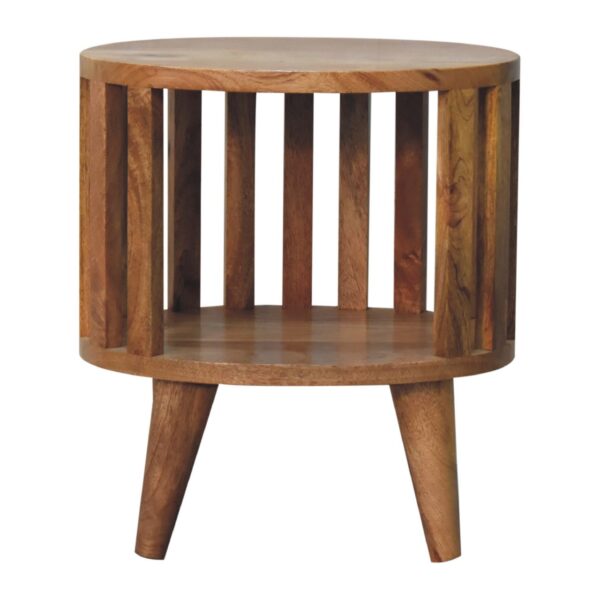
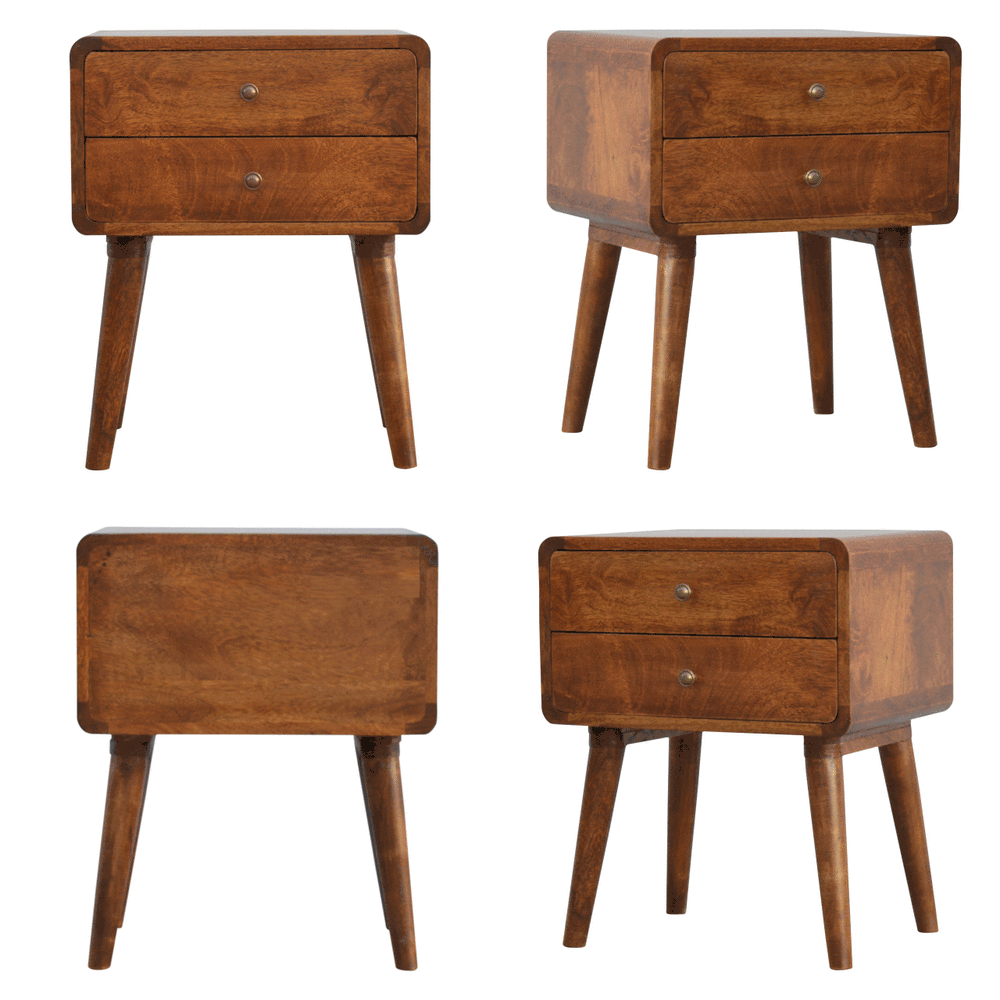
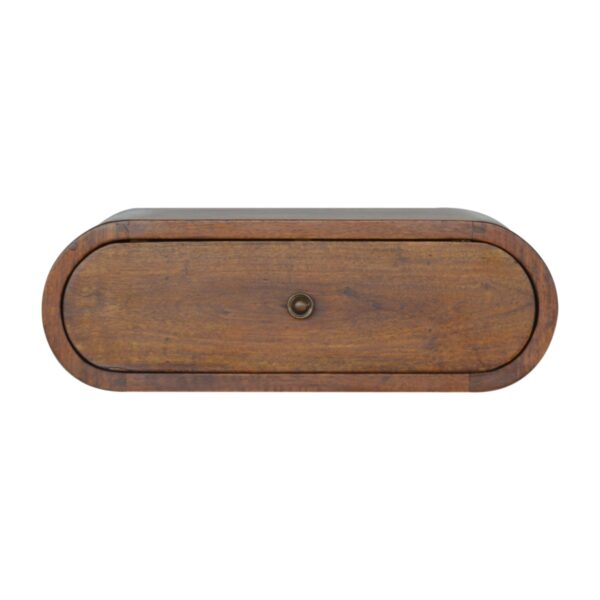
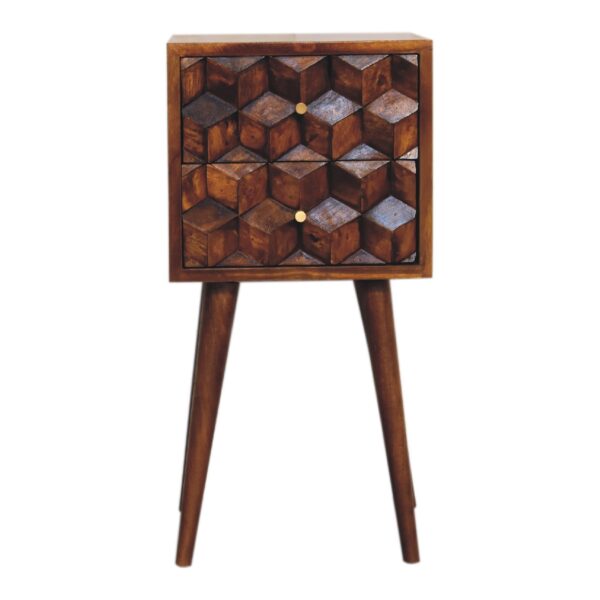
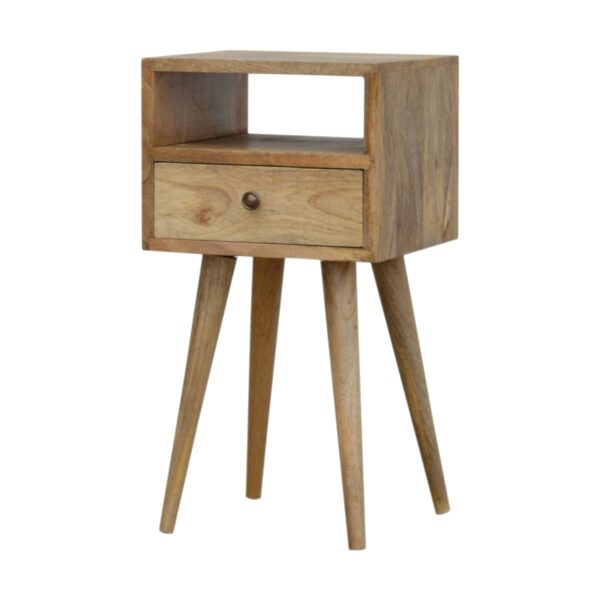
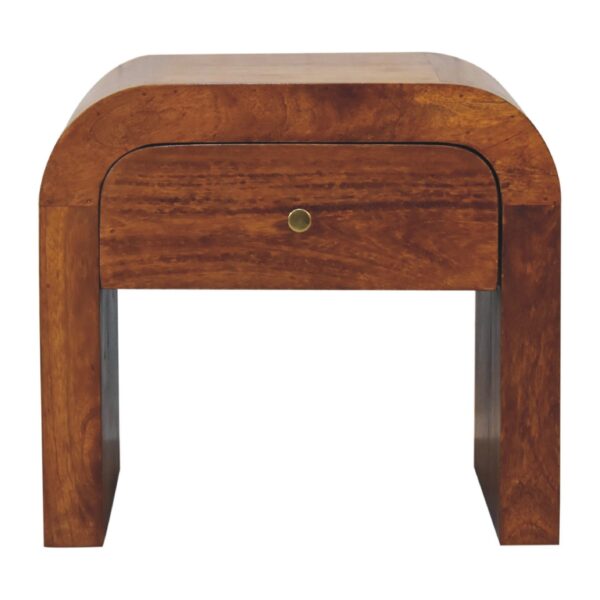
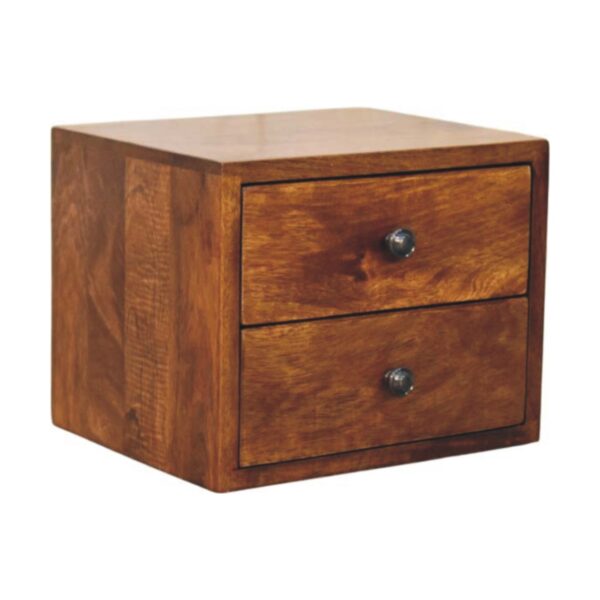

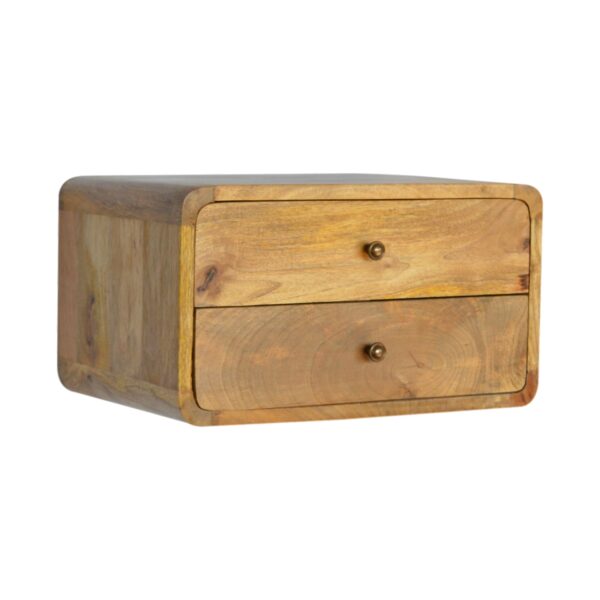
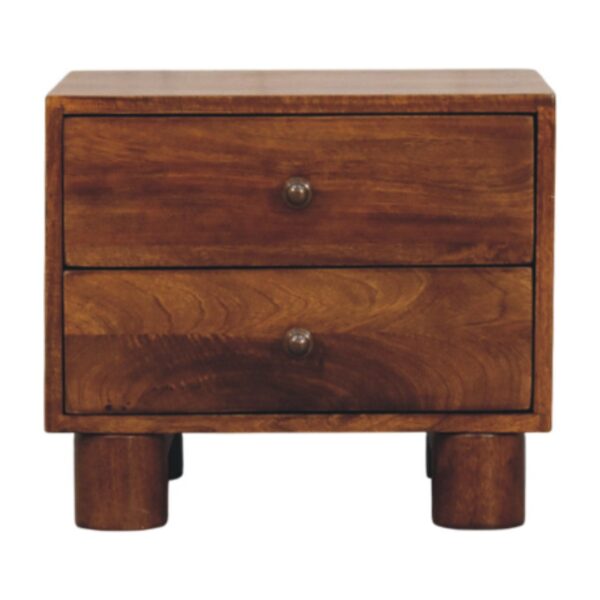
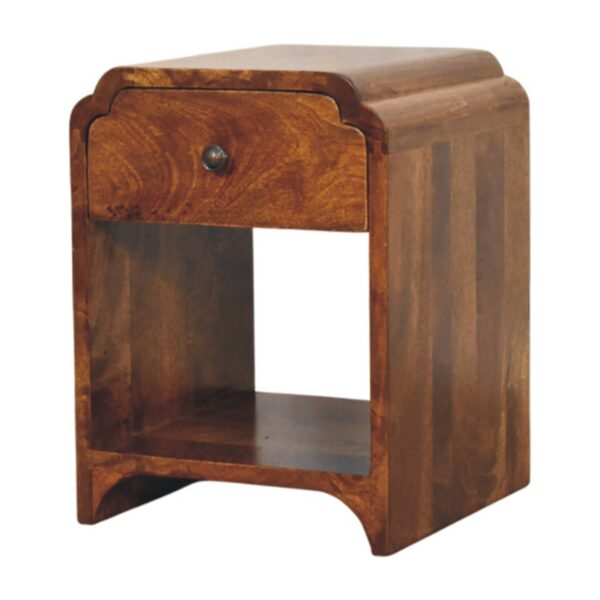

Work from the bed’s full size
Mark the complete bed frame on your room plan, including any projecting headboard or footboard. A mattress-size name does not establish the frame’s outside dimensions. Place bedroom doors, windows and existing cupboards on the same plan, then test how you will enter the bed and move around it.
For a bed with storage, include the stated opening arrangement. A drawer needs usable space beside the frame; a lifting base needs its own clearance and access. Check the actual design before allocating that space. Compare storage beds with a separate chest only after both arrangements are drawn. The useful choice depends on which storage you can comfortably reach in the finished room.
Put bedside essentials within reach
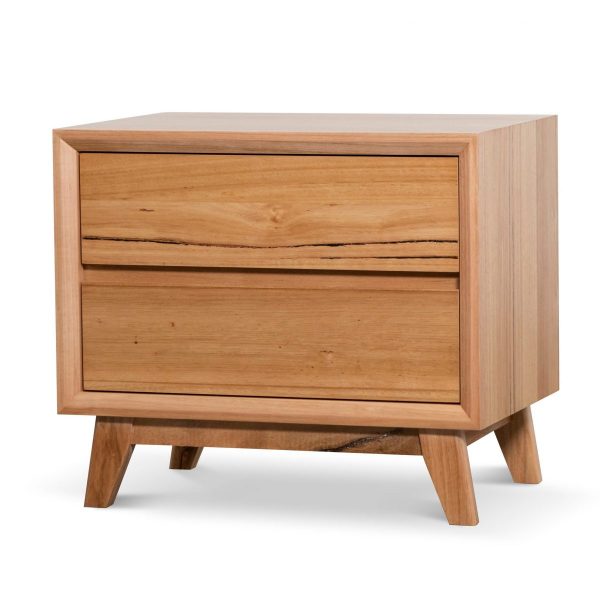
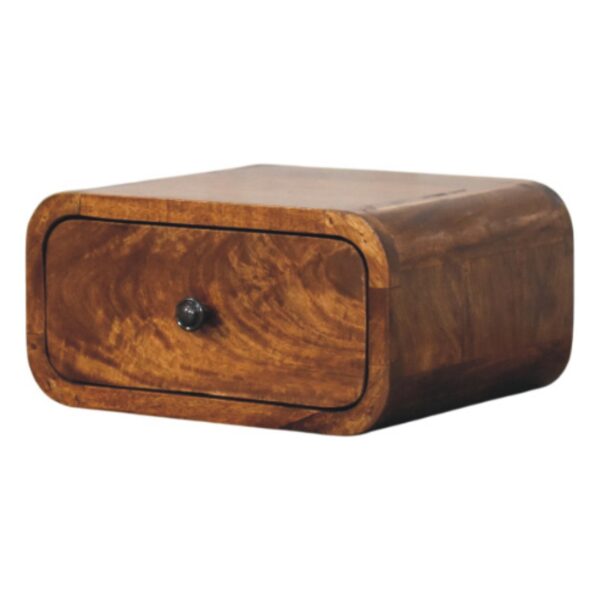
Use the top of your mattress as the reference for the bedside surface. Then think about what belongs there: a lamp, water, glasses, a book or a charging device. The table needs room for those objects without placing the items you use most at an awkward distance.
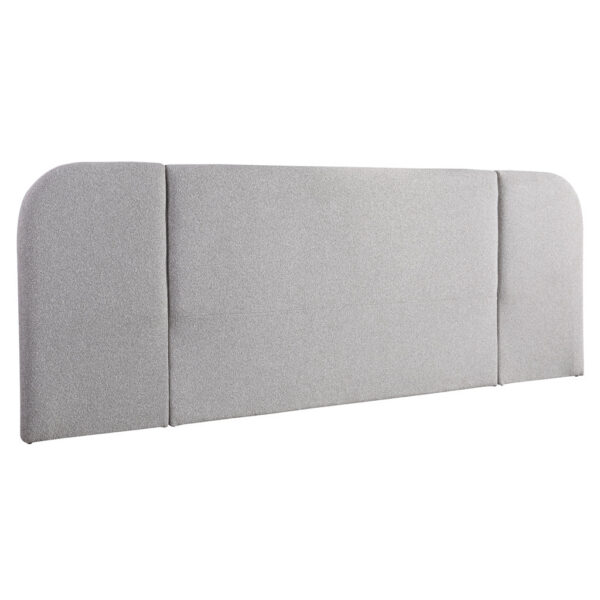
A pair of bedside tables can relate through height or finish without having identical storage. One person may want a drawer; another may prefer an open shelf for reading. Allow for lamp bases, socket positions and cables when comparing the actual tops. If you are adding a bedhead, check its width and projection alongside both tables so it supports the arrangement rather than squeezing useful bedside space.
Give clothes space without crowding the bed
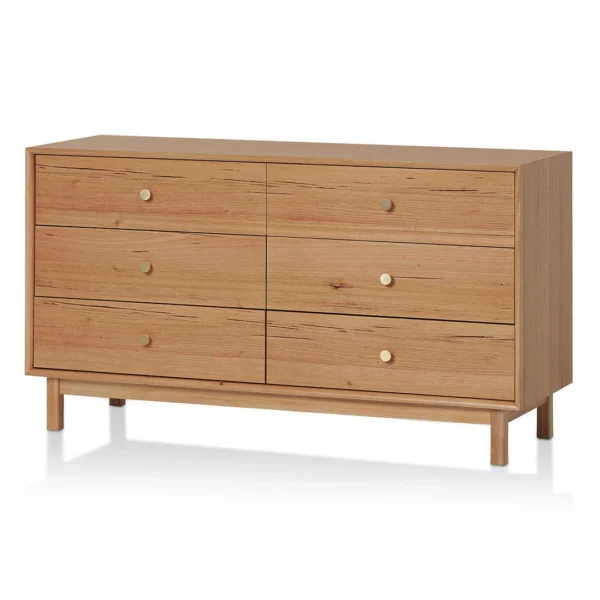
Separate hanging clothes, folded clothes and dressing essentials before choosing the remaining storage. Compare their needs with the internal compartments of a wardrobe or chest. A broad cabinet photograph cannot tell you whether its drawers hold the items you intend to put away.
Plan opening space with the bed and bedside tables already in position. Test whether a drawer can be used while someone stands in front of it, and whether a wardrobe door clears nearby furniture. Follow the particular piece’s fixing instructions. Compare chests of drawers and wardrobes through that daily dressing routine. Choose the finish once the storage and access work, keeping the bed as the room’s main reference.
Frequently Asked Questions
Adding a separate dressing area? Compare dressing tables with the room left after the bed, bedside essentials and clothes storage are planned.