
Wall Art
Wall art comparisons become clearer when the image and the complete supplied object are kept together. A picture you like can be offered in a physical form that differs from what you first imagine: the actual medium, border, size and contents need to be read rather than inferred from the image.
Read moreRead less
For each shortlisted piece, record the visible image area and full outer dimensions alongside its material and mounting details. Then compare that complete object with the intended wall and normal room view. This guide focuses on that close buying comparison. Browse any listed artworks by their real specifications, or use the wider wall art category to plan the composition and wall relationship before settling an individual format.
Showing 97–120 of 124 resultsSorted by recommended
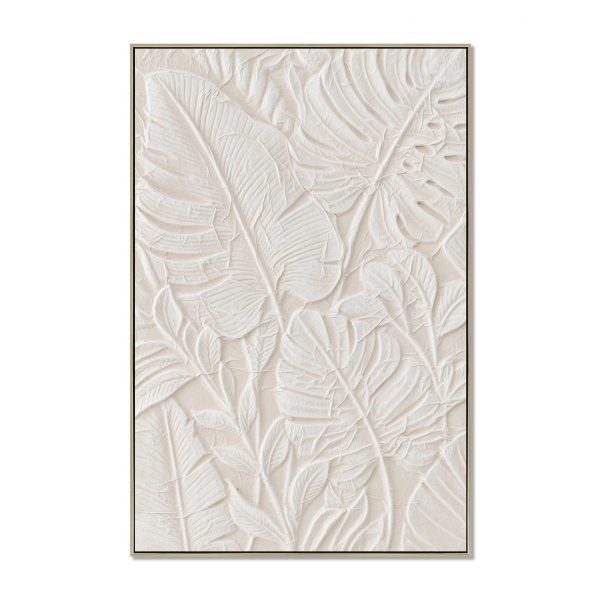

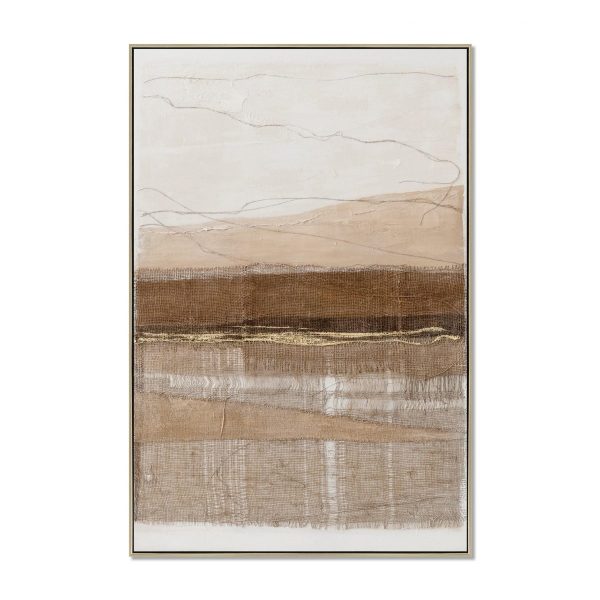
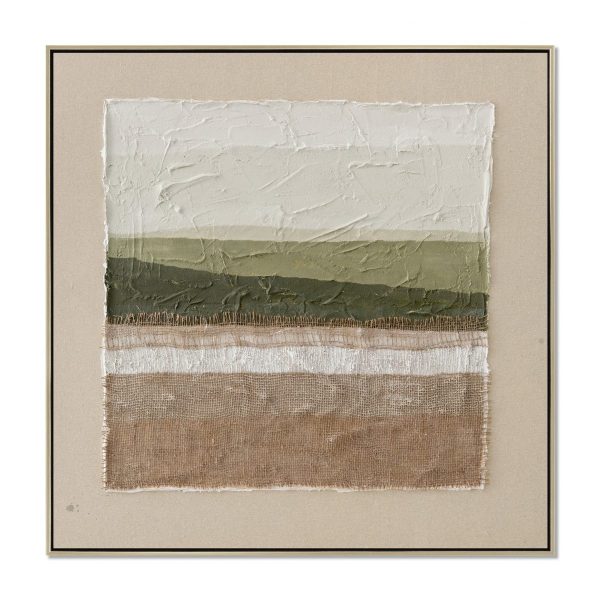
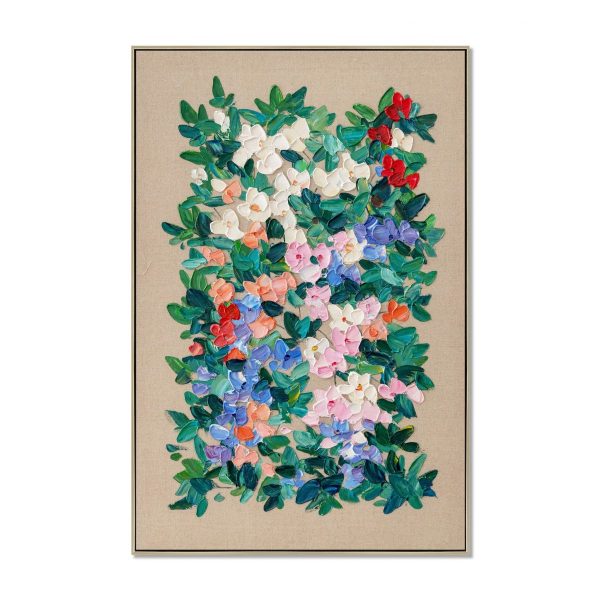
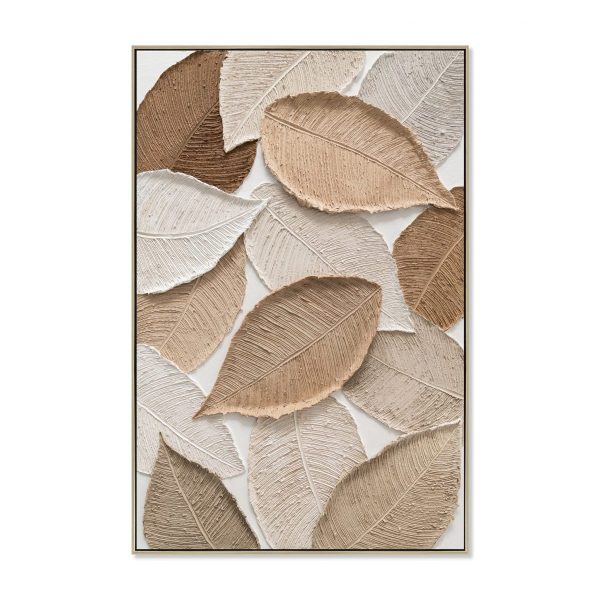
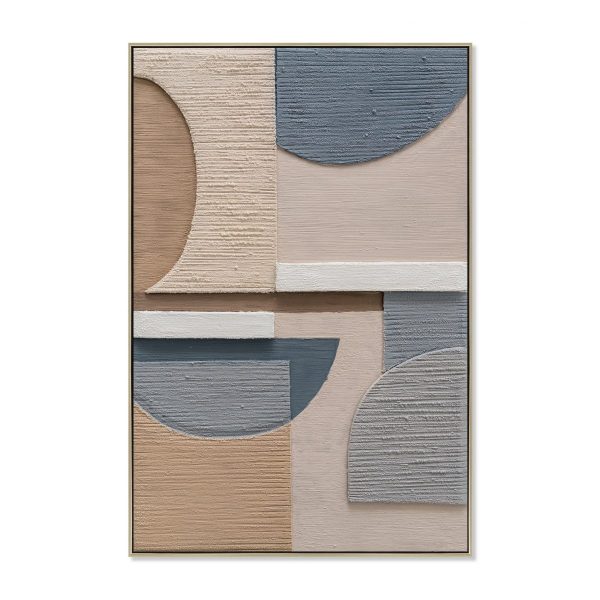
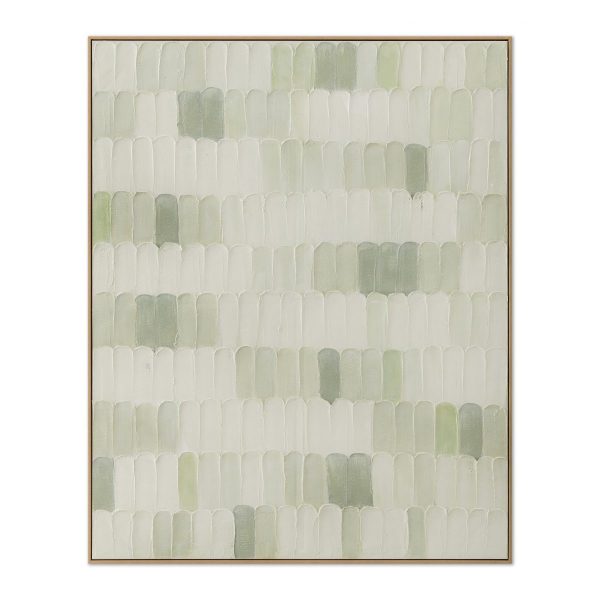
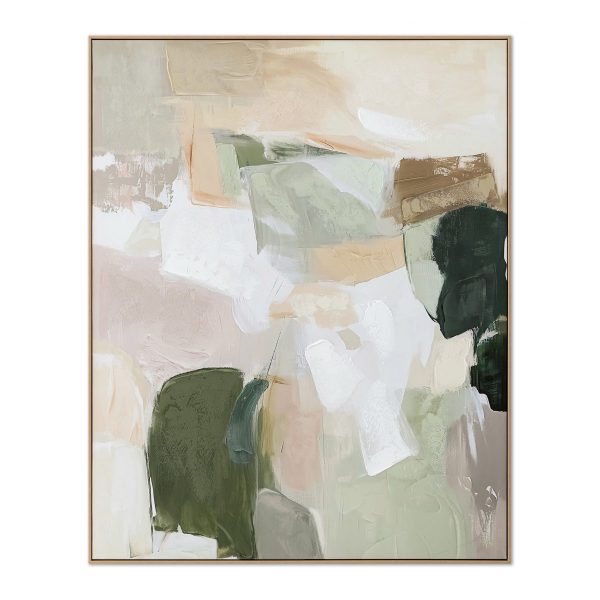
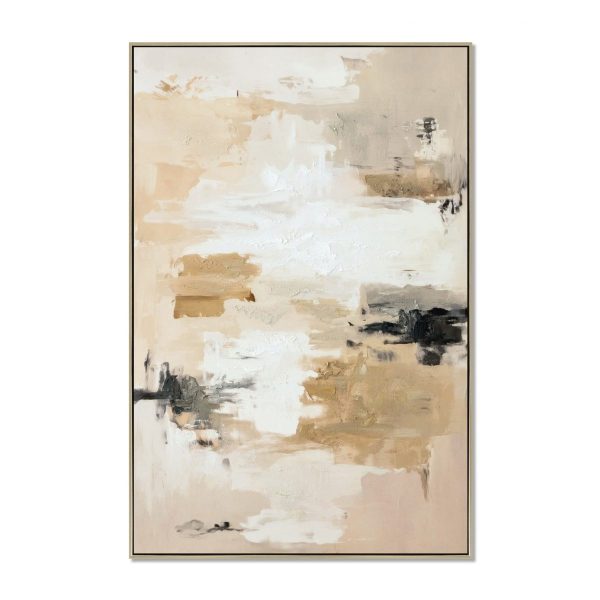
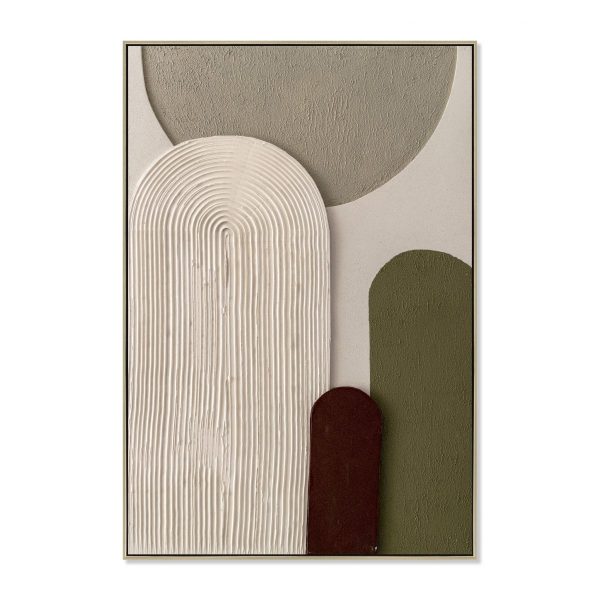
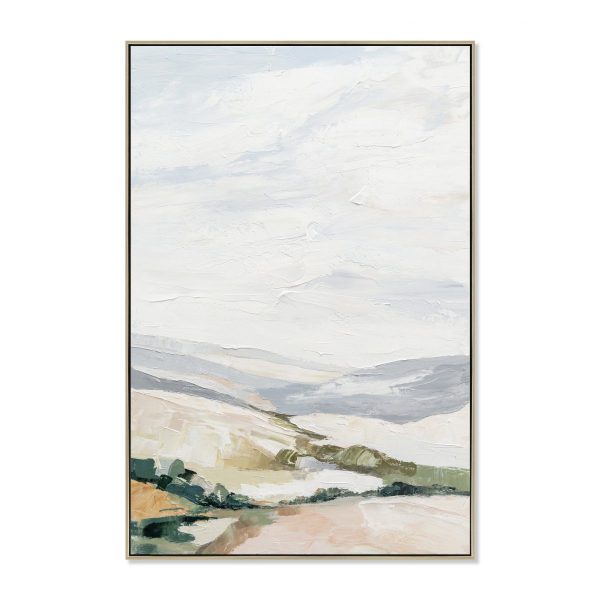
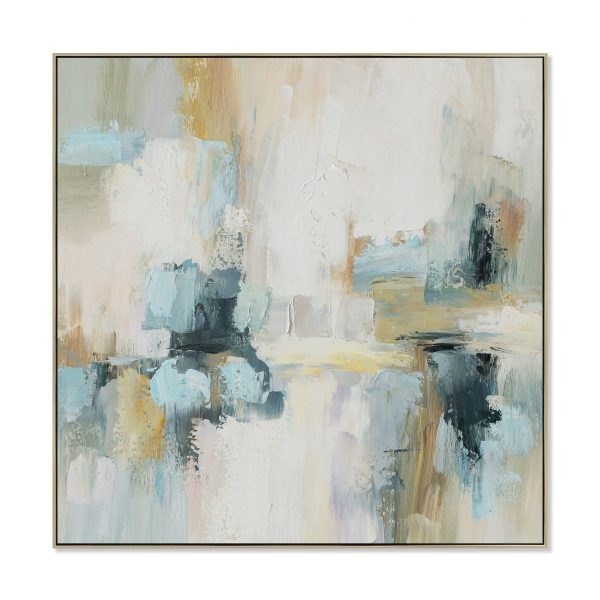
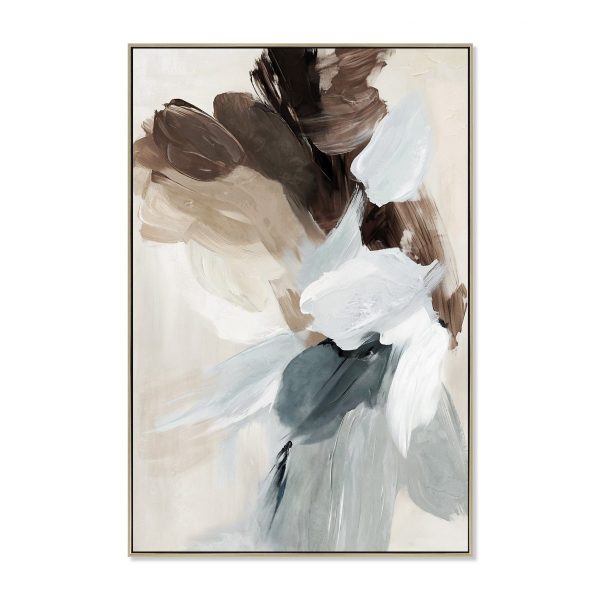
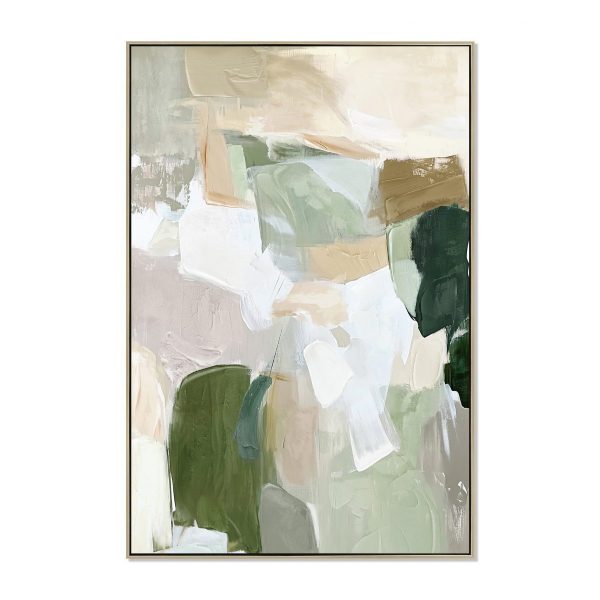
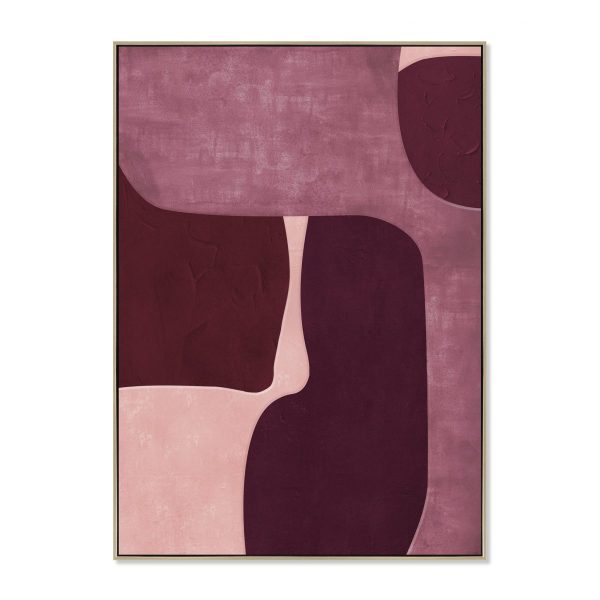
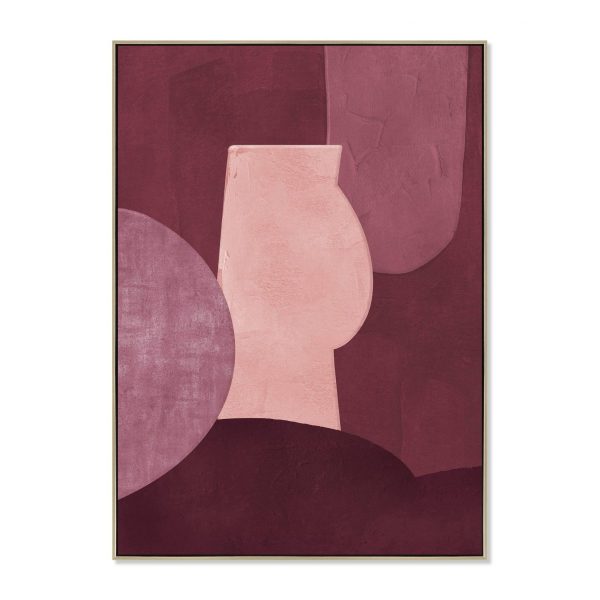
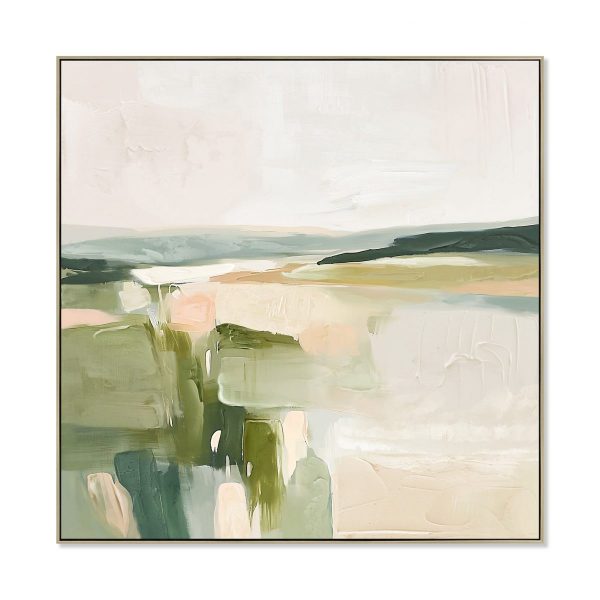
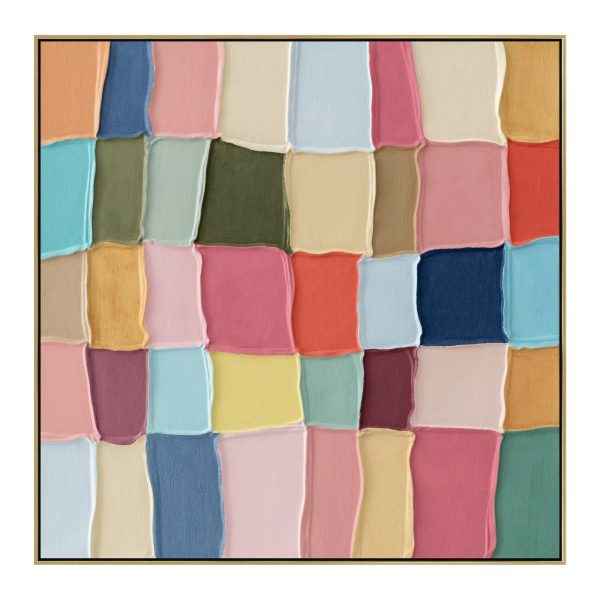
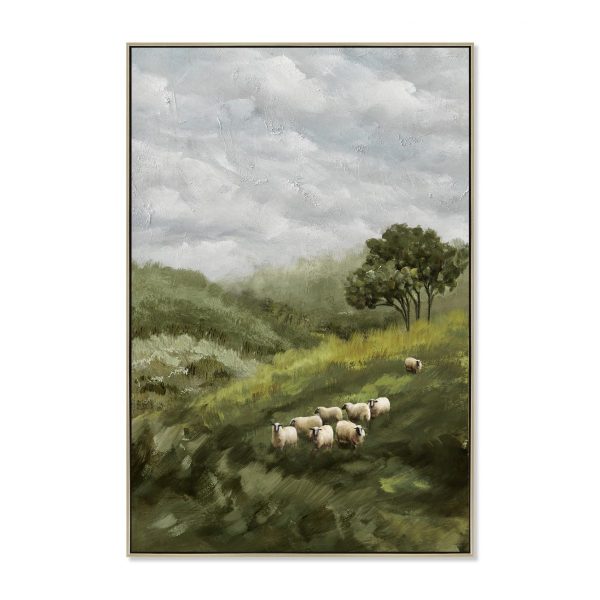

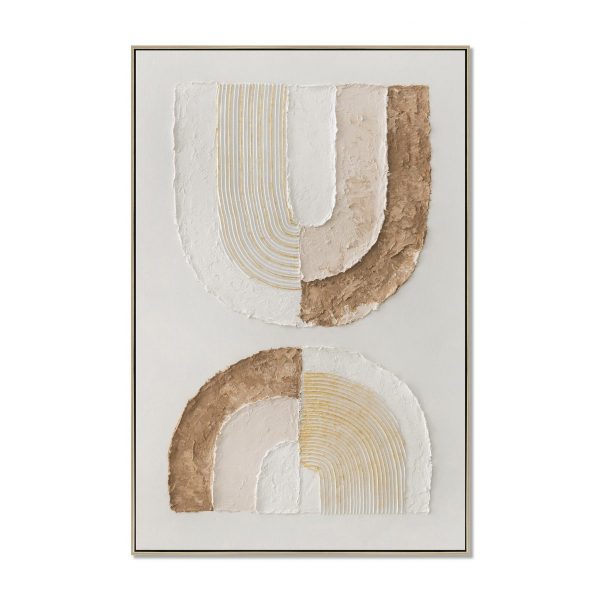
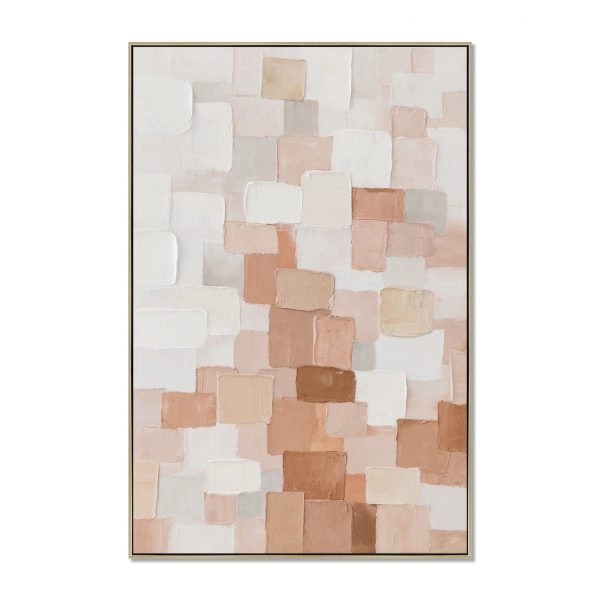
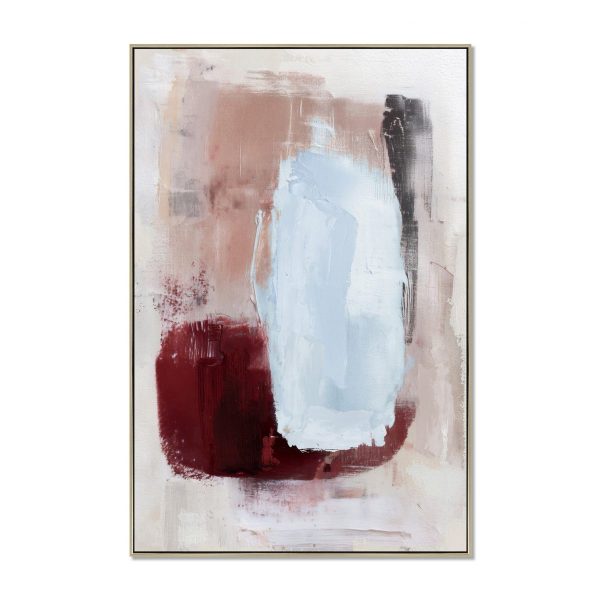
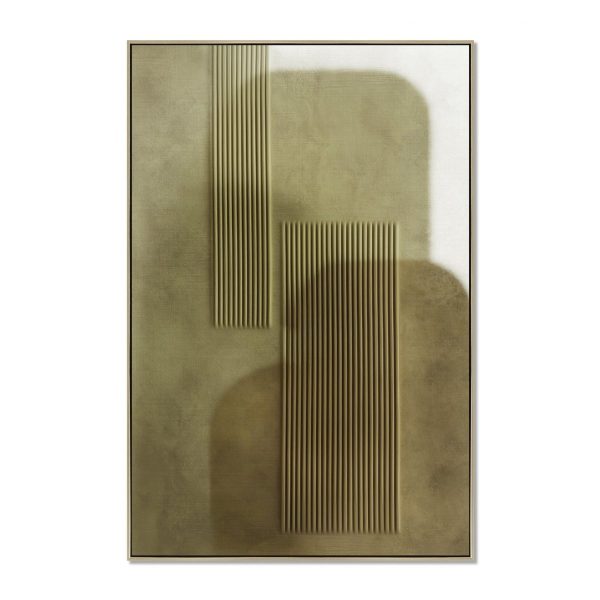
Compare actual image area and full footprint
Read the selected artwork’s dimensions precisely, separating picture size from the complete supplied width and height where both are stated. Include the frame or any outer structure. Mark the full outline on the wall rather than fit it using the image measurement alone.
Compare how much of that outline is occupied by the picture you want to see. A broad border and a narrow border create different physical relationships even around similarly sized images. The framed wall art guide helps assess that distinction. Choose a shortlist whose complete forms fit the view, rather than compare unrelated measurement labels as though every stated size refers to the same part of an artwork.
Read medium and supplied contents side by side
Write down the actual format, construction and contents for each shortlisted piece. Confirm frame, glazing, surface and hanging components where stated. A room photograph can show a finished presentation without establishing what the selected item supplies.
Compare canvas wall art when a canvas surface is part of the preference, reading the actual edge and frame arrangement. Keep medium separate from originality and provenance; an image style does not establish those facts. Choose between the real supplied formats rather than treat a familiar subject or attractive close-up as enough information about the physical artwork that will be displayed in your home.
Test the shortlisted pieces in the same room view
Mark each complete outline in turn and compare from the same normal positions. Assess composition, colour distribution and visible detail alongside the furniture. Using the same room view makes differences in format and image size easier to understand.
Read each piece’s actual weight, mounting guidance and care, then assess the wall for suitable support. The living room wall art guide helps if several seats define the main view. Compare the visible picture within each marked outer outline, not only the total wall area. If a broader border makes the favourite image smaller than intended, reconsider its complete size or another stated format while keeping the same viewing position for the comparison.