
Outdoor Furniture
Outdoor furniture should reflect how you spend time outside. Coffee for two, a family meal and a long afternoon with friends each call for a different relationship between seats and surfaces. Think about the everyday use first, then consider how the same area can welcome occasional visitors.
Compare upright outdoor chairs with outdoor lounge furniture rather than assuming one seat does every job. Check the stated placement and care of each shortlisted item.
Showing 25–35 of 35 resultsSorted by recommended
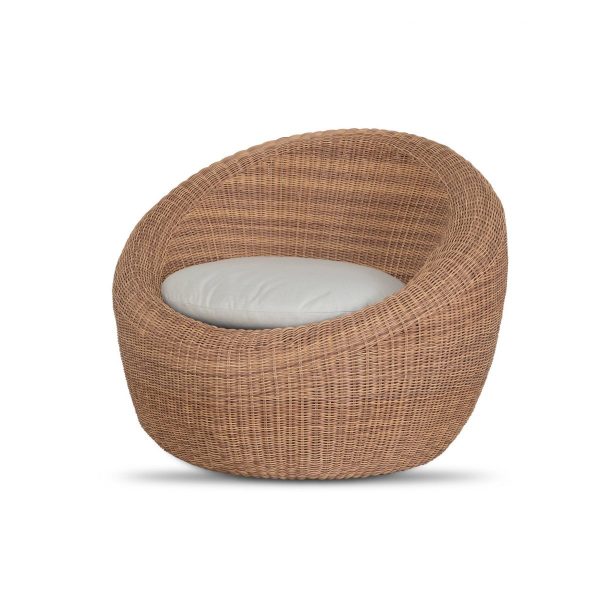


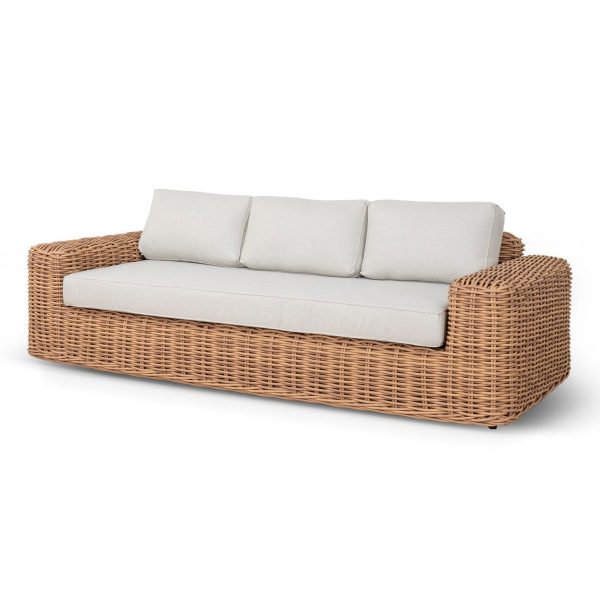

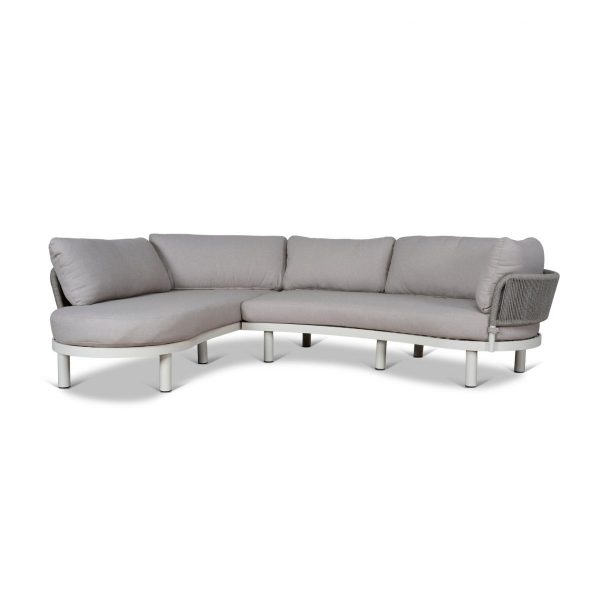
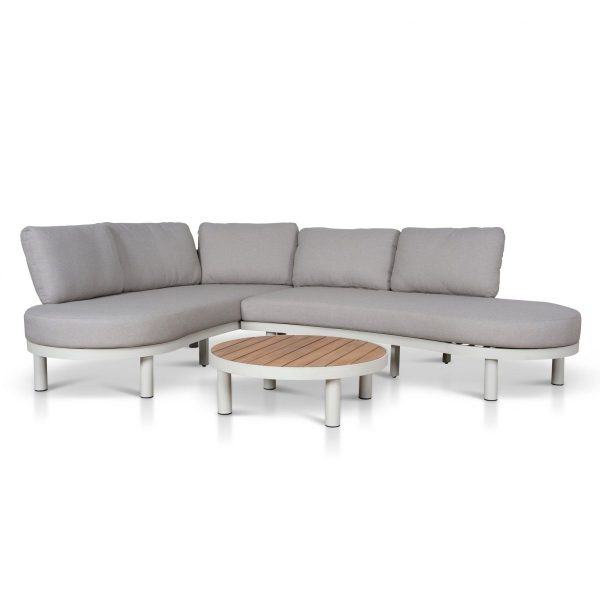
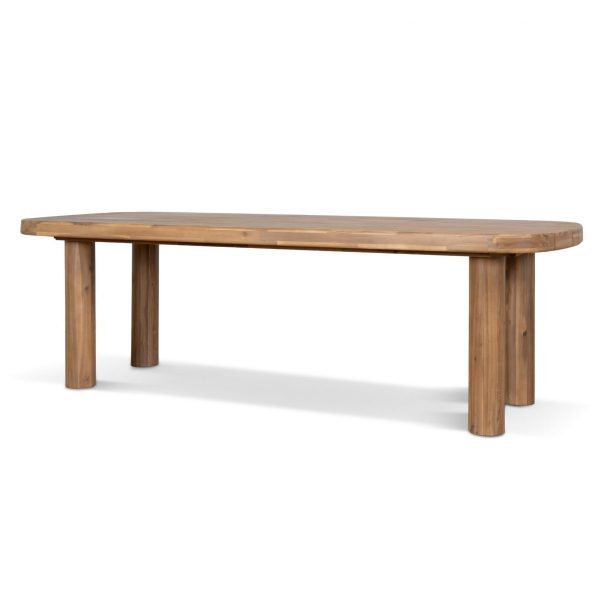
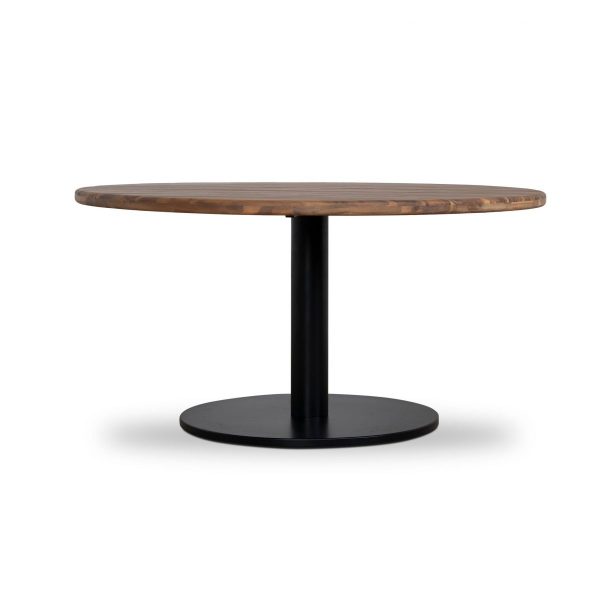
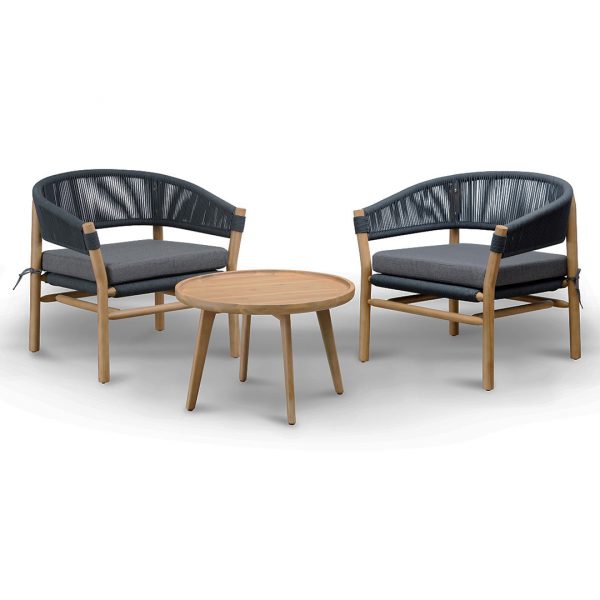
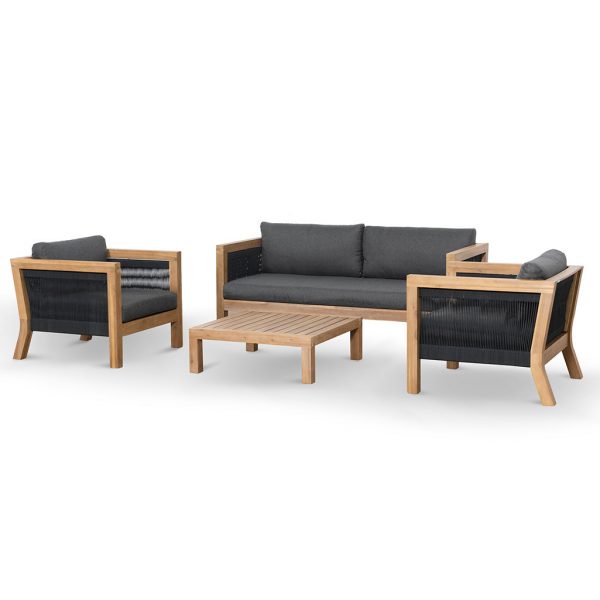
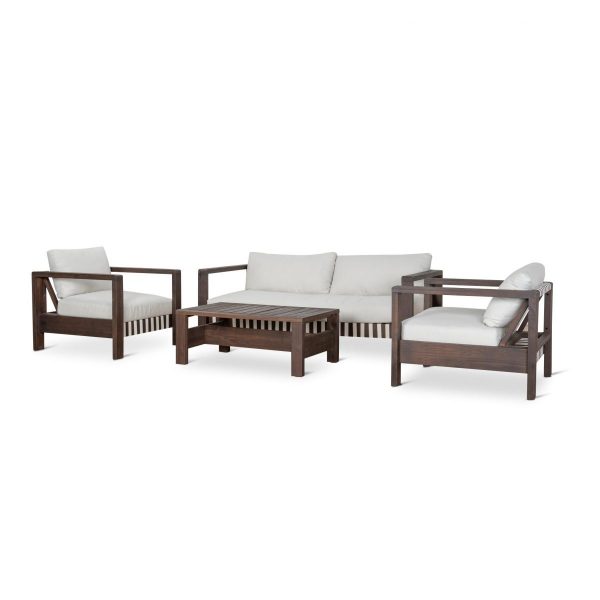
Start with the moment you use most often
Picture a normal week rather than the largest gathering you might host. If most use is a quick meal, a workable table-and-chair relationship may matter more than a large lounge group. If you regularly sit outside to read, a seat with a useful nearby surface may be the better starting point.
Compare usable seat dimensions and support for that activity. A deep low seat has a different relationship to a dining-height table from an upright chair. Check the occupied positions as well as the closed furniture footprint. Choose pieces that make the usual routine easy, then add occasional capacity where it can live without crowding those everyday positions.
Put food and drinks where they can be reached
For dining, compare chair height, table underside and the supports beneath the top. Make sure every intended place has usable access. For a relaxed group, decide where each person would set a cup; a central table may be inconvenient from an outer seat.
Check the surface’s stated care and use for the things you plan to put on it. Outdoor placement does not establish approval for hot cookware or every cleaning product. Look at the practical serving route from indoors, and keep table movement separate from the route people use to enter the area. Useful reach is a better guide than arranging all pieces symmetrically.
Choose extra capacity you can manage between visits
Think about where additional chairs or tables will stand when guests leave. Confirm folding, stacking or other flexible features on the actual product rather than assuming they belong to every outdoor piece. Read the stated weights and handling guidance where moving furniture is part of your plan.
Make the care routine realistic too. Check whether cushions, covers or parts need a dry storage position and whether that space is easy to reach. Plan around the product’s instructions for your level of exposure. A setting that requires a daily change you cannot maintain is less useful than a simpler arrangement that suits the way you live.
Frequently Asked Questions
Before settling on the pieces, use the outdoor layout guide to check access, exposure and the occupied space.