
Living Room Furniture
Living room furniture should make the things you already do feel easier. Perhaps one person reads while another watches a screen, visitors need an extra seat, or the sofa has become the place where everyone leaves bags. Identify the missing function before choosing another attractive piece.
Read moreRead less
A lounge chair can give reading its own place, while an ottoman or footstool changes how a seat is used. Judge each addition beside the furniture you are keeping. The goal is a room that supports your habits, with enough space left to move between them.
Showing 73–96 of 502 resultsSorted by recommended
-
-
-
-
-
On SaleOriginal price was: $402.00.$354.00Current price is: $354.00.
-
On SaleOriginal price was: $479.00.$422.00Current price is: $422.00.
-
-
-
-
-
Week’s PickOriginal price was: $716.00.$644.00Current price is: $644.00.
-
-
-
-
-
-
-
On SaleOriginal price was: $539.00.$512.00Current price is: $512.00.
-
On SaleOriginal price was: $905.00.$860.00Current price is: $860.00.
-
On SaleOriginal price was: $409.00.$389.00Current price is: $389.00.
-
-
Week’s PickOriginal price was: $539.00.$458.00Current price is: $458.00.
-
Week’s PickOriginal price was: $599.00.$509.00Current price is: $509.00.
-
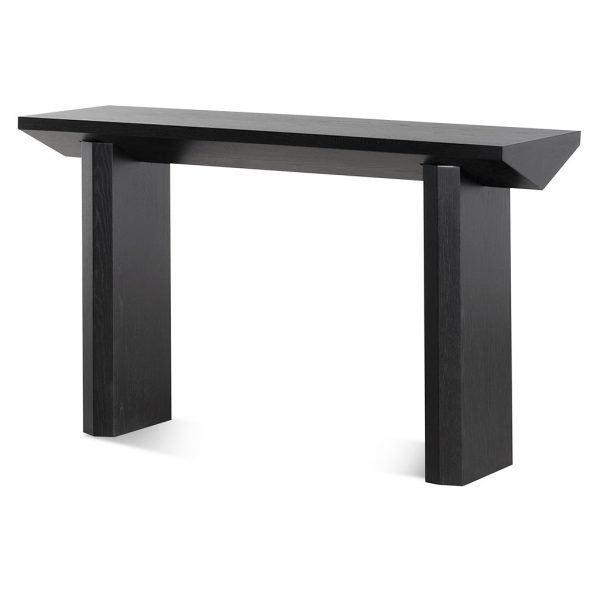

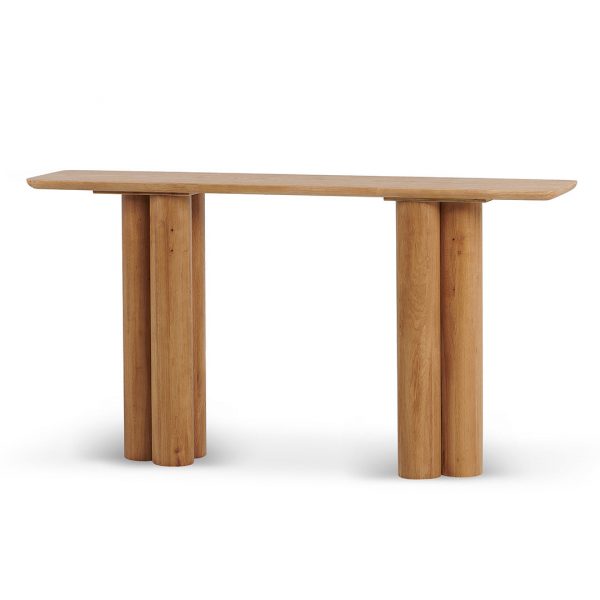
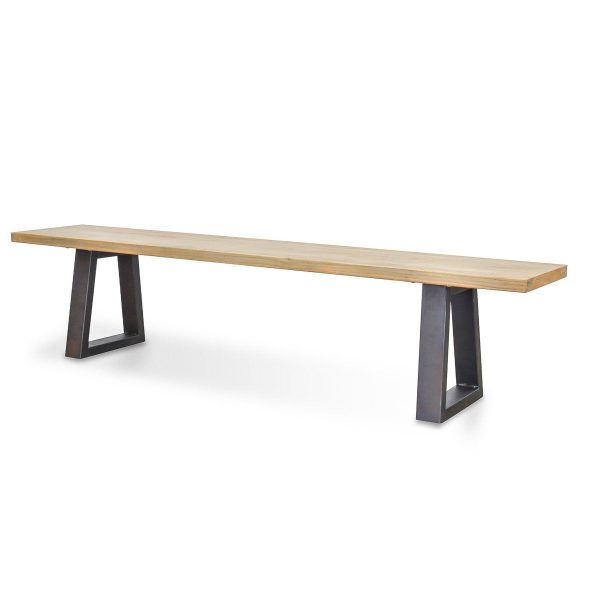

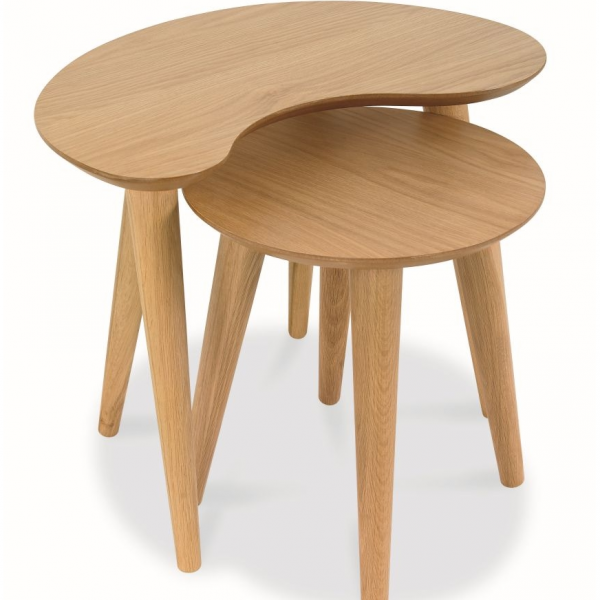
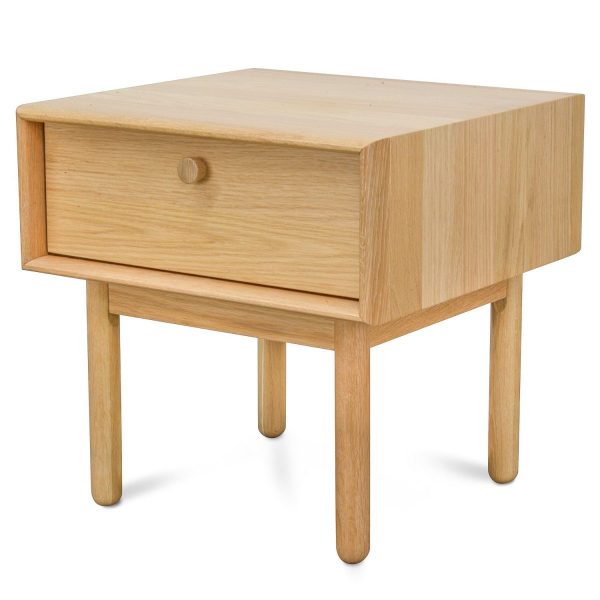
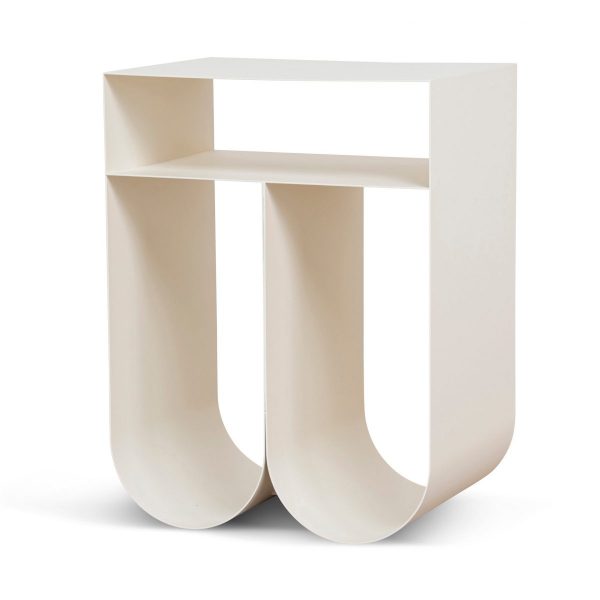

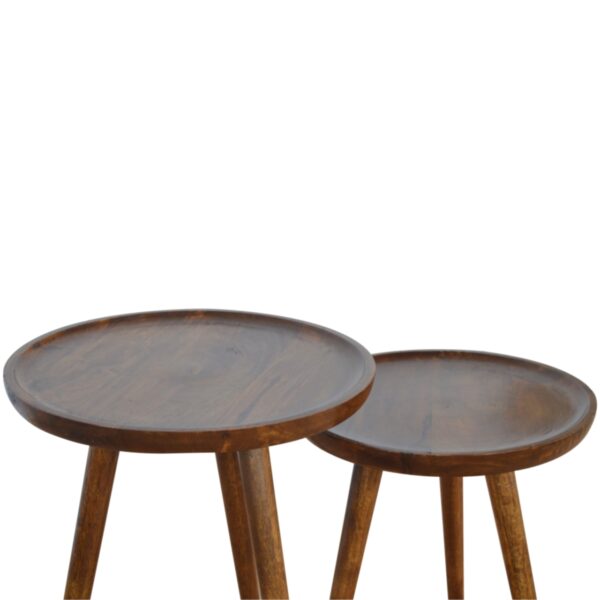
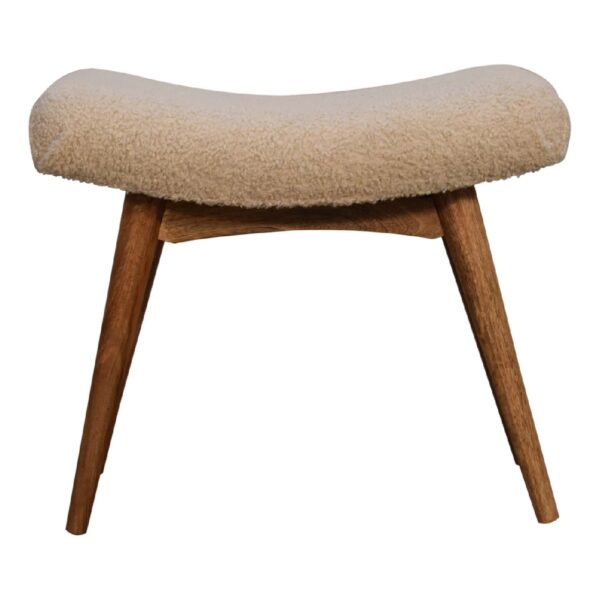

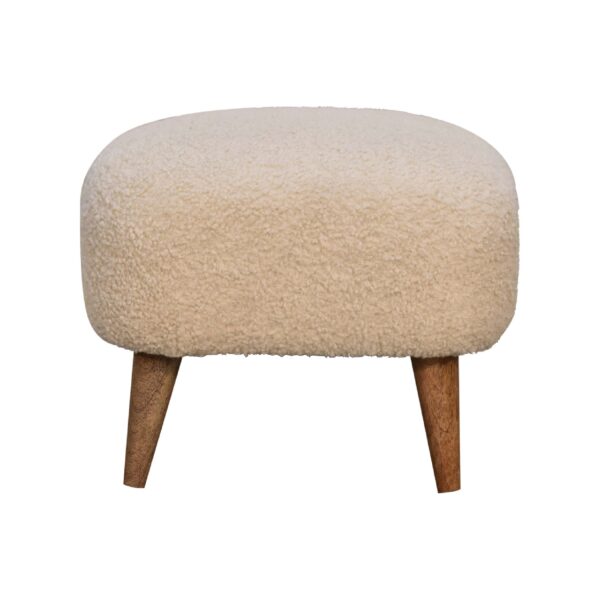
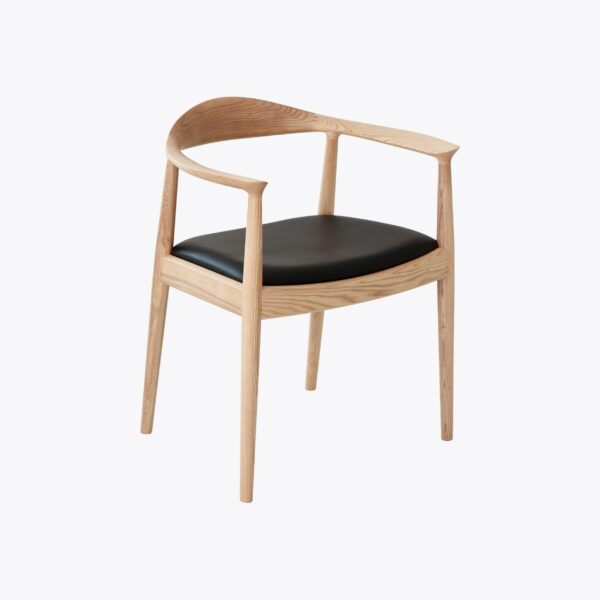
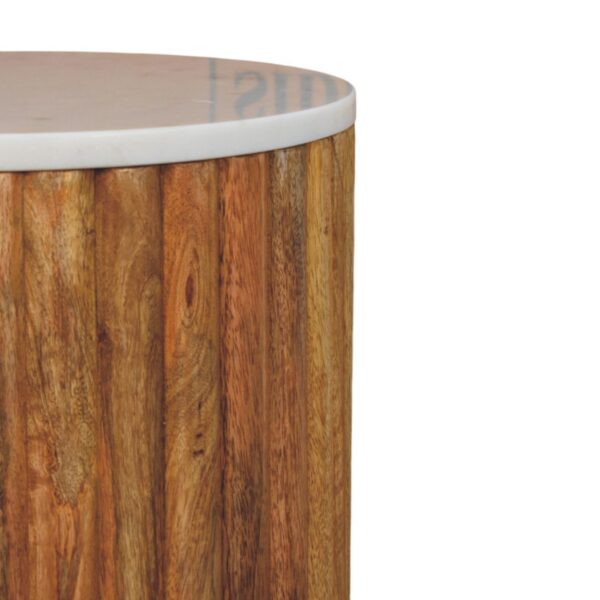
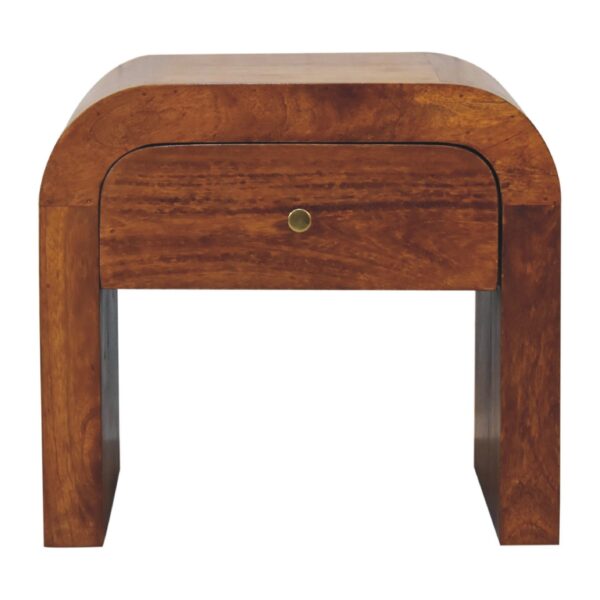
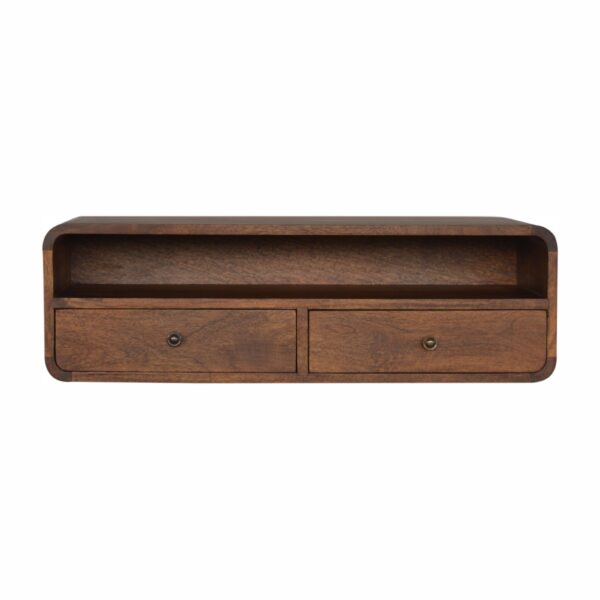
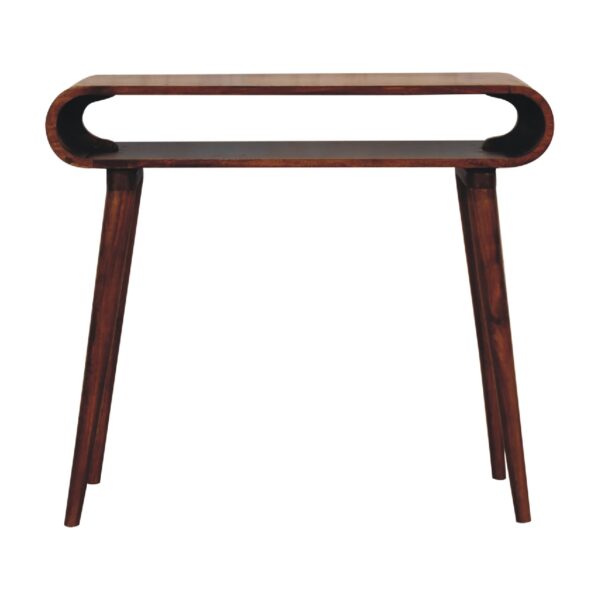
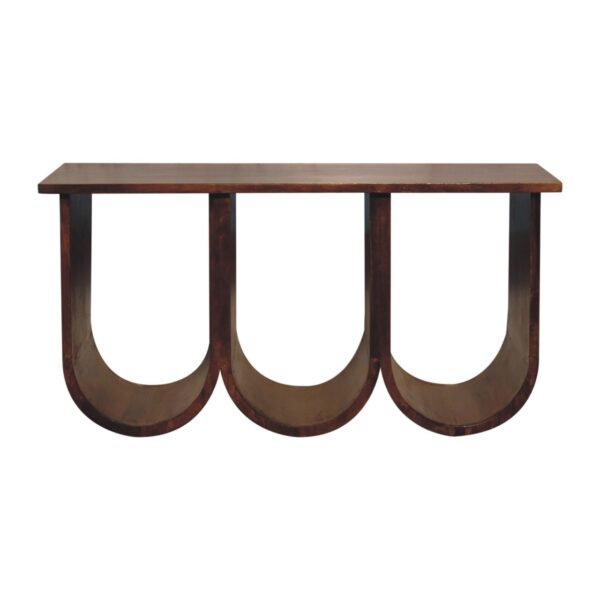
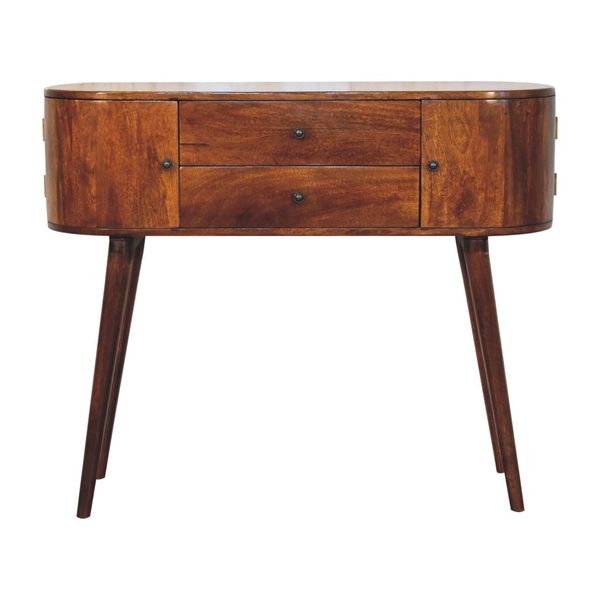

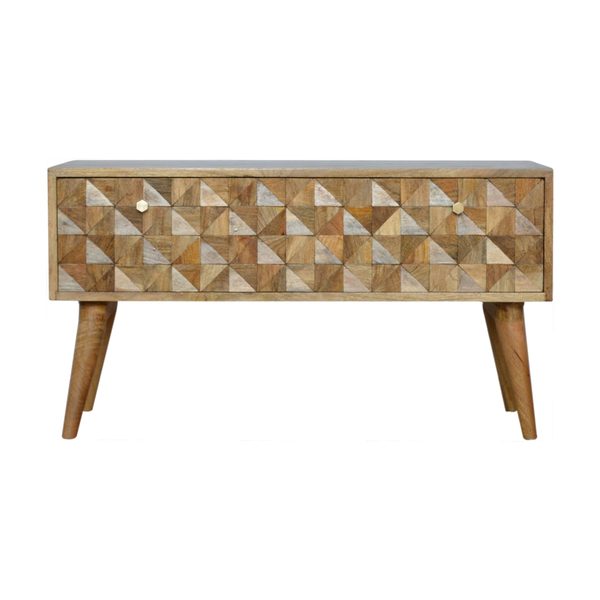
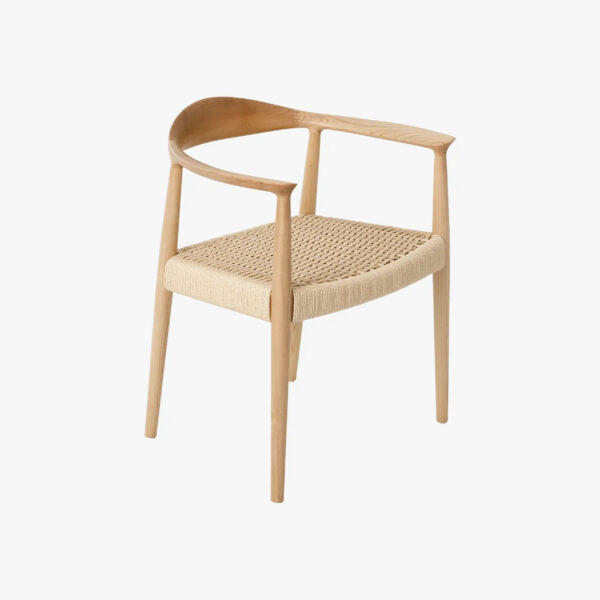
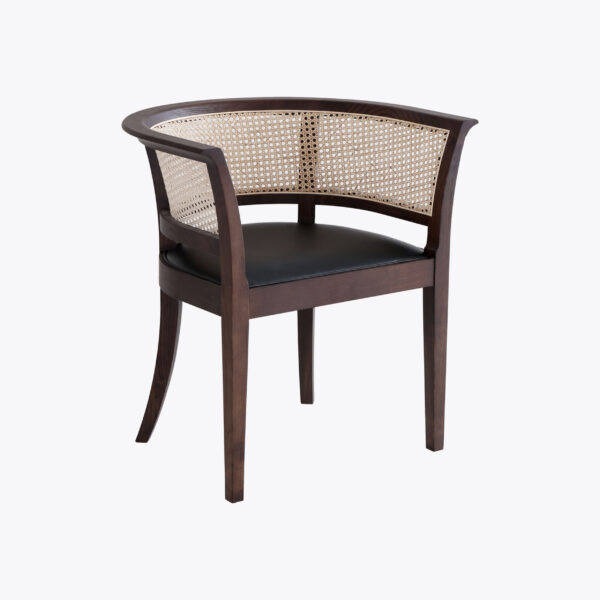
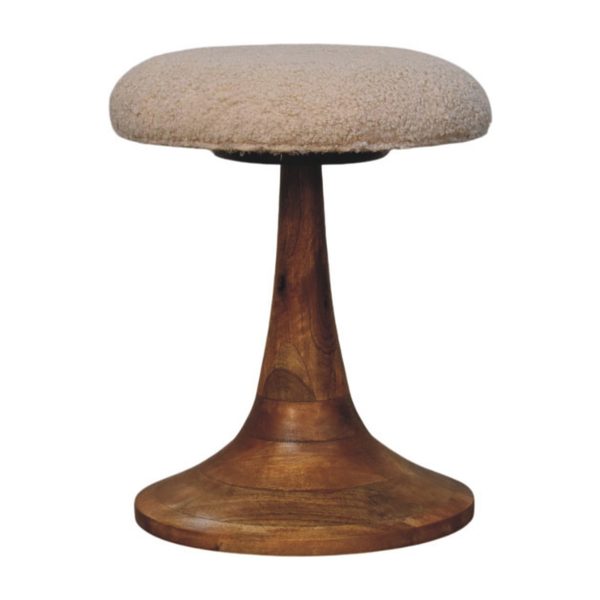
Choose a seat for the way you spend time
Think about the position you use most often. Reading may call for a seat close to a light and a surface for a book. Conversation asks for an easy view of other people. Stretching out needs usable depth and support in a different way from sitting upright for a short visit.
Compare seat dimensions and the actual back and arm shapes, rather than using overall furniture size as a comfort measure. If you can try the chair, sit as you would at home. If you cannot, ask for the specific dimensions you need. A seat that looks generous in a photograph may not support your preferred posture.
Solve the small reach problems around existing seats
Notice what ends up on the floor or balanced on an arm. A glass, remote control or book may need a nearby surface, while a lamp may be in the wrong position for the person who reads. Place the new piece where it resolves that specific reach, not simply where a gap looks empty.
Compare side tables with the sofa arm and seat height. Check the useful top area after a lamp is added. Keep charging leads and plug access in the plan, and choose a product with suitable stated use for the objects it will hold. A smaller surface in the right position can be more useful than another large table.
Keep occasional seating from taking over everyday life
Count extra seats you actually need when people visit. Then decide where those pieces live between gatherings. A bench or movable chair needs a clear position when not in use; an ottoman should only be treated as a seat if the product supports that purpose.
Consider the effort of changing the room. Compare weight, handles or other moving details only where they are stated, and do not assume a compact piece is easy for everyone to lift. Leave the main walkways useful in both arrangements. If extra seating would crowd the usual routine, a more modest gathering arrangement may suit the room better than permanently filling it.
Frequently Asked Questions
Changing the whole arrangement? Use the living furniture layout guide before choosing individual additions.