
Dining Room Furniture
Dining room furniture does not need to arrive as one matching set. You may be keeping a much-loved table, replacing tired chairs or adding storage after living with the room for a while. Start with what stays, because its dimensions and character will shape the pieces you add.
Read moreRead less
Look for a useful connection in timber tone, outline or visual weight rather than trying to match every detail. Check dining chairs against the actual table, then consider whether sideboards would solve a real storage need. A room can feel settled through a few clear relationships, while each piece serves a different job.
Showing 31–60 of 105 resultsSorted by latest
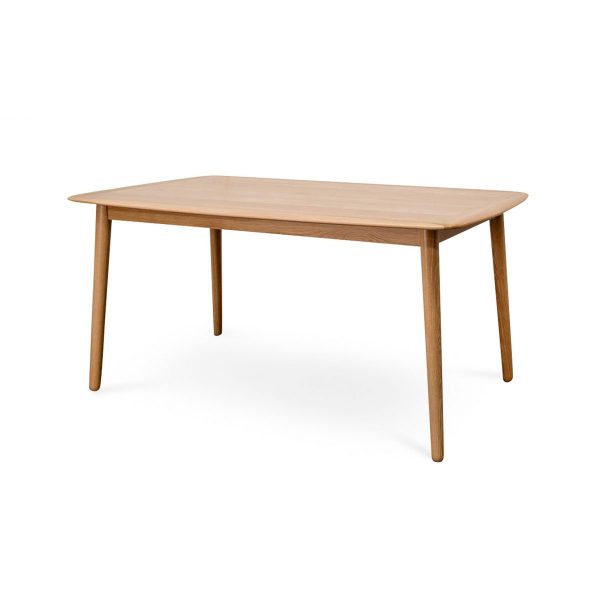
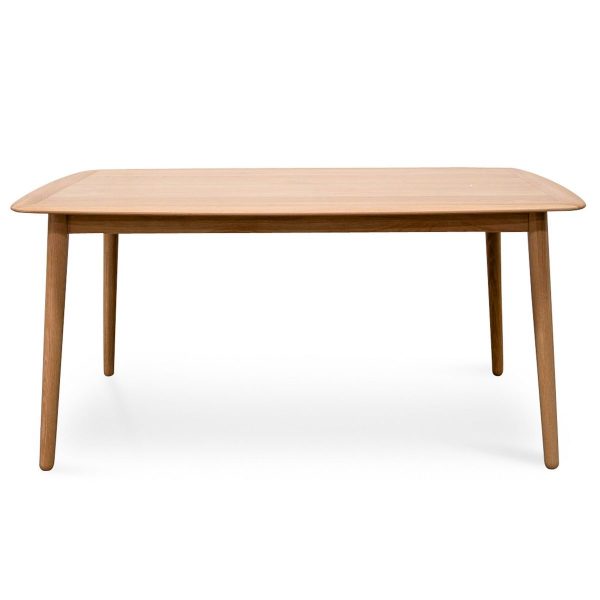
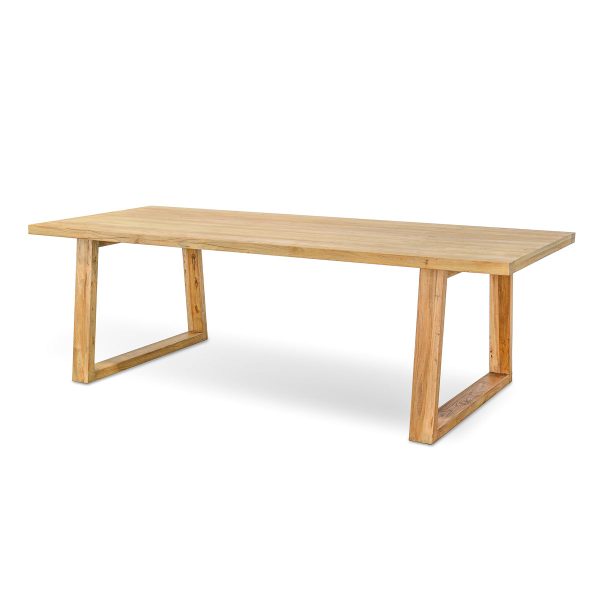

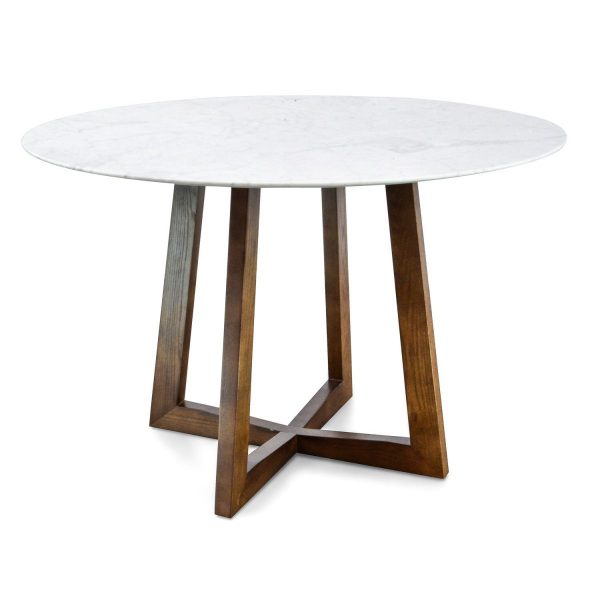
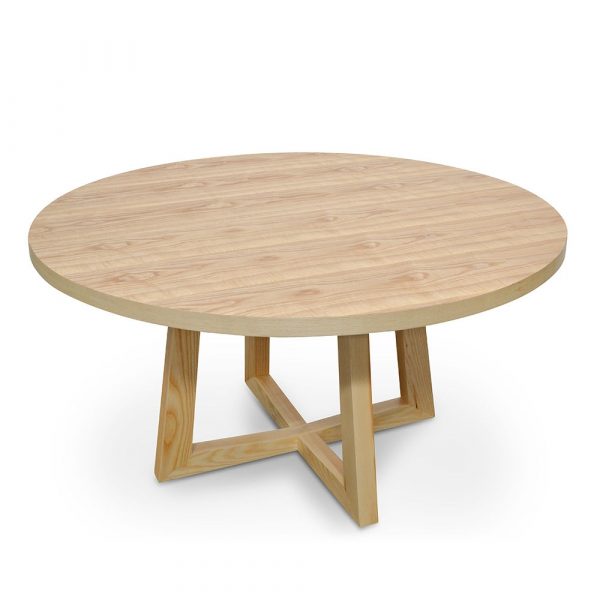
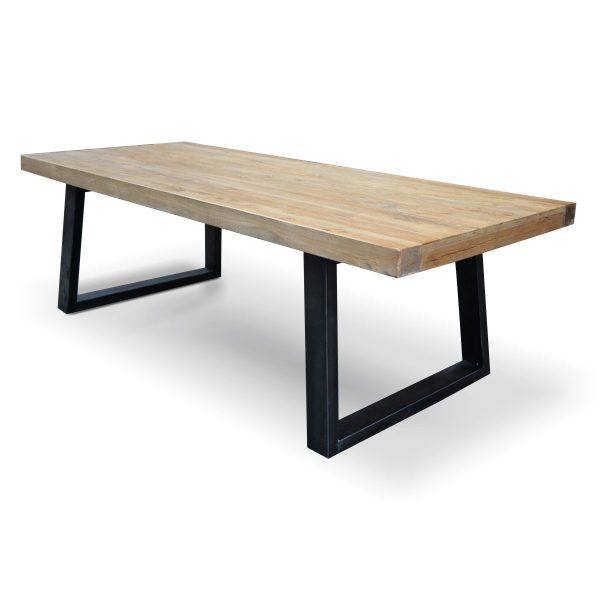

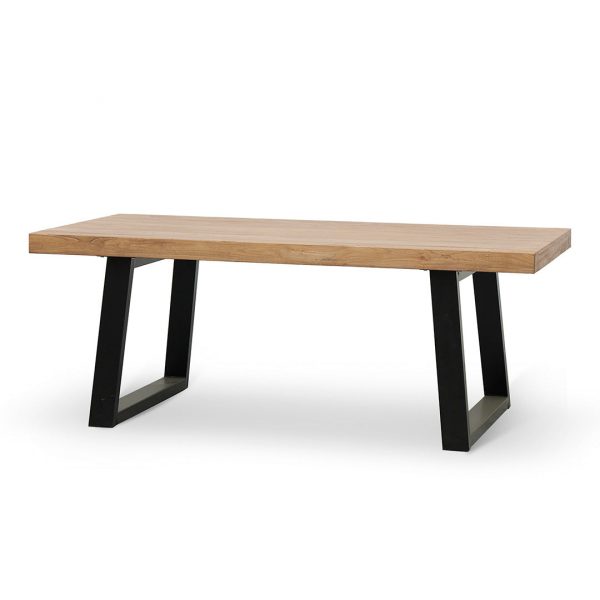
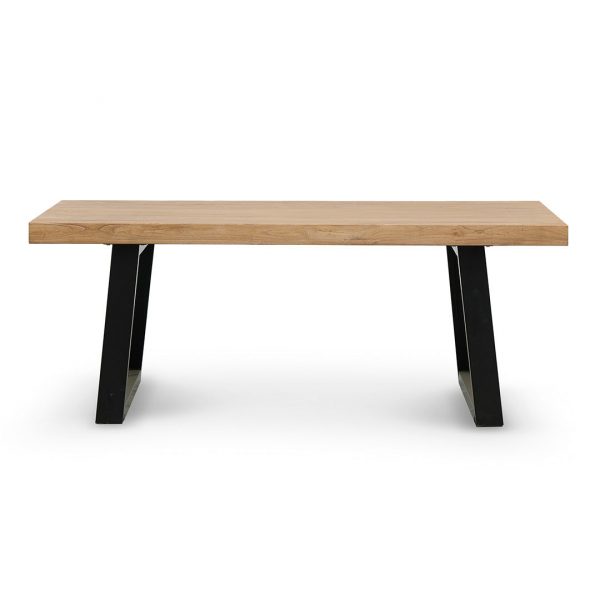
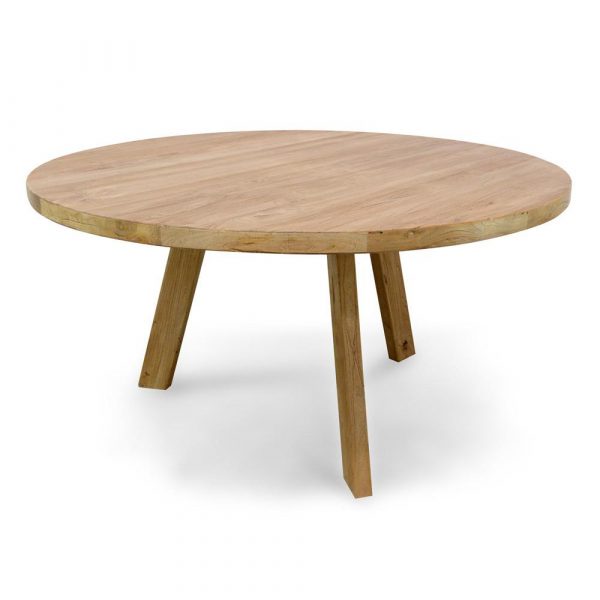
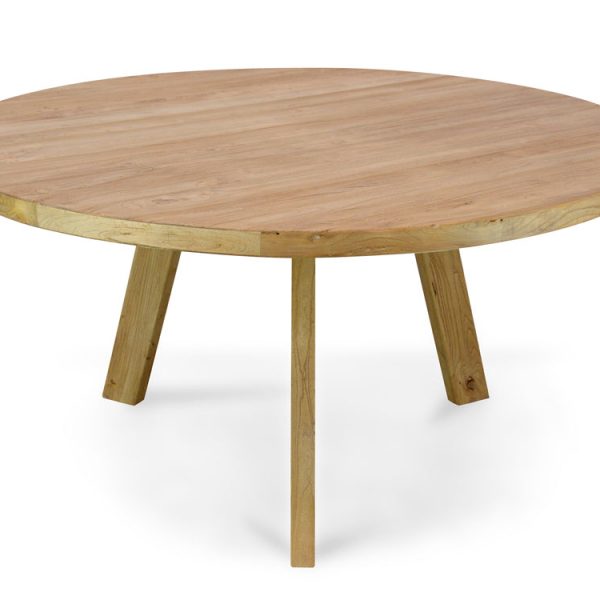
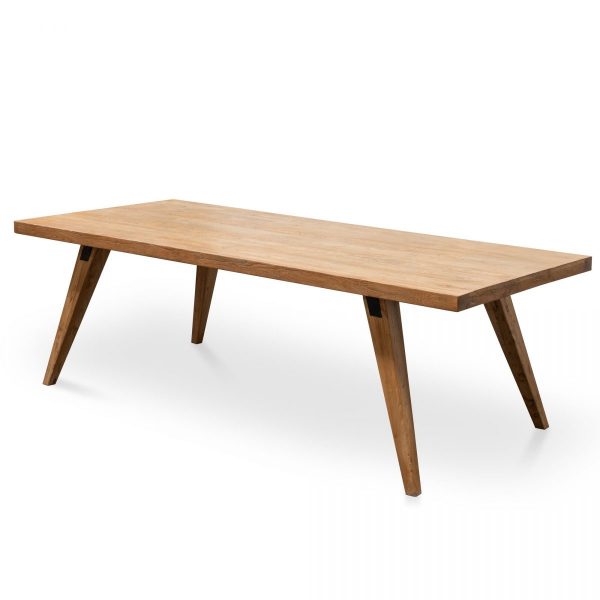
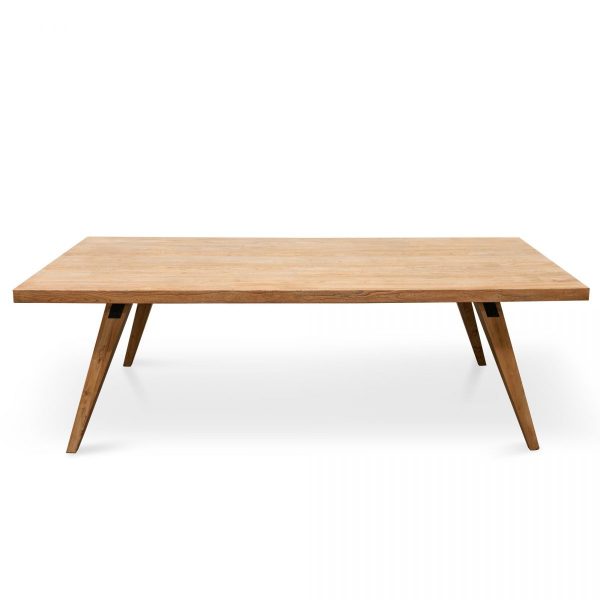
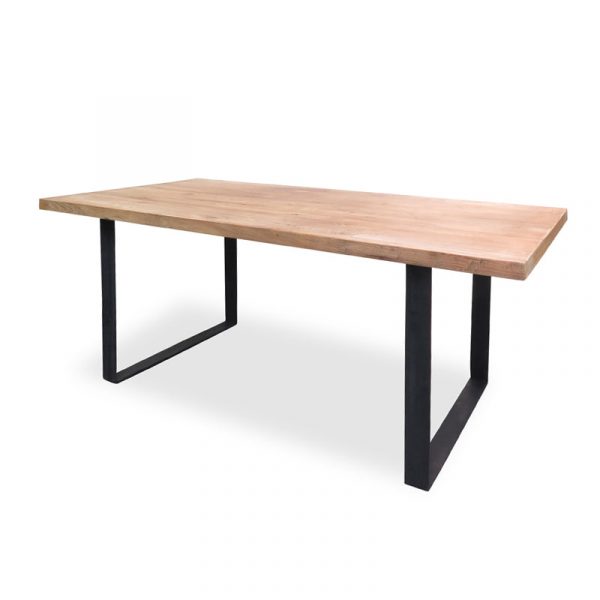

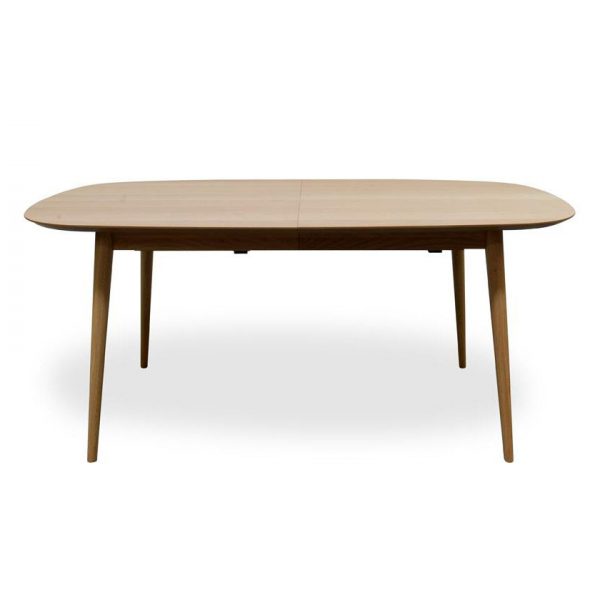
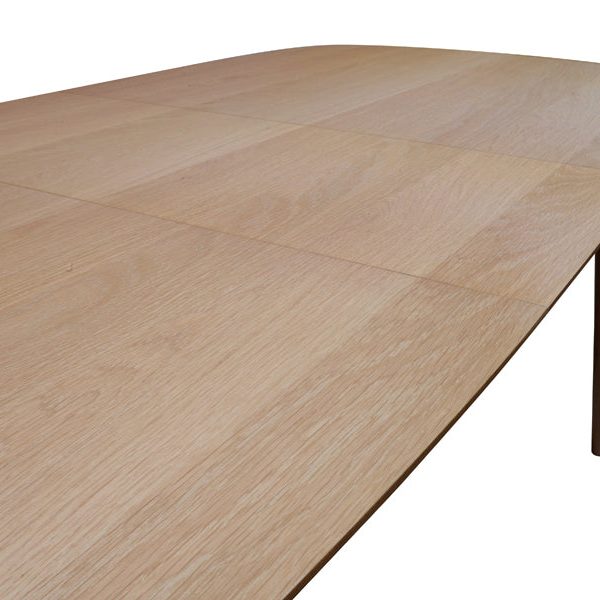
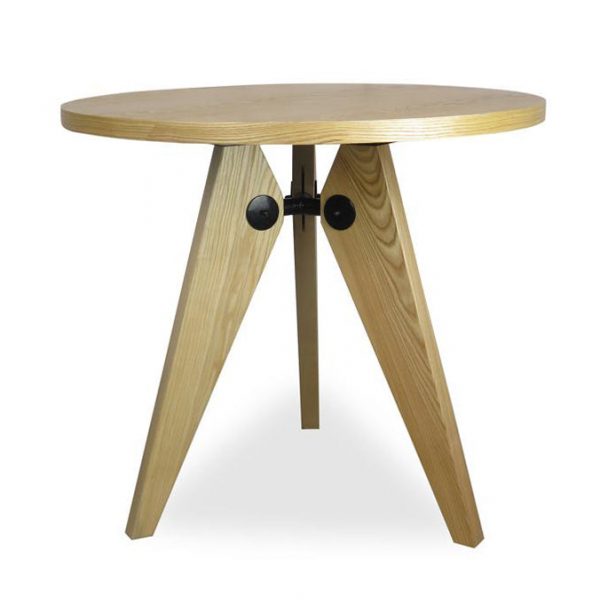
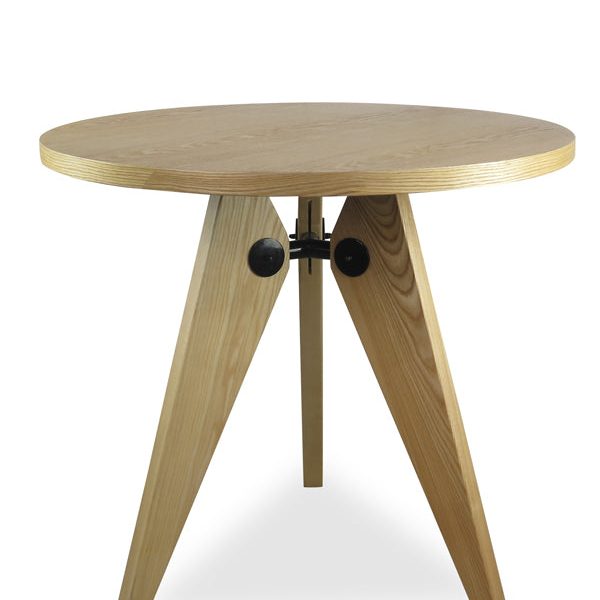

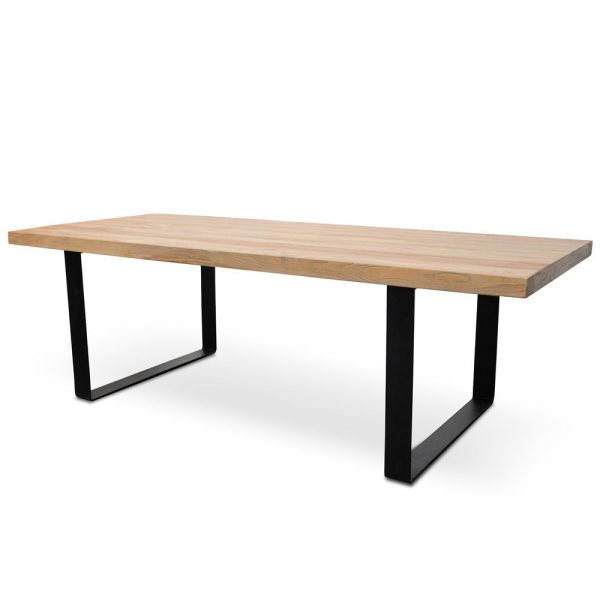
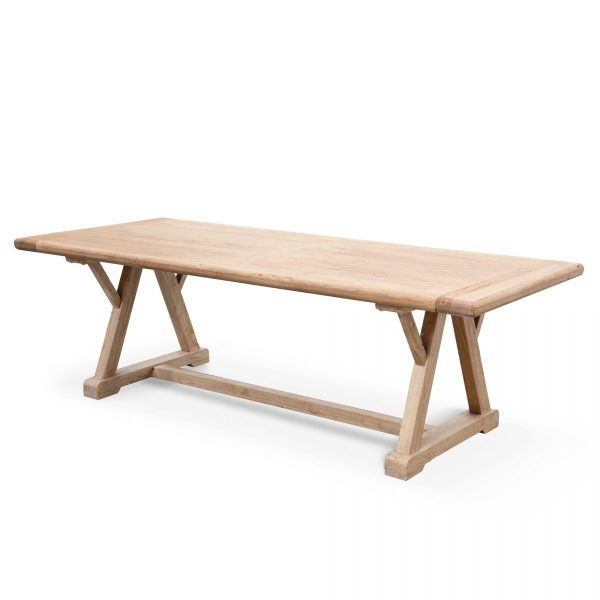
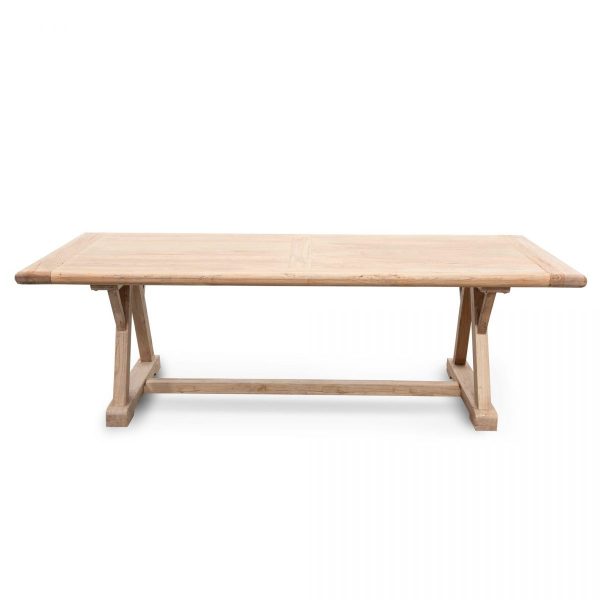
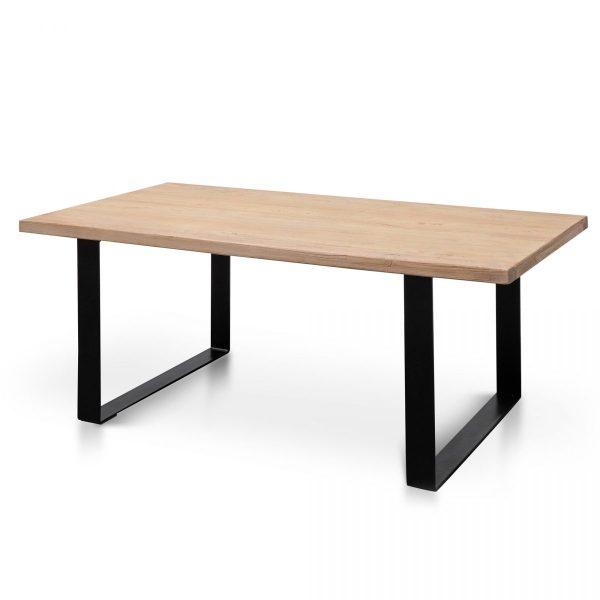
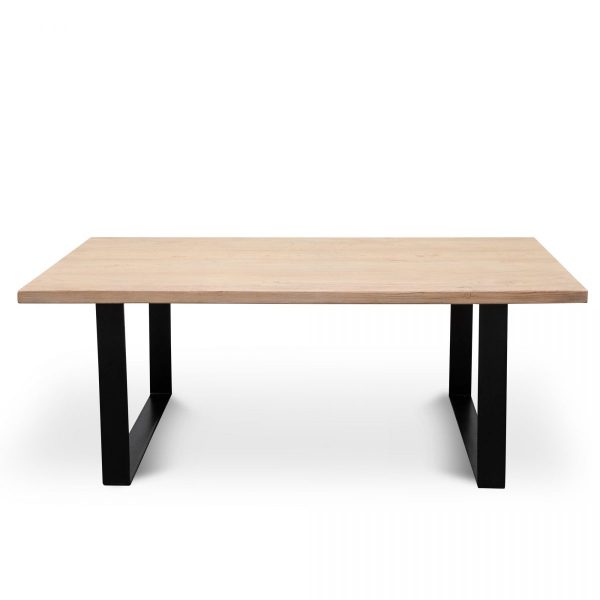
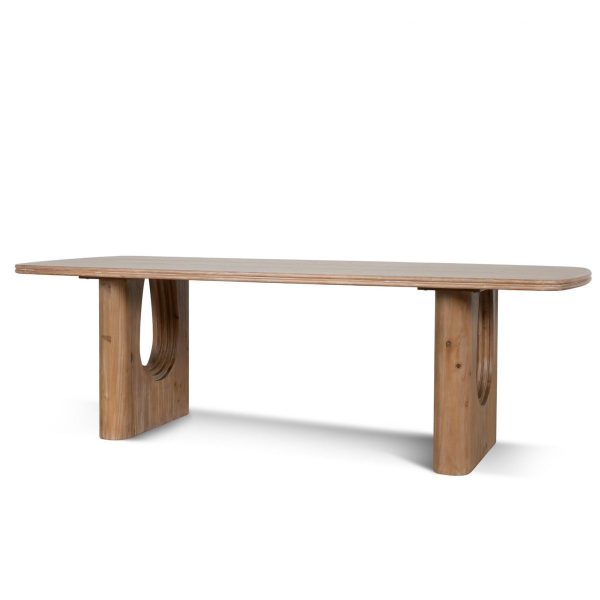
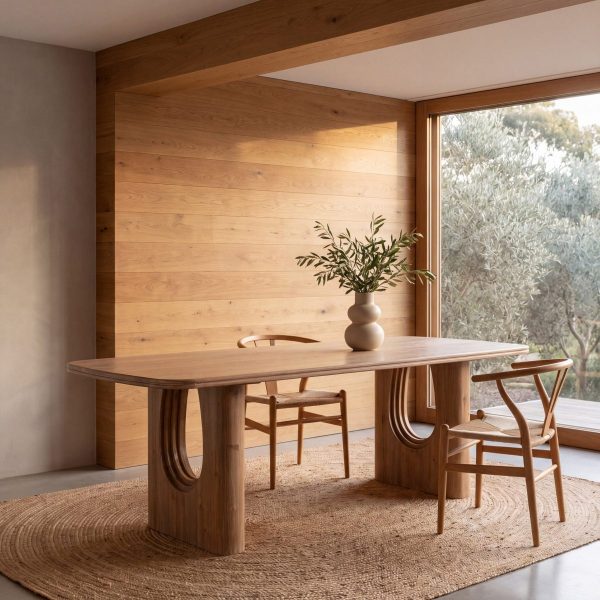
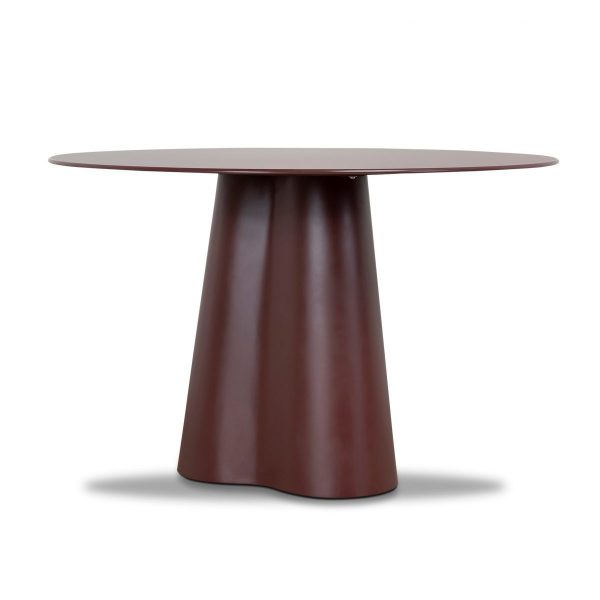
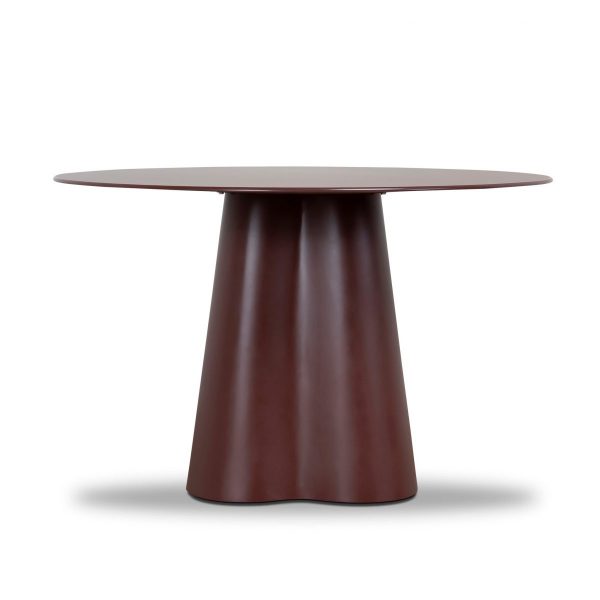


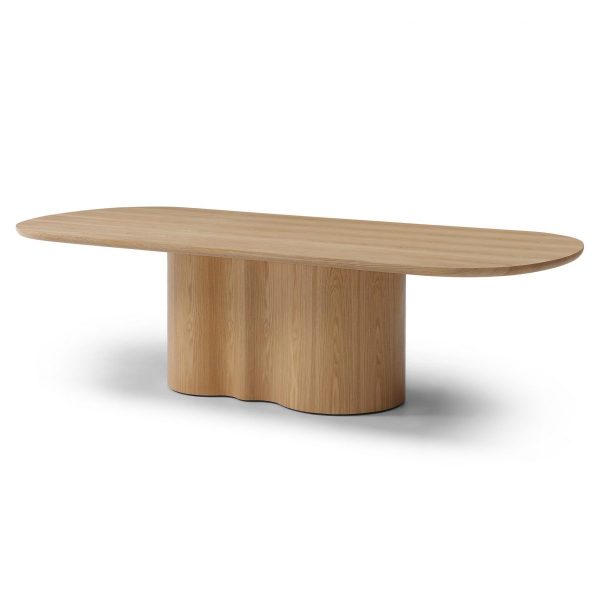
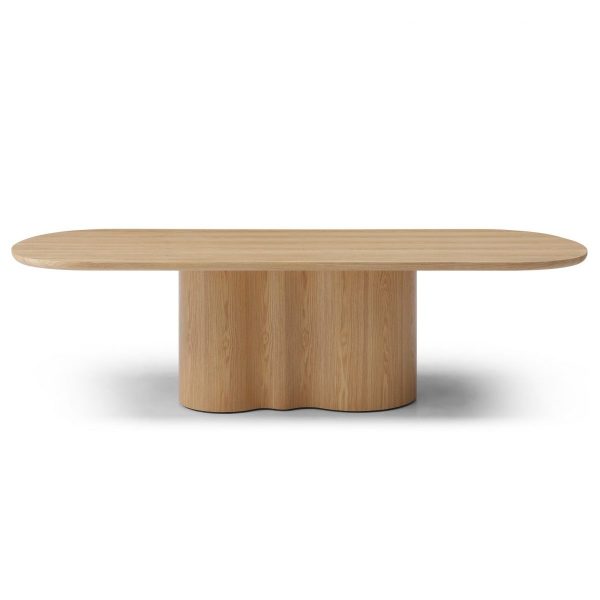
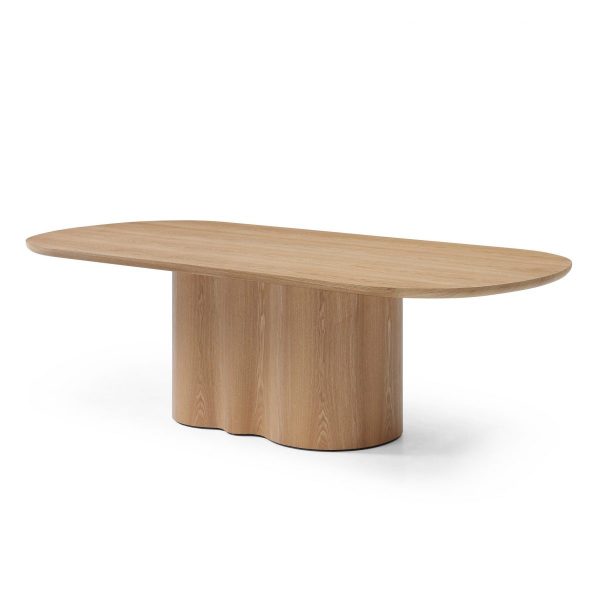
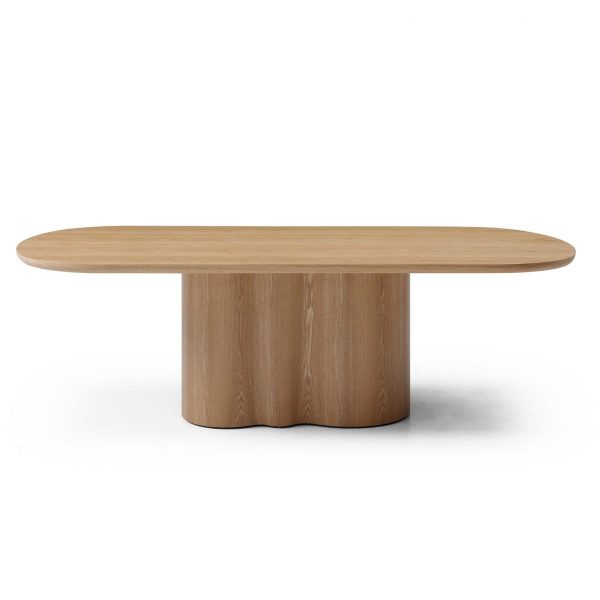
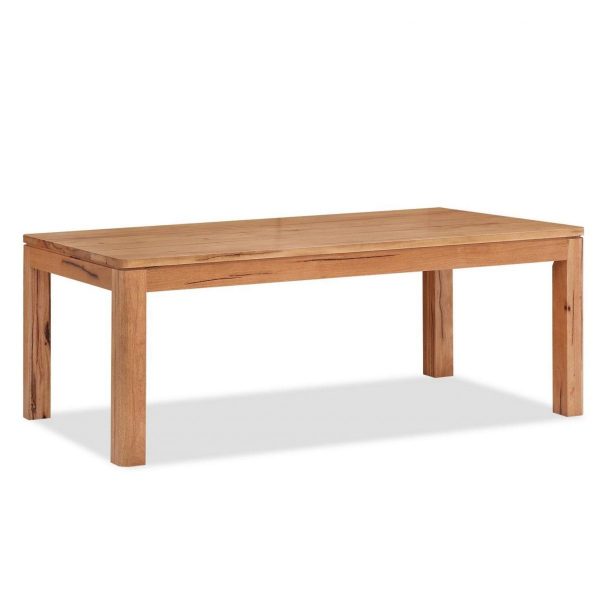
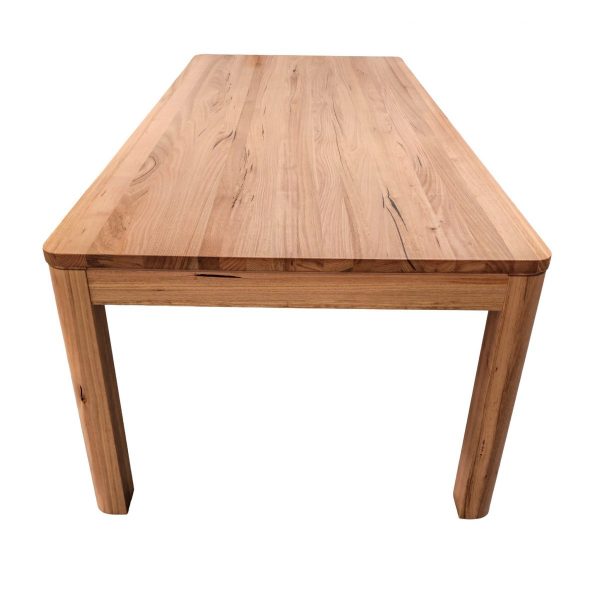
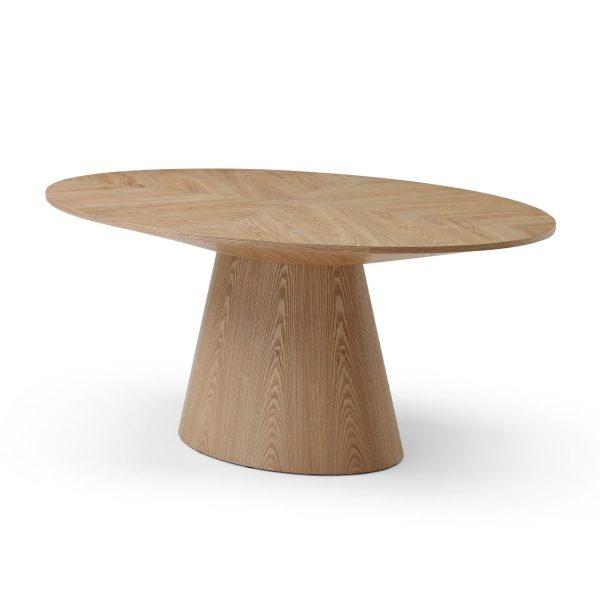
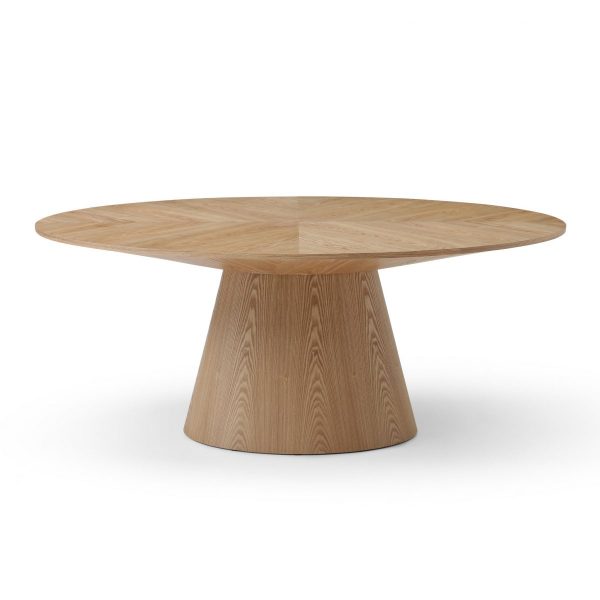
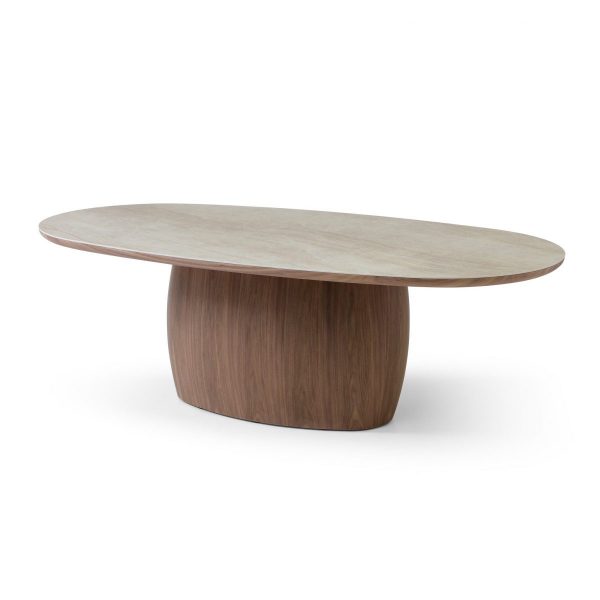
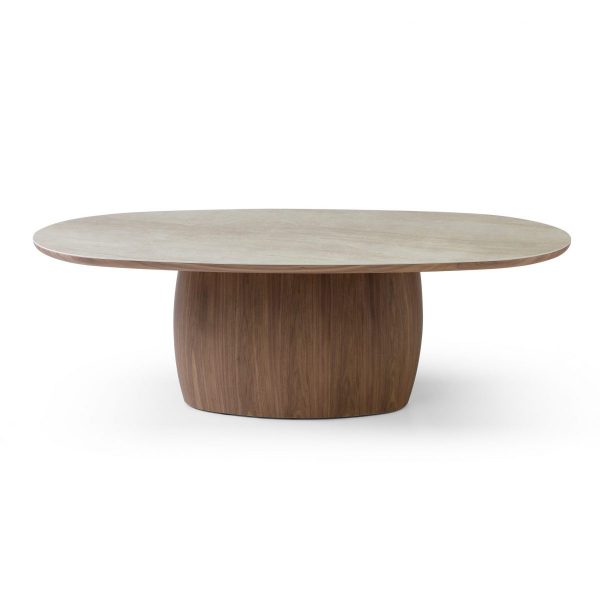
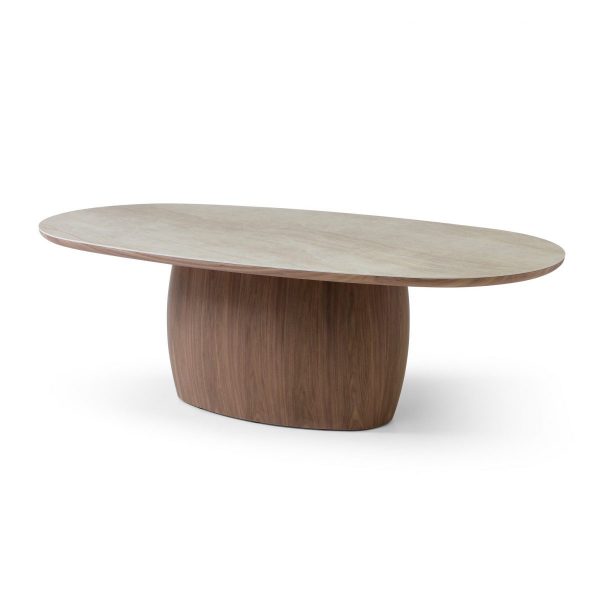
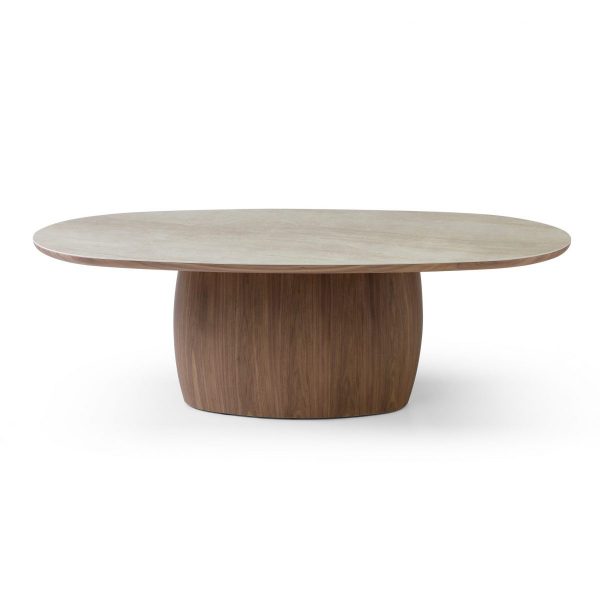

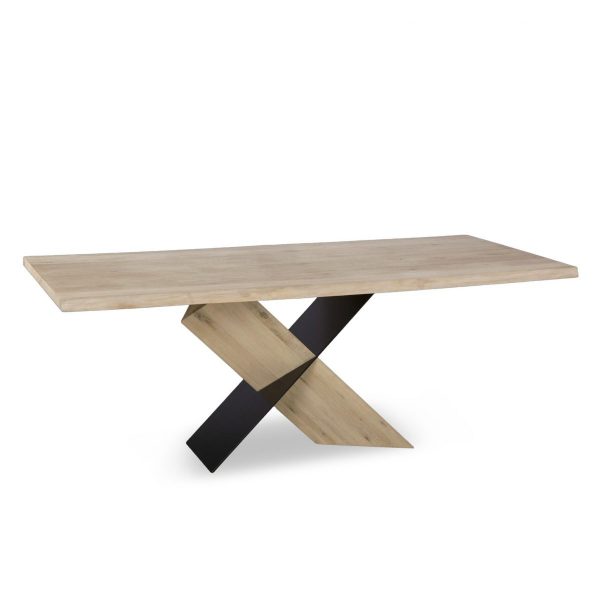
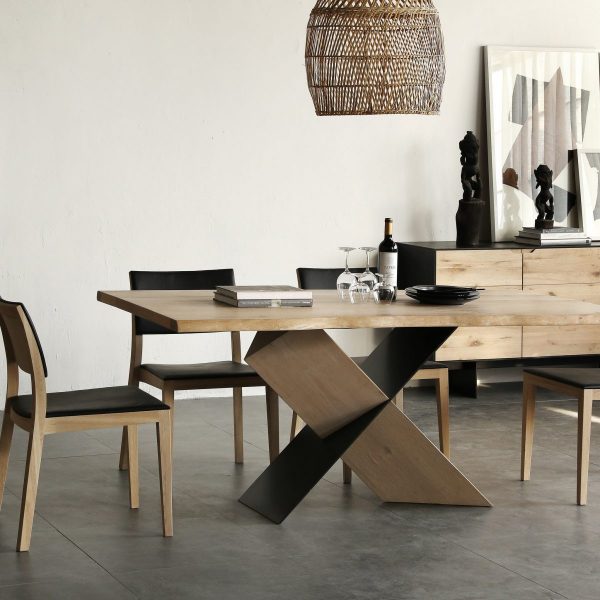

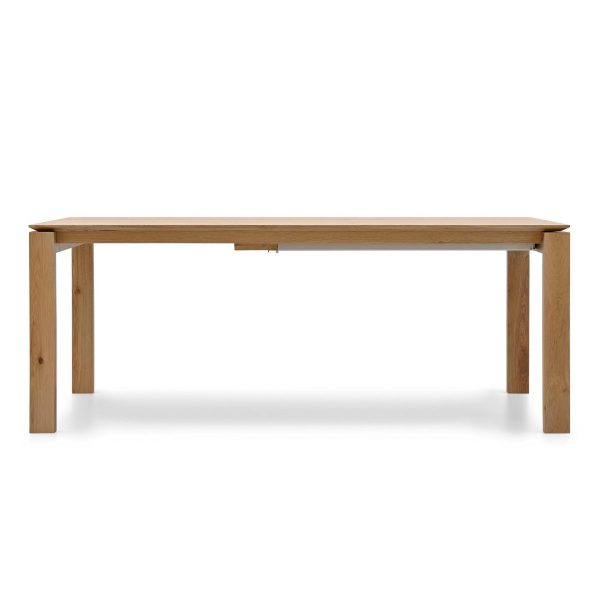

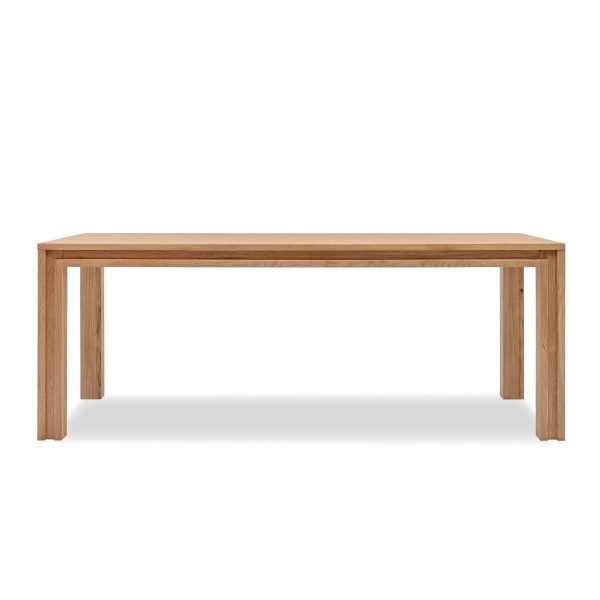
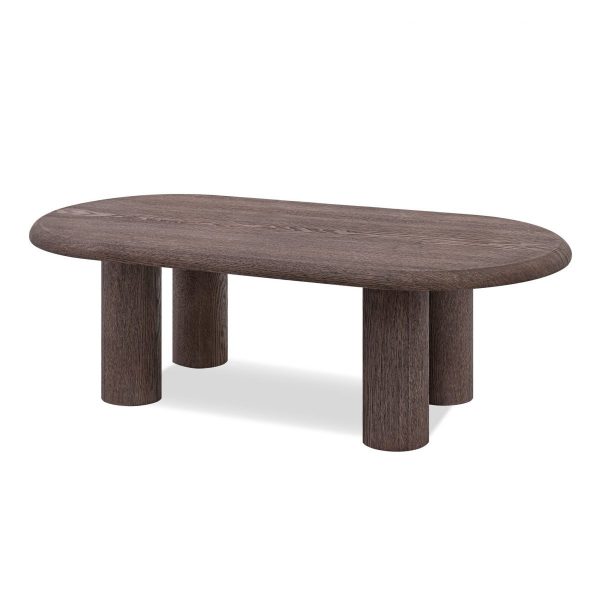

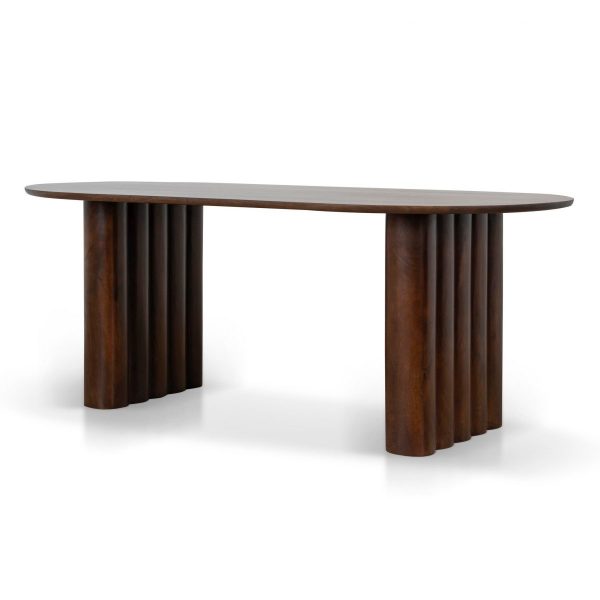
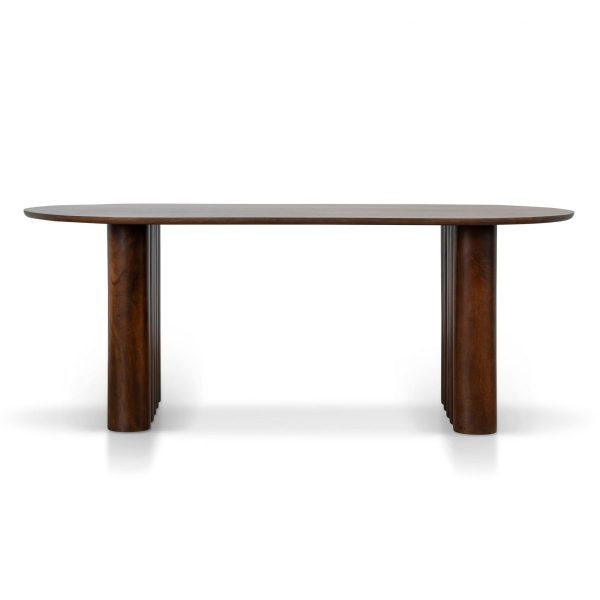
Use the piece you are keeping as the starting point
If the table stays, record its height, underside clearance and spaces between supports. Photograph the finish in the room’s normal light. Those details let you compare new seating without relying on a memory of the timber colour or a table name. If the chairs stay instead, begin with their seat and arm heights.
Choose a replacement because it improves the problem you actually notice: awkward seating, a crowded end position or nowhere to keep everyday crockery. Avoid buying a piece merely to complete a visual set. Measure the retained furniture again before ordering; the usable opening beneath a table can differ substantially from its overall dimensions.
Connect different finishes through one clear idea
Compare the amount of material you will see, not just a small colour sample. A broad timber tabletop has more visual influence than a slim chair frame. Decide whether the chairs should echo that warmth, introduce a quieter colour or give the room a deliberate contrast.
A recurring curve, metal detail or timber undertone can link pieces with different finishes. Keep the strongest feature in one main role rather than asking a patterned sideboard, sculptural chairs and a heavily veined top to compete equally. Check full furniture photographs together and, where available, compare actual samples in the light of your dining room.
Add storage where the dining routine needs it
Think about what crosses the room before and after a meal. If plates already live conveniently in the kitchen, dining storage may be more useful for linen or larger serving pieces. Measure those belongings and check the usable shelves or drawers rather than choosing a cabinet by its external size alone.
Consider the top as well as the interior. A sideboard can provide a serving position if its stated surface use suits that role, but it still needs room beside occupied seats. Choose the storage location first, then refine the finish to connect with the table. An attractive piece that blocks daily movement adds work instead of convenience.
Frequently Asked Questions
Starting with an empty room? Use the dining furniture guide to plan the table, seating and routes together.