The Ultimate Guide to Compact Furniture for Small Spaces (Australia)
As more Australians embrace apartment living and compact floor plans, the way we choose furniture becomes increasingly important. The demand for compact dining furniture in Australia has grown significantly over the last decade. Every piece now needs to balance function, proportion, and visual impact while working harder within a smaller footprint.
From dining areas to living rooms and bedrooms, compact spaces demand a more considered approach, where furniture isn’t just decorative, but architectural in how it shapes the room.
In this guide, we’ll break down how to choose furniture for small and compact living, including:
Because while every room matters, the dining space is often where compact living either works, or feels cramped.
Key Principles For Compact Furniture
Keep furniture visually light with slim frames or open structures
Prioritise flexible pieces such as extendable tables or multi-use chairs
Maintain clear circulation paths through the room
Use fewer, higher-quality pieces rather than overcrowding the space
Choose materials and colours that enhance openness
How Furniture Shapes A Compact Home
In larger homes, furniture fills space. In smaller homes, furniture defines it. A sofa determines movement, a bed controls openness, and a dining table can either anchor a space, or overwhelm it entirely.
That’s why choosing the right furniture isn’t just about size. It’s about proportion, visual weight, flexibility and how each piece interacts with the surrounding space. While these principles apply to every room, they become especially critical in dining areas, where multiple people, movement, and daily use all intersect in a limited footprint.
The Dining Room
Best Layouts For Small Dining Areas
1. Corner Dining Layout
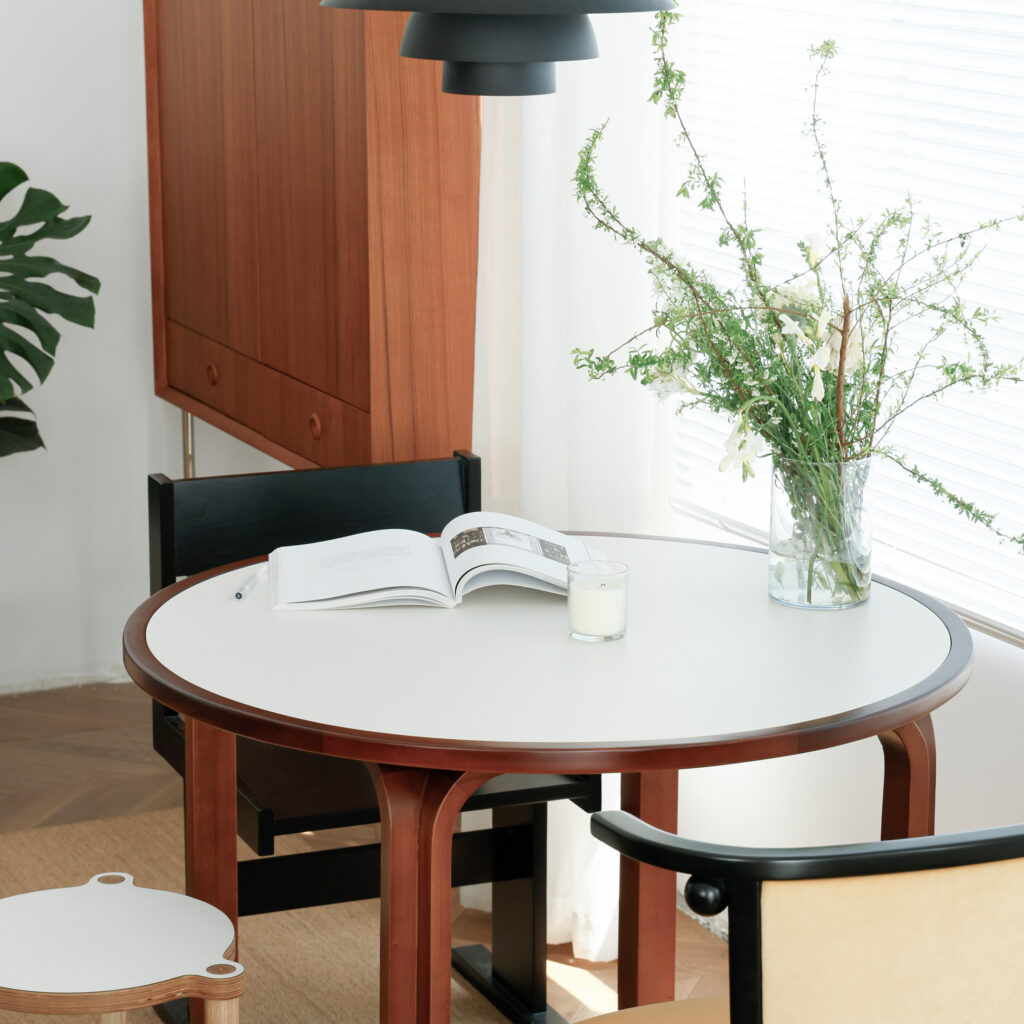
Positioning a dining table in the corner of a room is one of the simplest ways to maximise usable space. This approach naturally creates a defined dining zone while freeing up the centre of the room for movement.
A corner layout can:
2. Open-Plan Integration
In many modern homes, dining areas sit between the kitchen and living room rather than existing as a separate space. Instead of trying to visually divide these zones, it’s often more effective to allow them to flow together.
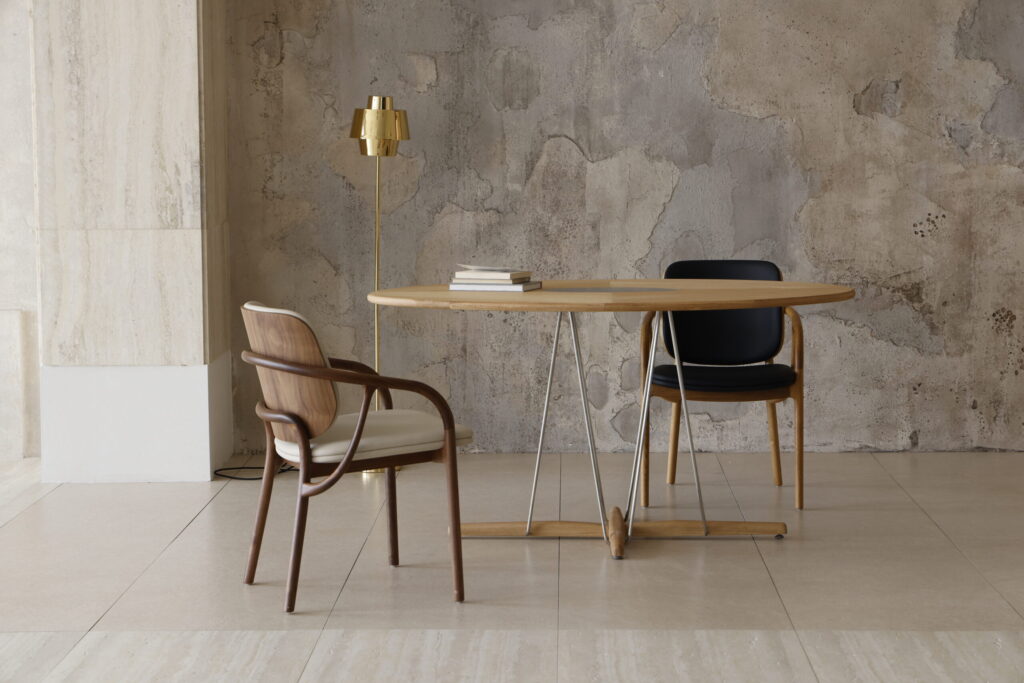
Furniture placement can subtly define the dining area without the need for walls or partitions. A well-positioned dining table, paired with complementary lighting or chairs, can establish the space while maintaining openness.
This approach aligns closely with architectural minimalism, where spatial flow, natural materials, and clean forms are used to create calm, functional interiors without unnecessary separation. As explored in our guide to Architectural Minimalism in Interior Design, thoughtful furniture placement can shape the architecture of a room while keeping the overall space open and cohesive.
3. Against-the-Wall Dining
Placing one side of the dining table against a wall is a highly effective solution for smaller homes. This layout reduces the amount of clearance needed around the table while still allowing comfortable seating.
It’s particularly suitable for households of two to three people and works well in narrow dining zones or apartment layouts where space is limited.
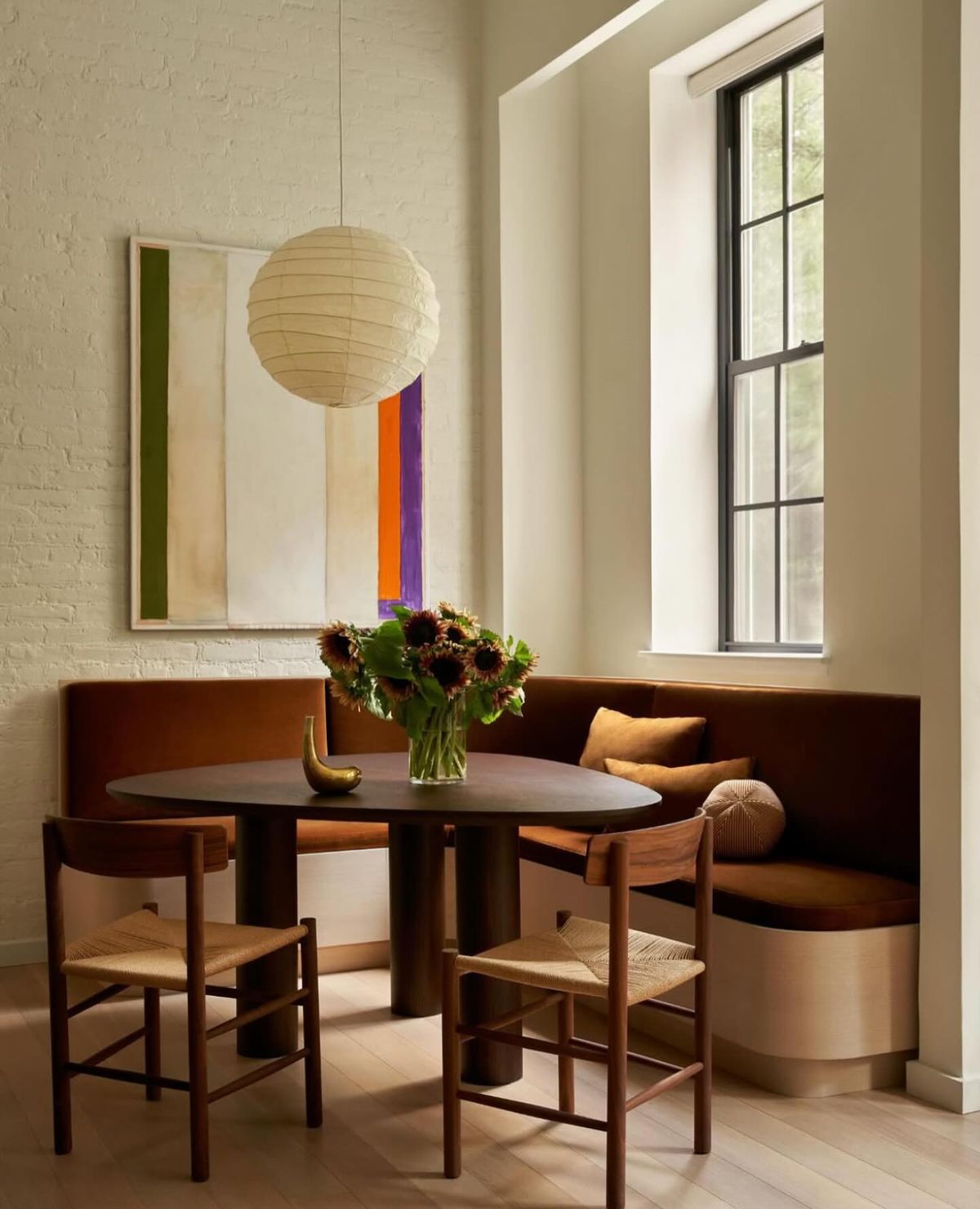
4. Banquette Seating (A Space-Saving Upgrade)
Banquette seating, whether built-in or using a bench, is one of the most efficient solutions for compact dining areas. Because the seating sits flush against the wall, it reduces the space normally required for chairs while allowing more people to sit comfortably.
For homeowners looking to incorporate custom seating or integrated dining solutions, working with an architect can help maximise both functionality and aesthetics. If you’re considering a built-in banquette or other space-efficient architectural solutions, you can contact our architecture team to discuss design options tailored to your home.
How To Make A Small Dining Space Feel Bigger
Beyond furniture, styling choices often have just as much impact on how spacious a dining area feels. In compact homes, the goal is not to fill the space, but to design it thoughtfully so that every piece contributes to a sense of openness and balance.
One of the most effective approaches is to use fewer, better pieces. Rather than overcrowding a small dining area with multiple items, investing in a small number of high-quality, well-designed pieces can create a more refined and intentional environment. This allows each element in the room to stand out while maintaining visual clarity.
Keeping visual lines clean is equally important. Furniture with simple forms and minimal ornamentation helps create a calmer atmosphere, reducing visual noise that can make smaller rooms feel busy or confined. Clean lines allow the eye to move more easily through the space, which subtly makes the room feel larger.
Natural light also plays a crucial role. Positioning furniture to maximise available light and avoiding blocking windows can significantly improve how open the space feels. Even small adjustments in placement can allow light to travel further across the room, creating a brighter and more welcoming dining area.
Finally, a cohesive colour palette helps unify the space. Sticking to tones such as neutrals, warm timbers, and soft contrasts creates a balanced and harmonious interior that feels calm rather than cluttered. When materials and colours work together, the entire dining area feels more spacious and considered.
Building A Functional And Beautiful Compact Dining Space
A well-designed small dining space isn’t about limitation, it’s about intention. When each piece of furniture is chosen thoughtfully, even compact areas can feel effortless, functional, and visually balanced. Done well, compact living often feels more refined and considered than larger spaces. With the right furniture and layout, a smaller dining area can become one of the most inviting and well-used parts of the home. Basically we’re saying ‘Choose Well!’
Dining Tables – Choosing The Right One
Round Dining Tables: The Small-Space Hero
Round tables are one of the most effective solutions for compact living.
Why they work:
They’re especially ideal for apartments, corner dining areas and open-plan living spaces, where space efficiency is essential. If you’re designing a smaller home overall, our guide to ‘Best Furniture For Compact Australian Apartments‘ explores how to approach every zone with intention.
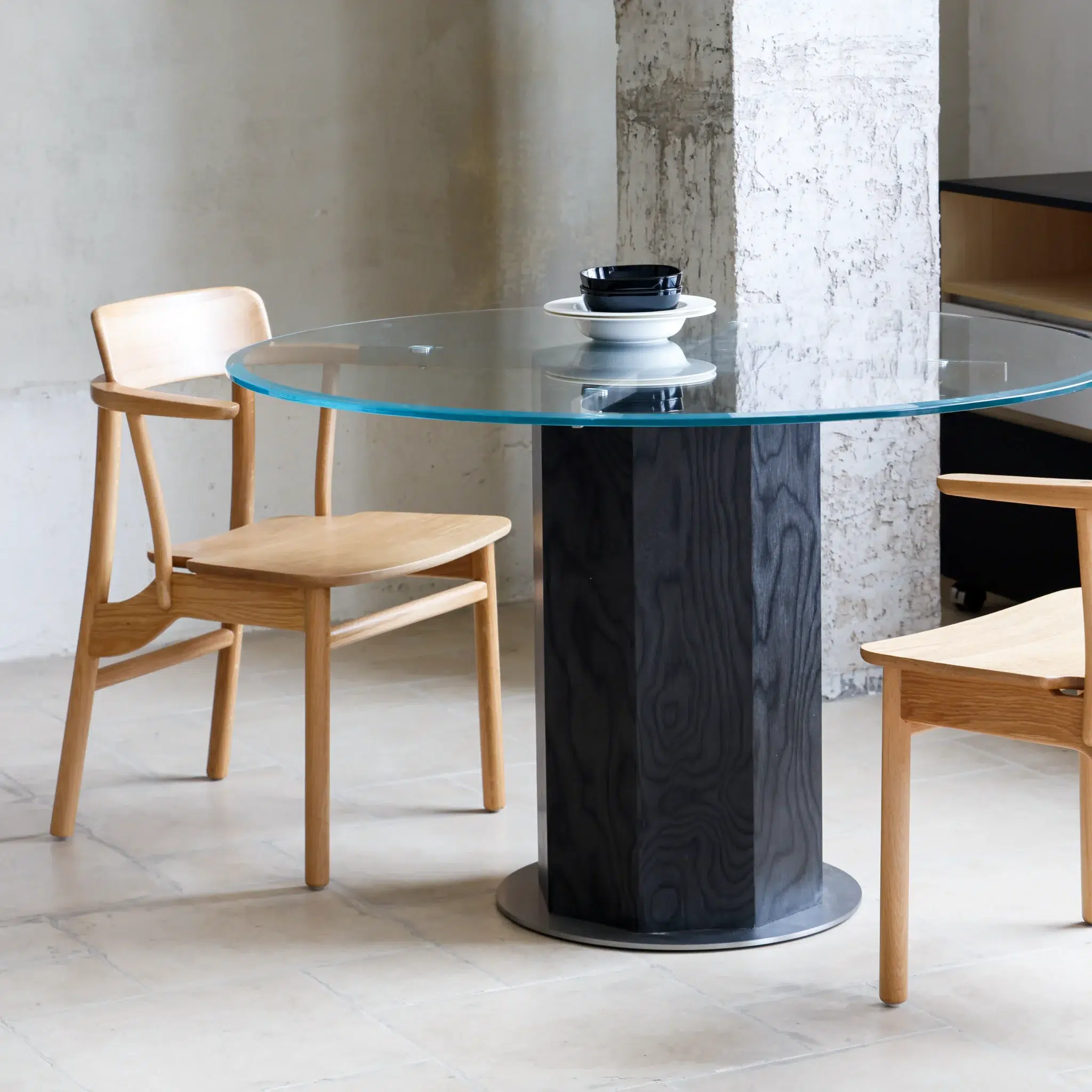
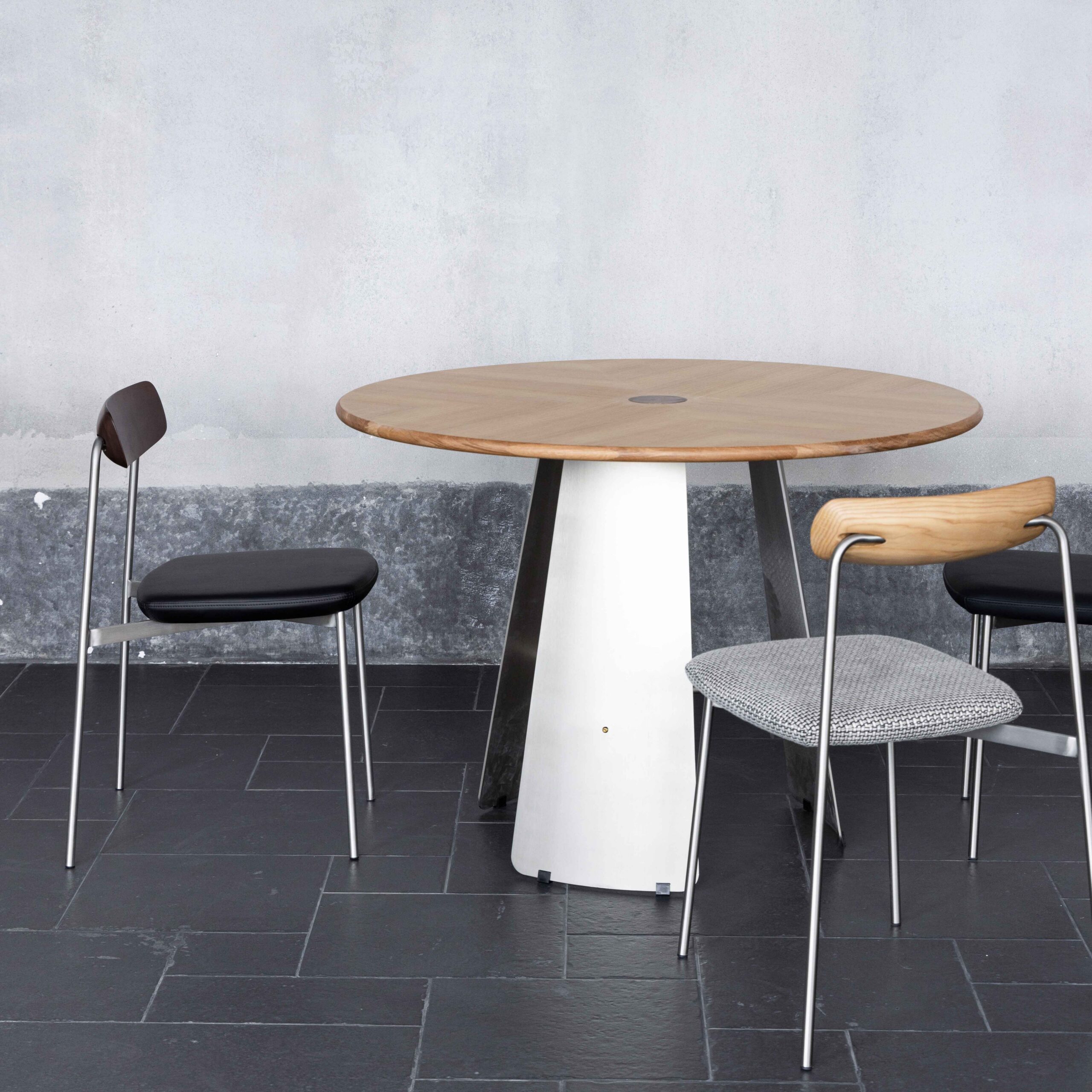
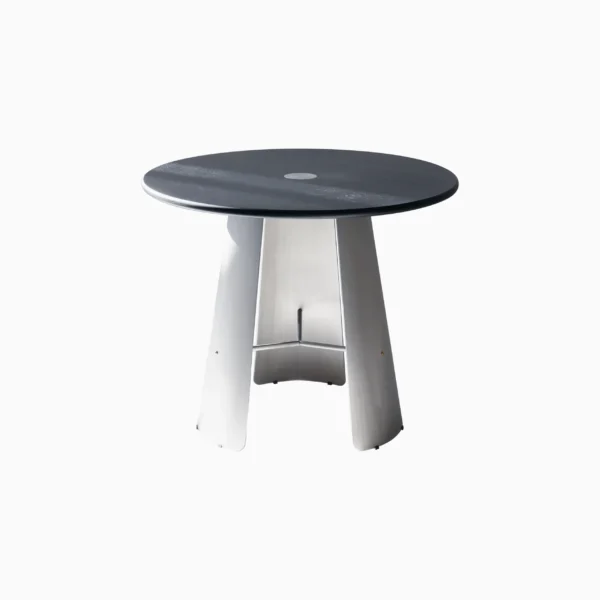
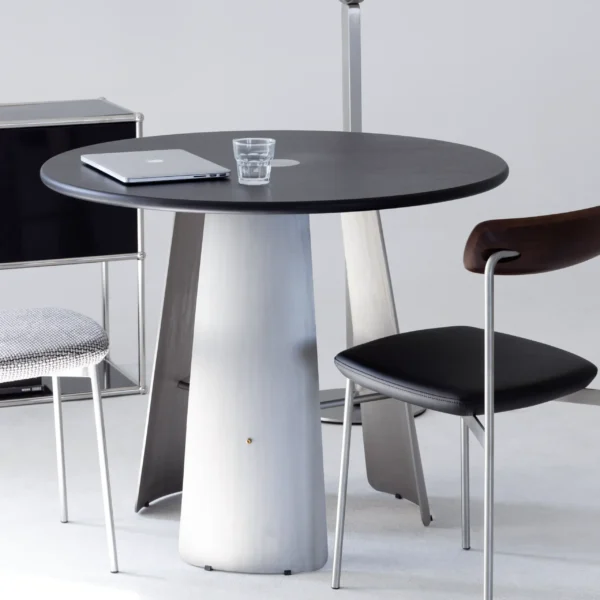
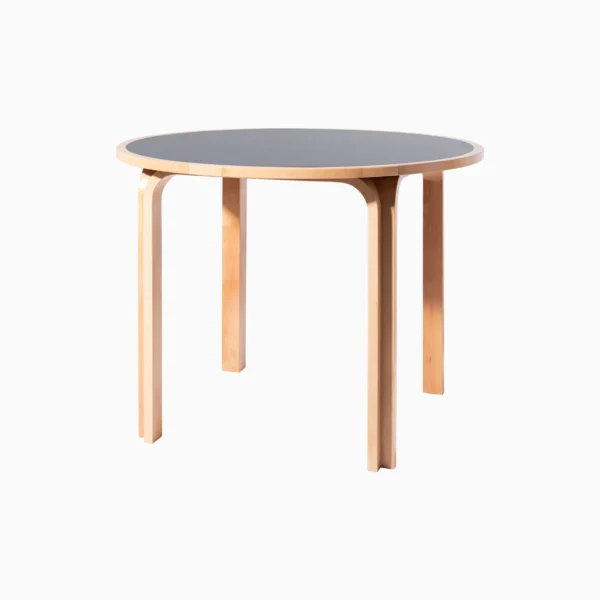
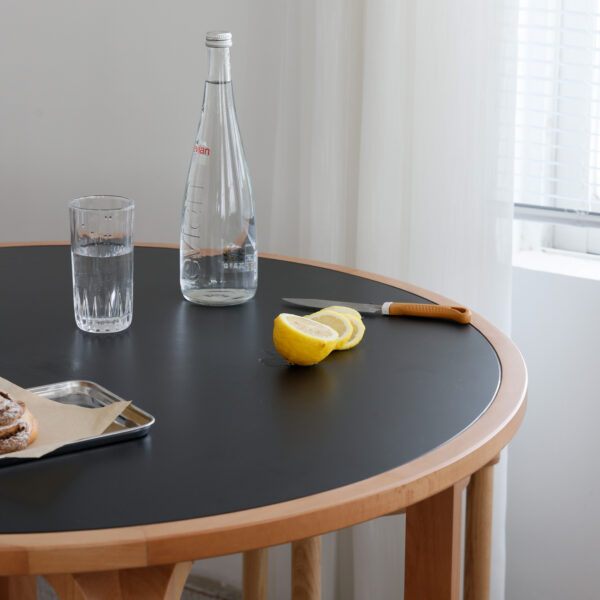
For those looking to apply this in a real space, designs like the Ptolemy Round Dining Table and Monet Round Dining Table embody exactly why round tables work so well in compact interiors.
The Ptolemy Round Dining Table leans into a more sculptural, architectural expression. Its clean circular top paired with a refined base creates a strong visual anchor without overwhelming the room, ideal for smaller dining areas that still want a sense of design presence. The balanced proportions allow it to sit comfortably in apartments or corner layouts while maintaining that essential openness and flow.
In contrast, the Monet Round Dining Table introduces warmth through natural materials. The timber surface softens the overall look, making it especially suited to modern organic or relaxed contemporary interiors. It’s a great option if you want your dining space to feel inviting and lived-in, while still benefiting from the spatial efficiency of a round form.
Both designs reinforce a key principle of small-space living: your furniture should feel intentional, not compromising. A well-chosen round table doesn’t just fit the space, it enhances how the space functions and feels.
Extendable Dining Tables: Flexibility Without Bulk
If you occasionally host guests, an extendable table is one of the smartest investments.
Benefits:
Look for designs that maintain a minimal silhouette even when extended, this avoids visual heaviness.
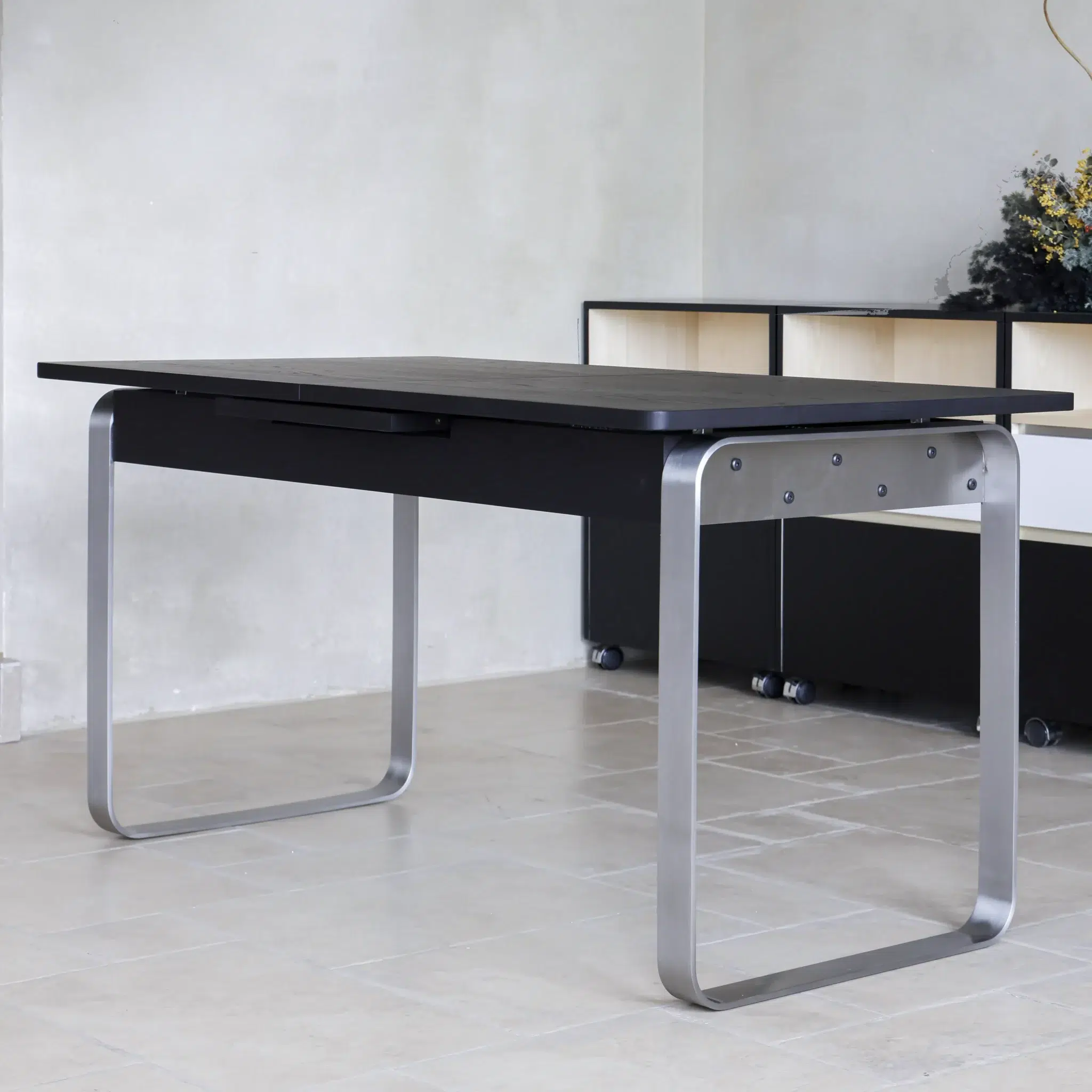
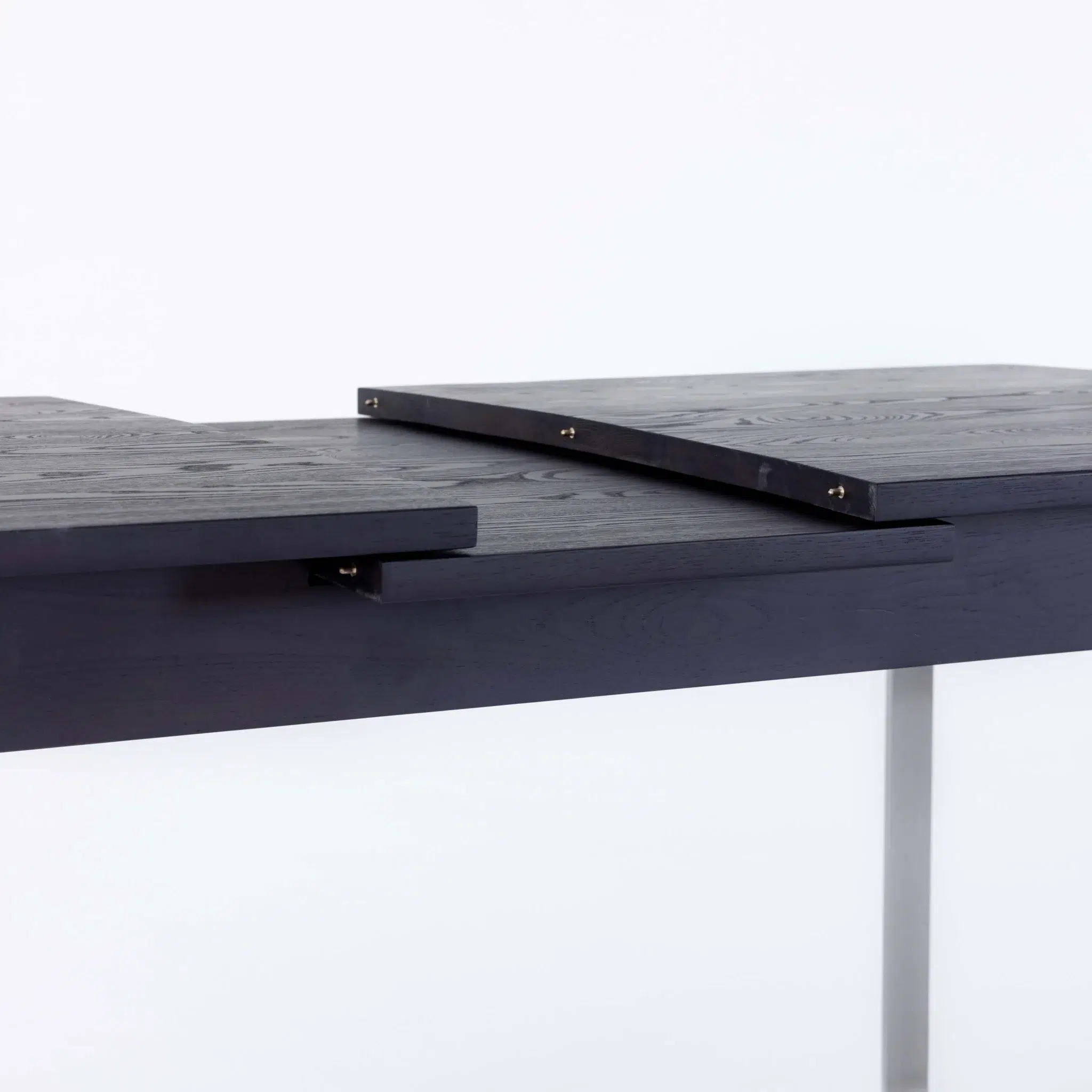
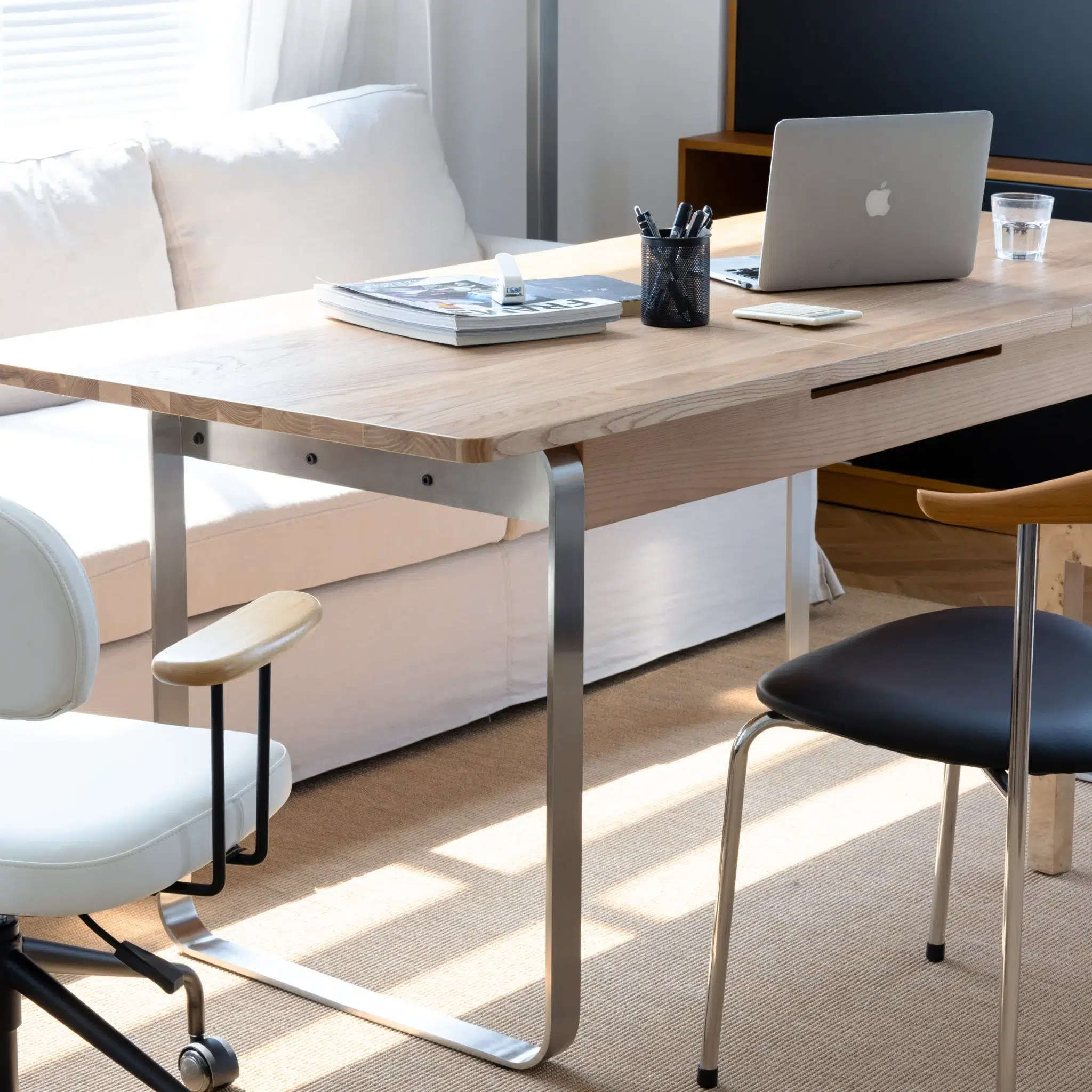
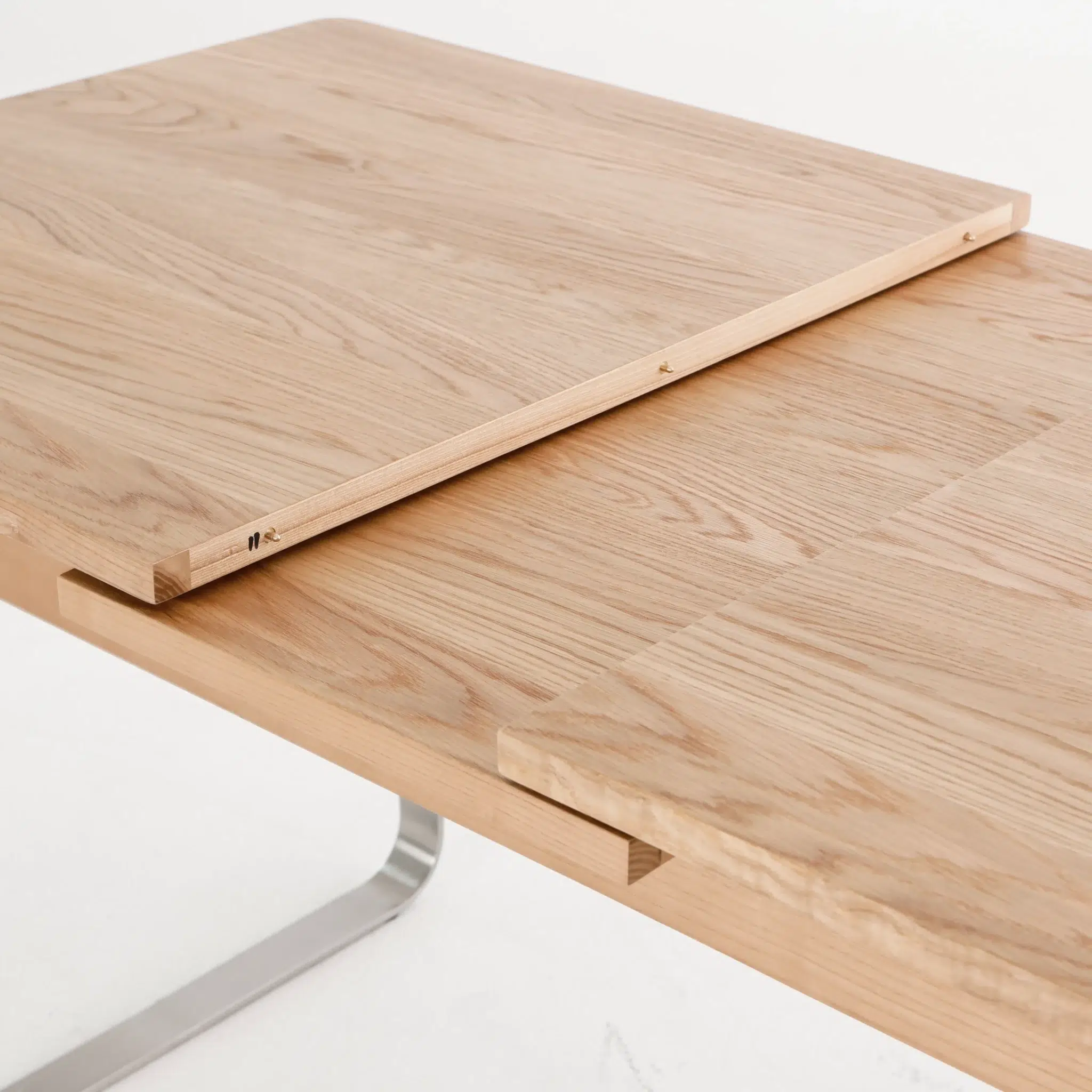
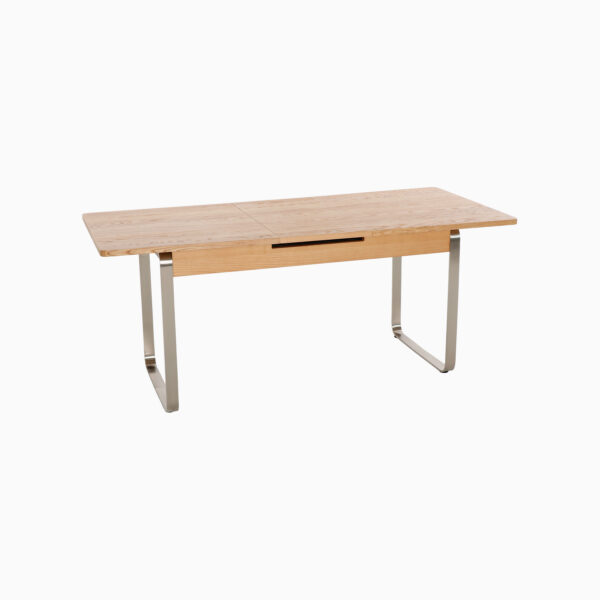
A perfect example of this in practice is our Bauhaus Extendable Dining Table, a refined, space-conscious design that expands from 1.4m to 1.8m when needed, giving you flexibility without compromising your layout. Its clean lines and minimal silhouette make it ideal for compact interiors, maintaining a light visual presence even when extended.
For those designing a cohesive setup, it pairs seamlessly with curated dining arrangements, as explored in our guide to Dining Sets For Small Spaces, where proportion, flow, and adaptability are key to making smaller dining areas feel intentional rather than restricted.
Rectangular Dining Tables
If your dining area is long and narrow, a slim rectangular table can work beautifully.
Why it works in narrow spaces:
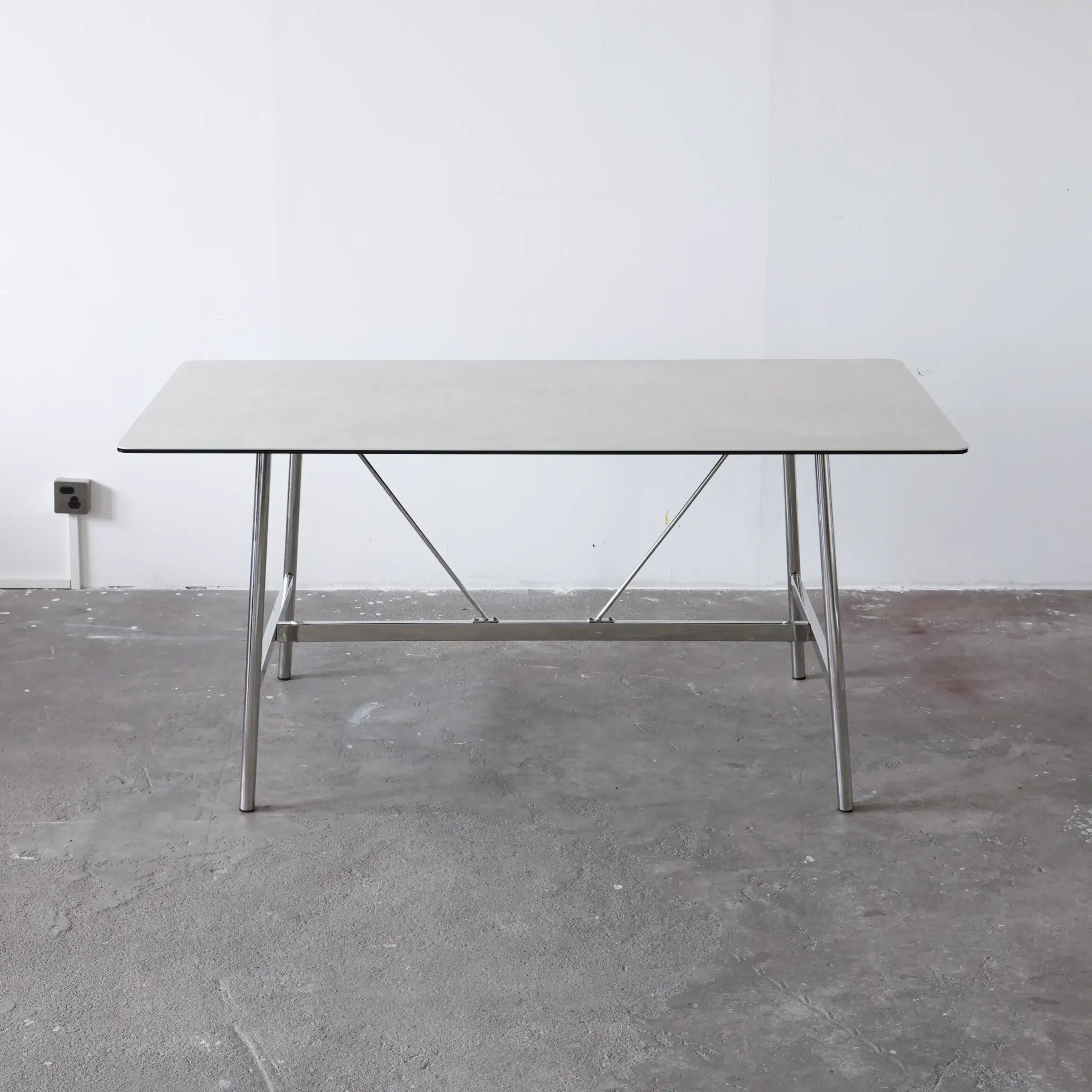
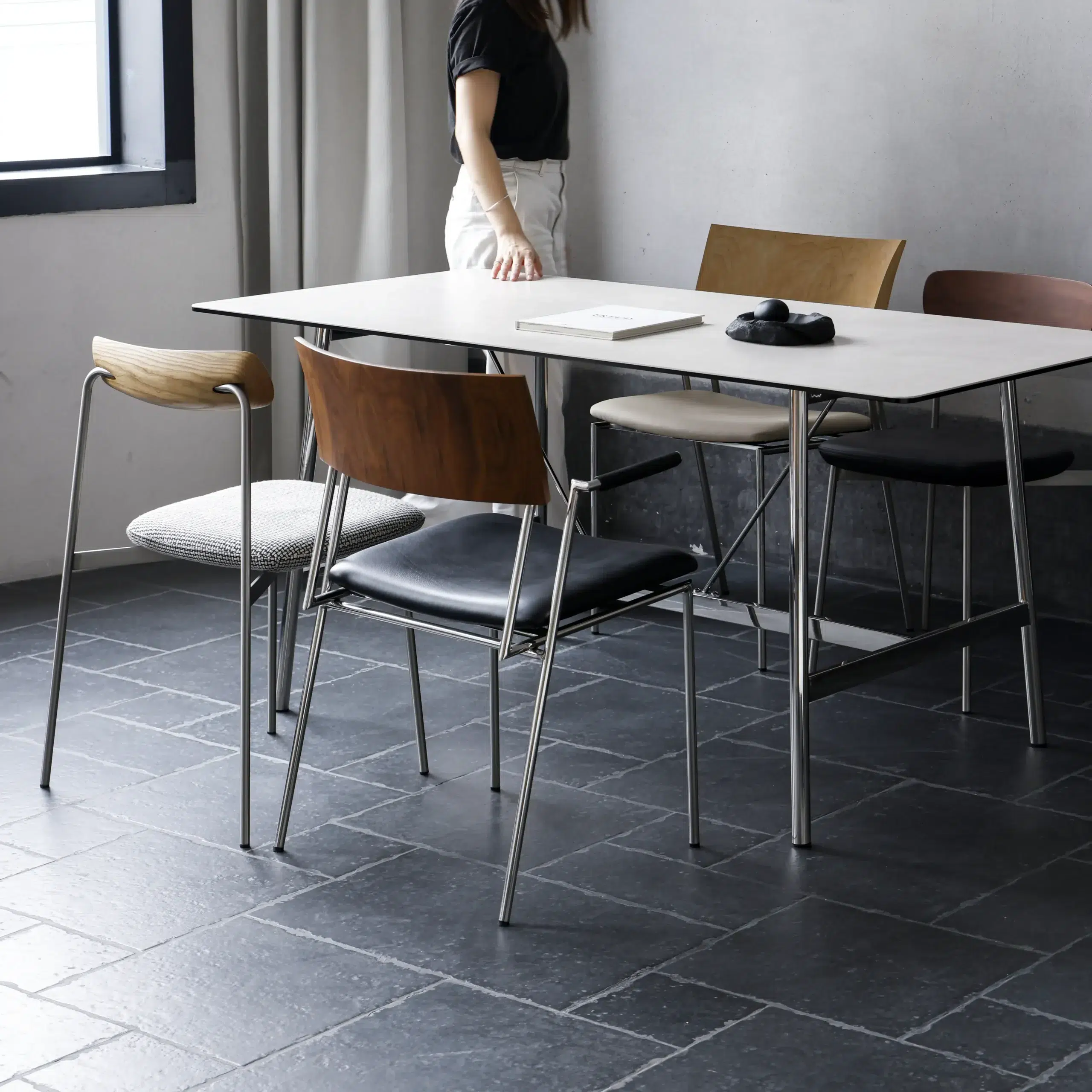
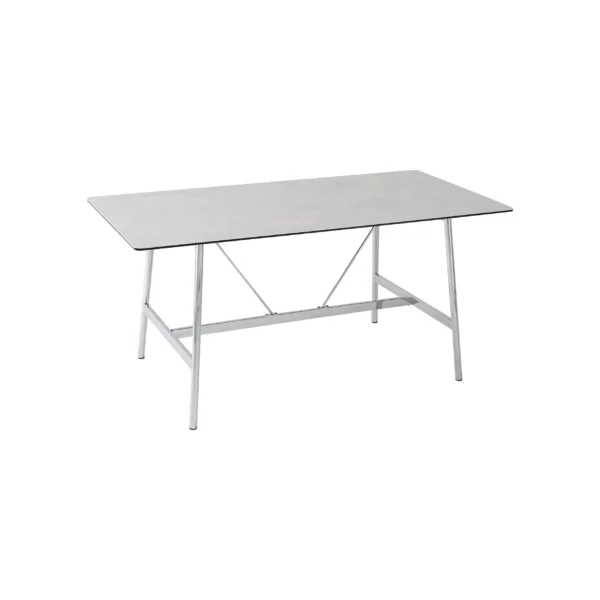
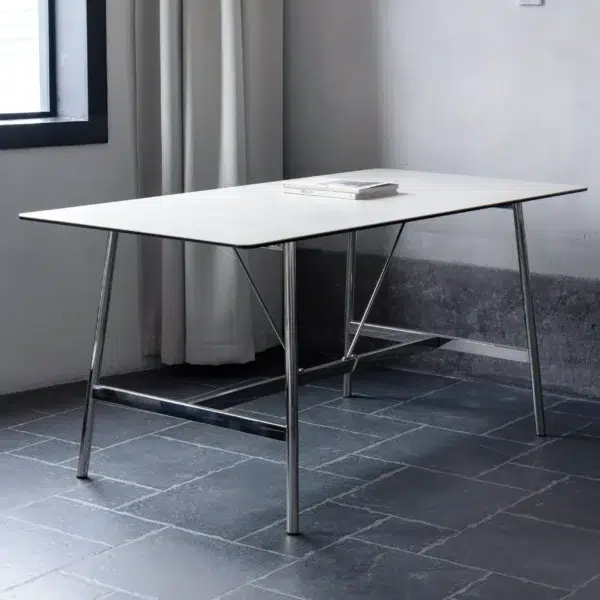
A strong example of this approach is The Shuge Dining Table, which demonstrates how a rectangular form can still feel refined and space-conscious in narrower layouts. Designed with an elongated silhouette and a slim profile, it works seamlessly in long dining zones where maintaining clear walkways is essential.
What sets the Shuge apart is its balance between durability and visual lightness. The full-surface ceramic top offers a highly durable, easy-care finish, ideal for everyday use, whilst still appearing sleek and minimal. Its proportions allow it to anchor the space without overwhelming it, making it a great option for apartment dining areas, galley-style layouts, or open-plan spaces where the dining zone runs alongside a kitchen or living area.
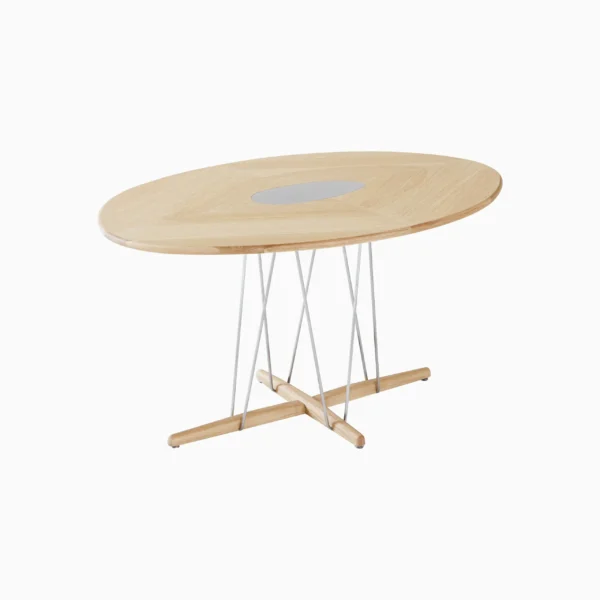
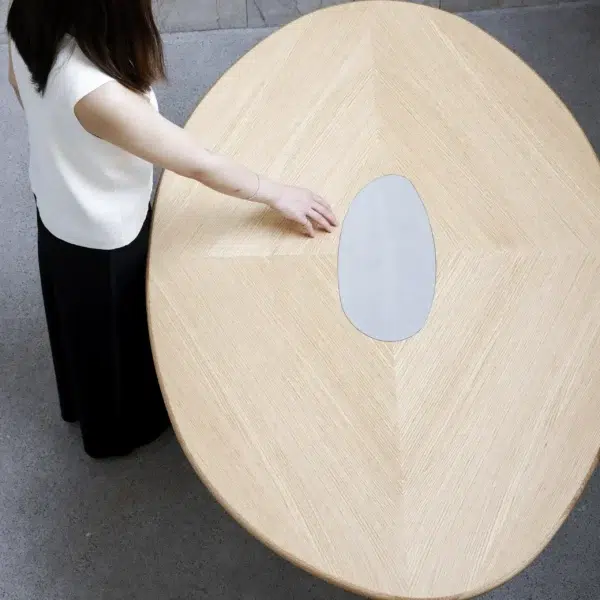
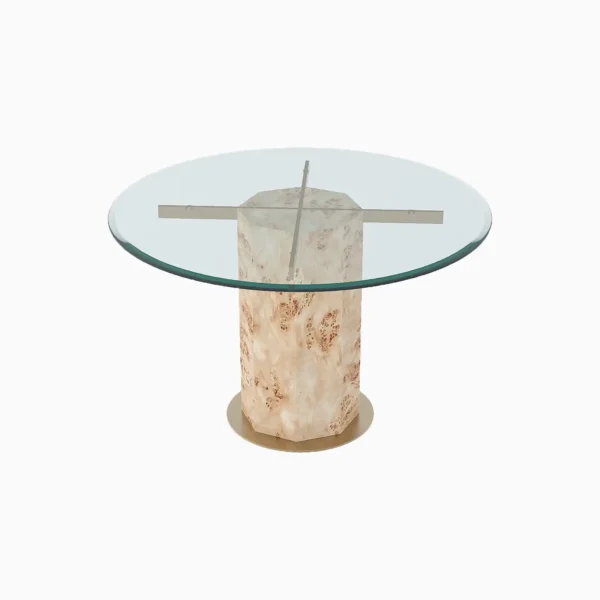
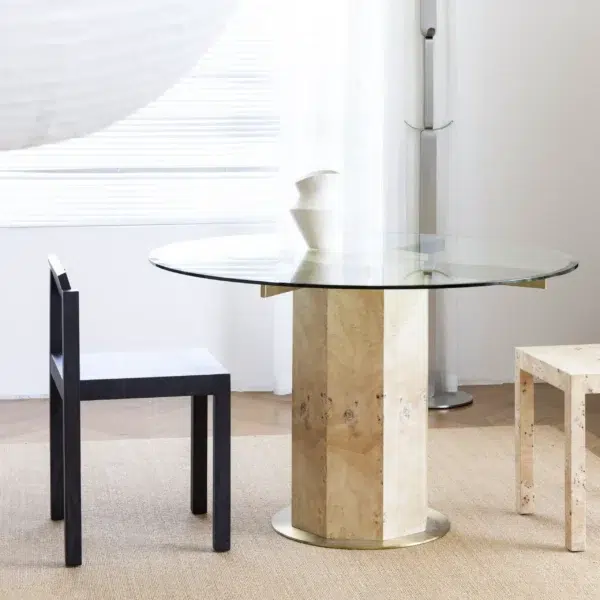
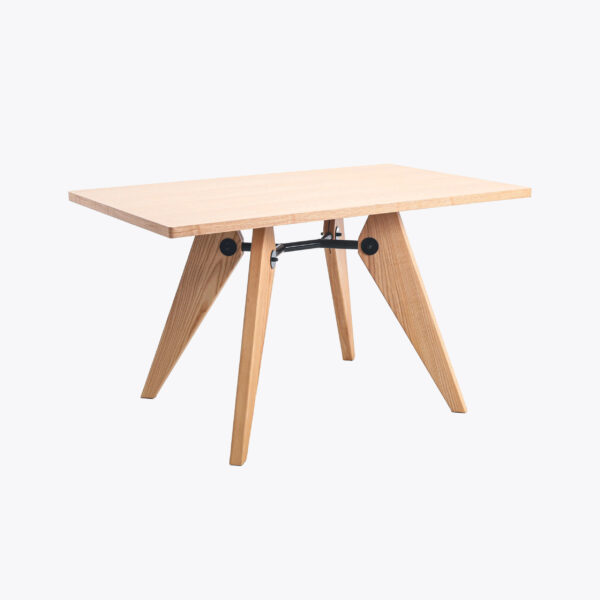
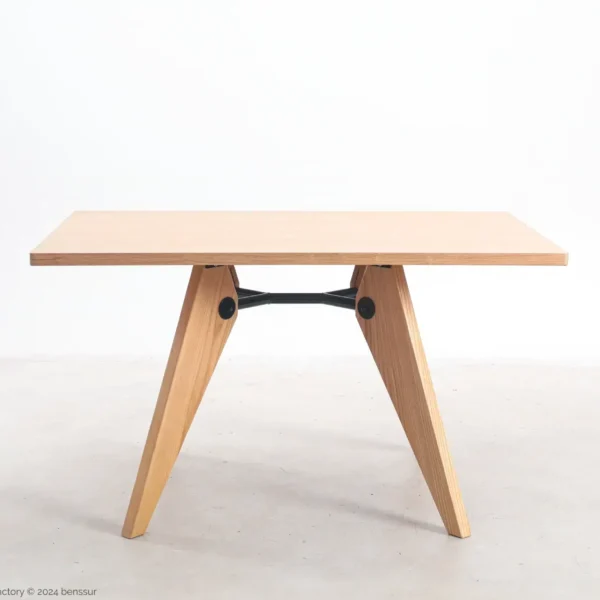
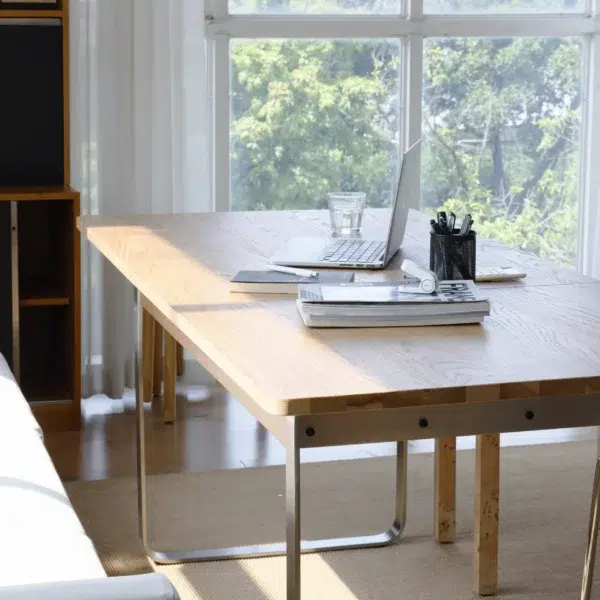
Explore our full range of dining tables to find the right fit for your layout and lifestyle:
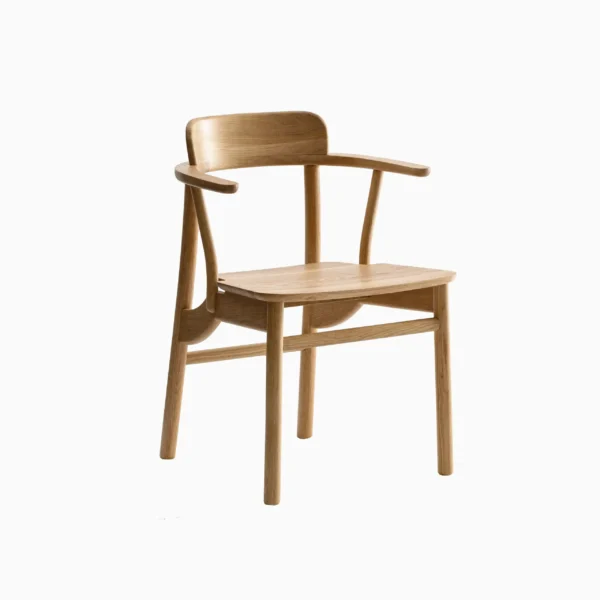
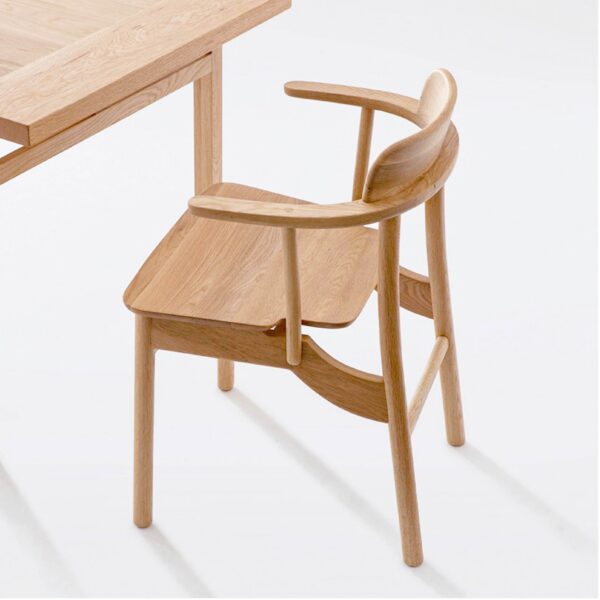
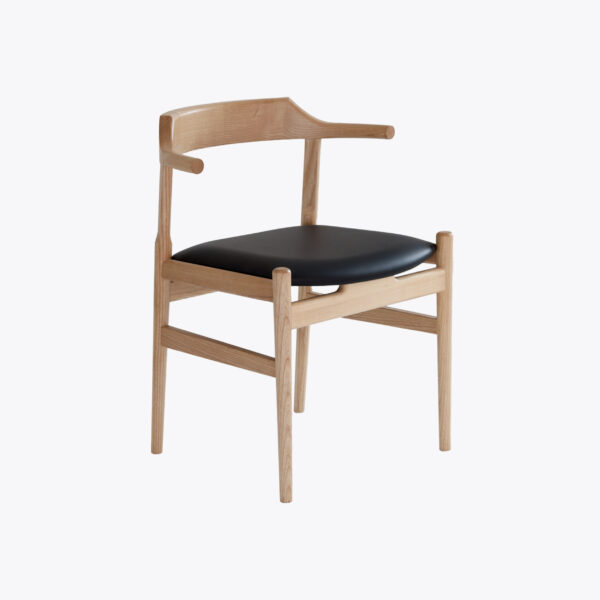
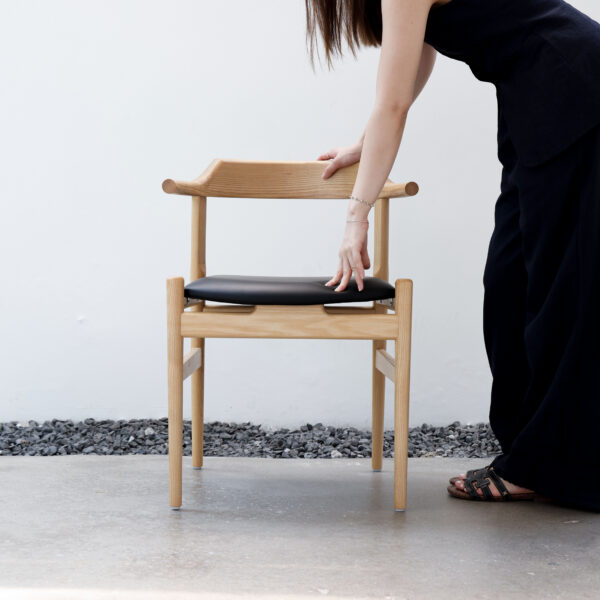
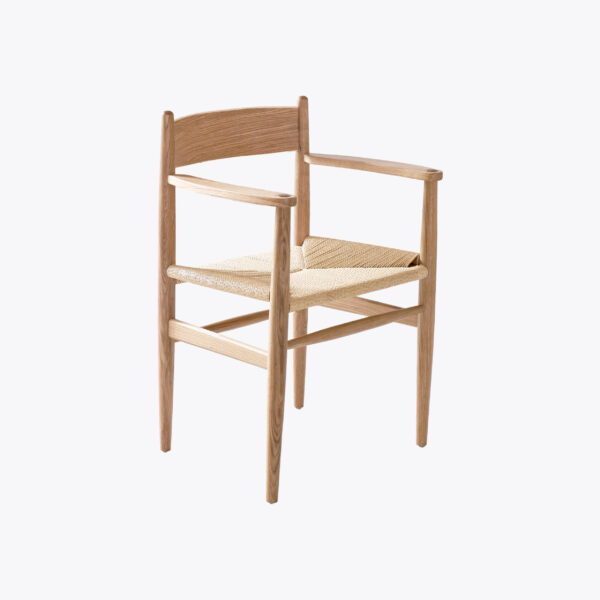
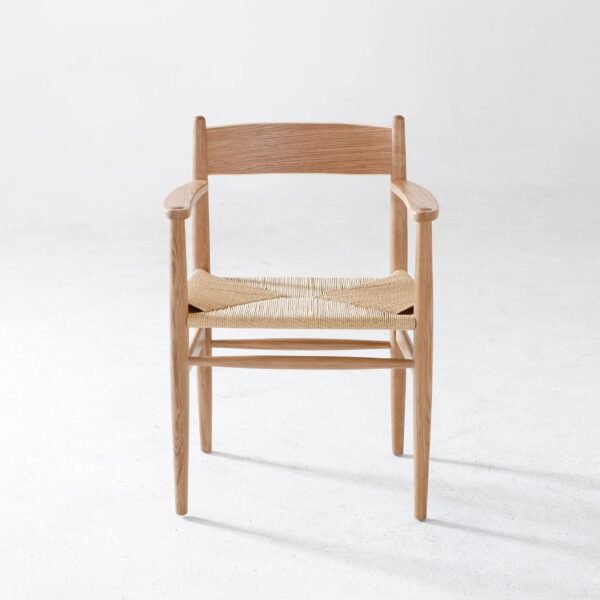
Dining Chairs – What to Look For
Chairs often take up more visual space than tables, so choosing the right ones is critical.
Lightweight, minimal profiles
Avoid bulky, heavy chairs. Instead, look for slim legs, open frames or clean silhouettes. These help maintain a sense of openness.
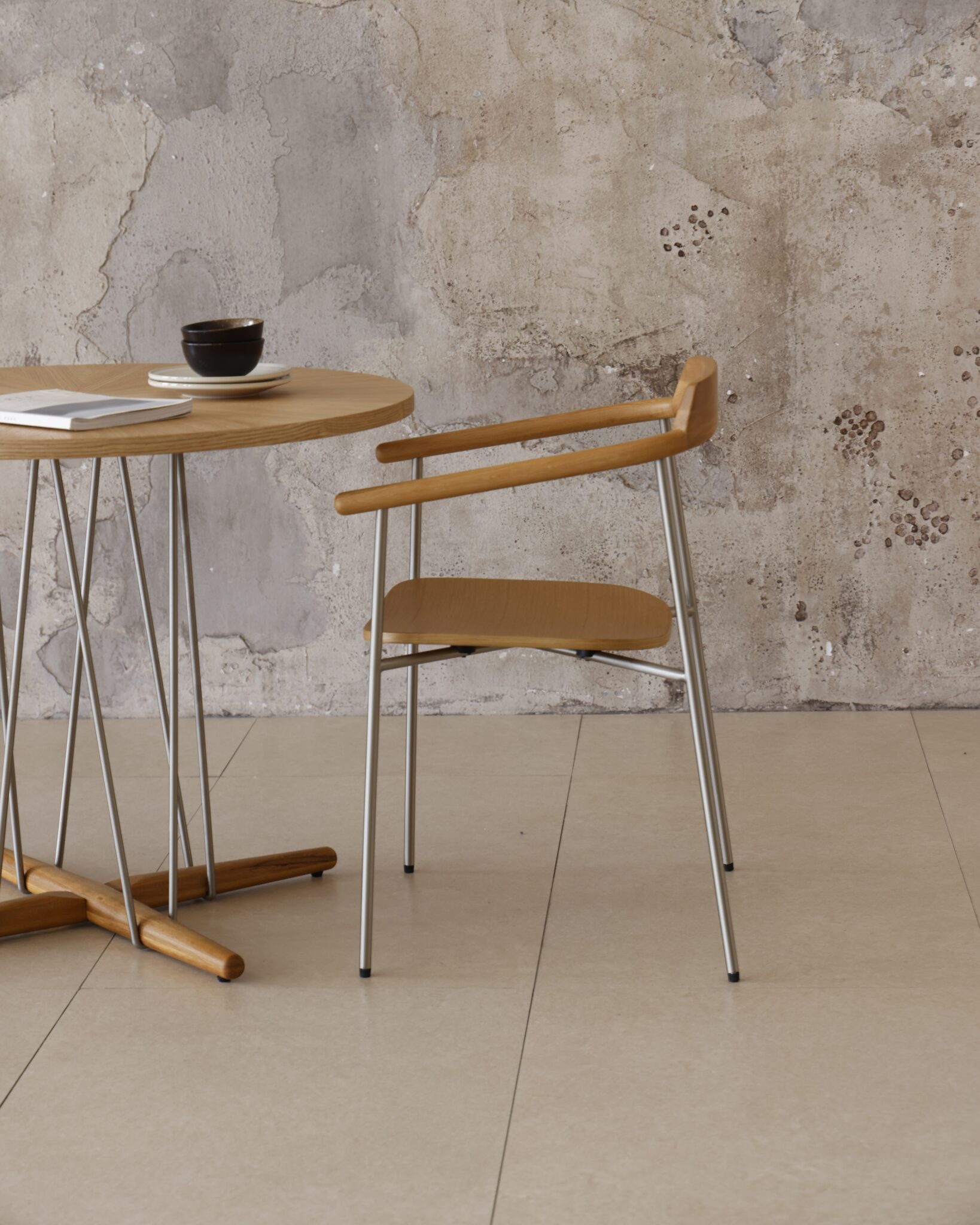
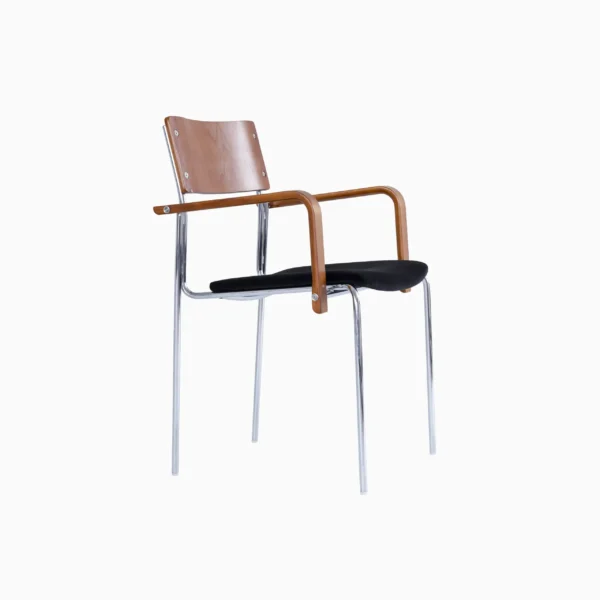
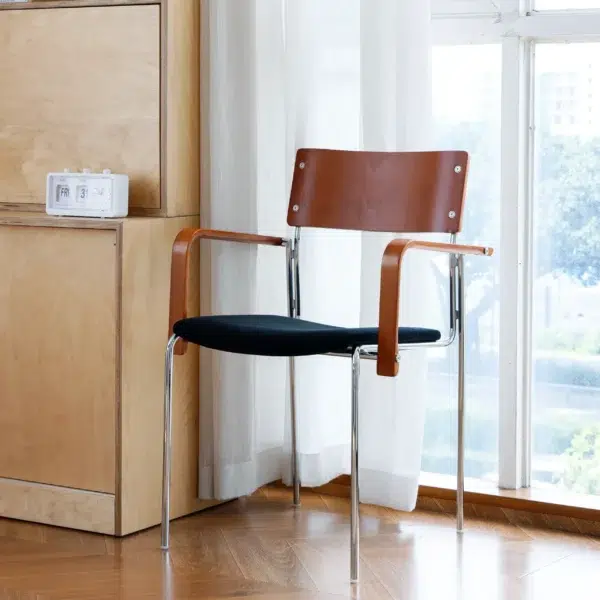
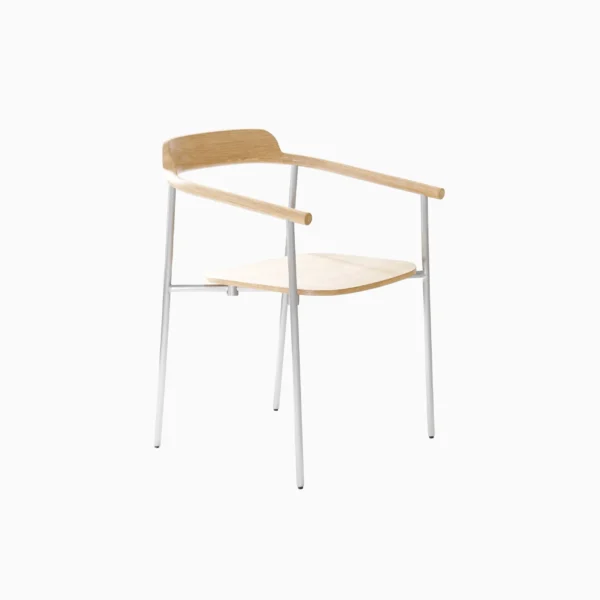
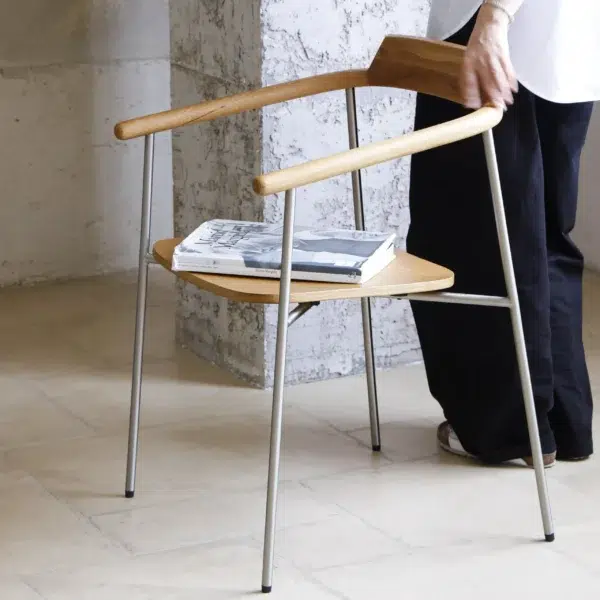
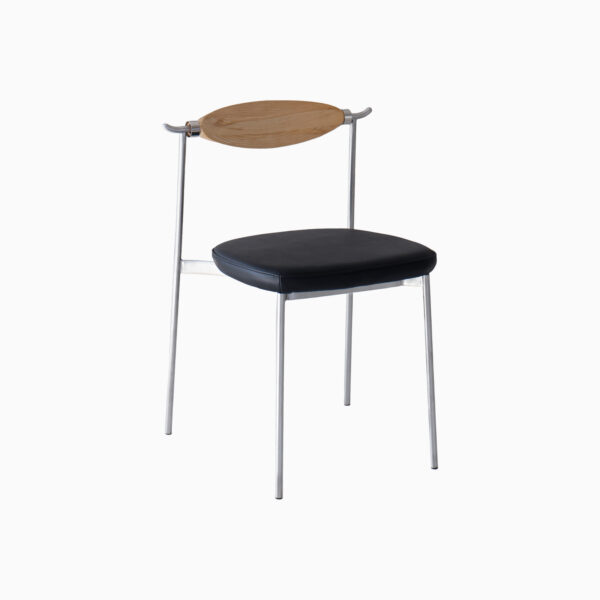
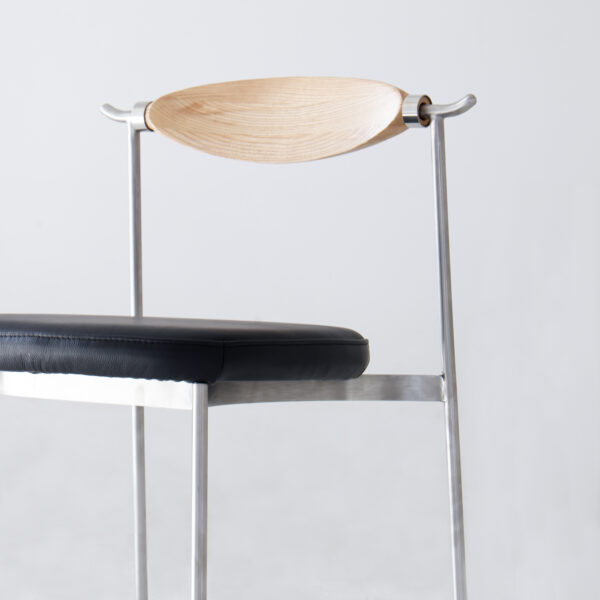
This is where metal-framed dining chairs become particularly effective. As explored in our guide to Why Metal Dining Chairs Are Ideal for Contemporary Interiors, metal allows for thinner, more refined structures without compromising durability. These designs are often easier to move, visually lighter, and better suited to compact, high-function spaces like apartments and open-plan homes.
Armless Chairs
Armless dining chairs are one of the simplest ways to make a compact dining area feel more adaptable and space-efficient.
Why they work so well in small spaces:
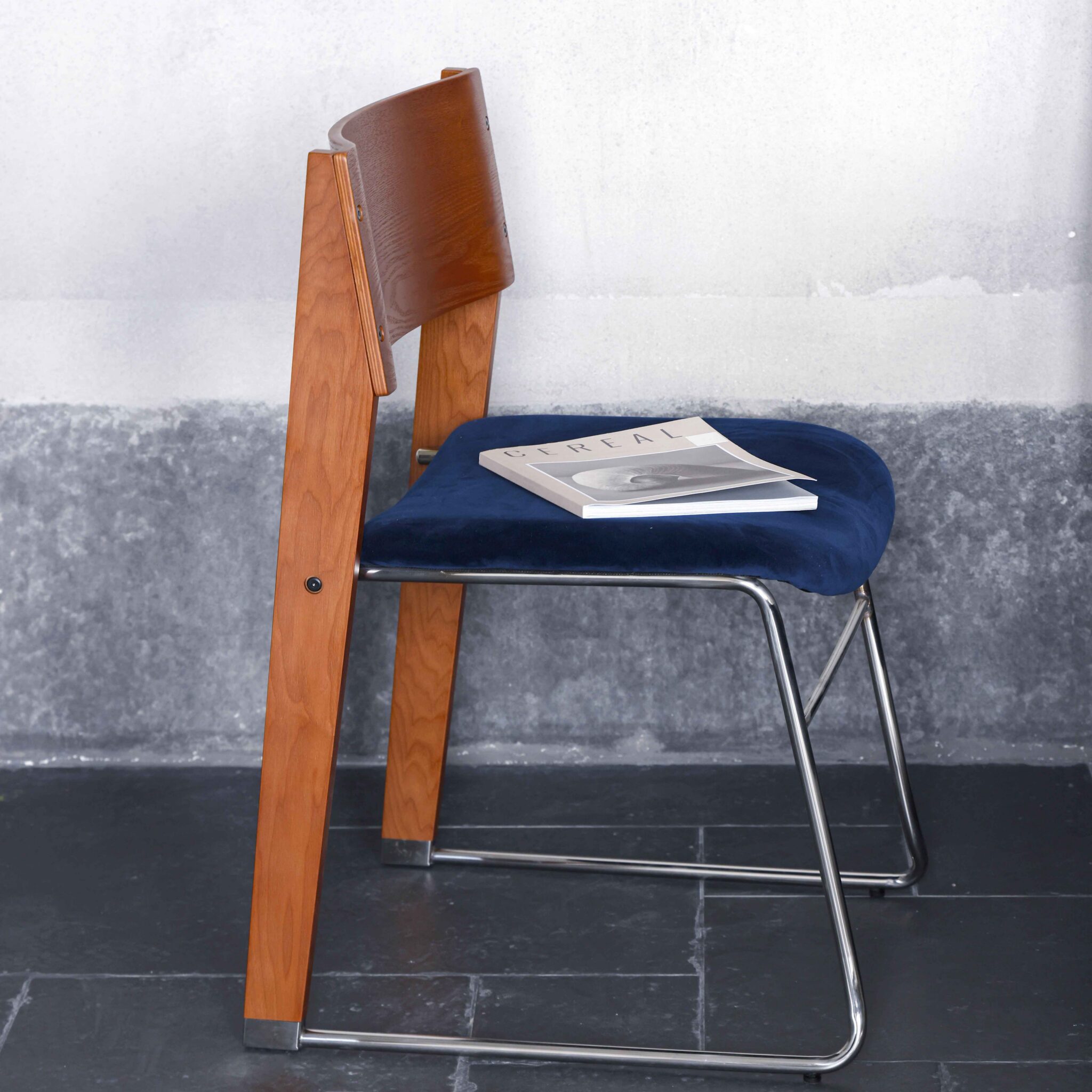
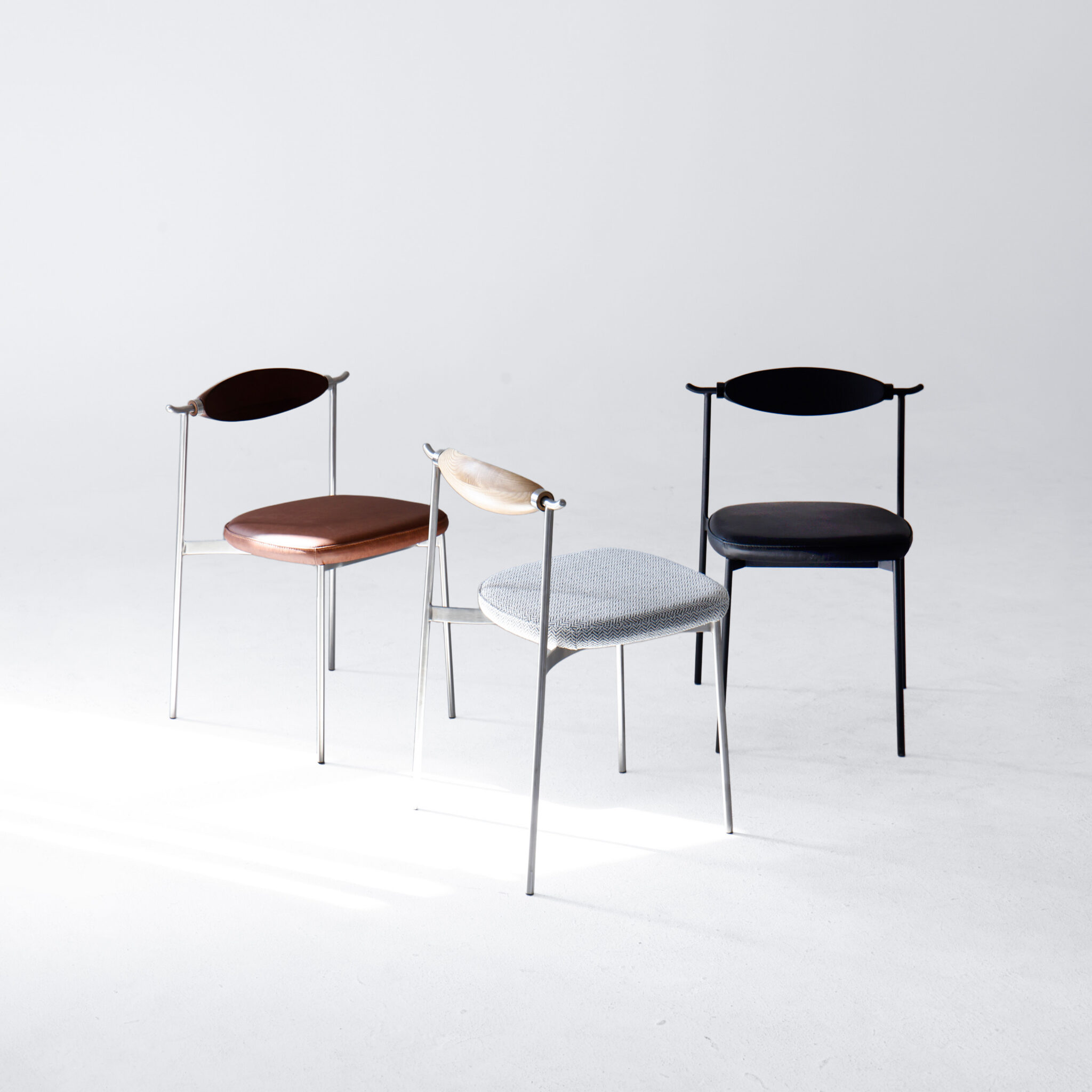
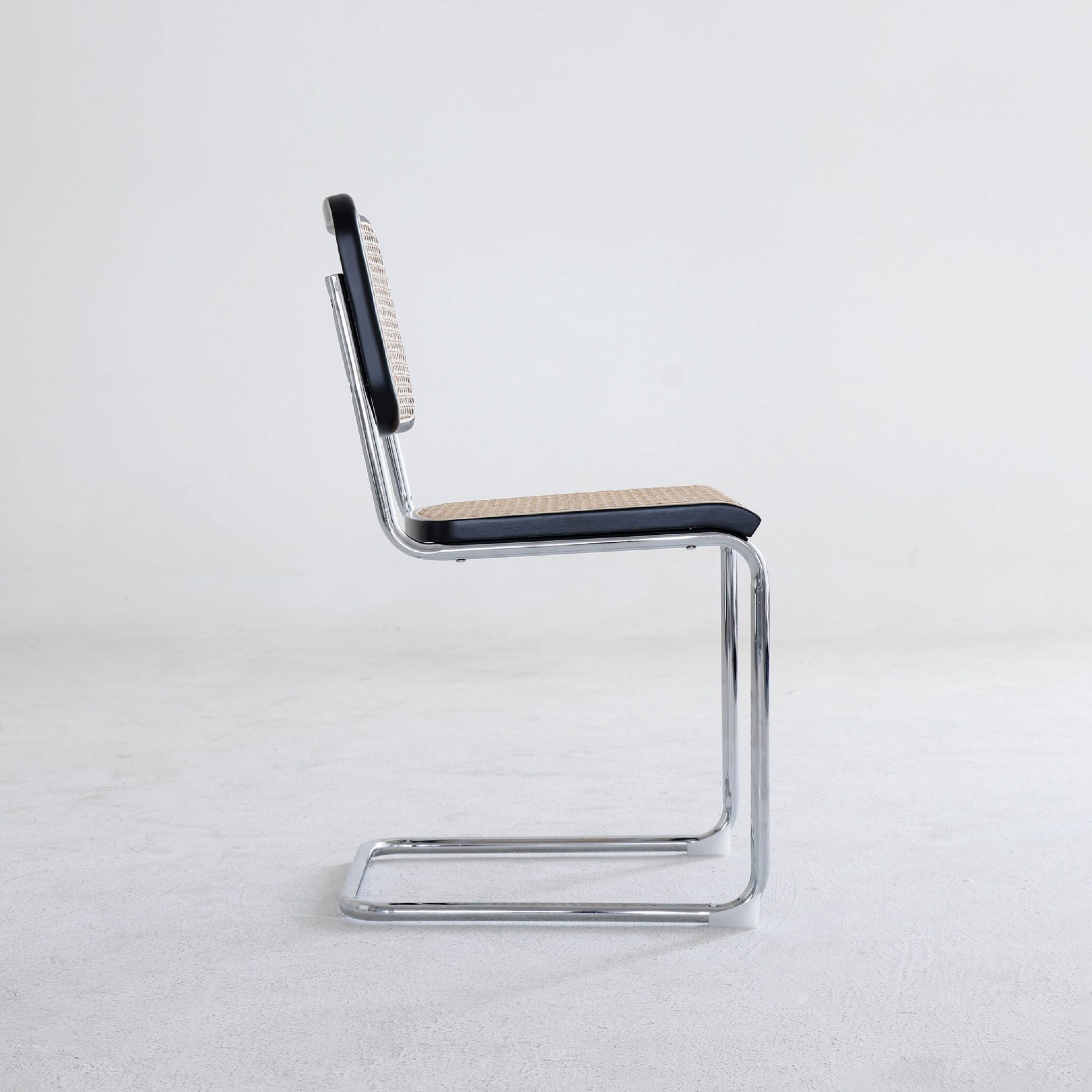
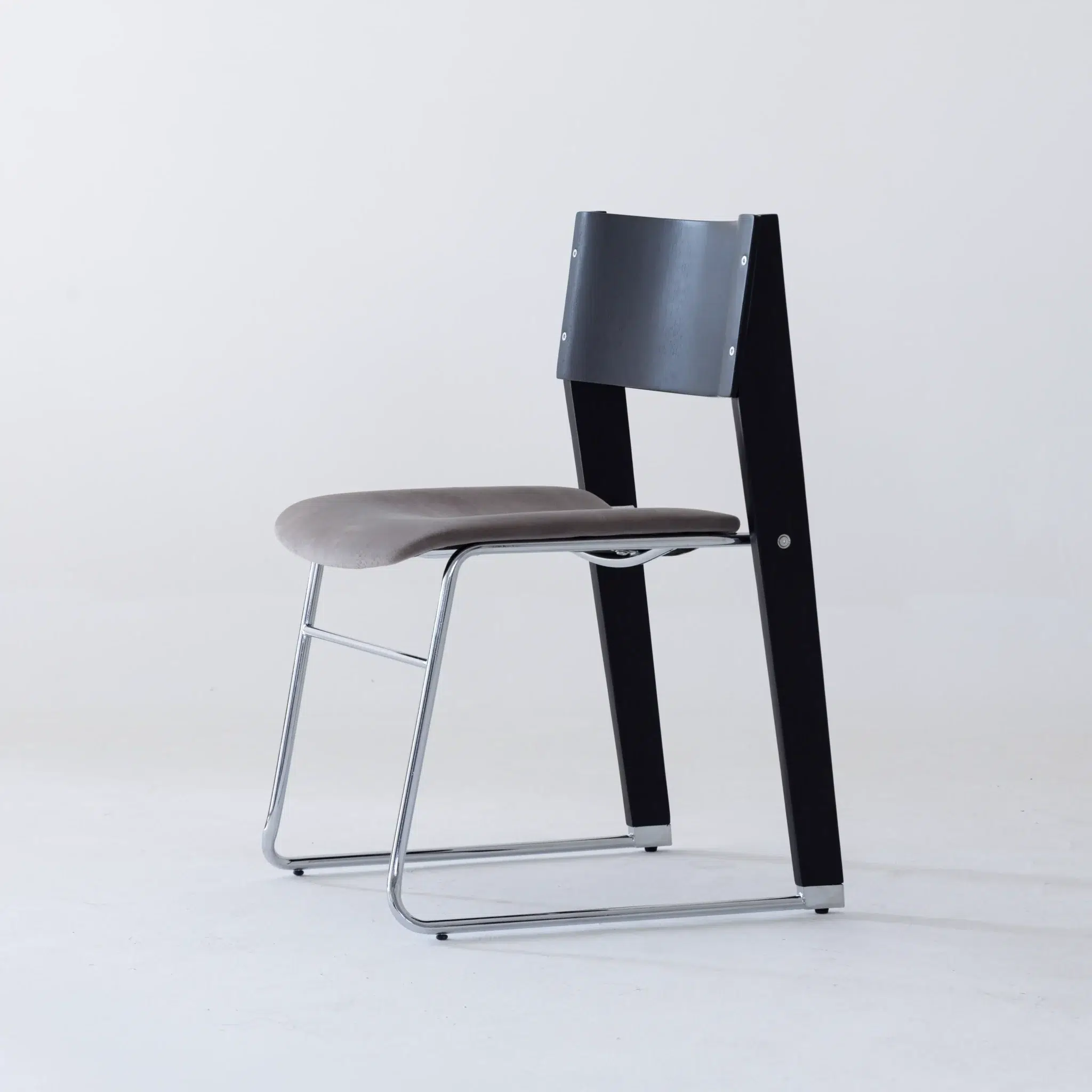
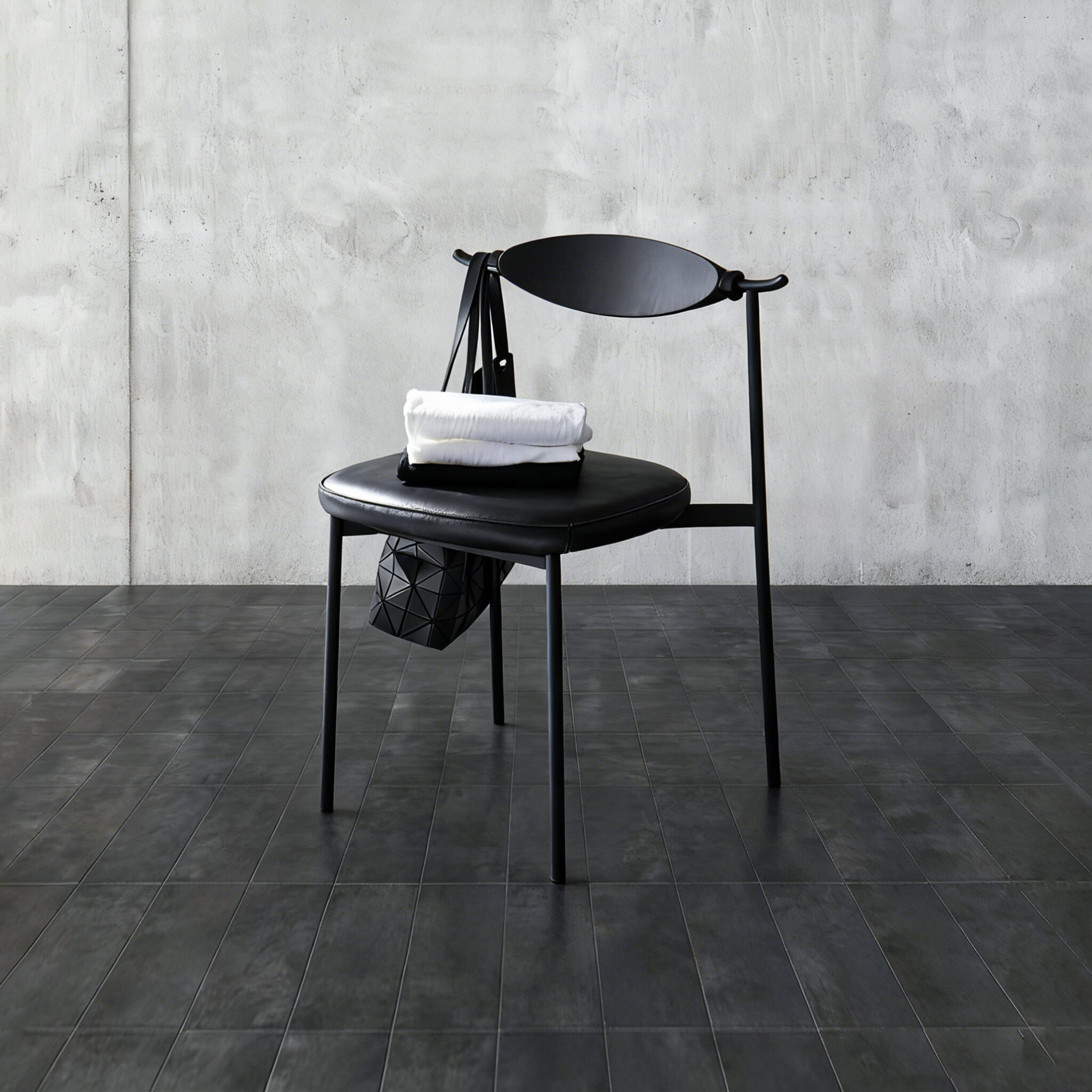
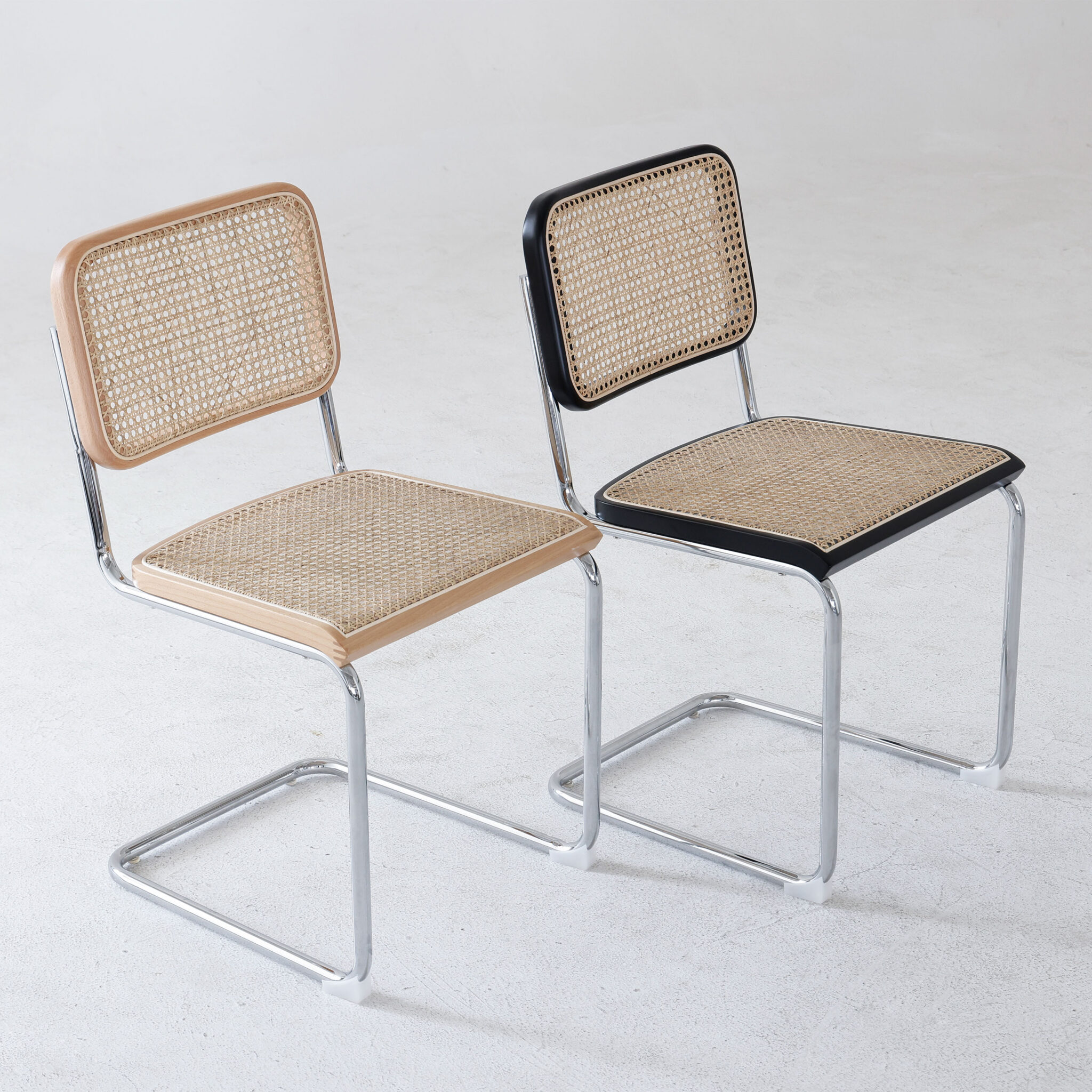
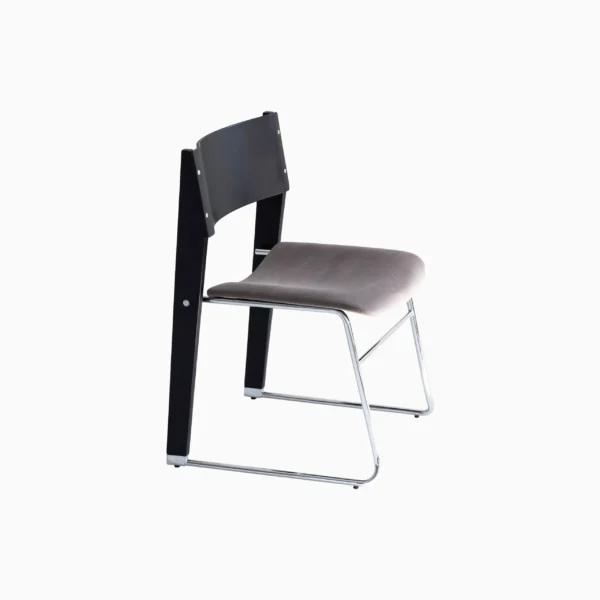
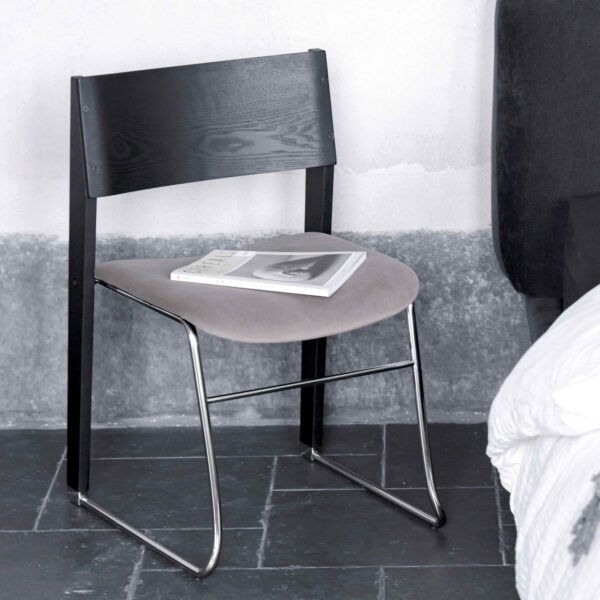
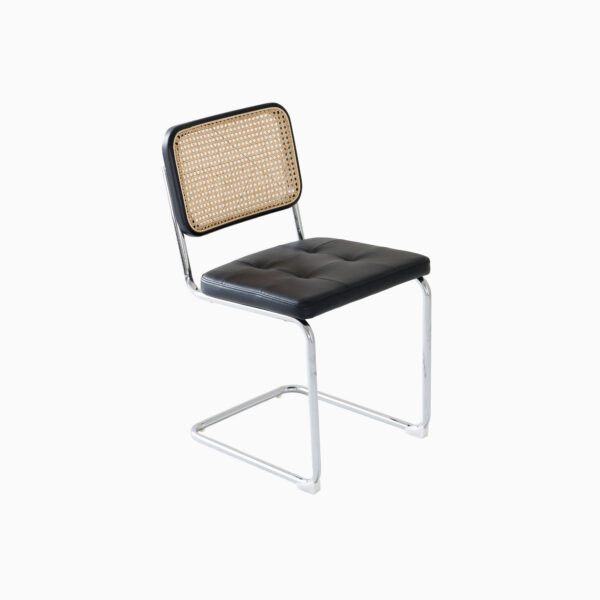
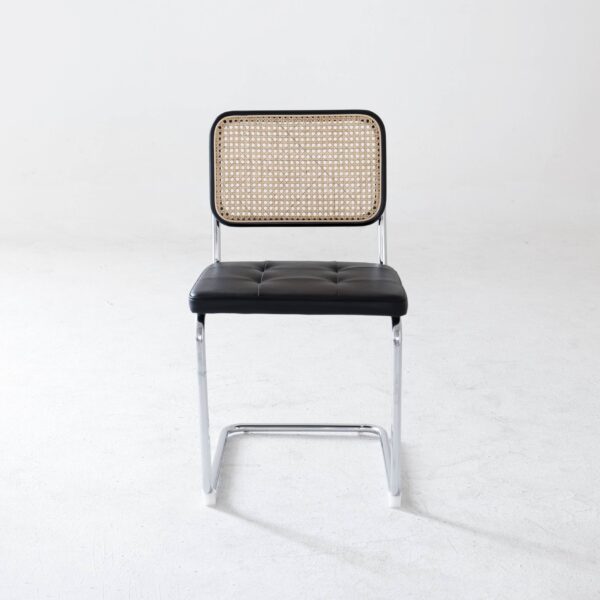
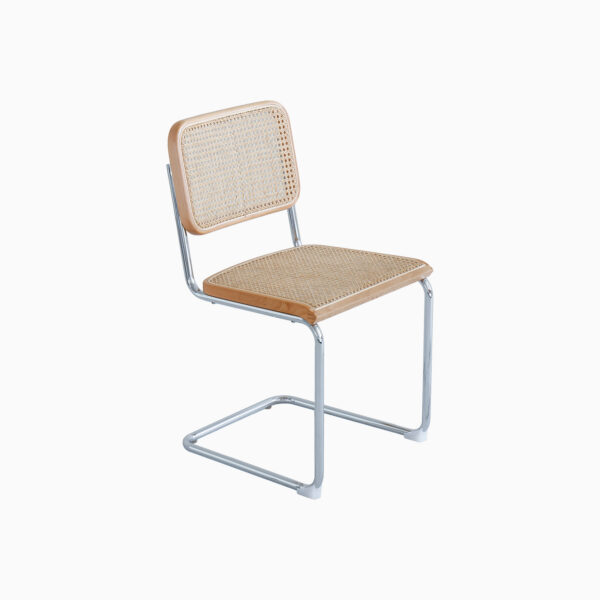
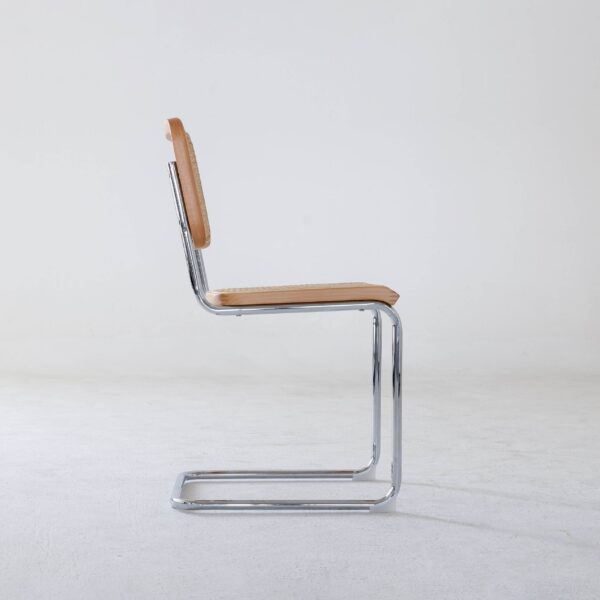
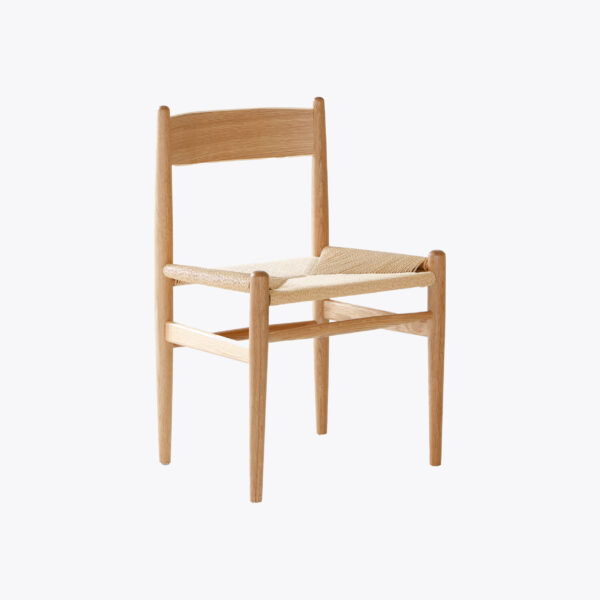
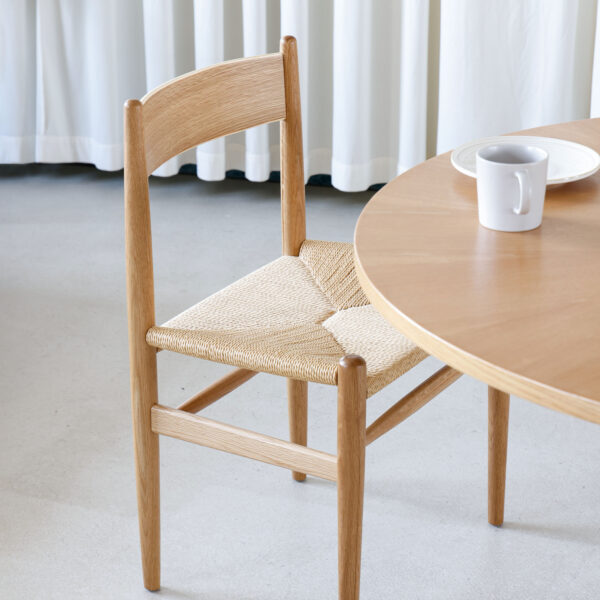
Several of our own designs embrace this space-efficient approach. Chairs such as the Walk Slowly Chair, Astor Chair, and Cesca Chair demonstrate how an armless profile can feel refined while remaining highly practical in compact dining areas.
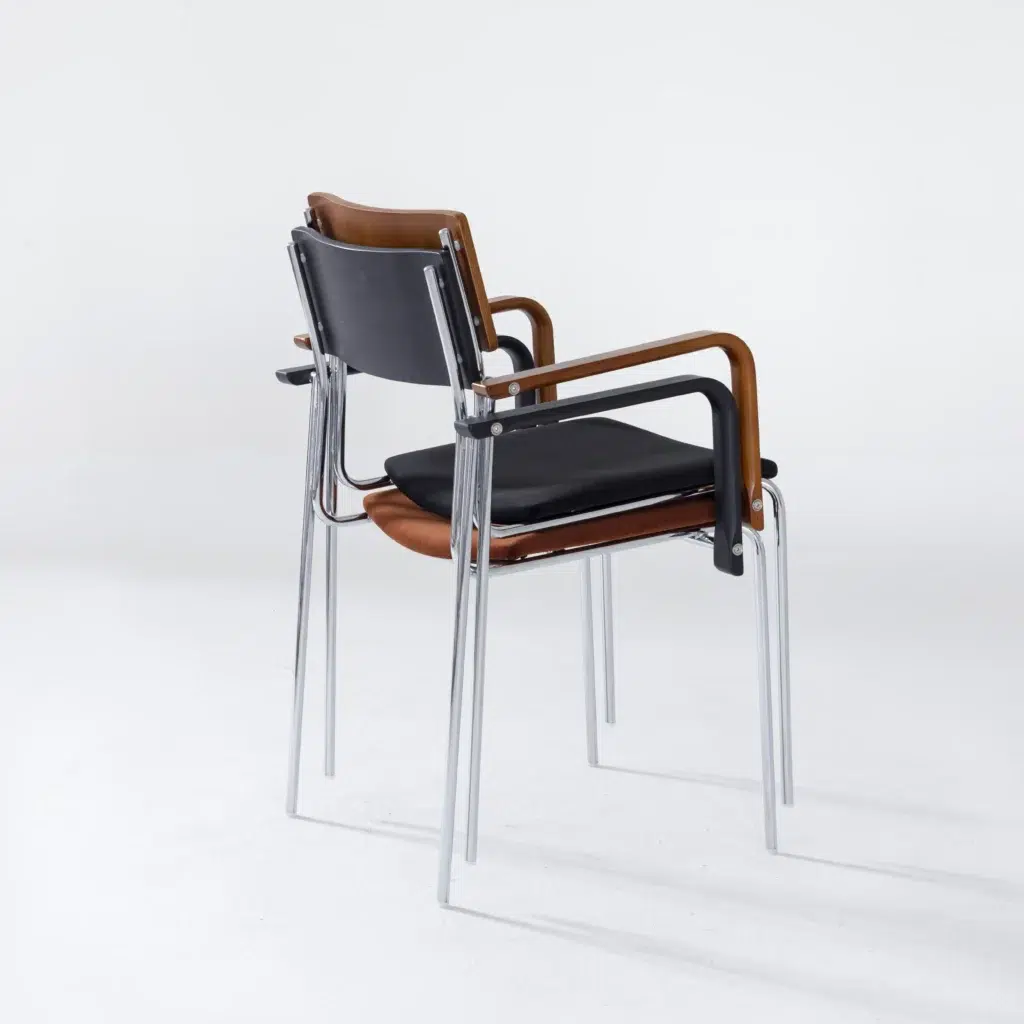
Multi-use or stackable chairs
For highly compact homes:
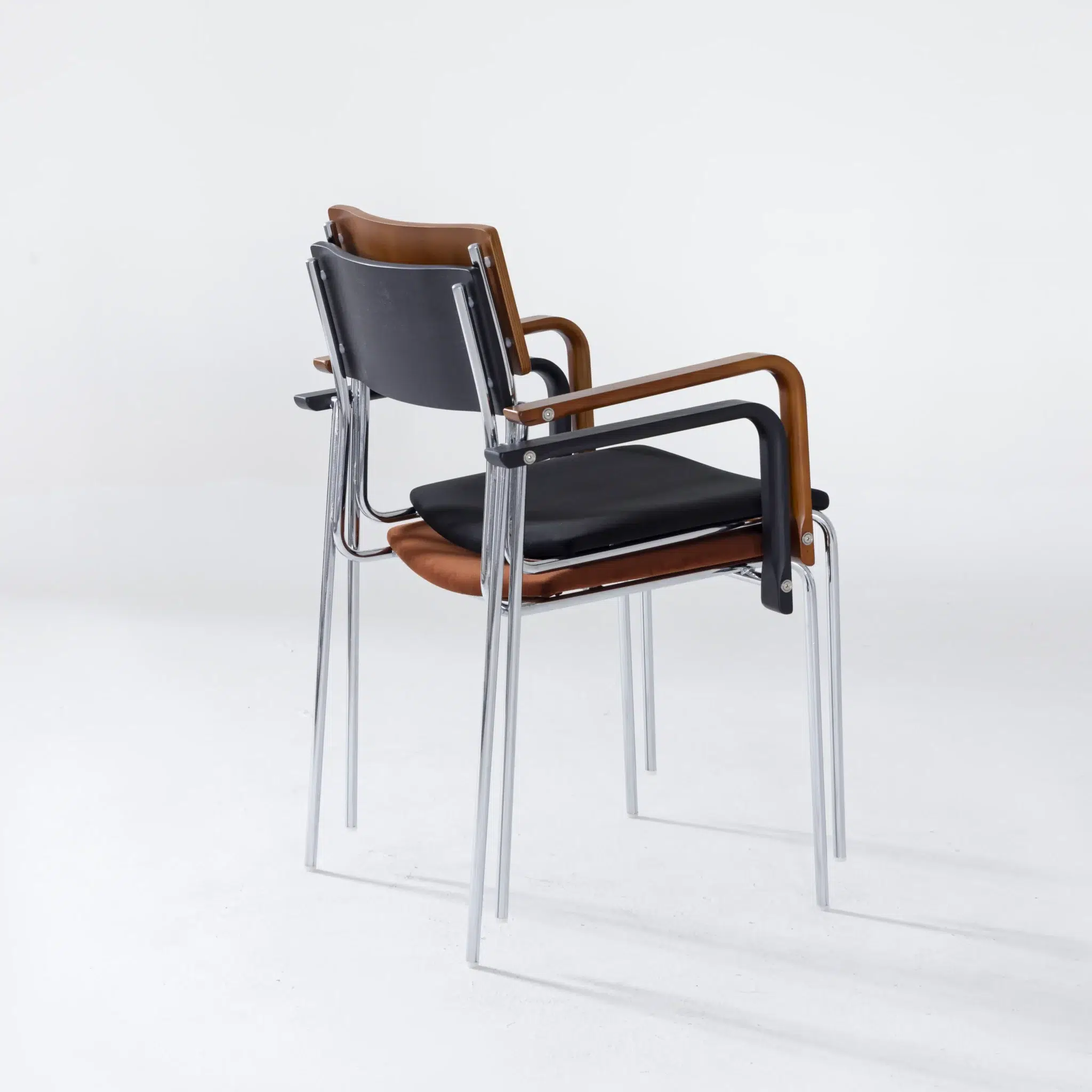
Stackable chairs reduce clutter and multi-use chairs (desk + dining) maximise functionality.
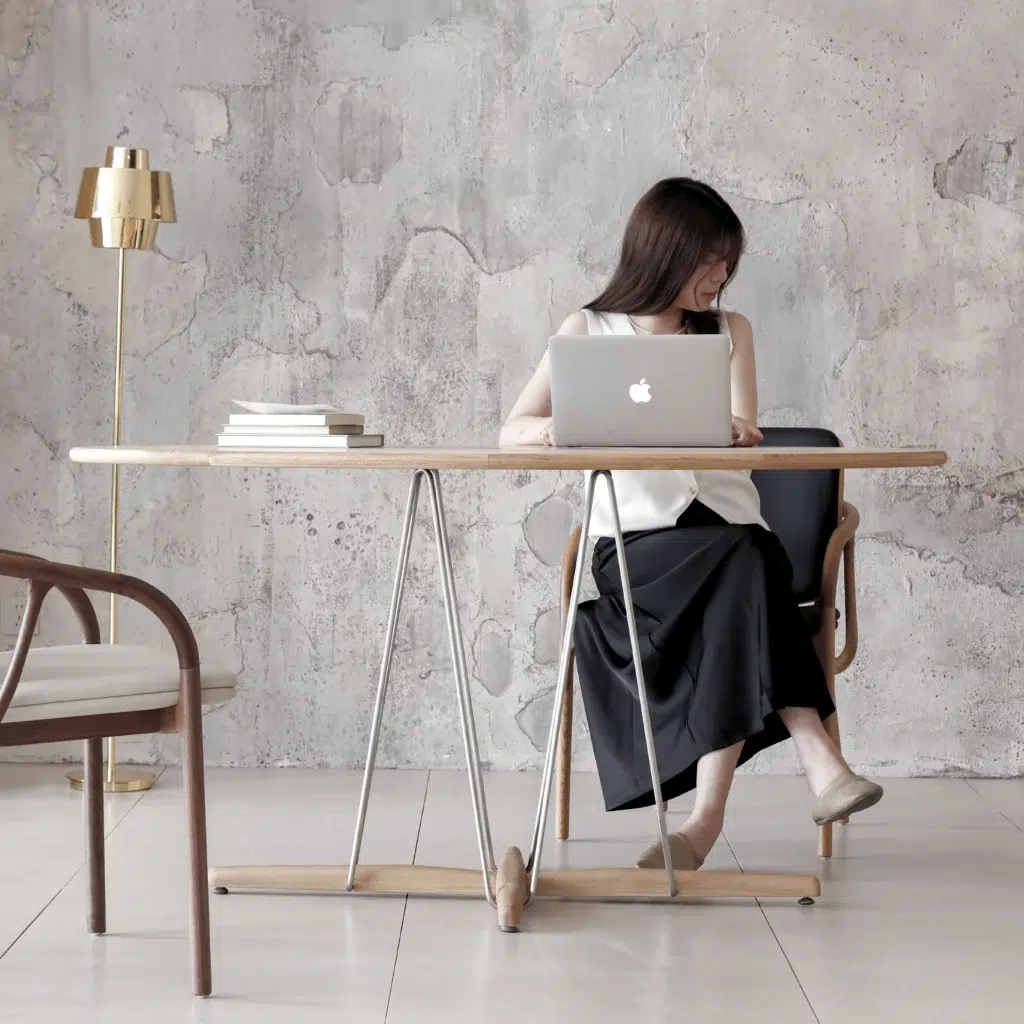
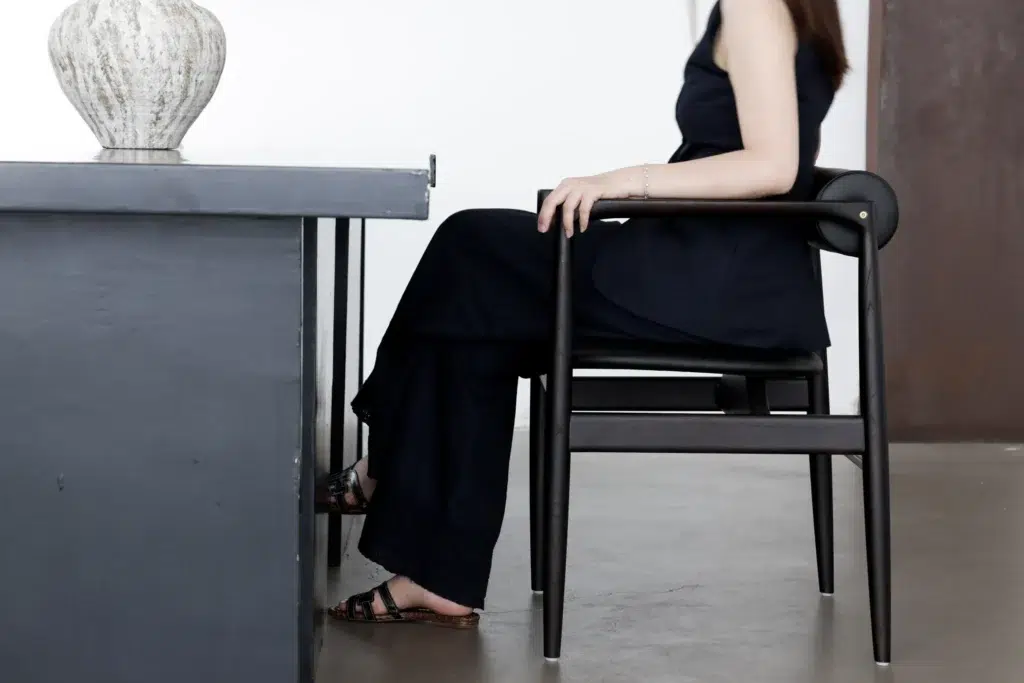
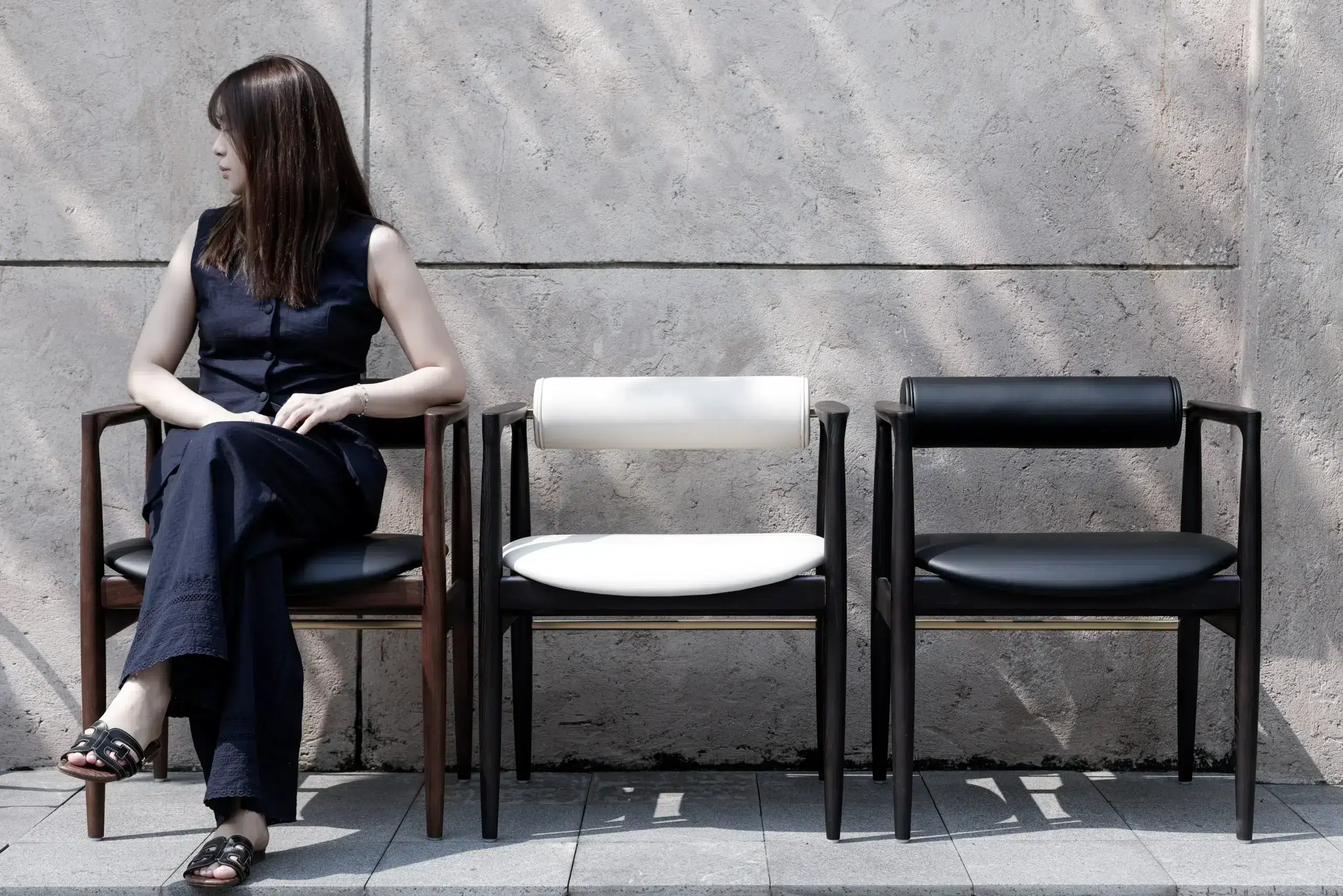
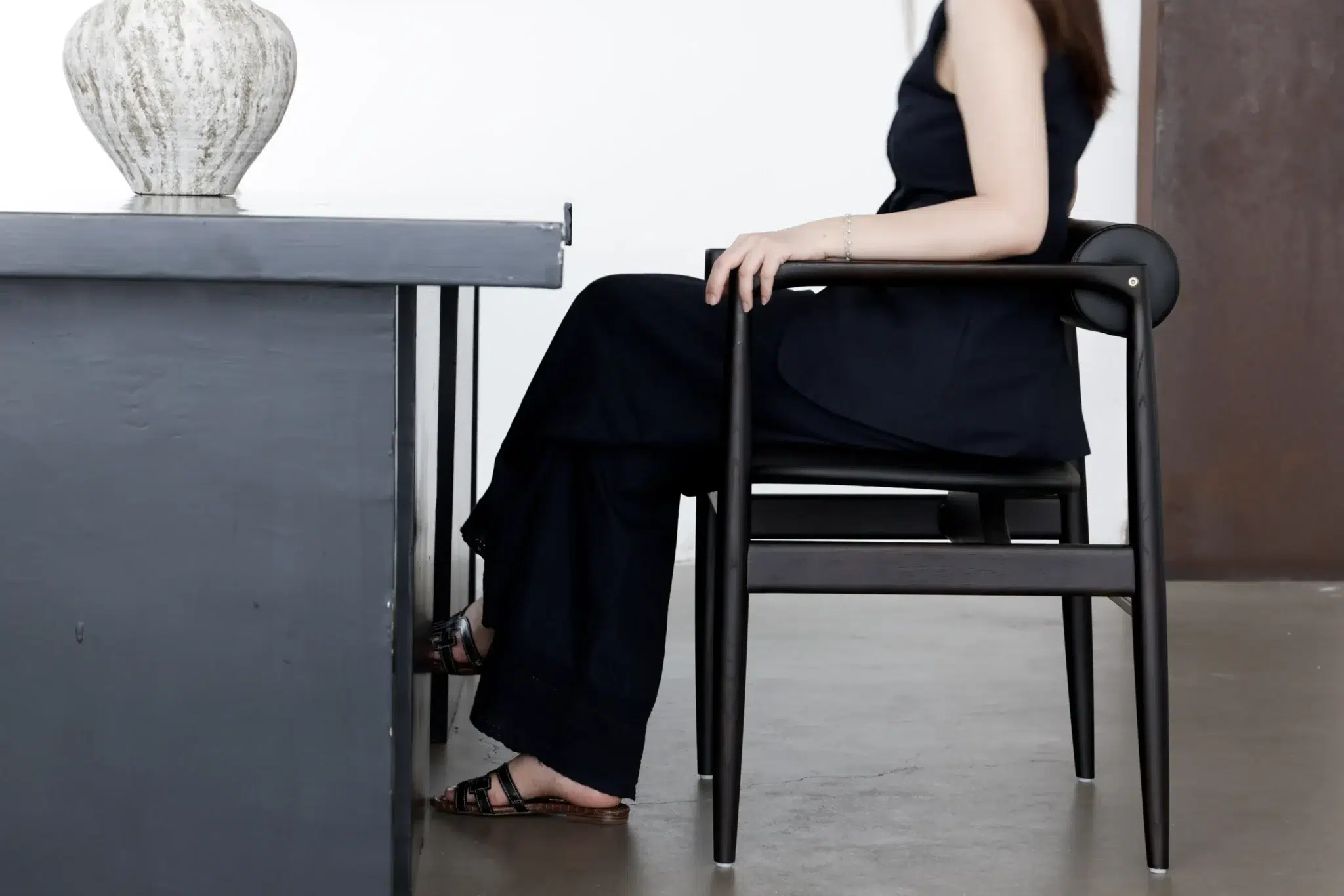
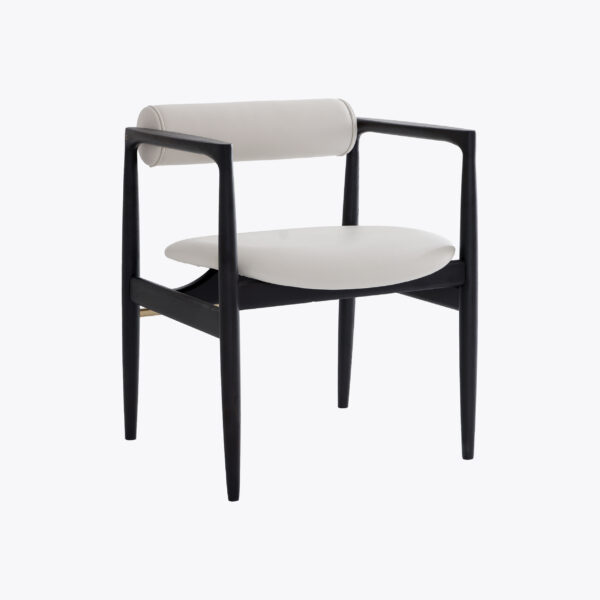
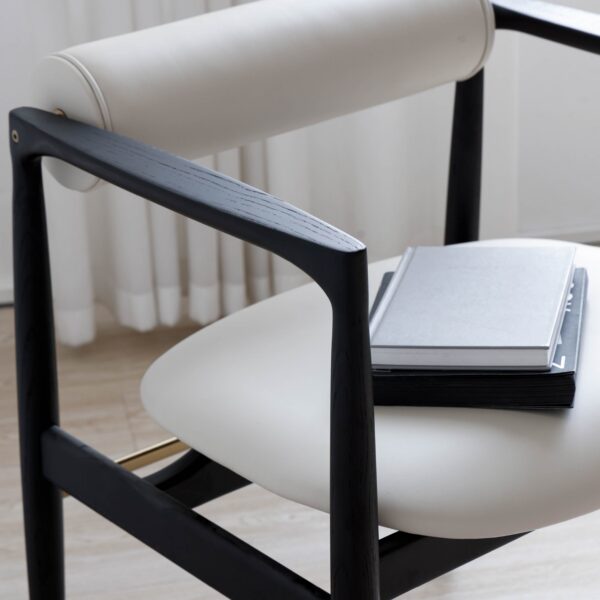
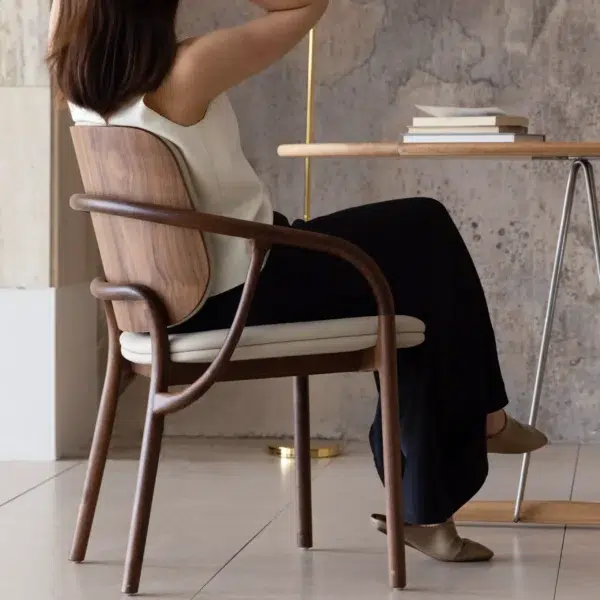
A good example is The Quokka Chair, an original design created by us architects at benssur. Its sculptural timber frame and upholstered seat balance comfort with refined proportions, allowing it to function comfortably as both a dining chair and an occasional desk or lounge chair. As explored in An Architect-Designed Dining Chair, the design focuses on ergonomic comfort and a modern sculptural form, making it a practical yet architectural piece suited to contemporary interiors.
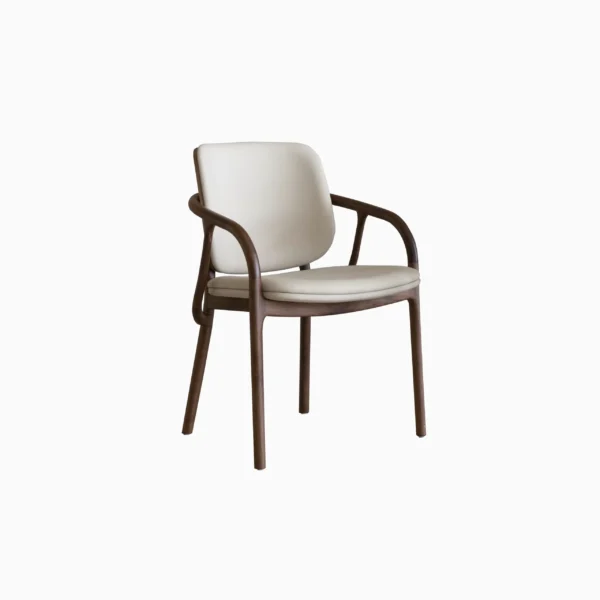
Upholstered and ergonomic chairs for comfort
Even in compact dining areas, comfort should never be compromised. Upholstered seats and carefully considered ergonomics make it easier to sit and gather for longer periods. Look for chairs with balanced seat depth, supportive back angles, and subtle contouring that encourages relaxed posture.
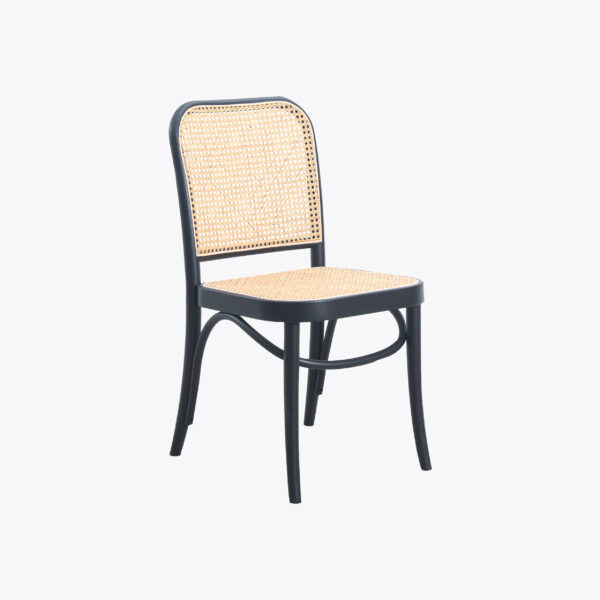
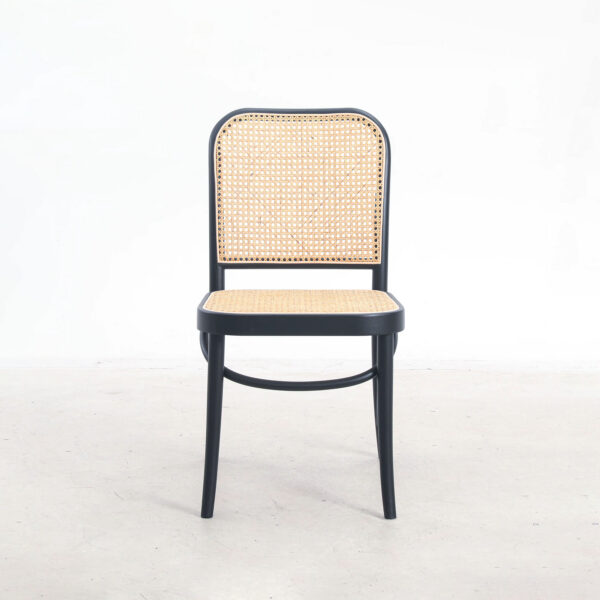
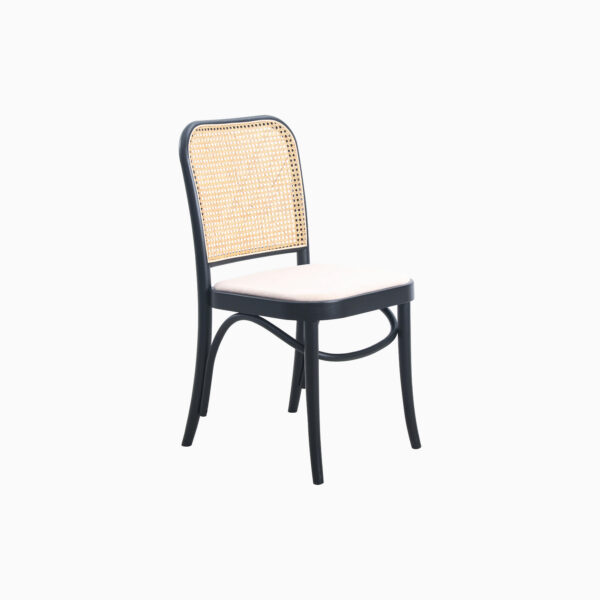
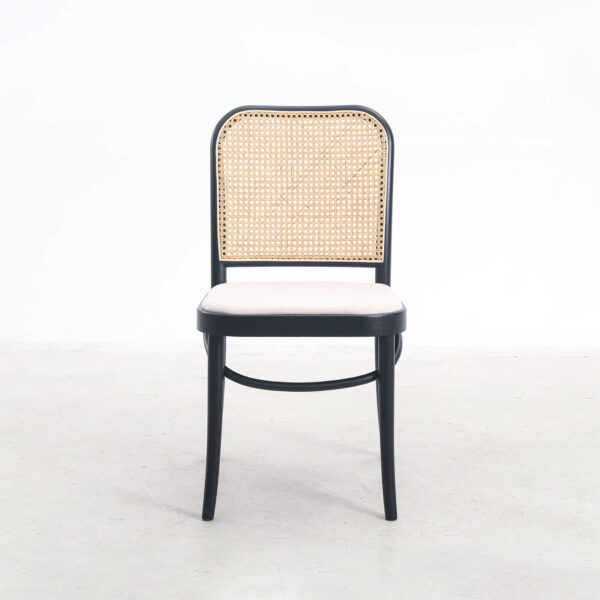
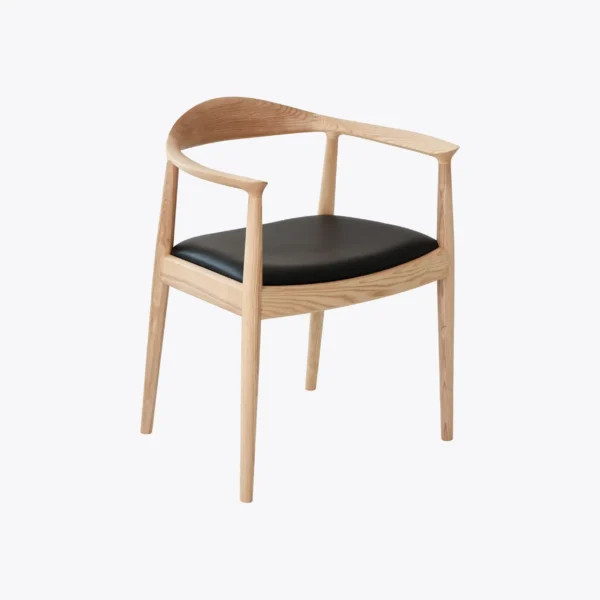
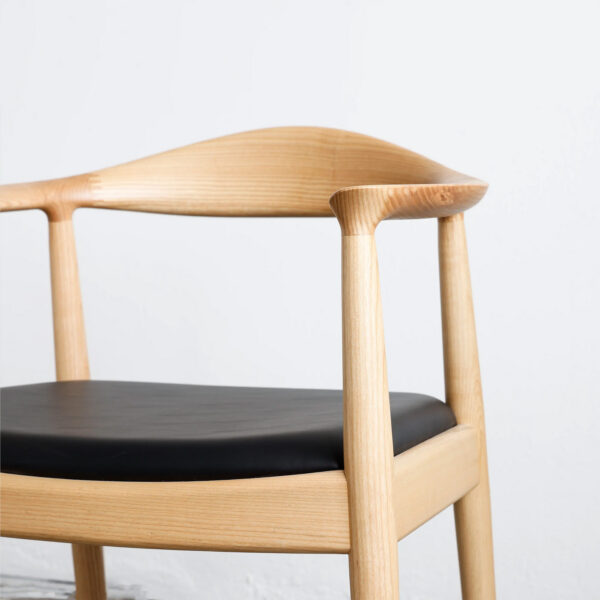
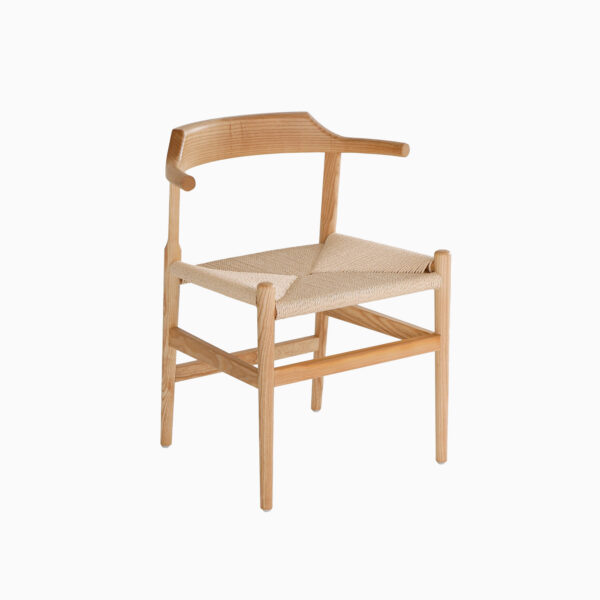
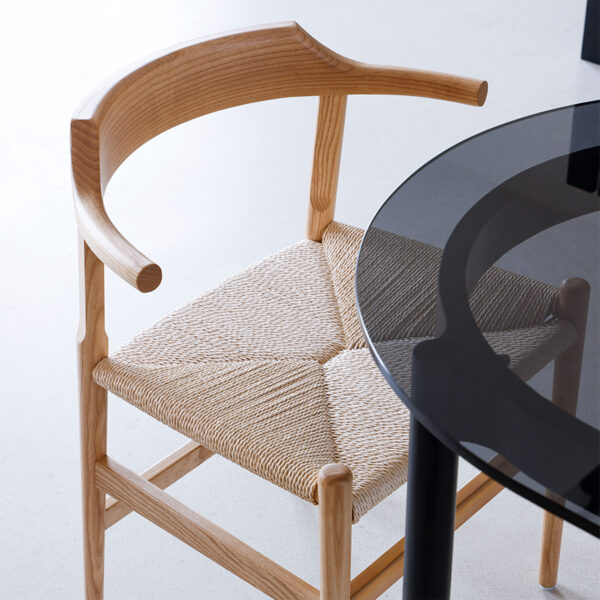
Explore our full range of dining chairs to find the right fit for your layout and lifestyle:
The Living Room
Designing A Balanced Living Room Layout
A balanced living room layout begins with proportion. In compact homes, furniture should create comfortable zones for sitting and conversation without overwhelming the available space. Larger pieces such as sofas or lounge chairs typically anchor the room, while smaller elements like side tables or coffee tables help complete the arrangement without disrupting circulation.
Many contemporary interiors are also moving toward softer forms and sculptural furniture pieces that feel visually lighter while still providing comfort. As explored in our article on Replica Furniture Design Trends, curved silhouettes and refined materials are increasingly shaping modern living spaces, helping furniture feel expressive without dominating the room. When the proportions and placement are carefully considered, even a smaller living room can feel open, balanced, and comfortable.
If you’re interested in exploring replica furniture further, we also have a guide: Why Choose Replica Designer Dining Chairs For Your Home, which looks at how replica designs bring iconic furniture styles into contemporary interiors.
Selecting Lounge Chairs That Work In Compact Spaces
While dining furniture often becomes the primary focus in smaller homes, lounge chairs can play an equally important role in making compact spaces feel comfortable and complete. A well-chosen lounge chair introduces additional seating without the bulk of a full sofa, making it ideal for apartments, reading corners, or open-plan living areas.
Because lounge chairs typically occupy a smaller footprint, they allow you to create a dedicated place for relaxation while maintaining clear movement through the room. Positioning a single chair near a window, beside a coffee table, or within an unused corner can transform an overlooked area into a functional and inviting retreat.
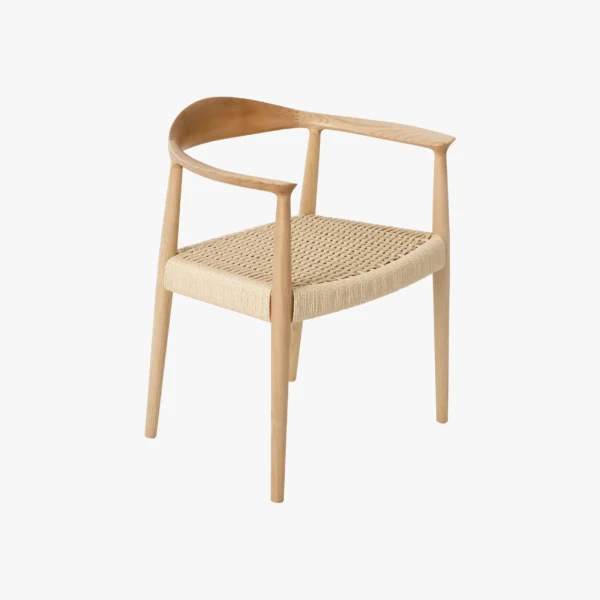
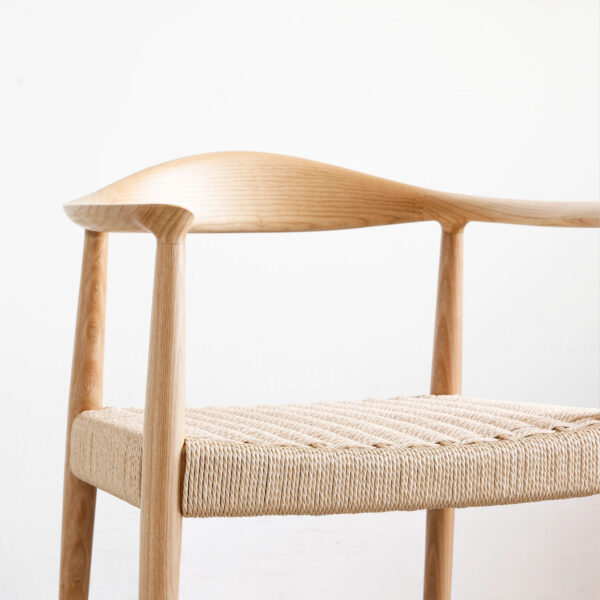
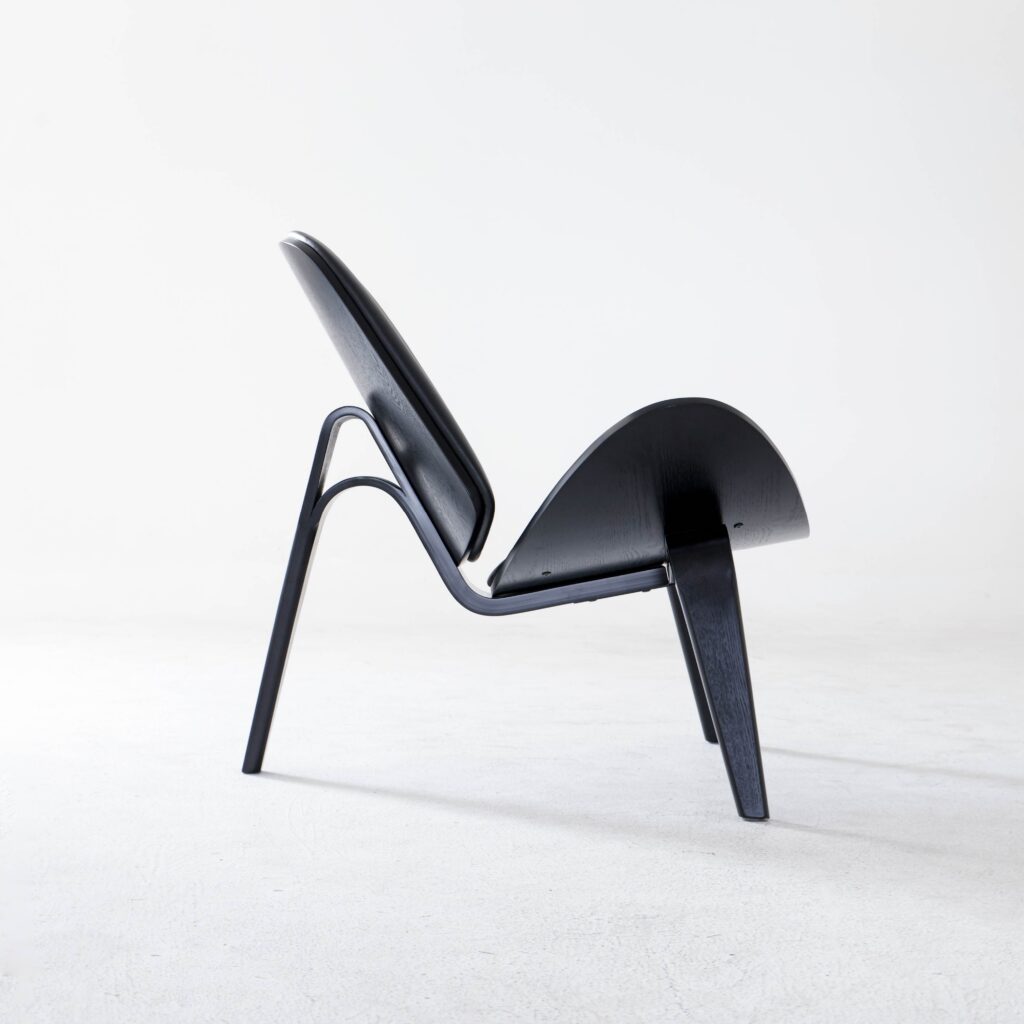
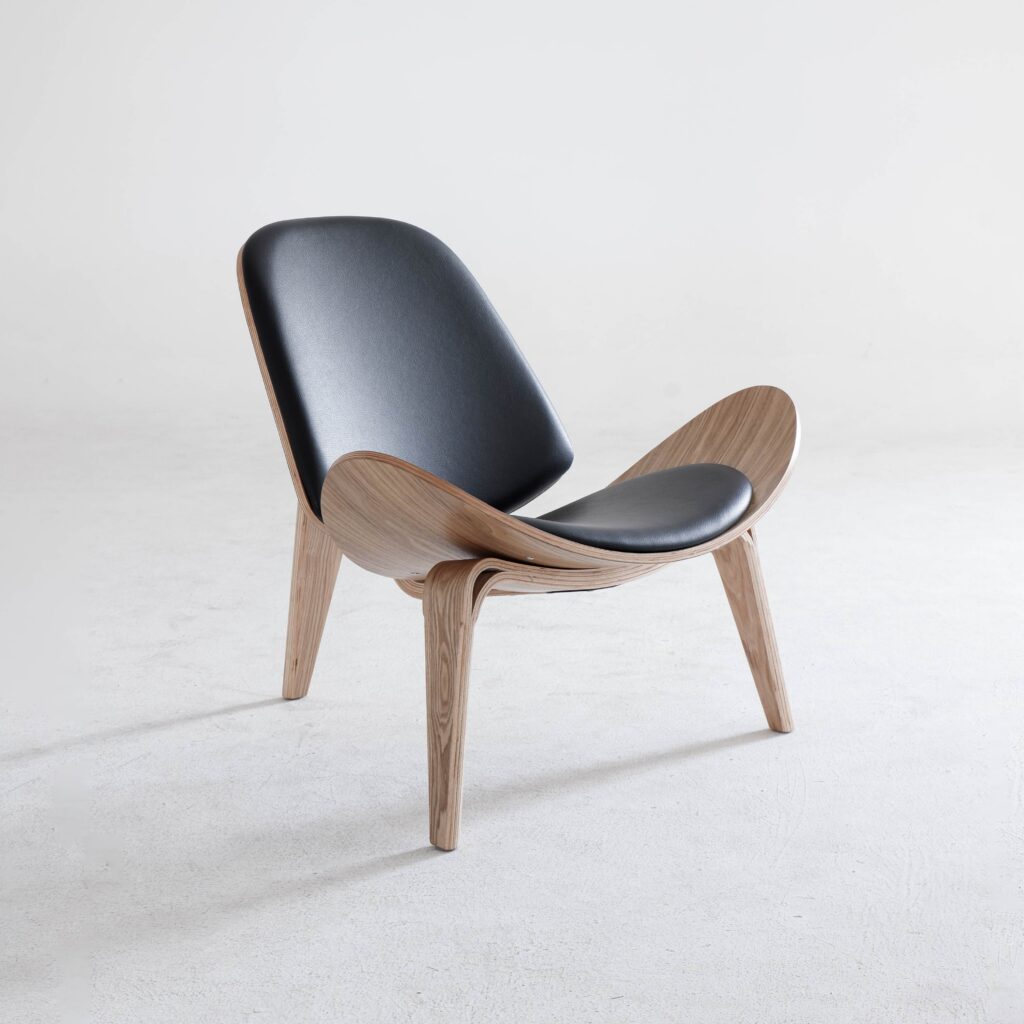
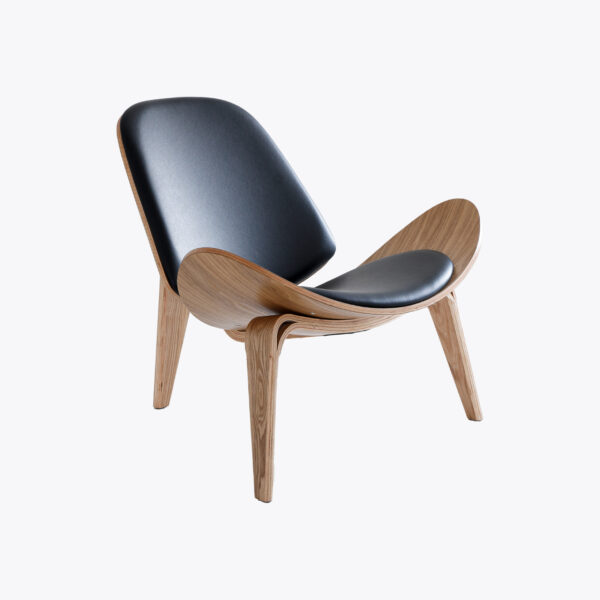
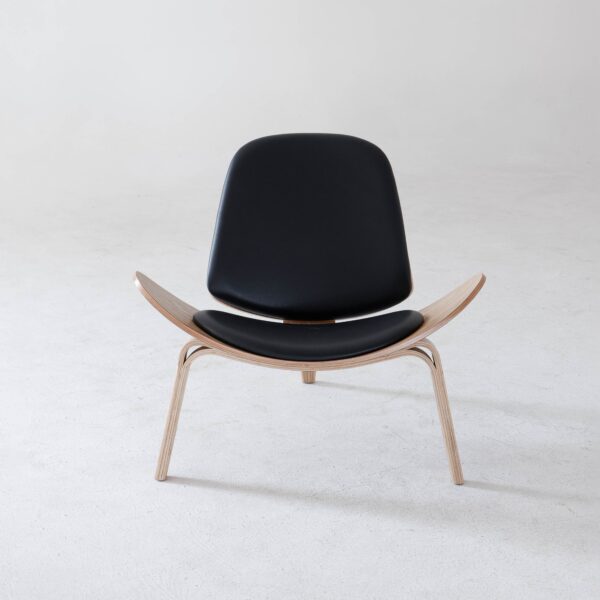
At benssur, our Lounge Chair Collection focuses on architecturally inspired designs that balance comfort with refined proportions. Pieces such as the Hans Wegner Shell Chair Replica illustrate this approach well, with a sculptural curved timber form and distinctive three-leg structure that creates a striking silhouette while remaining visually light. The design emphasises smooth lines and ergonomic comfort, allowing the chair to function both as a practical seat and as a sculptural element within the room.
This type of design-led seating reflects a broader shift in contemporary interiors, where furniture is valued not only for its function but also for its form, materials, and contribution to the overall spatial atmosphere.
Lounge Chairs
Well-proportioned lounge chairs provide relaxed seating without overwhelming the scale of a compact living room.
Timber Lounge Chairs
Timber lounge chairs bring warmth and natural texture into a living room while maintaining a visually light presence. Many modern timber lounge chairs draw from mid-century Scandinavian design, where clean lines and exposed wood frames create furniture that feels both architectural and inviting.
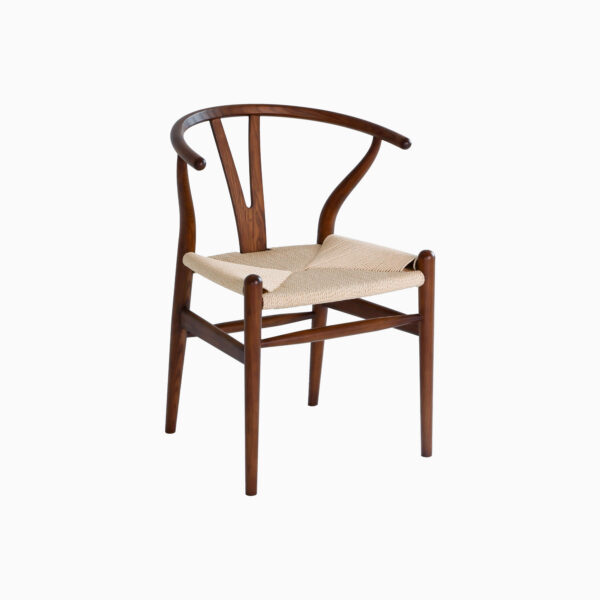
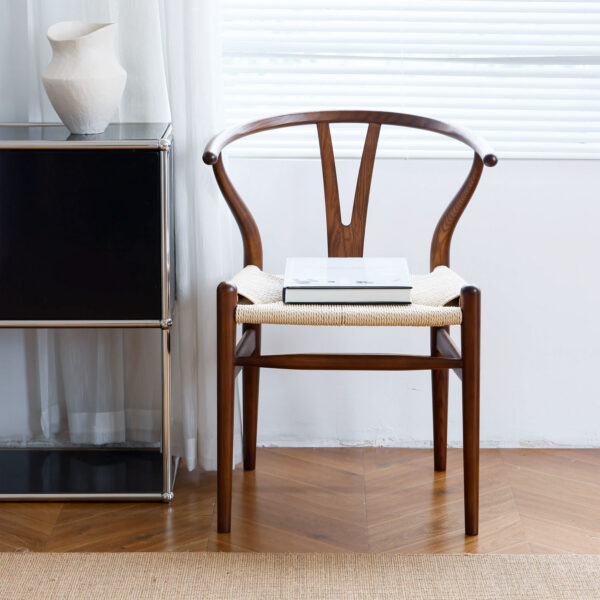
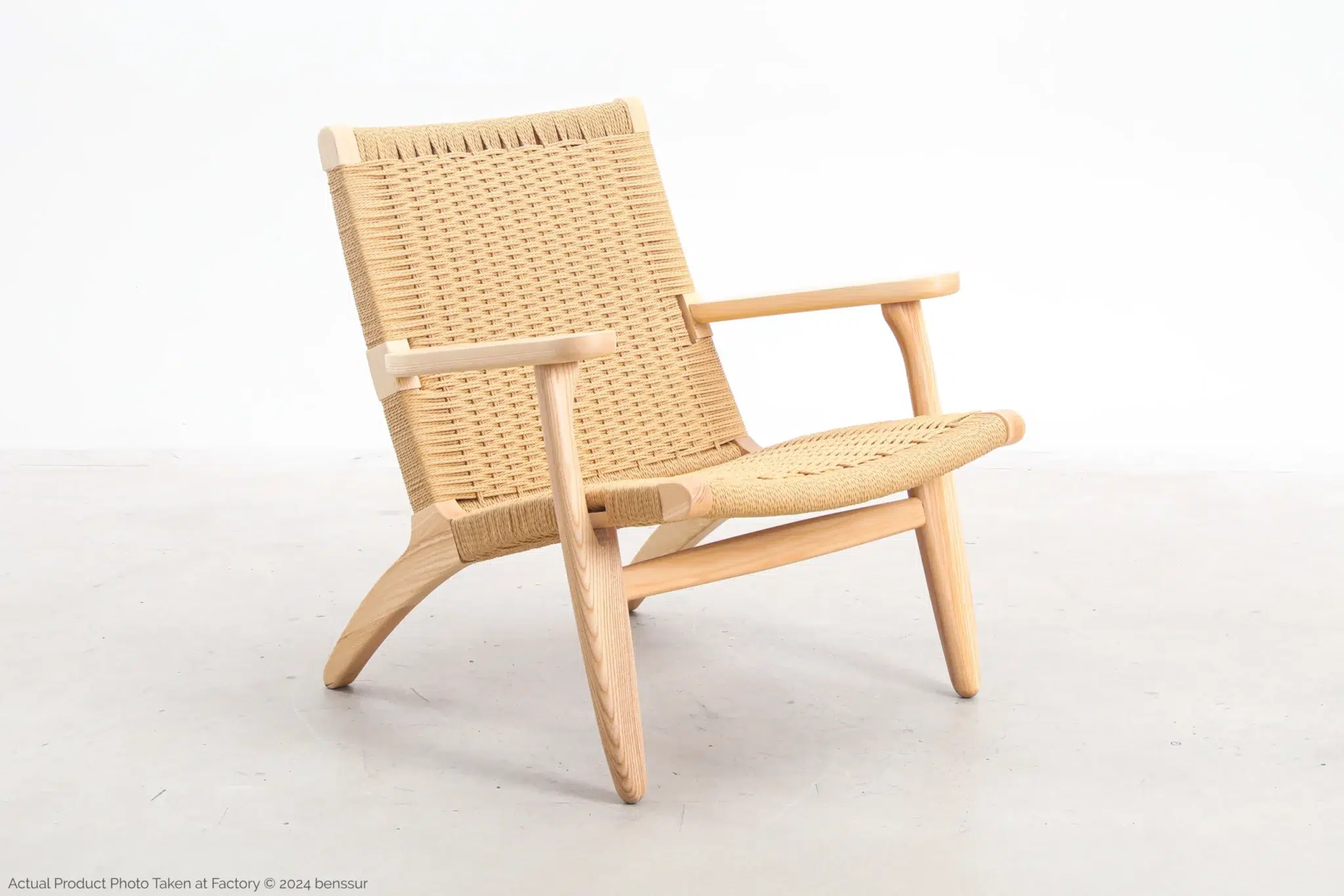
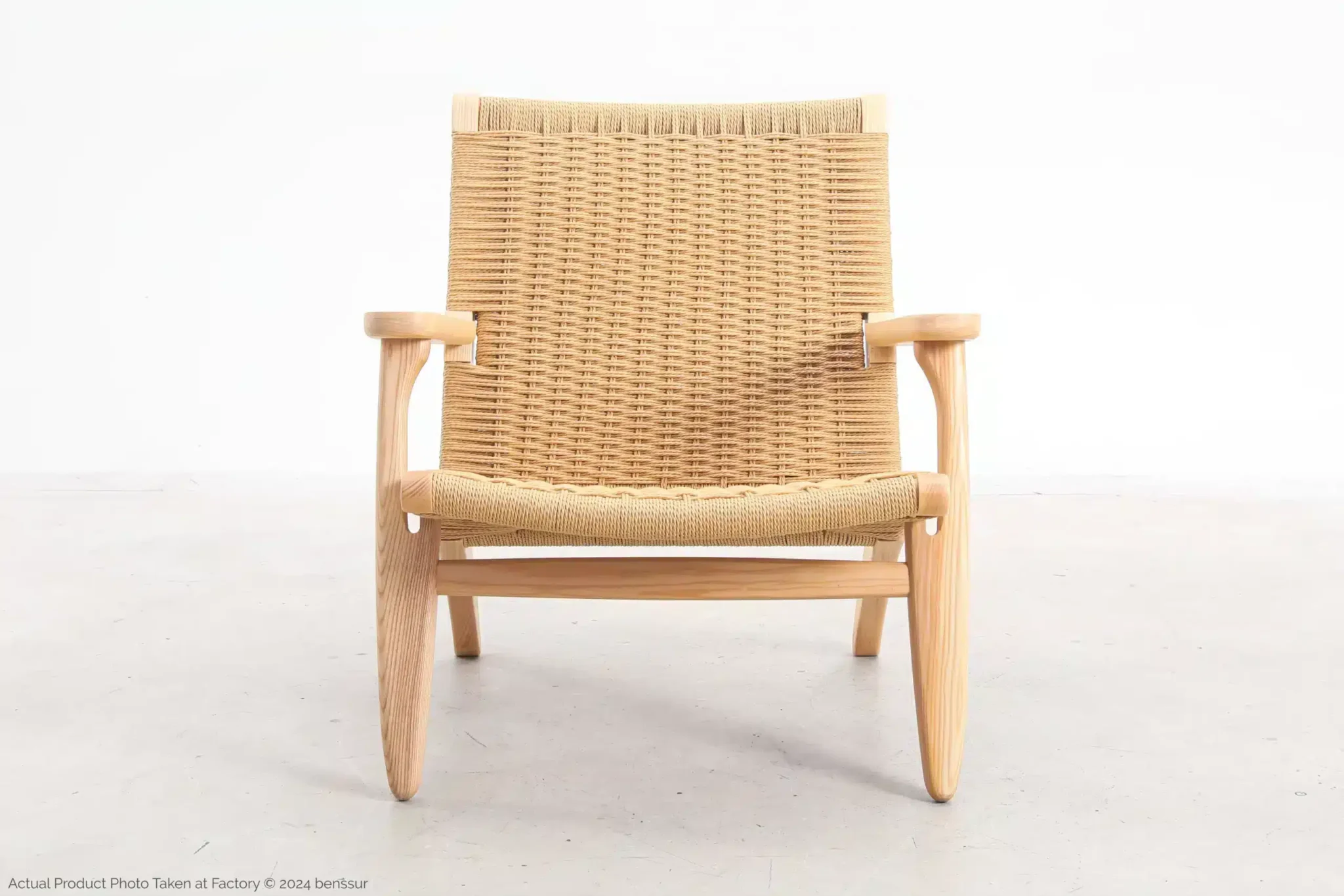
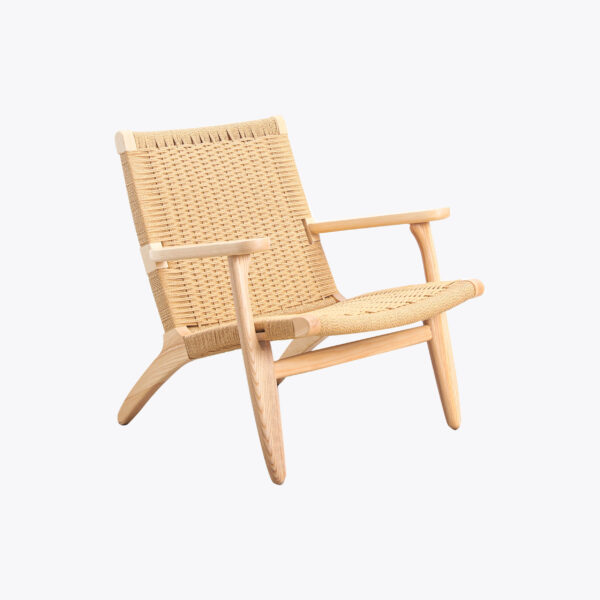
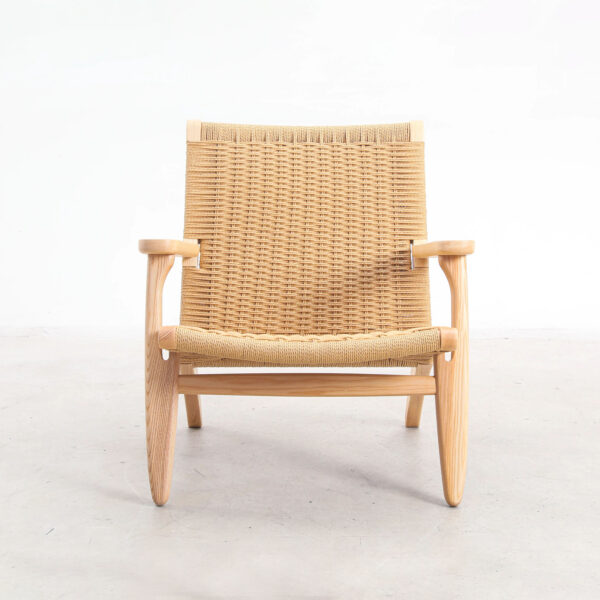
A good example is the Hans Wegner CH25 Easy Chair Replica, often referred to as an “Easy Chair”. These designs feature a relaxed, low-slung profile with open armrests and woven seats, creating a comfortable place to sit while keeping the overall silhouette light and airy. The original design introduced woven paper cord seating combined with a solid timber frame, a combination that provides supportive comfort while highlighting the craftsmanship of the wood structure.
Upholstered Lounge Chairs
Upholstered lounge chairs introduce softness and comfort into a living room while still allowing the furniture to feel refined and intentional. These designs often combine structured frames with generous cushions, creating seating that feels relaxed without appearing heavy within the space.
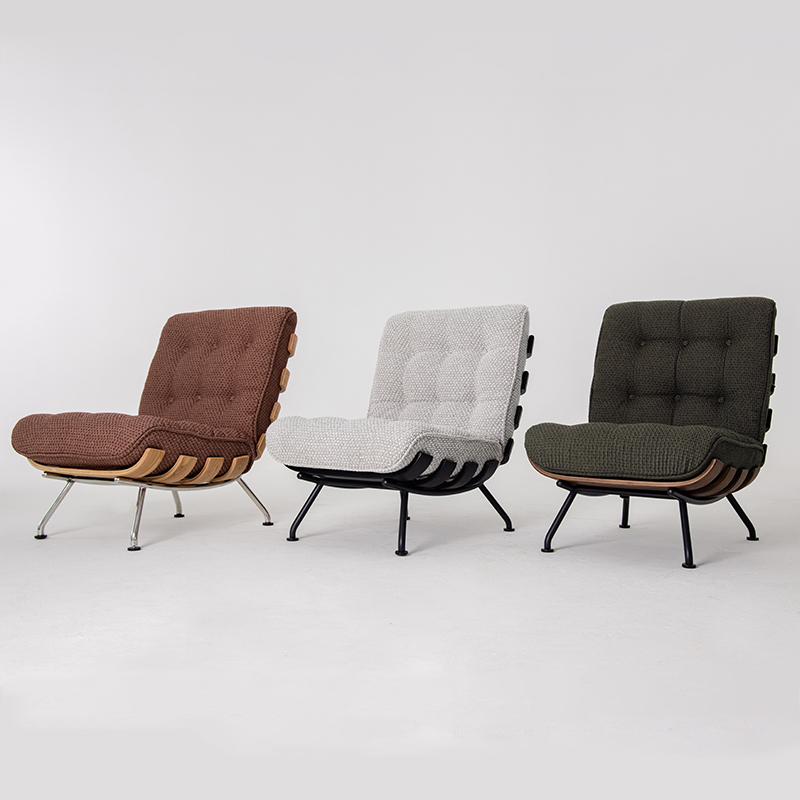
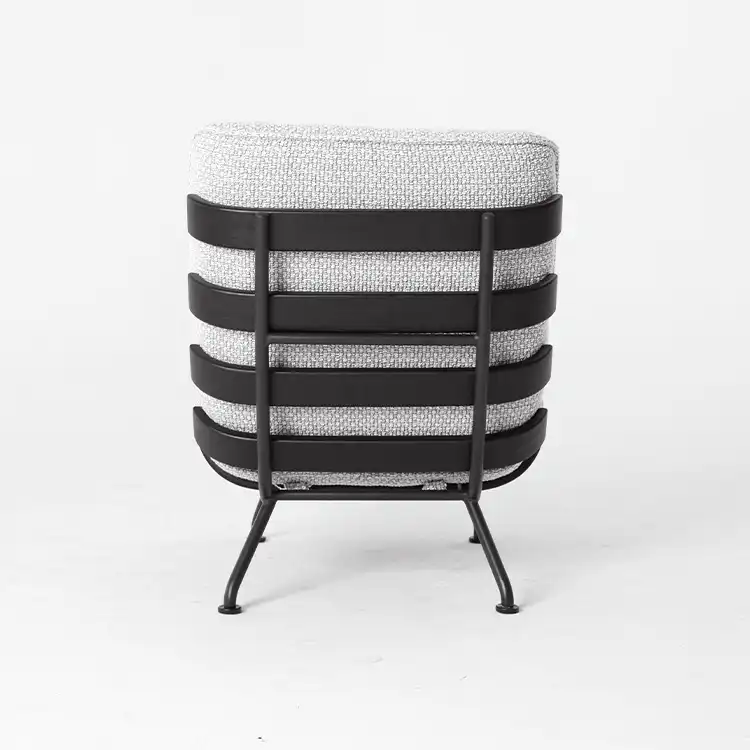
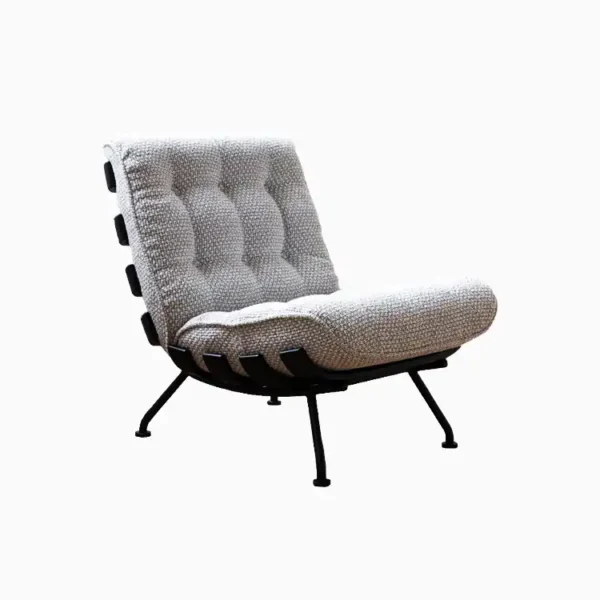
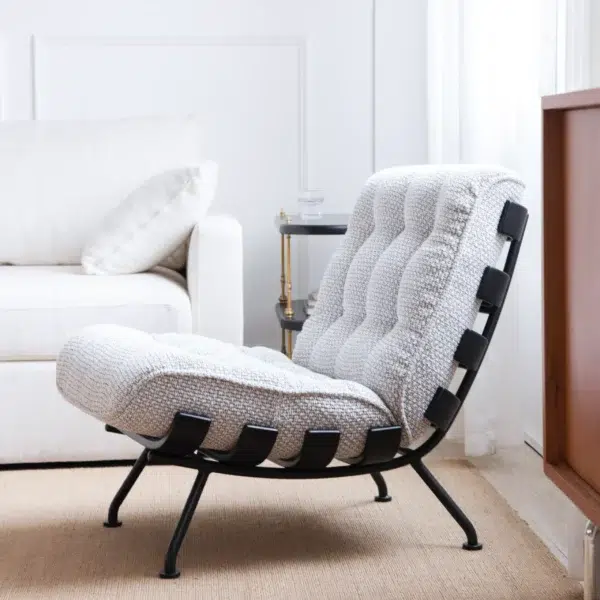
A good example is the Costela Lounge Chair, originally designed in the 1950s by Martin Eisler. The chair is distinguished by its curved timber “rib” structure that gently embraces the upholstered seat and back cushions, creating an elegant balance between natural materials and soft comfort.
Designer Replica Lounge Chairs
As you can see from our lounge chair collection, designer replicas bring iconic furniture designs into modern homes. These pieces reproduce the proportions, silhouettes, and visual character of well-known designs created by influential 20th-century designers, particularly those associated with Scandinavian and modernist furniture traditions. In compact living rooms, these designs often work particularly well because they prioritise thoughtful proportions and visually light structures.
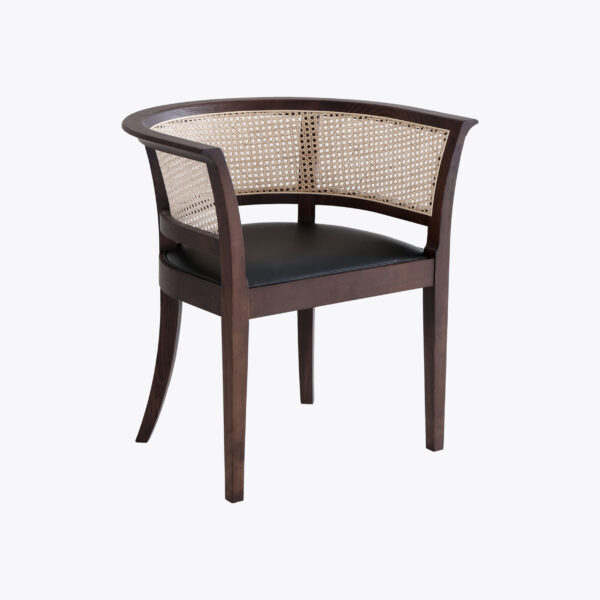
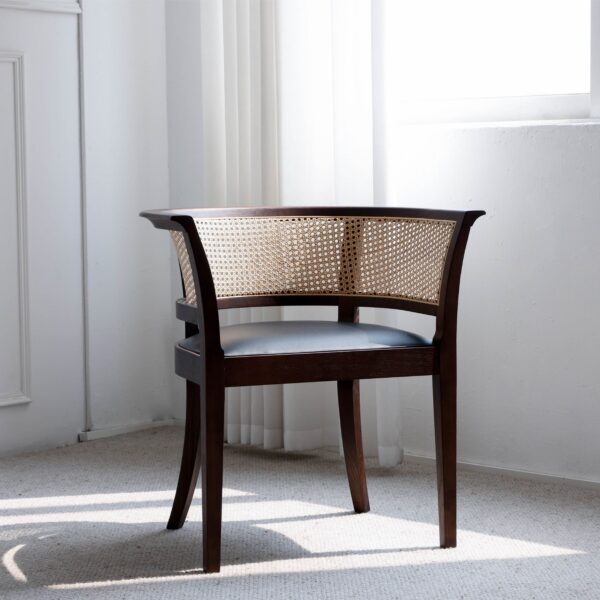
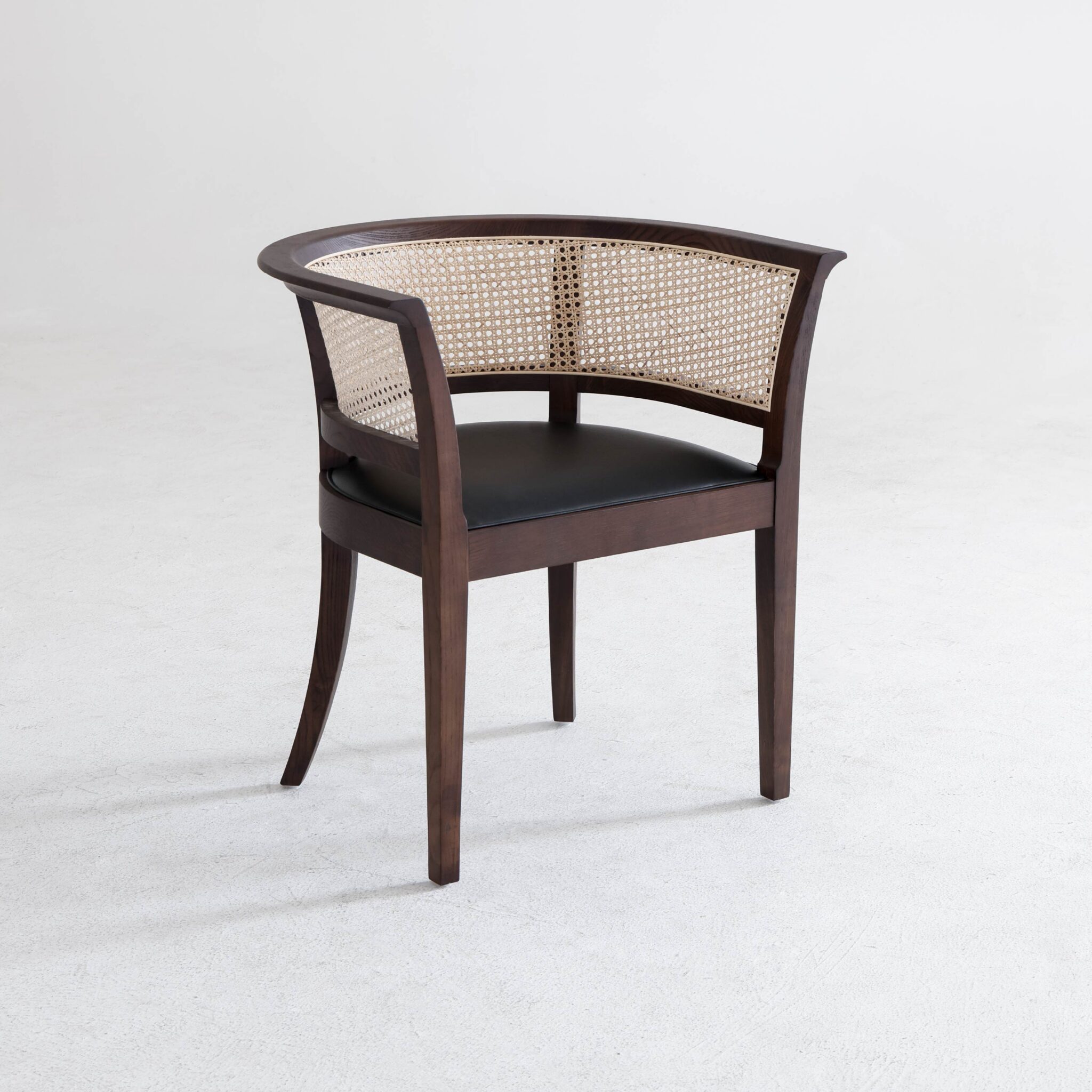
Chairs such as the Faaborg Chair, originally designed by Kaare Klint, reflect this philosophy through their refined proportions and balanced structure. The design combines a timber frame with an upholstered seat and backrest, creating a lounge chair that feels both structured and comfortable. Its restrained form emphasises material quality and careful detailing rather than visual excess.
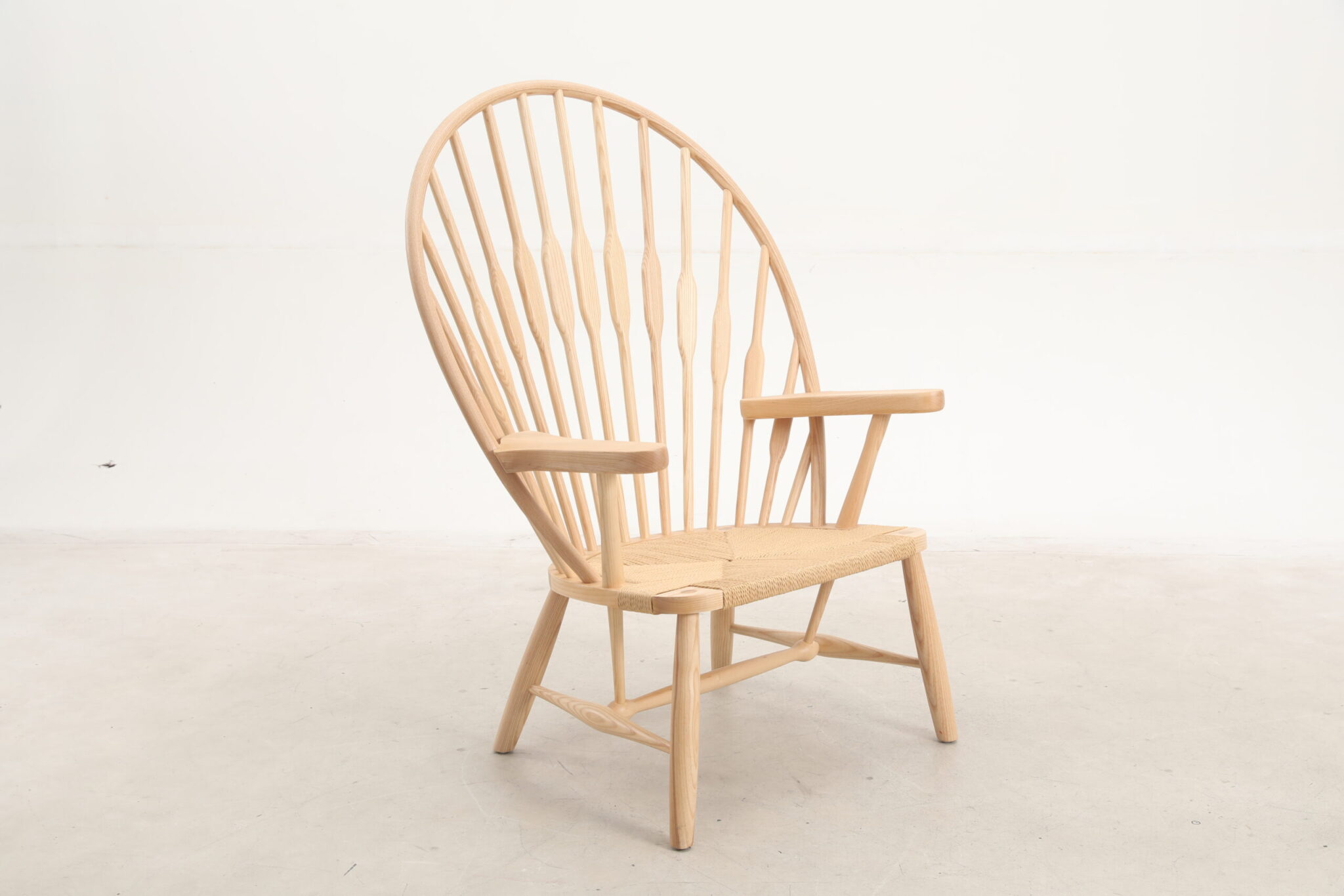
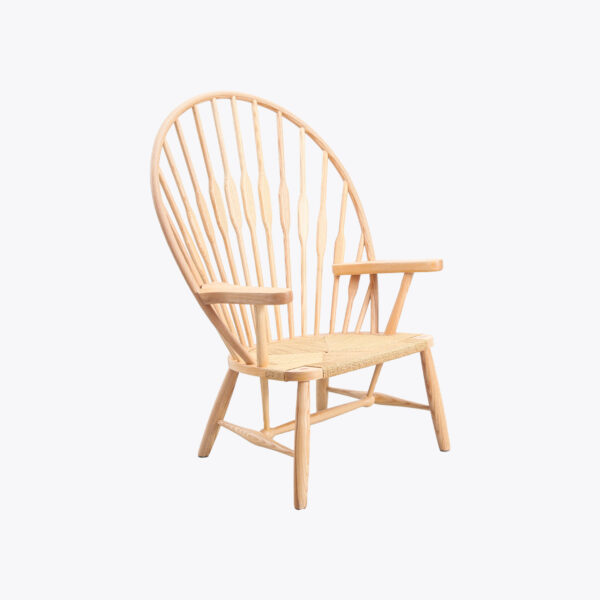
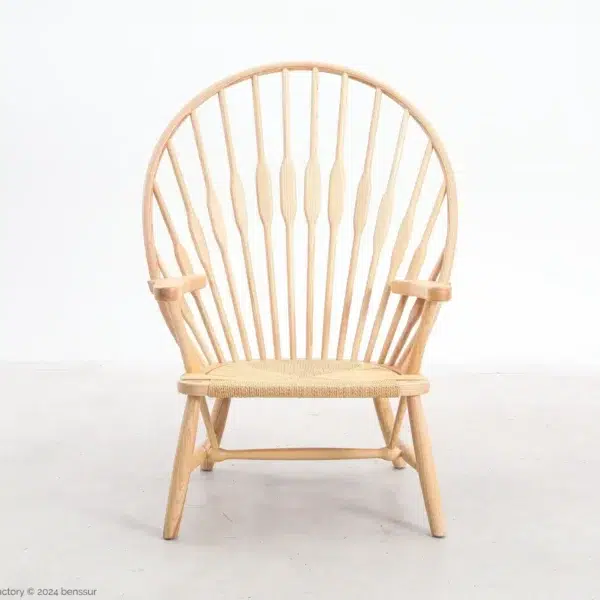
Similarly, the Peacock Chair, designed by Hans Wegner, demonstrates how a lounge chair can become a sculptural focal point within a room. The chair’s distinctive spindle back spreads outward like the feathers of a peacock, creating a dramatic silhouette while still maintaining a relatively open and lightweight structure.
Explore our full range of lounge chairs to find a design that complements your living room layout:
Sofas
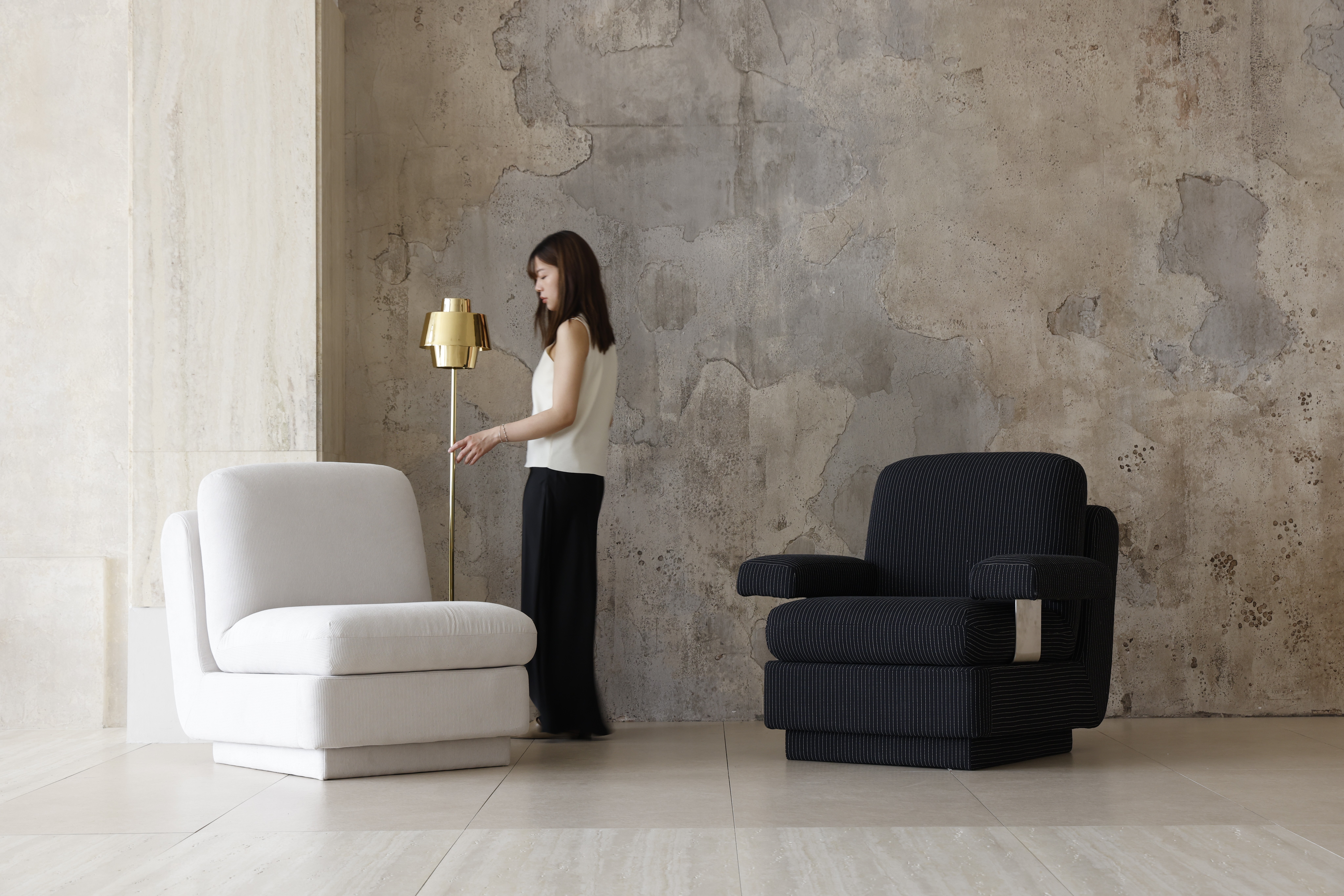
In compact living rooms, a sofa often becomes the central piece that anchors the entire seating area. Choosing a design with balanced proportions and a refined silhouette helps maintain comfort while preventing the space from feeling crowded.
Our sofa offering focuses on a single, carefully considered design: The Rest Sofa. The piece features soft upholstered elements and flowing lines that introduce a sense of relaxation without overwhelming the room. Its cushioned upholstery and structured form create a comfortable seating position while maintaining a sculptural presence within the living space.
Storage
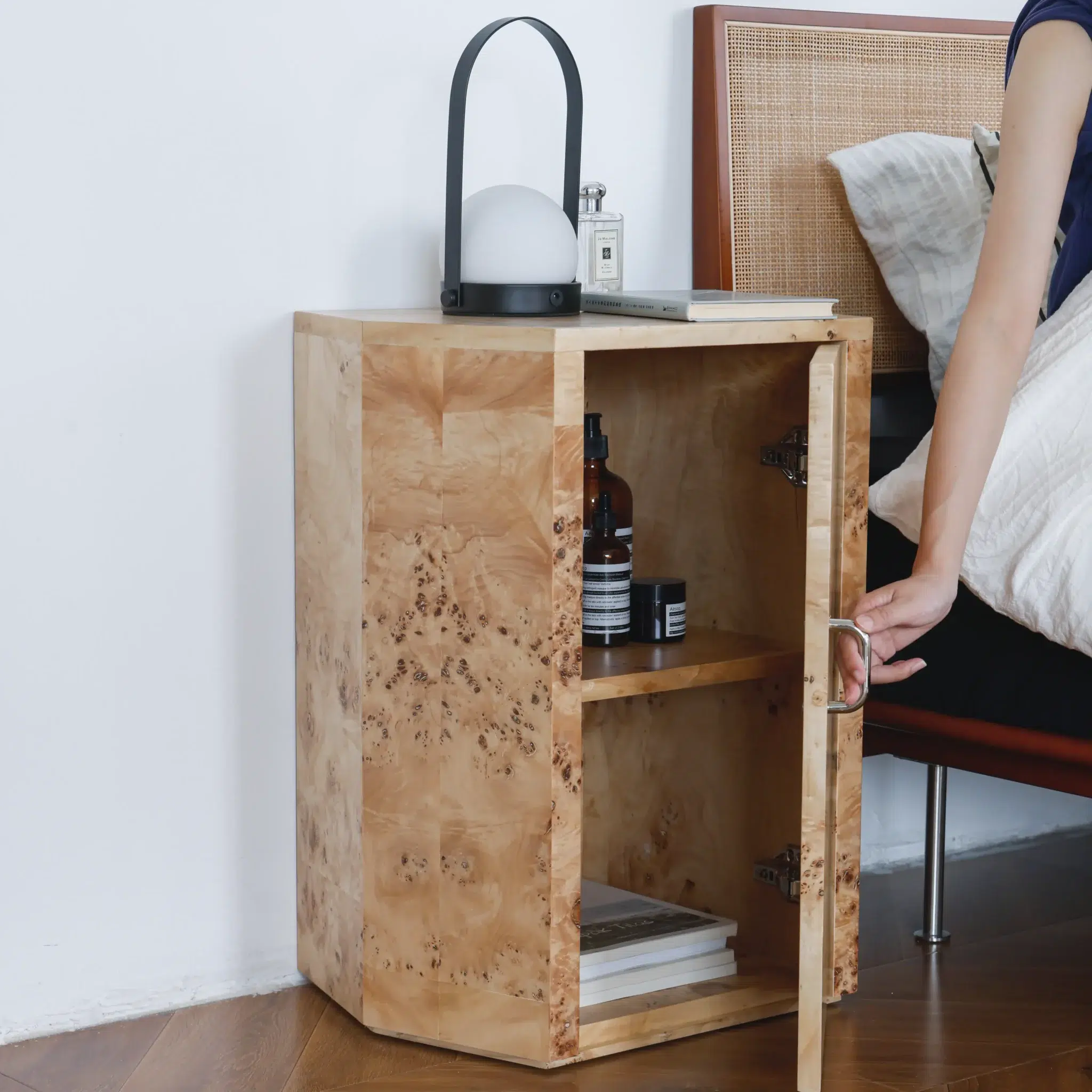
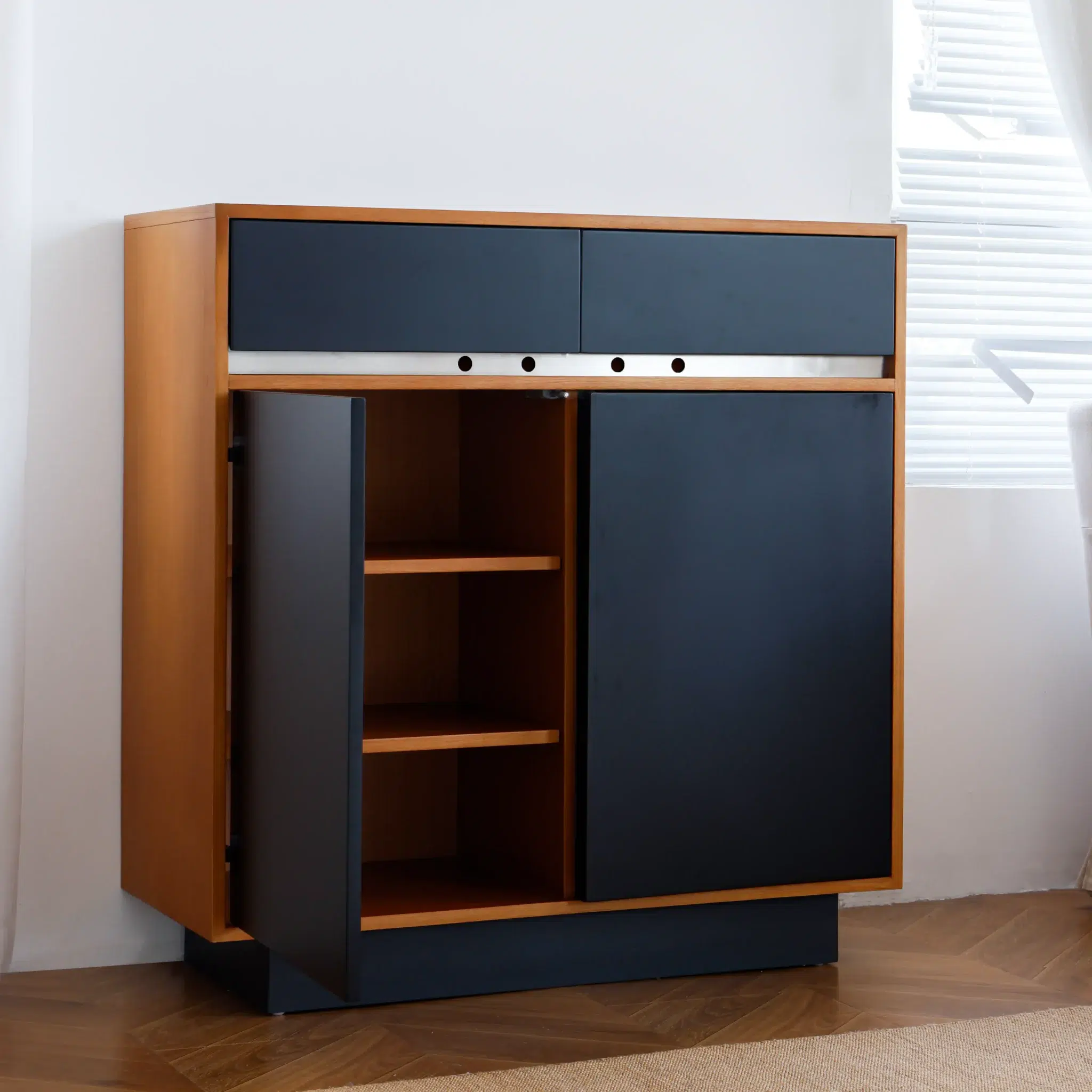
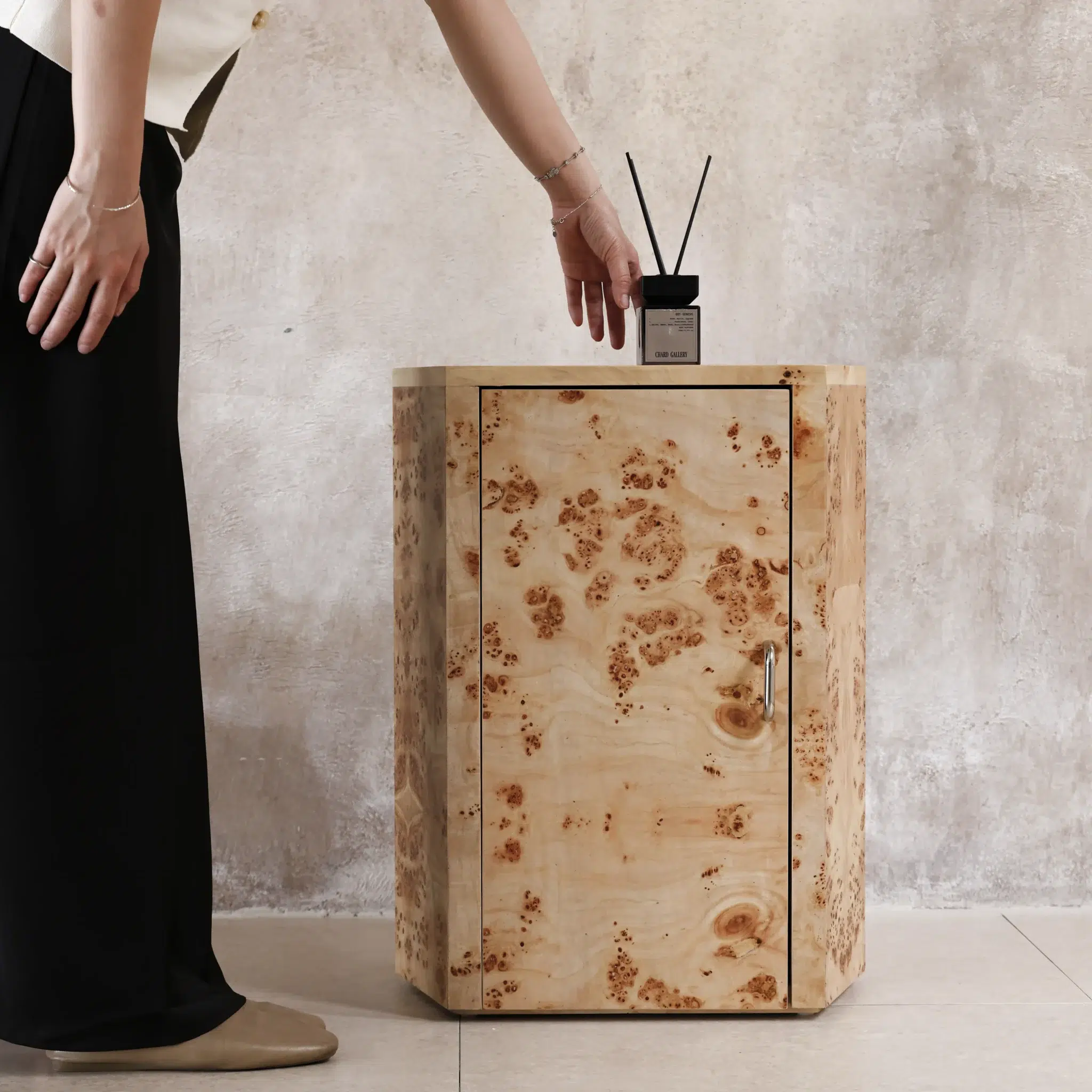
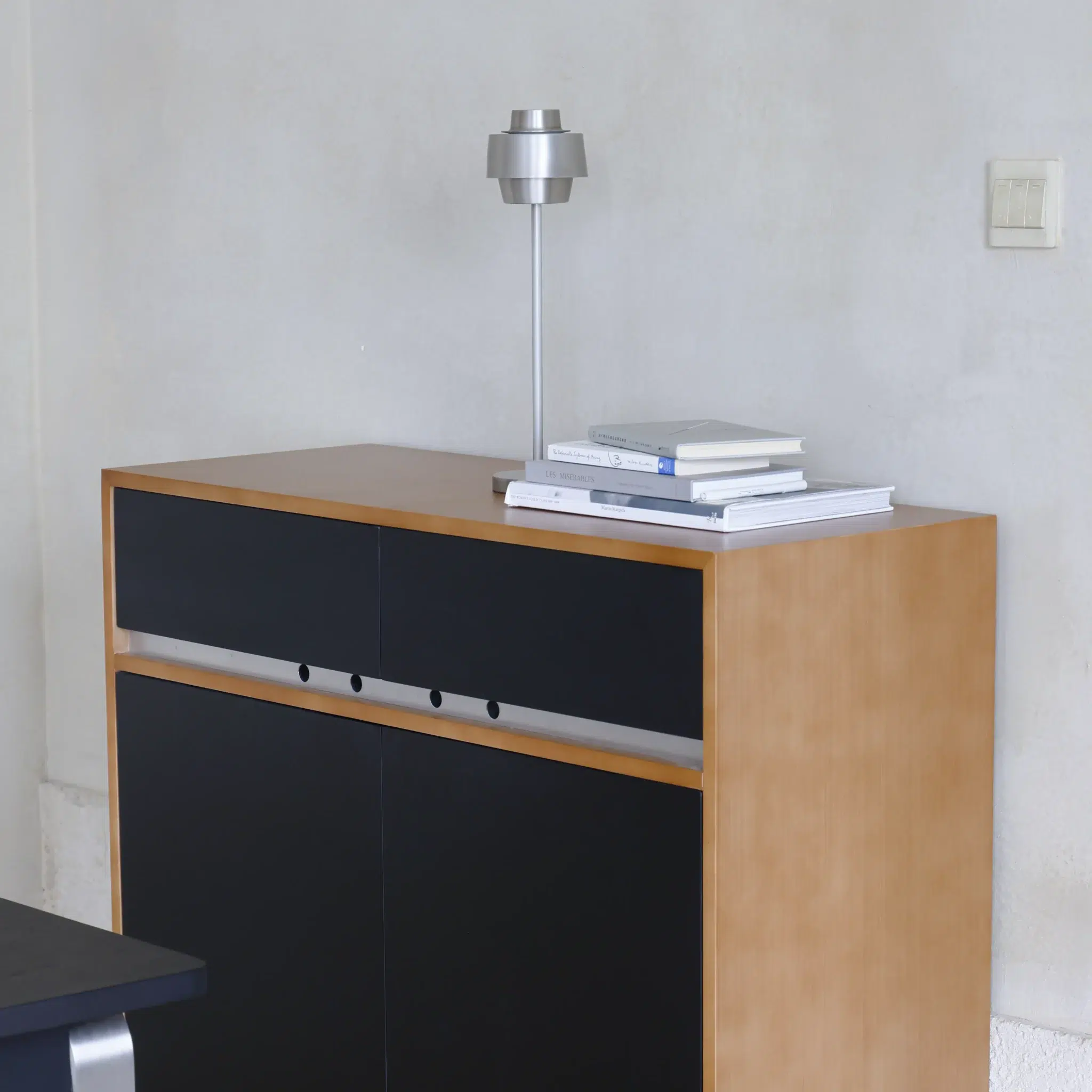
In compact homes, well-designed storage helps keep spaces organised without adding visual clutter. Pieces such as sideboards and cabinets provide concealed storage while maintaining clean lines and balanced proportions within the room. By keeping everyday items out of sight, storage furniture helps smaller interiors feel calmer, more functional, and visually open.
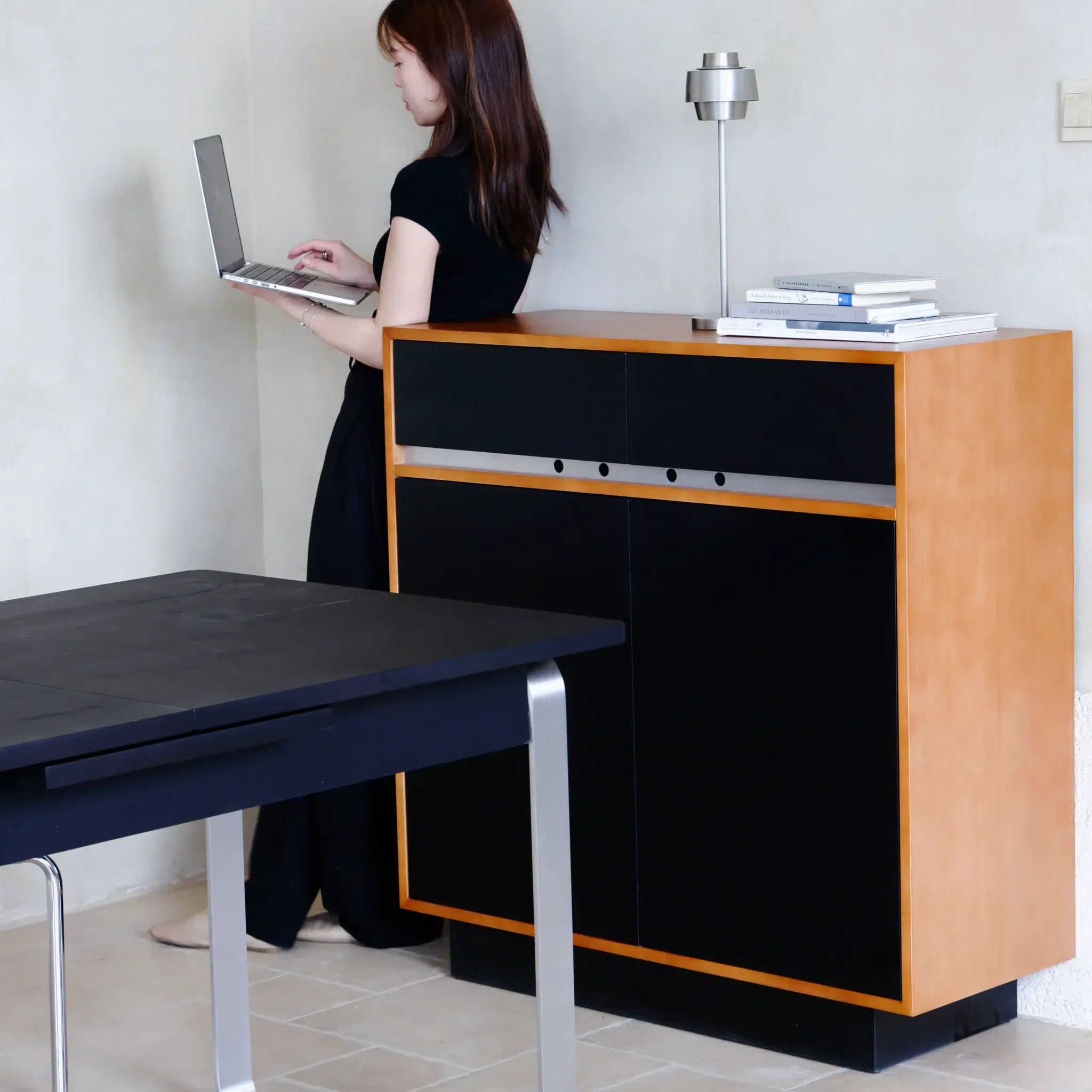
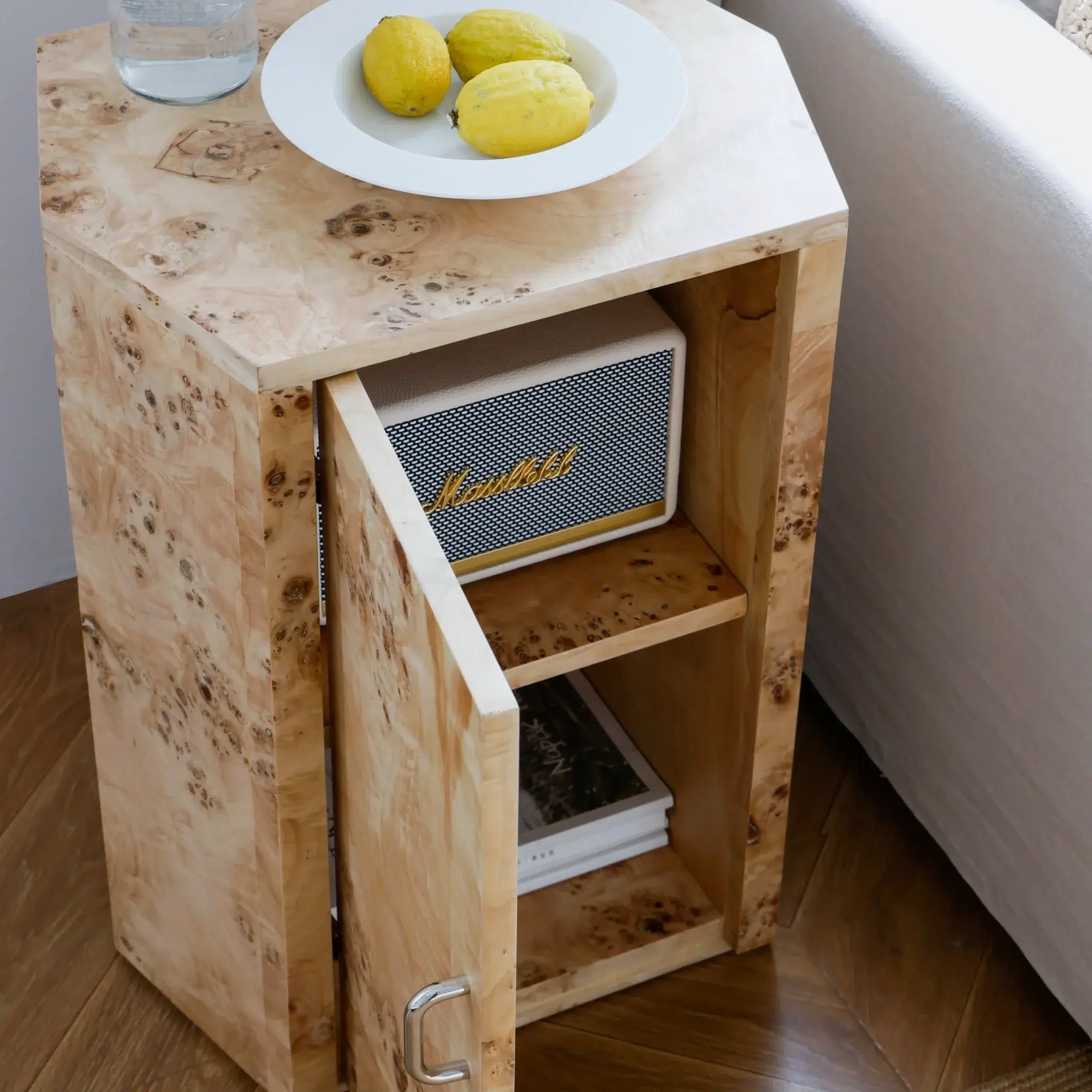
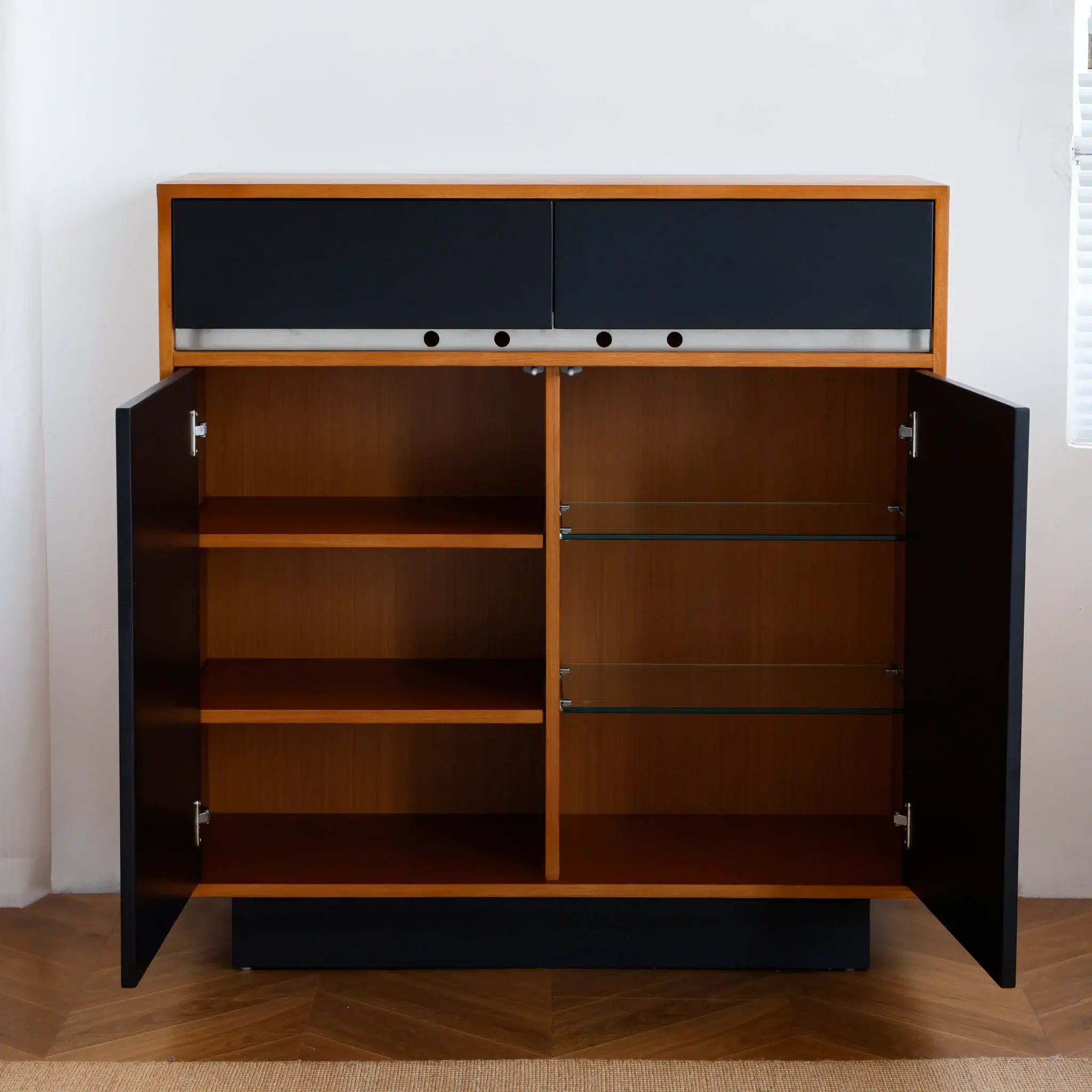
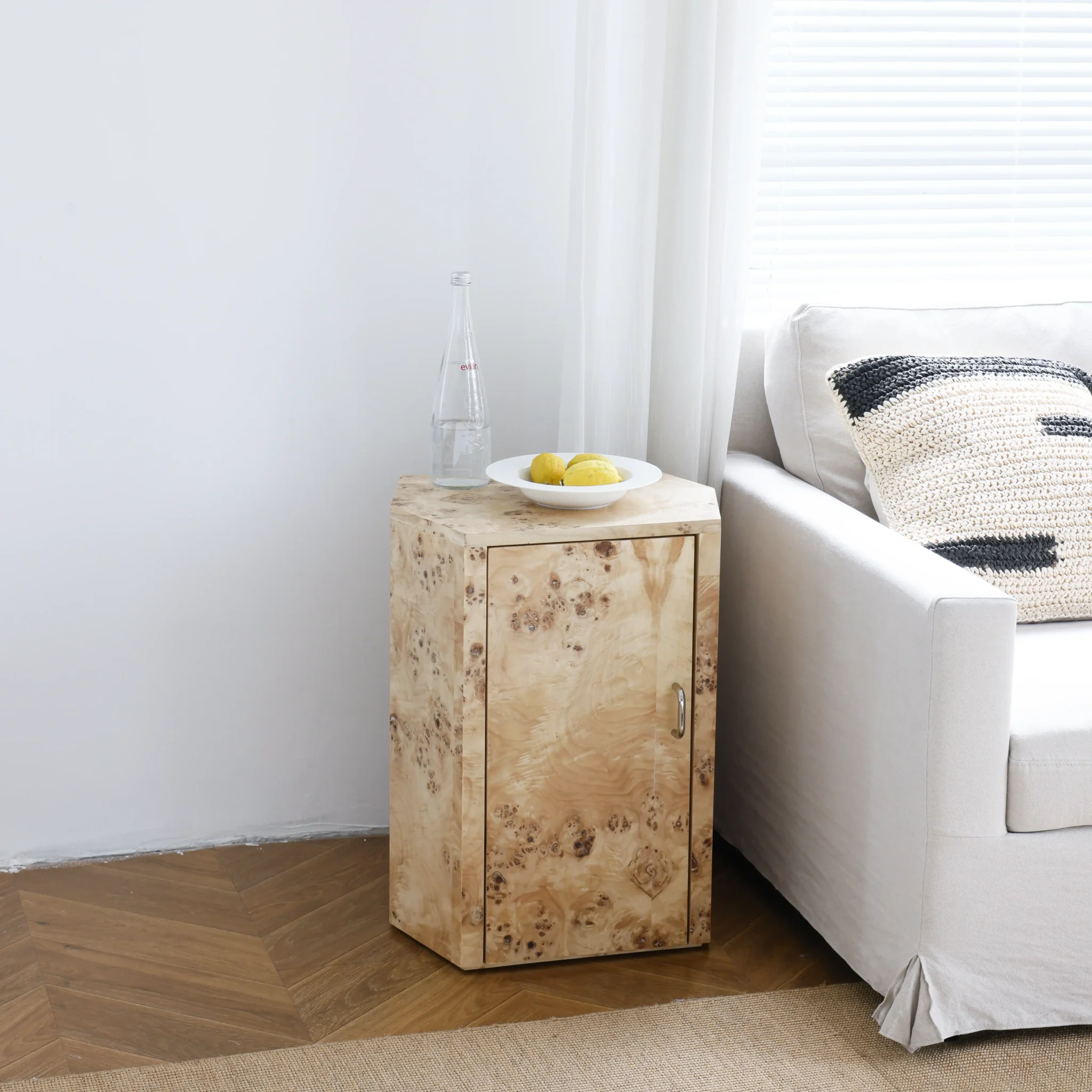
Our Storage Collection focuses on pieces that combine clean architectural form with practical everyday use. The Ptolemy Bedside Table offers compact bedside storage with a refined modern silhouette, making it ideal for smaller bedrooms or apartments where space is limited. Meanwhile, the Elly Cabinet 2.0 provides a slightly larger storage solution, with a generous top surface and internal shelving designed to organise everyday items while maintaining a minimal visual presence.
Coffee Tables
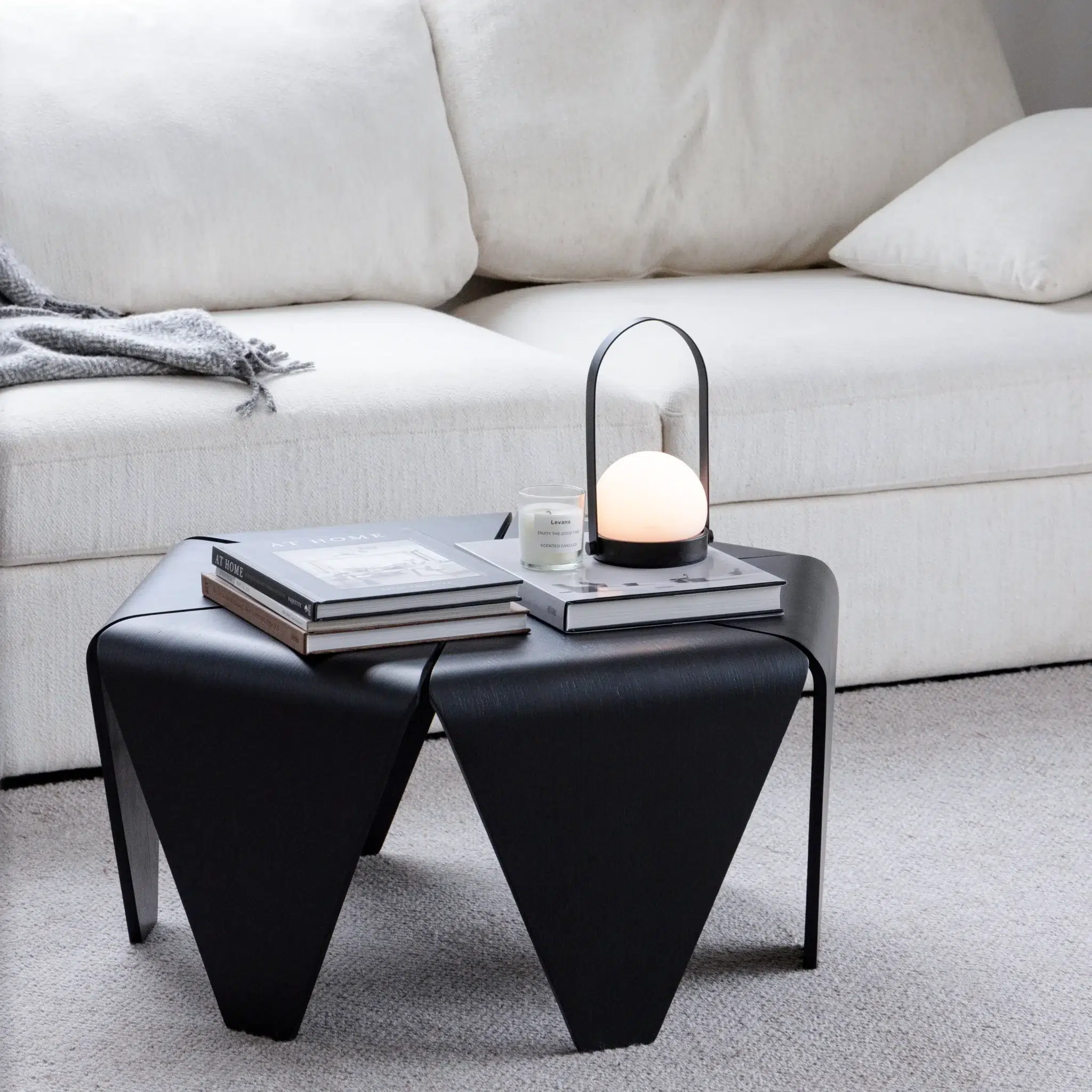
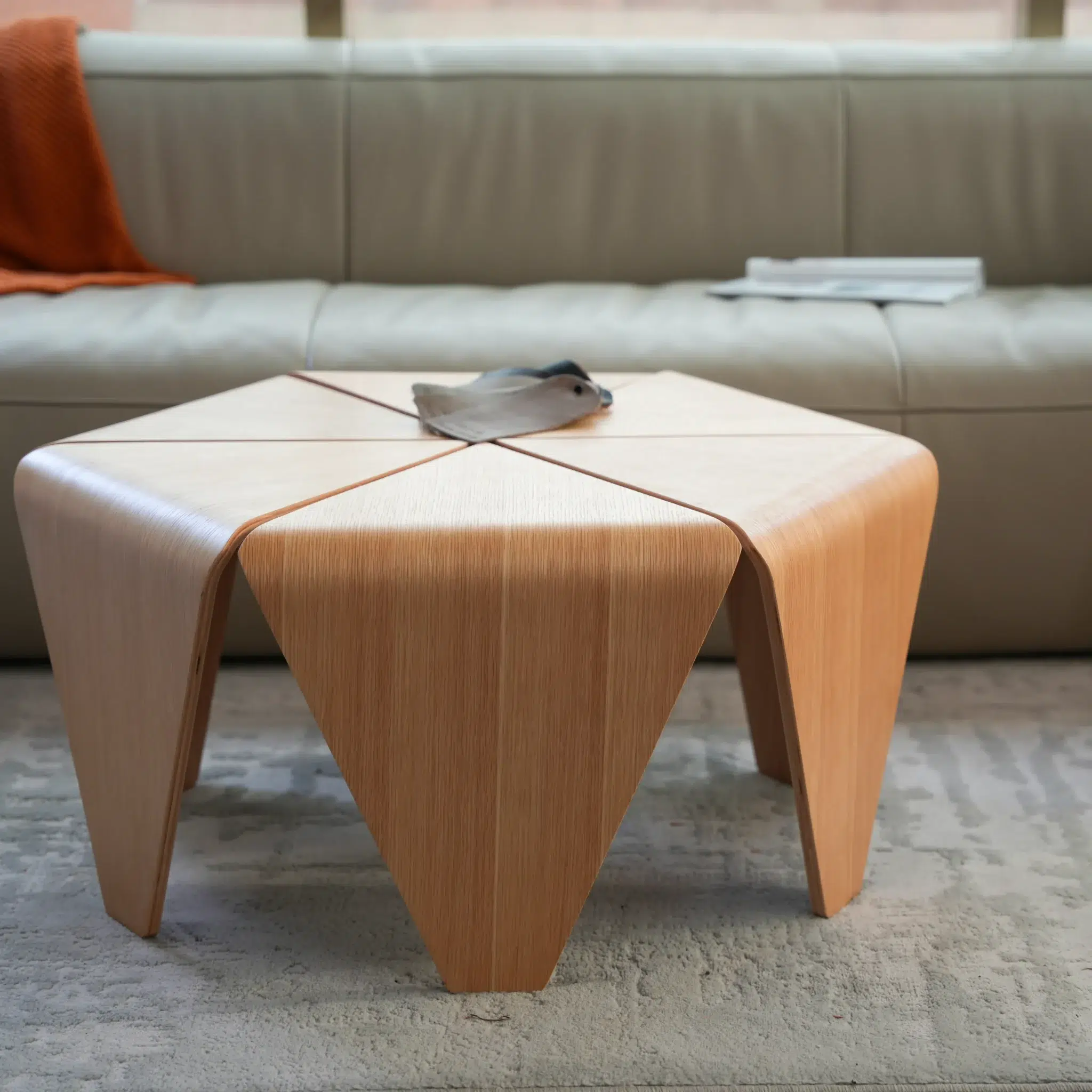
Coffee tables help anchor a living room while providing a practical surface for everyday use. In compact homes, choosing a table with balanced proportions and a lighter visual presence can help maintain openness while still defining the seating area.
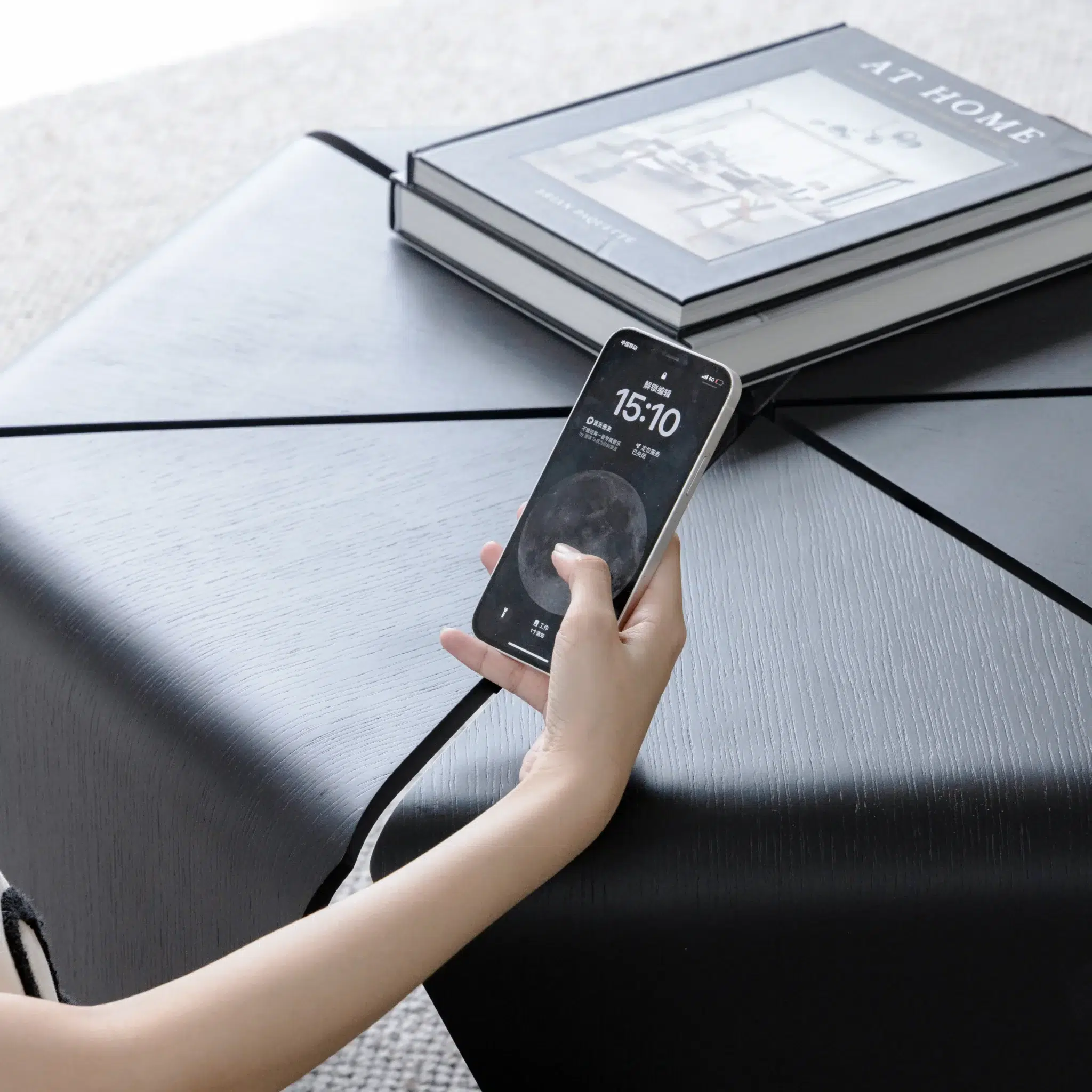
Pieces such as the Lotus Coffee Table demonstrate how sculptural form and refined materials can elevate a simple functional object. With its smooth circular top and distinctive base, the design introduces a sense of softness and fluidity to the living room while remaining compact enough to work comfortably within smaller layouts. Positioned between lounge chairs or beside a sofa, a well-proportioned coffee table helps bring the entire seating arrangement together.
Choosing Materials That Open Up A Space
The materials you choose can strongly influence how spacious a room feels. Lighter finishes, open structures, and thoughtful combinations help furniture feel refined rather than dominant, allowing smaller interiors to remain bright and balanced.
For example, pairing warm timber with slim metal frames creates contrast without heaviness. We explore this idea further in our guide to Mixing Timber And Metal Furniture In Modern Interiors. Upholstered or leather finishes can also introduce softness and durability, particularly for seating, which we discuss also in Our Guide To Choosing Leather Furniture.
Common Mistakes To Avoid
In Conclusion
Furnishing a compact home is ultimately about balance. Each piece needs to serve a clear purpose while contributing to a cohesive and visually calm interior. By carefully selecting dining tables, chairs, lounge seating, and storage that respect proportion and circulation, even smaller spaces can feel comfortable, functional, and well considered.
Thoughtful furniture choices allow compact interiors to work harder without feeling crowded. When form, material, and scale are carefully aligned, a home can feel open, inviting, and beautifully resolved regardless of its size.