Why Sculptural Furniture Is Defining Modern Homes in Australia
Estimated reading time: 4 minutes
Sculptural furniture in Australia is becoming increasingly popular in modern homes. They are becoming more considered, more intentional, and more expressive in how they are designed. Within this shift, furniture is no longer treated as something that simply fills a space. Instead, it plays a central role in shaping how a room feels and functions. Sculptural furniture, defined by its focus on form, material, and presence, has emerged as a key part of this evolution.
What Is Sculptural Furniture?
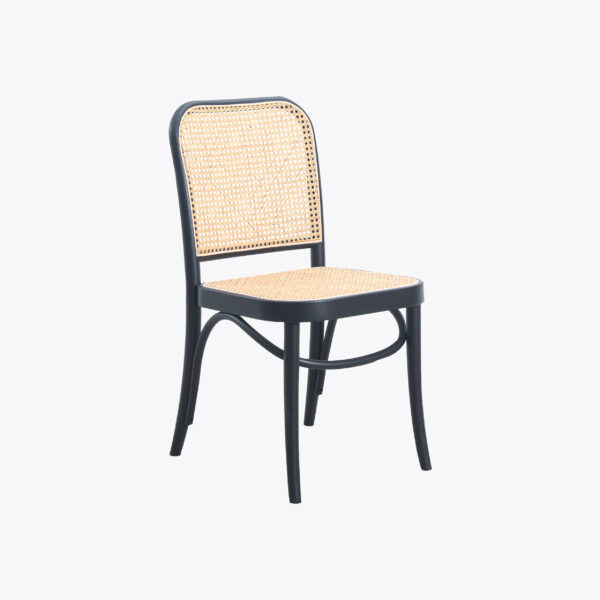
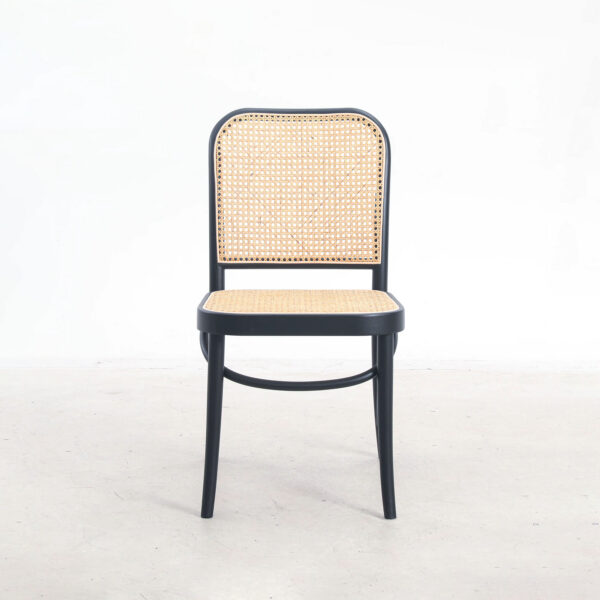
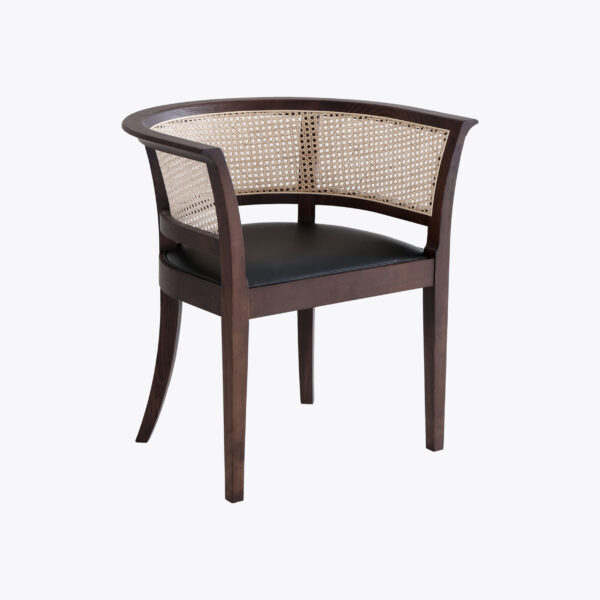
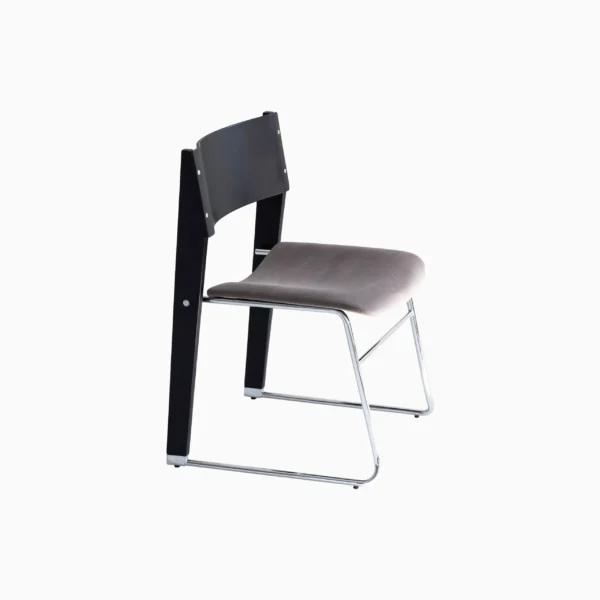
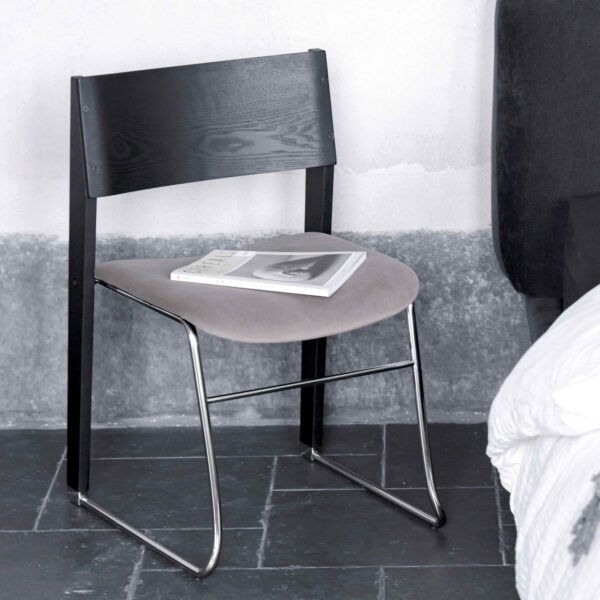
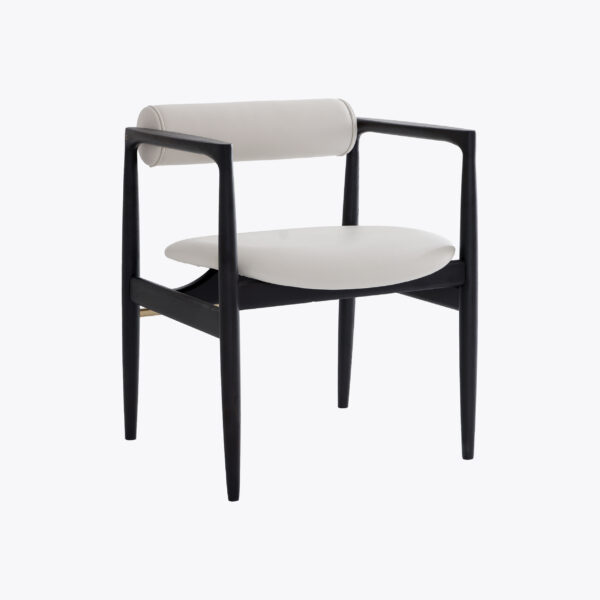
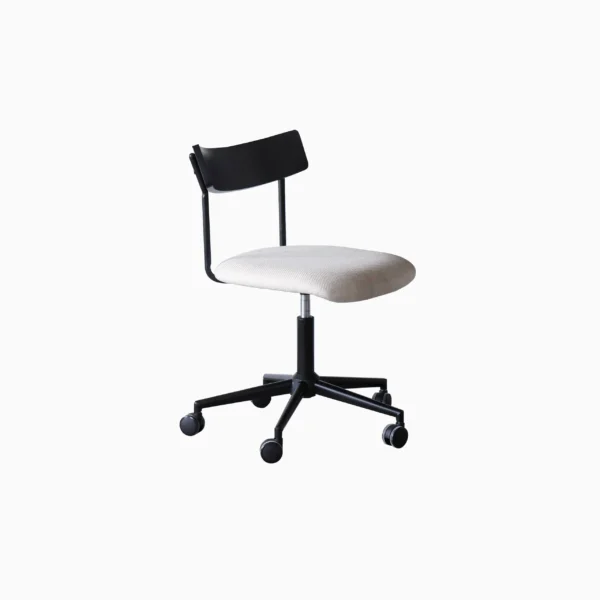
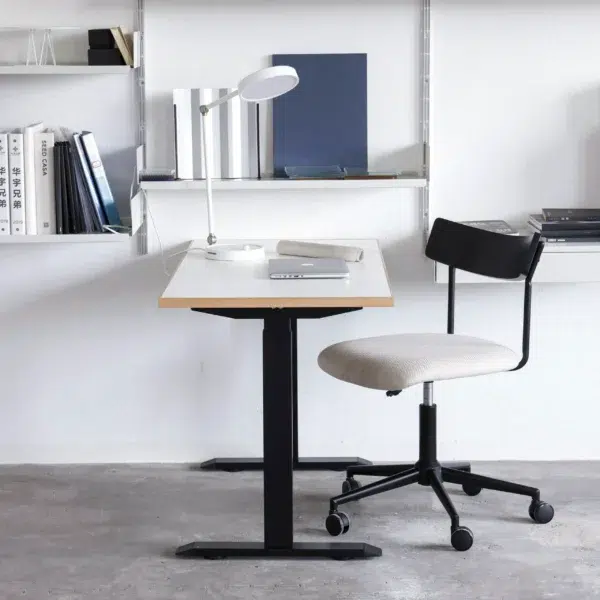
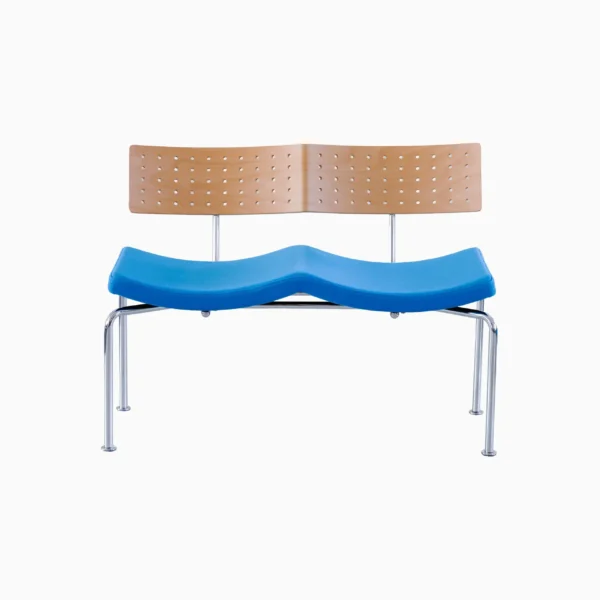
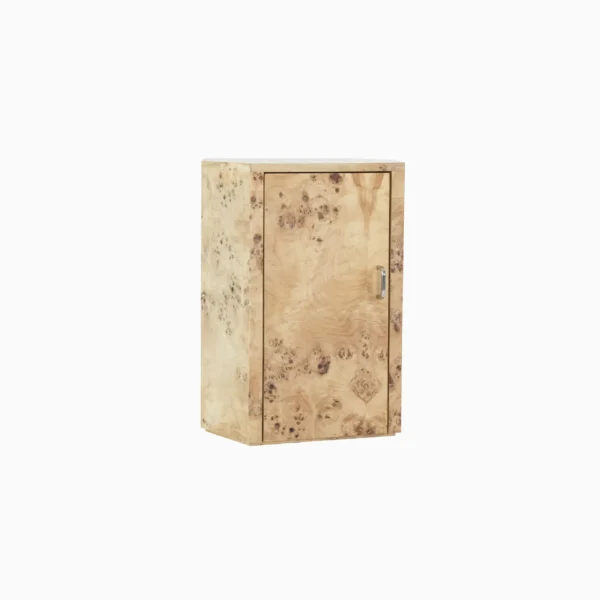
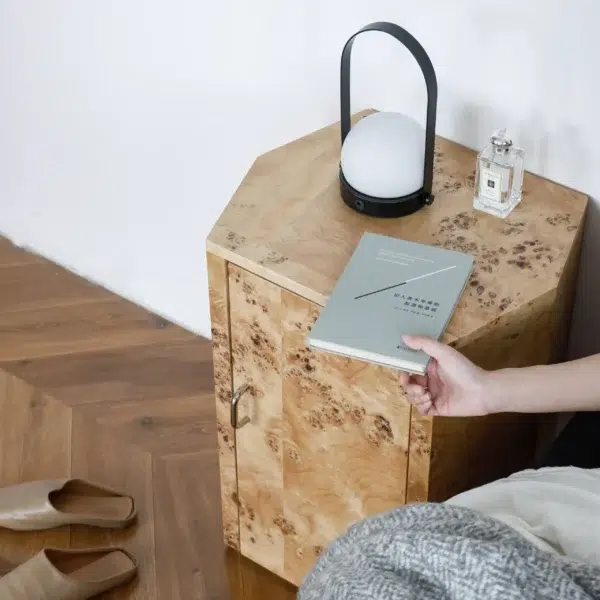
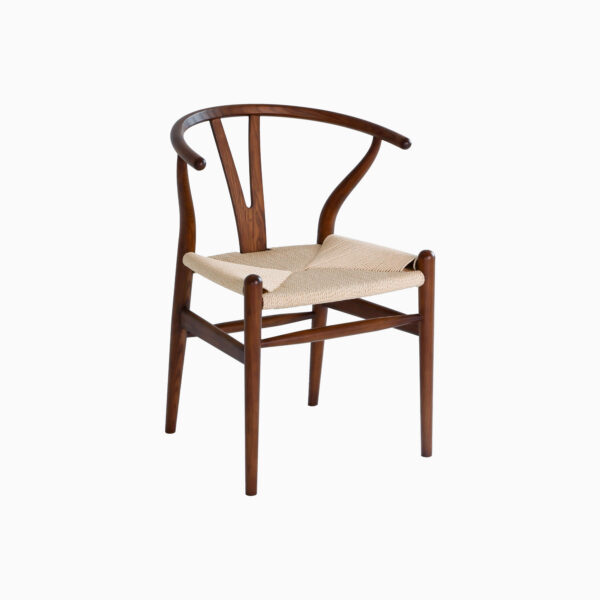
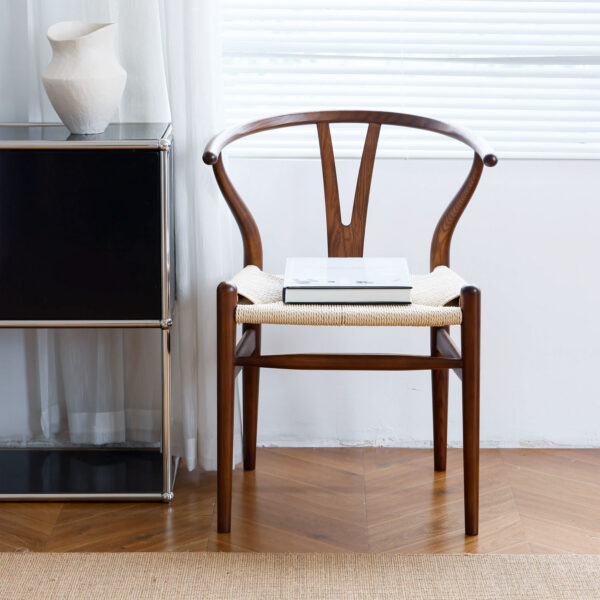
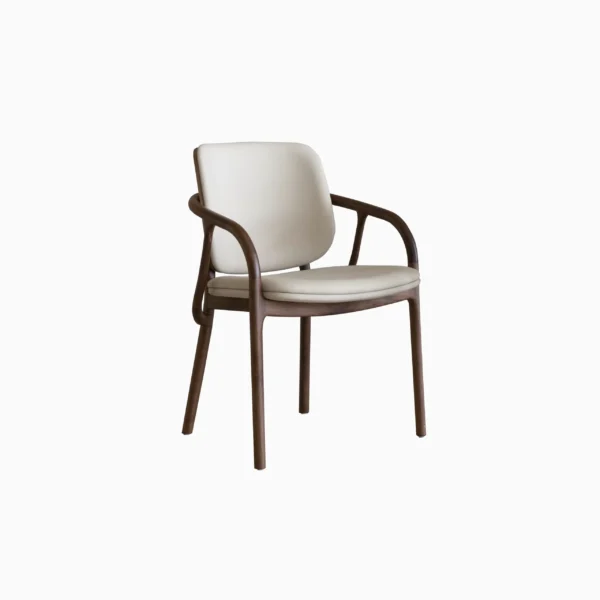
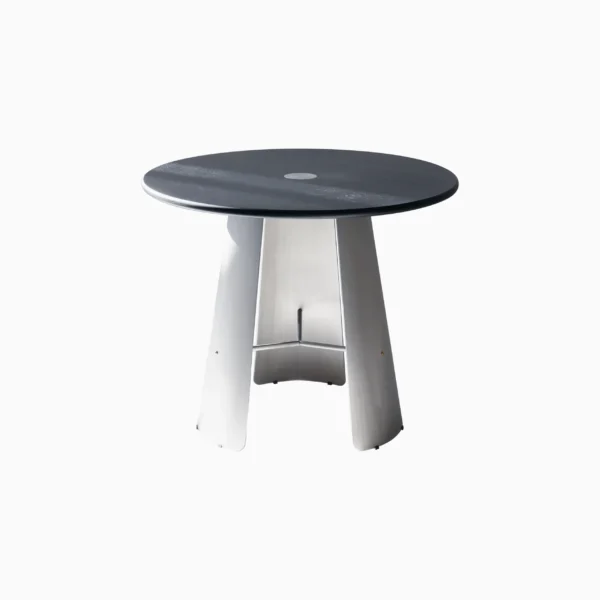
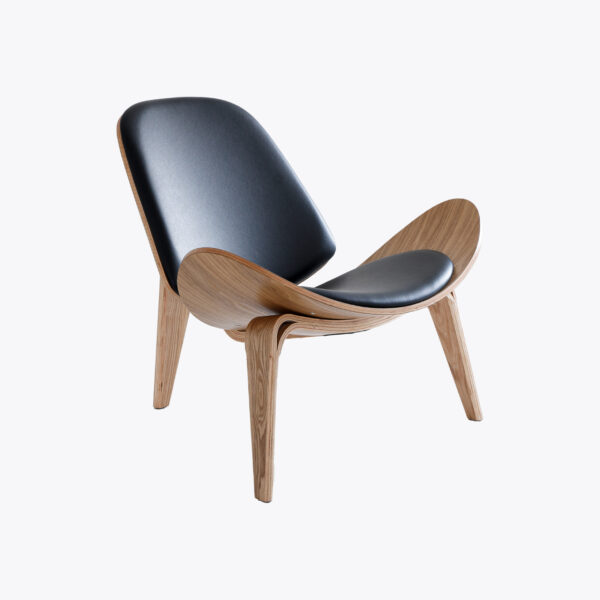
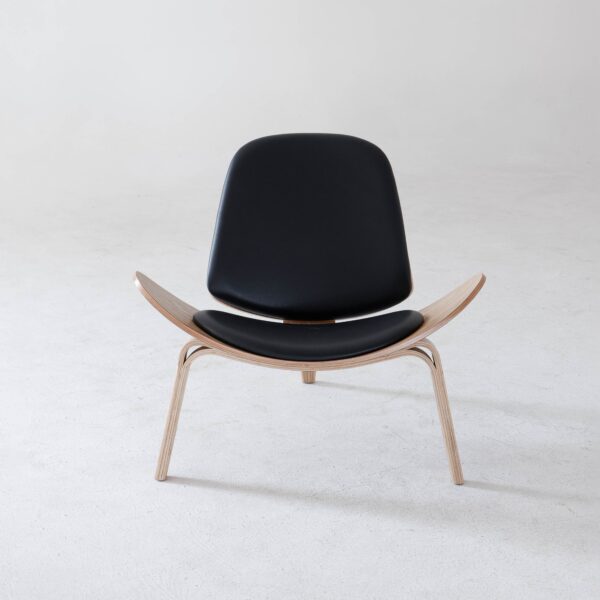
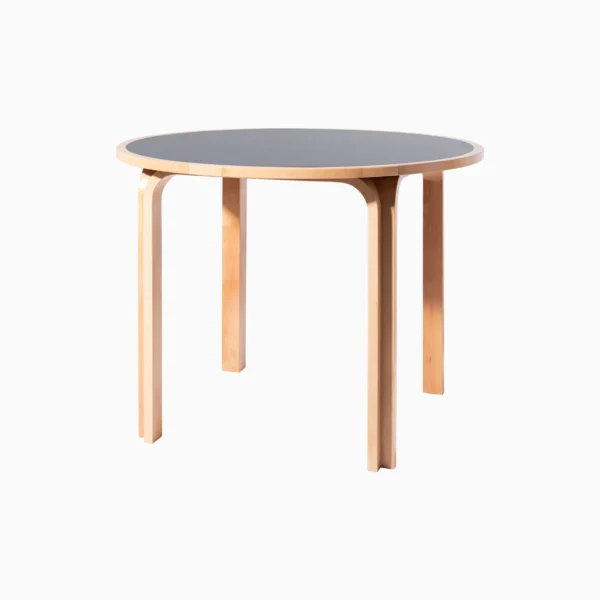
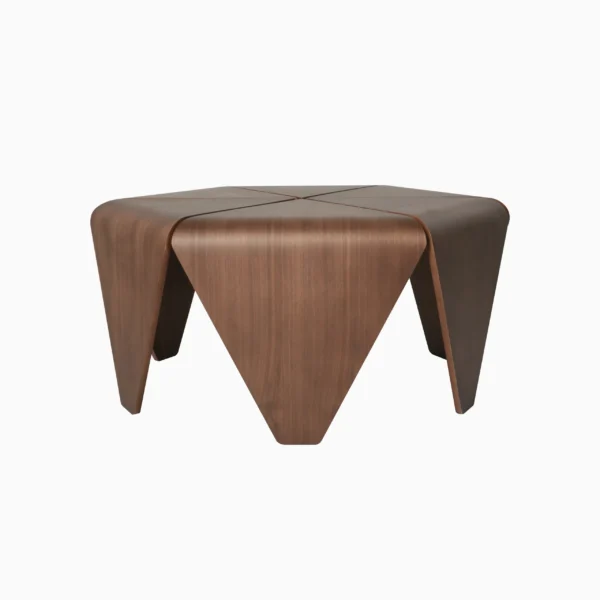
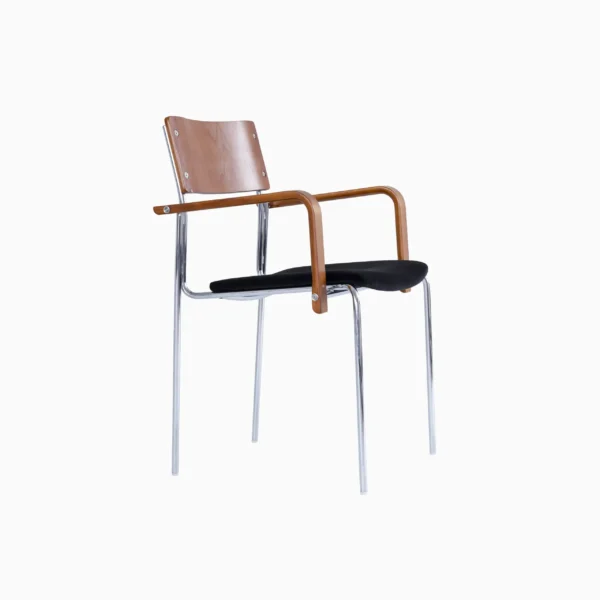
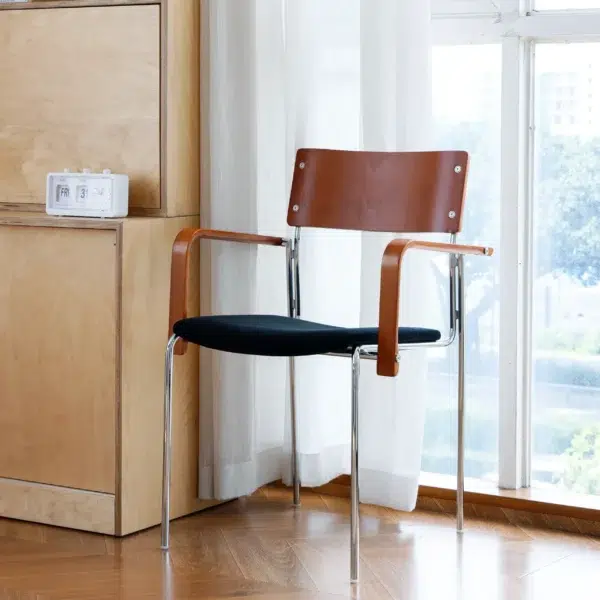
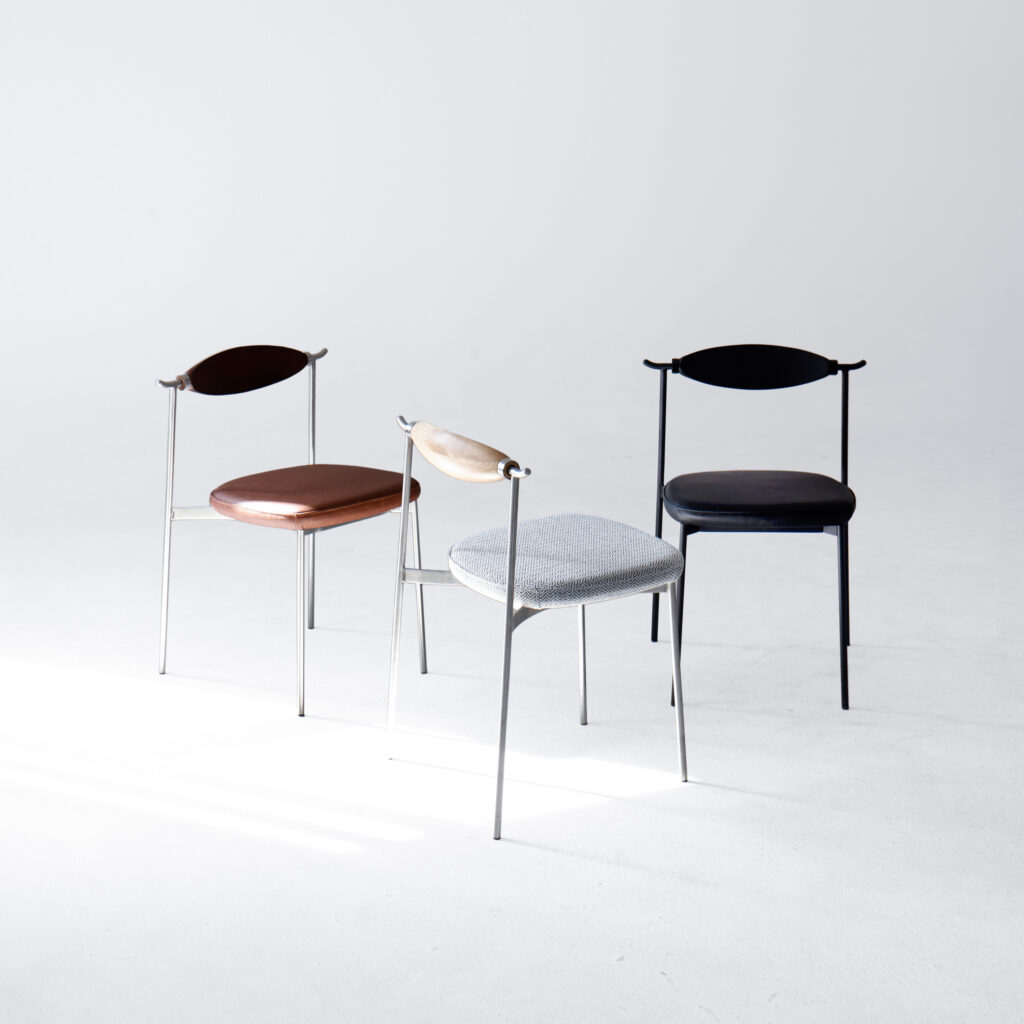
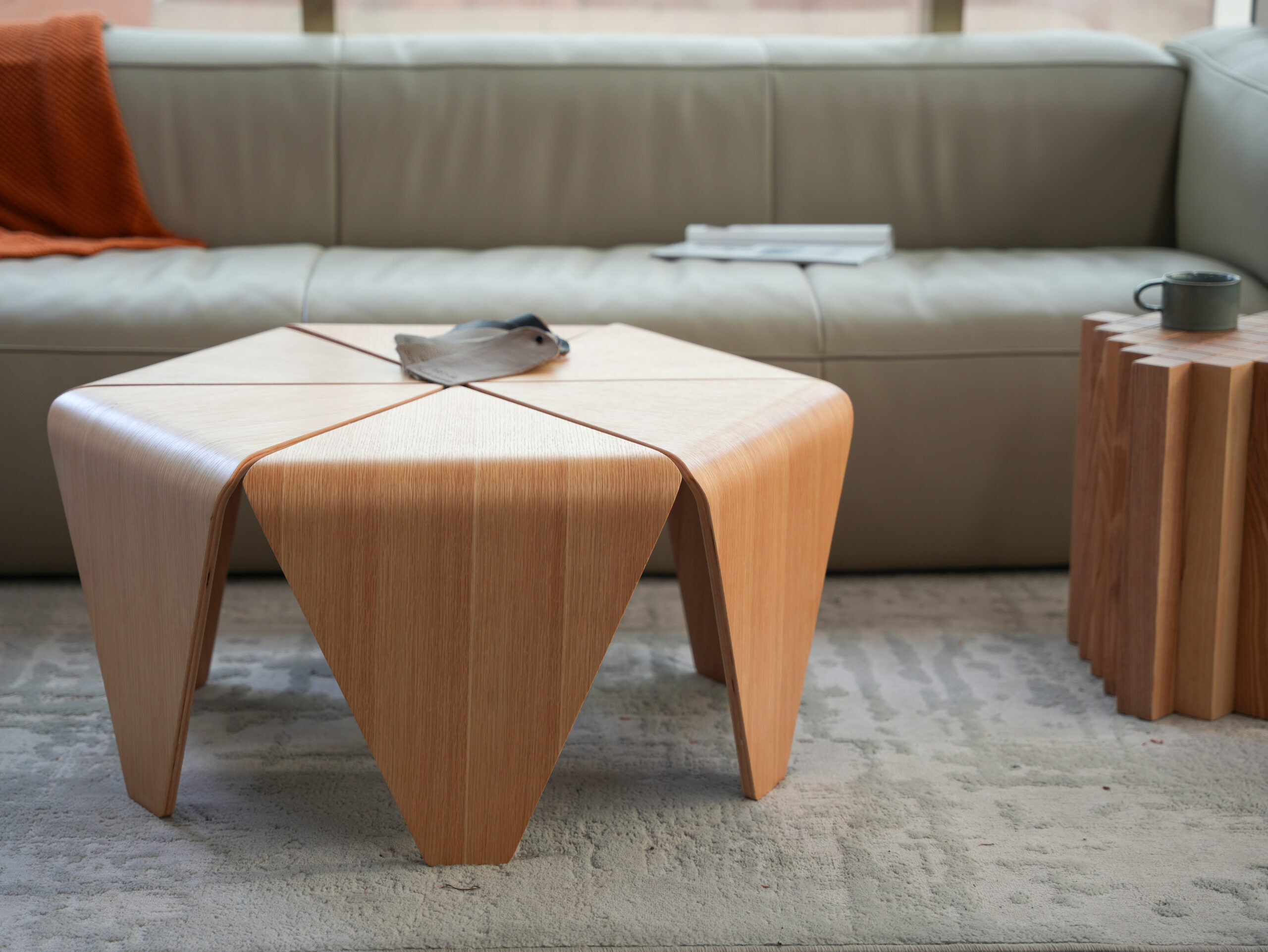
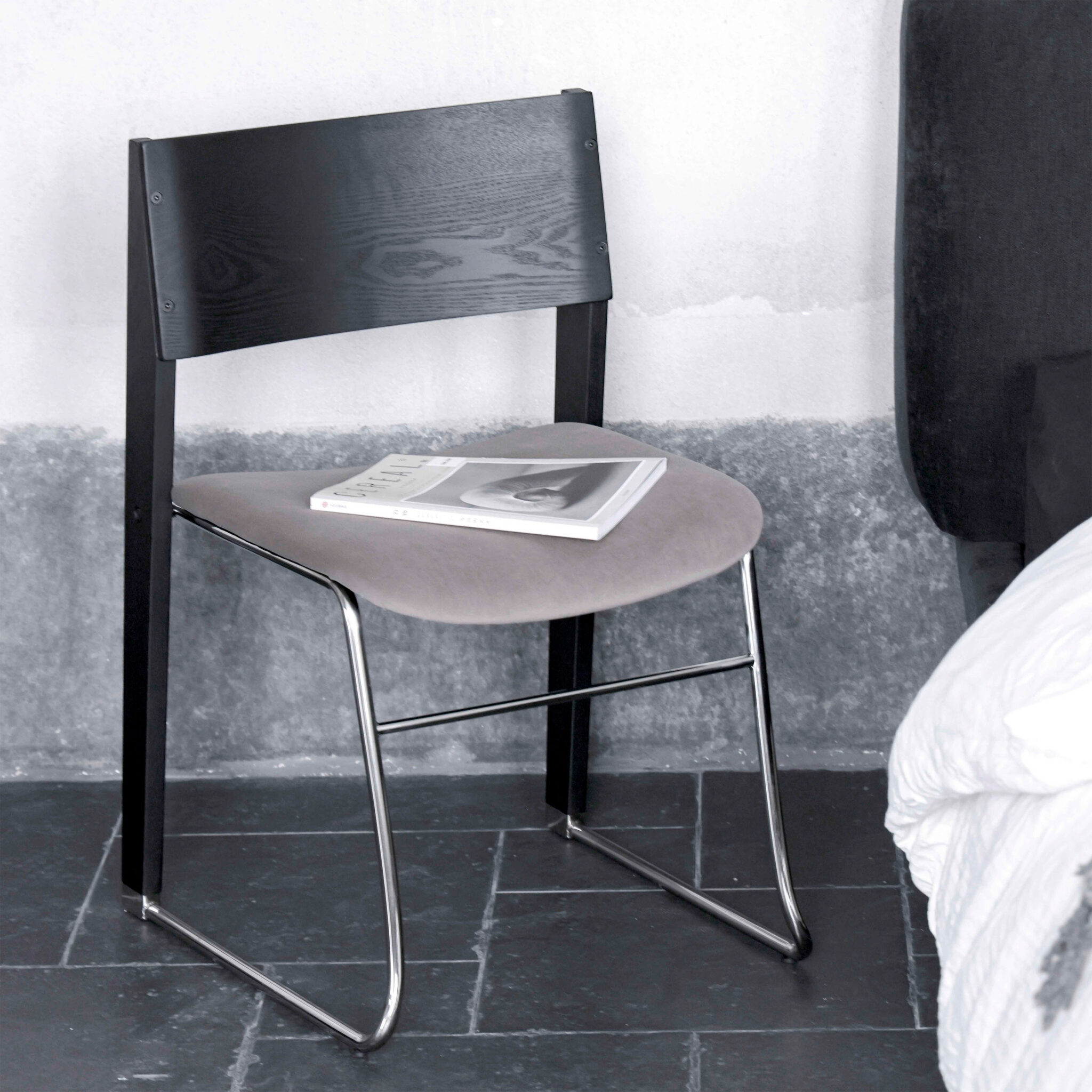
Sculptural furniture prioritises form as much as function. These pieces are often defined by soft curves, bold silhouettes, and refined material contrasts. Rather than blending into the background, they are designed to stand out and hold visual weight within a space.
In this way, sculptural furniture sits somewhere between functional object and design statement. It’s not just something you use, it’s something you experience. As noted by Elsa Home and Beauty, sculptural furniture exists at “the perfect union between artistic vision and everyday function,” highlighting the growing desire for interiors that feel both expressive and deeply liveable.
Why It’s Defining Modern Homes
The rise of sculptural furniture is closely tied to how homes are now designed and lived in.
Open-plan layouts have reduced the need for walls and partitions, which means furniture is increasingly responsible for creating structure within a space. A well-designed piece can anchor a room, define zones, and guide how the space flows.
At the same time, there is a growing preference for fewer, better pieces. Instead of filling a room, the focus has shifted towards selecting furniture that feels intentional and considered. Sculptural pieces naturally support this approach, as their presence allows them to carry more visual and spatial importance.
Homes are also becoming more personal. Furniture is no longer purely functional, it reflects taste, identity, and how someone wants their space to feel.
How Sculptural Furniture Shapes a Space
Sculptural furniture doesn’t just sit within a room, it actively changes how the space is perceived.
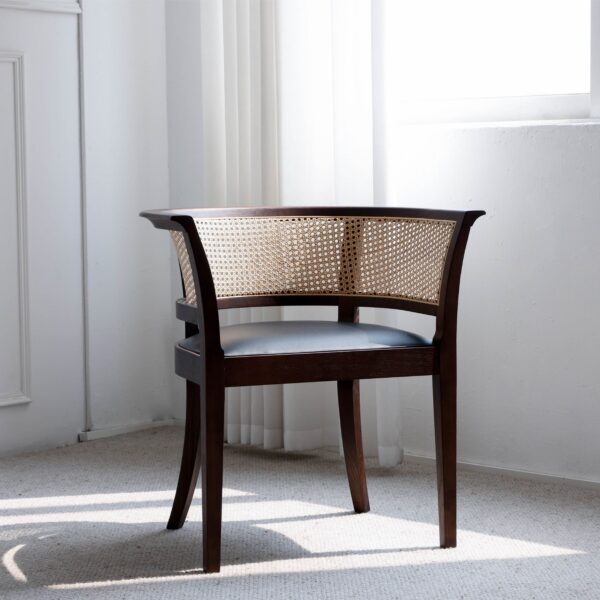
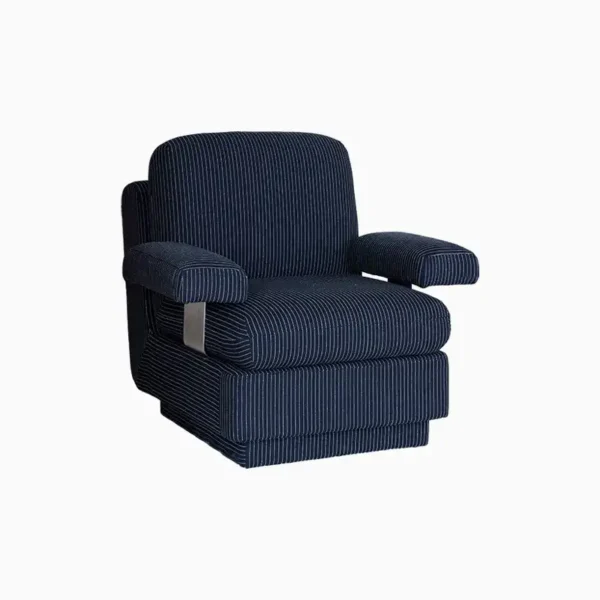
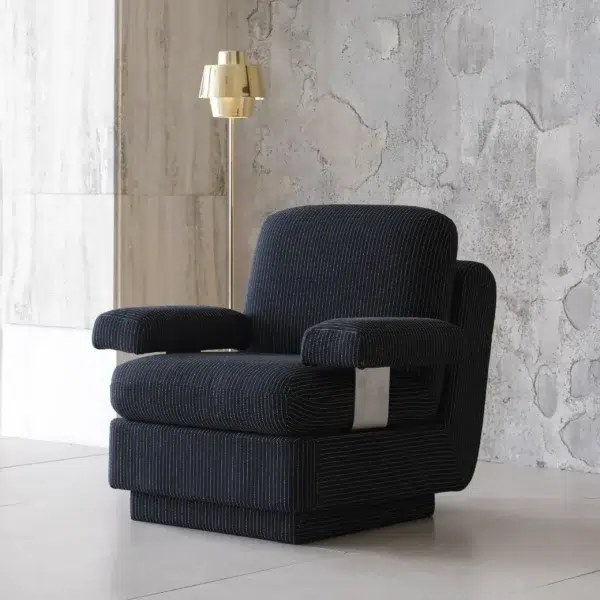
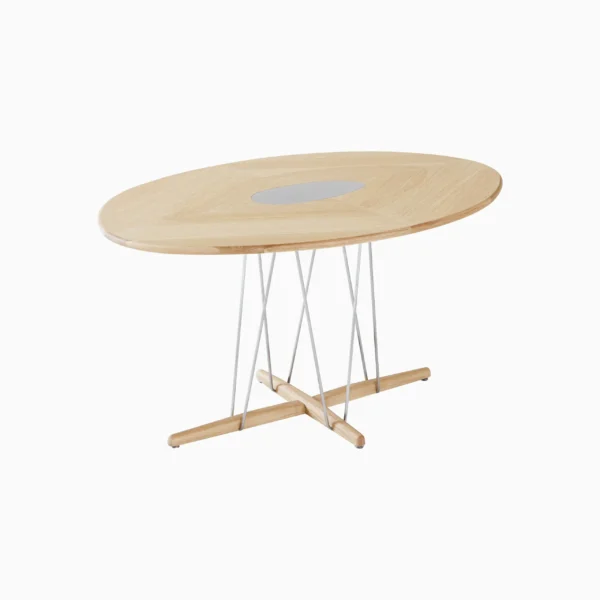
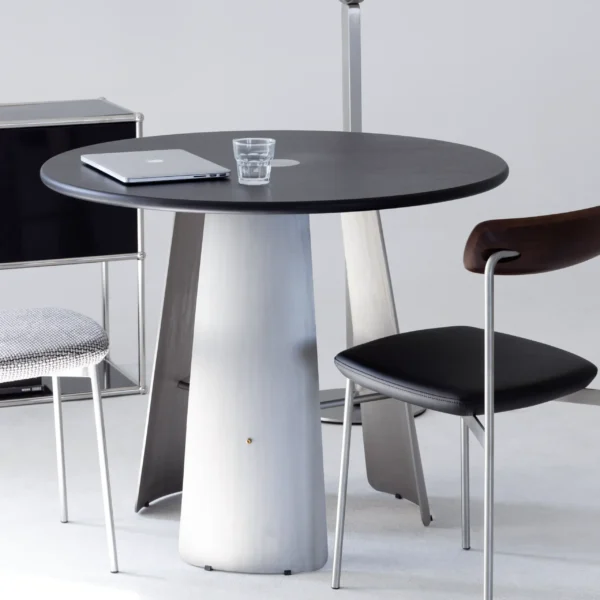
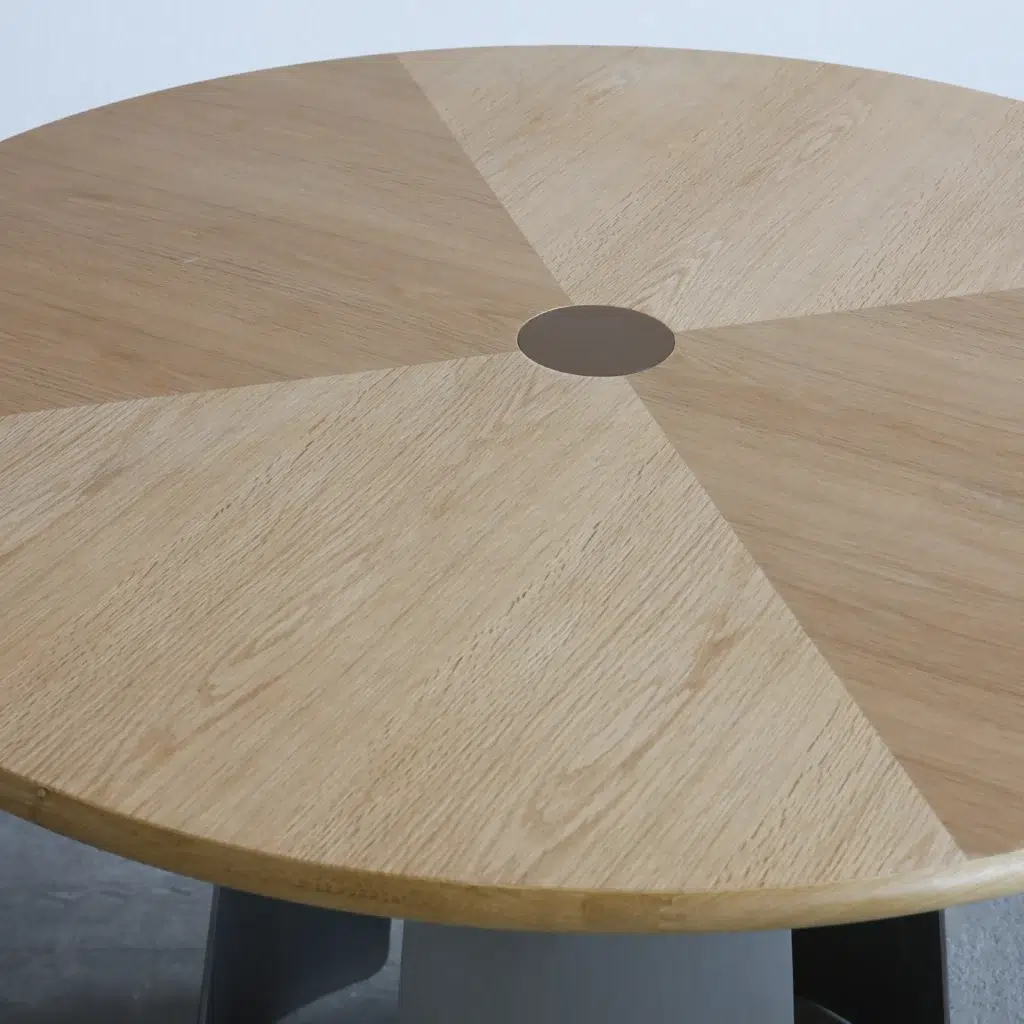
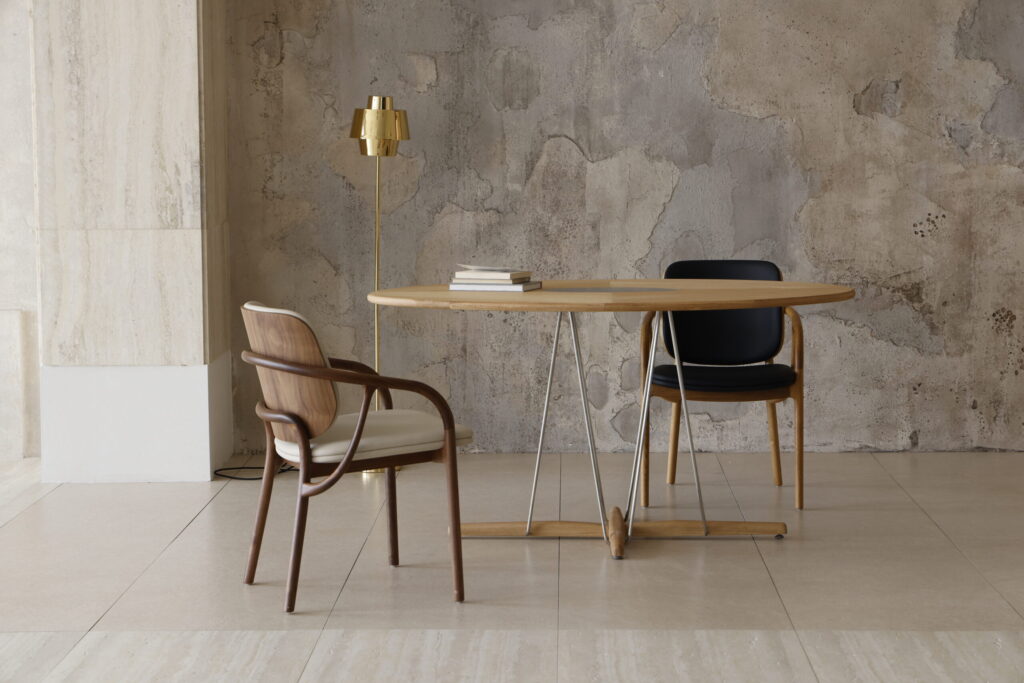
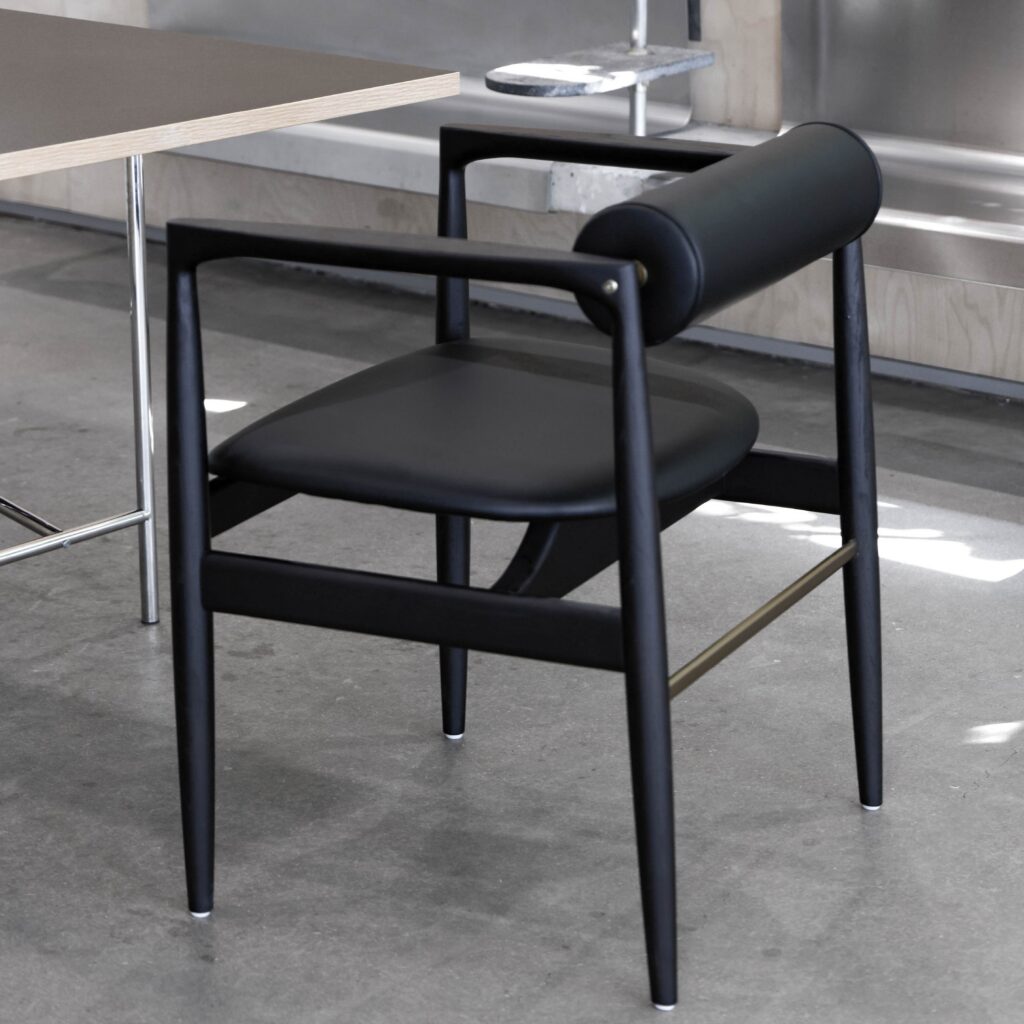
Curved forms can soften more rigid architectural lines, creating a sense of ease and flow. A single statement piece, such as a dining table or lounge chair, can act as a focal point that brings the entire room together.
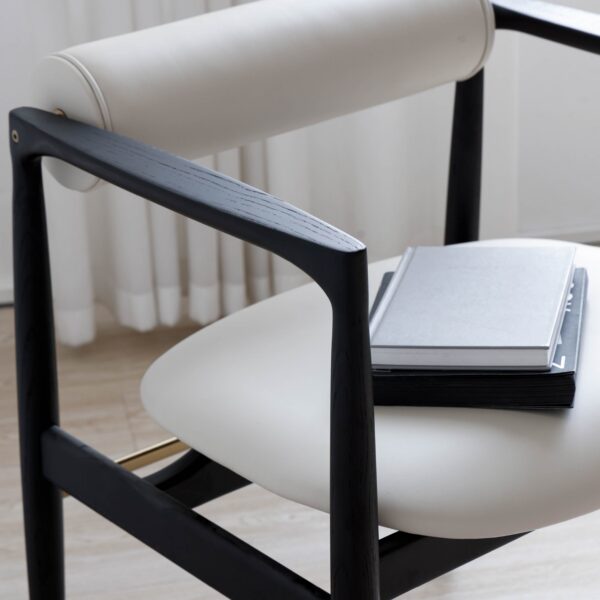
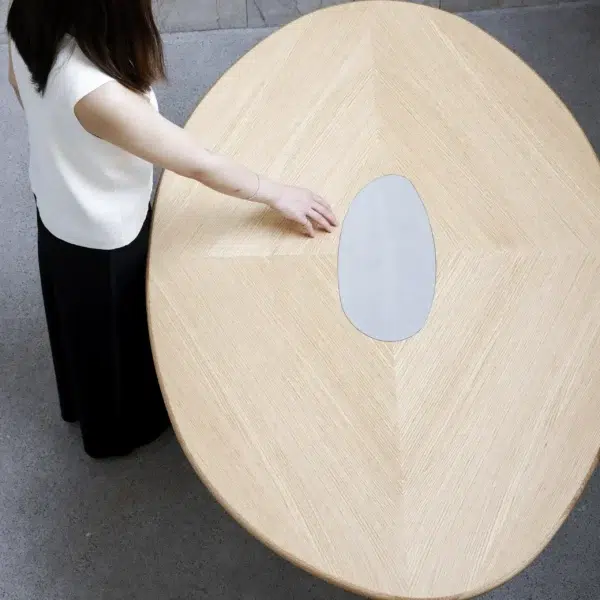
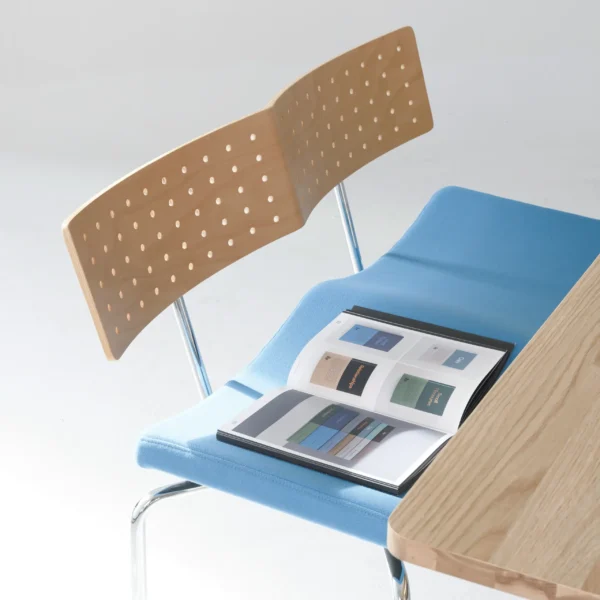
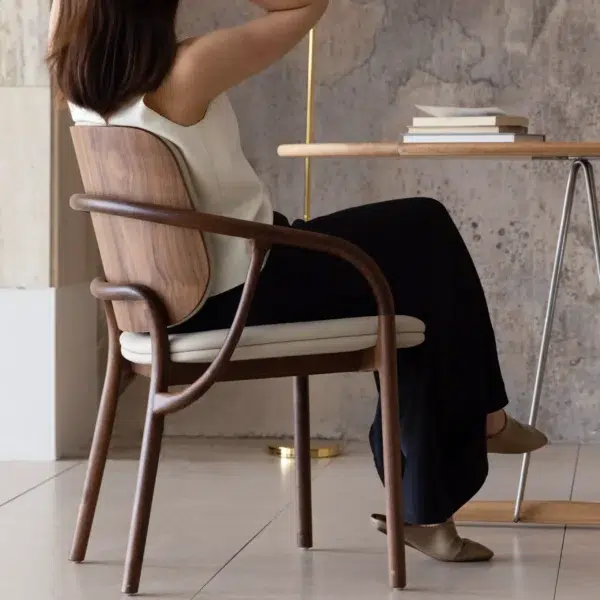
Materiality also plays an important role. Timber, stone, and upholstered finishes introduce texture and depth, helping the piece feel grounded within the space while still standing out.
How to Style It
Because sculptural furniture already carries strong visual impact, restraint becomes important.
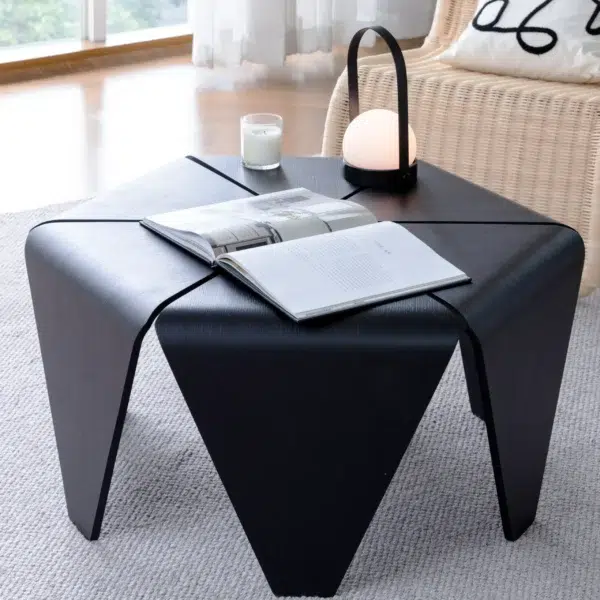
Allow one piece to take the lead rather than competing for attention. Keep surrounding elements minimal and considered, so the form remains clear and intentional.
Balance can be achieved through materials and finishes, rather than adding more objects. The goal is to create cohesion without overwhelming the space.
Where It Works Best
Sculptural furniture can work throughout the home, but it tends to have the most impact in key areas.
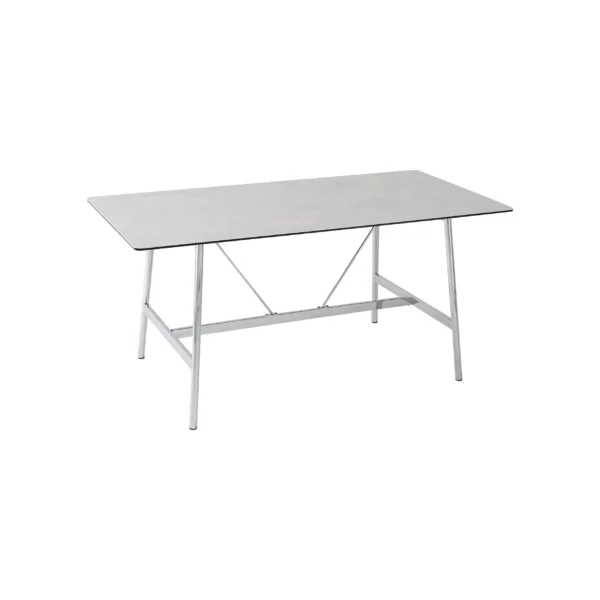
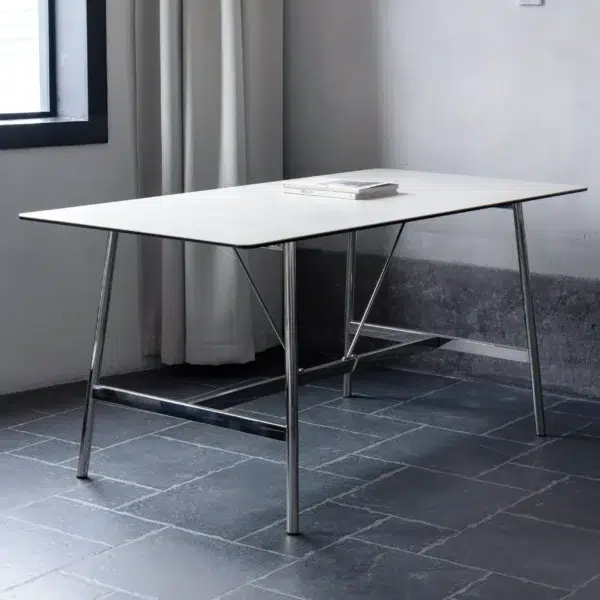
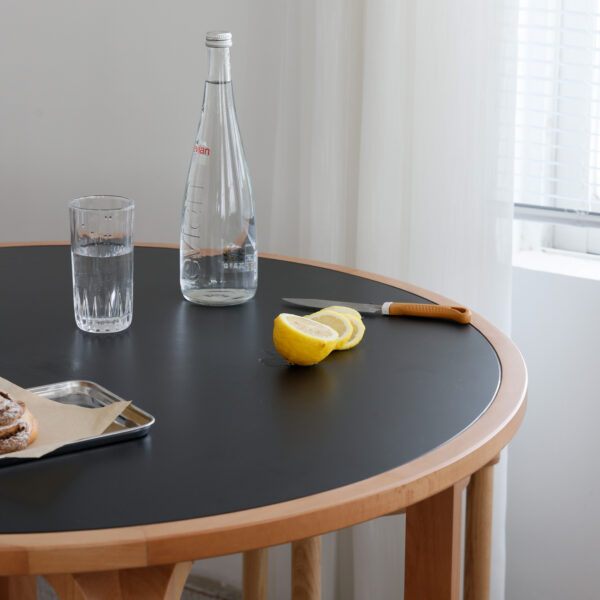
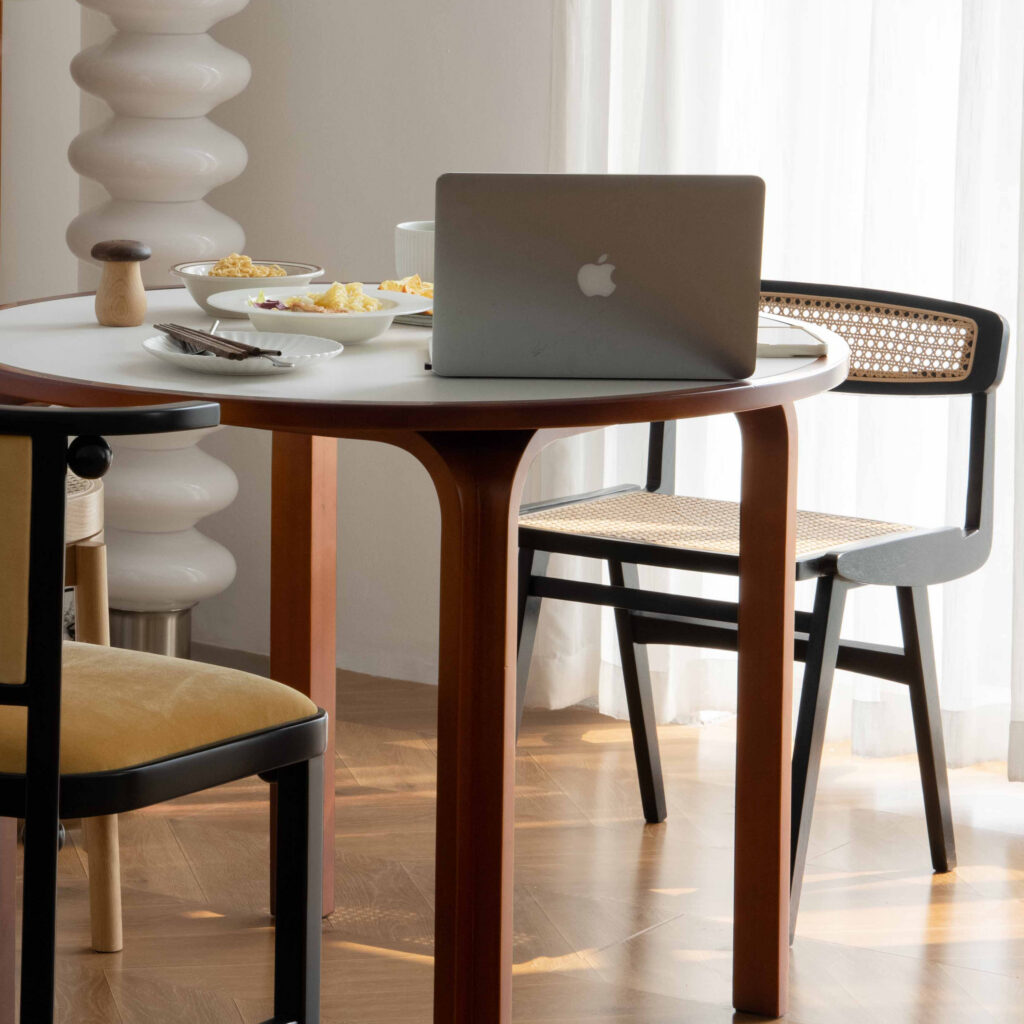
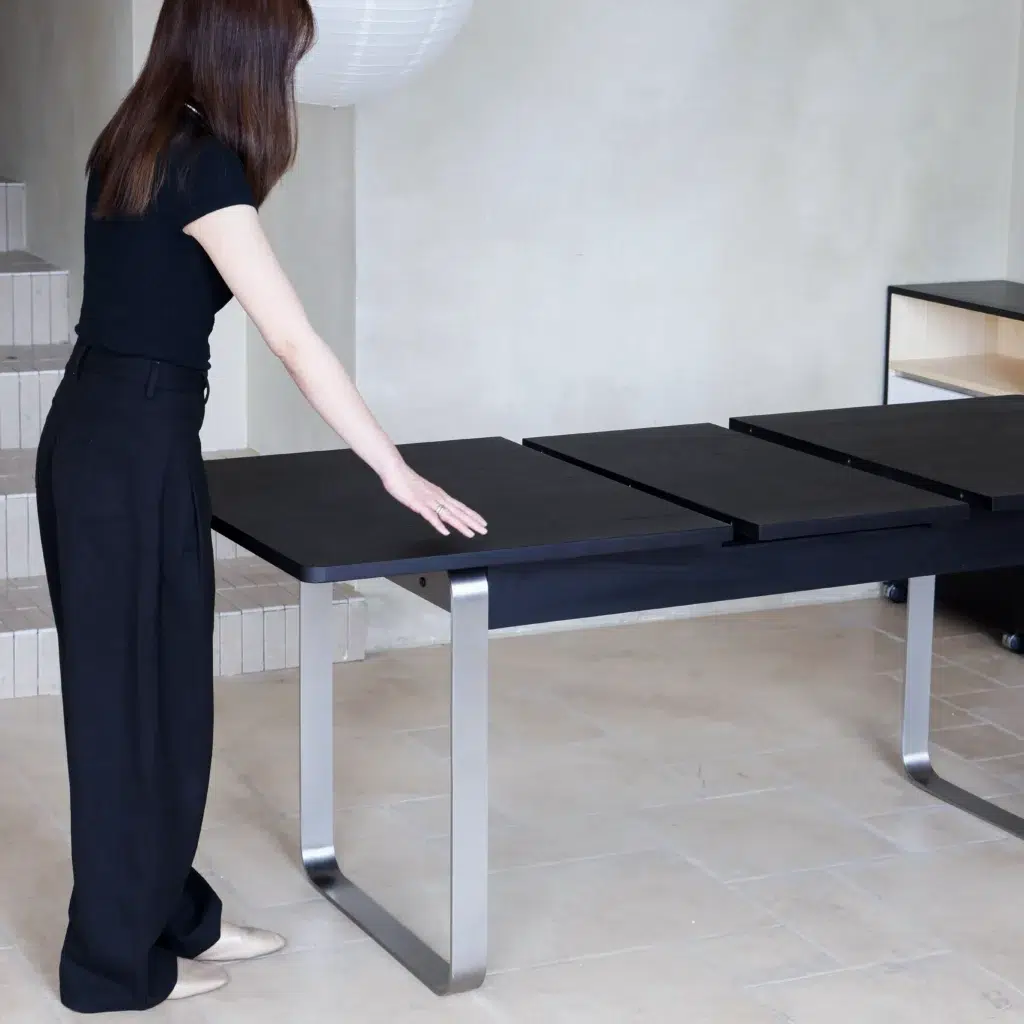
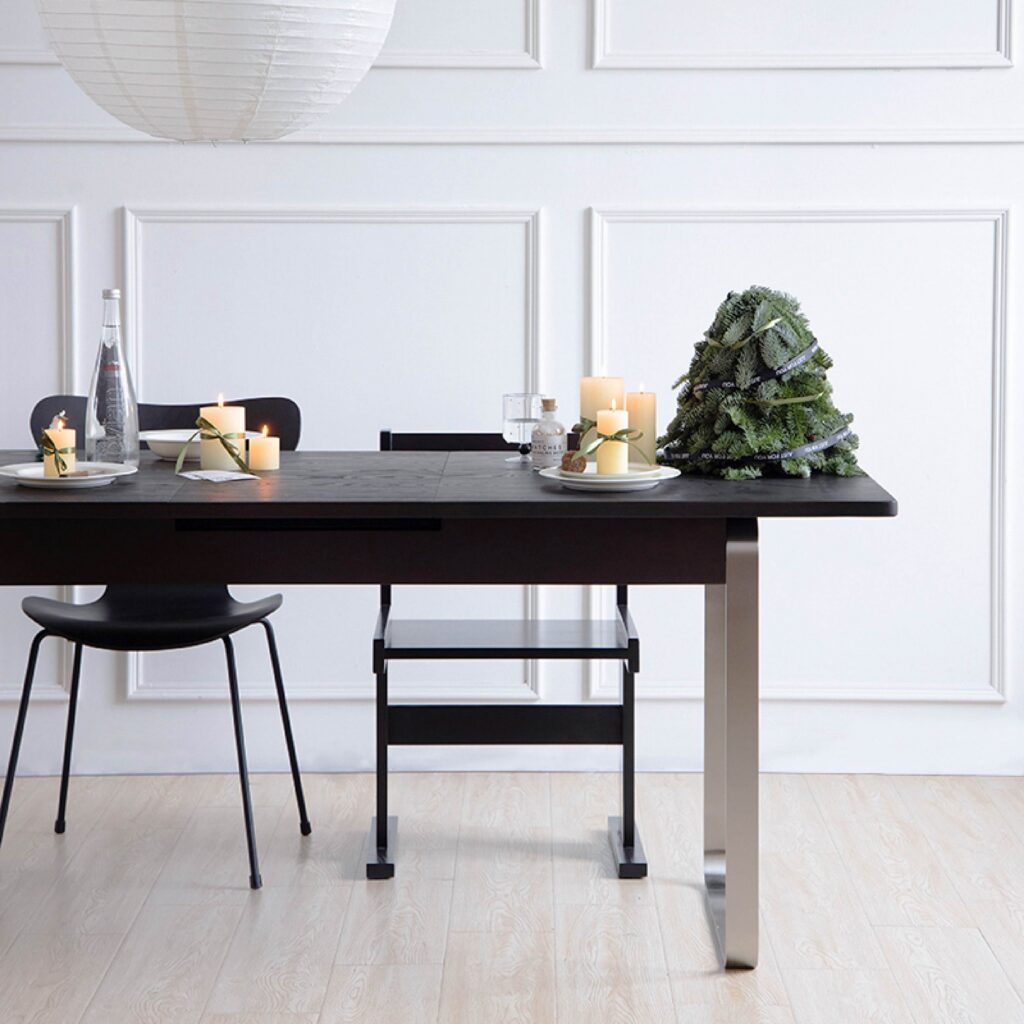
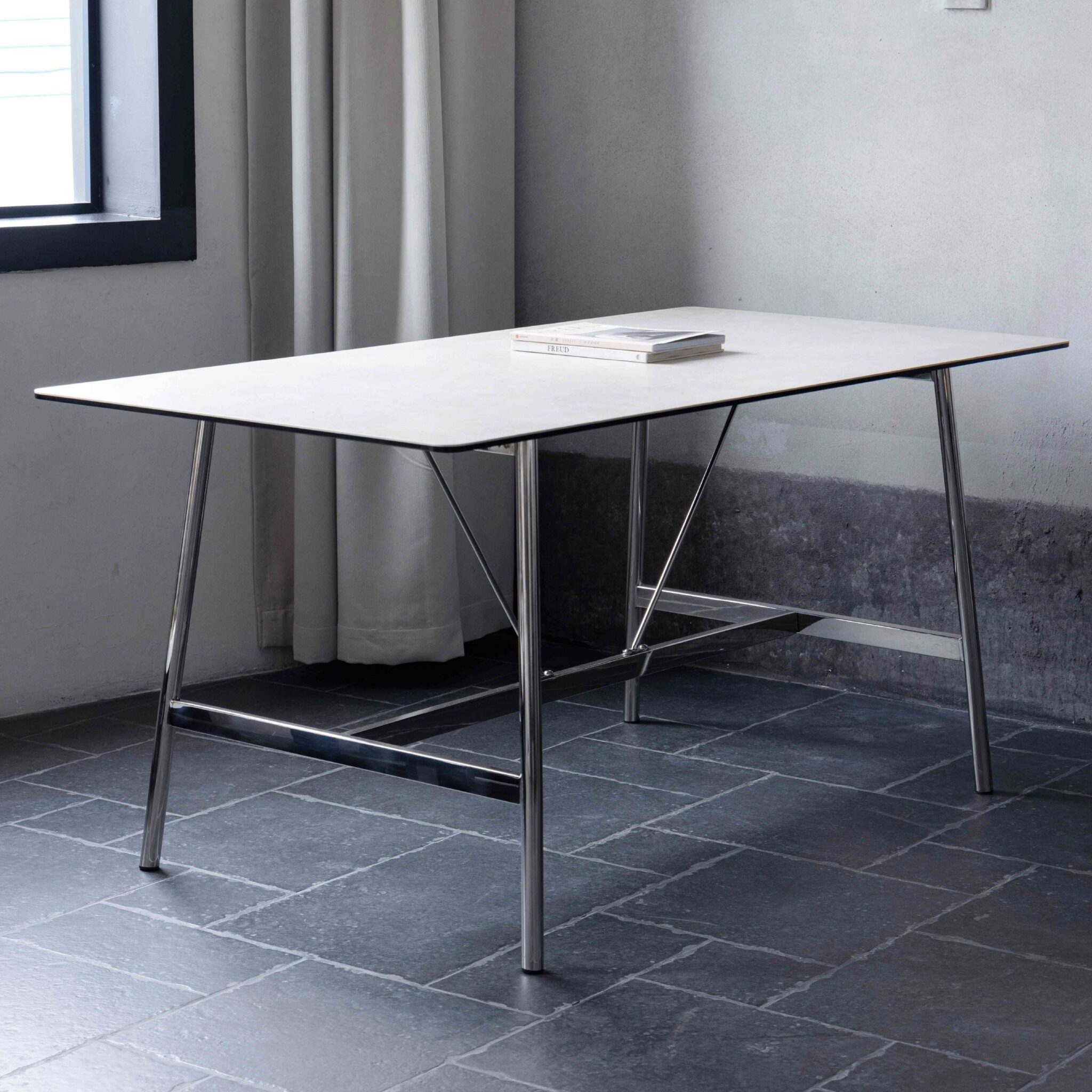
Dining spaces benefit from a strong centrepiece, where the table becomes both functional and defining. Living areas can be shaped through modular seating or a statement chair. Even entry spaces can be elevated with a single, well-chosen piece that sets the tone for the rest of the home.
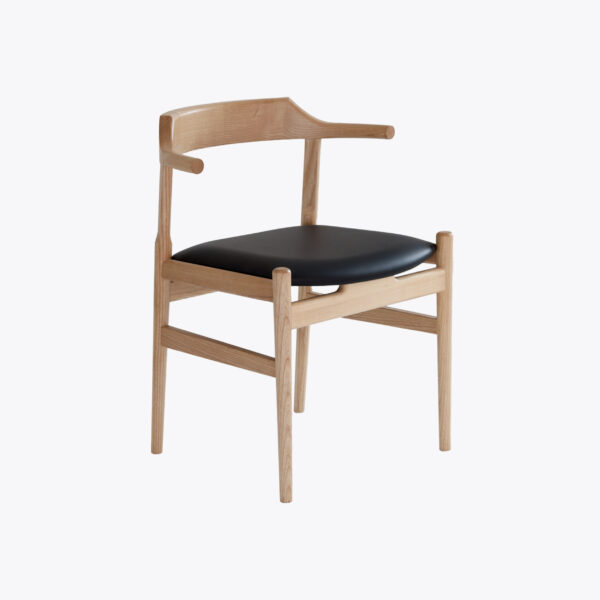
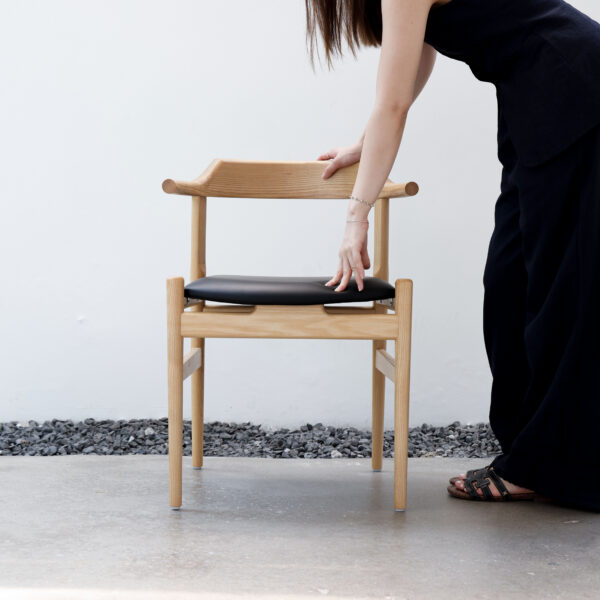
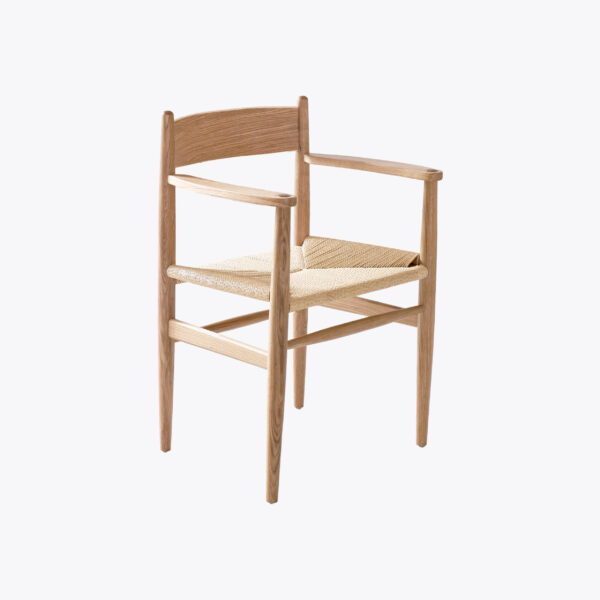
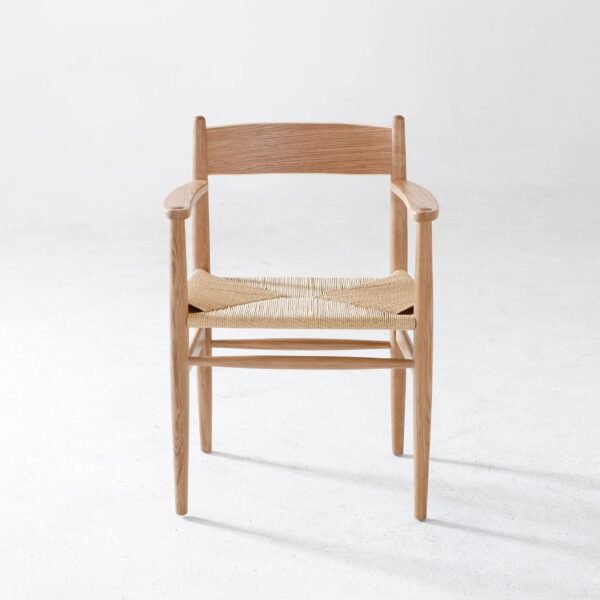
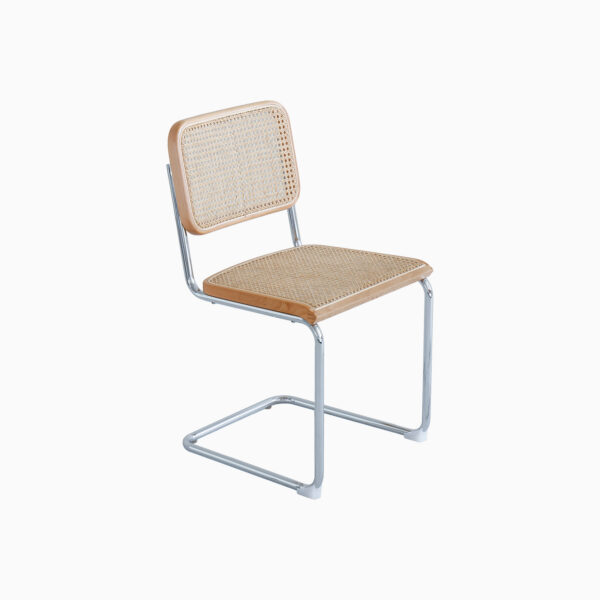
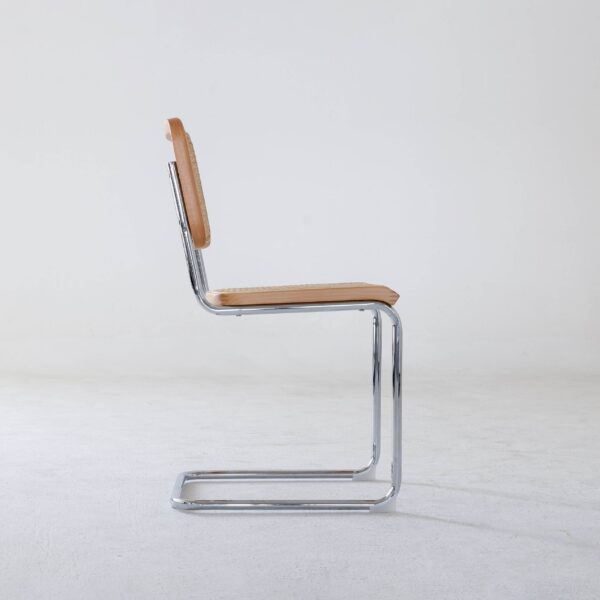
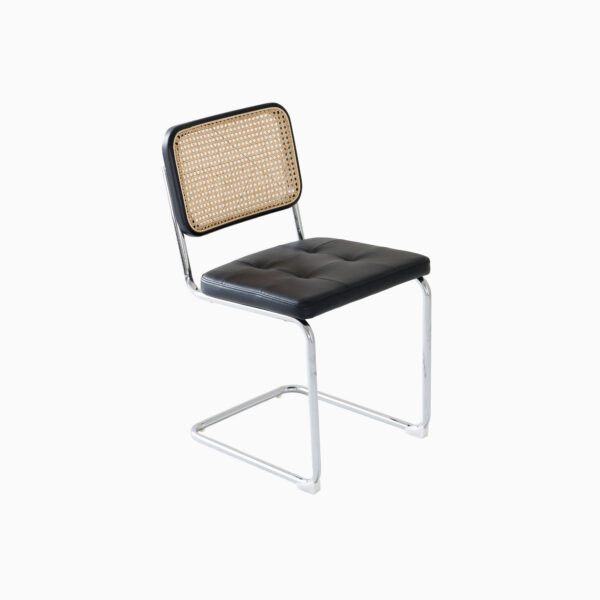
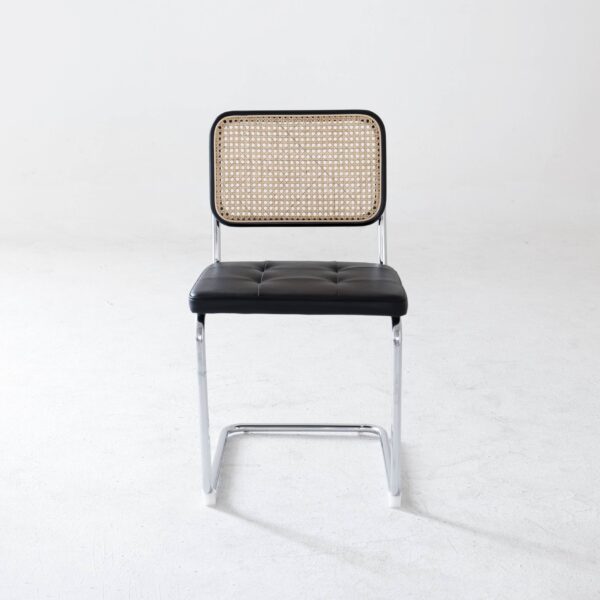
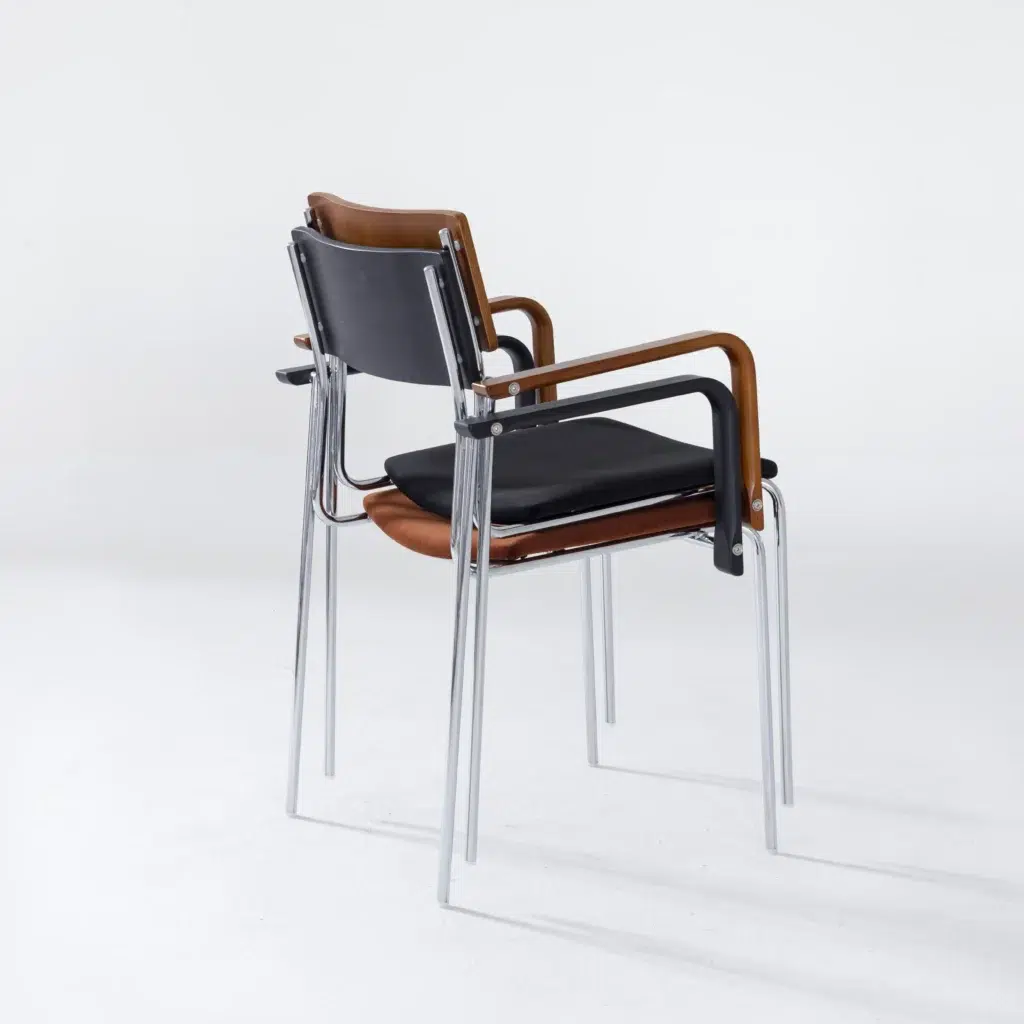
Thoughtfully designed seating also plays an important role in shaping the atmosphere of a dining space, something we explore further in our article ‘What Makes A Designer Dining Chair Different.‘
Conclusion
Sculptural furniture reflects a broader shift in how we think about interiors. As homes become more open and more intentional, furniture takes on a greater role in shaping the space itself. When chosen well, a single piece can define an entire room. It’s no longer just about filling a space, it’s about creating one.
At benssur, our collection is designed with this philosophy in mind, balancing sculptural form, material warmth, and architectural simplicity to create pieces that feel considered, timeless, and deeply connected to contemporary living.