How to Mix Timber and Metal Furniture in Modern Interiors
Estimated reading time: 3 minutes
Timber and metal are two of the most powerful materials in contemporary interior design. Timber brings warmth and natural texture, while metal introduces structure, contrast and architectural clarity.
When used together thoughtfully, they create interiors that feel balanced and refined. As architects ourselves, We often use this combination to create spaces that feel both grounded and sculptural. The key is understanding how to balance warmth and structure so the materials complement each other rather than compete.
Below are several simple principles that help timber and metal furniture work beautifully together.
“Materials are the vocabulary of architecture.”
Peter Zumthor (Swiss Architect)
Start With Timber as the Foundation
Timber works best when it forms the visual foundation of a room. Natural wood tones soften modern interiors and add warmth that metal alone cannot provide. Dining tables, benches and coffee tables are ideal pieces to introduce timber. Their larger surfaces allow the grain and natural colour to become a defining feature of the space.
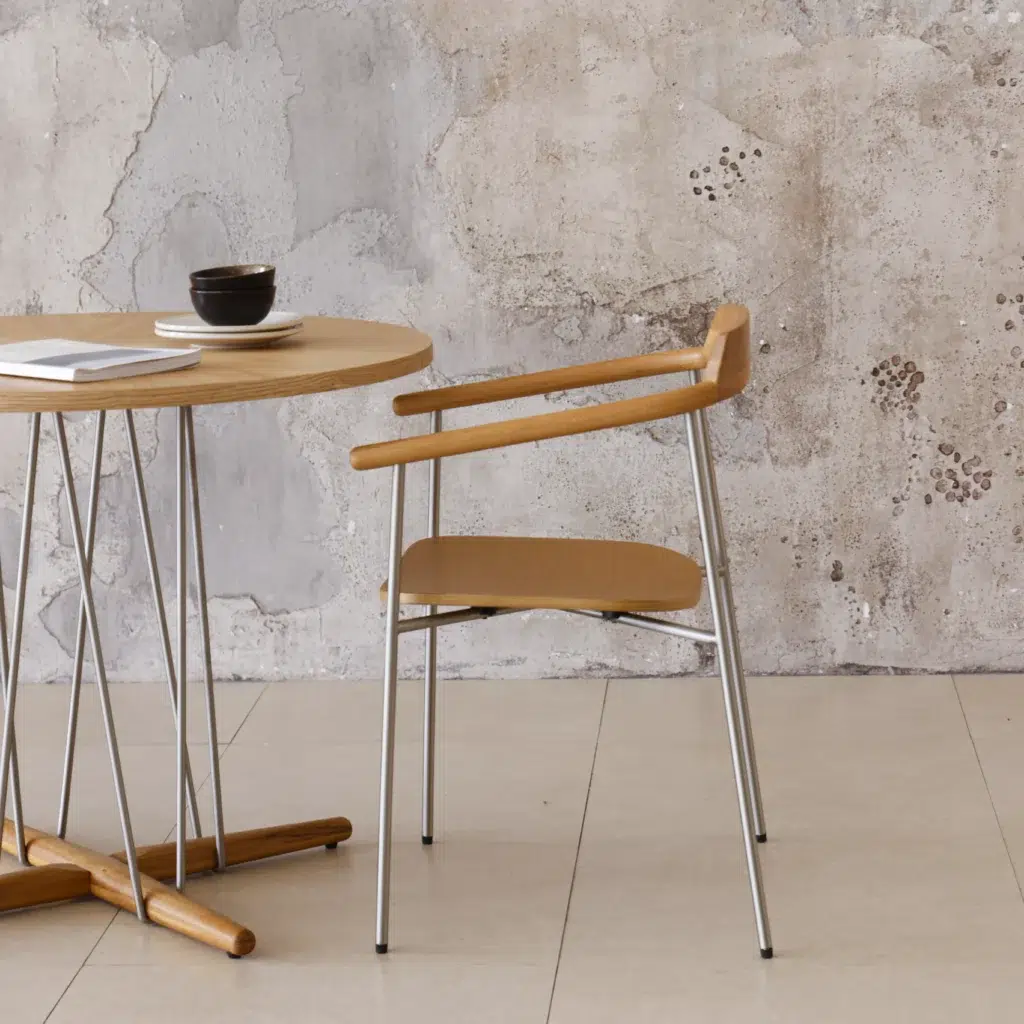
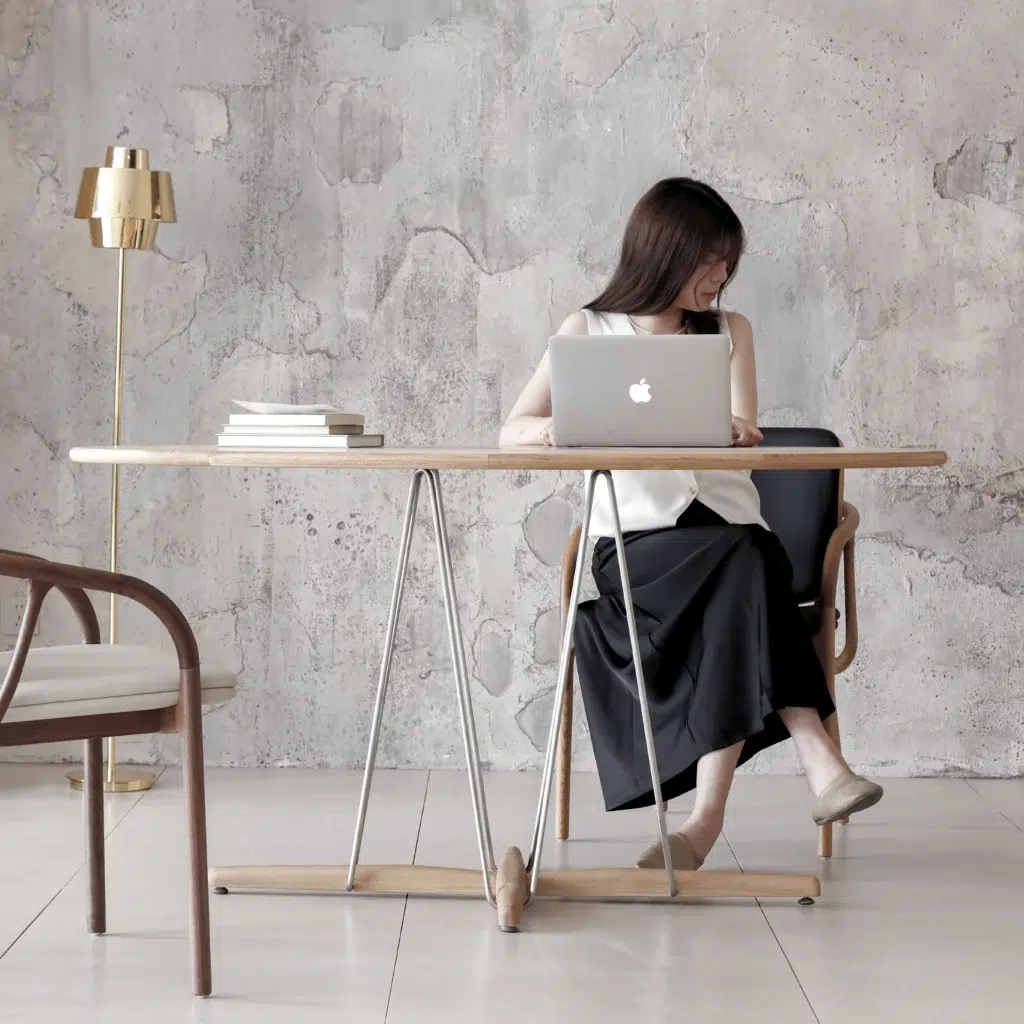
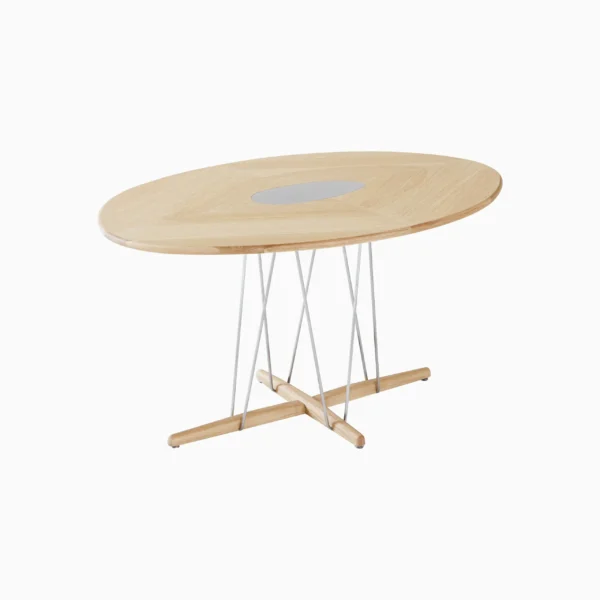
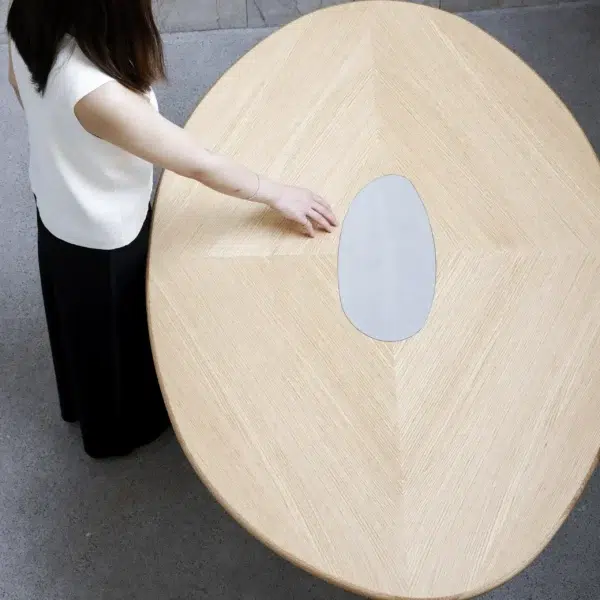
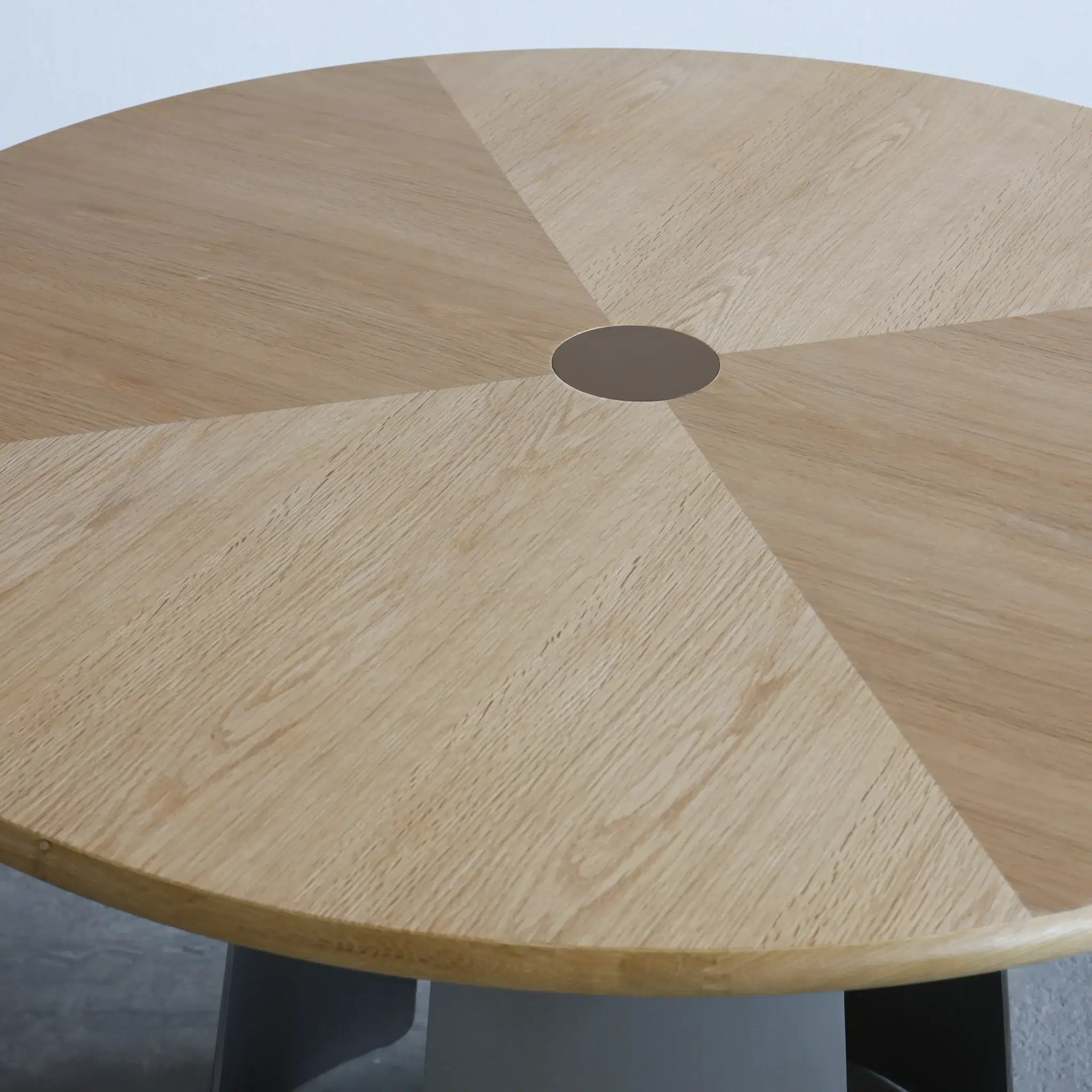
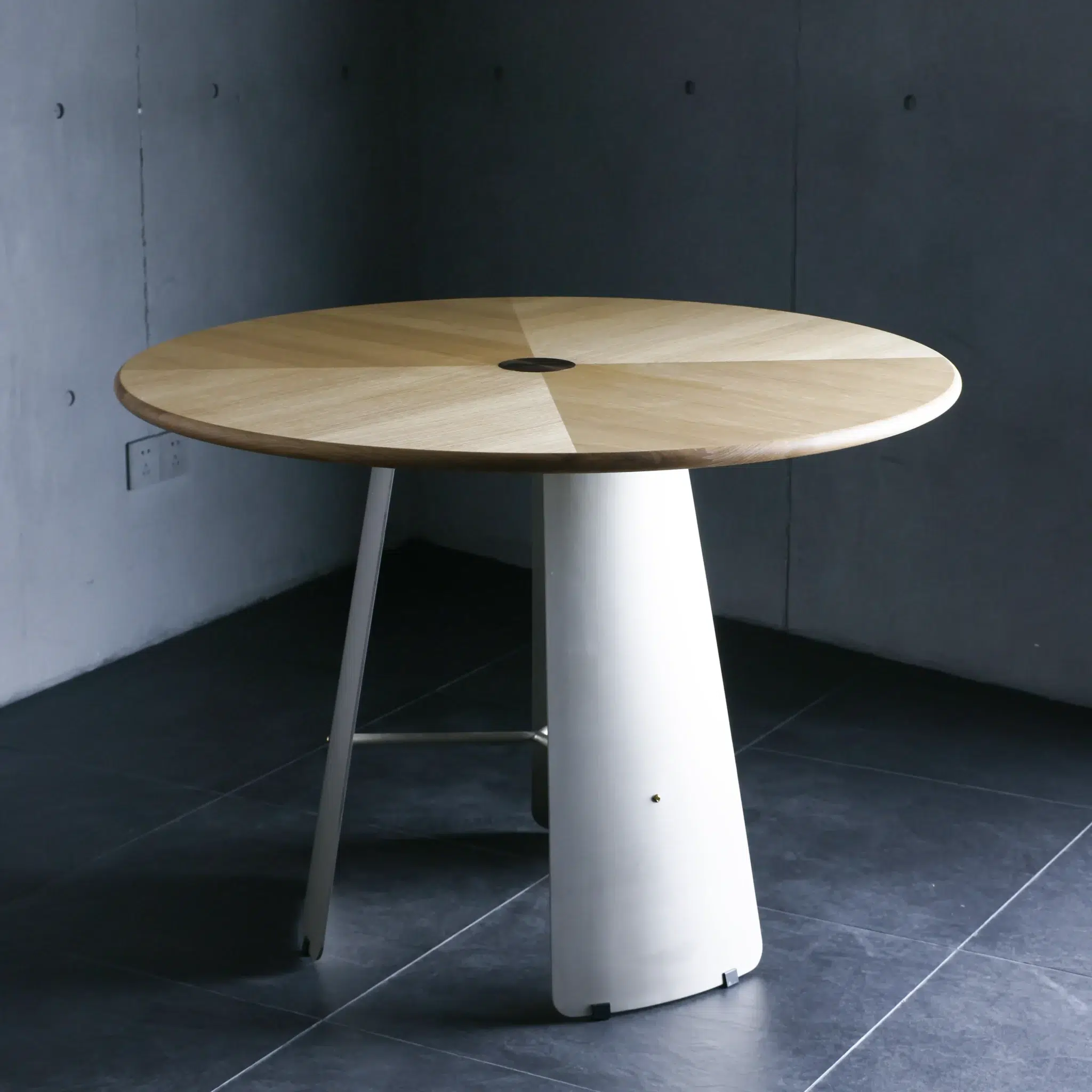
For example, a sculptural timber dining table like the Monet Round Dining Table creates a warm centrepiece while still maintaining a contemporary architectural presence. Once timber establishes the base, metal can be layered in to introduce contrast.

The Monet Round Dining Table in Natural Timber The Monet Round Dining Table in Natural Timber
Use Metal to Add Structure and Definition
Metal works best when it acts as a structural element within furniture. Slim metal legs, frames or bases introduce visual lightness while reinforcing the architectural lines of a room. This contrast keeps timber furniture from feeling heavy.
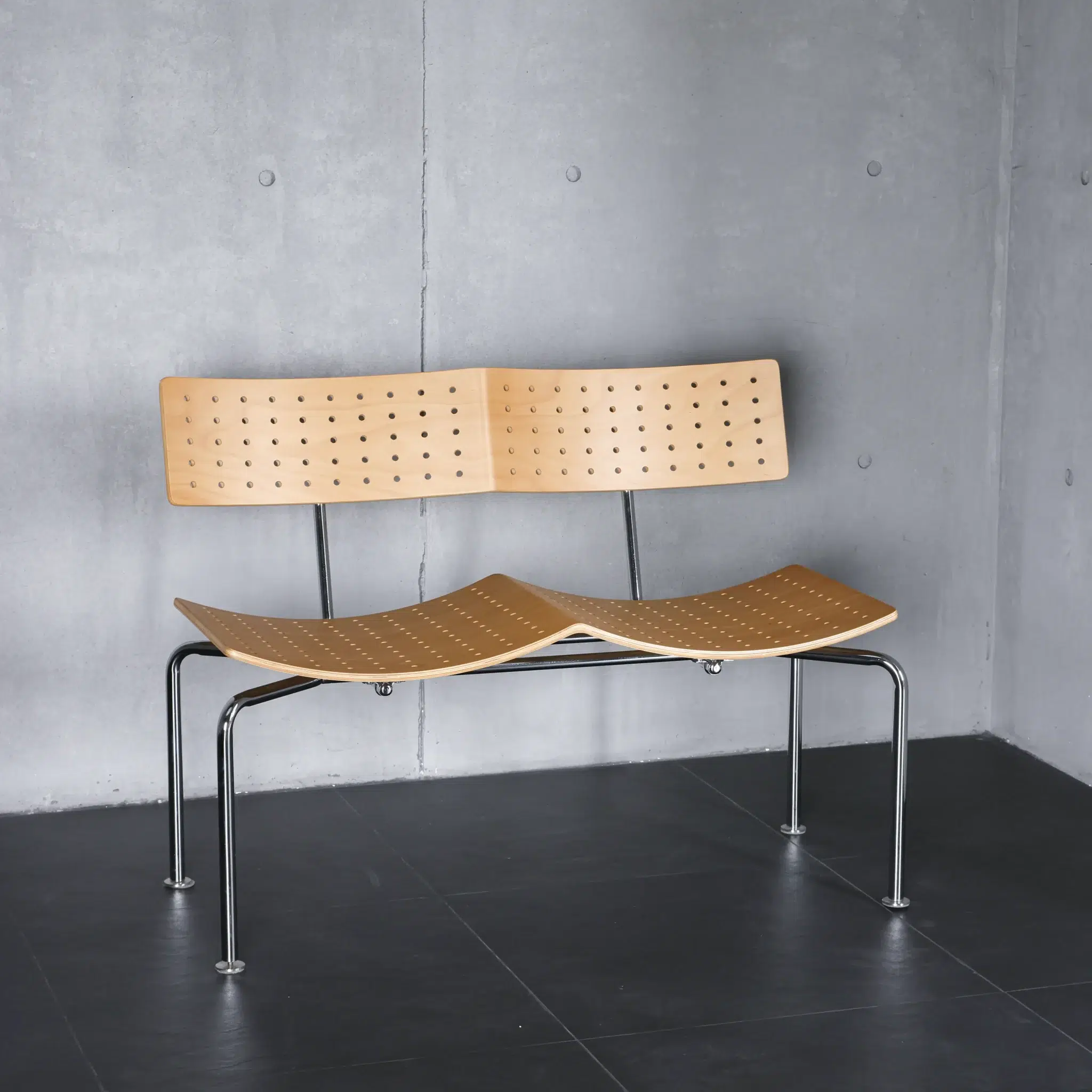
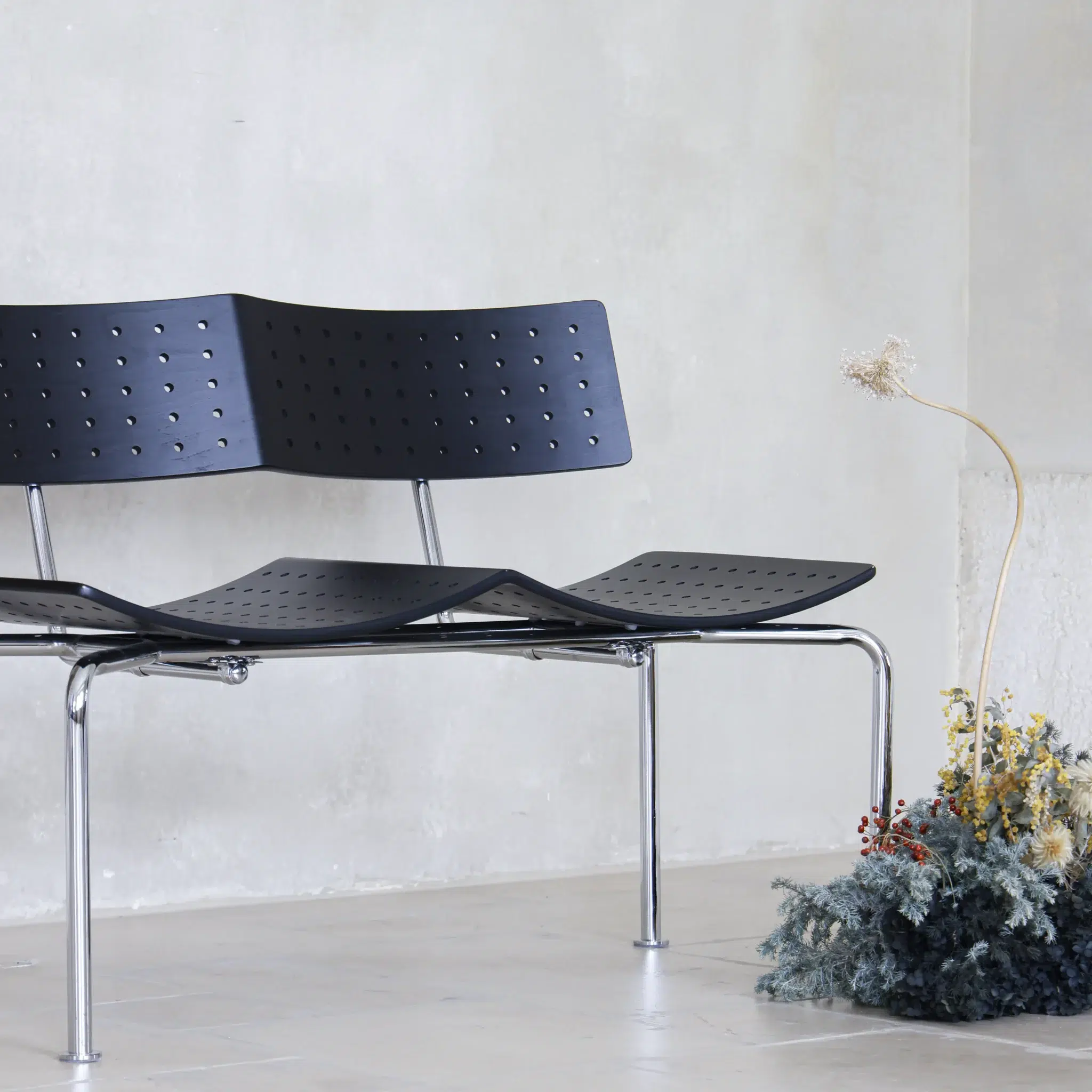
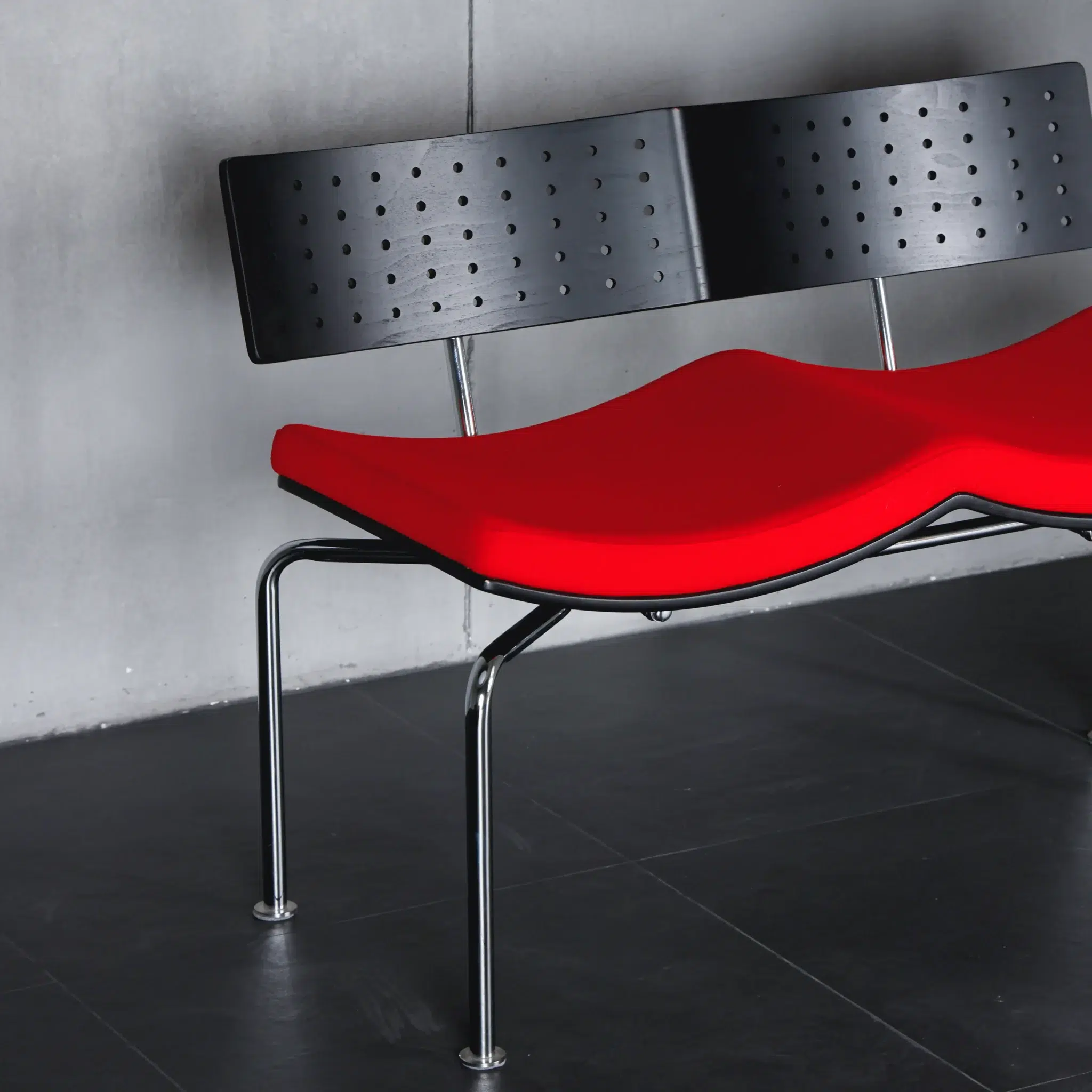
For instance, pieces that combine timber surfaces with metal frames create a balance between softness and precision. A bench such as the Flying Bench, which pairs timber detailing with a sleek metal base, demonstrates how the two materials can coexist elegantly. Metal also works well in chairs, lighting and smaller accent pieces.
The Flying Bench
Balance Warm and Cool Tones
One of the most important design considerations when mixing timber and metal is tonal balance. Warm timbers such as oak or walnut naturally pair well with neutral metals like brushed steel or matte black. This creates a subtle contrast without overwhelming the space.
In modern interiors, this balance helps maintain a calm, architectural aesthetic. Too many metallic finishes can make a room feel cold, while too much timber may feel overly traditional. The goal is equilibrium.

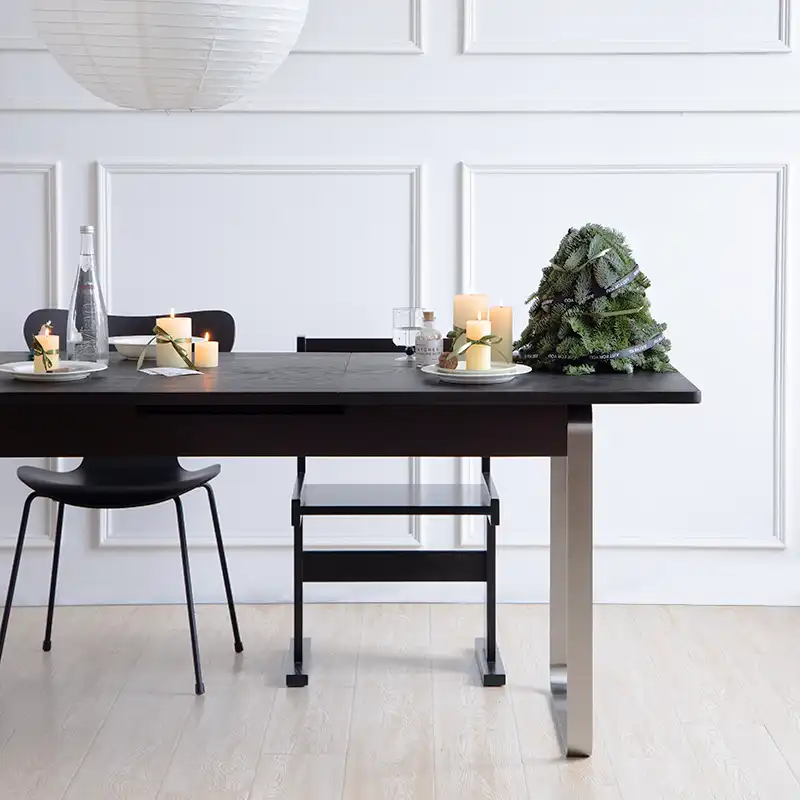
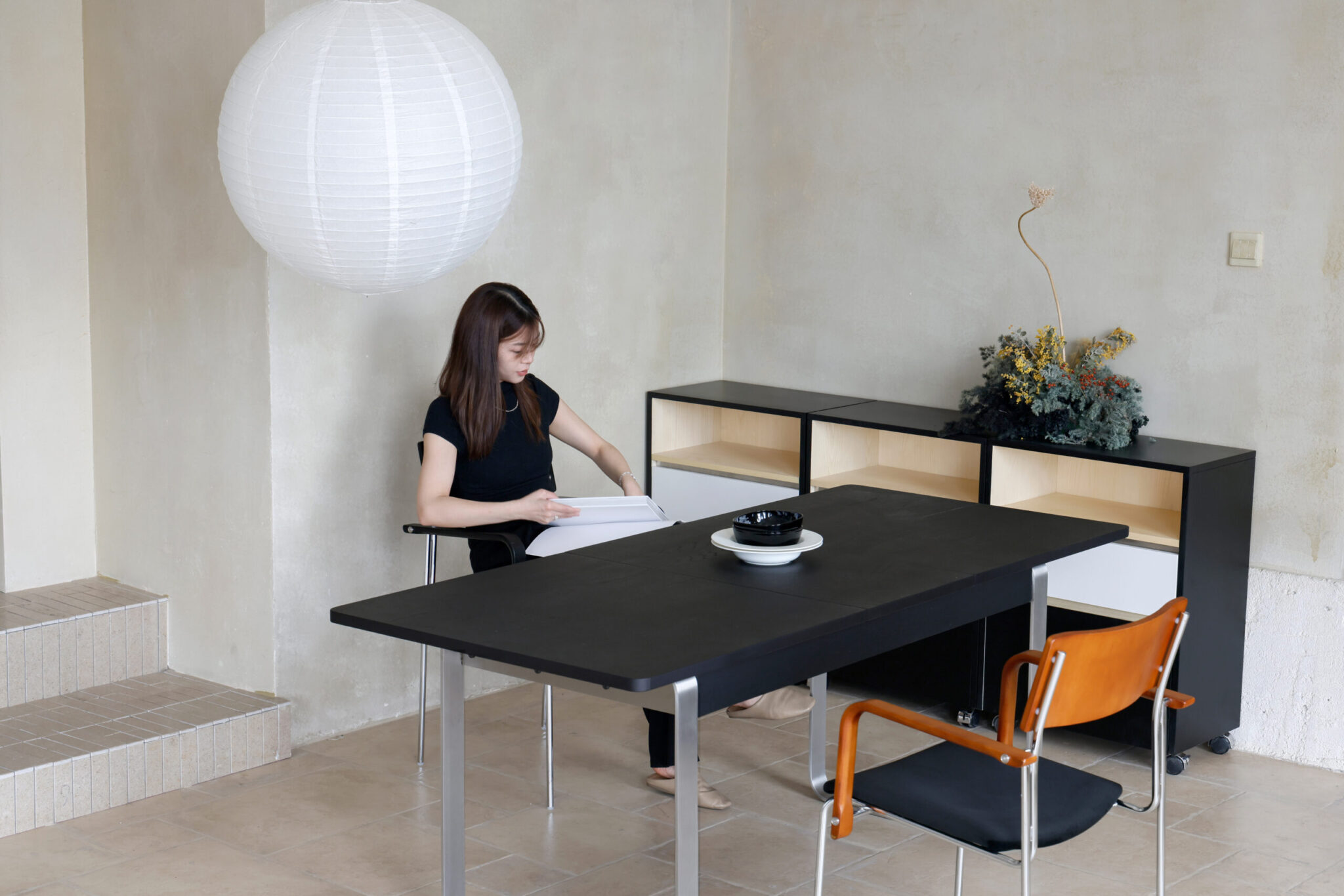
The Bauhaus Extendable Dining Table in Black styled with the Knight Dining Chair
Repeat Materials Across the Room
Consistency helps mixed materials feel intentional rather than random. If your dining table features timber and metal, echo those materials elsewhere in the room. This might include metal dining chair frames, a timber bench, or lighting with metallic finishes.
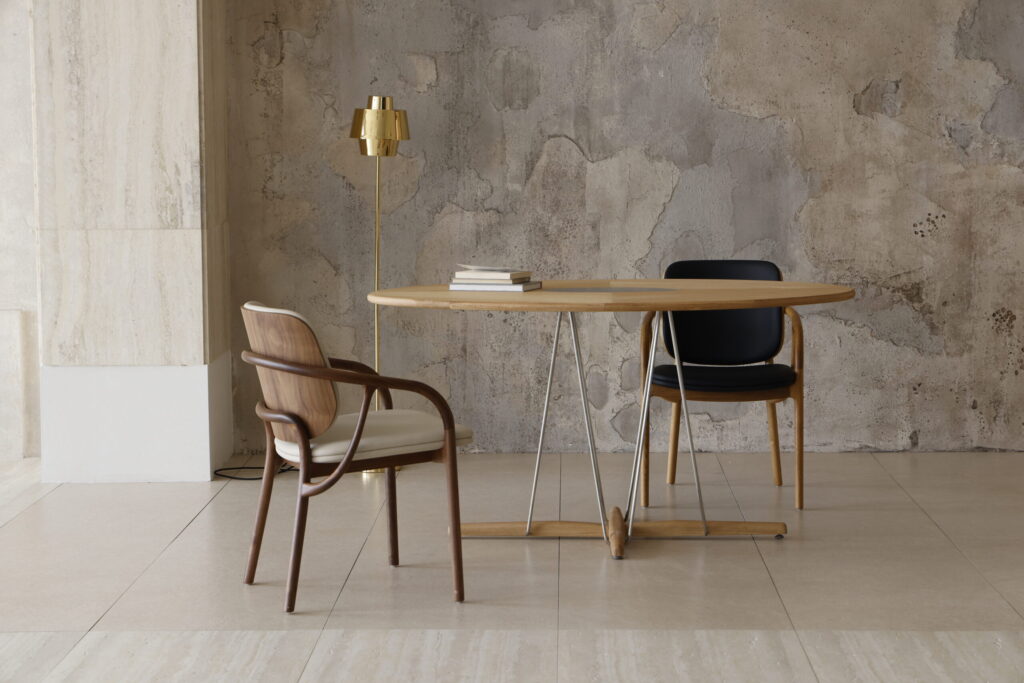
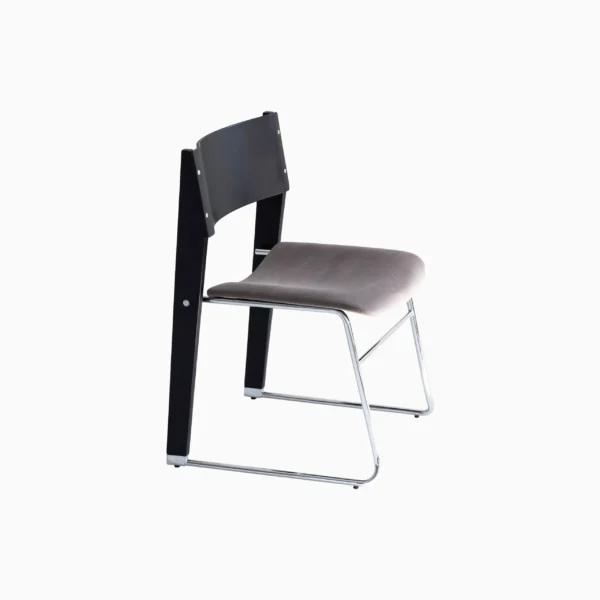
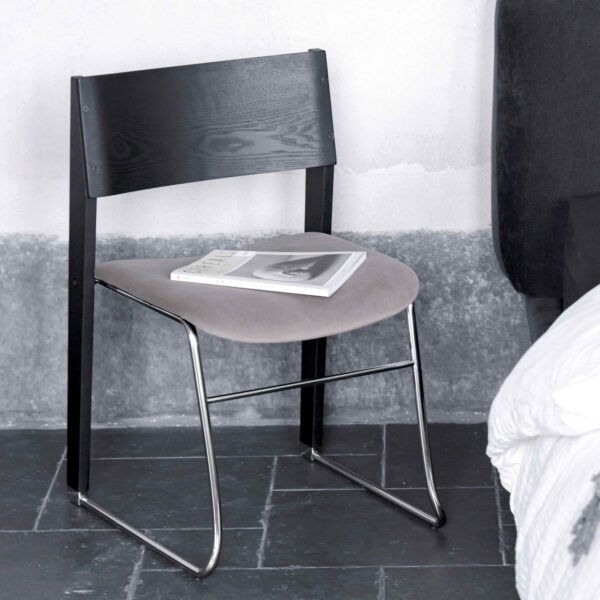
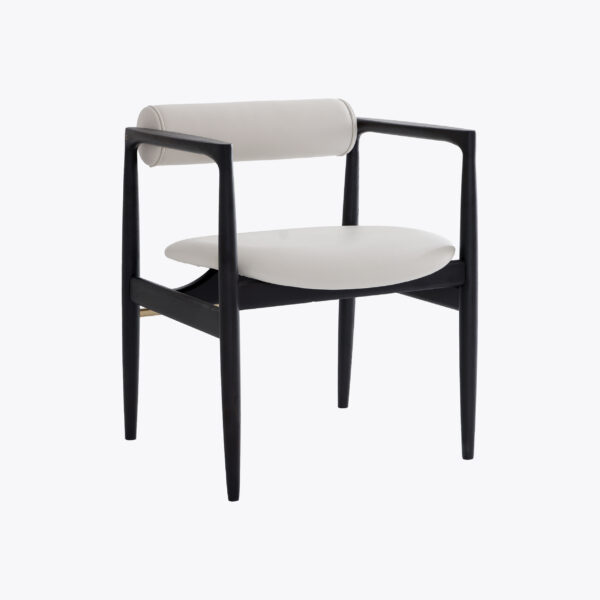
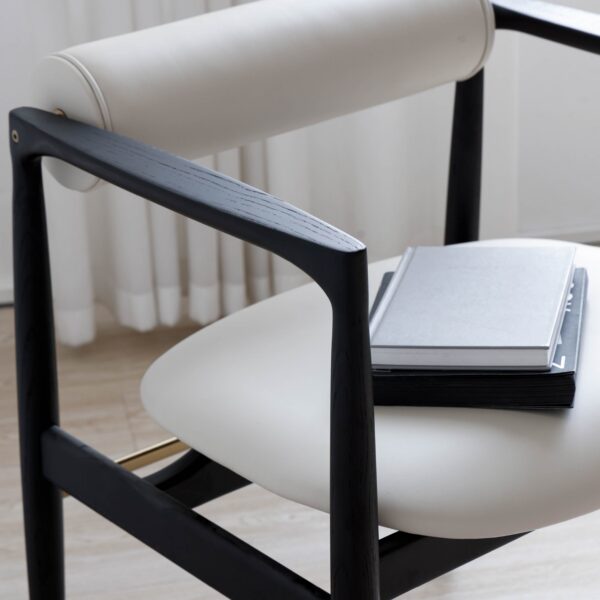
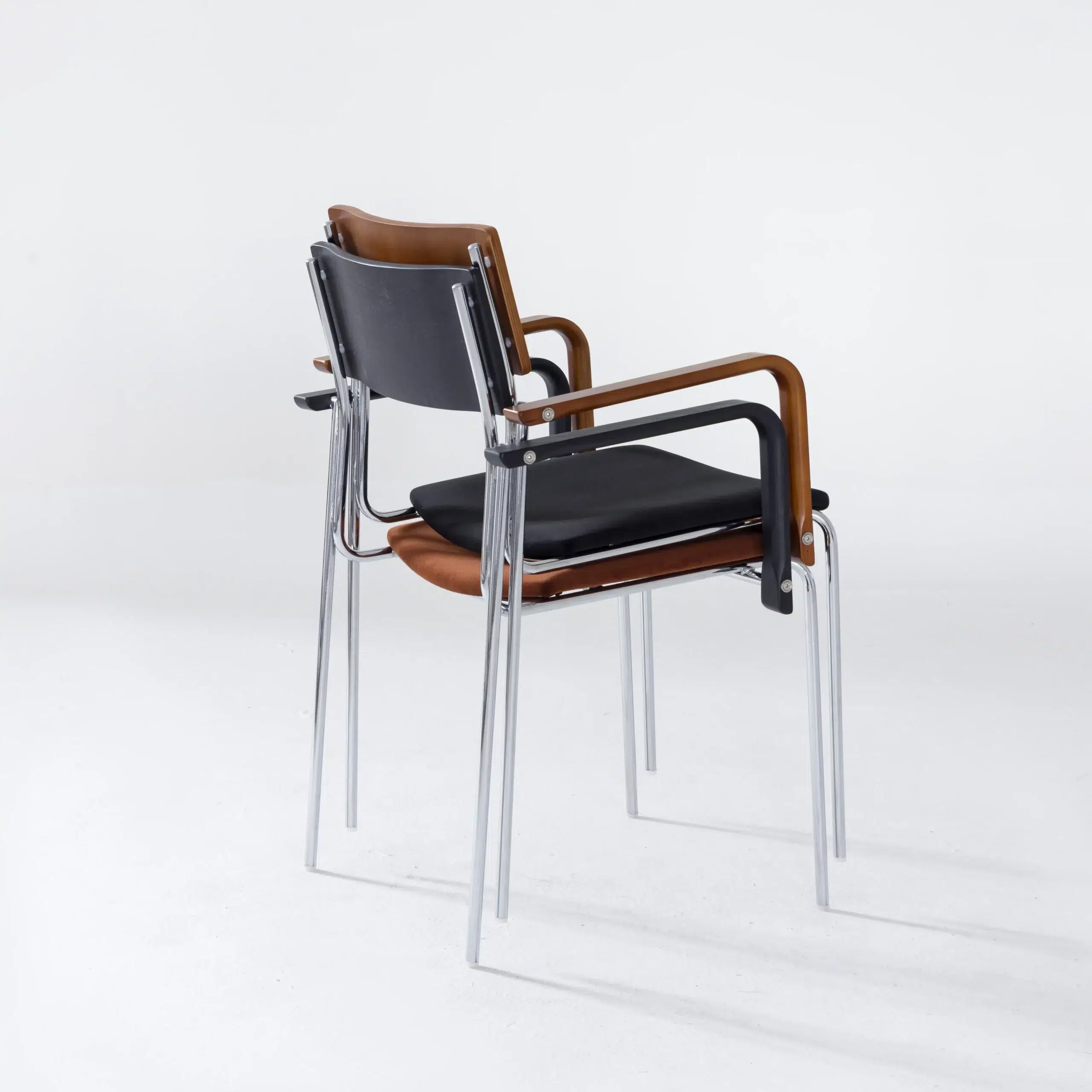
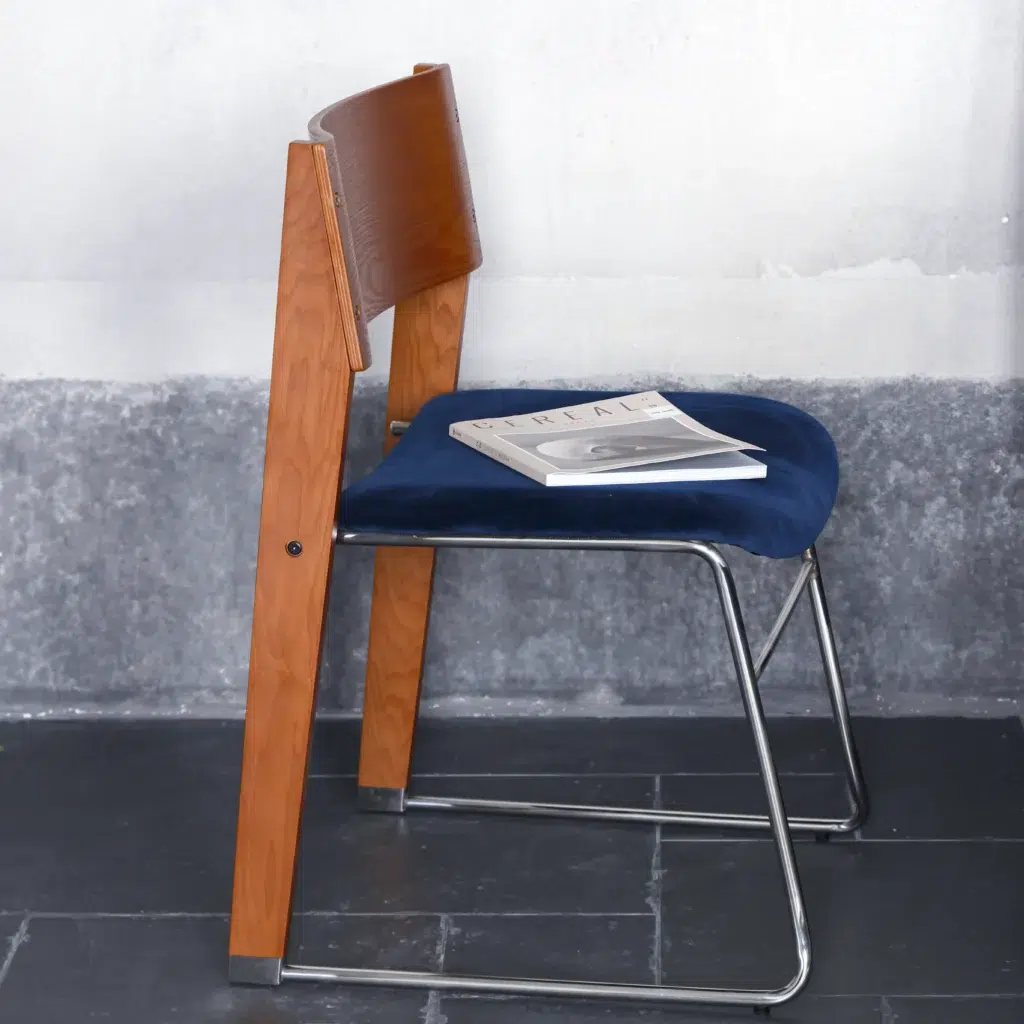
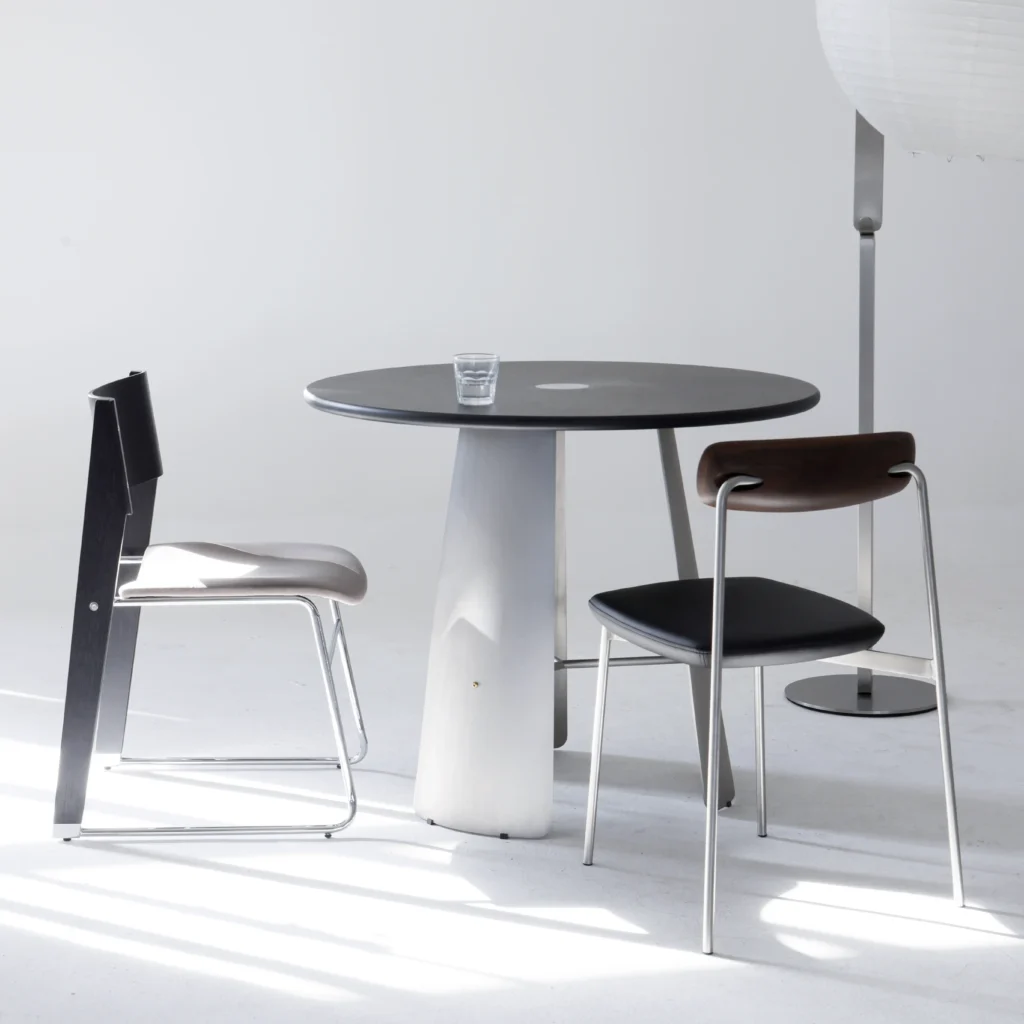
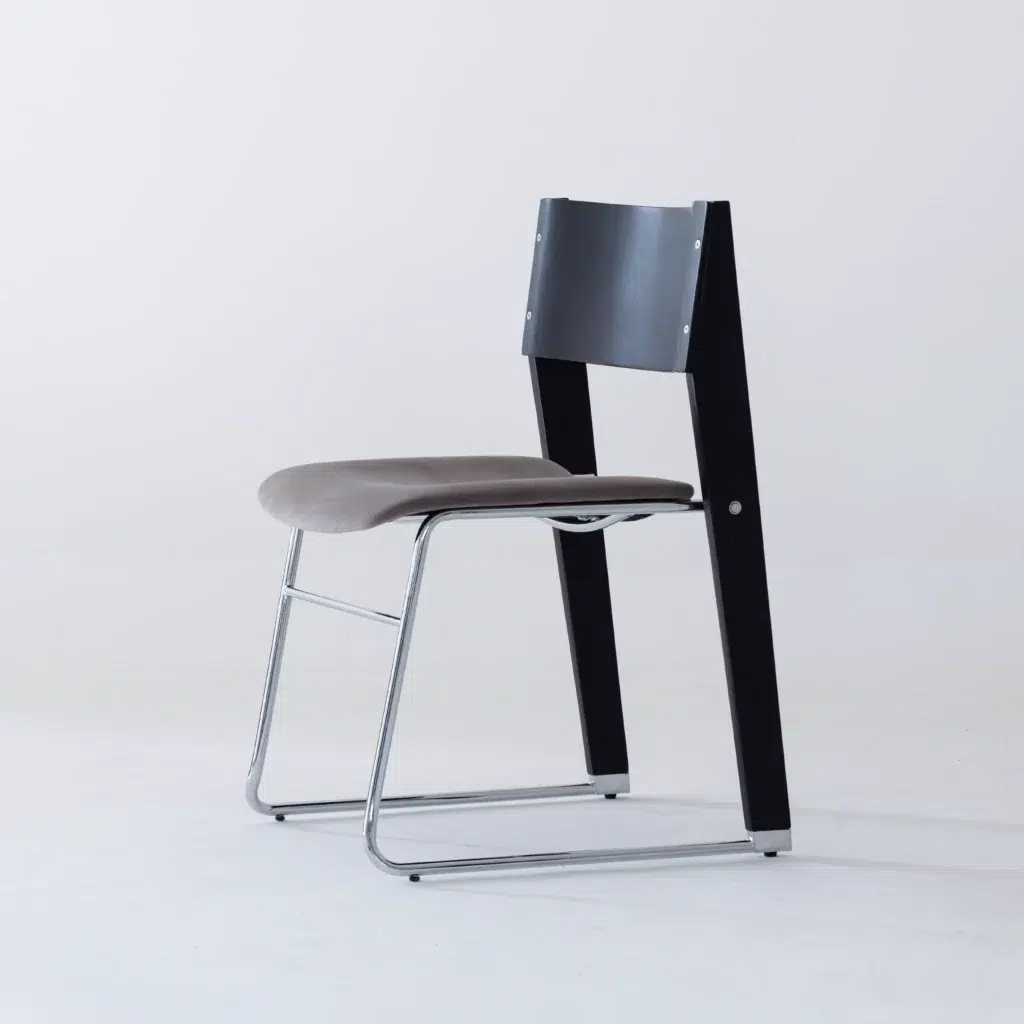
Repeating materials visually connects different pieces of furniture and strengthens the overall design language of the space. Dining chairs such as the Walk Slowly Dining Chair, with its sculptural metal frame and upholstered seat, pair naturally with timber tables and benches.

The Walk Slowly Dining Chair styled with the Monet Round Dining Table The Walk Slowly Dining Chair in Black
Let Sculptural Forms Do the Work
Modern interiors often rely on simple palettes and strong forms. When furniture pieces have sculptural shapes, material combinations feel even more significant.
Timber surfaces highlight curves and organic forms, while metal emphasises clean lines and structure. Together they create furniture that feels almost like functional art. This is one reason timber and metal furniture are so often seen in architectural homes and contemporary interiors.
Final Thoughts
Mixing timber and metal furniture is one of the easiest ways to create a modern interior that feels both warm and architectural. Timber introduces natural softness, while metal adds structure and contrast. When balanced correctly, the two materials create spaces that feel refined, timeless and visually interesting.
For modern Australian homes, this combination offers the perfect balance between natural warmth and contemporary design.