
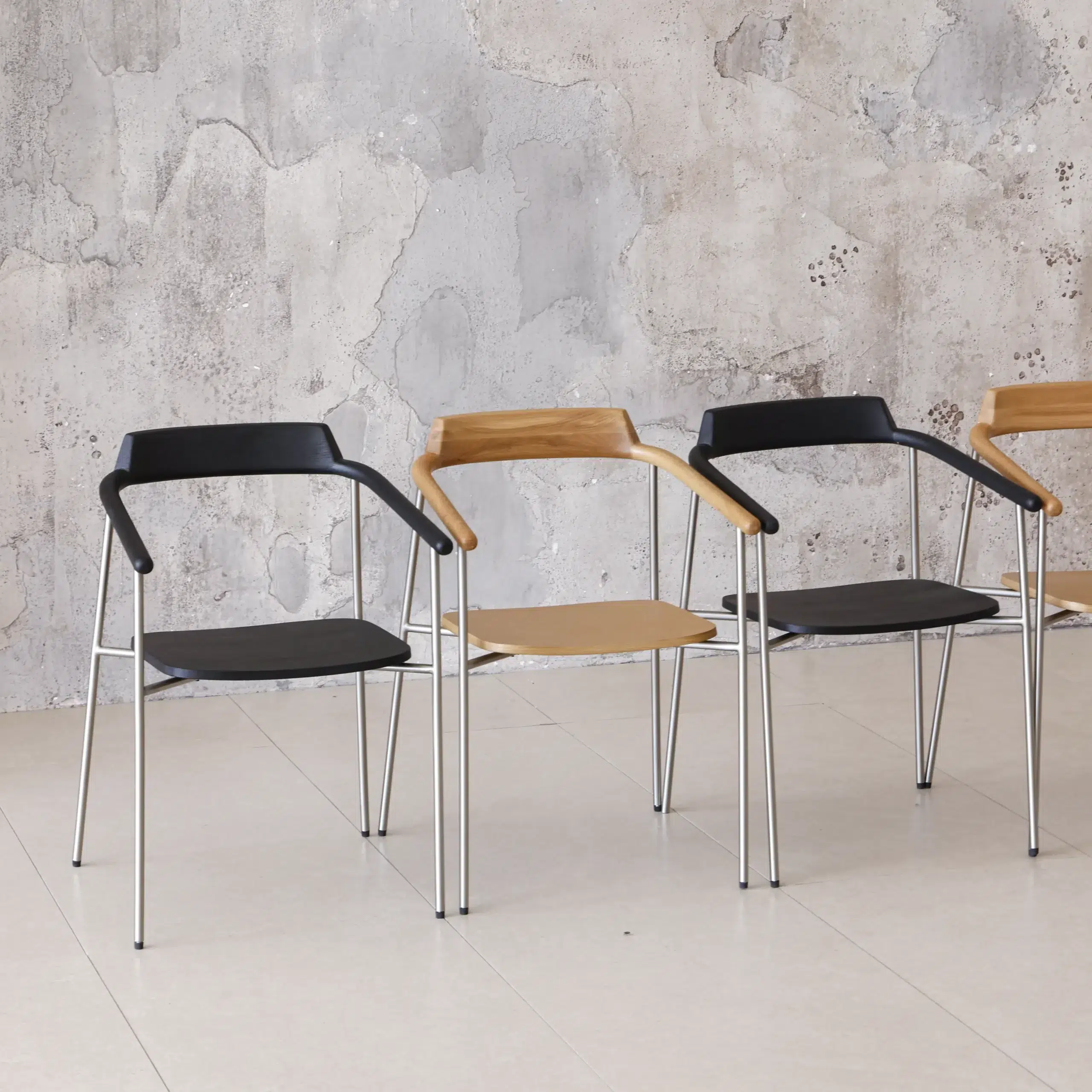
Why Metal Dining Chairs Are Ideal for Contemporary Interiors
Estimated reading time: 3 minutes
Metal dining chairs for contemporary interiors are not simply a stylistic decision. As architects, we select metal seating because it reduces visual weight and strengthens material contrast within modern spaces. In contemporary design, material choice must support proportion and flow. Metal consistently achieves this.
Structural Clarity in Contemporary Interiors
Contemporary interiors prioritise precision and simplicity. Furniture should feel structured rather than heavy. For this reason, metal dining chairs work particularly well. Metal frames:
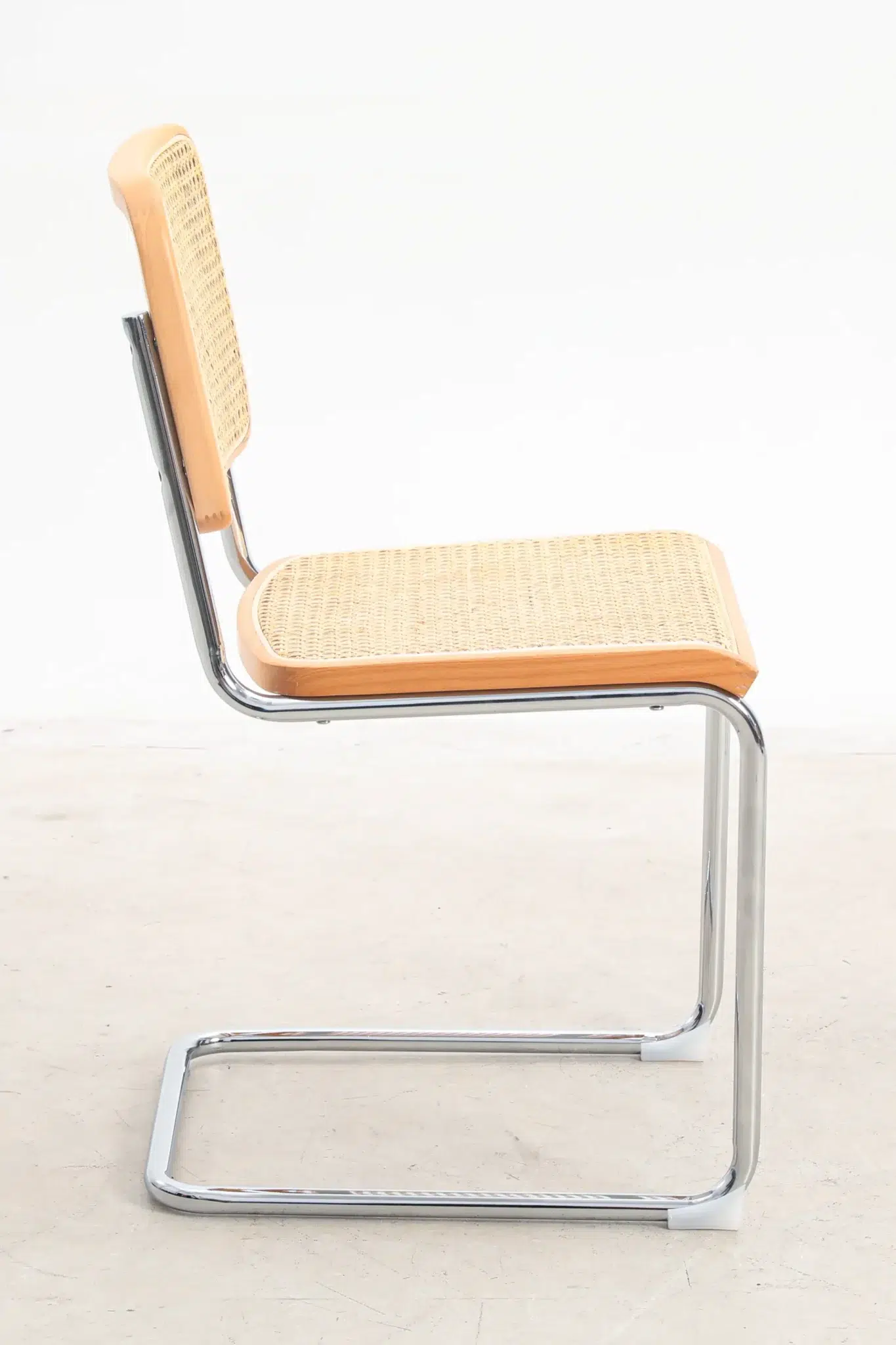
Unlike heavier timber forms, metal introduces discipline without bulk. It strengthens the overall composition of a dining room. The Cesca Chair, for example, demonstrates how a tubular metal frame can feel light yet structurally defined. It supports the architecture rather than competing with it.
 Marcel Breuer – B32 Cesca Chair Replica
- Marcel Breuer – B32 Cesca Chair Replica

Visual Lightness in Modern Dining Rooms
Another reason metal dining chairs suit contemporary interiors is visual permeability.
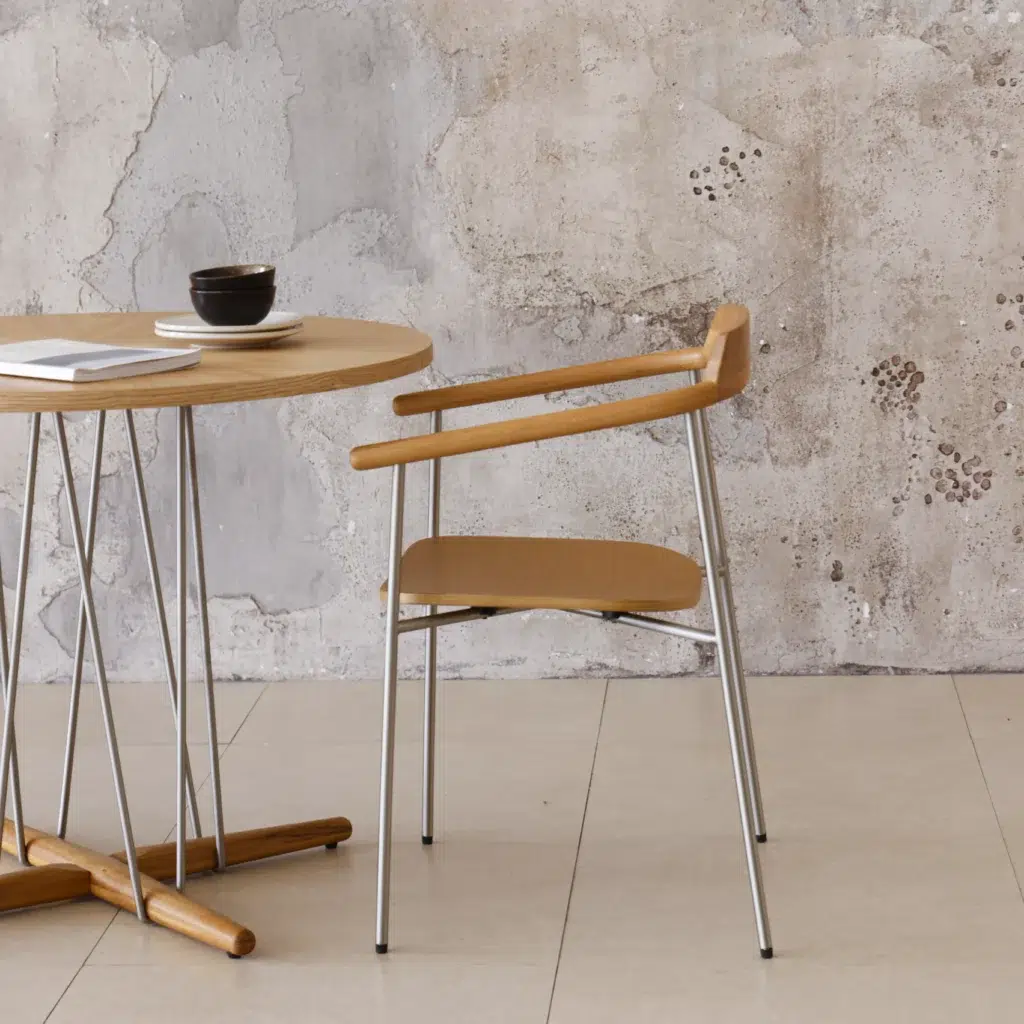
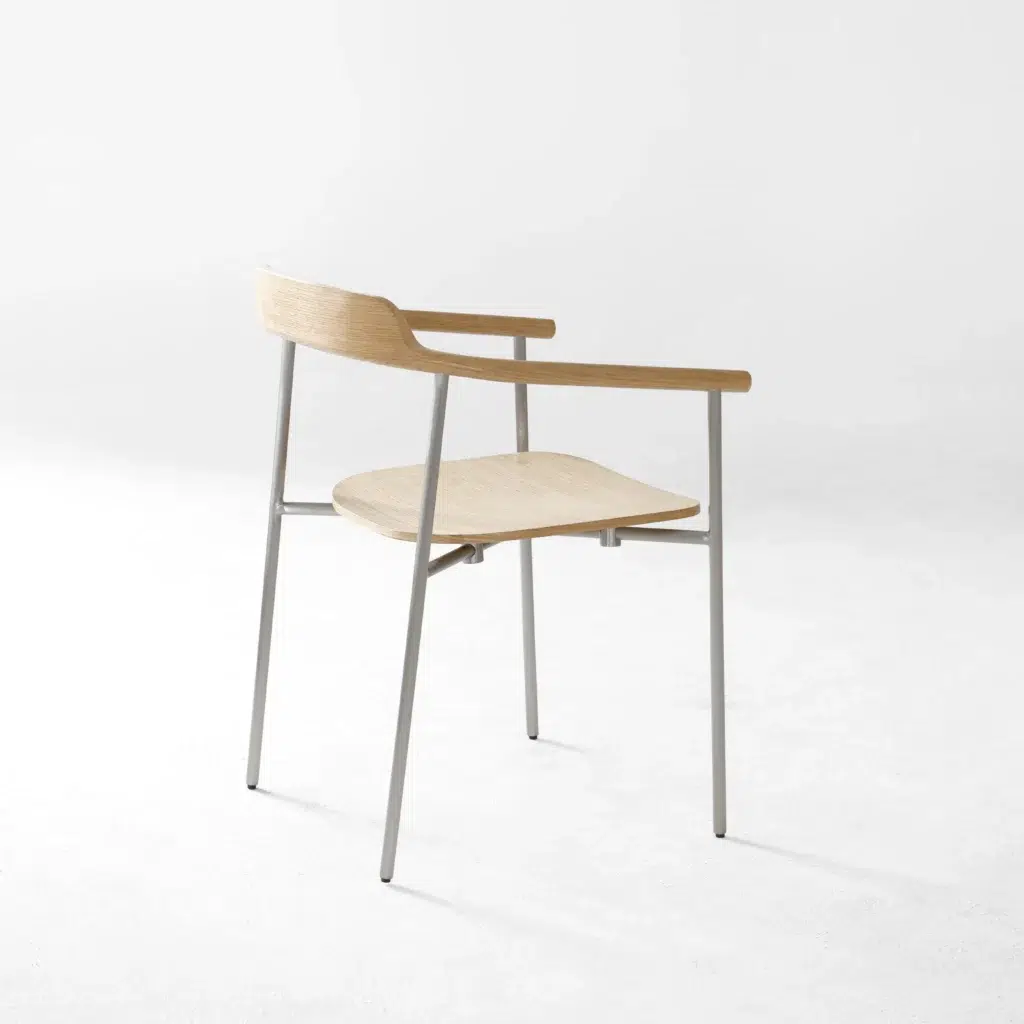
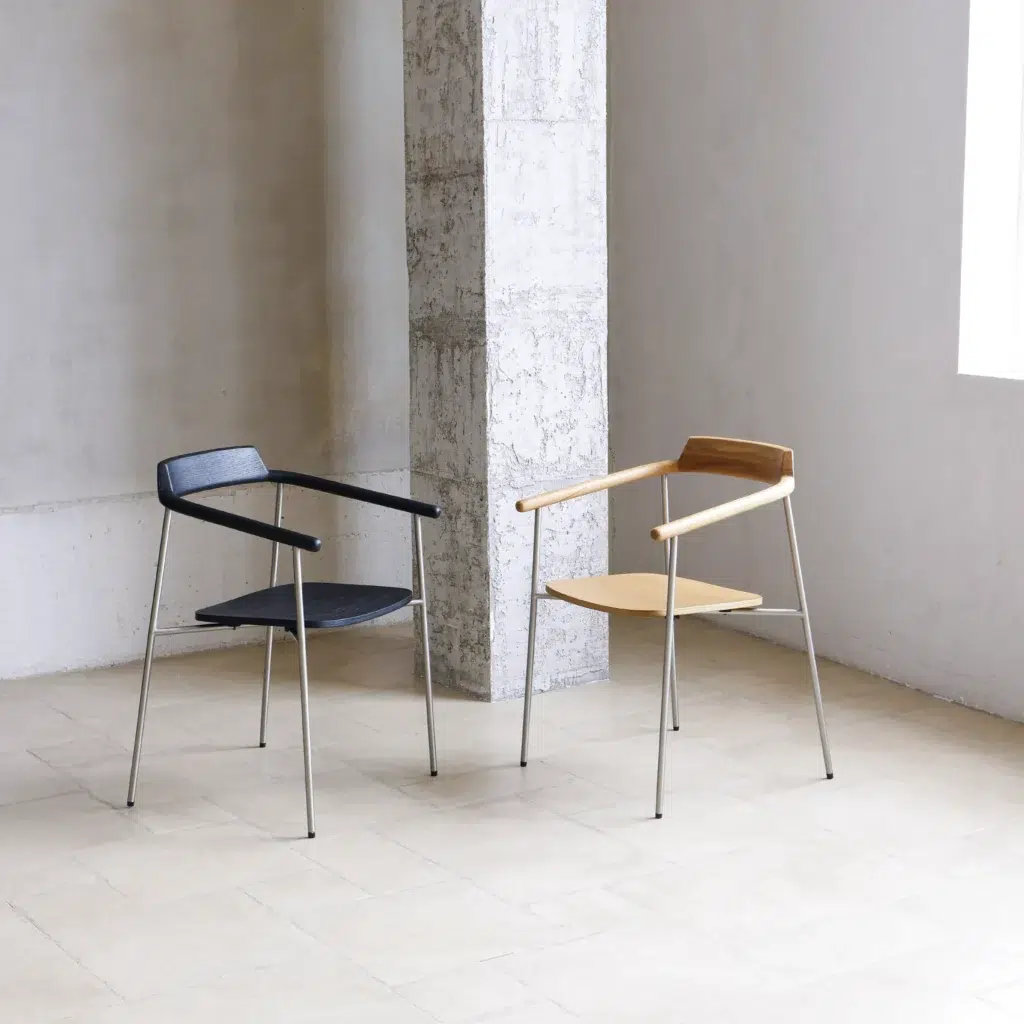
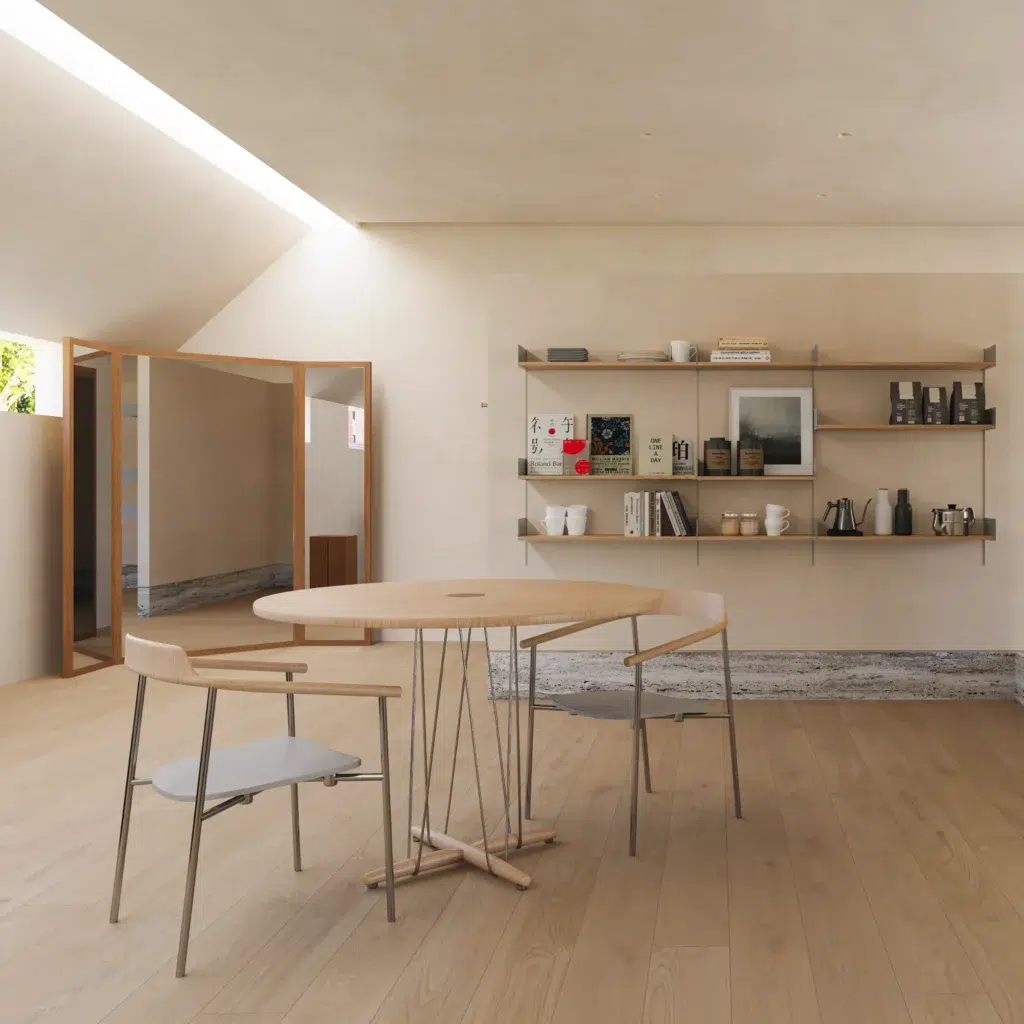
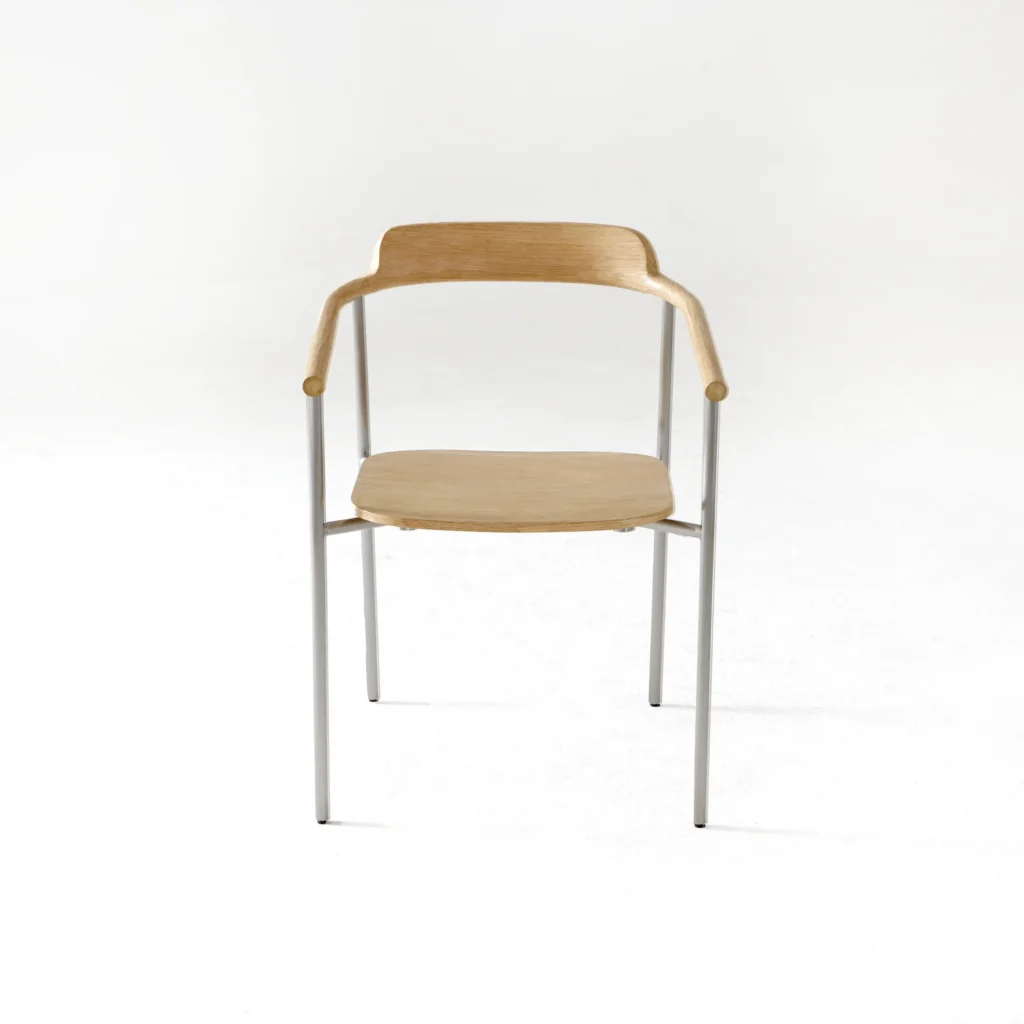
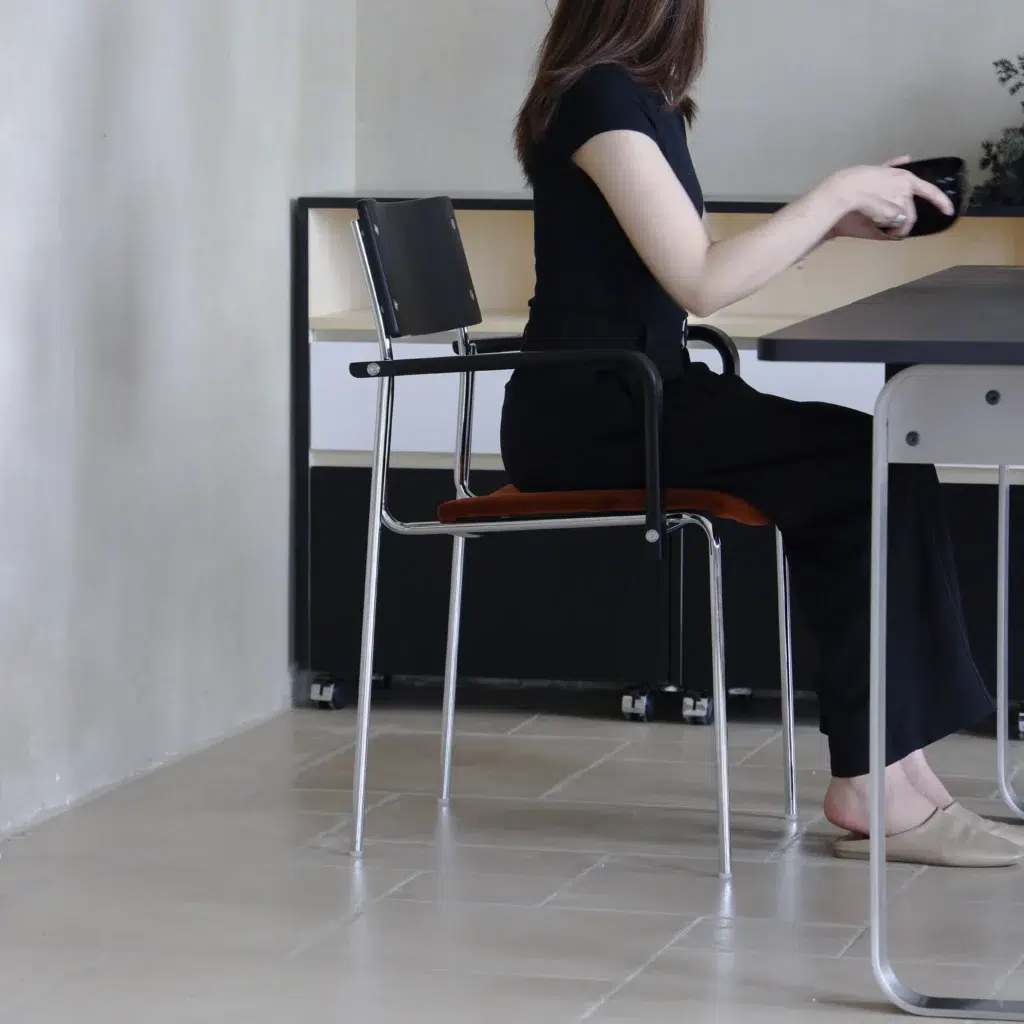
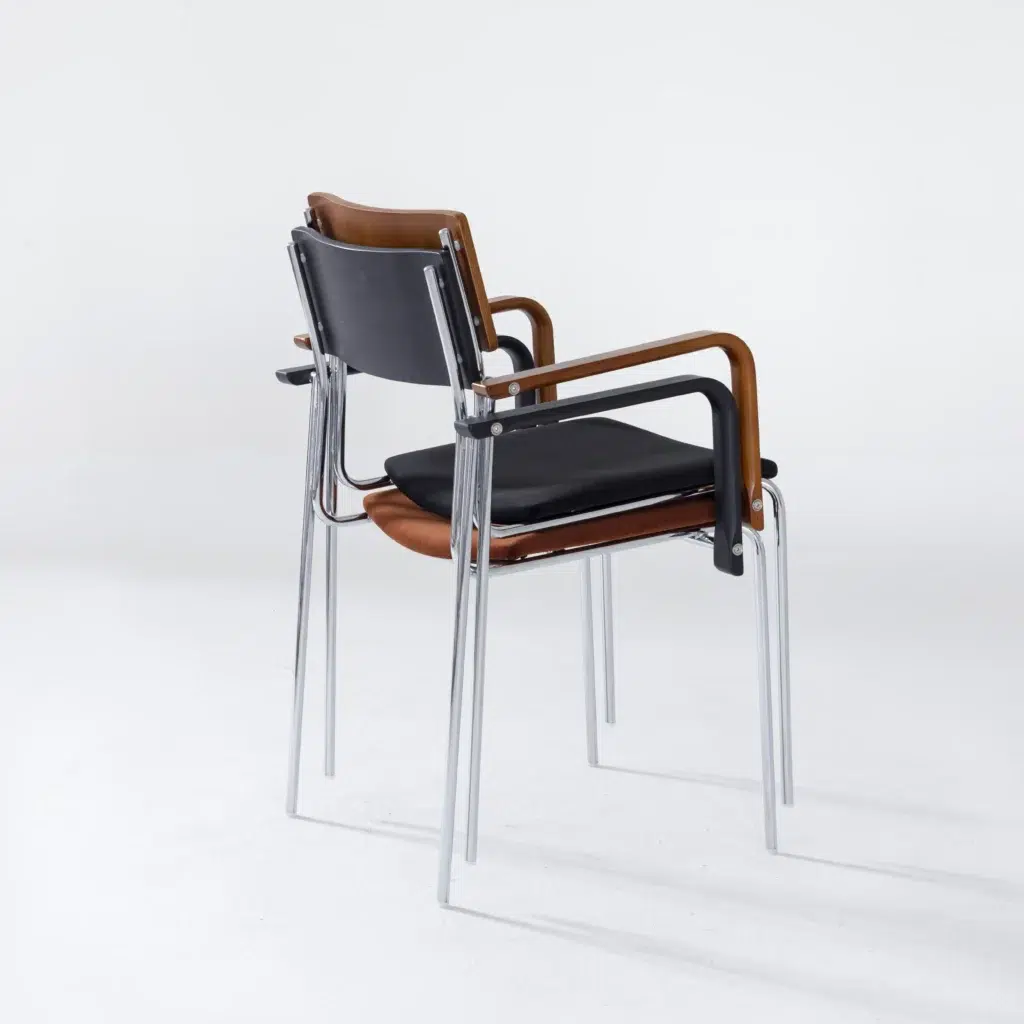
In open-plan homes and compact apartments, bulky furniture disrupts spatial flow. Metal frames, however, allow light and sight lines to pass through. As a result, dining zones feel more open. The Gentleman Dining Chair illustrates this well. Its slim metal frame introduces precision while maintaining openness. Therefore, it works particularly well in smaller dining spaces where clarity matters.
Comfort and Ergonomics in Metal Dining Chairs
A common misconception is that metal dining chairs prioritise form over comfort. In practice, well-designed metal chairs achieve both through careful attention to proportion, support and material selection.
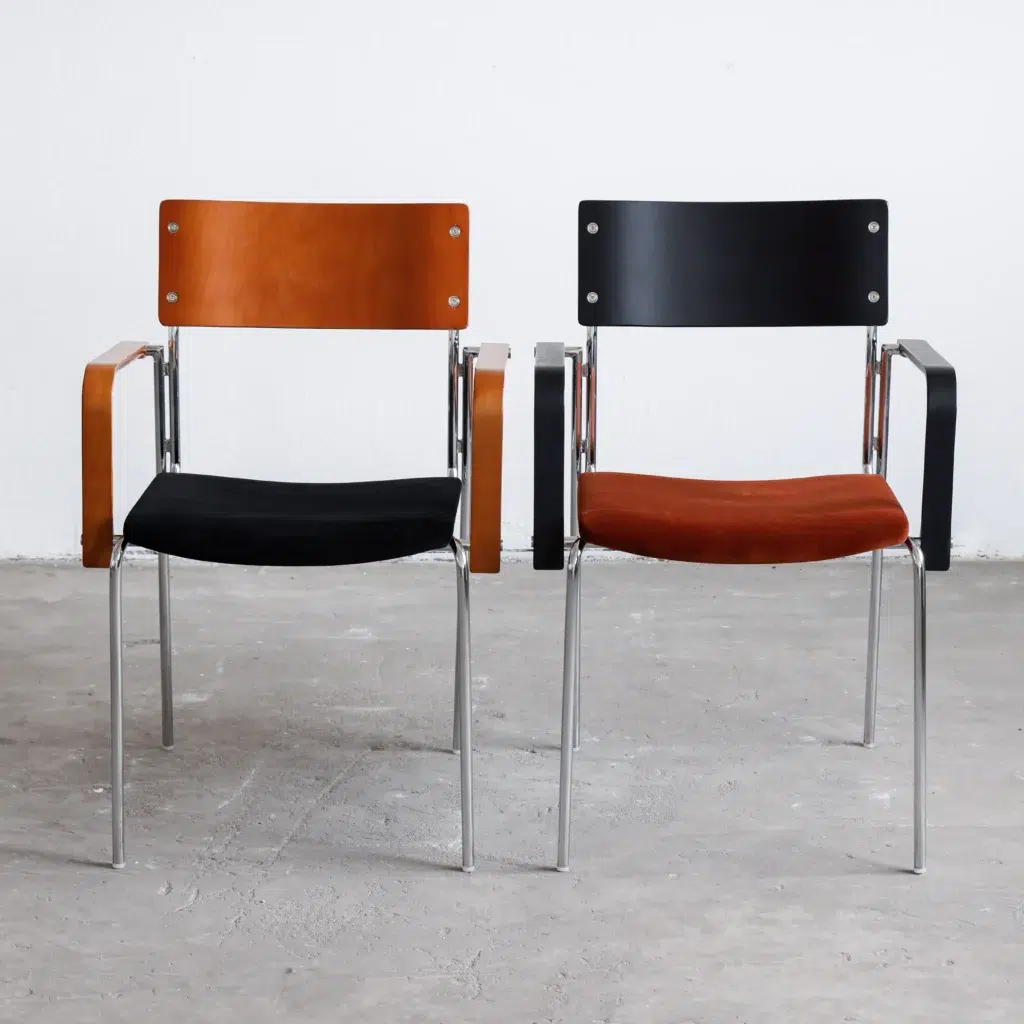
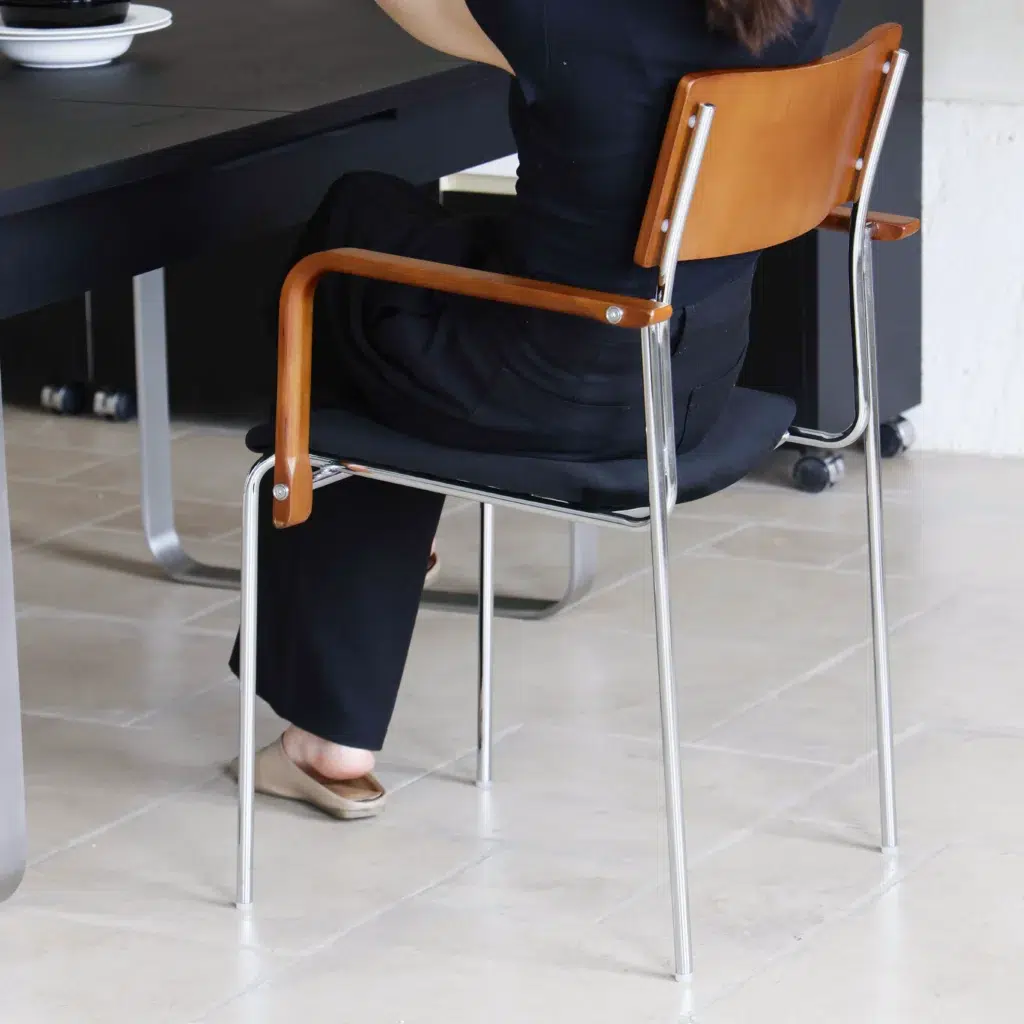
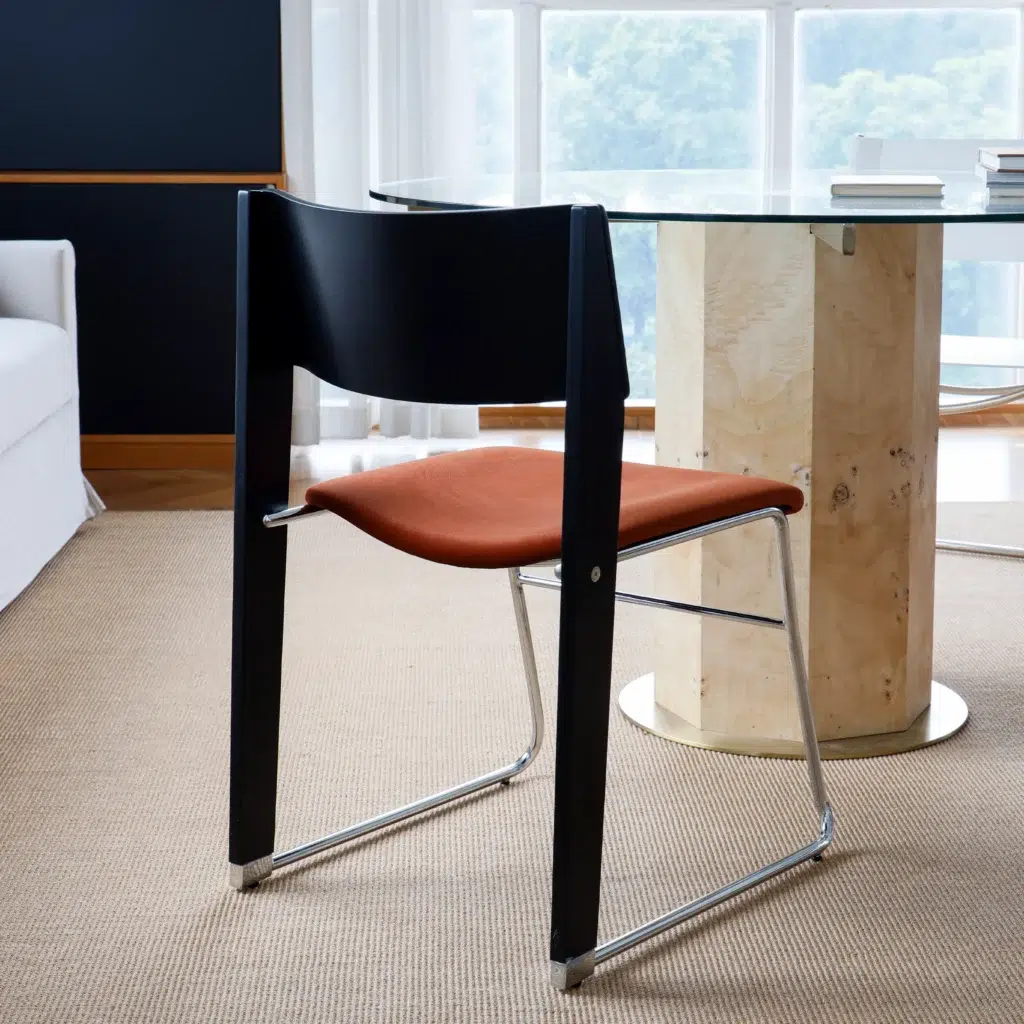
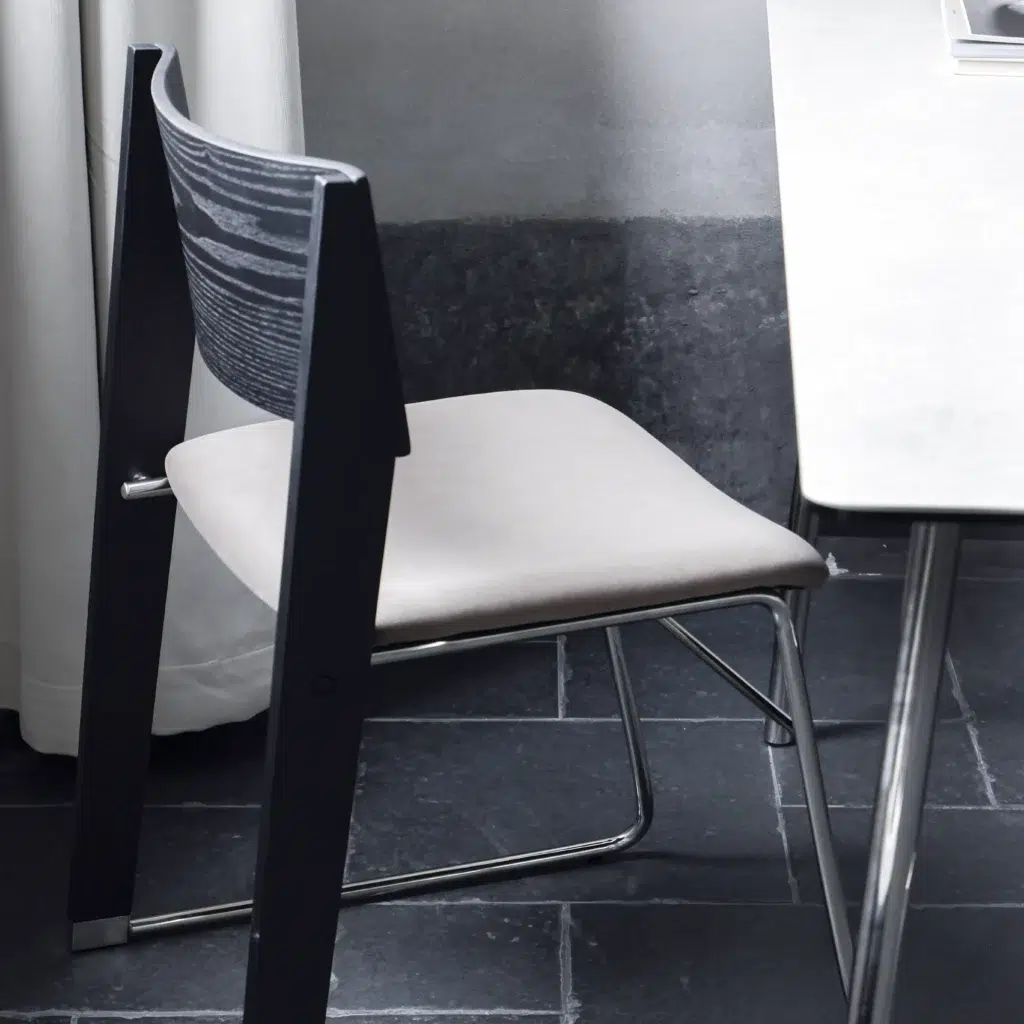
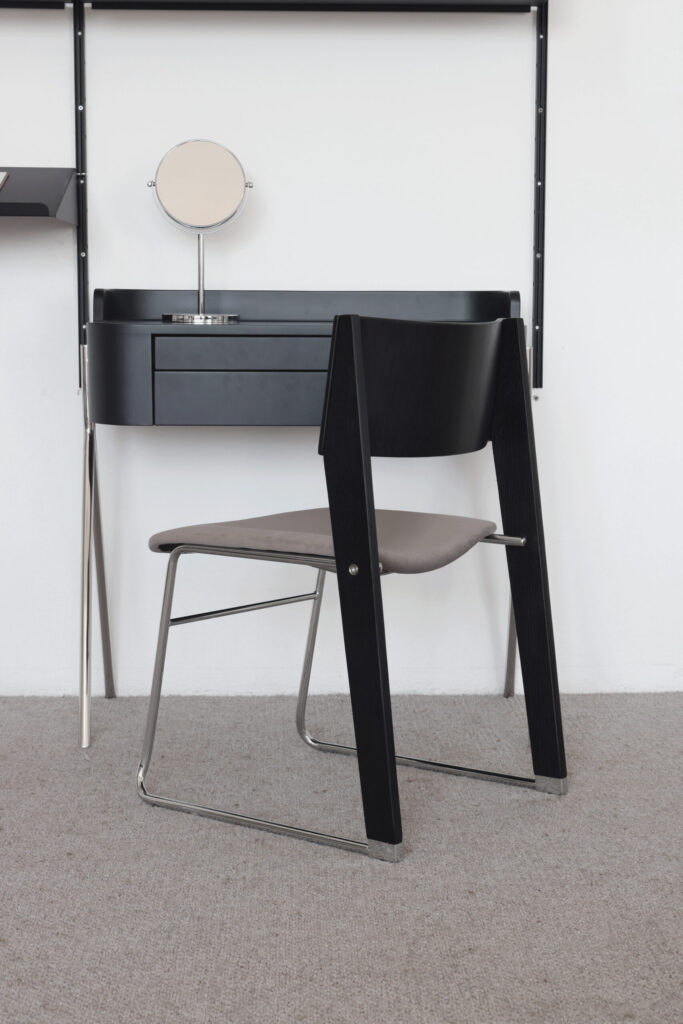
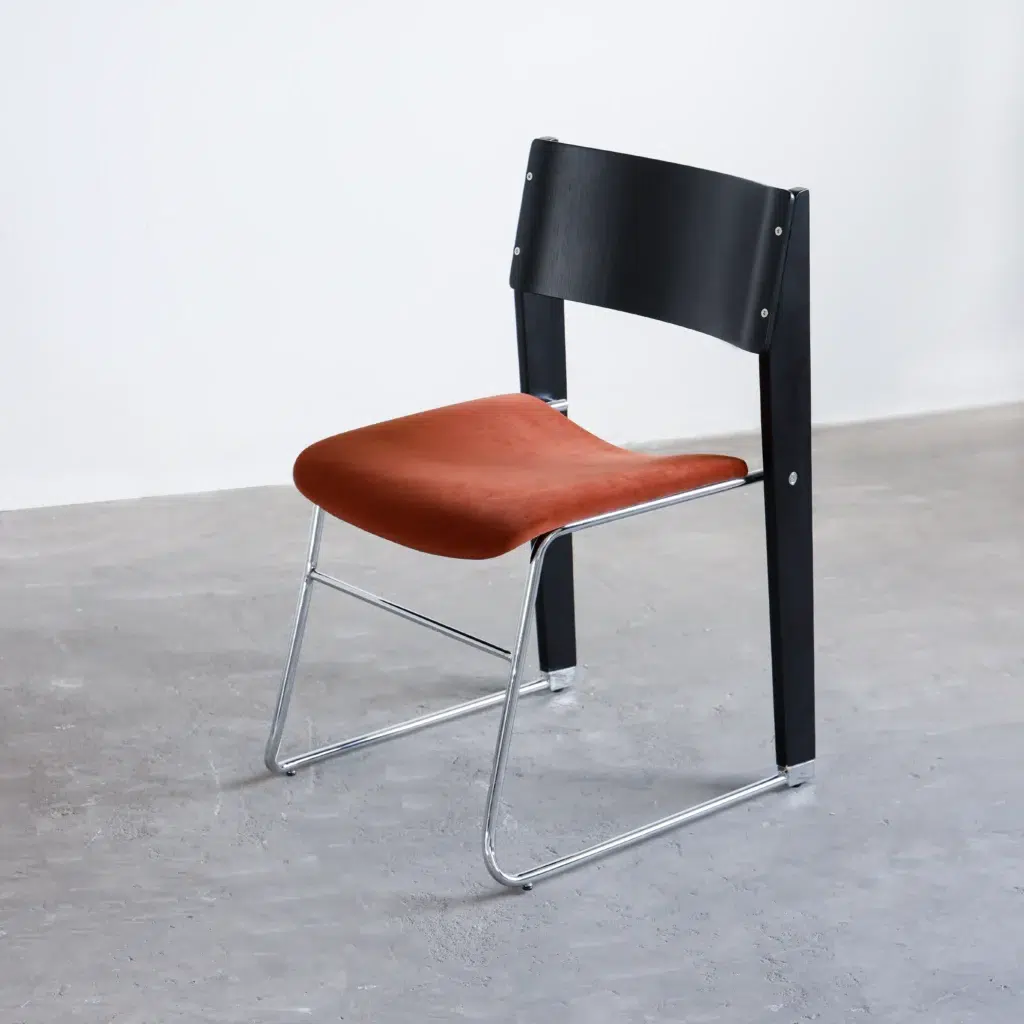
As mentioned, the Cesca Chair pairs tubular steel with woven seating, allowing a slight degree of flexibility that improves comfort during longer seating periods. The Gentleman Dining Chair uses a precise metal frame with a refined seat structure, creating a light yet supportive silhouette suited to contemporary interiors. The Knight Dining Chair balances structural metal lines with warm timber elements and a slim upholstered seat, introducing subtle softness while maintaining a clean architectural profile. Through these combinations, comfort is integrated without increasing visual bulk.

Where Metal Dining Chairs Work Best in Contemporary Homes
Metal dining chairs are particularly effective in interiors where architectural clarity is important.
They work well in:
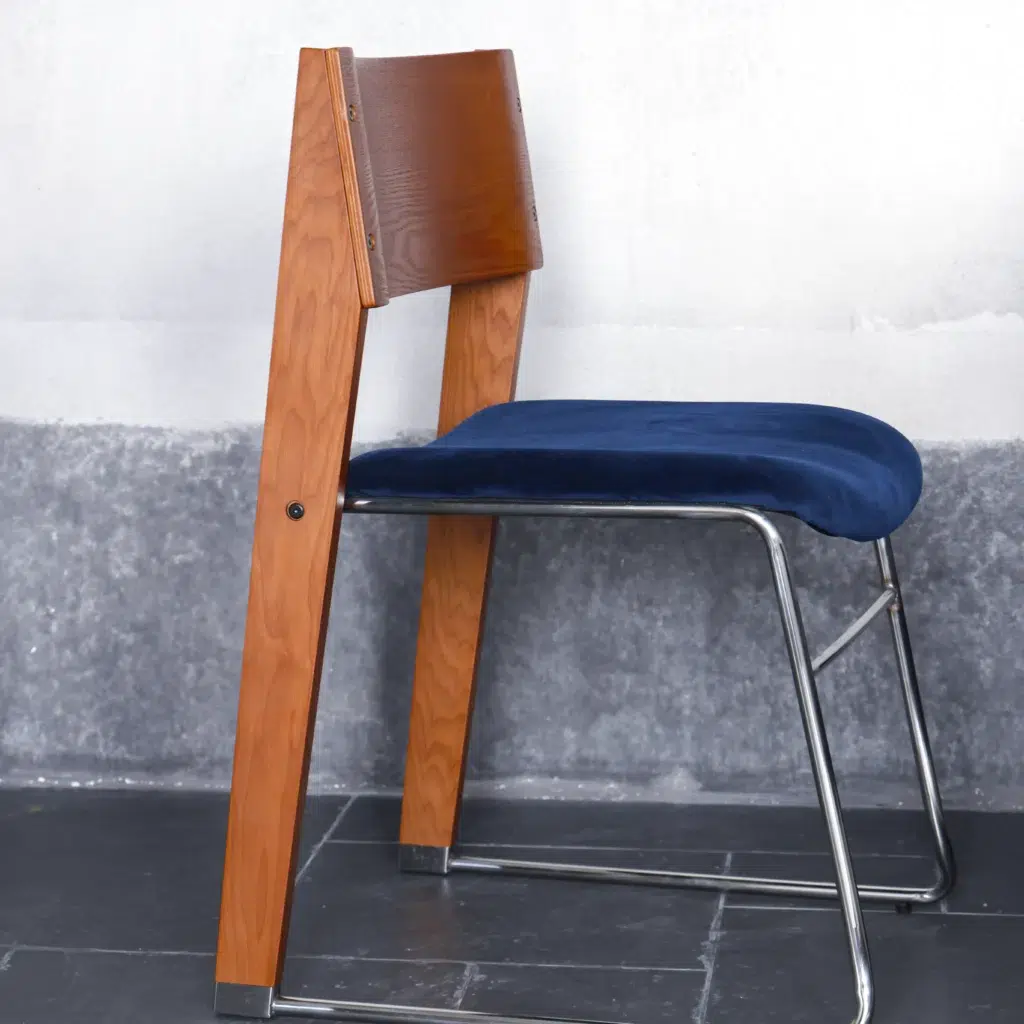
Because the frames remain visually light, they prevent the dining area from becoming visually crowded. For example, the Walk Slowly chair demonstrates how a minimal metal structure can maintain openness while still providing a defined seating zone. In smaller interiors especially, this balance between structure and lightness is essential.
Durability and Longevity in Contemporary Spaces
Beyond aesthetics, metal dining chairs perform exceptionally well in everyday environments. Contemporary interiors require furniture that maintains both structural integrity and visual clarity over time.
Metal frames provide long-term strength, resistance to warping or movement and stability in high-use dining areas. Unlike some materials that soften or shift with age, metal maintains its form. This reliability allows architects to specify slender frames without compromising durability.
Why Metal Dining Chairs Suit Contemporary Interiors
Ultimately, metal dining chairs align naturally with the principles of contemporary architecture. They introduce structure without heaviness, reinforce geometric clarity and allow materials such as timber and stone to remain the visual focus.
When used thoughtfully, metal seating contributes to a dining space that feels balanced, open and architecturally intentional. For contemporary interiors, that balance between precision and restraint is what defines successful design.