What Is Warm Minimalism: The Interior Style Everyone Is Talking About
Estimated reading time: 5 minutes
Minimalism has long been associated with crisp white walls, stark spaces and a strict “less is more” philosophy. While that aesthetic still has its place, many homeowners are looking for interiors that feel just as refined without sacrificing warmth or personality.
That’s where warm minimalism comes in, originating of course from the well-known interior style minimalism. Evolving from the well-known principles of minimalism, it retains clean lines and uncluttered spaces while introducing natural materials, layered textures and inviting warmth to create a home that feels both refined and lived in.
Combining clean lines with natural materials, soft textures and earthy tones, warm minimalism creates spaces that feel calm, inviting and effortlessly liveable. It’s an approach that values quality over quantity, encouraging thoughtful design rather than empty rooms.
What Is Warm Minimalism?
Warm minimalism is an interior design style that blends the simplicity of minimalism with the comfort of natural materials, layered textures and subtle warmth.
Rather than focusing on stark contrasts, it embraces soft colours, tactile finishes and furniture that feels timeless rather than trendy. Every piece serves a purpose, but each one also contributes to the atmosphere of the room.
The result is a home that feels uncluttered and welcoming.
The Key Elements of Warm Minimalism
A Soft, Neutral Colour Palette
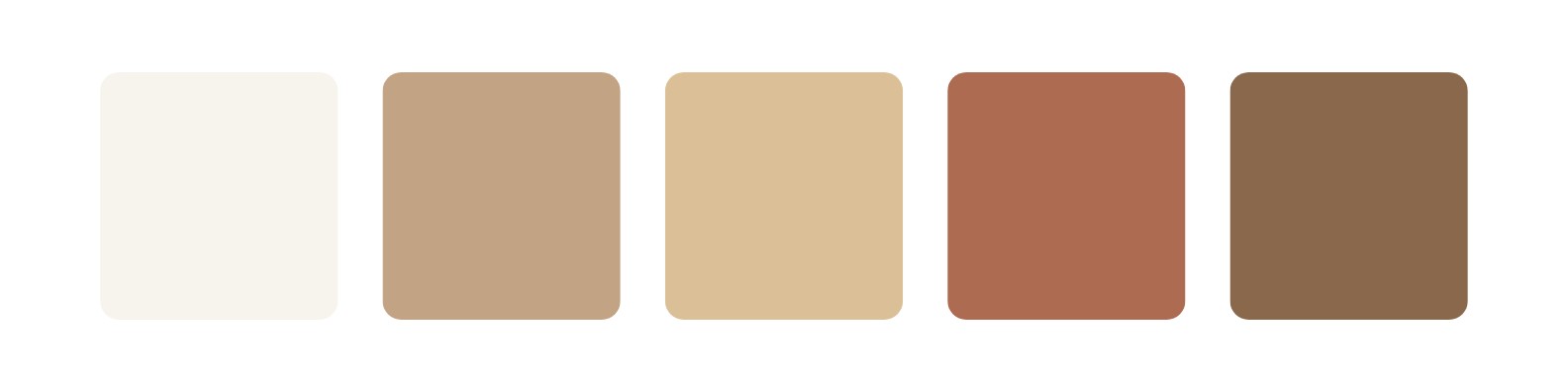
Warm minimalist homes move away from bright whites and cool greys in favour of colours inspired by nature. Think:
These colours reflect natural light beautifully and create a sense of calm throughout the home.
Natural Materials Take Centre Stage
Materials are one of the biggest differences between traditional minimalism and warm minimalism. Rather than relying on glossy finishes, warm minimalism celebrates texture and authenticity. Popular materials include:
|
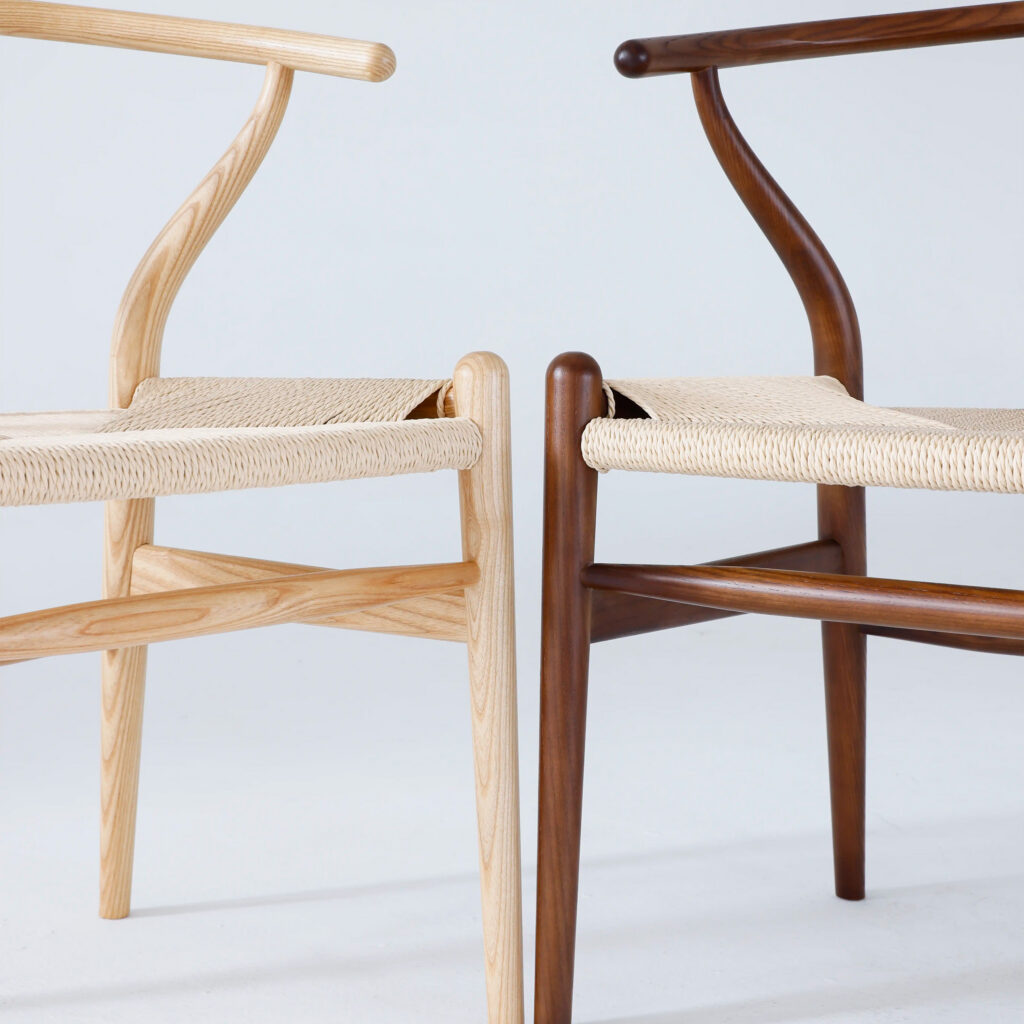
Ash Wood |
Strong, durable timber with a light tone and distinctive grain. |
|---|---|
|
White Oak |
Timeless natural timber with exceptional strength and beautiful grain. |
|
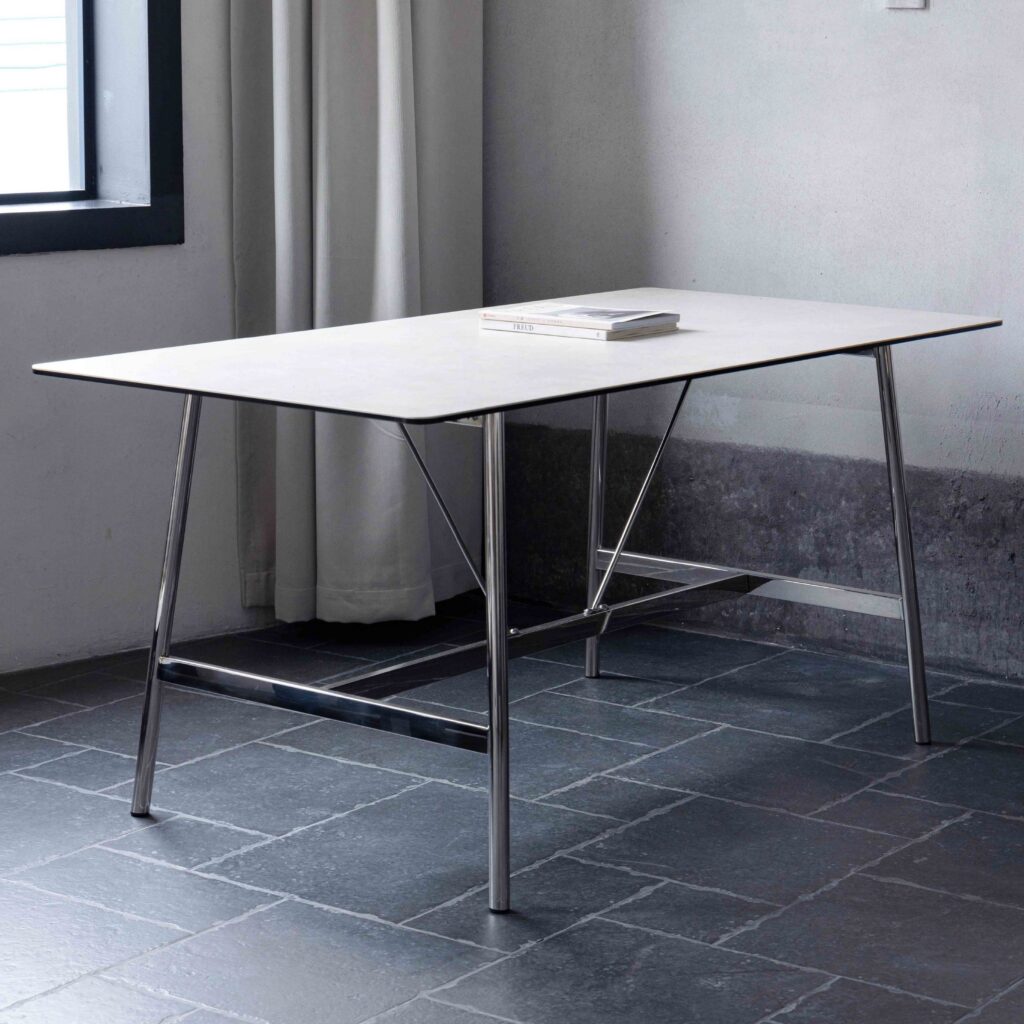
Stone |
Durable, low-maintenance surfaces with a refined, contemporary look. |
|
Linen |
Breathable natural fabric with a relaxed, textured finish. |
|
Wool |
Soft, resilient upholstery that offers warmth and lasting comfort. |
|
Genuine Leather |
Premium natural leather that develops character and patina over time. |
|
Rattan |
Lightweight woven material that adds warmth, texture and organic appeal. |
|
Microfiber Leather |
Durable, easy-care upholstery with a soft, leather-like feel that’s ideal for everyday living. |
|
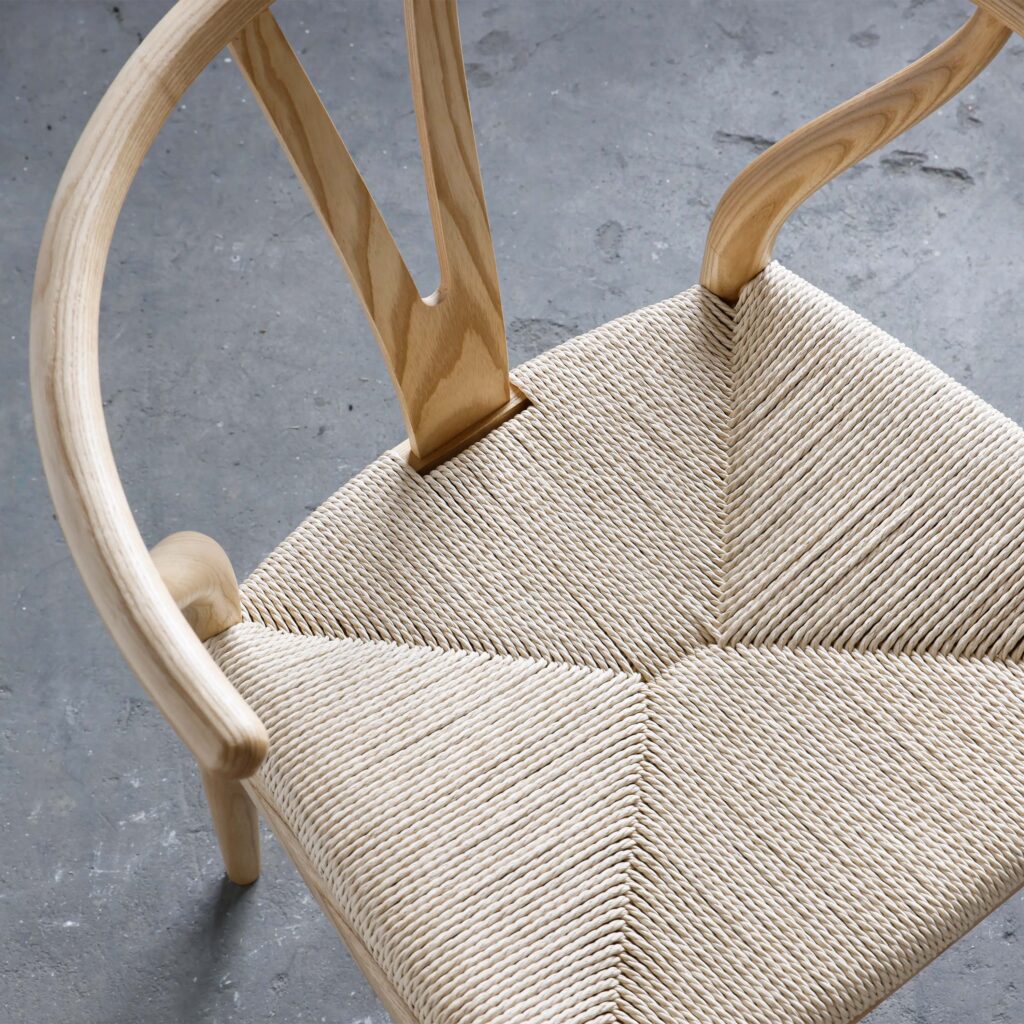
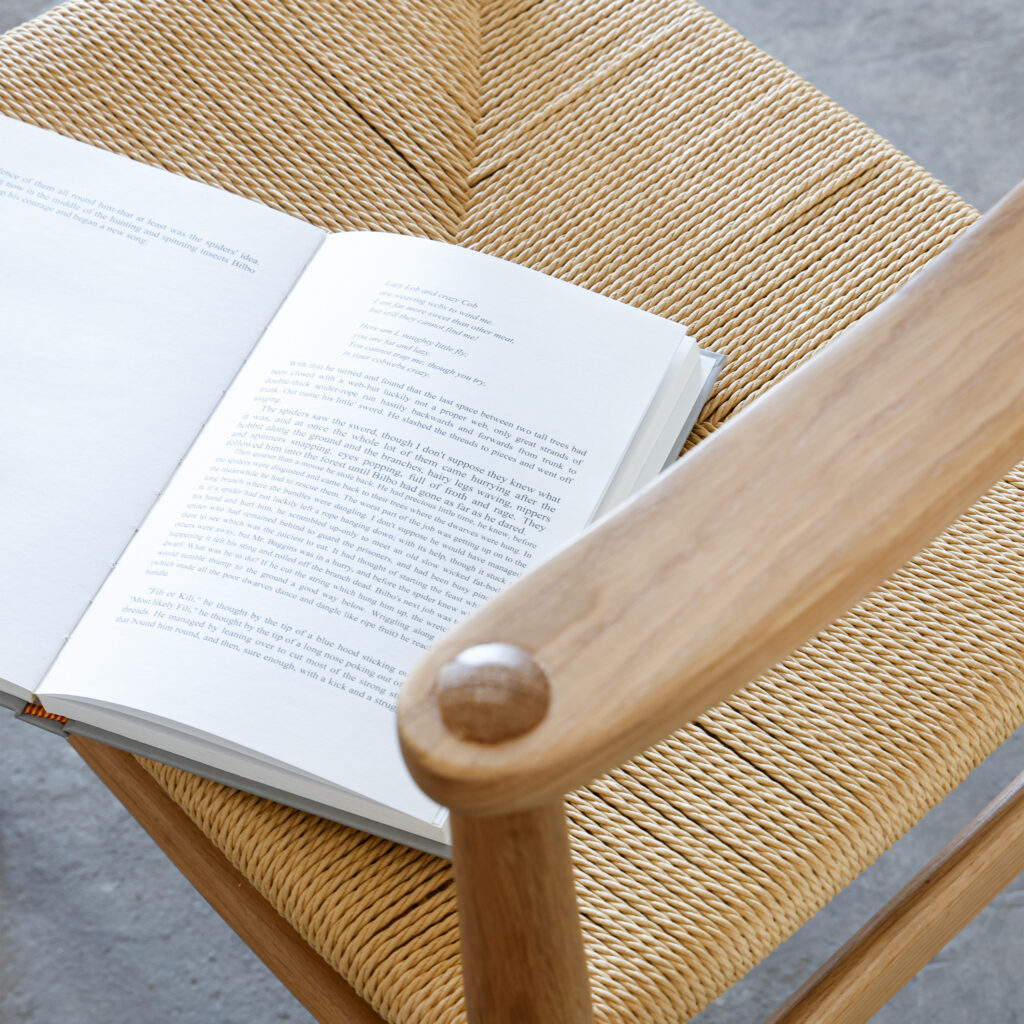
Woven Paper Rope |
Handwoven natural fibre that offers durability and natural appeal. |
Furniture That Prioritises Quality
Warm minimalism isn’t about filling a room with furniture. Instead, it encourages investing in fewer, better-made pieces that will last for years.
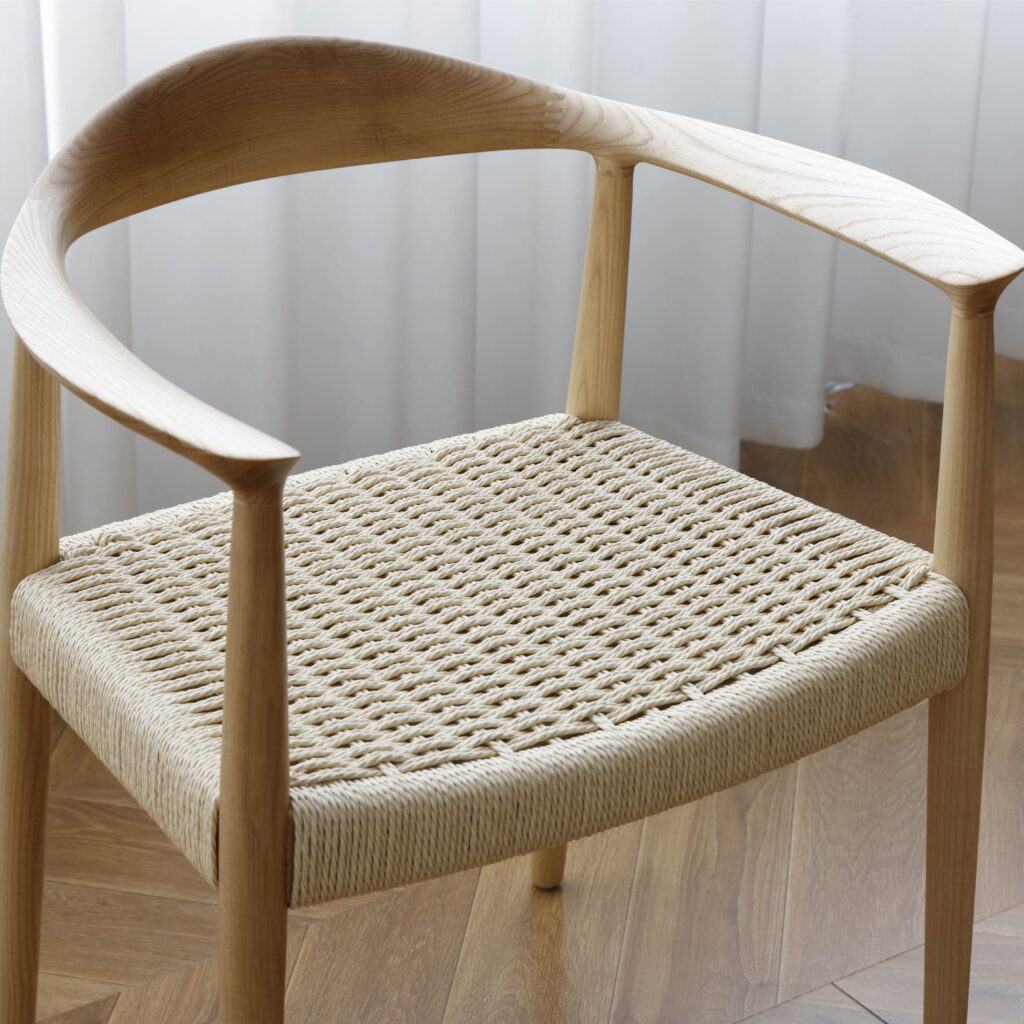
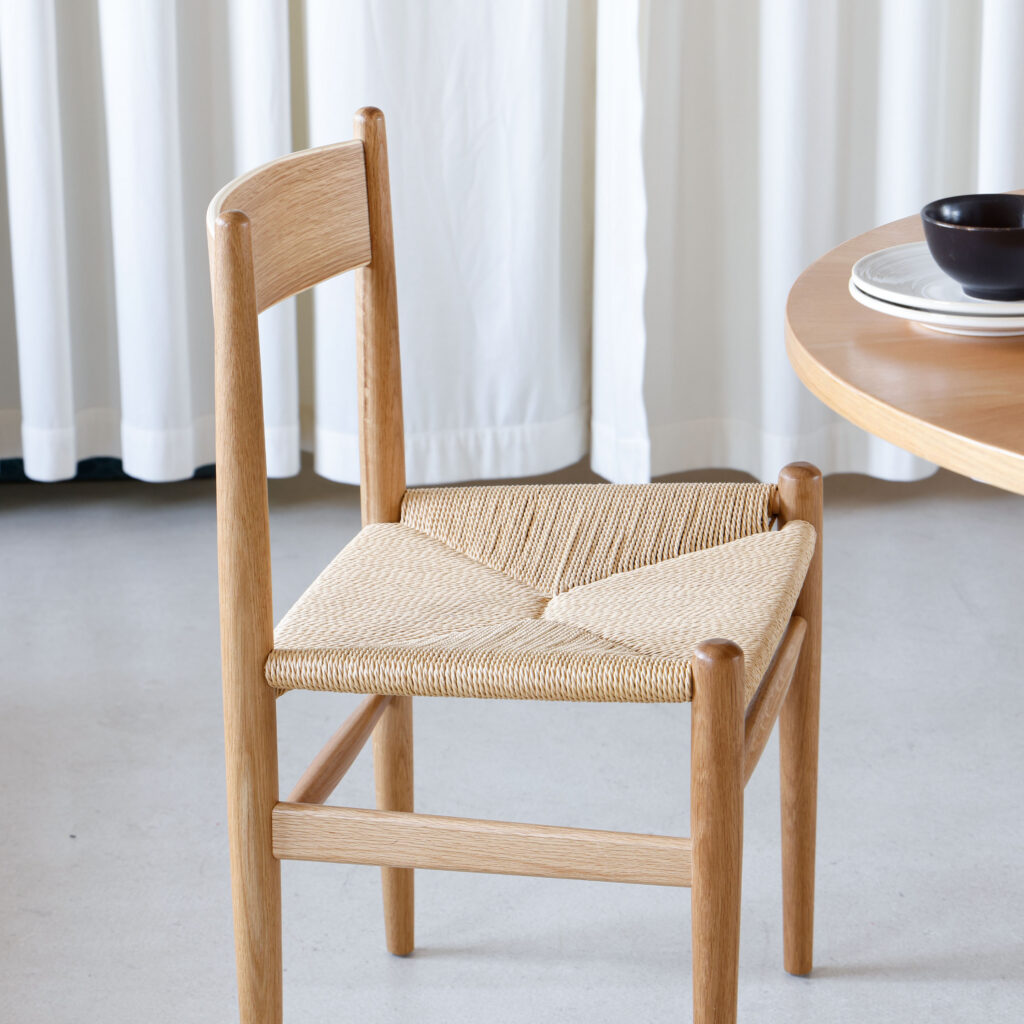
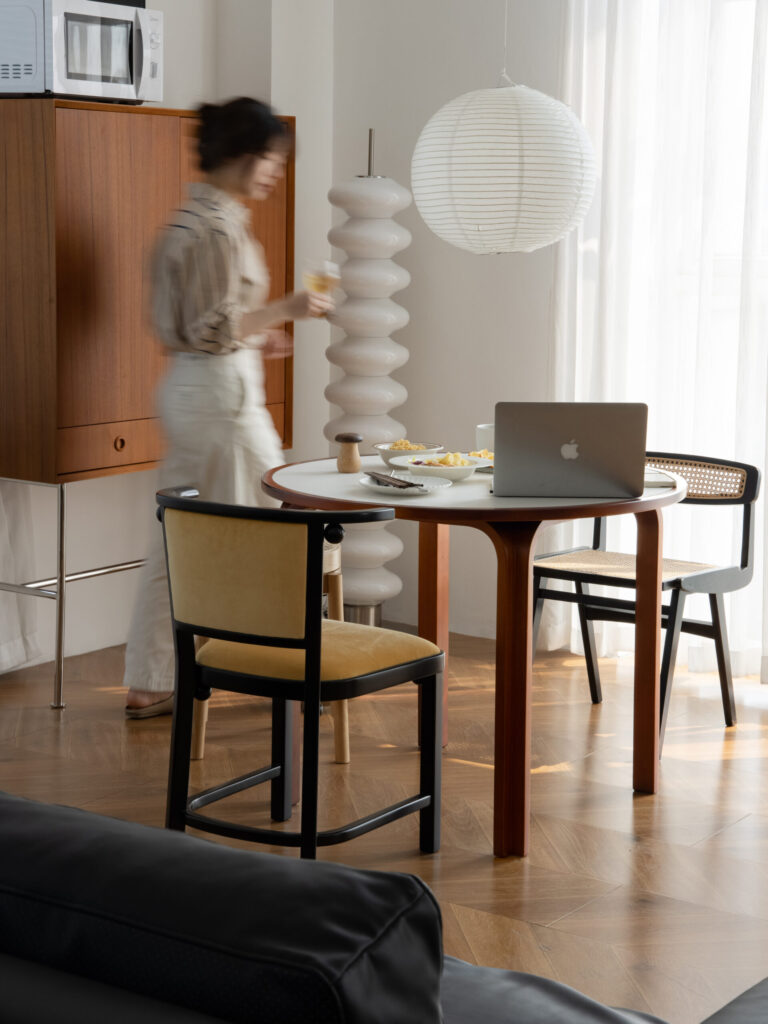
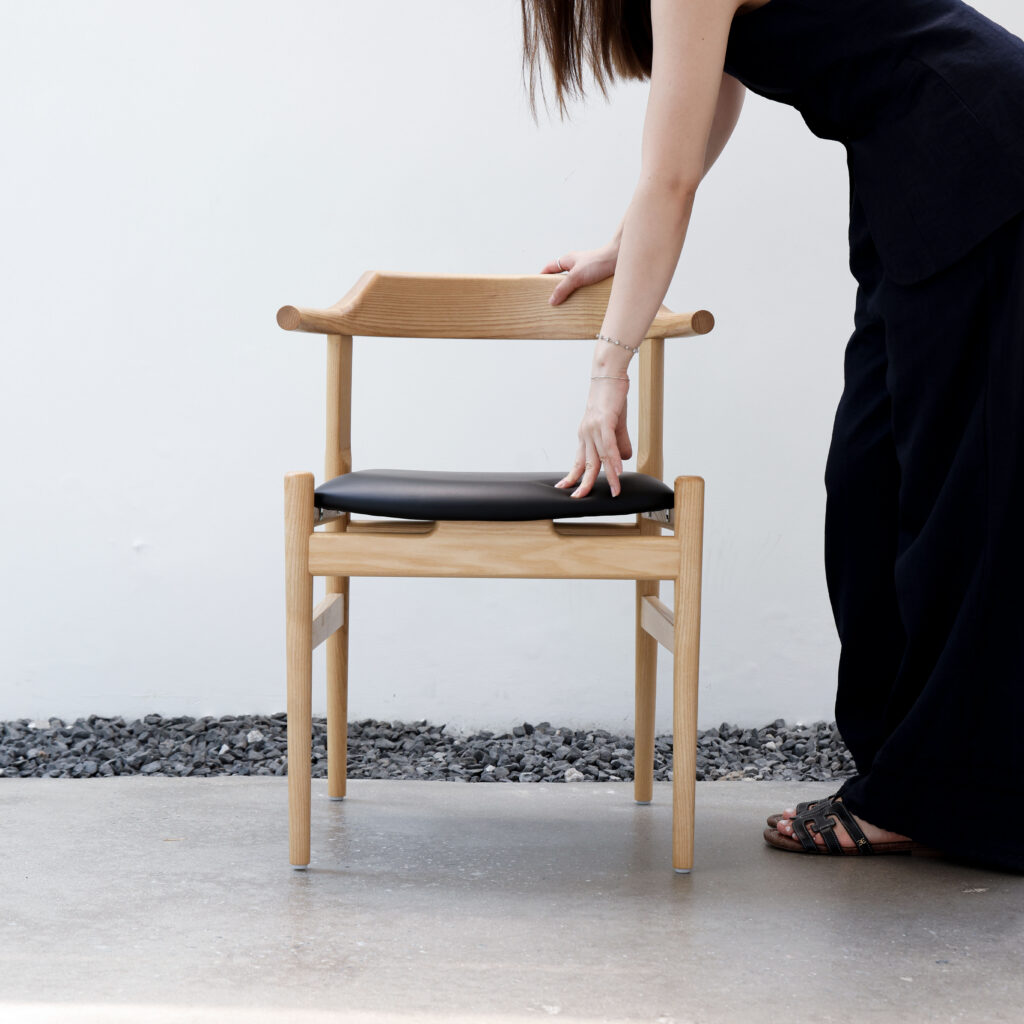
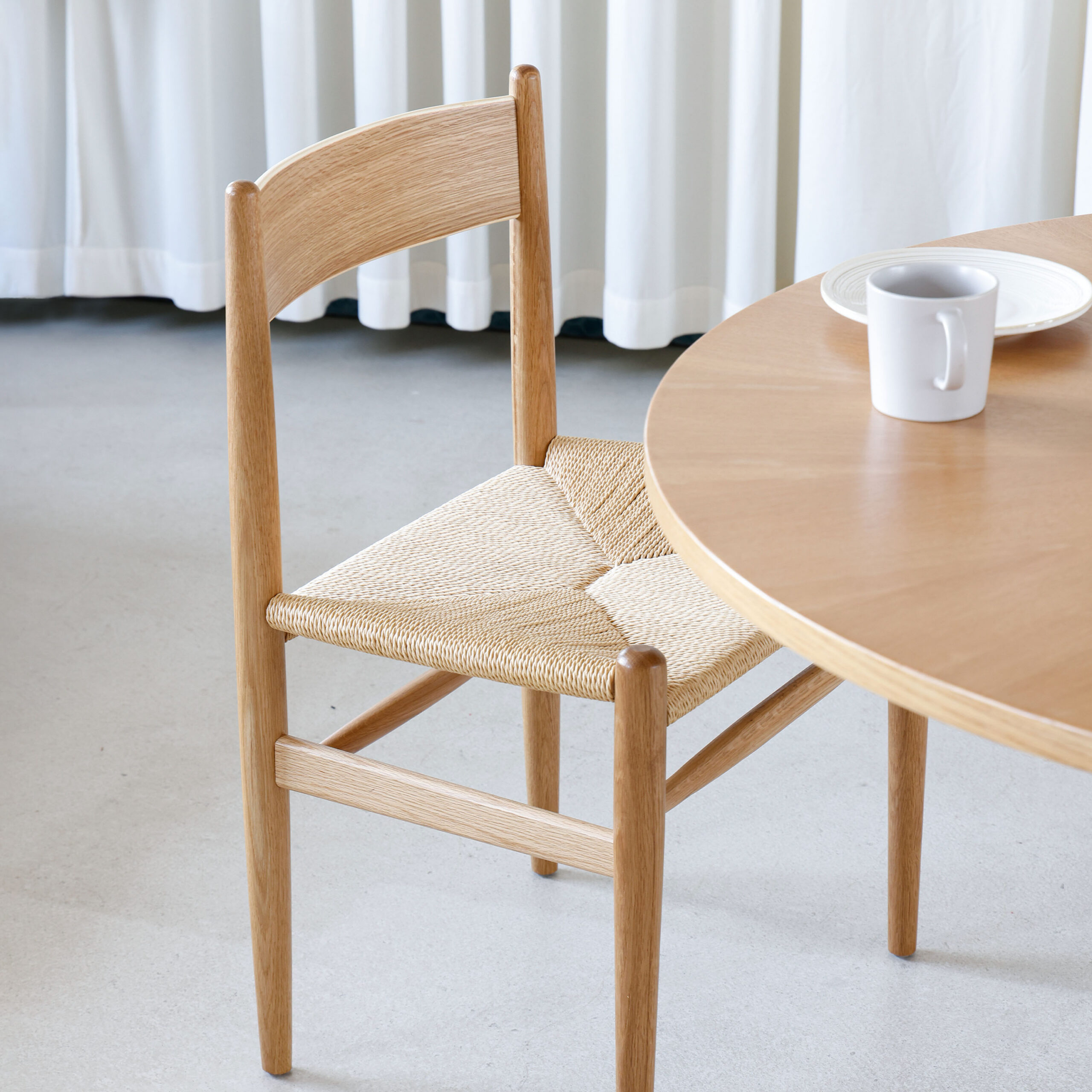
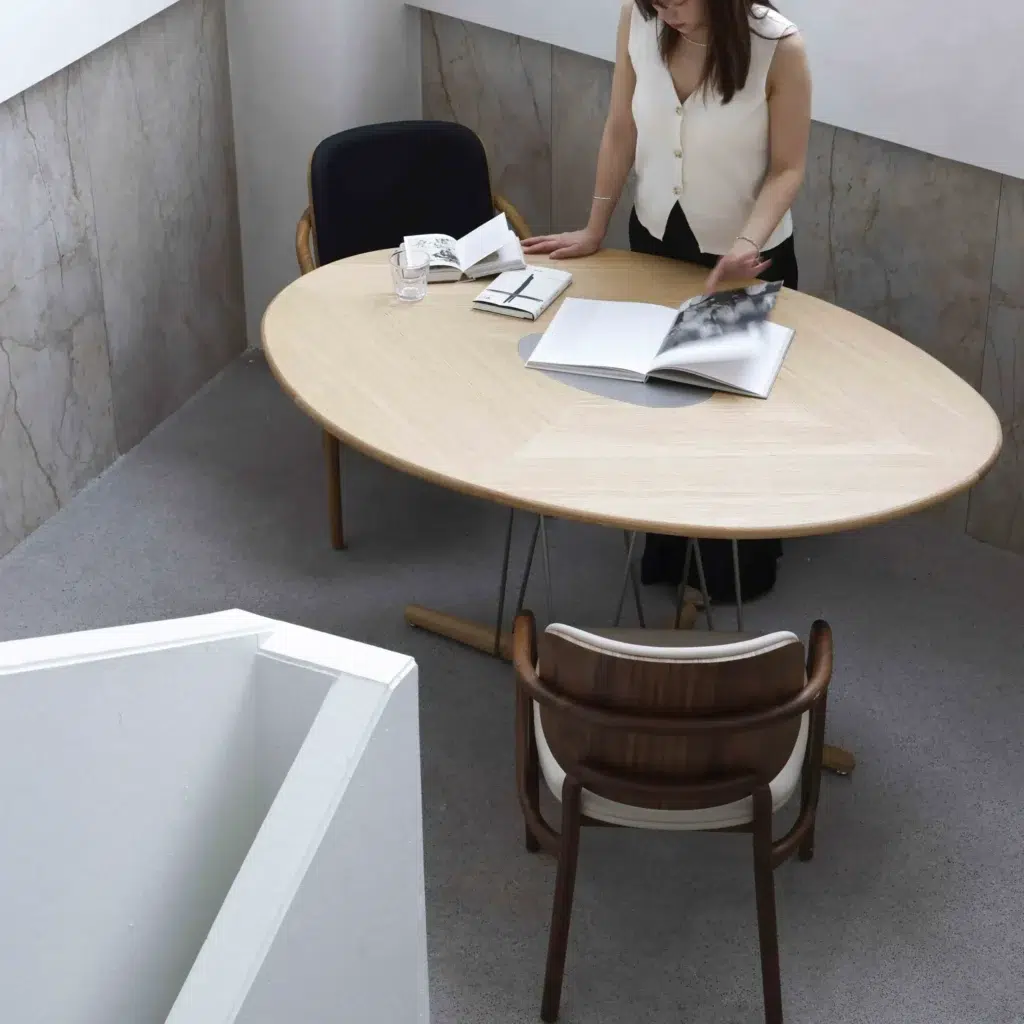
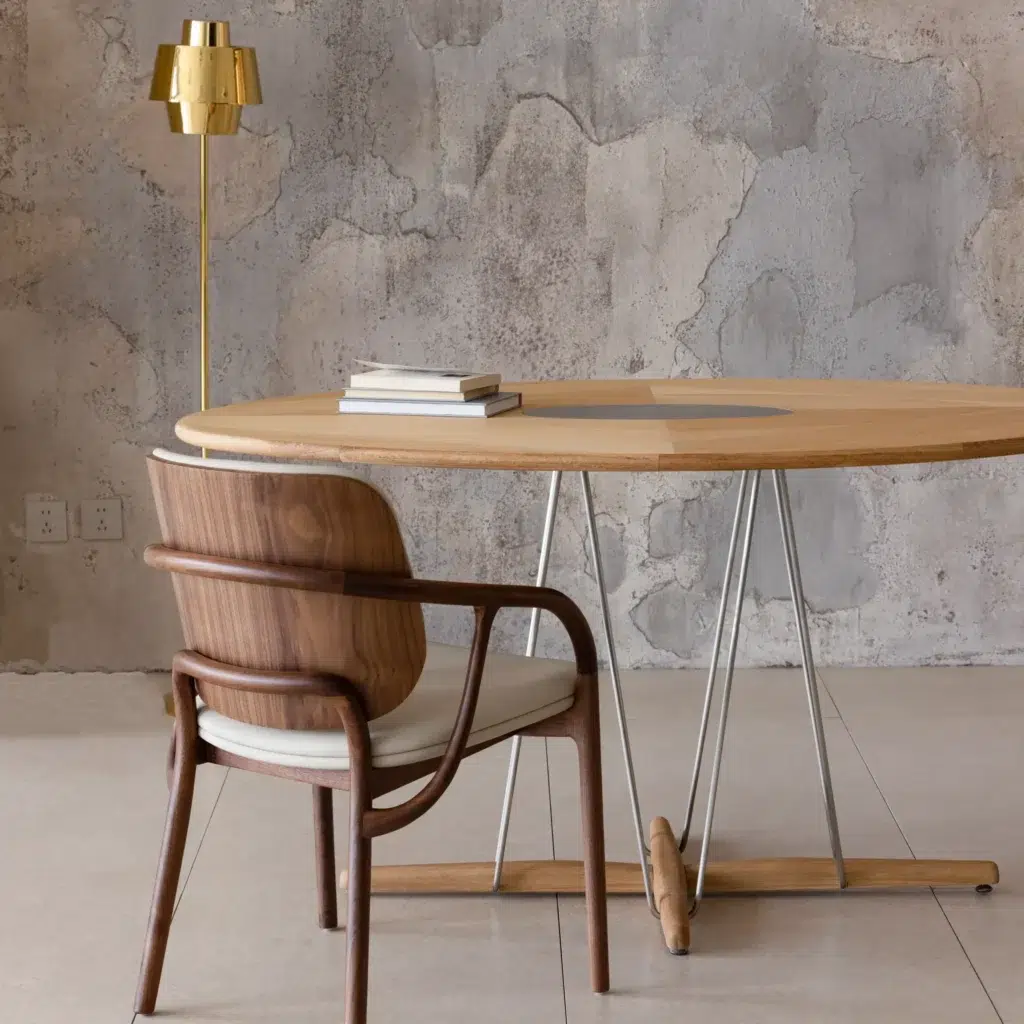
A solid timber dining table, a beautifully upholstered dining chair or a sculptural lounge chair becomes the focal point, allowing craftsmanship and quality materials to speak for themselves. Timeless furniture also means you won’t feel the need to replace pieces every time design trends change.
Layering Texture Instead of Clutter
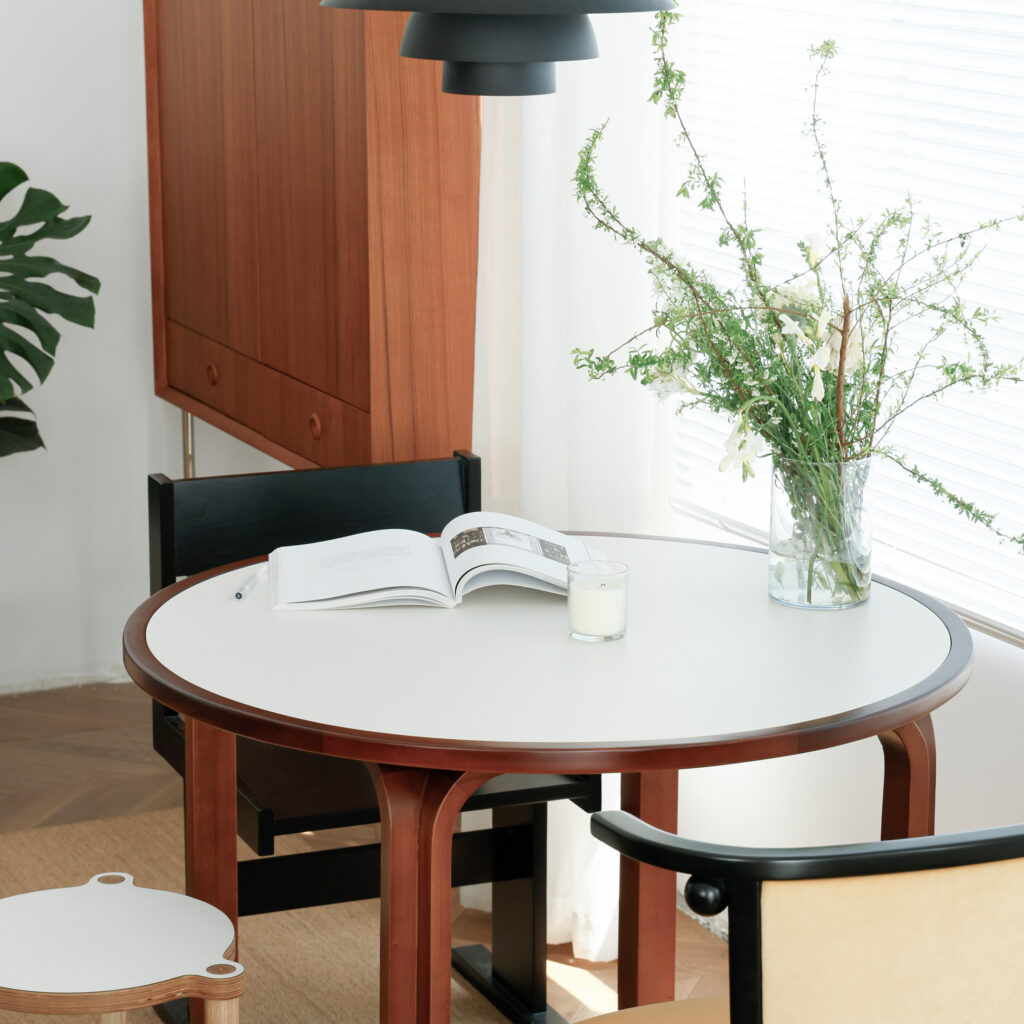
Minimalist homes don’t need to feel empty. Warm minimalism creates visual interest through texture rather than excessive decoration. Consider combining: Linen curtains, wool rugs, textured cushions, timber furniture, ceramic vases and woven baskets. The mix of materials creates depth while maintaining a clean, uncluttered look.
Curved Shapes and Soft Forms
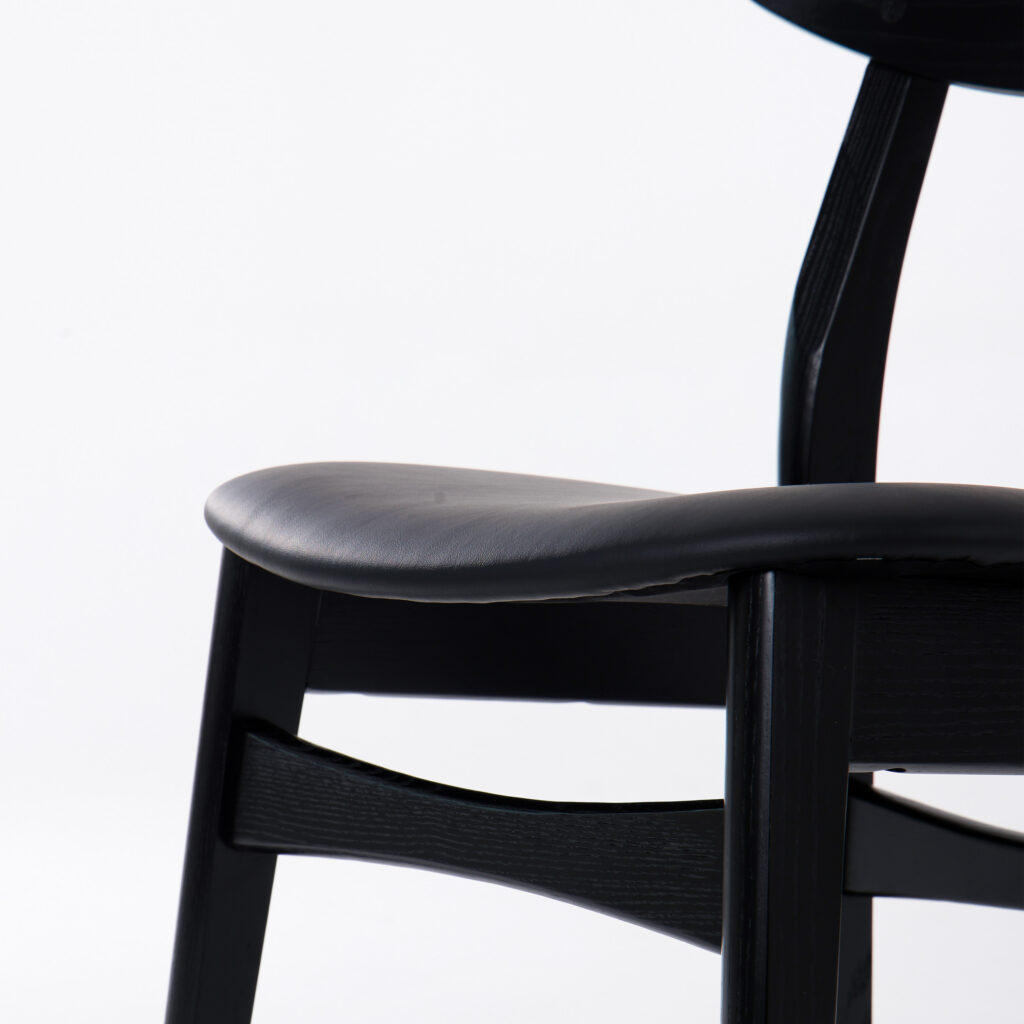
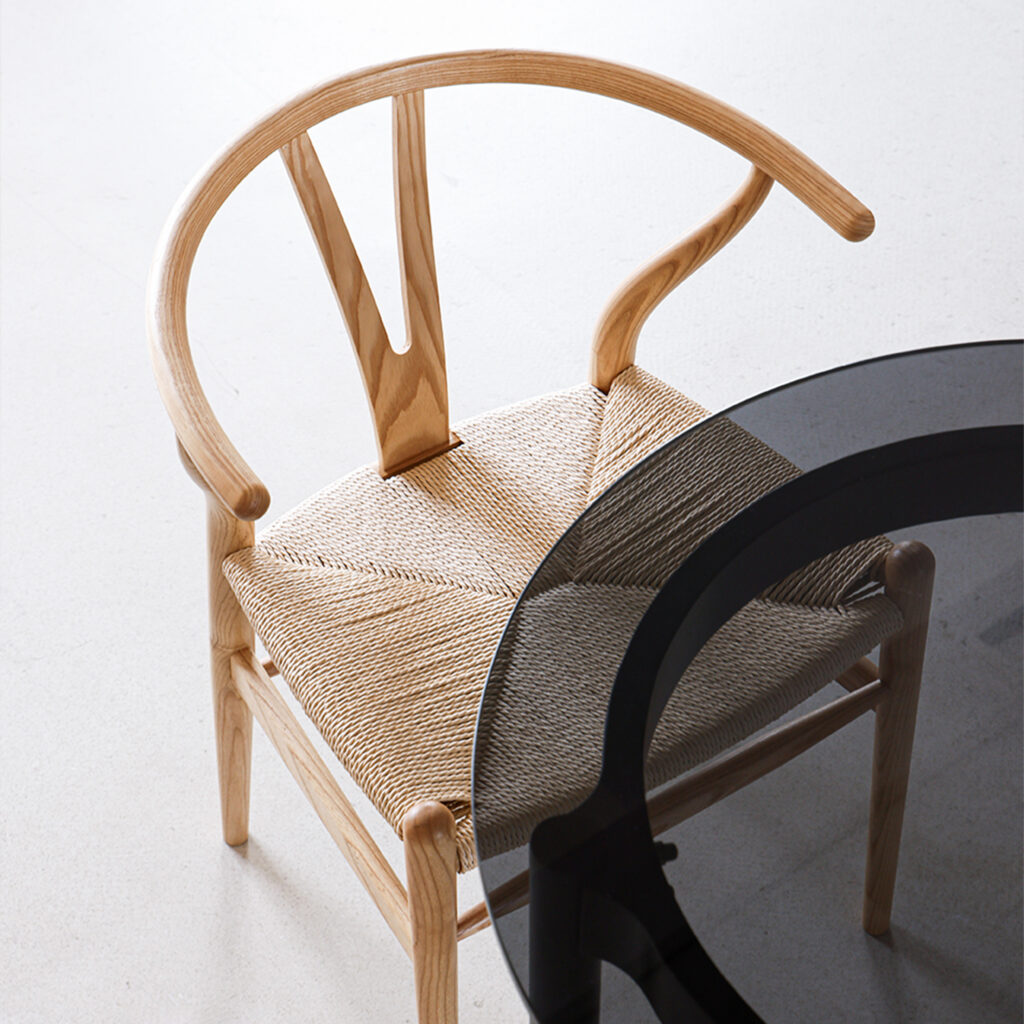
Furniture with rounded edges helps soften minimalist interiors. Curved dining chairs, rounded coffee tables and organically shaped mirrors introduce movement and warmth while maintaining a sophisticated appearance. These softer silhouettes make spaces feel more relaxed and comfortable.
Decorating with Intention
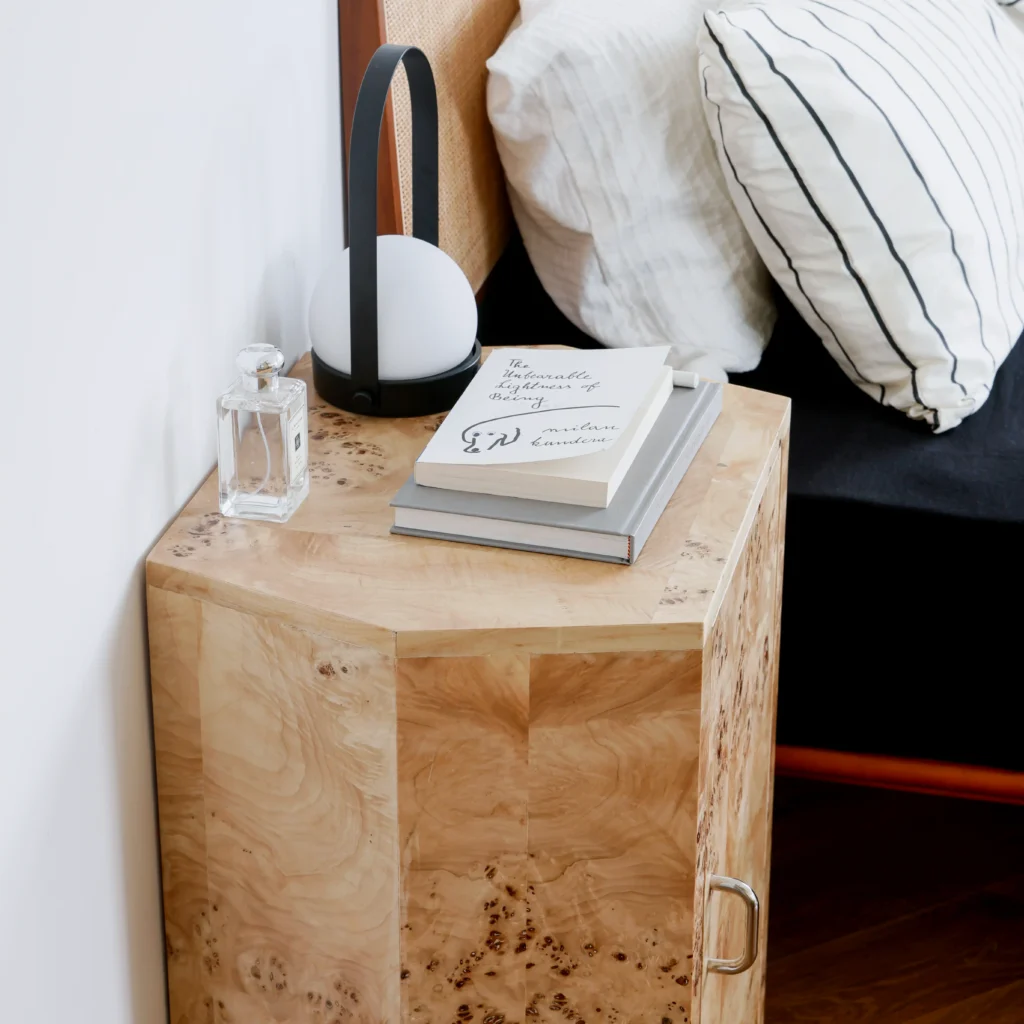
Warm minimalism doesn’t eliminate decor altogether. Instead, every decorative item should feel intentional. Choose pieces that add meaning or texture, such as:
Leaving space around each item allows it to stand out without creating visual clutter.
Why Warm Minimalism Has Become So Popular
Modern life is busy, noisy and often overwhelming. Many people are looking for homes that feel like a place to slow down and recharge. Warm minimalism offers exactly that. It creates spaces that are:
Rather than constantly chasing the latest trends, homeowners are investing in quality furniture and natural materials that will continue to look beautiful for years.
How to Bring Warm Minimalism into Your Home
You don’t need to renovate your entire house to embrace warm minimalism. Start by:
Small changes can dramatically transform how your home feels.
Did You Know?
Warm minimalism draws inspiration from Scandinavian, Japanese and contemporary Australian design, combining functionality with natural warmth.
Create a Warm Minimalist Home with Timeless Furniture
Warm minimalism isn’t about owning less for the sake of it. It’s about choosing furniture and materials with intention, creating a home that feels calm, comfortable and built to last.
At benssur, we carefully source timeless furniture crafted from premium materials including solid ash wood, white oak, sintered stone, ceramic and genuine leather. Each piece combines clean architectural design with exceptional craftsmanship, making it easy to create a warm minimalist home that will remain beautiful for years to come.
Whether you’re furnishing a single room or redesigning your entire home, investing in quality furniture is one of the simplest ways to embrace this enduring interior style.