
White Side Tables
White side tables can give the seat-side surface a clear light role, whether it blends with pale furniture or contrasts with a darker chair and floor. Compare the actual shade across top and base. Different materials can show white differently, so one colour label should not create an exact-match expectation.
Read moreRead less
Then measure the everyday items and comfortable reach from the seat. Side tables cover those first useful-surface checks. A white table can make a dark seat-side corner brighter in appearance or repeat a pale detail already in the room. Judge the whole shape from the doorway and from the seat. A narrow white frame and a broad white body create different amounts of visible colour.
Showing all 13 resultsSorted by recommended
-
-
-
On SaleOriginal price was: $399.00.$351.00Current price is: $351.00.
-
-
-
-
-
-
-
-
-
-
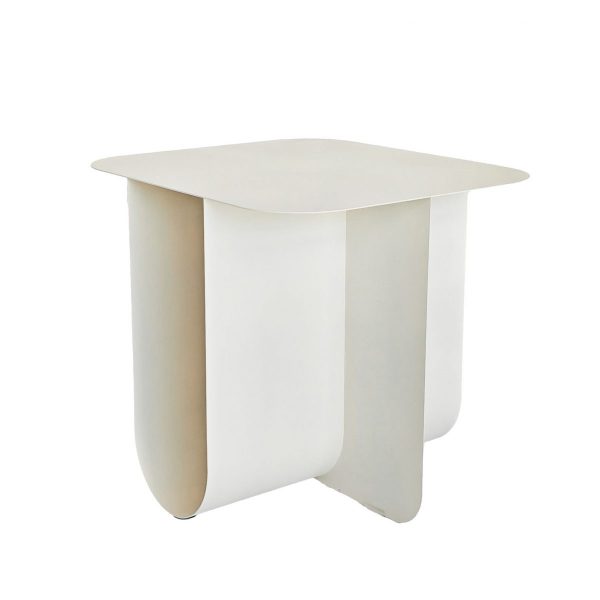

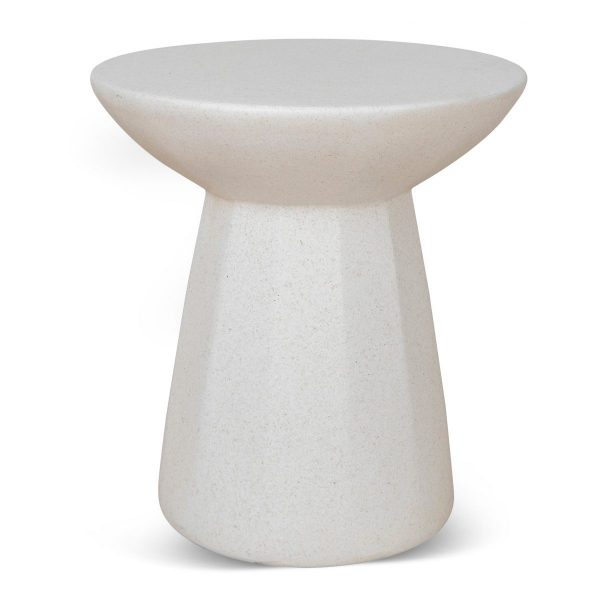
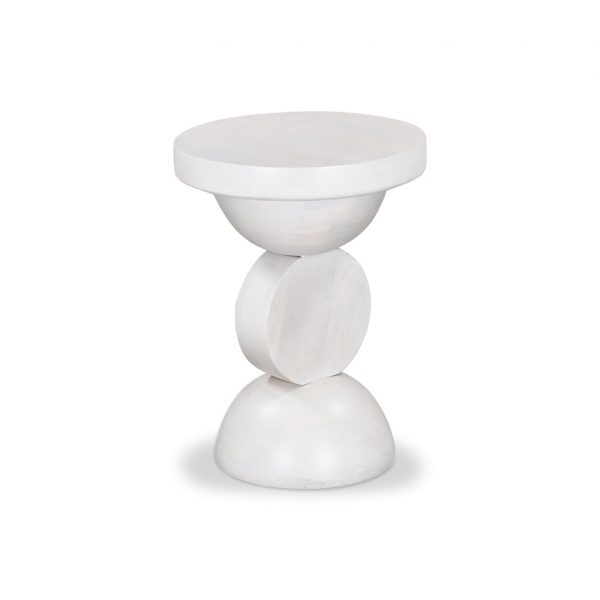
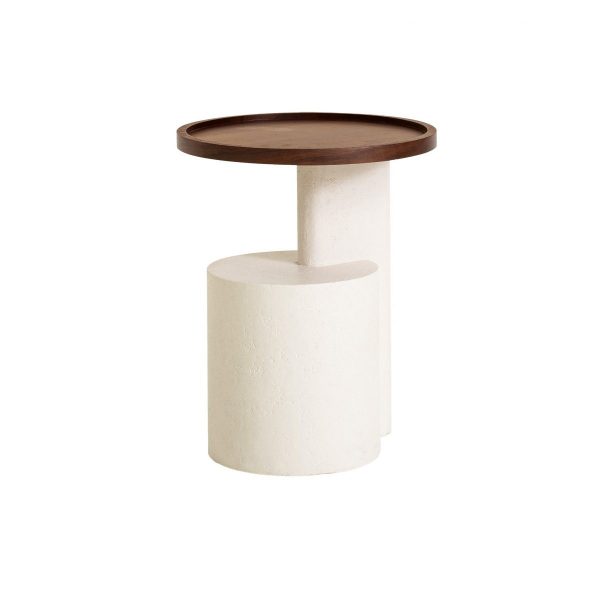
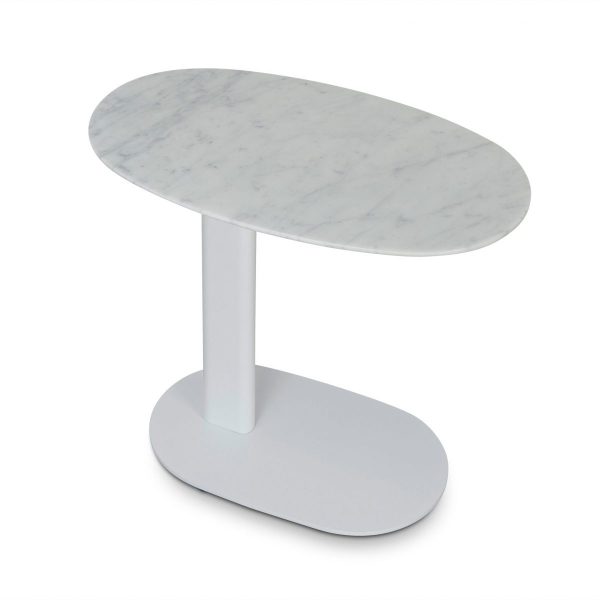
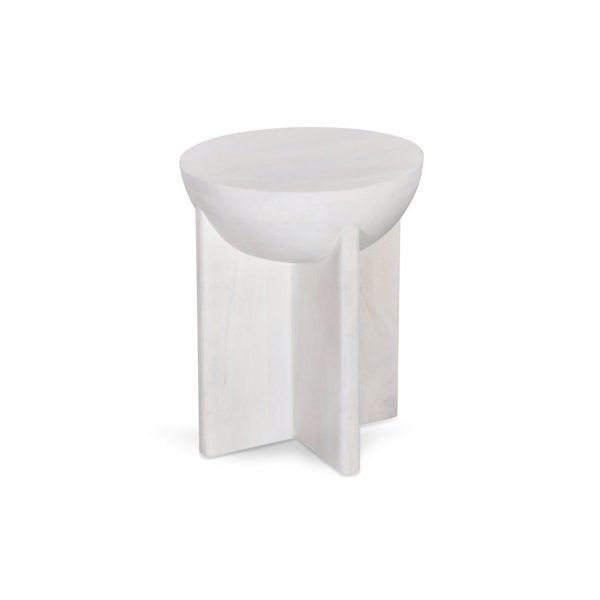
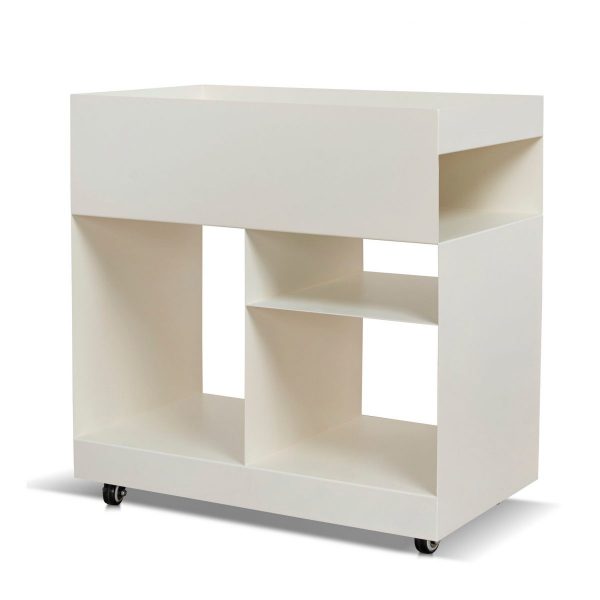
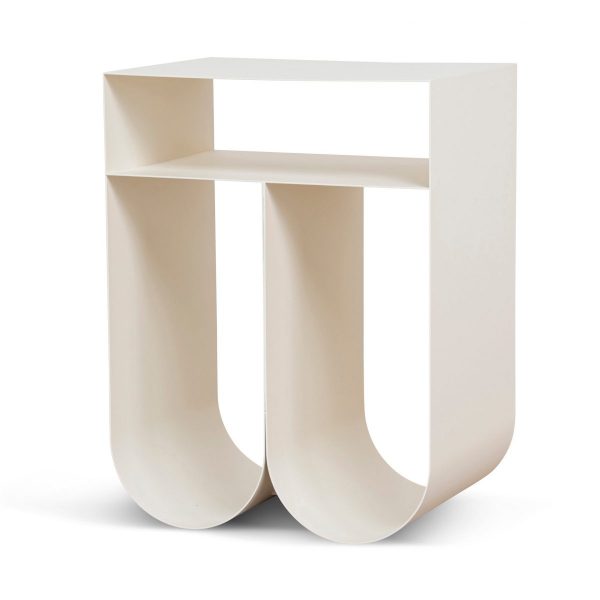
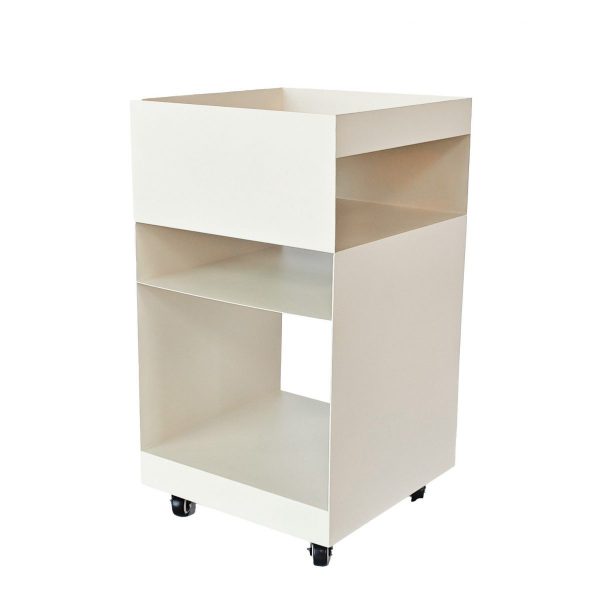
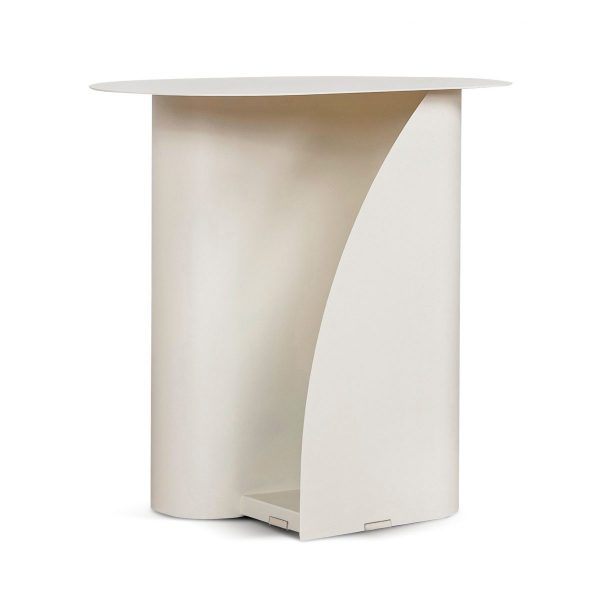
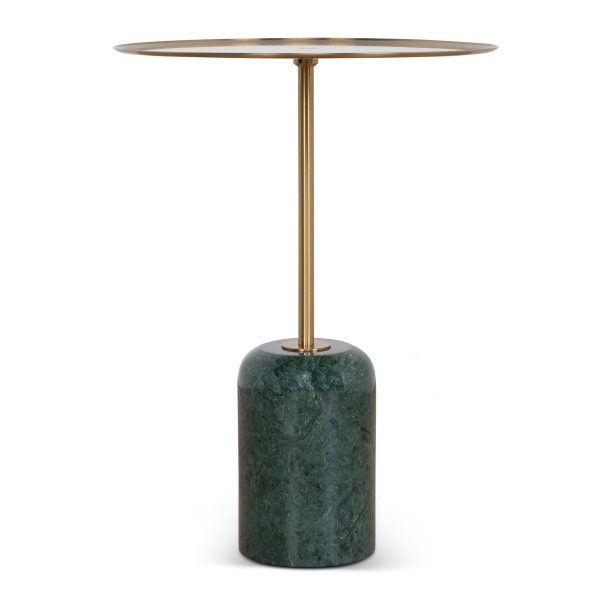

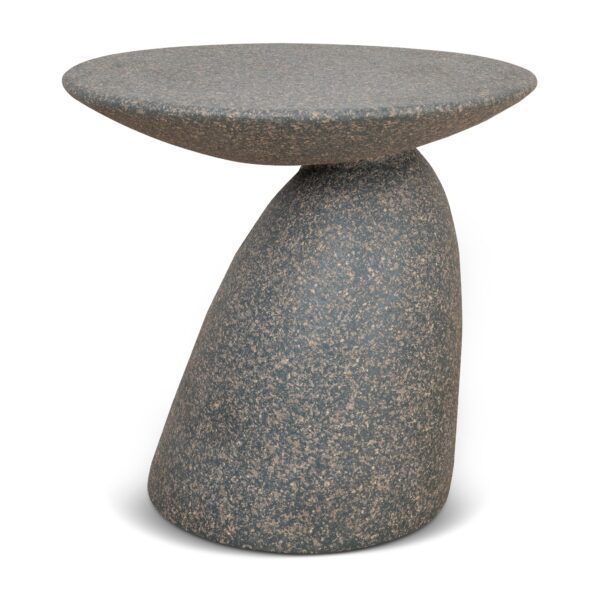
Should the white table blend or become the light accent?
Look at the full table beside upholstery, flooring and the wall from the main room view. A pale form against a darker setting may become more prominent, while a closer shade can give a quieter relationship. Shape and amount of white matter alongside tone.
Compare any lamp or other objects that will usually be on top. A warm or cool cast may become clearer beside another white surface. Ivory tables offer a warmer pale comparison, and black tables provide a darker outline. Keep useful top and seated height fixed while considering palettes so the visual role completes the furniture task rather than decides it alone.
How much physical form sits behind the pale appearance?
Measure the actual top and complete base, including all projections. White cannot reduce their width or depth. Mark the occupied seat with room to enter, rise and pass before judging how unobtrusive the table appears in the room.
Assess sides and rear if they face the main approach. A broad pale body can contribute differently from a lighter-looking frame even where the useful tops are similar. Small tables refine a compact landing-place need. Trace the top and base in the proposed position. Keep the outline near your natural reaching point while leaving the route clear, then compare how much white is visible around the seat and everyday objects.
What care belongs to the actual white components?
Read top, base and any storage surface separately. White does not establish paint, timber, stone or a shared coating. Follow the actual instructions for ordinary hand, drink and plant contact rather than assume bleach or household sprays suit every pale material.
Measure lamp, book and cup together within usable top area and follow stated use or loading. Plan any cable away from paths and openings. Drawer tables refine nearby organisation where that feature matters. If the top and base use different finishes, keep their cleaning methods separate. Give regular contact areas, such as the cup position or drawer pull, the protection directed for those particular surfaces.
Frequently Asked Questions
Explore grey tables if a quieter neutral depth is the next room comparison after the useful surface and base work.