
White Benches
White benches can give a seating place a clear light outline, especially against darker flooring or furniture. The exact white matters: cooler and warmer finishes may relate differently to walls, cabinetry and textiles. Compare the actual surface, not an expectation that every product called white will match.
Read moreRead less
Look at the full form too. A broad white seat and a narrow painted frame contribute different amounts of light colour to the room. Settle whether that should be a feature or a quieter connection before choosing. The bench category helps identify the seating task first. Compare the white form with material care and useful dimensions checked alongside its visual role.
Showing all 2 resultsSorted by recommended
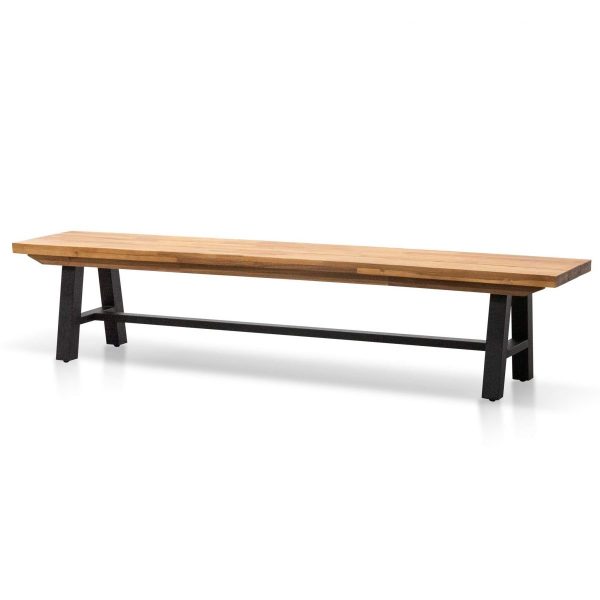

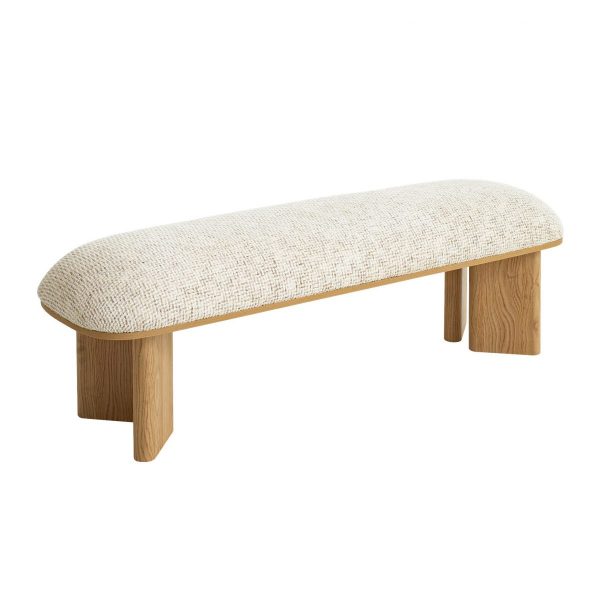
Should the white line stand out or blend into the room?
Against a dark floor or wall, white can become a stronger accent than a pale name suggests. In a light setting, the frame shape and texture may provide more of the separation. Compare the bench from the doorway and beside the furniture it will serve.
Check where the colour appears: seat, base or both. A white pad on another frame finish makes a different connection from an all-white outline. If you want a softer warm-light layer, compare cream benches. If a stronger dark line would fit existing hardware, black benches provide that alternative. Judge the actual form rather than colour alone.
Which white belongs with your fixed pale finishes?
Compare the proposed finish with the nearest white surface under the light you use in the room. Different materials can reflect warmth and brightness differently. An exact match may be less realistic than a deliberate contrast in depth or texture.
Include bedding, curtains or a rug if they sit directly beside the bench. Ivory benches help explore layered light tones without assuming the names form one universal shade scale. The useful decision is whether the actual white gives the seating place a clear relationship with the room. A small screen image should not be treated as proof of a perfect match across paint, fabric and other materials.
What does the light surface need through daily contact?
Read the material and care for the white component. Paint, textile and other coverings require different instructions, so colour cannot establish washability or the correct cleaner. Check the front edge, base and places used to move the bench as likely contact points.
Then compare seating dimensions with the task. An entrance seat needs shoe-changing space, while bedroom and dining roles have other fit questions. Entryway benches provide the entrance comparison. A light appearance may keep the room visually open, but it does not reduce physical depth or occupied space. Choose a useful seat and care routine before treating white as the finishing answer.
Frequently Asked Questions
Use upholstered benches to focus on padding if a covered white form is part of your brief.