
Walnut Veneer Coffee Tables
Walnut veneer coffee tables give the centre of the living room a wood-surface direction that should be judged through the actual grain and finish. Walnut does not describe one fixed dark shade. Compare the selected top with your rug and existing timber, then decide whether its pattern should lead or support the seating group. A broad top may contribute more wood detail than its base or legs.
Read moreRead less
Use this collection to examine that visible layer with the construction beneath it kept clear. Veneer is wood over a supporting material, not solid walnut throughout. Coffee tables cover practical reach and footprint. Oak veneer coffee tables offer another grain direction to compare on the same room plan.
Showing all 9 resultsSorted by recommended
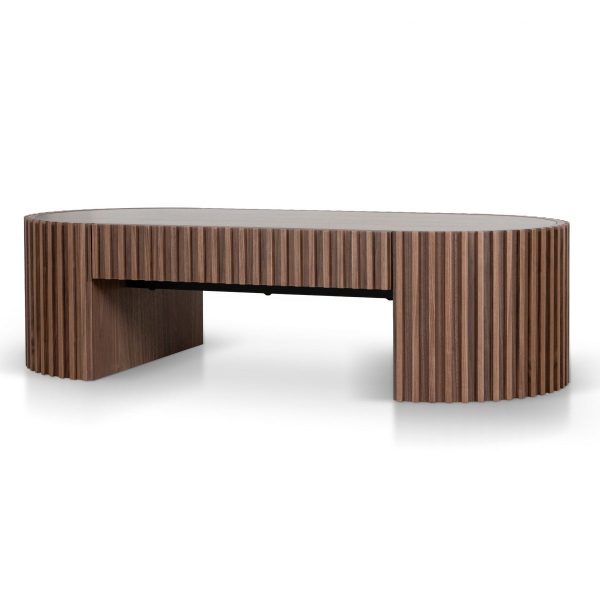

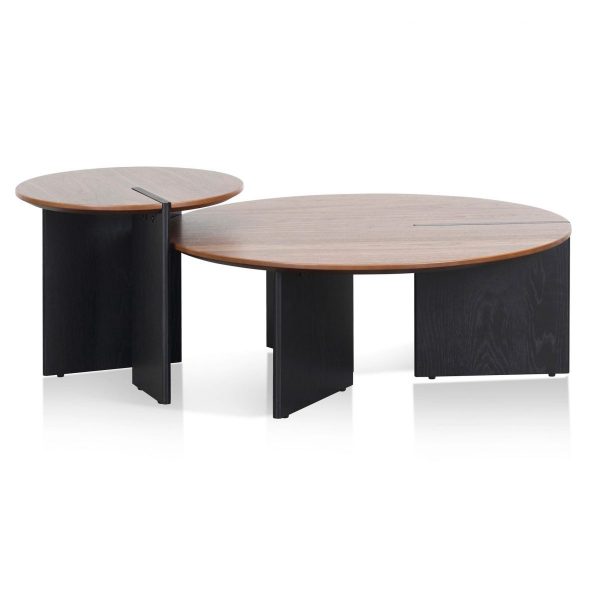
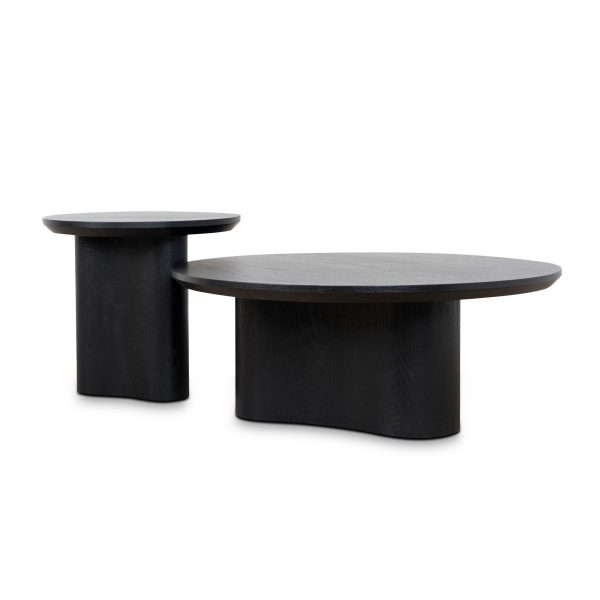


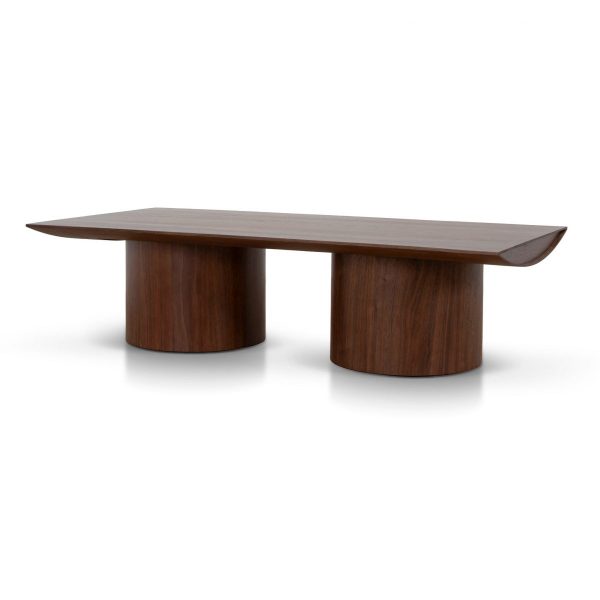
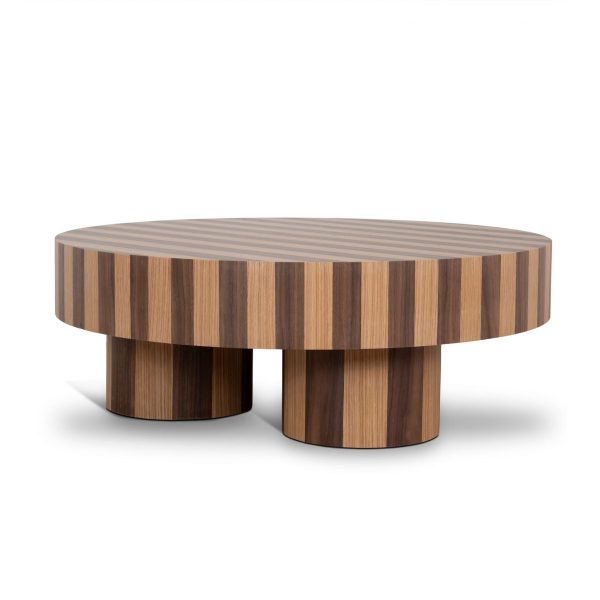
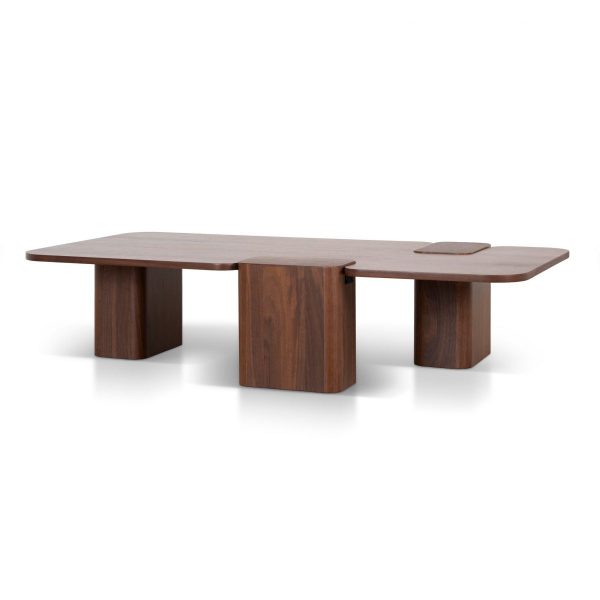

Choose the walnut pattern at its full tabletop scale
Look across the full top rather than relying on a small detail image. Grain may run strongly along the outline or form a broader pattern within it. Veneer cutting and matching influence appearance, so use the selected product views instead of expecting all walnut surfaces to look alike. Compare the amount visible after your everyday tray or books are placed.
Bring the floor and other timber furniture into that view. Exact matching is unnecessary; a clear difference can be easier to work with than a near match inferred from separate photographs. Natural timber coffee tables offer a broader wood-character route if the actual grain matters more than the named veneer.
Inspect the edges and support from seated height
Read which components carry walnut veneer and what supporting materials are stated. The visible top, edge and base may use different constructions. Ask about missing information rather than assuming an apparent thickness means solid walnut. Review the junctions in several views, particularly from the sofa where the edge remains prominent.
Plot both top and support on the room plan. A quieter-looking wood surface still needs usable reach and a clear walking route. Pedestal coffee tables offer a base-focused comparison when support shape is important, but walnut veneer does not establish one base format. Choose through the actual complete outline and construction.
Keep the finish practical for cups and daily objects
Read care for the selected veneer coating before deciding how drinks, spills and cleaning will be handled. Do not assume permission to sand, oil or refinish the wood layer. A method used on another walnut piece may be inappropriate. Ask when the finish information is incomplete and everyday serving is the main use.
Keep usable surface available around permanent objects rather than covering the whole wood feature. If loose items need a home, coffee tables with drawers focus on concealed access. Confirm assembly and supplied parts, then ask benssur about uncertain edges or finish details. The walnut pattern should belong to a table that serves the room reliably within its guidance.