
Mango Wood Dining Tables
Mango wood dining tables can bring changing timber colour and grain into the dining setting. Natural mango may show golden through reddish-brown areas, wavy grain or darker streaks. Decide how much of that character you want across a broad tabletop, then read whether mango is used for the top, supports or another specified part.
Read moreRead less
The coating and construction affect what remains visible. Compare the actual finished surface with your floor, chairs and the tableware used during meals, keeping serving space and occupied chair movement in the plan. The wider timber dining tables collection helps compare other wood constructions once you know the mango character and practical dining shape you want.
Showing all 4 resultsSorted by recommended
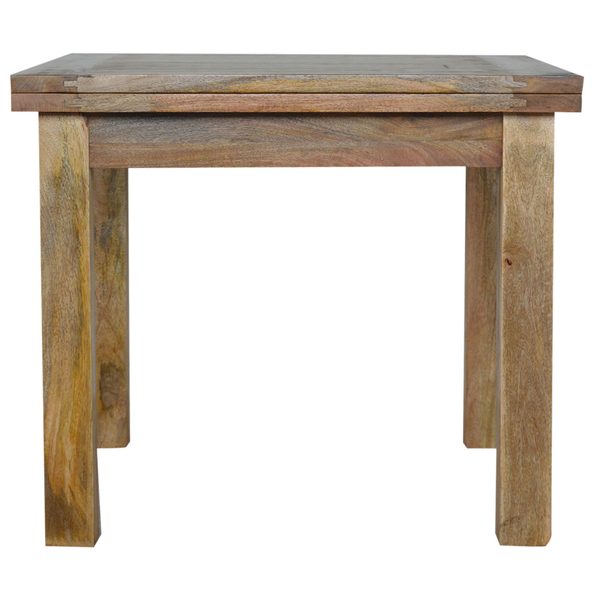

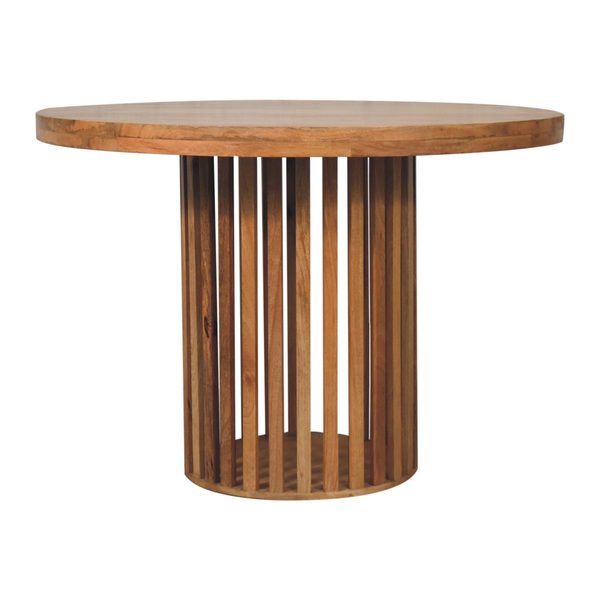
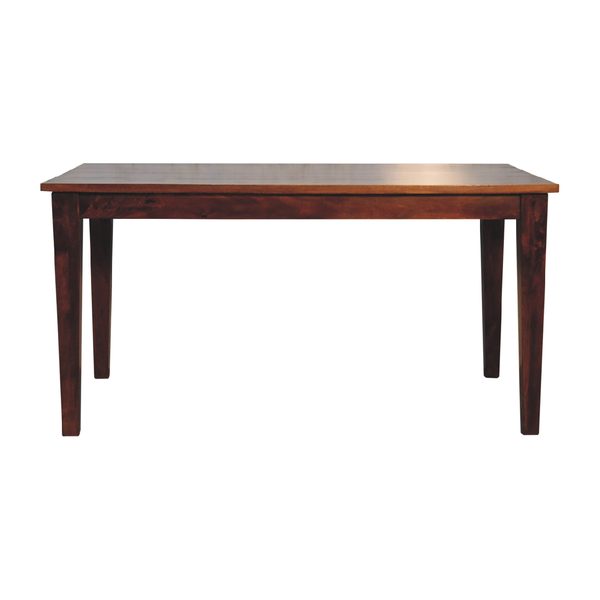
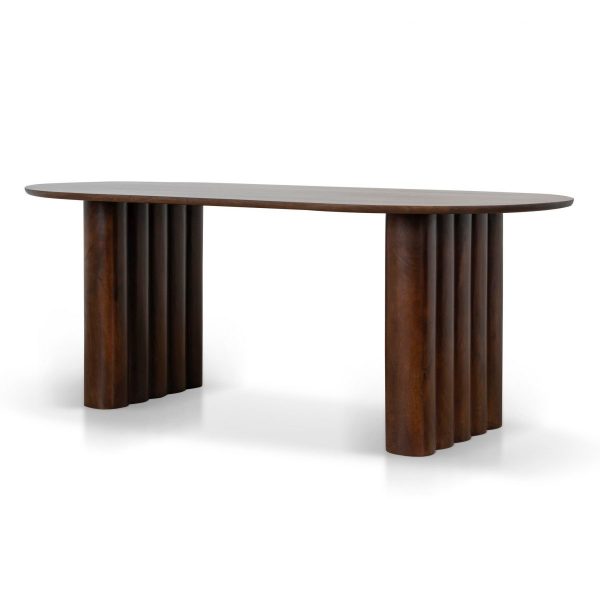
Know which parts carry the mango wood
Read top, legs and any other supports separately where details are provided. Ask whether each mango component uses solid wood, veneer or another stated construction. If the wood is in a base rather than the dining plane, check how much of it you will see between the chairs.
Review the selected coating alongside the material breakdown. Colouring can alter how much natural variation remains visible, while the finish determines appropriate care during meals. Compare the complete top and supports from the room entry and seated position. Choose mango for the surfaces you actually want to see, with the stated construction and finish that suit their job.
How much mango character should the dining top show?
A broad top can make golden and deeper red-brown areas, wavy grain or dark streaks more apparent than a small furniture accent. Review the whole finished surface rather than one grain close-up. Ask about expected differences between supplied pieces if a more uniform look is important to the room.
Place your usual dishes and placemats in that comparison. They may cover part of the grain during a meal, leaving the outer edges or serving area most visible. Compare those visible areas with the floor and chair finishes through a clear difference or shared warmth. Use dining chairs to check actual seat and support clearance too, so the chosen wood relationship also works when people sit down.
Make the finished timber usable every day
Follow care instructions for the particular surface, including protection under dishes, drinks or other objects. A mango wood label does not promise heat or water resistance and does not establish whether the top should be oiled, polished or treated another way.
Mark the table with occupied chairs and serving space, keeping routes through the room clear. If you are comparing a different wood-faced construction, explore oak veneer dining tables through its actual specification. Read assembly guidance too.