
Green Benches
Green benches can make a seating spot a deliberate colour accent rather than another neutral surface. The shade matters: a muted green and a deeper green may create very different relationships with timber, wall paint and nearby textiles. Decide whether the bench should draw attention or quietly connect existing colours.
Read moreRead less
Then settle its job. A bench used for dressing needs a different position from one at an entrance or dining table. Colour cannot answer those fit questions. The bench category provides the wider use comparison. Assess the green across the full seat and frame, with actual material, care and dimensions checked alongside the visual role.
Showing all 4 resultsSorted by recommended


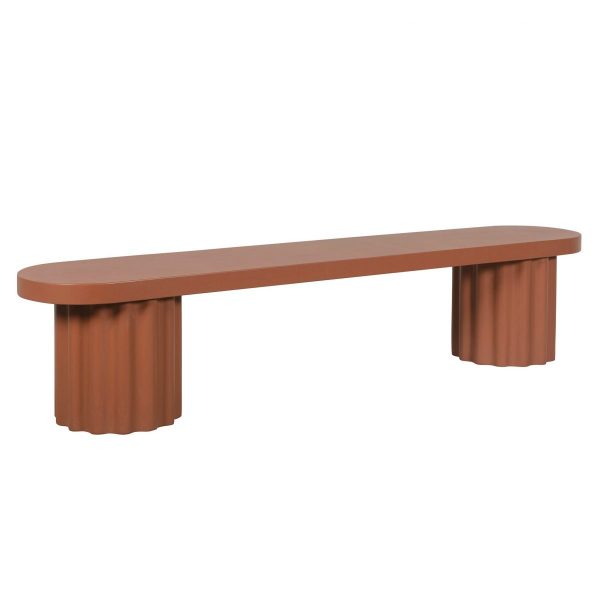
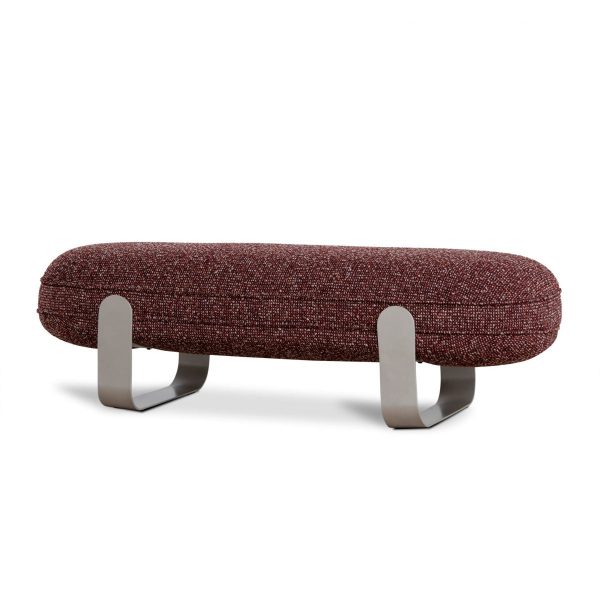
Where should green draw the eye in the room?
View the proposed bench from the doorway and from the place you most often sit. A low coloured seat can anchor an otherwise plain wall, or become another strong element beside patterned furniture. Decide which outcome you want before choosing the depth of green.
Include artwork, rugs and plants if they form part of the existing palette, but do not expect different greens to match automatically. A deliberate change in tone can work more clearly than an uncertain near-match. Grey benches offer a quieter neutral alternative if the room already has enough colour. Keep the seating task unchanged while judging whether green contributes something useful to the composition.
How does the green relate to timber and textiles?
Compare the actual shade beside your floor and nearest furniture. A yellow-leaning green can feel different with warm timber from a cooler blue-leaning green. Bedding and curtains may strengthen or soften that relationship, particularly when several large surfaces sit close to the bench.
Look at the material carrying the colour. A textured textile can show green differently from a smooth finish, and the frame may use another colour altogether. Read those components separately. Fabric benches help with the covering question if the design is textile-covered. Choose the green from the room relationship, not from a rule that one named shade always belongs with every timber or style.
Can the coloured bench remain practical in its place?
Check the full footprint and usable seating dimensions for the intended task. At the bed’s foot, allow room for bedding and nearby furniture openings; in an entrance, include the person bending and rising. A distinct colour makes the bench visible, but it does not make the base smaller.
Read the surface care for hands, bags, food or other contact relevant to that location. Green is not a material or performance description. Bedroom benches help when the accent sits in a dressing area. If dining is intended, confirm the seat-to-table relationship and product use separately. A purposeful colour should finish a workable seat, rather than distract from an awkward arrangement.
Frequently Asked Questions
For entrance placement, use entryway benches to check shoe-changing space and door access before settling the green accent.