
Glass Decorative Ornaments
Glass decorative ornaments can change a display through colour, reflection and the way surrounding shapes remain visible. Start with the wall or shelf behind the ornament. Clear and tinted glass create different relationships, so check the glass ornament colour and surface described for the particular piece.
Read moreRead less
Then consider its neighbours. A glass accent can disappear among other reflective objects or become clearer beside a quieter surface. Compare the full base and outer dimensions as carefully as the appearance. Browse the ornaments below, or explore glass decorative objects if you want to compare glass as a standalone focal form. Leave a practical place for the glass, with enough access to move it safely.
Showing all 5 resultsSorted by recommended
-
On SaleOriginal price was: $219.00.$193.00Current price is: $193.00.
-
On SaleOriginal price was: $279.00.$246.00Current price is: $246.00.
-
-
-
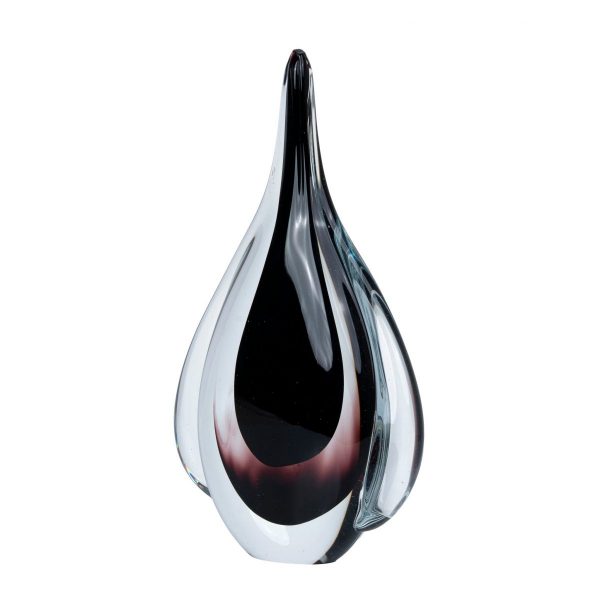

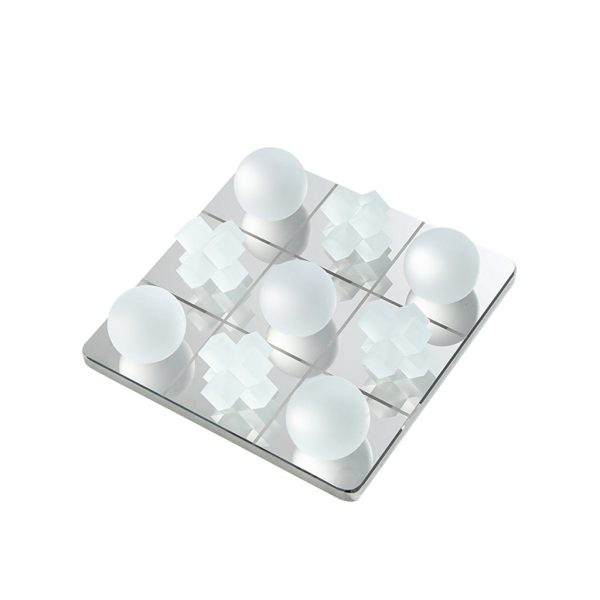
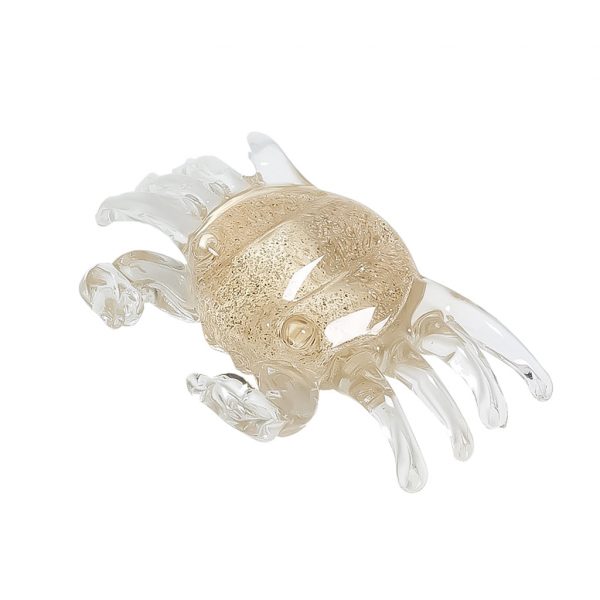
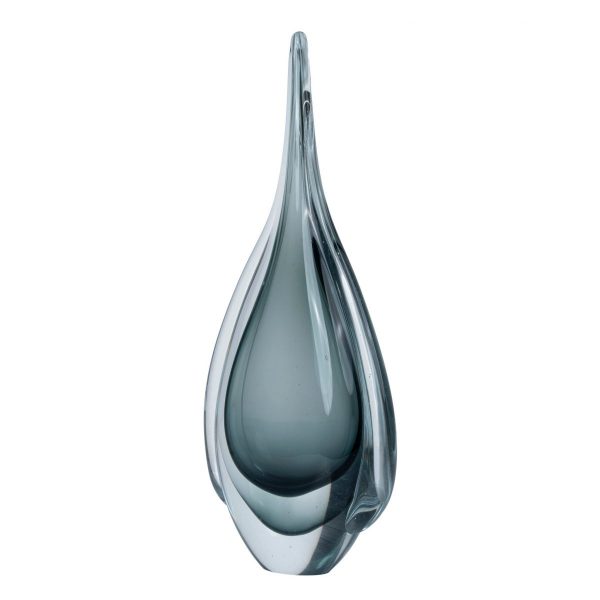

Can you see the ornament against its real background?
Look at the available images for the actual edge, tint and transparency. A pale wall, dark book spine and timber shelf can each make the same glass form appear differently. Picture the background directly behind it, including any patterns that will show through a transparent area.
For glass shelf ornaments, check the view from your normal sitting or standing height. A low piece can be obscured by books or a picture frame even when its footprint fits. Move the display plan rather than rely on a brighter photograph to establish visibility. Compare daylight with the lamps normally used there, and follow the object’s placement guidance if heat or direct exposure affects its stated finish.
How many reflective or transparent layers suit the group?
Compare the whole arrangement before adding another glass detail. SALEDA combines three interlinked glass rings in a tea-coloured finish. Its connected outlines are useful to compare from above as well as the front. Where separate transparent pieces overlap, decide whether you can still read each shape. Reflections from a mirror, glazed photograph or lamp base can add more visual detail around them. A quieter neighbouring surface may give glass display accents more definition.
Leave space between the full shapes, not only their bases. If you want a low arrangement that is seen from above as well as the sofa, coffee table decor helps plan the surface’s daily use. Choose an ornament whose tint or silhouette adds something the group is missing, rather than repeat several similar highlights in a crowded corner.
Where can fragile glass remain easy to reach?
Measure the base and all projecting details against the supporting top. Check any listed base protection, then consider contact with the furniture finish. A glass ornament can look light while still needing its full measured area and a suitable level support.
Glass can crack or break on impact. Keep the display clear of routinely opened doors and objects lifted across it. Plan a place to set the ornament before dusting the furniture, and support its main body instead of gripping a delicate extension. Follow care for any coating or applied decoration as well as the glass itself. A position with straightforward access reduces the need to thread a fragile piece between other display items.
Frequently Asked Questions
Explore sculptures and decorative objects to compare glass with a different material or a stronger standalone outline.