
Display Pedestals
Display pedestals give an object a dedicated place where its form can become a focal detail. Begin with the object you intend to show: its base, full outline and any supplied weight or placement requirements. The pedestal needs to support that actual piece, not simply look right beside it.
Read moreRead less
Then decide how the raised display will be seen from the room entrance or seating. Height and footprint affect both the view and ordinary movement around it. Sculptures provide a separate focal-object comparison. Compare support and viewing position with the pedestal’s actual intended use and instructions beside you.
Showing all 4 resultsSorted by recommended
-
On SaleOriginal price was: $1,736.00.$1,528.00Current price is: $1,528.00.
-
-
-
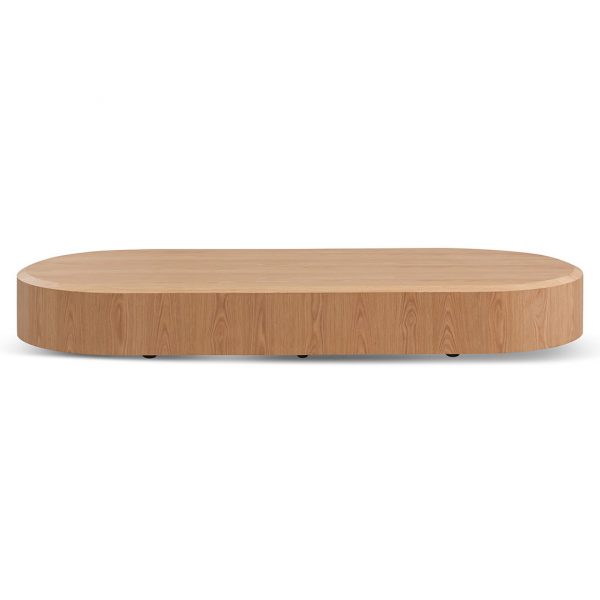

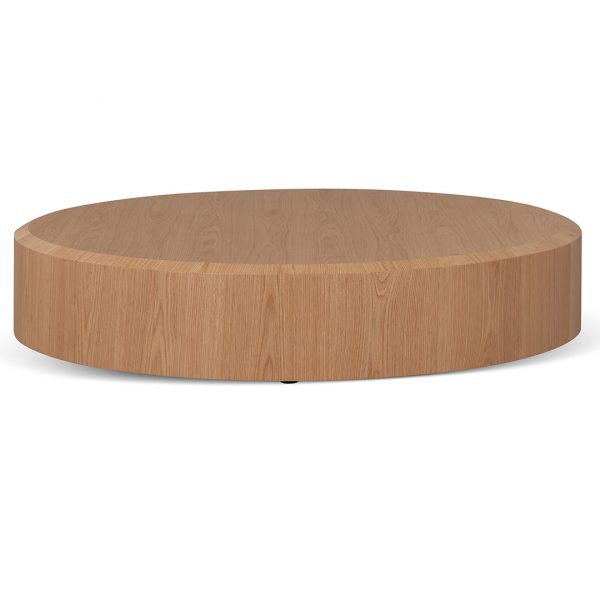
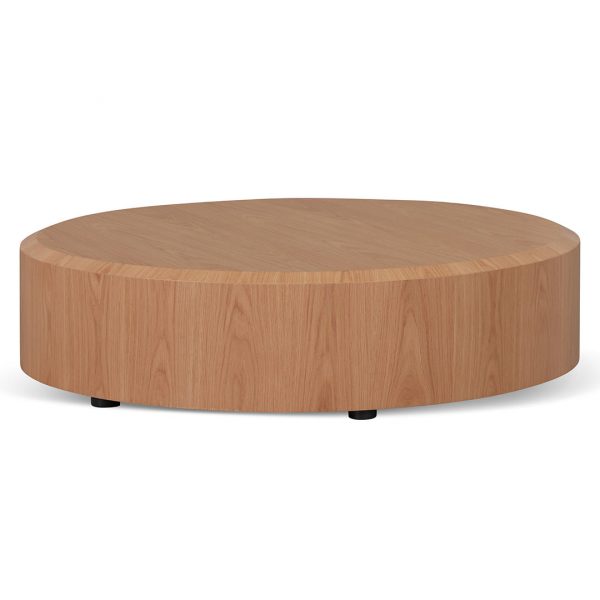
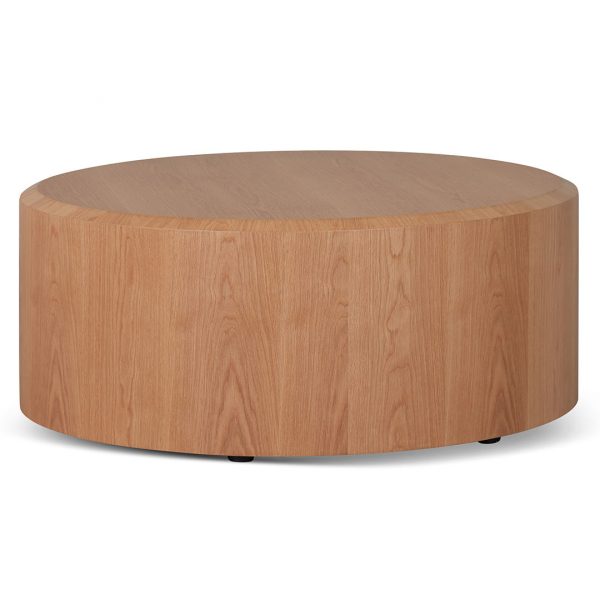
Does the pedestal top suit the actual object base?
Compare the complete object footprint with the usable top, including projecting shapes. Follow placement and load guidance for both pieces where supplied. A small visible base does not describe every part of the object or establish suitable support by itself.
Read the pedestal’s top material and any protective detail. Do not assume pads or a non-slip surface are included. Ask about missing dimensions or use information when the object is central to the purchase. The display should rest within an appropriate stated arrangement, rather than depend on edge balancing to reproduce a photograph. Choose the pedestal as support for the real piece you plan to keep there.
Which height gives the focal form a useful view?
Look at the intended display from the main approach and the seat used most often. The combined pedestal and object height matters, not either piece alone. A raised form can have a different relationship with nearby artwork, lamps or furniture.
Check the object’s available side and rear views if the display is approached from several directions. Decide whether it should lead in one particular view or support a larger feature. Living room decor helps within a broader seating composition. There is no one height that makes every object a better display; choose from the actual room perspective and the combined form.
Can the full display sit where people normally move?
Mark the pedestal’s complete base and any projections, then test nearby doors and walking routes. Include how the display is handled or cleaned according to instructions. A contained top can sit above a base that needs more floor space.
Read assembly, securing and intended placement before use, keeping any product limits accurate. Do not infer storage or seating from a solid-looking form. Shelf decor offers another display arrangement if a separate floor support is unnecessary. Choose a pedestal that gives the object a clear view while remaining appropriate to the room’s ordinary use, rather than create a focal point in an inconvenient circulation space.
Frequently Asked Questions
Use sculptures and decorative objects to compare the focal form while retaining the pedestal’s support requirements.