
Cabinets with Storage
Cabinets with storage should be chosen from their described internal arrangement, not the number of doors on the front. List the belongings you want to organise, then compare the compartments and access each group needs. A larger exterior can still provide less useful space for your particular items.
Read moreRead less
Shelves, drawers or other fittings should be checked in the individual description, rather than assumed from the cabinet label. Cabinets with shelves and cabinets with drawers let you refine those different access choices. Keep the room footprint and openings beside the internal comparison so the storage is practical to reach as well as spacious enough.
Showing 1–24 of 26 resultsSorted by recommended
-
-
On SaleOriginal price was: $1,662.00.$1,463.00Current price is: $1,463.00.
-
Week’s PickOriginal price was: $1,349.00.$1,214.00Current price is: $1,214.00.
-
Week’s PickOriginal price was: $1,285.00.$1,157.00Current price is: $1,157.00.
-
Week’s PickOriginal price was: $855.00.$770.00Current price is: $770.00.
-
-
-
-
-
-
-
-
-
-
-
-
-
-
-
-
-
-
-
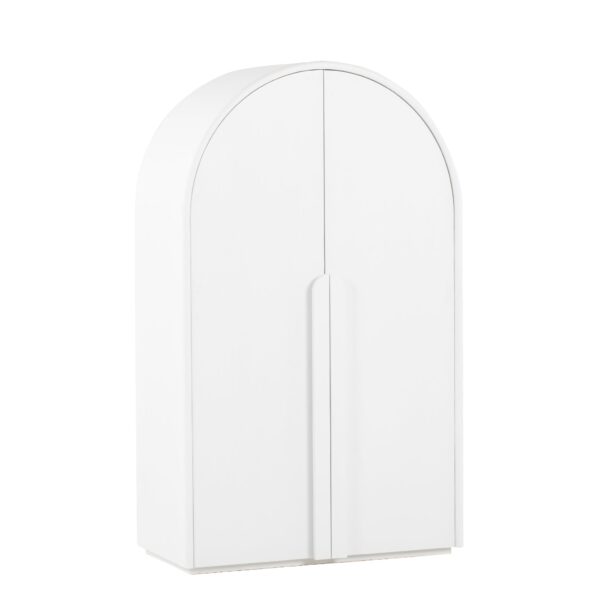

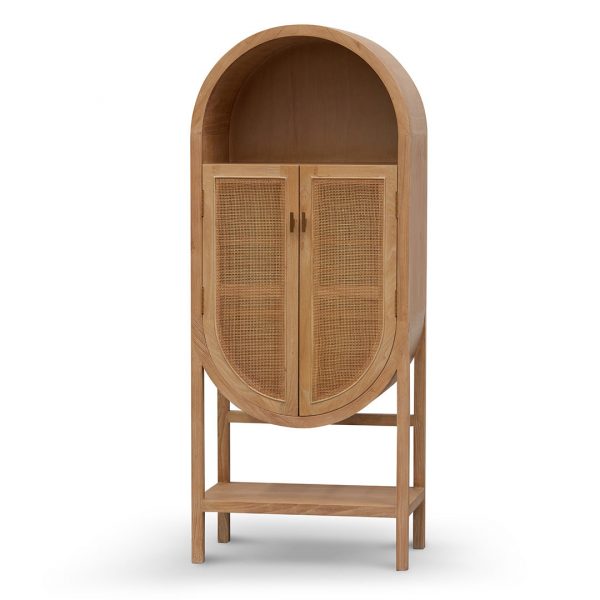
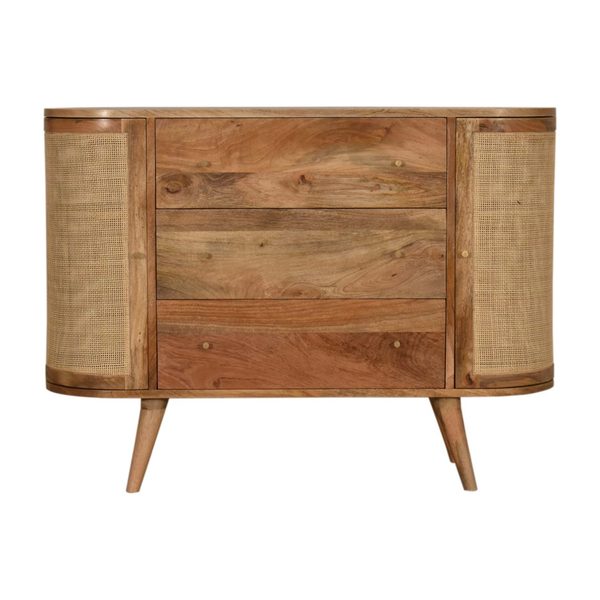
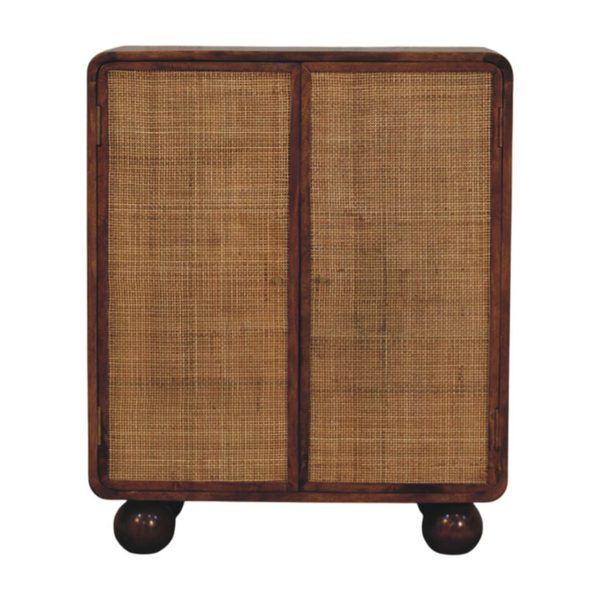
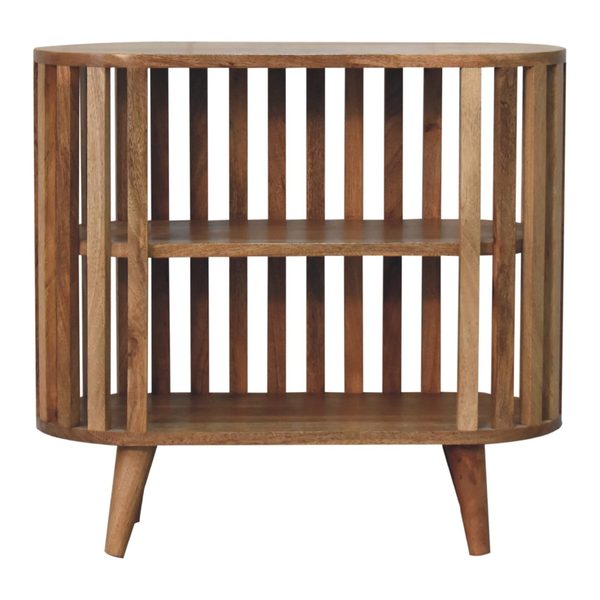
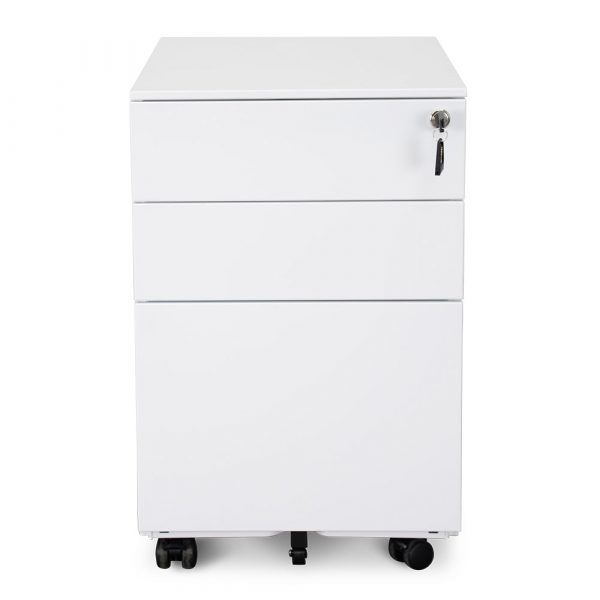
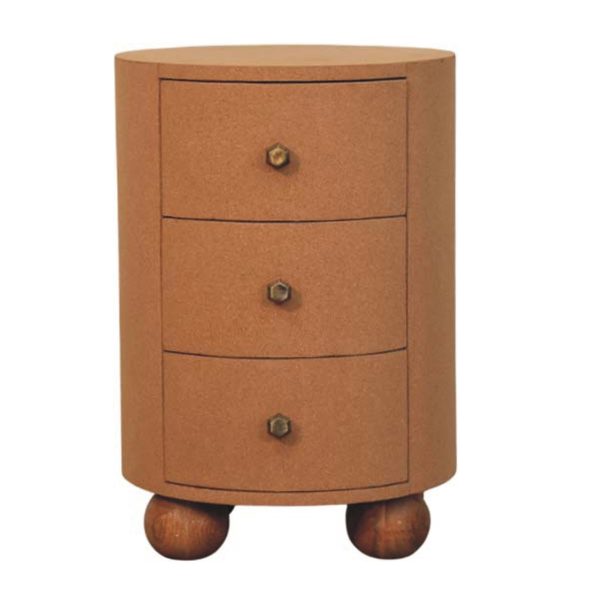
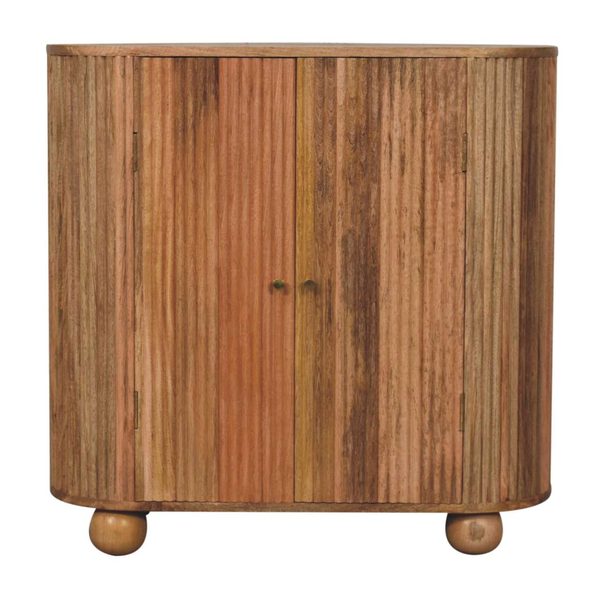
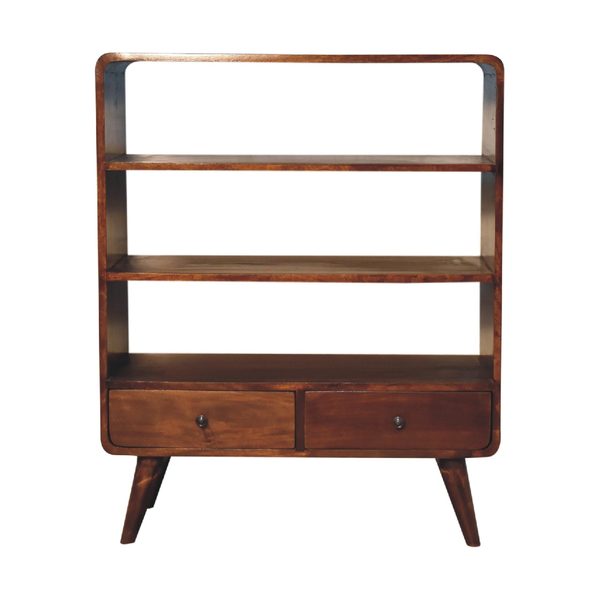
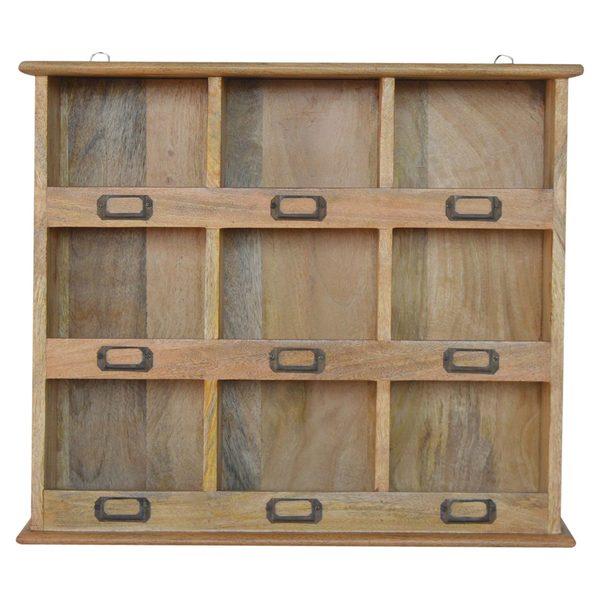
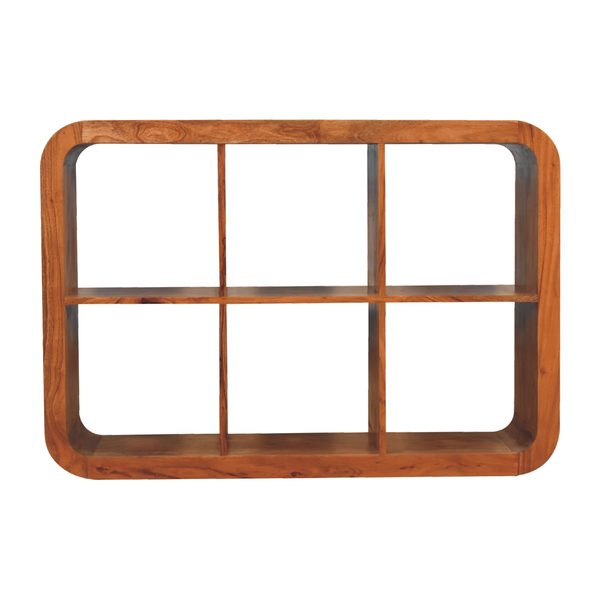
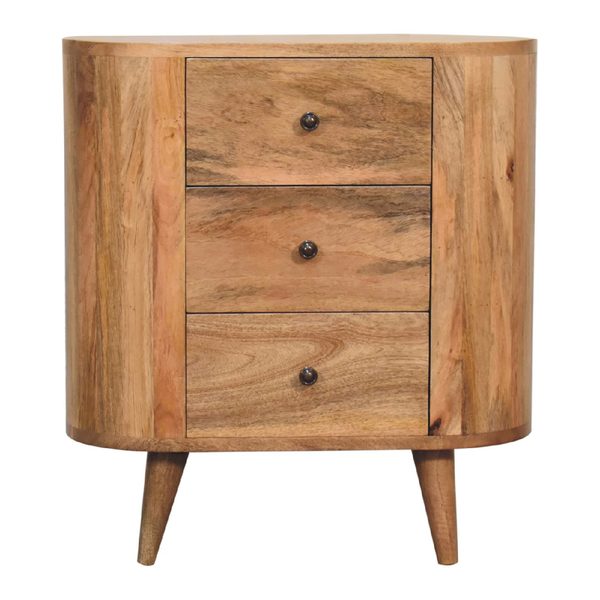
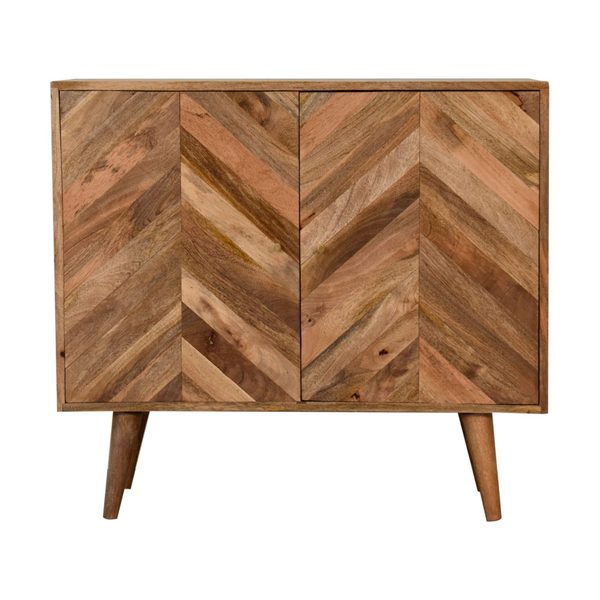
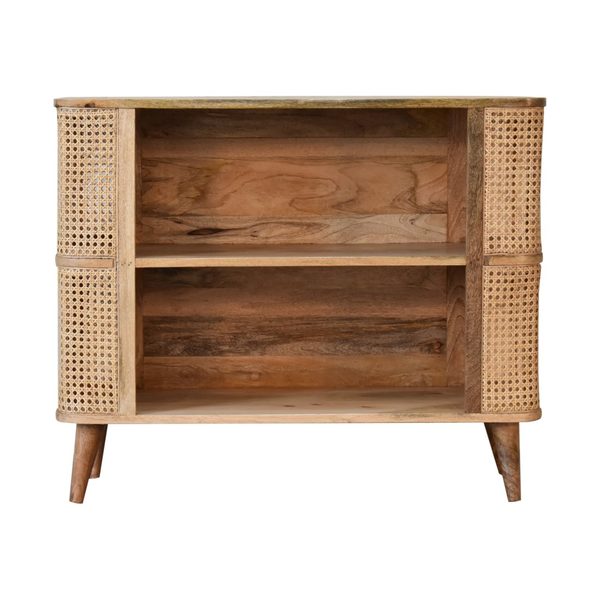
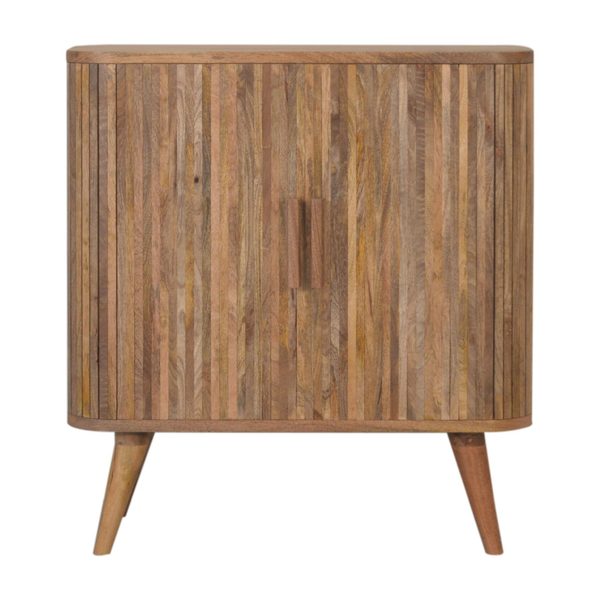
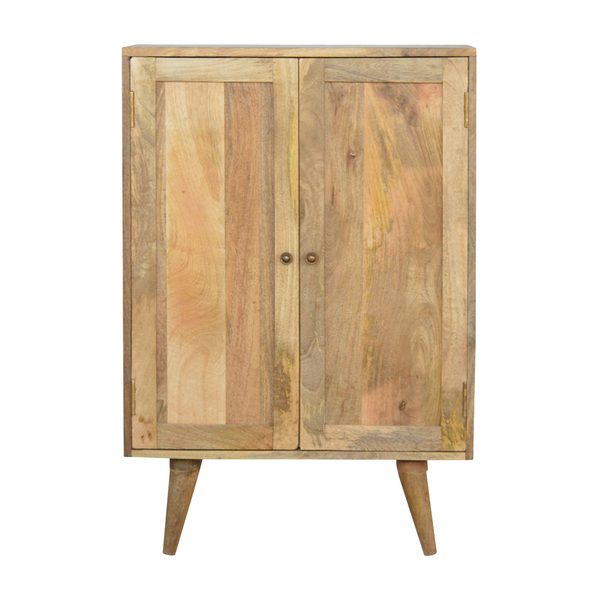
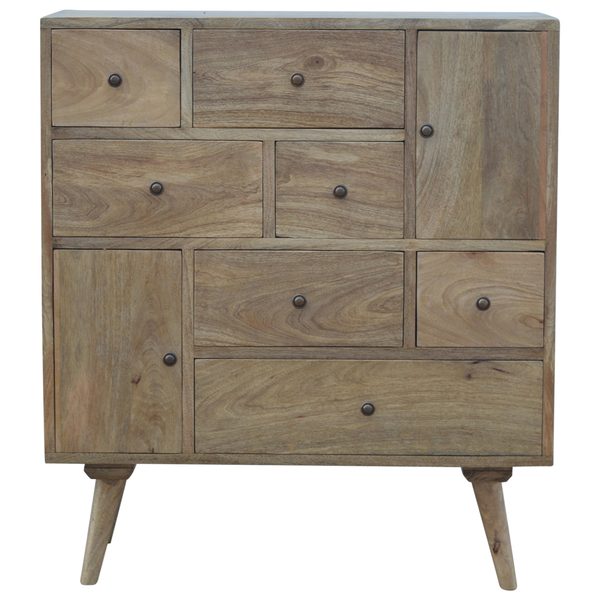
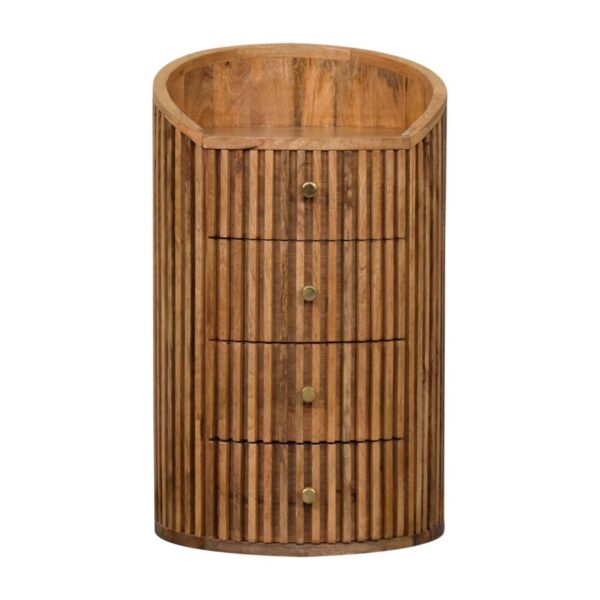
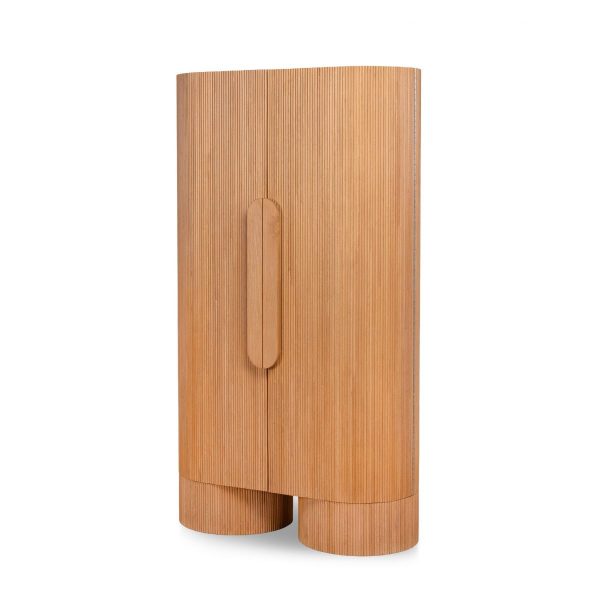
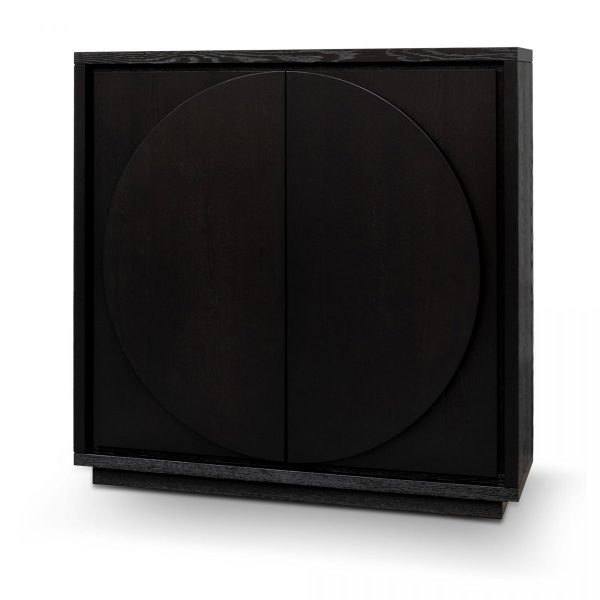
Which contents need separate spaces inside the cabinet?
Group items by size and frequency of use. Taller objects, folded textiles and smaller loose pieces can require different compartments. Compare the usable inside dimensions for each group rather than deciding from the overall cabinet height or depth.
Think about what should remain together and what needs its own access. A mixed layout may suit the task, but verify that the specific product actually provides it. Do not assume trays, dividers or organisers are supplied. Bedroom storage narrows the dressing and bedding routine, when those are the contents you need to organise.
What does the feature description actually include?
Read the internal layout and opening method alongside the photographs. A front panel may conceal a drawer, cupboard or another arrangement only when that is stated clearly. Check fixed versus adjustable shelves, drawer dimensions and any mechanism details that matter.
Do not infer locks, soft closing or removable fittings because they would be useful. Ask about unclear features before making them part of the buying decision. The practical value lies in the actual arrangement and its operation. Storage cabinets offer a wider storage-planning view, once you know which compartments make your everyday groups easier to find and retrieve.
Can you use all those compartments in the chosen room?
Mark the full footprint and add the movement of doors or drawers. Include room for a person to stand, bend and remove larger contents. A cabinet can fit when closed while leaving one compartment difficult to access beside another piece of furniture.
Read installation and securing requirements, then follow the product’s care for handles, fronts and interior surfaces. If limited depth is the main issue, slim cabinets provide a focused comparison, with internal usefulness still checked. Choose the cabinet as a working storage arrangement, not a closed outline filled with assumed features. Appearance can complete the decision after the compartments and access are understood.
Frequently Asked Questions
The cabinet and cupboard category helps connect the internal comparison with installation and the wider room layout.