
Brown Vases
Brown vases can add an earthy, deeper shape to a display, particularly near pale flowers or light walls. Compare the actual brown with the furniture beneath it: a warm red-brown, muted earth tone or darker finish changes how clearly the vessel sits against timber. Brown is not evidence of a wood construction.
Read moreRead less
Decide how much visual weight the body should carry relative to the contents. A broad dark vessel and a narrow stem opening make a different display from a lighter, more open shape. Look at the body and intended contents together from the main room view, including the timber or other furniture beneath them. Browse any listed pieces with the full body and material details in view, or explore vases and decorative pots before choosing the colour of a vessel intended for a specific practical role.
Showing all 3 resultsSorted by recommended
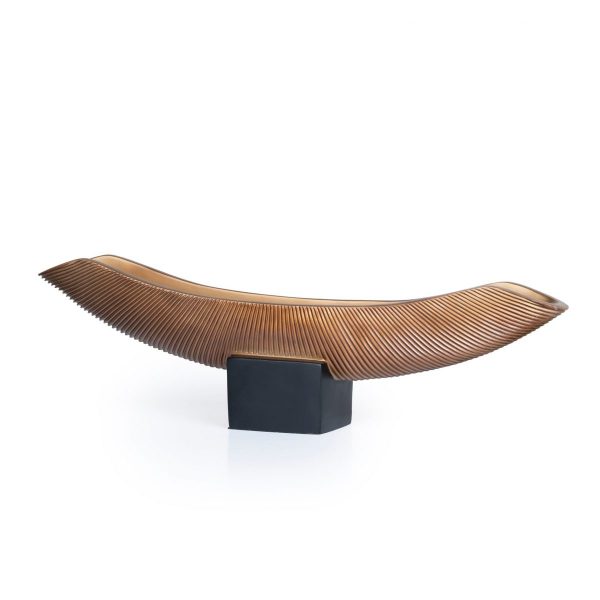


Separate the brown vessel from nearby timber
Use the actual furniture surface as the main reference. A near-match can leave the vase less clear, while a deliberate lighter or darker step can show the form more easily. Compare undertone as well as overall depth: two browns can have different warm or muted influences.
Do not assume that a brown body repeats the grain or finish of the timber below it. Read the vase’s actual material and surface information. The beige vase guide provides a lighter neutral comparison where a gentler shape is preferred. Choose the earthy tone through the whole display, rather than use brown as a shortcut to matching every wooden surface.
Balance the body with the stems or empty form
Look at the full silhouette and actual opening before planning the arrangement. A deeper-coloured body can become the main visible object, so decide whether the stems should sit above it clearly or form a quieter continuation. The opening must still suit the permitted contents.
If the vase will stand empty, compare its shape from the main viewing position and the wall behind it. If filled, include the complete arrangement’s width and height. Explore tabletop vases when the display shares a working surface. Choose the balance deliberately rather than assume a rich colour alone makes any object proportion useful beside the surrounding furniture.
Read the finish for the intended display routine
Confirm water-holding suitability where fresh flowers are planned, and read the actual cleaning guidance. A brown finish does not establish a glaze, stain, waterproof lining or a uniform material. Separate the colour preference from those functional facts.
Measure the base and leave useful space around the display for ordinary surface tasks. For transparent stems instead of a solid-colour body, compare glass vases by opening and allowed use. Select the brown vase through its tonal relationship, useful silhouette and specific care, so the earthy appearance belongs to a display that fits both the arrangement and the furniture it occupies.