
Boardroom Chairs
Boardroom chairs should be compared through the places they create around the meeting table. Start with participant space, reach to papers or a device and the route used to sit and stand. Matching chair backs can form an orderly room, but their actual width, arms and base decide how useful each place remains. Do not count chairs on an empty tabletop plan alone.
Read moreRead less
Use this collection to assess those shared meeting positions through real seat proportions and documented features. Meeting tables provide the related table guide. Office chairs focus on a broader work-seat choice, while office meeting tables examine the tasks and shared views the group needs. Choose the complete arrangement before coordinating finish or appearance.
Showing all 4 resultsSorted by recommended
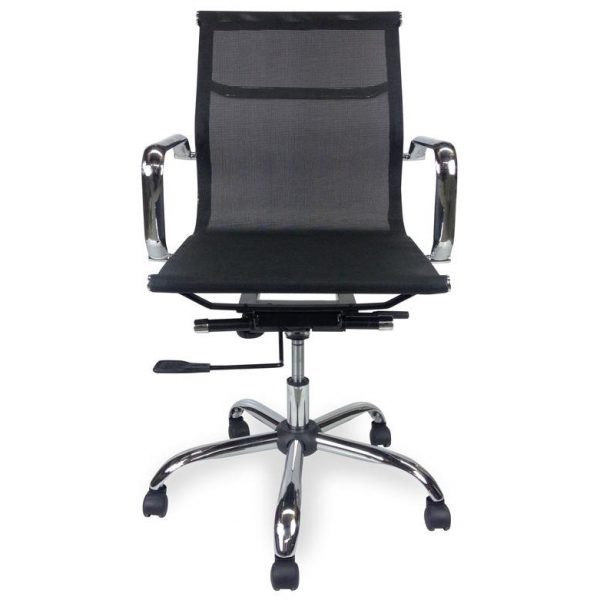

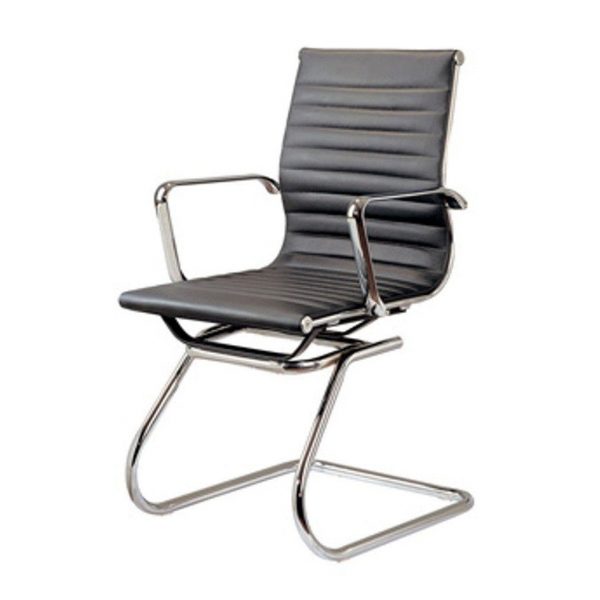
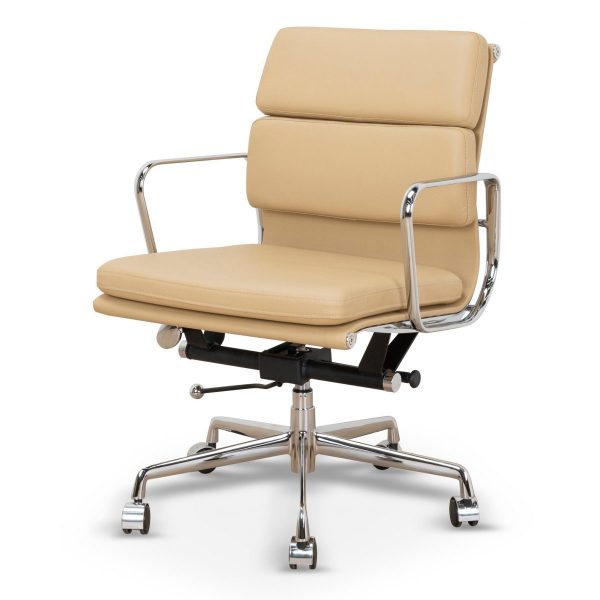
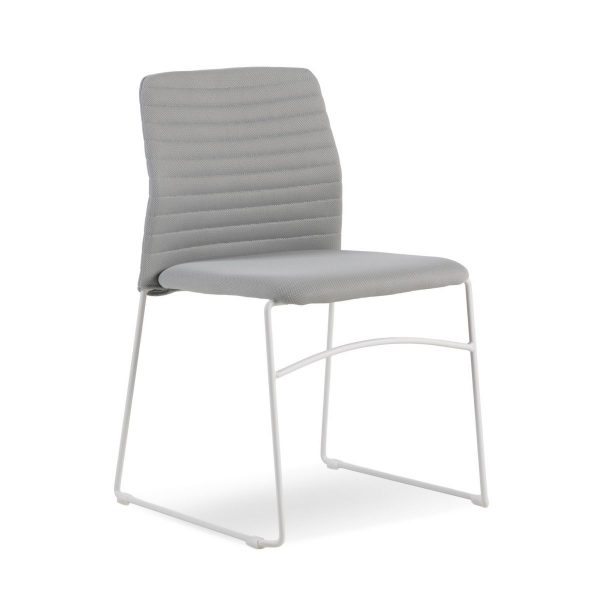
Fit each chair place to the table and working objects
Compare full chair width and arms where supplied with the planned table positions. Check usable seat proportions independently of the outer body. A broad-looking chair can contain a different contact zone, while base supports may affect spacing below the top. Use actual measurements rather than a fixed chair count.
Include the laptops, papers or shared objects used during a meeting. The table needs useful surface and the chair needs practical access to it. Read any adjustment controls supplied by the selected design, especially where several people use the room. Do not infer a feature from a boardroom label or a chair staged beside another table.
Check sitting, standing and movement around the group
Plot chairs in their actual working positions, then allow the movement used to enter and leave each place. Arms, back projection and bases can affect the route differently. Check table supports too, since they may interrupt clearance at particular positions. The full room plan should work while seats are occupied.
If swivel or castors are documented, read their operation and floor guidance. Movement is a separate feature, not a consequence of an office-style appearance. Swivel office chairs offer a closer turning comparison. Choose handling and access through the actual project setting rather than assuming one moving base suits every boardroom floor or meeting routine.
Choose contact materials for repeated shared meetings
Read the contact surfaces and care for the selected chair. Repeated meetings can involve different users and a defined cleaning routine, so material appearance alone is insufficient. Compare the selected covering’s permitted cleaning, intended setting and any required product documents with your meeting-room brief.
Fabric office chairs and faux leather office chairs offer covering directions to compare once the positions work. Keep declared intended use, loads, assembly and delivery access clear. Ask benssur with the table plan and shortlisted chair where information is missing. The coordinated boardroom should be built on useful participant places, with appearance supporting that practical choice.