
Black Dining Tables
Black dining tables create a defined dining surface, but check where the colour appears. A black top on a contrasting base gives a different result from an entirely dark form. The name also does not tell you whether that surface is timber, stone, metal or another stated material.
Read moreRead less
Begin with the chairs and floor around the table. Decide whether black should anchor a lighter setting or join existing dark elements, then check the actual finish and footprint. This guide helps you compare colour as part of a working dining arrangement. Browse any listed pieces, or use the wider dining tables category while choosing the shape and capacity before refining the dark finish.
Showing 1–24 of 35 resultsSorted by recommended
-
-
Week’s PickOriginal price was: $3,396.00.$2,819.00Current price is: $2,819.00.
-
On SaleOriginal price was: $1,272.00.$1,119.00Current price is: $1,119.00.
-
On SaleOriginal price was: $2,605.00.$2,292.00Current price is: $2,292.00.
-
On SaleOriginal price was: $2,665.00.$2,345.00Current price is: $2,345.00.
-
On SaleOriginal price was: $1,333.00.$1,173.00Current price is: $1,173.00.
-
On SaleOriginal price was: $2,234.00.$1,966.00Current price is: $1,966.00.
-
On SaleOriginal price was: $1,159.00.$1,020.00Current price is: $1,020.00.
-
On SaleOriginal price was: $2,353.00.$2,071.00Current price is: $2,071.00.
-
On SaleOriginal price was: $1,903.00.$1,675.00Current price is: $1,675.00.
-
-
-
-
-
-
-
-
-
-
-
-
-
-
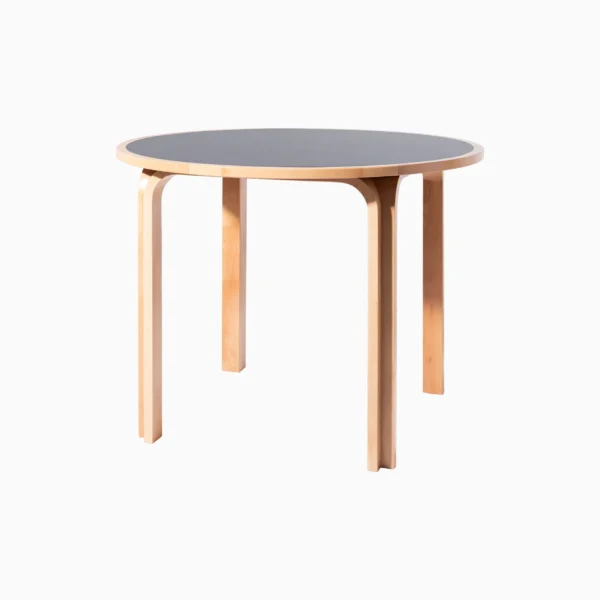

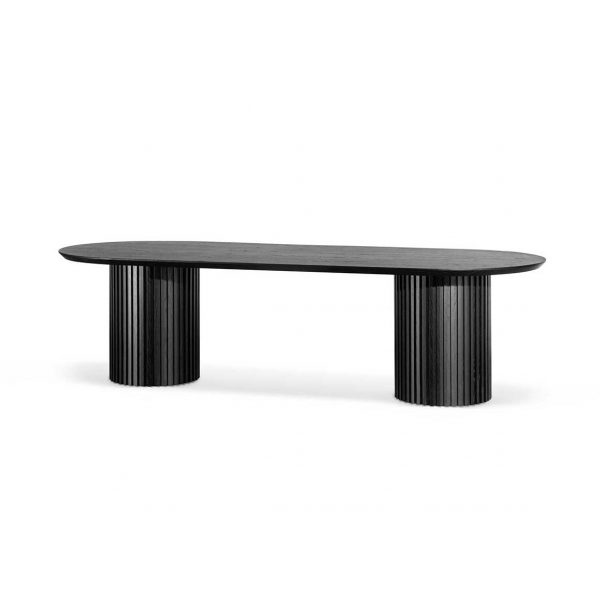
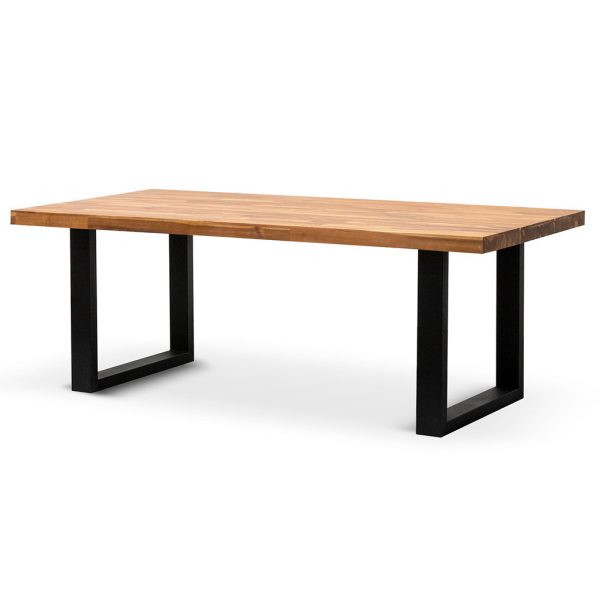
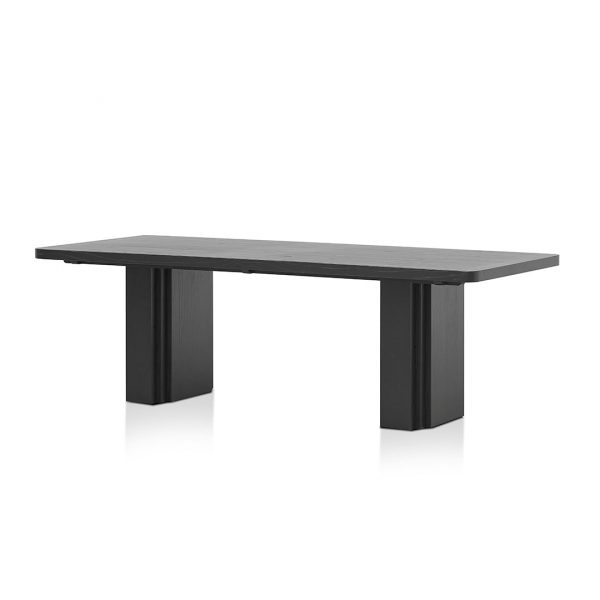
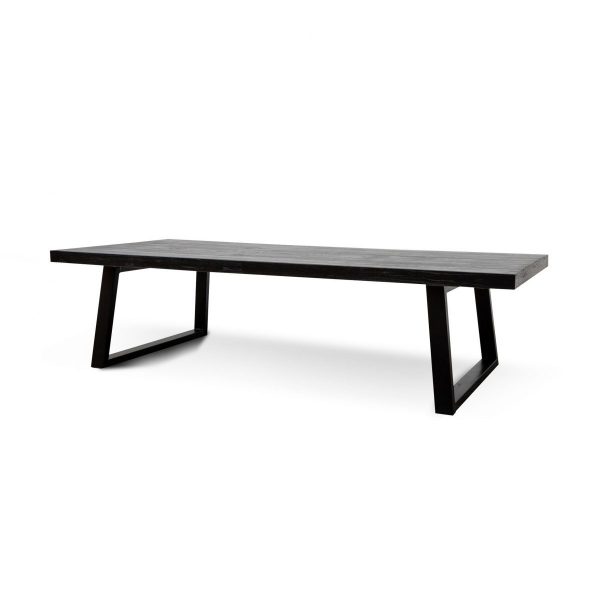
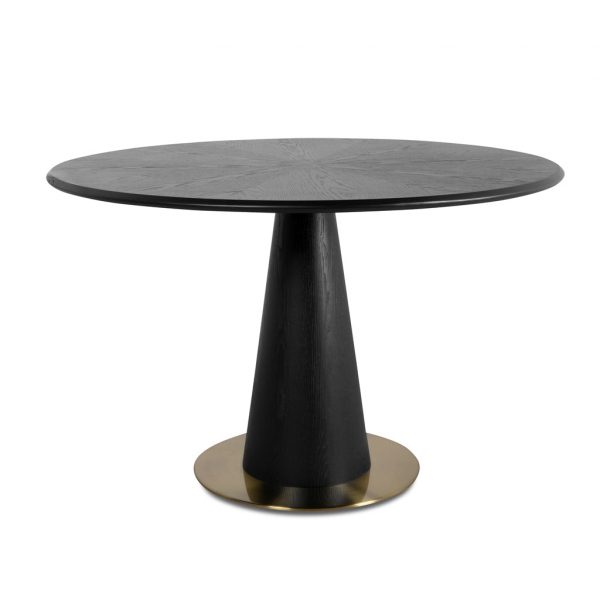
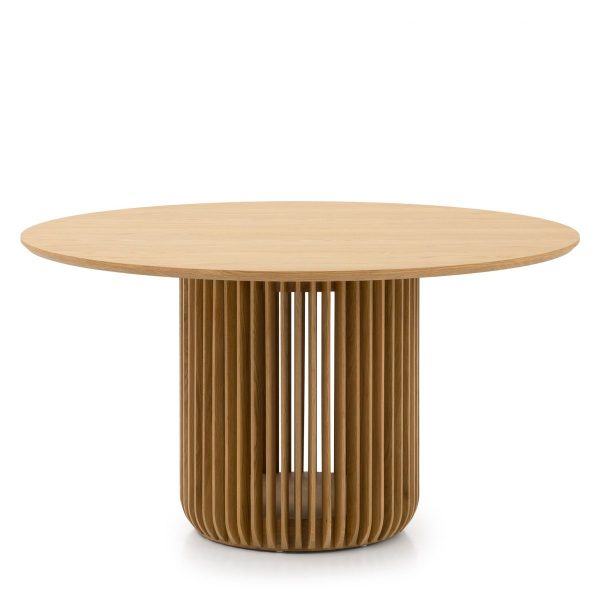
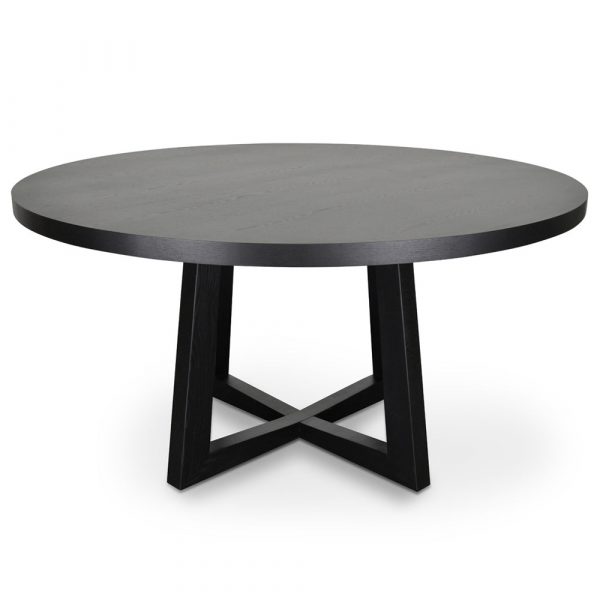
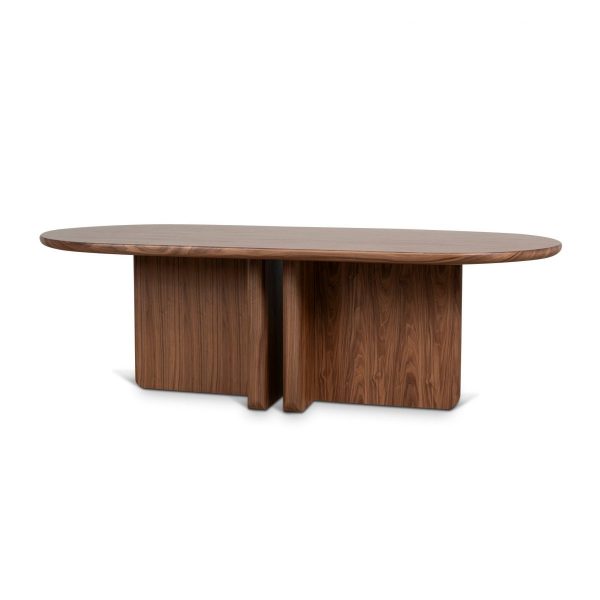
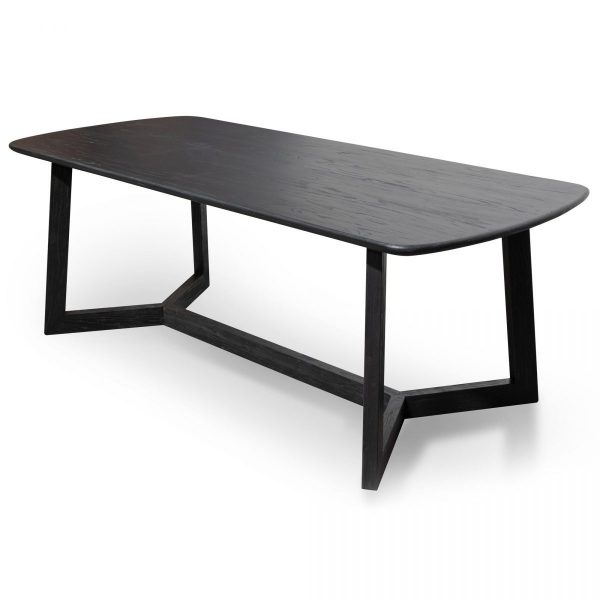
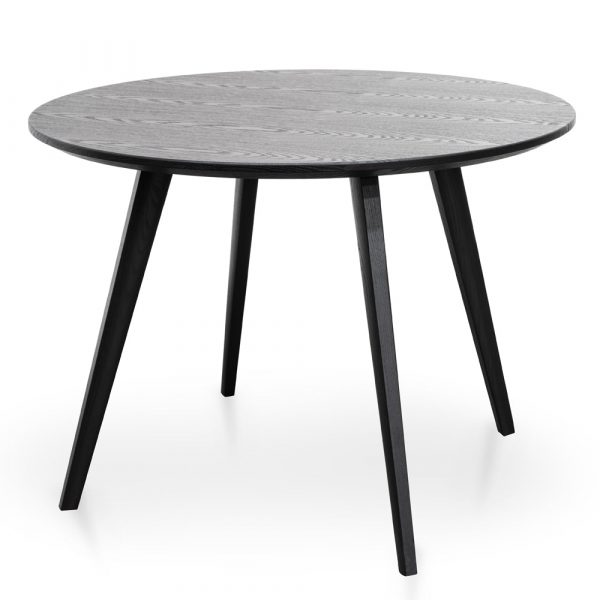
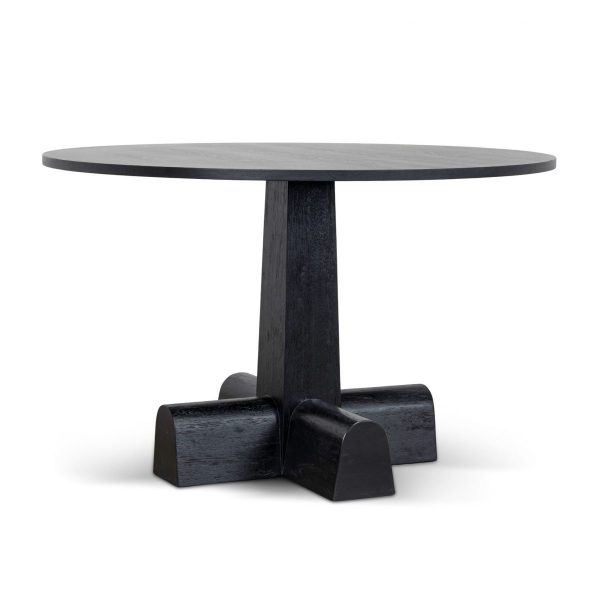
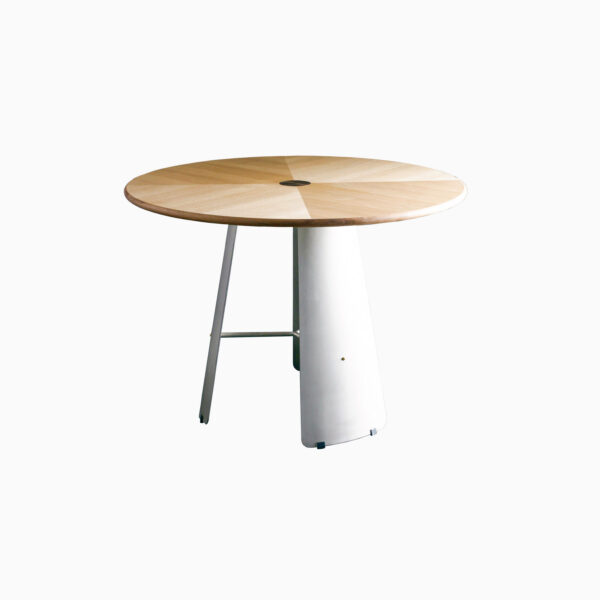
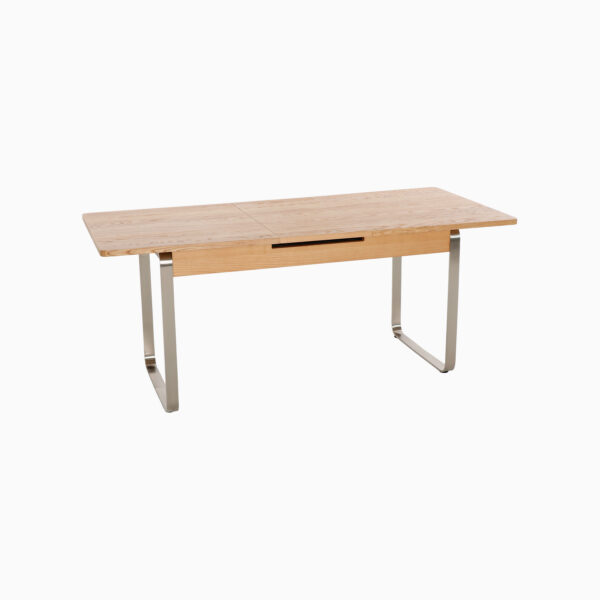
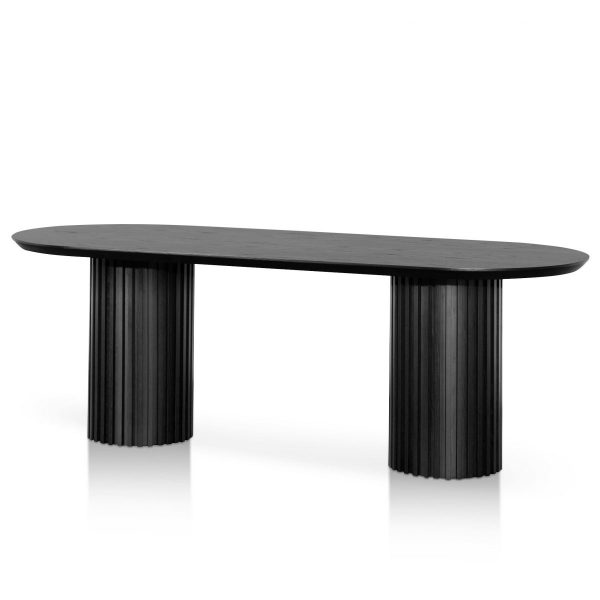
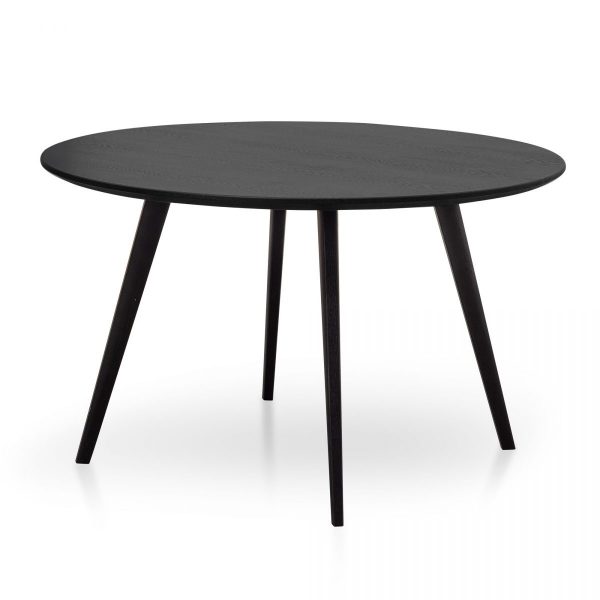
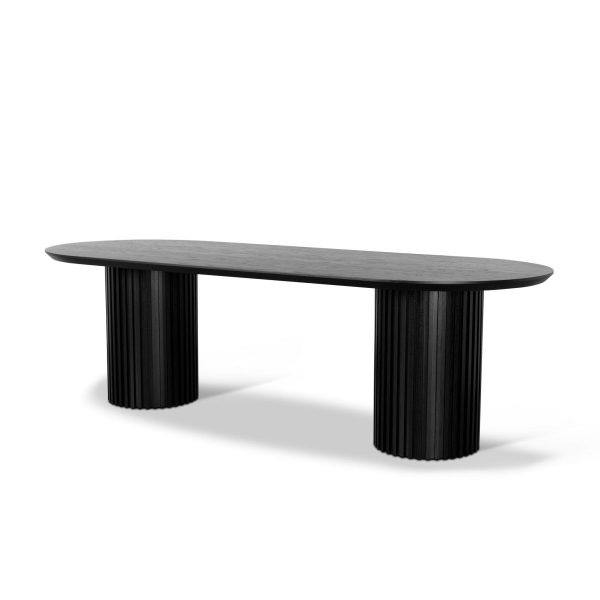
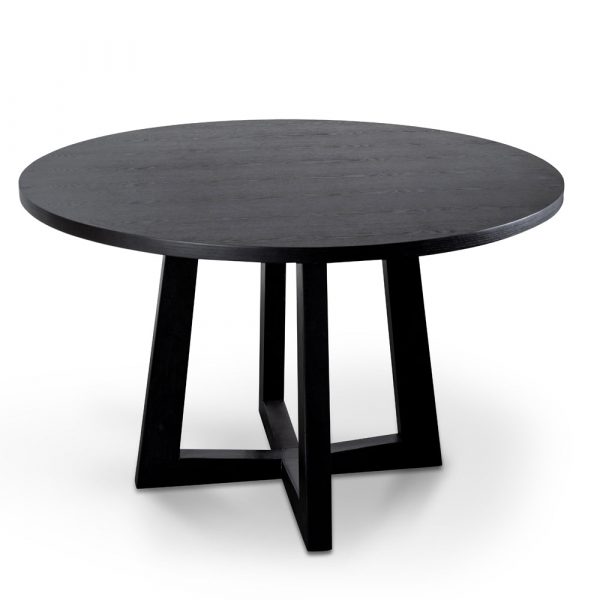
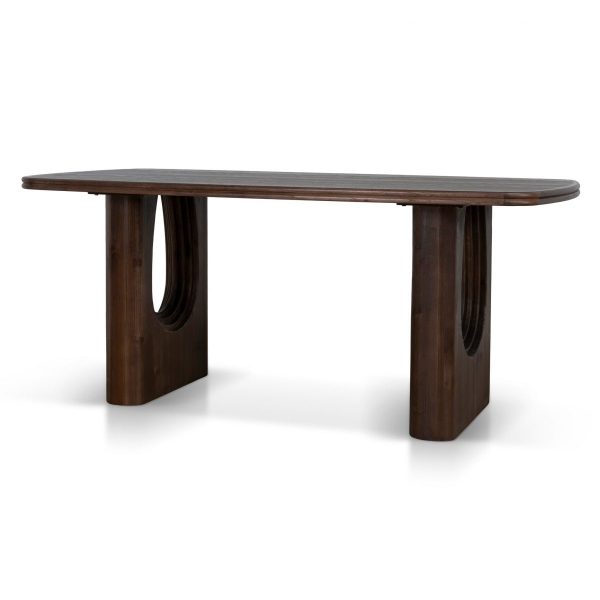
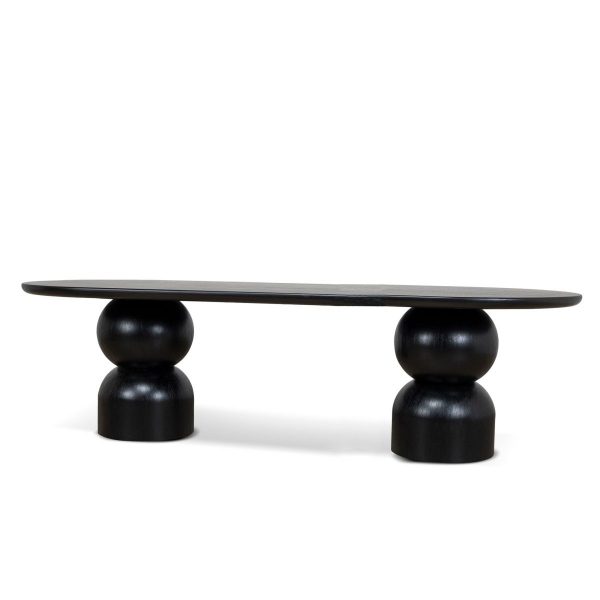
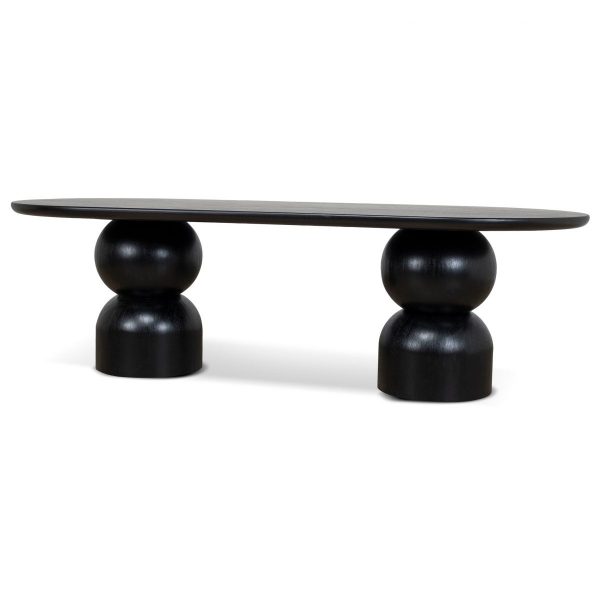
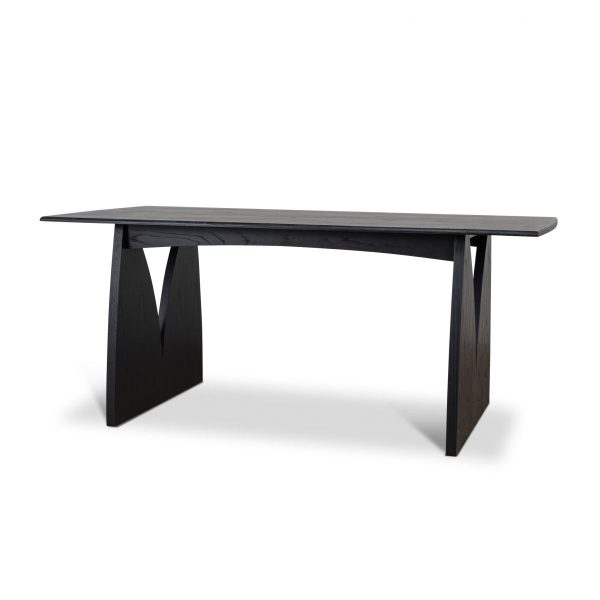
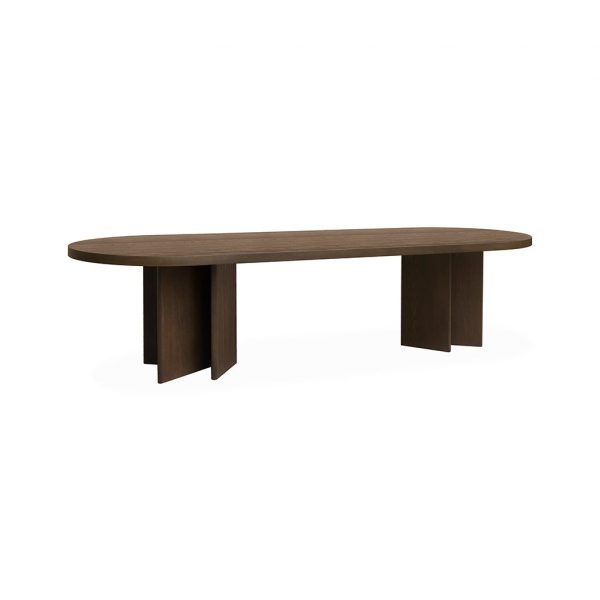
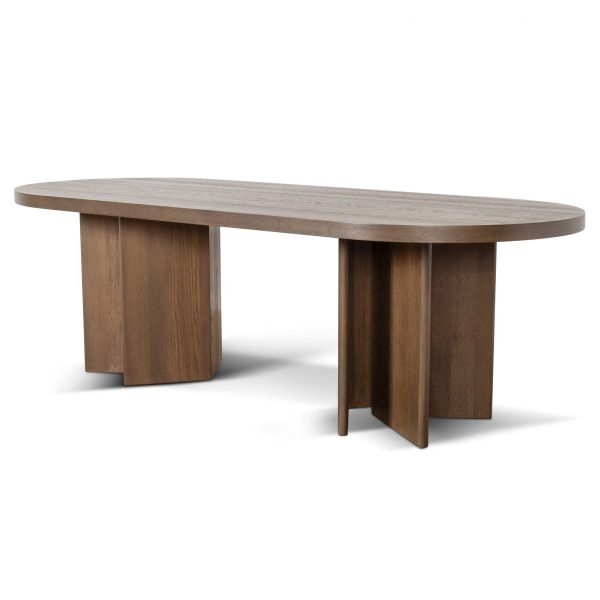
Does black belong on the top, base or both?
Read the product’s colour and component details rather than assuming the whole table is black. The horizontal surface carries a different visual role from supports beneath it. A dark base may connect chair legs or floor details, while a dark top creates the strongest dining plane.
Assess the complete form from the room entry and while seated. Broad panels, narrow supports and visible grain can make similar black colours feel quite different. Compare brown dining tables when you want a deeper colour with a warmer influence. Choose the actual distribution of dark material, not just the label or an isolated finish image.
Make the chair relationship clear and usable
Compare chairs against the top and underside. A lighter seat can give contrast; dark chairs may form a more unified setting. Either choice needs practical fit: check seat width, arm clearance and the space occupied by table supports.
Use the dining chairs category with the table measurements beside it. Do not treat a visually coordinated setting as proof that chairs can tuck in or users have enough knee room. Include pulled-out positions and the route around the occupied table. Black colour can define the dining zone, but the setting should still remain straightforward to enter, sit at and move past.
Read the dark surface’s finish under room light
A reflective black top and a less reflective surface create different effects beneath dining lighting. Review the finish description and look at light across the surface rather than assuming the colour establishes gloss. Visible texture or grain may also change the impression.
Follow care instructions for the actual material, including any protection beneath serving dishes or drinks. Black is not a promise that marks will be hidden or that one cleaner suits the top and base. Keep objects purposeful so the dining surface remains usable. Confirm dimensions and assembly once the finish works with the chairs and room.