
3 Seater Sofas
3 seater sofas need to be useful in the centre as well as at the two ends. Arms, back shape and cushion divisions can make those places feel different. A symmetrical photograph does not tell you how the three people who share the sofa will actually sit.
Read moreRead less
Once the room footprint is workable, compare the interior seating arrangement. Look at usable width, seat depth and where cushion boundaries fall. This guide helps turn a three-seat label into a more specific design comparison. Browse any shown pieces with all three positions in mind, or use the 3 seater sofa planning guide for the wider room arrangement.
Showing 1–24 of 36 resultsSorted by recommended
-
Week’s PickOriginal price was: $2,659.00.$2,207.00Current price is: $2,207.00.
-
On SaleOriginal price was: $3,563.00.$3,135.00Current price is: $3,135.00.
-
-
-
On SaleOriginal price was: $3,666.00.$3,226.00Current price is: $3,226.00.
-
-
-
-
-
-
-
-
-
-
-
-
-
-
-
-
-
-
-
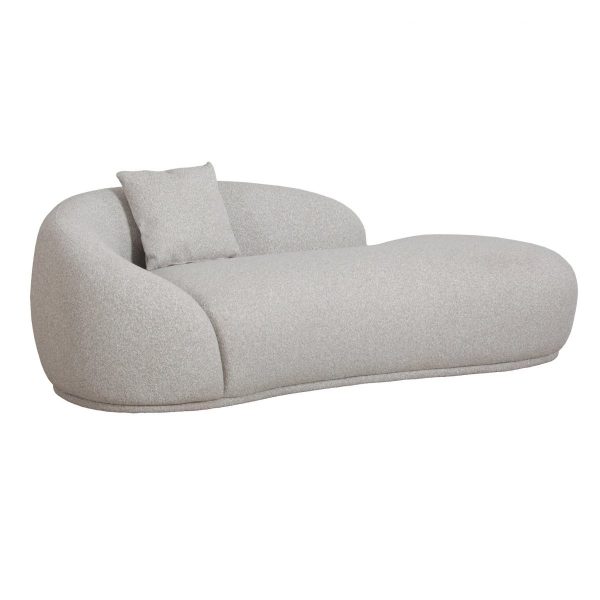

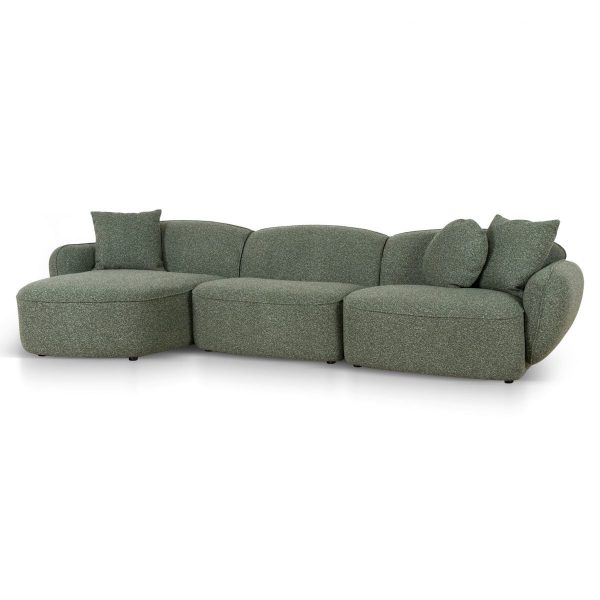

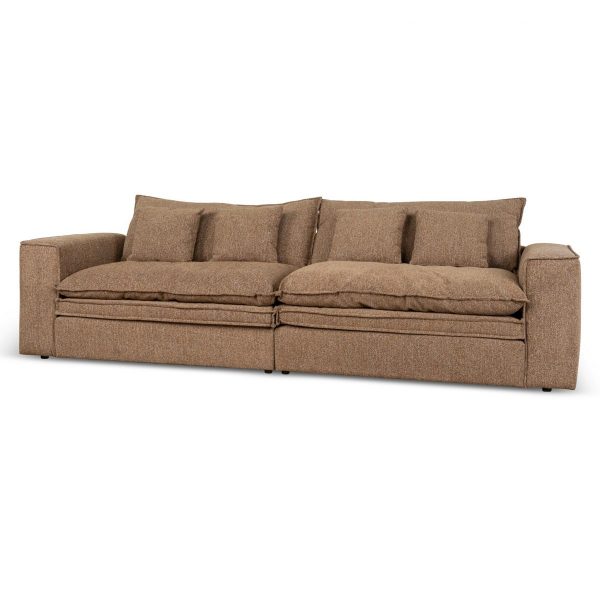
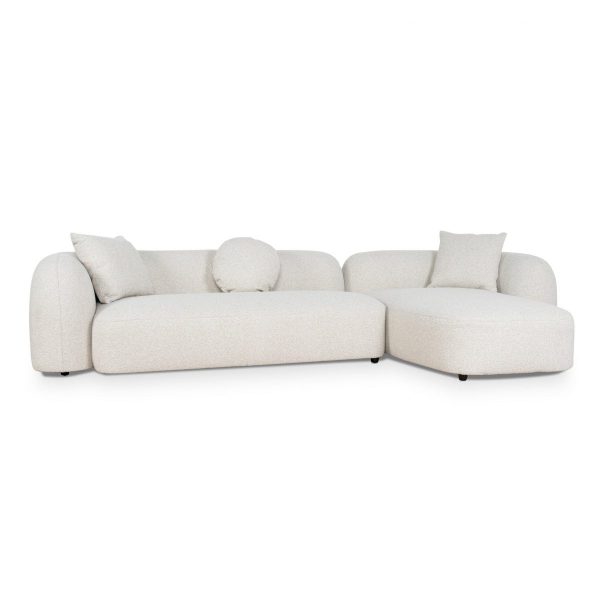
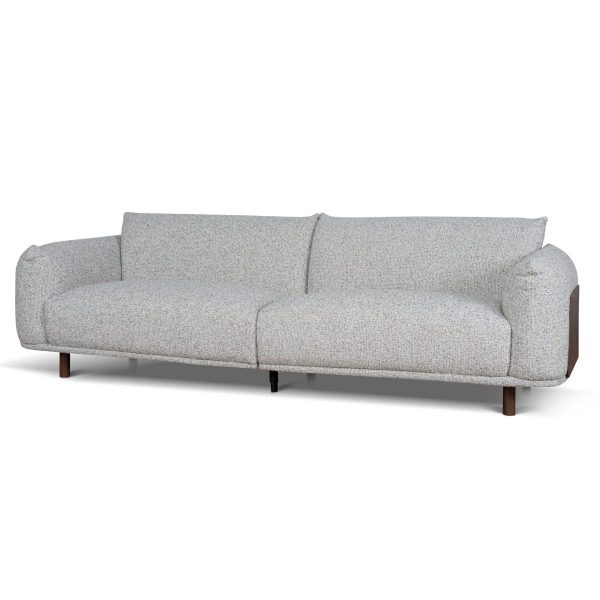
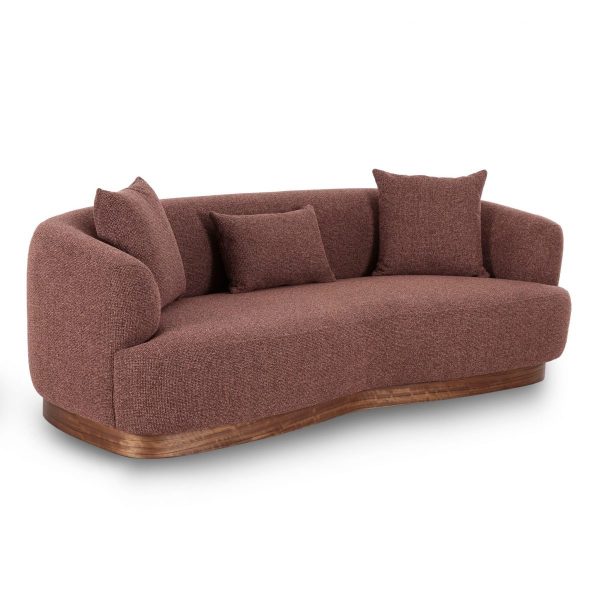
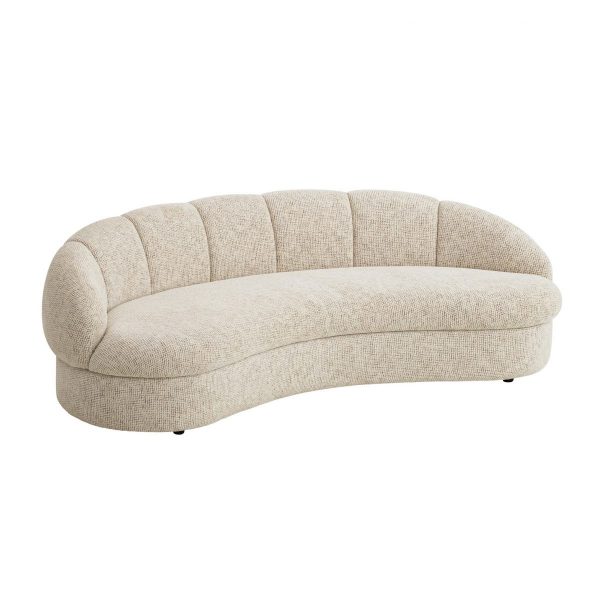
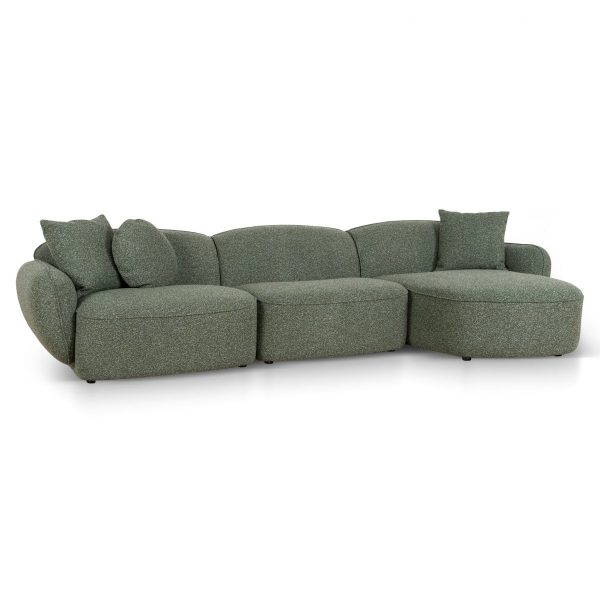
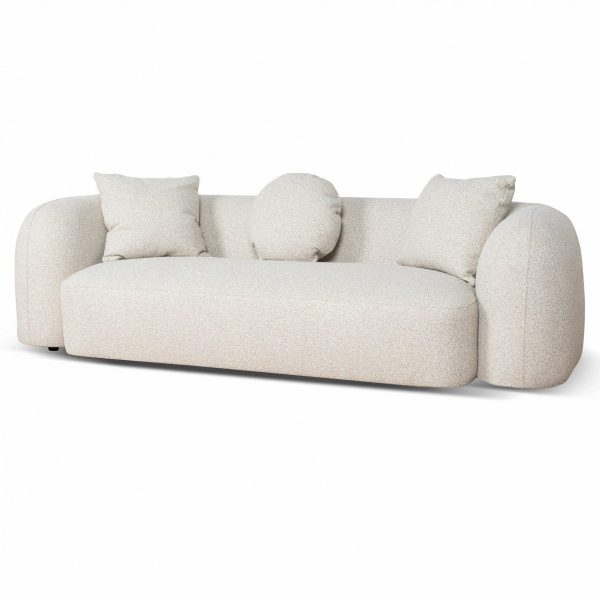
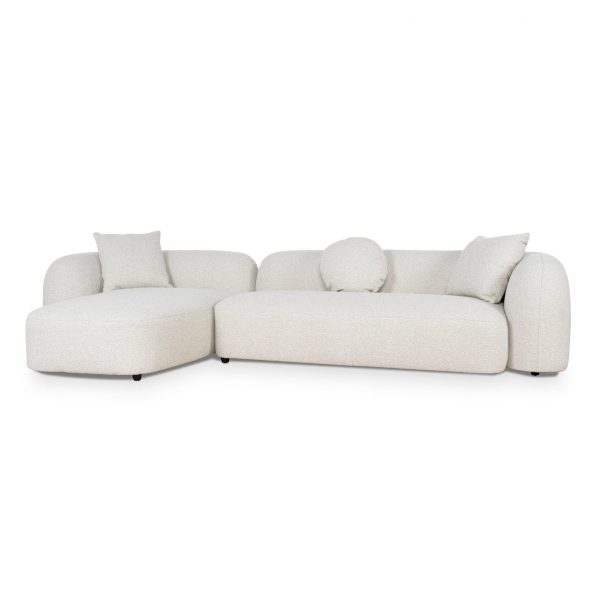
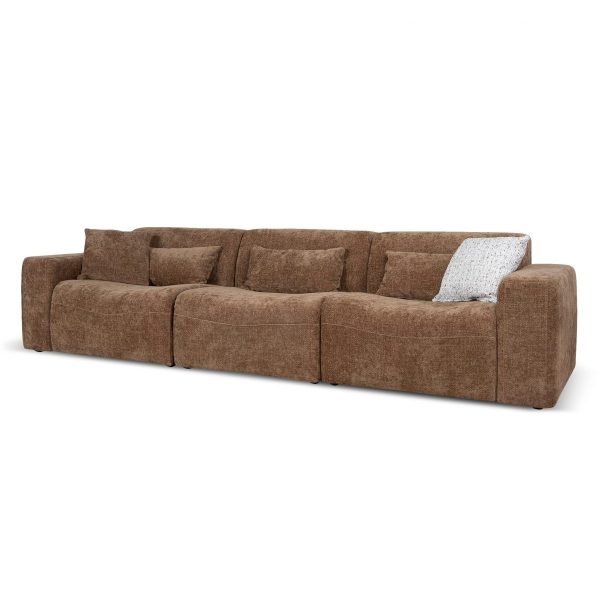
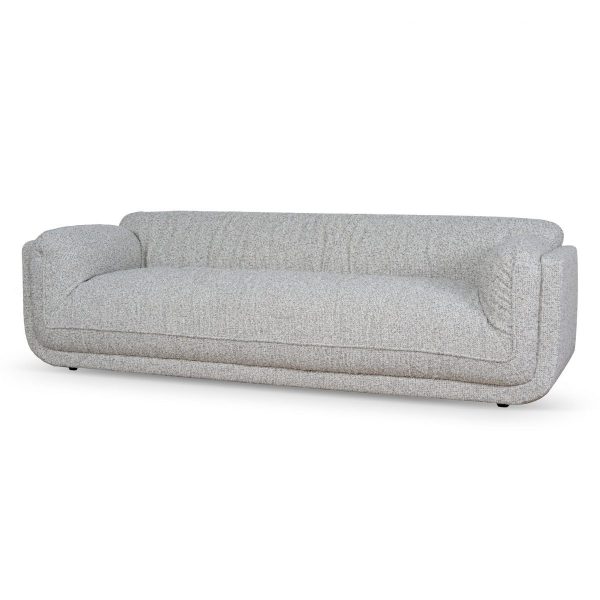
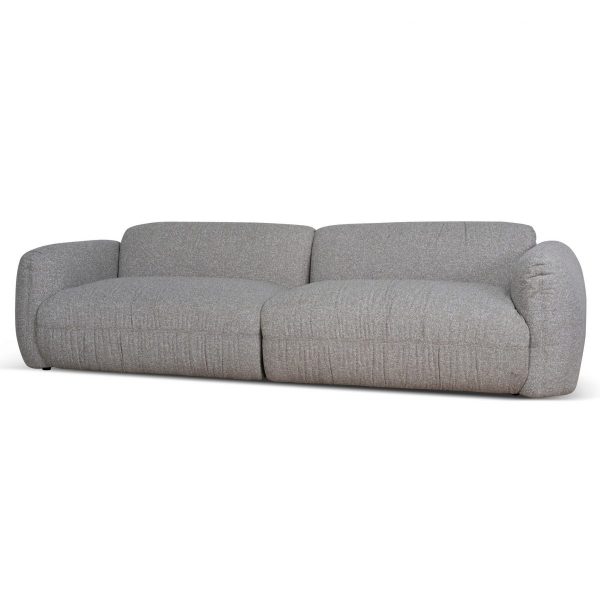
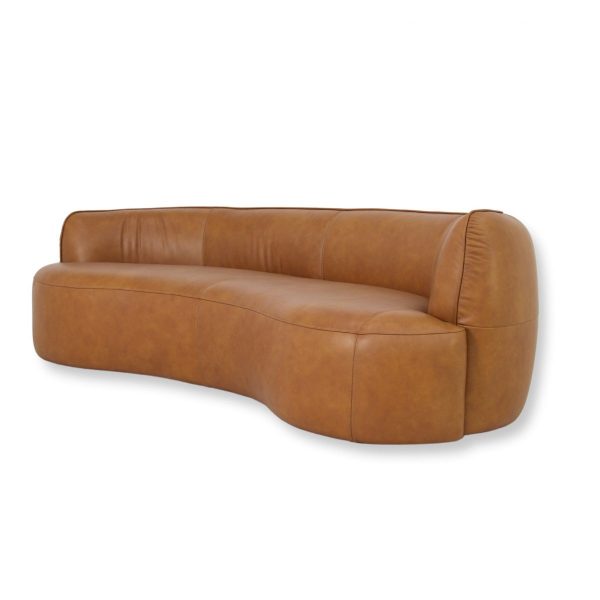
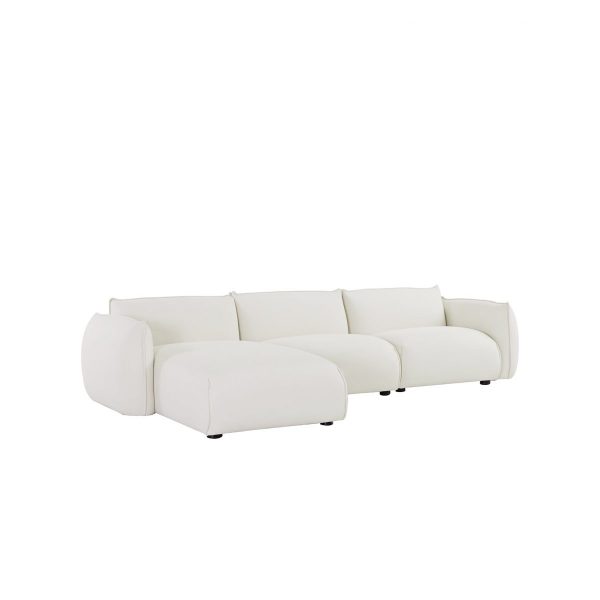
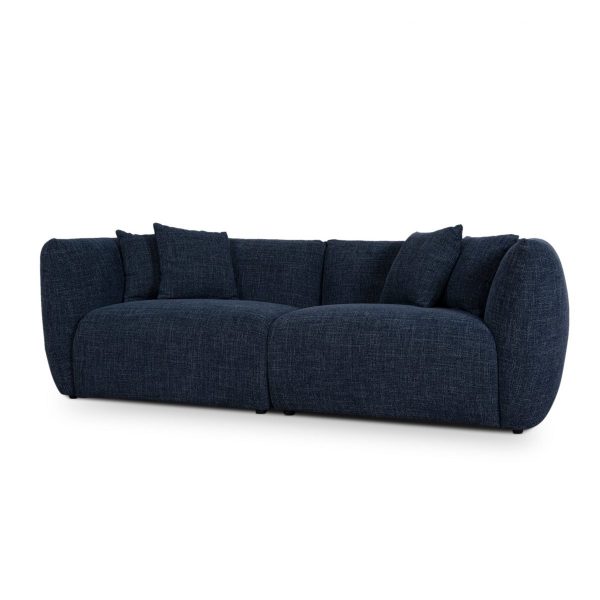
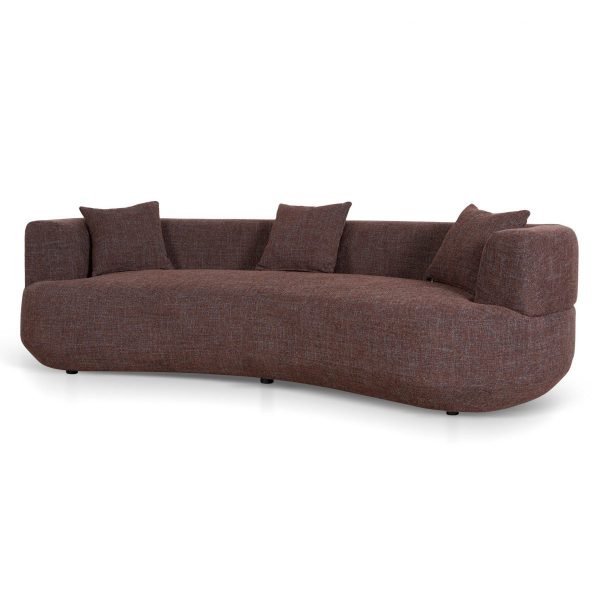

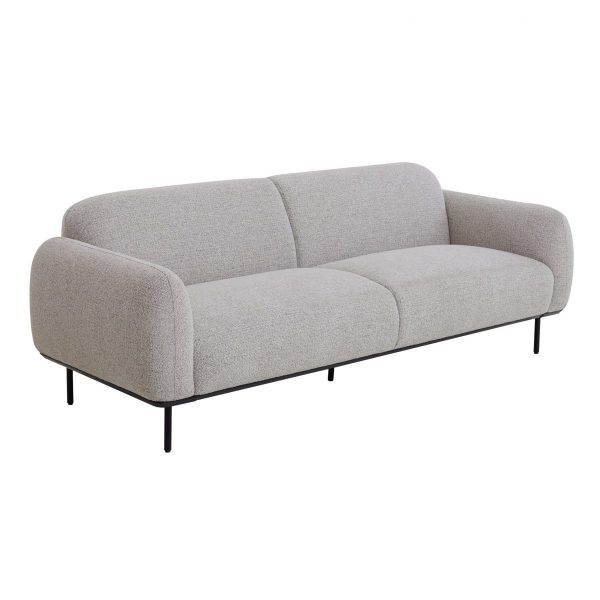
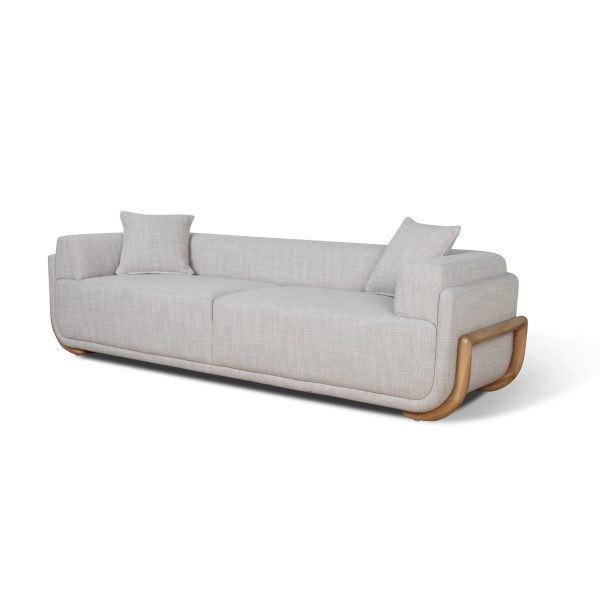
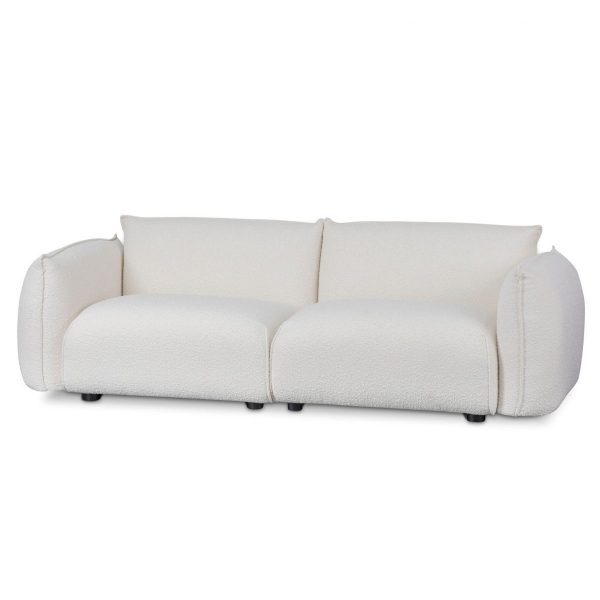
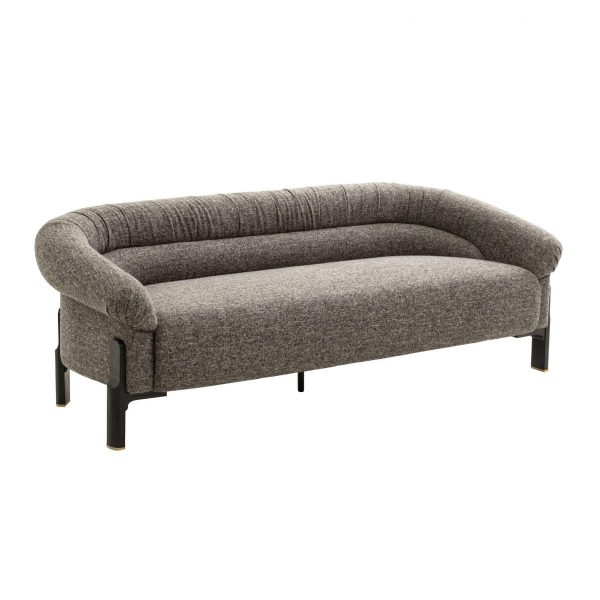

Does the middle seat receive the support you want?
The middle position has no nearby arm to lean against, so assess its back and cushion arrangement directly. Check whether a seam or division falls where the user normally sits and how the listing describes support. Do not treat the end seats as representative of the whole sofa.
Consider who uses the centre most often. Someone sitting upright for conversation and someone relaxing with a screen may use the same cushion differently. Ask about usable seating dimensions where they are missing. Counting three visible divisions is not a substitute for checking the surface and support available across the actual sofa interior.
Compare inside width with arms and cushion boundaries
A broad exterior may include substantial arms rather than an equally broad sitting area. Separate total width from the space between the arms, then assess how the intended users share it. Divided cushions can help define positions but do not establish generous room for each person.
Think about whether users shift, curl up or leave objects beside them. Those habits reduce the useful shared space. If regular seating needs exceed the design’s practical capacity, compare 4 seater sofas using actual measurements.
Keep access useful for the users at the ends
Look at arm height and shape alongside reachable tables. An end user should not have to lean over a broad arm or across another person for an everyday object. The middle user also needs a practical surface in front, placed without narrowing the room route.
Review the stated upholstery and cushion care once those seating relationships work. Deep forms may support a different resting style, so compare deep seat sofas where that is the intended use. Confirm complete footprint and access into the home separately. The best comparison considers all three occupied places rather than judging only the sofa’s outline or one comfortable end position.